
This post may contain affiliate links. Please read my disclosure policy.
In This Article Show
There is something special about turning a small piece of fabric into something useful. A quiet afternoon, a few colorful scraps, a needle, and a simple idea can become a gift, a room decoration, or even a product to sell. That is why sewing crafts work so well for both beginners and experienced makers. You do not need an expensive sewing room to begin. Many projects need only fabric, thread, scissors, pins, and basic hand-sewing skills. For machine projects, a simple straight stitch can take you surprisingly far. The Sewing & Craft Alliance also provides free sewing projects across categories such as kids’ projects, fashion, toys, pillows, and quilting.
Why Sewing Crafts Are Worth Trying
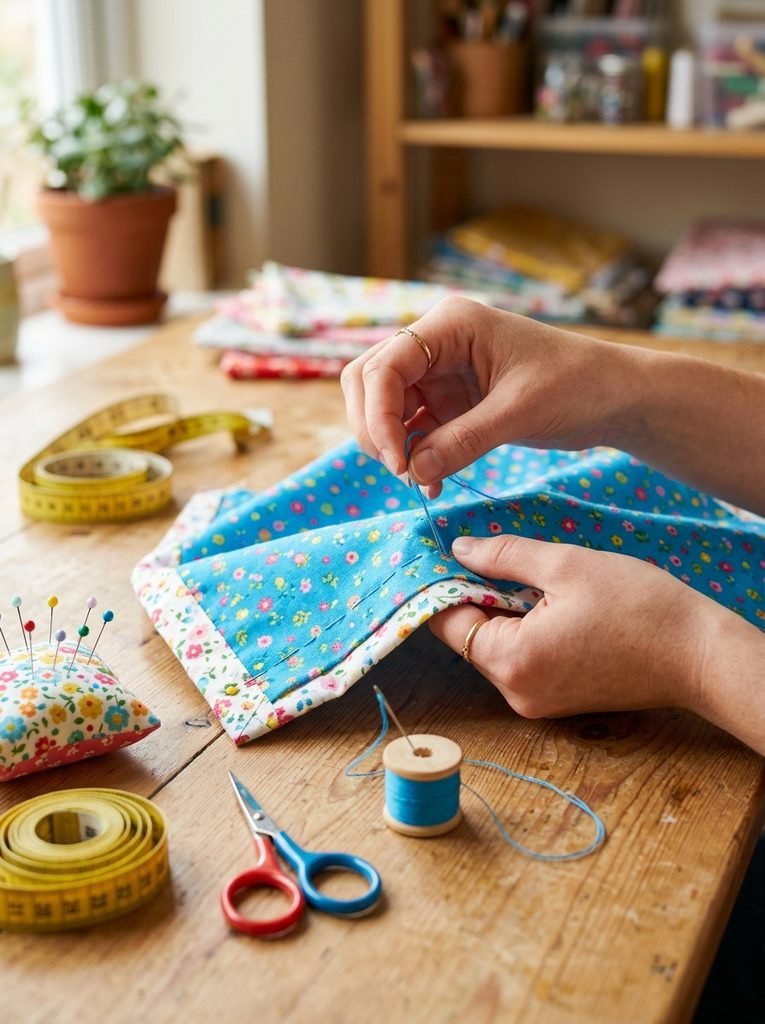
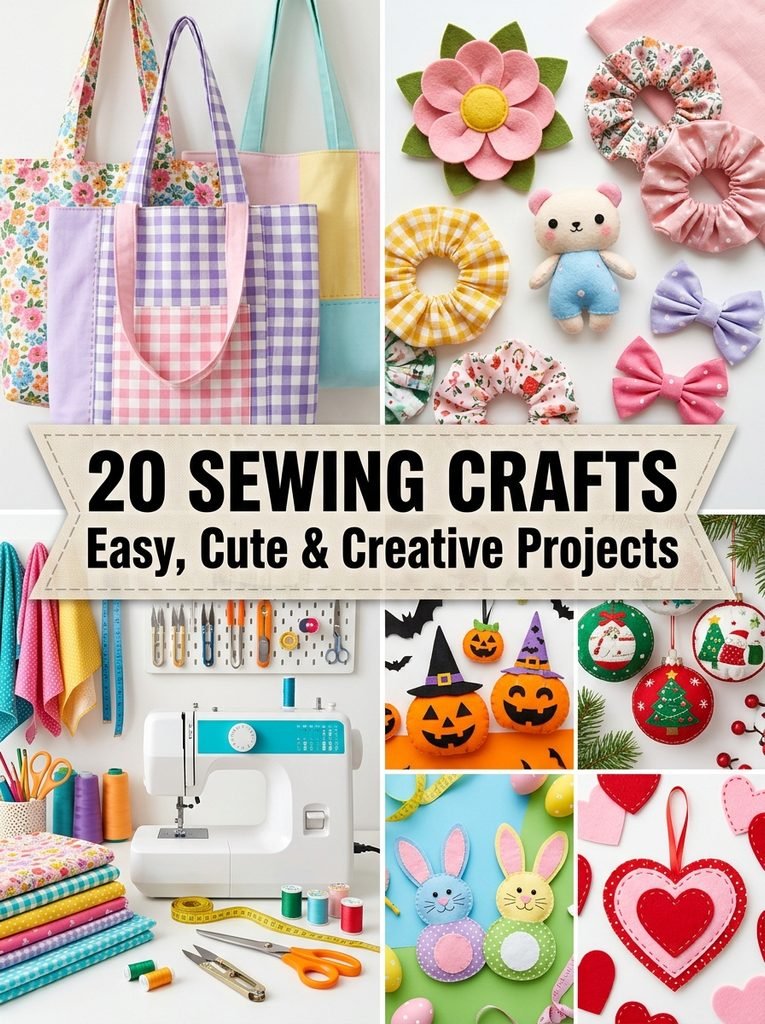
The best projects solve a small problem while giving you the joy of making something yourself. A fabric tote can replace a disposable shopping bag. A felt pouch can organize small items. A cushion cover can refresh a room without buying new furniture. For beginners, simple projects also build useful skills. You learn how to cut fabric accurately, join pieces, sew straight lines, finish edges, and follow tutorials. Hand sewing teaches patience and control, while machine sewing helps you work faster once you become comfortable. A good beginner project should feel achievable. It should not require ten complicated techniques at once. Start small, enjoy the process, and let each project teach you something new. Here are 20 practical and creative projects covering kids, room ideas, gifts, seasonal decorations, fashion, and items you could potentially sell.
1. Easy Fabric Tote Bag
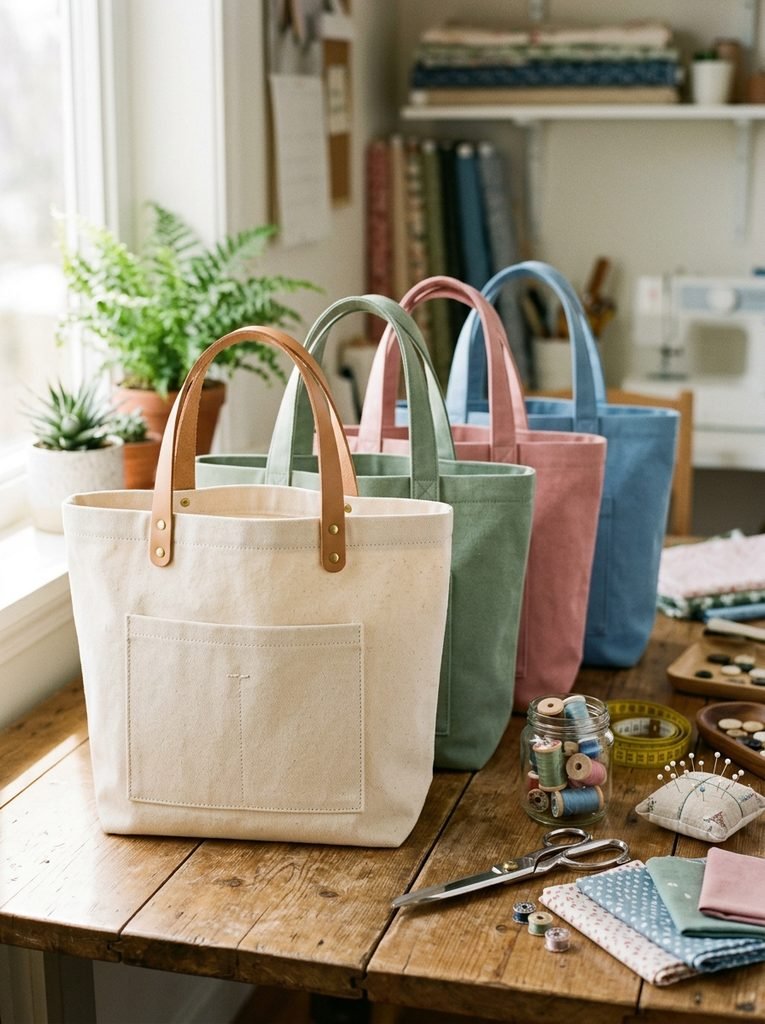
A fabric tote is one of the most useful beginner projects. Choose cotton or canvas and make a simple rectangular bag with two sturdy handles. Try neutral fabric for an everyday look or bright prints for something more playful. Once you understand the basic construction, you can add pockets, lining, or decorative stitching.
2. Cute Felt Flower Brooch
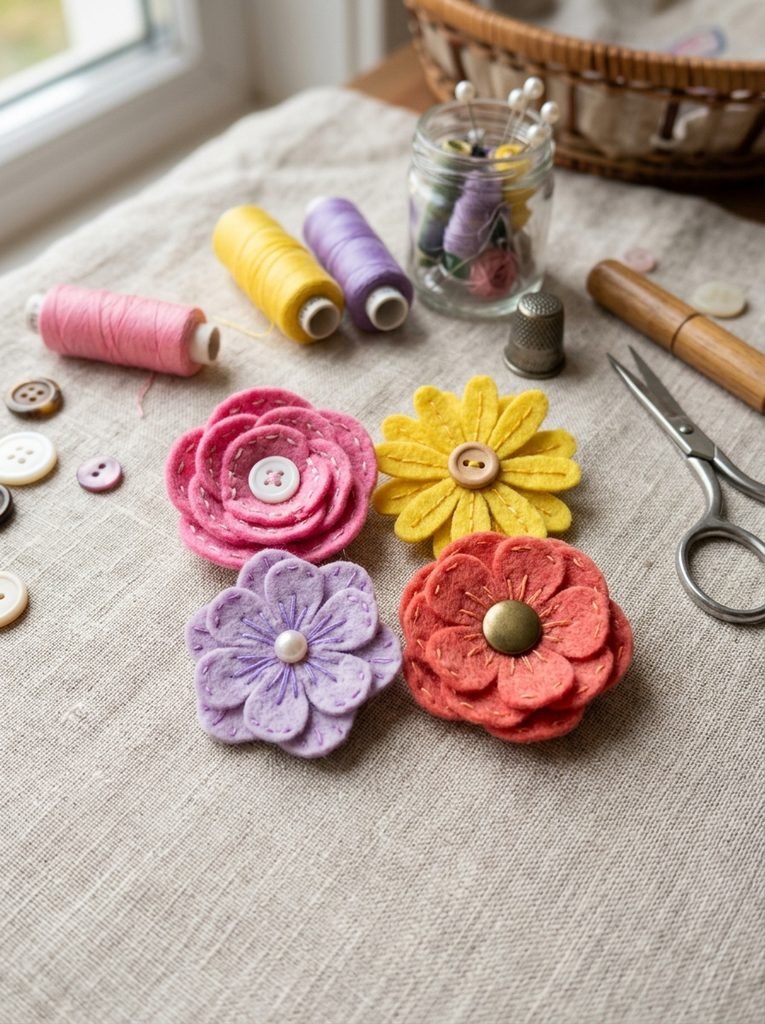
Felt makes crafting easy because it does not fray like many woven fabrics. Cut simple flower shapes, layer two or three colors, and stitch or secure them together. Add a small brooch pin at the back. This cute accessory also works as a small handmade gift.
3. Simple Fabric Scrunchies
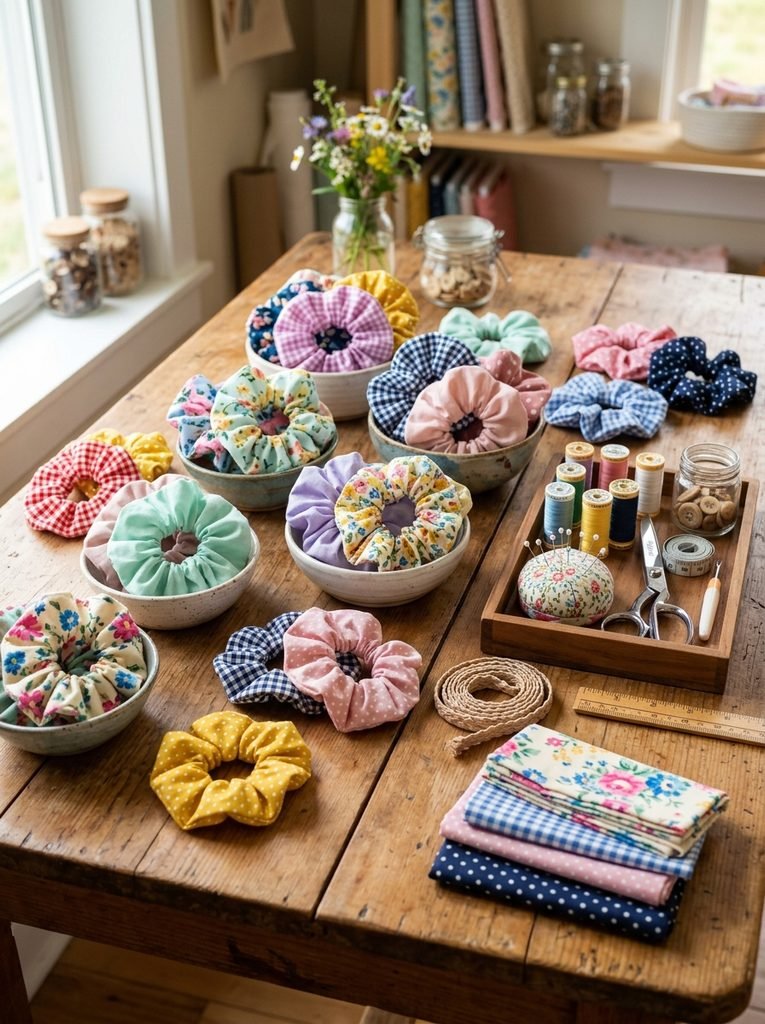
Scrunchies are quick, colorful, and easy to customize. Use cotton, satin, floral fabric, or leftover pieces from larger projects. Make several in one sitting and create matching sets for friends, kids, or a small handmade shop.
4. Denim Pocket Organizer
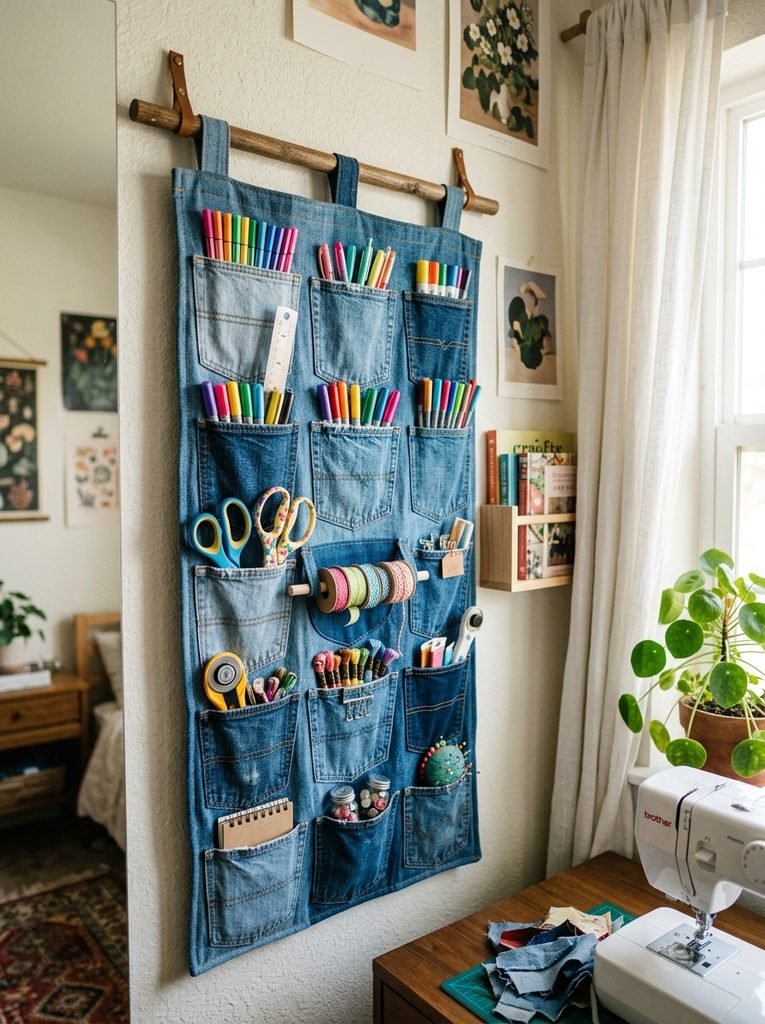
Old jeans can become useful room storage. Cut away the back pockets and attach them to a sturdy fabric panel. Hang the finished organizer near a desk, craft table, or bedroom wall. It can hold pens, clips, small tools, hair accessories, or other everyday items.
5. Beginner Pillow Cover
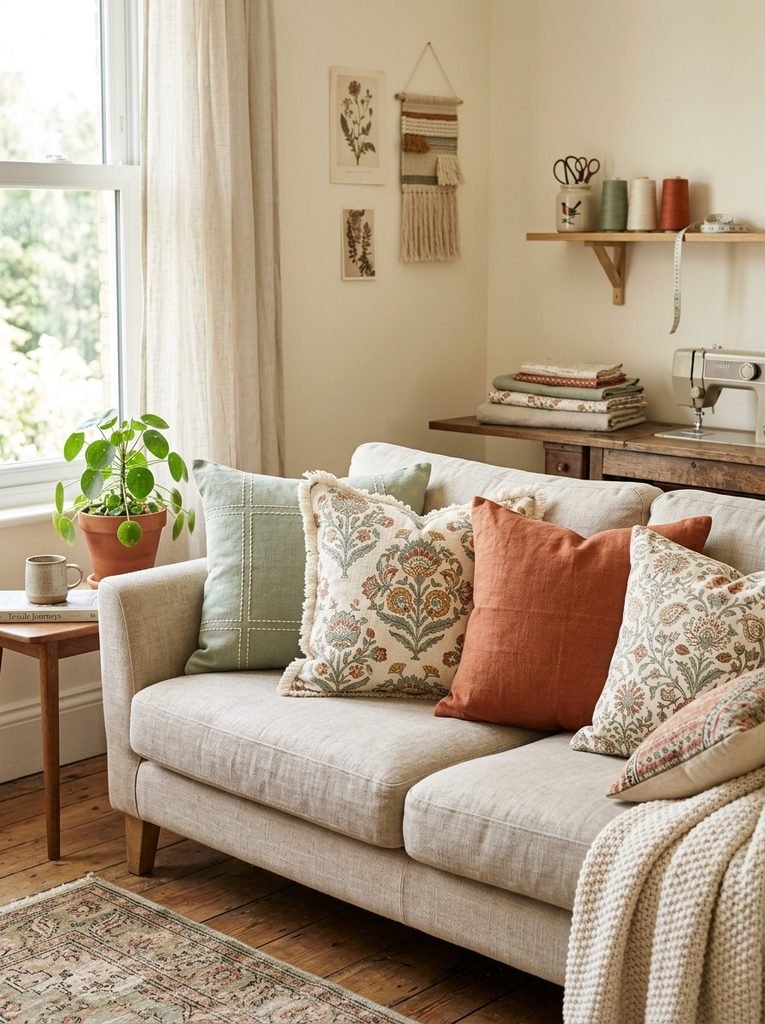
A pillow cover is a great way to practice straight seams and neat corners. Start with a simple envelope-style design because it avoids complicated closures. Choose a fabric that matches your room and add a contrasting border for extra character.
6. Cute Fabric Plushie
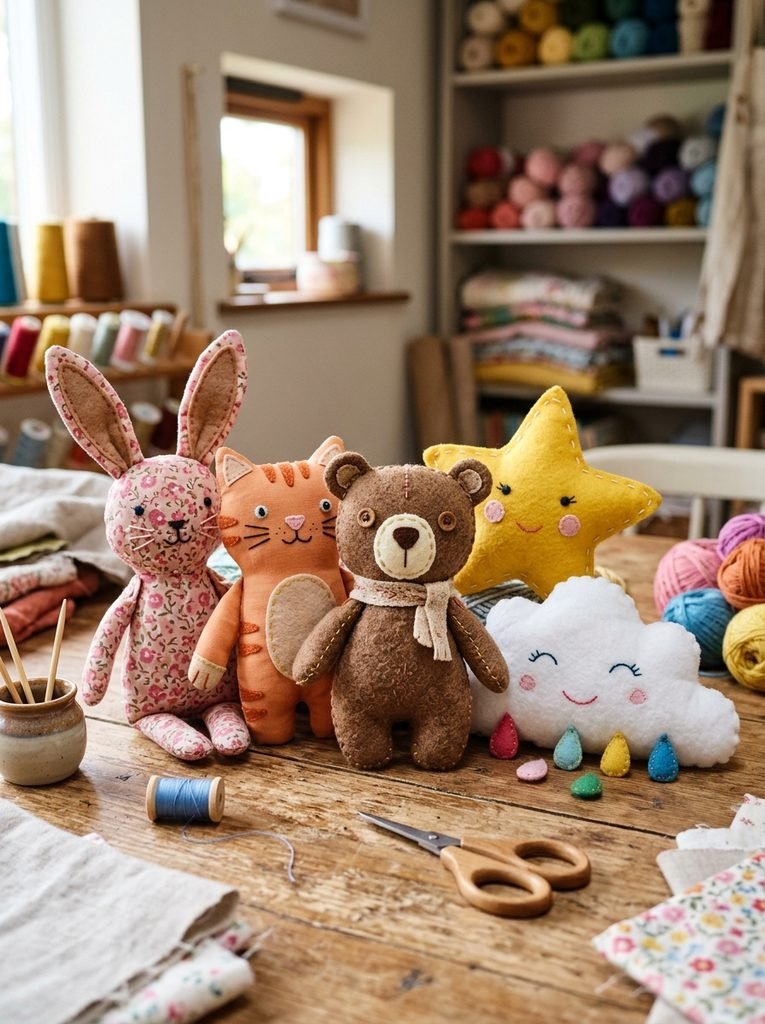
Small plushies turn fabric scraps into something playful. Make a simple cat, bunny, bear, star, or cloud. Beginners can use felt or cotton and add embroidered eyes instead of complicated details. Always choose age-appropriate materials and supervise young children around small parts.
7. Easy Kids’ Apron
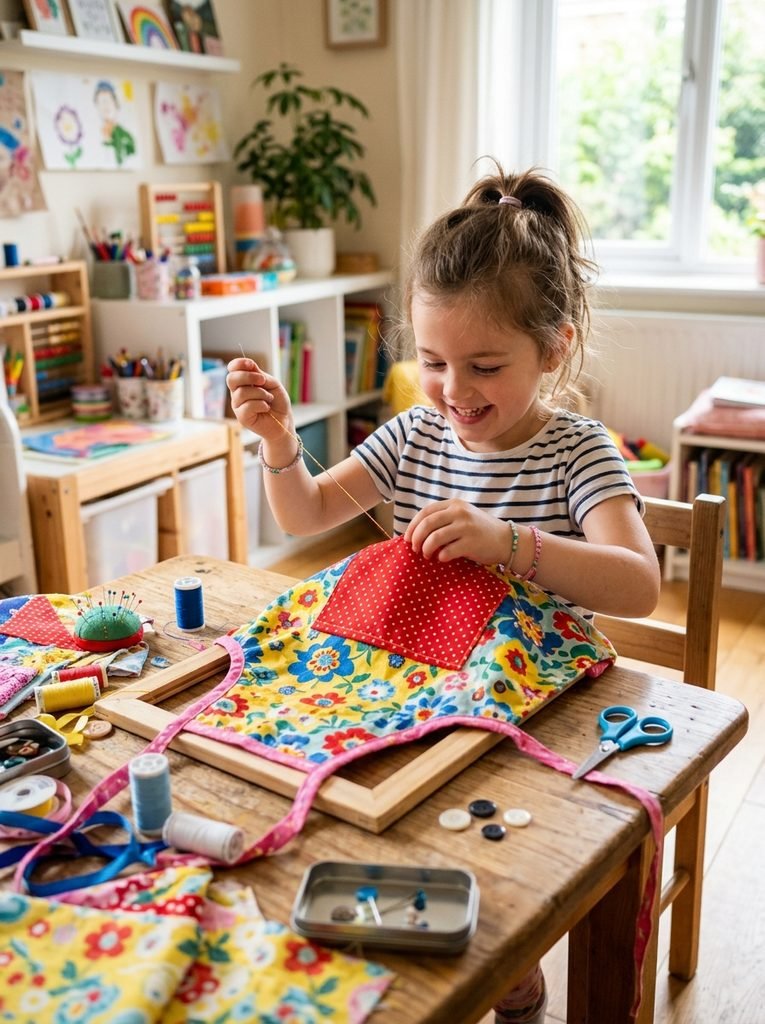
A small apron can become a fun project for children who enjoy baking, painting, gardening, or pretend play. Choose washable cotton and add a large front pocket. Simple shapes make this project approachable while giving kids something they can actually use.
8. Fabric Hair Bow
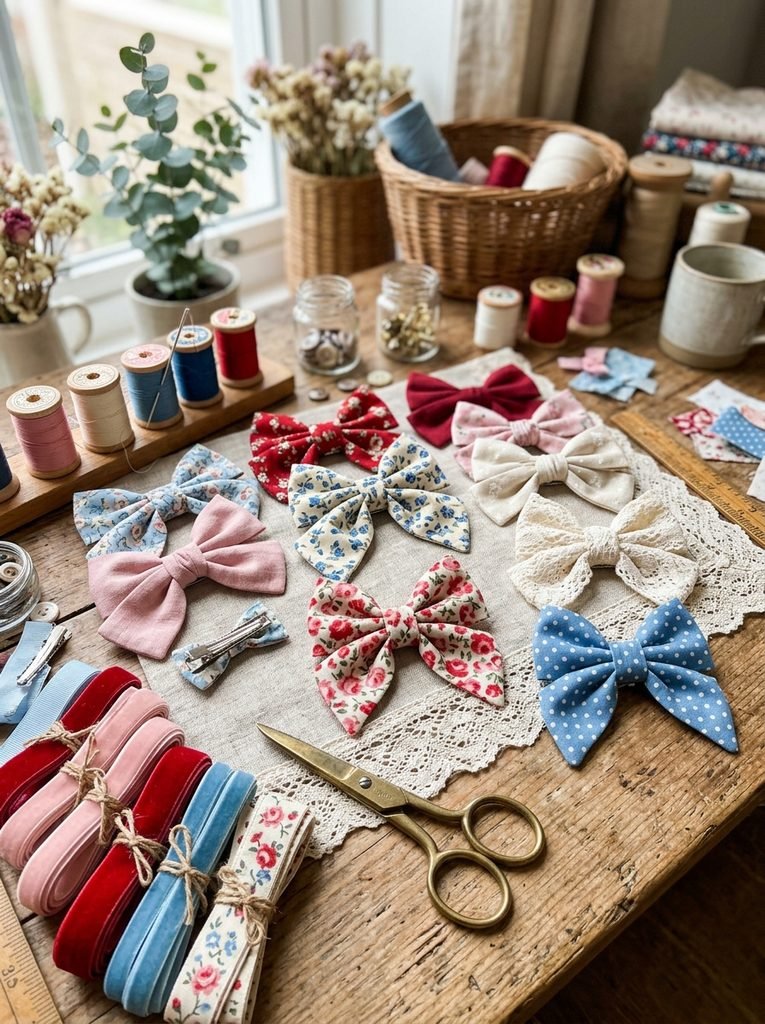
A handmade hair bow takes only a small amount of fabric. Try floral cotton for spring, velvet for winter, or bright colors for kids. Attach the finished bow to a hair clip or soft elastic. This project can also become part of a small handmade accessory collection.
9. Simple Denim Tote
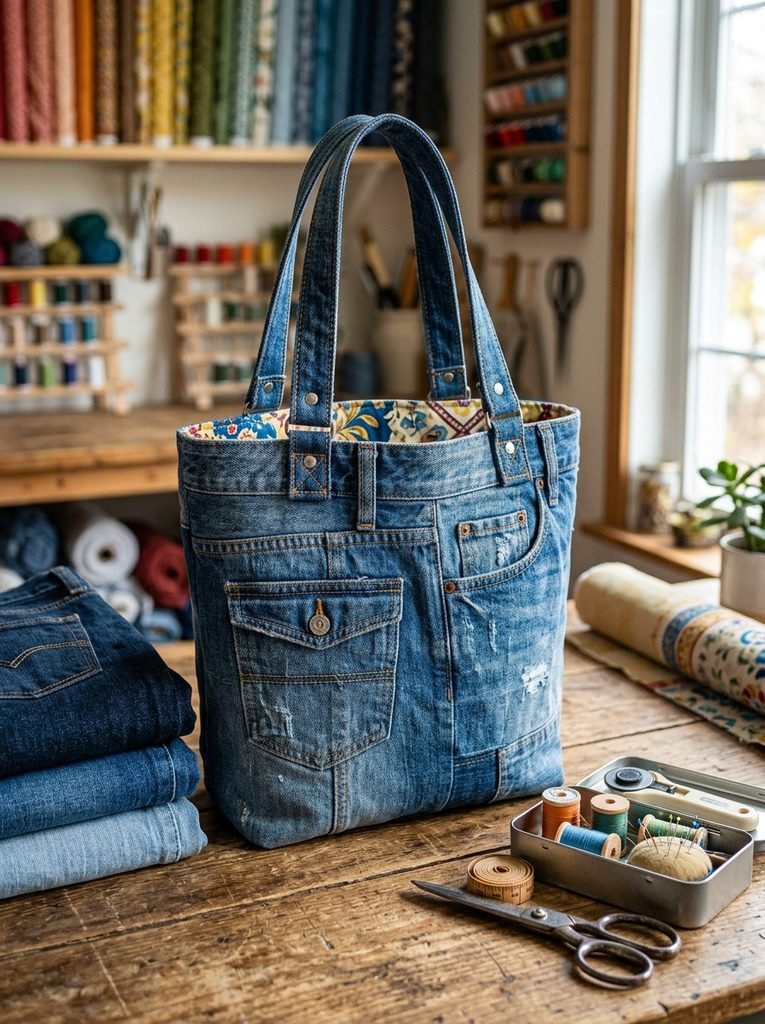
Give an old pair of jeans a second life by turning the denim into a sturdy tote. Keep the original pockets and use them as useful storage on the outside. The finished bag has a casual look and can work for shopping, books, or everyday use.
10. Patchwork Table Runner
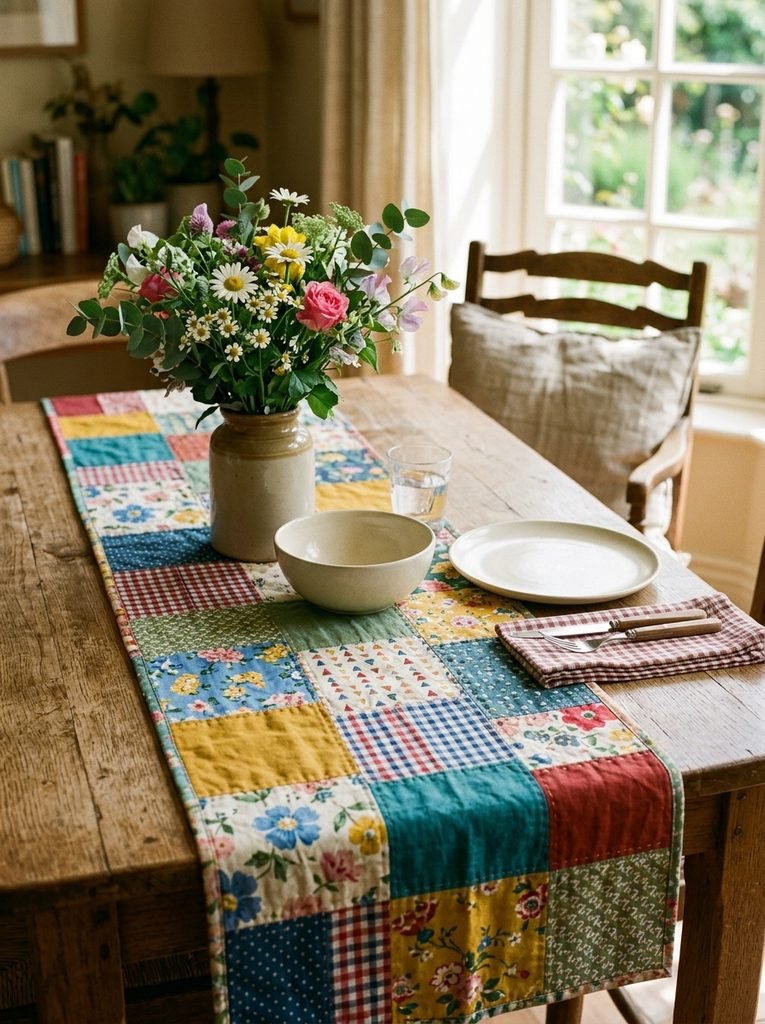
Patchwork lets you combine small fabric pieces into a larger design. Pick three to five colors that work together and arrange square or rectangular pieces before stitching. A finished runner can add handmade charm to a dining or coffee table.
11. Spring Fabric Garland
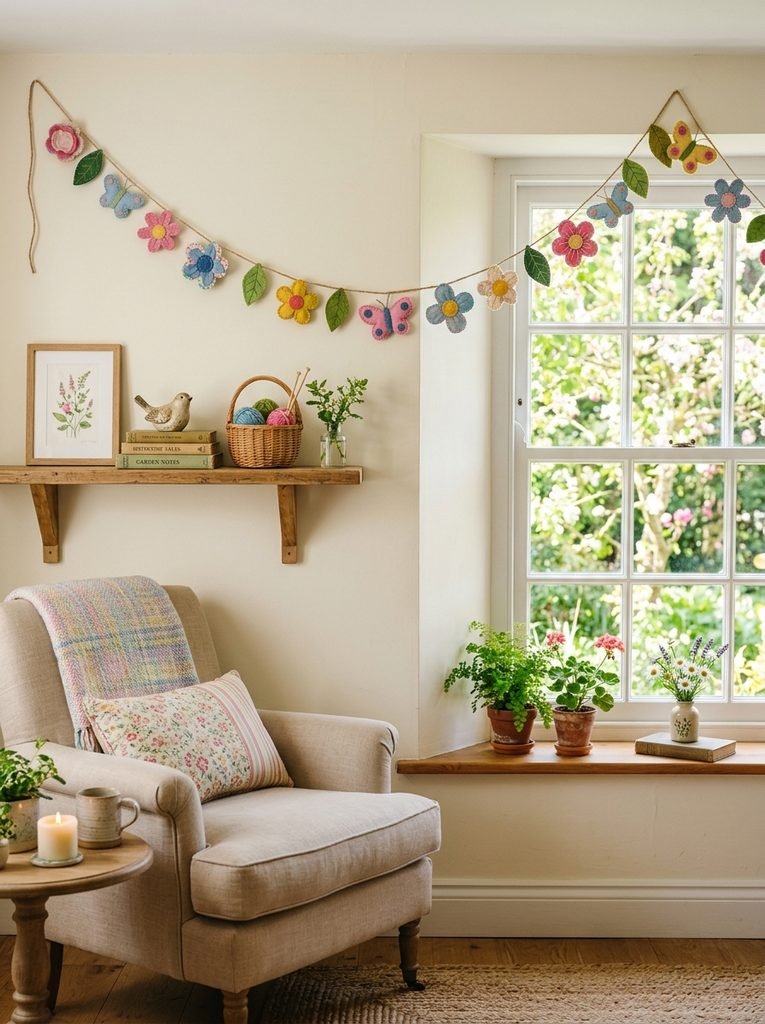
Spring is a perfect time for light fabric decorations. Cut flowers, leaves, butterflies, or simple flags from cotton or felt and join them into a garland. Hang it across a wall, shelf, window, or party table.
12. Easter Bunny Decoration
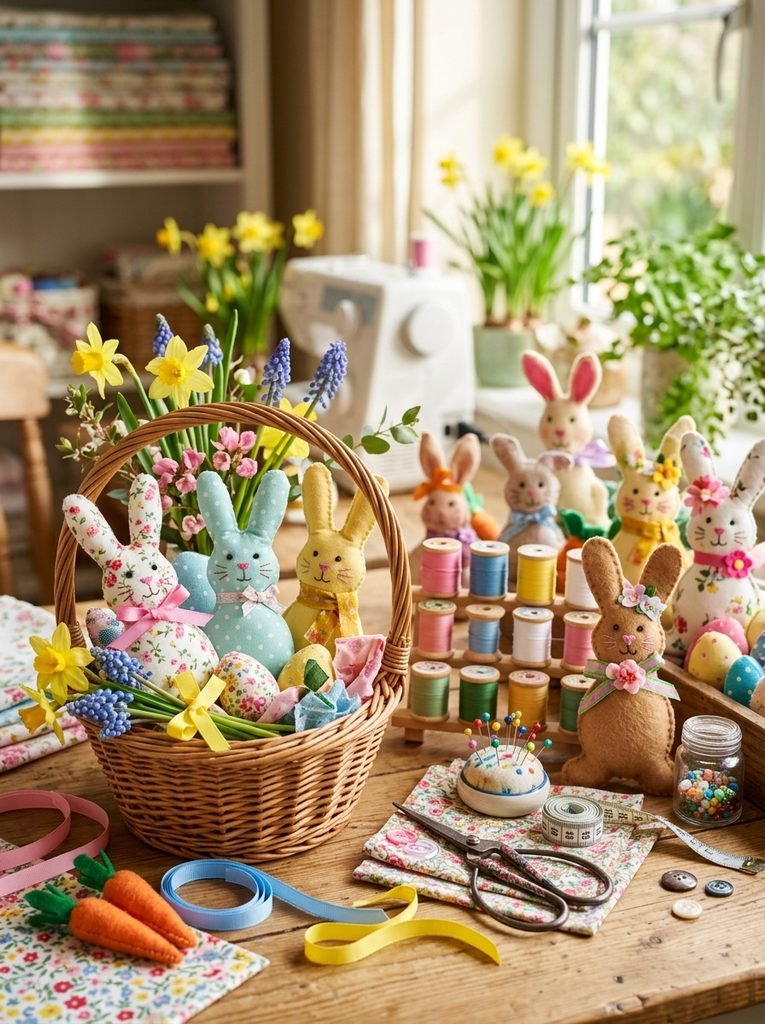
Create a small bunny from felt or cotton and decorate it with simple stitched details. Add a ribbon around the neck or place several bunnies in a basket. This project can become a sweet Easter table or shelf decoration.
13. Halloween Treat Bag
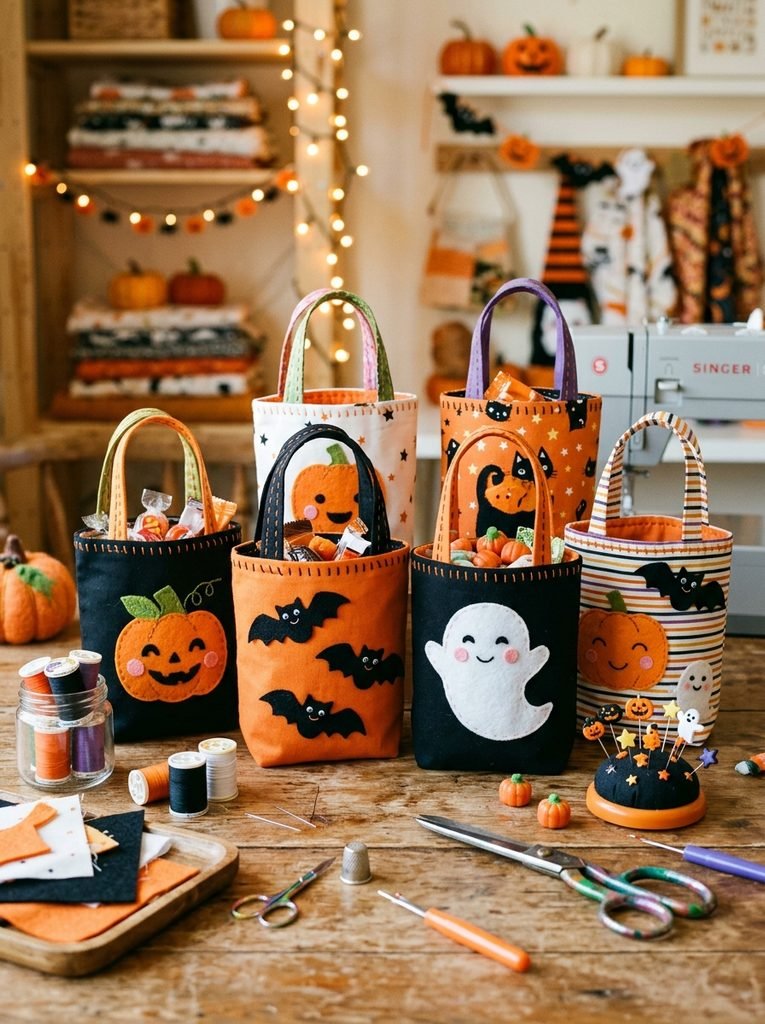
A small Halloween bag gives kids a fun accessory for trick-or-treating. Use black, orange, purple, or spooky printed fabric. Add simple felt shapes such as pumpkins, bats, ghosts, or stars to create a playful design.
14. Christmas Fabric Ornaments
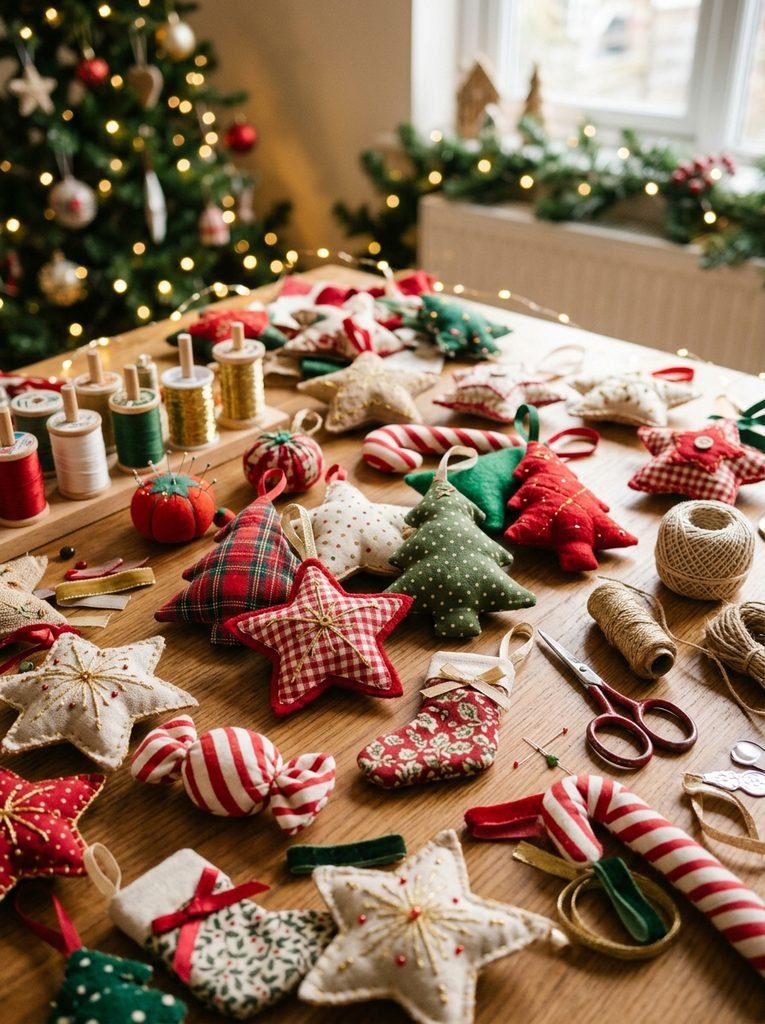
Small Christmas ornaments make excellent scrap-fabric projects. Sew stars, trees, stockings, candy shapes, or simple circles and fill them lightly. Add ribbons for hanging and use different fabrics to create a coordinated tree collection.
15. Thanksgiving Table Napkins
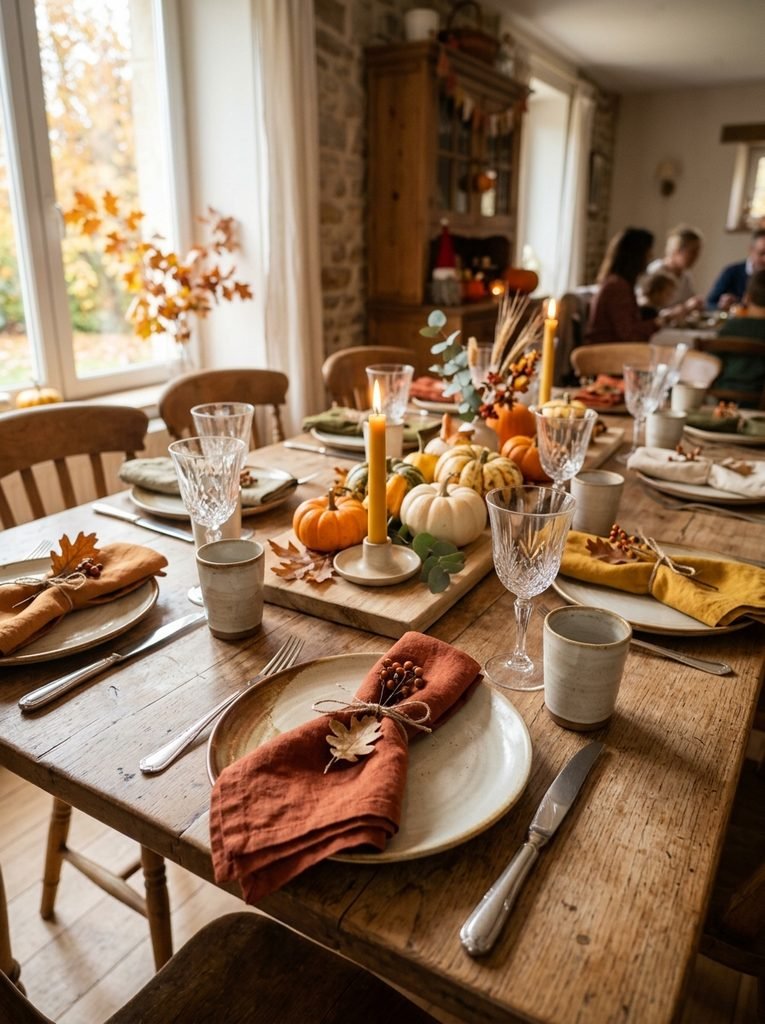
Reusable cloth napkins are practical and beginner-friendly. Choose autumn colors such as rust, mustard, cream, olive, or deep brown. A clean folded hem gives the edges a polished finish and makes the napkins easy to wash and reuse.
16. Valentine’s Heart Pillow
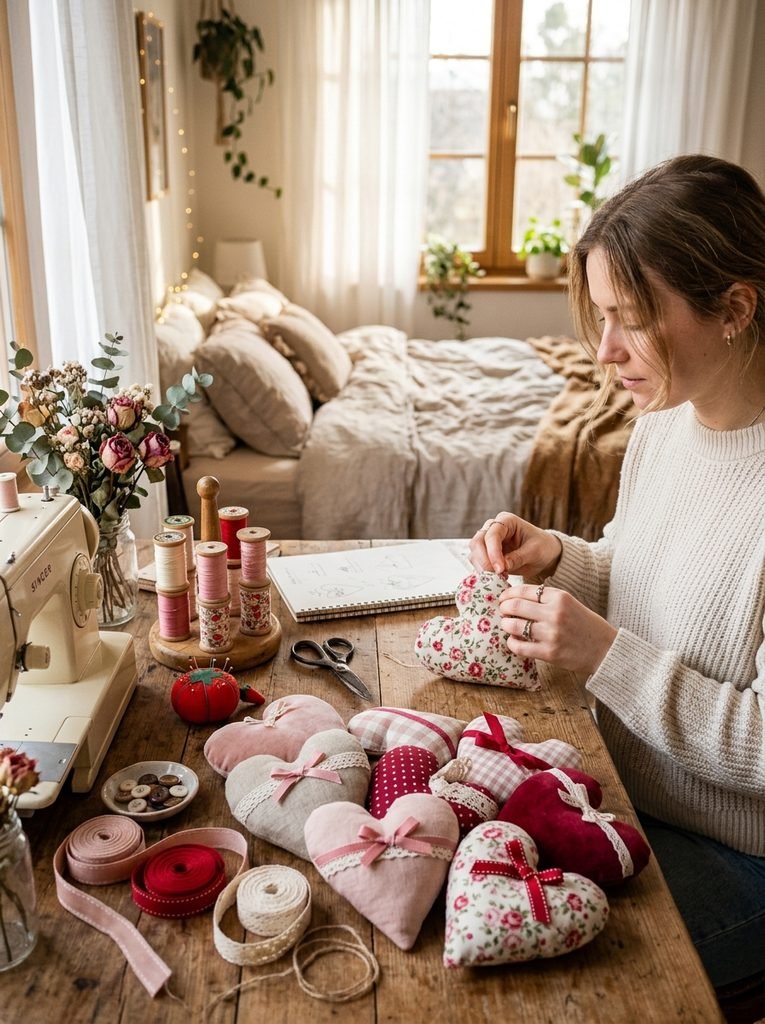
A heart-shaped pillow can make a thoughtful Valentine’s project. Use pink, red, white, or patterned fabric and add embroidered initials or a simple decorative border. It can become a romantic room accent or a handmade present for a boyfriend.
17. Quick Fabric Pouch
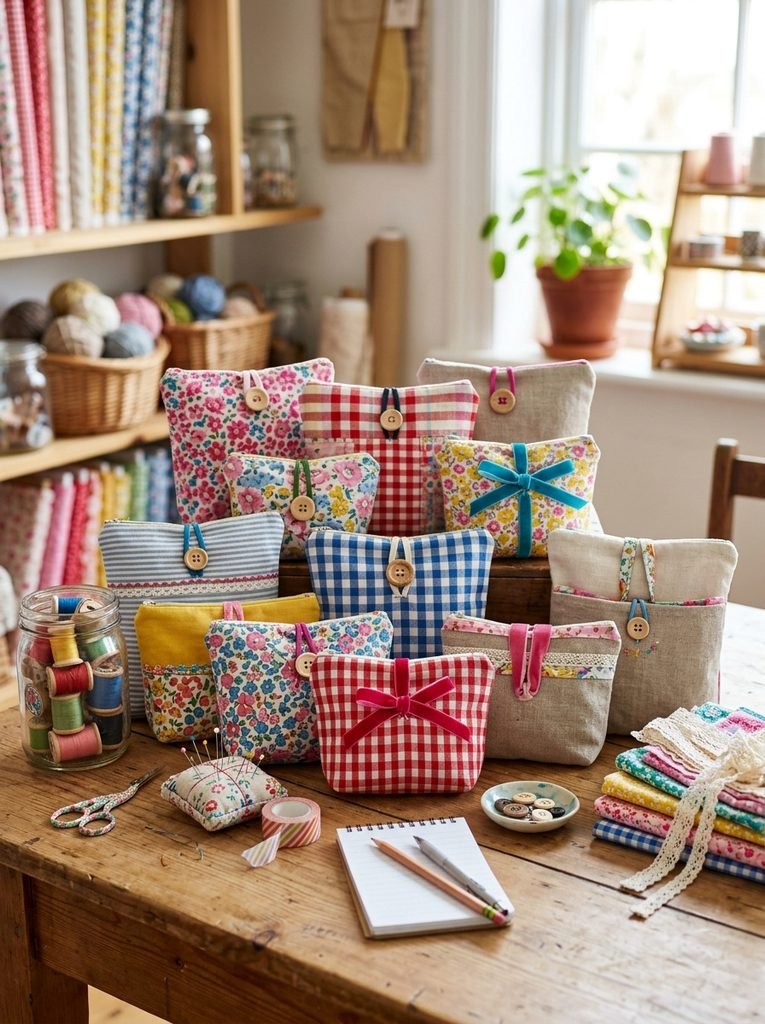
A small zipper-free pouch makes a useful beginner project. You can use it for coins, makeup, stationery, sewing notions, or small gifts. Add a button, snap, ribbon, or simple flap to give the pouch a personal look.
18. Room Wall Hanging
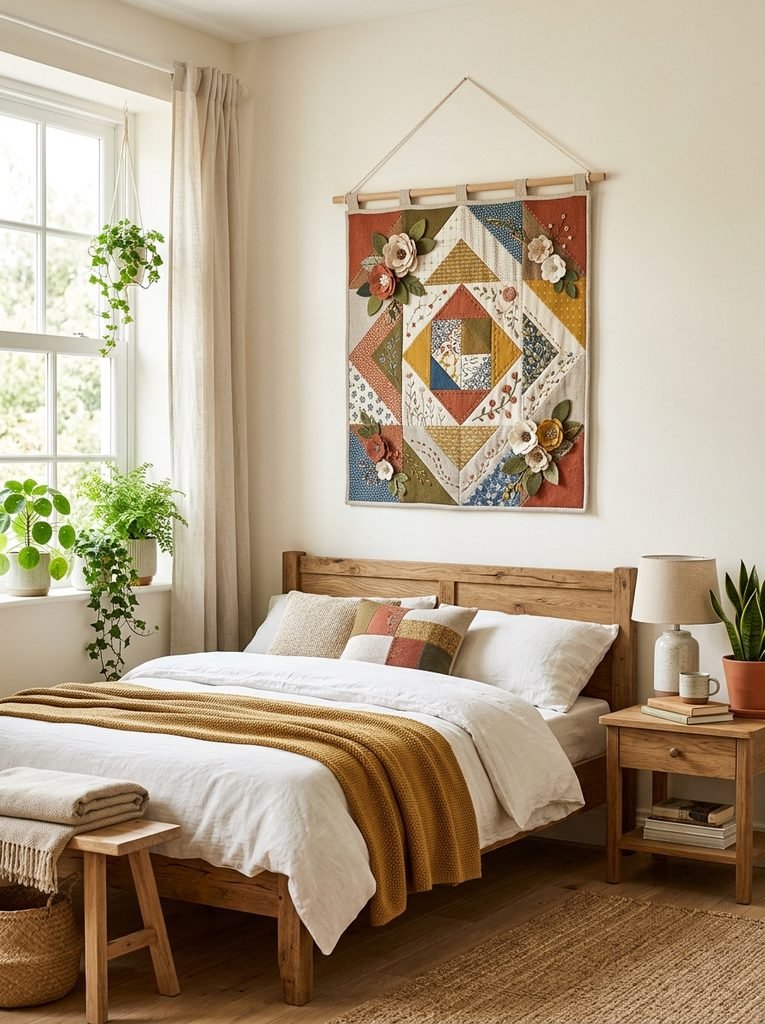
Fabric wall art can quickly change the mood of a room. Try a simple geometric design, felt flowers, embroidered shapes, or patchwork. Keep the color palette connected to the rest of the room for a polished result.
19. Handmade Gift Set
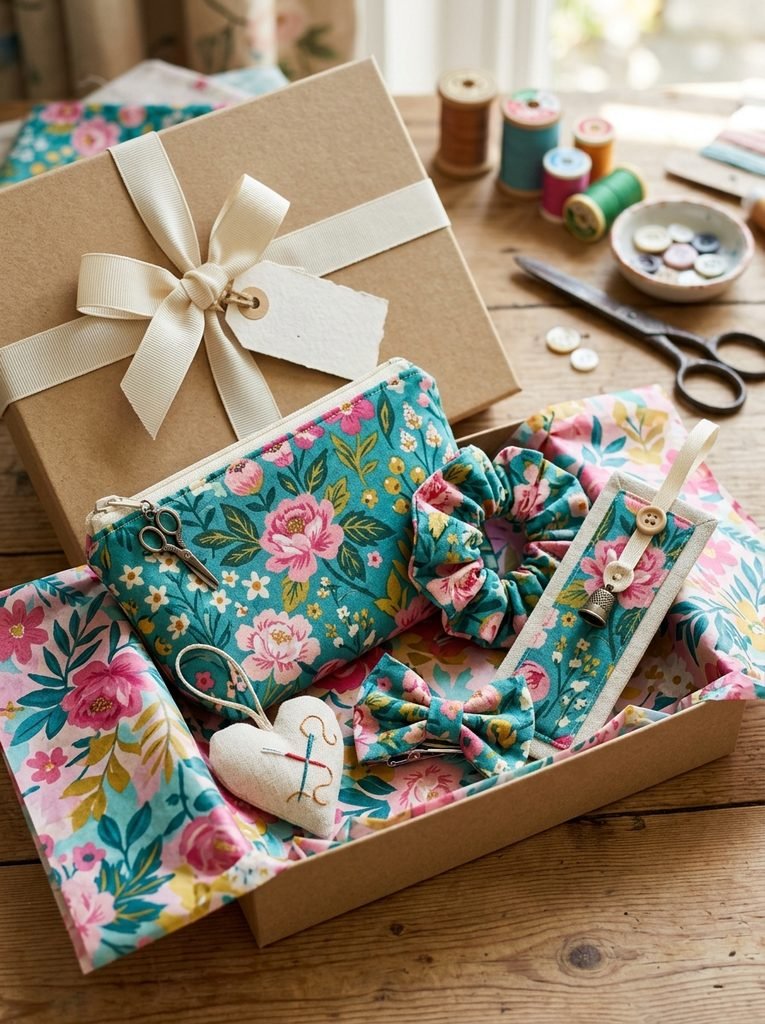
Combine small projects into one thoughtful gift. A scrunchie, pouch, fabric bookmark, hair bow, or small ornament can become a coordinated set. Matching colors make even simple handmade pieces look carefully planned.
20. Small Items to Sell
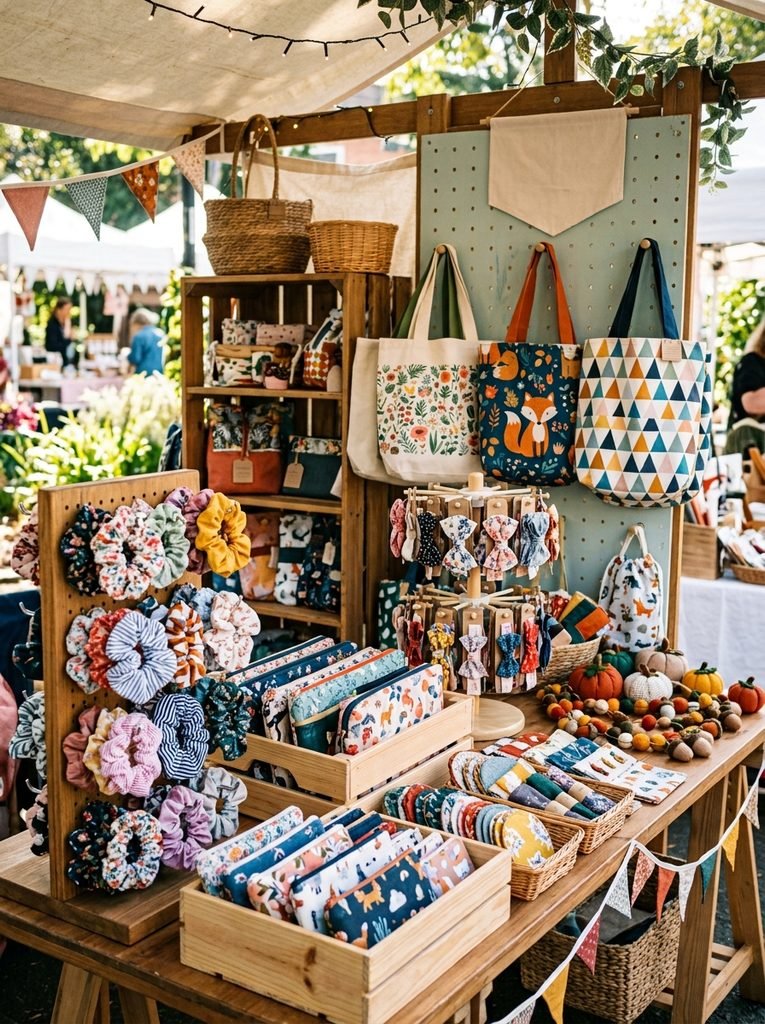
If you want to sell handmade products, start with projects that use manageable amounts of material and do not take too long to finish. Scrunchies, pouches, tote bags, hair bows, table accessories, and seasonal decorations can create a varied collection. Make several versions, photograph them clearly, and calculate material and labor costs before setting prices.
Sewing Crafts for Beginners: What You Need
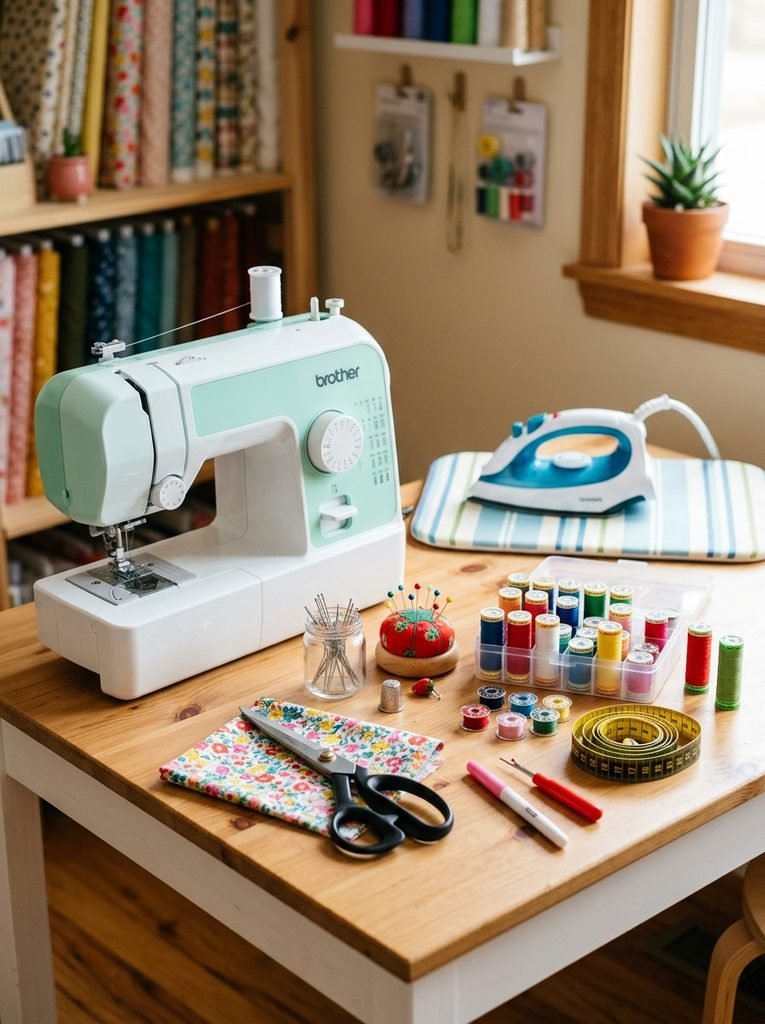
You can begin with a surprisingly small toolkit. Good fabric scissors, thread, sewing needles, pins, a measuring tape, seam ripper, fabric marker, and an iron cover most basic projects. If you use a machine, learn its straight stitch, zigzag stitch, reverse function, presser foot, and tension controls before moving into complicated designs. The Sewing & Craft Alliance notes that good task lighting and basic stitch functions matter when choosing and using a sewing machine. For hand sewing, practice straight stitches, backstitches, running stitches, and simple edge finishes on scrap fabric. Beginners often improve faster when they practice on small pieces instead of starting immediately with a large garment.
How to Make Sewing Crafts Look Professional
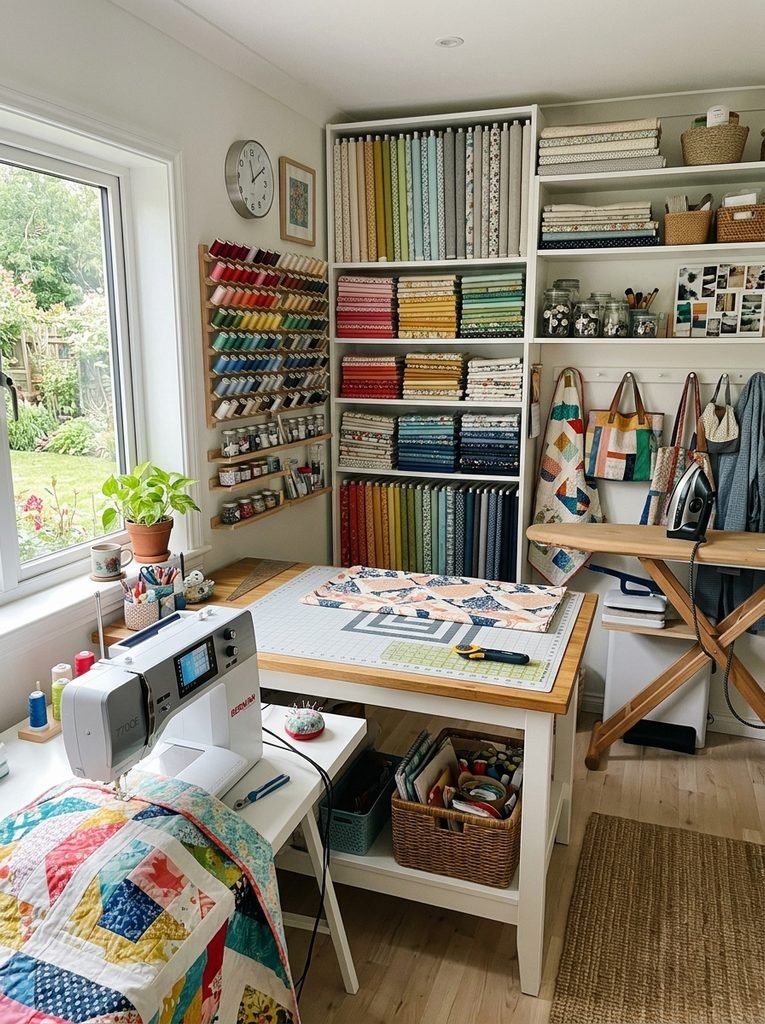
Small details make a big difference. Cut carefully. Keep seam allowances consistent. Press seams as you work instead of waiting until the end. Trim loose threads and check corners before turning a project right side out. If you want to sell your work, consistency matters even more. Make several samples of the same item and compare their size, stitching, finishing, and overall appearance. A simple product with clean construction often looks more valuable than a complicated project with uneven details. For room ideas, think about color before buying fabric. A coordinated palette can make several handmade pieces feel like one collection. Sewing-room organization also matters; Sewing & Craft Alliance recommends practical storage, good lighting, comfortable seating, and a dedicated pressing area where possible.
Choosing the Right Project
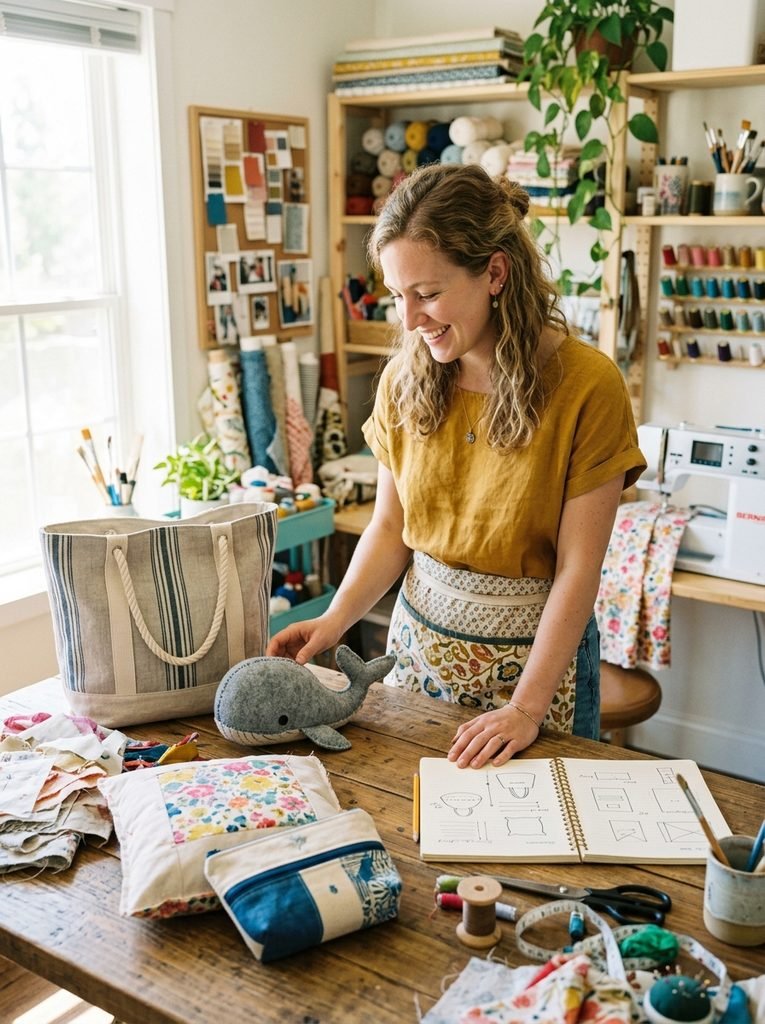
Think about your goal before choosing a pattern. If you are completely new, pick something small and simple. If you want a useful home item, try a tote, pouch, pillow cover, or table runner. For kids, felt decorations, soft toys, and simple accessories can be engaging choices with appropriate adult supervision. If your goal involves selling, test the project first. Time yourself. Track your fabric, thread, closures, packaging, and other costs. Then decide whether the finished product makes sense for your market. The Sewing & Craft Alliance offers project categories ranging from children’s crafts and toys to fashion, pillows, and quilting, which shows how widely sewing skills can transfer from one type of project to another.
Final Thoughts on Sewing Crafts
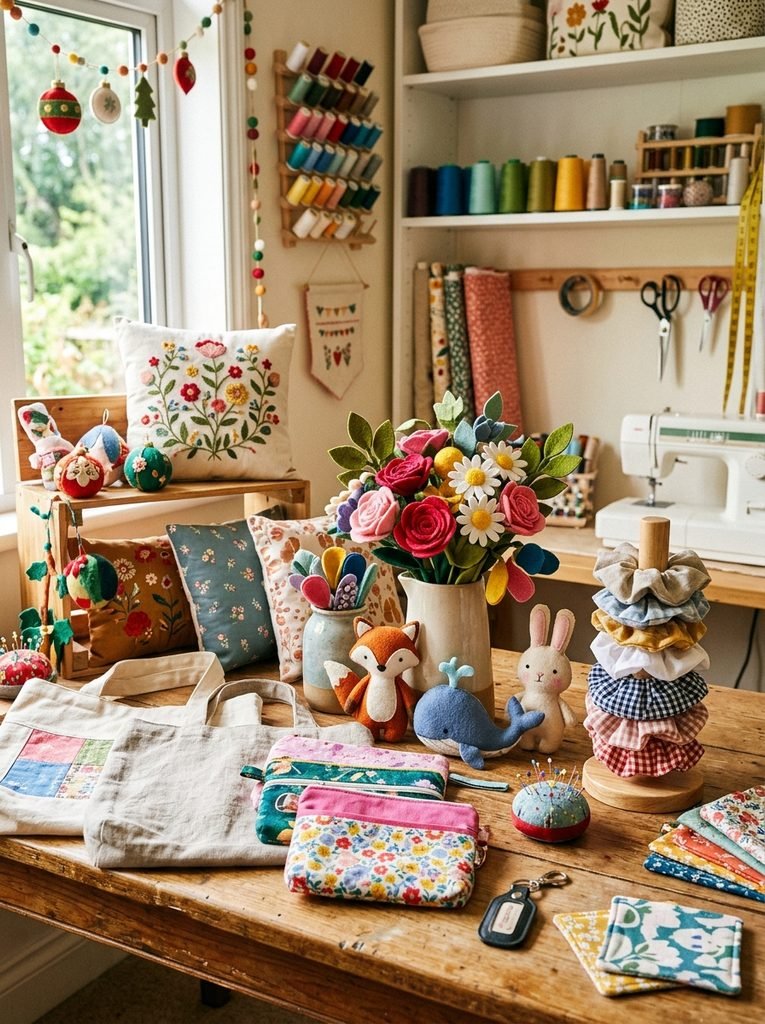
The beauty of sewing crafts lies in their flexibility. One afternoon can produce a small gift. A weekend can transform old denim into a useful bag. A few weeks of practice can open the door to clothing, home decor, seasonal projects, and handmade products for sale. Start with one project that feels exciting rather than difficult. Learn from every stitch. Save your fabric scraps. Try new colors. Over time, your simple projects will become a collection that reflects your own style. Most importantly, enjoy making things with your hands. That is where the real creativity begins.