

This post may contain affiliate links. Please read my disclosure policy.
In This Article Show
Sewing often starts with a small moment. You see a cute fabric piece, imagine what it could become, and suddenly you want to try. But the first project can feel confusing when you do not know where to begin. The good news is that you do not need advanced skills to make something useful. The right project can teach you how to cut fabric, sew straight seams, handle a machine, and finish edges with confidence. These beginner sewing projects are designed to keep that first experience simple, useful, and enjoyable. You can start with basic fabric scraps, a few essential tools, and a project that matches your current skill level. USU Extension also lists simple sewing projects such as pouches, purses, skirts, bags, and other beginner-friendly items in its sewing resources.
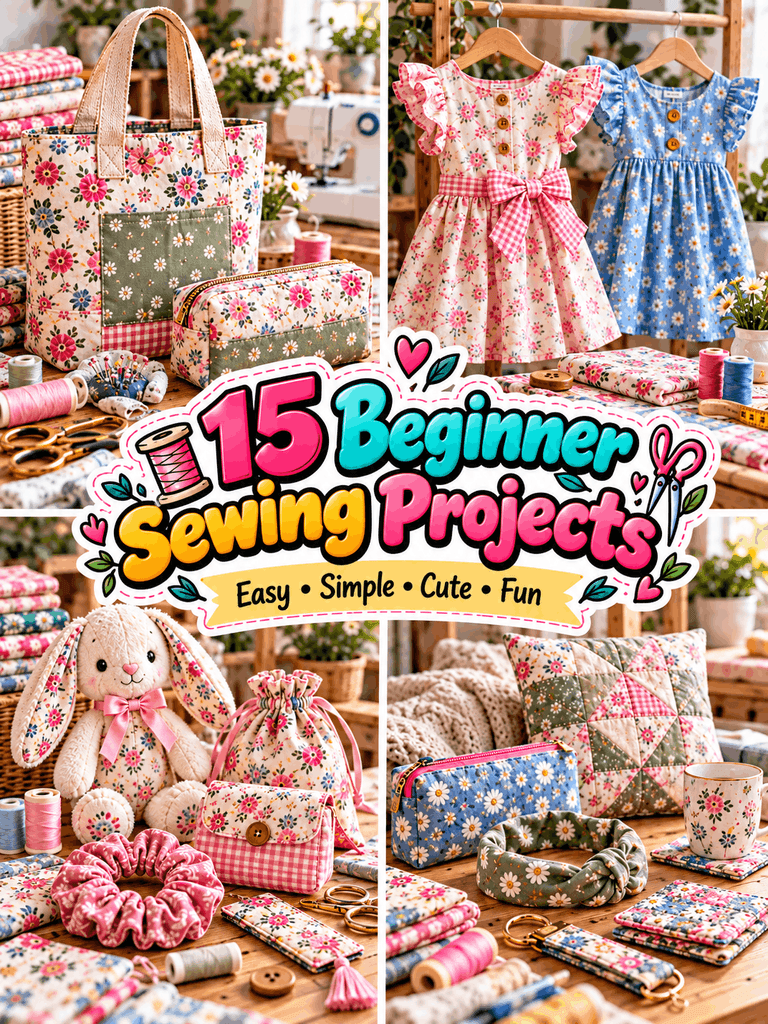
1. Simple Fabric Bookmark
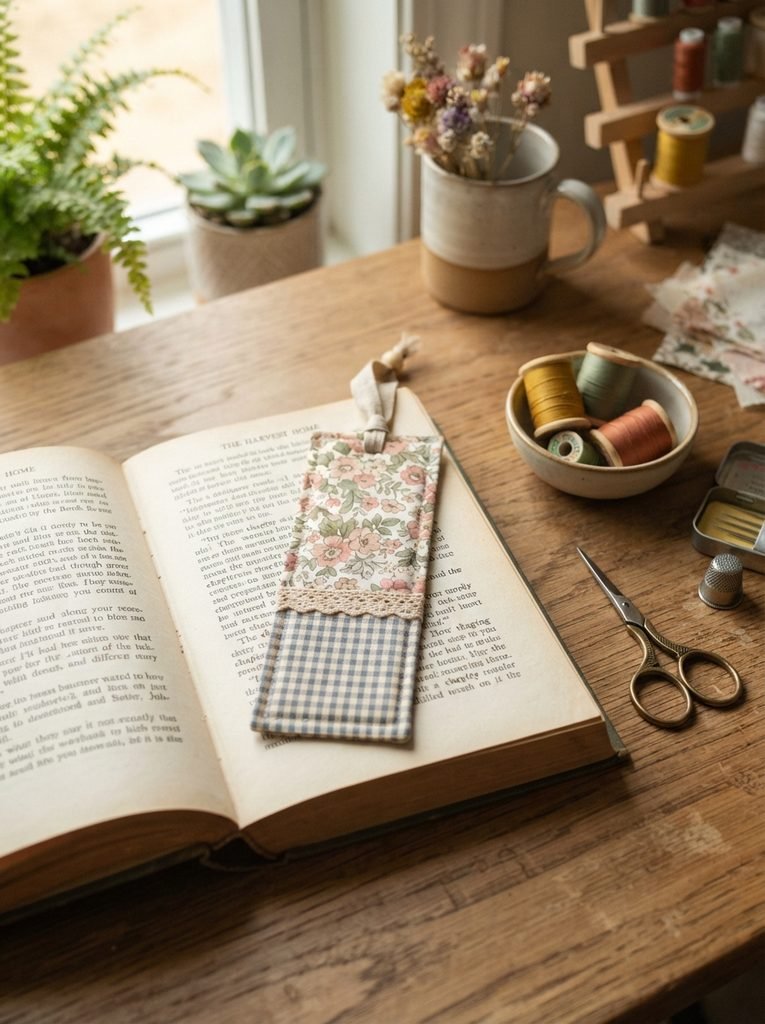
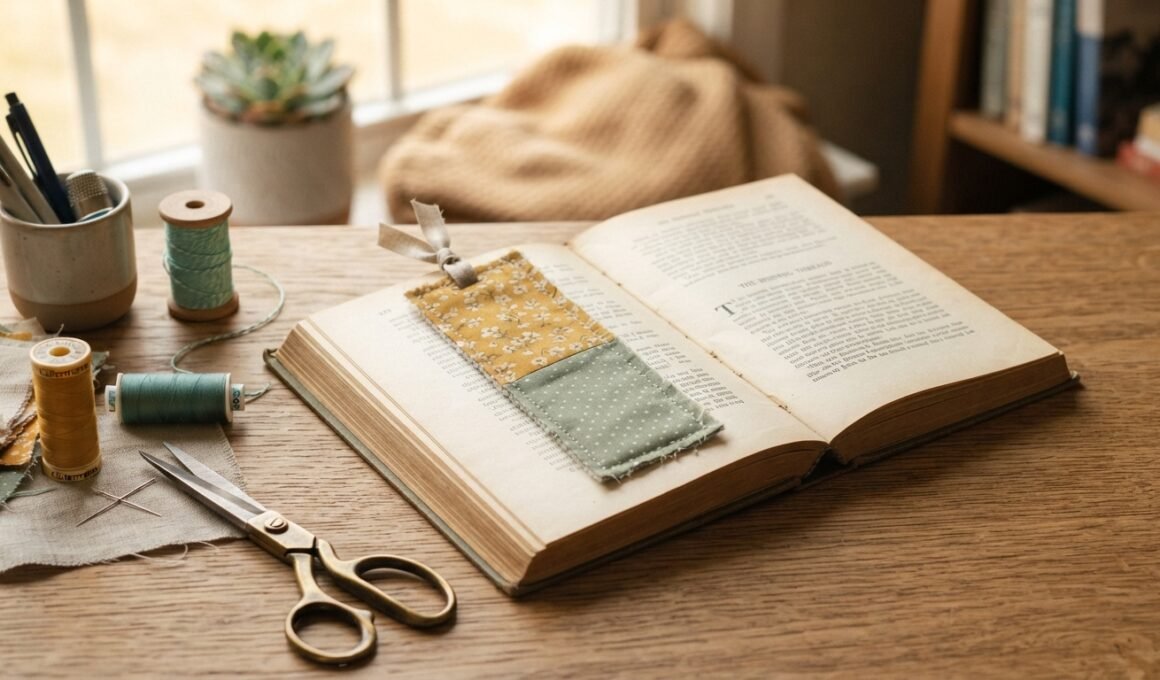
A fabric bookmark makes a wonderful first project because it uses simple shapes and short seams. Choose two cotton fabrics with different prints, place them together, sew around the edges, and turn them neatly. You can add a small ribbon at the top for a cute finish. This project helps you practice straight stitching, turning corners, pressing, and basic hand finishing. It also makes a thoughtful handmade gift for someone who loves reading. If you are teaching kids, this can become an easy-for-kids sewing activity with close adult supervision.
2. Easy Fabric Scrunchie
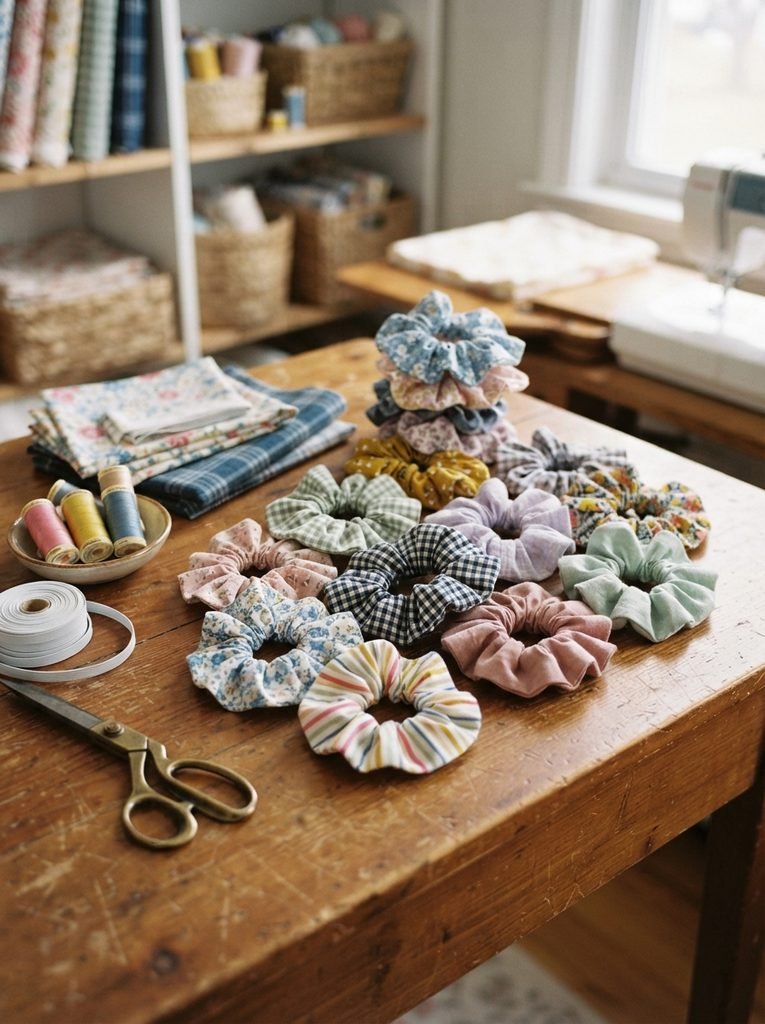
A scrunchie is small, cute, and surprisingly useful for learning basic sewing. You only need a narrow rectangle of fabric, elastic, thread, and a sewing machine or hand needle. The project teaches you how to join fabric ends, sew a tube, turn fabric right side out, and close a small opening. Floral cotton works beautifully, but you can also use colorful scraps left from other clothes or bags. Make several in different colors and you will have simple handmade gifts ready for birthdays or friends.
3. Mini Drawstring Bag
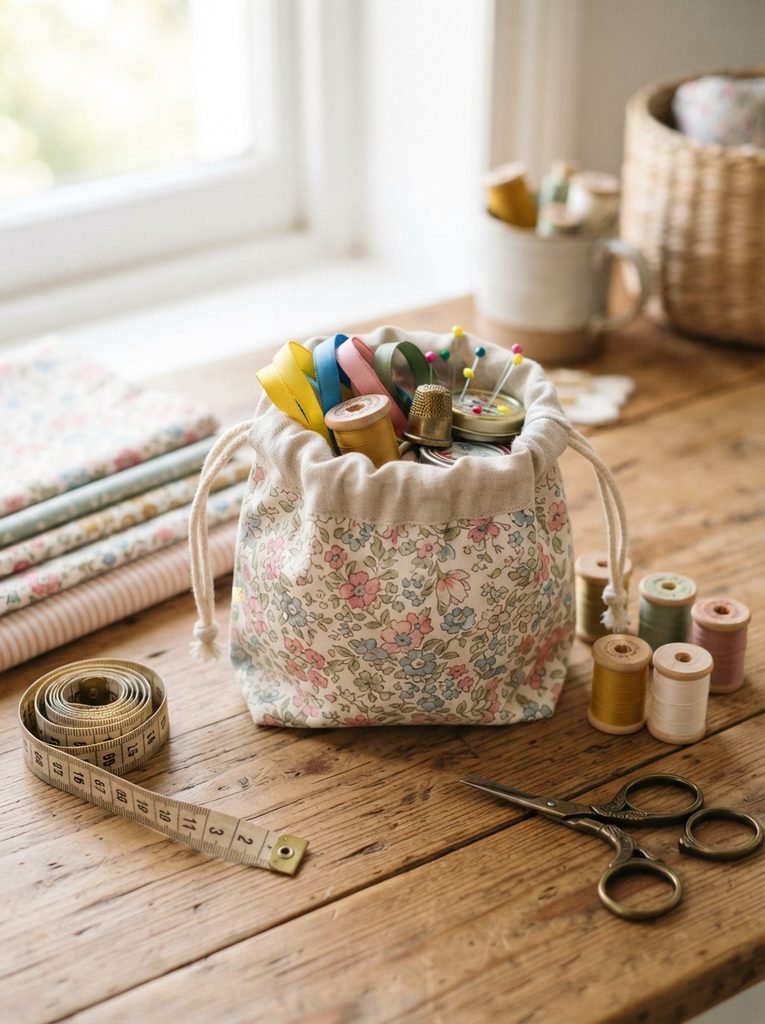
A small drawstring bag is one of the easiest ways to learn how fabric becomes a useful object. Start with two rectangular fabric pieces and a simple casing at the top. Once you understand the basic construction, you can make the bag larger for gifts, toys, craft supplies, or small accessories. This project introduces straight seams, seam allowances, pressing, and simple finishing. A beginner can make one from inexpensive cotton before moving toward more detailed bag designs.
4. Easy Tote Bag
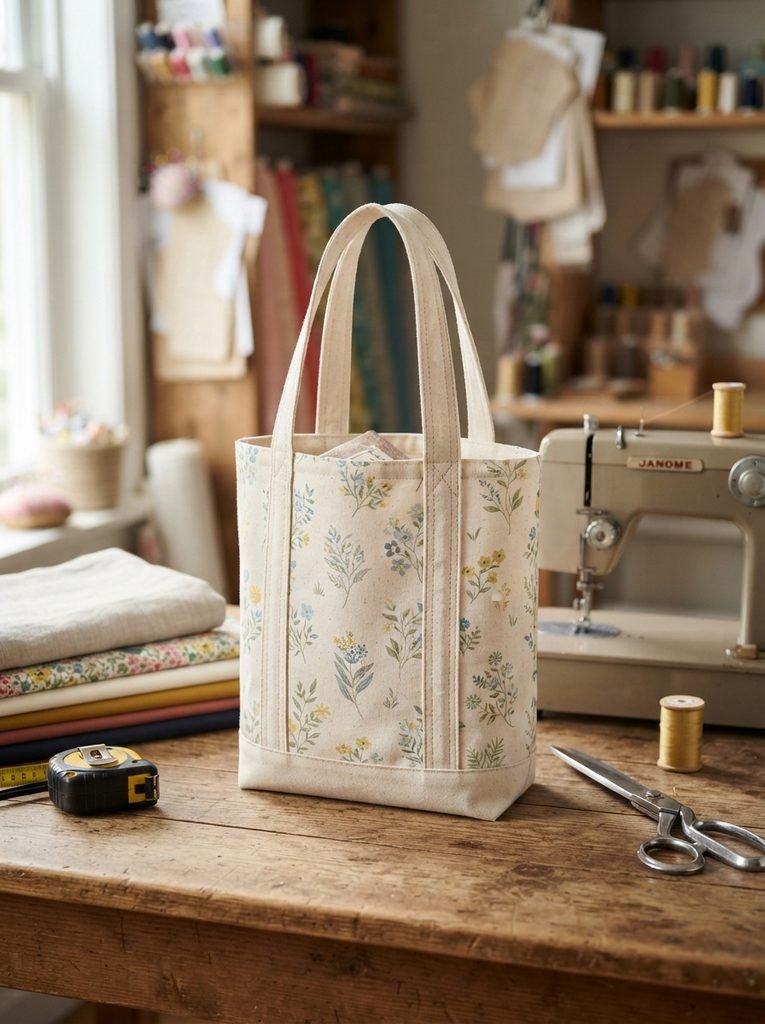
An easy tote bag feels rewarding because you can actually use it after finishing the project. The construction mainly relies on rectangles, straight seams, handles, and careful pressing. Choose a sturdy cotton or canvas fabric if you want a stronger everyday bag. Beginners can first make a basic version without pockets, zippers, or complicated closures. Once you feel comfortable, add an inside pocket or decorative stitching. A tote also gives you valuable practice with clothes and home-sewing fabrics without requiring complicated shaping.
5. Beginner Pencil Pouch
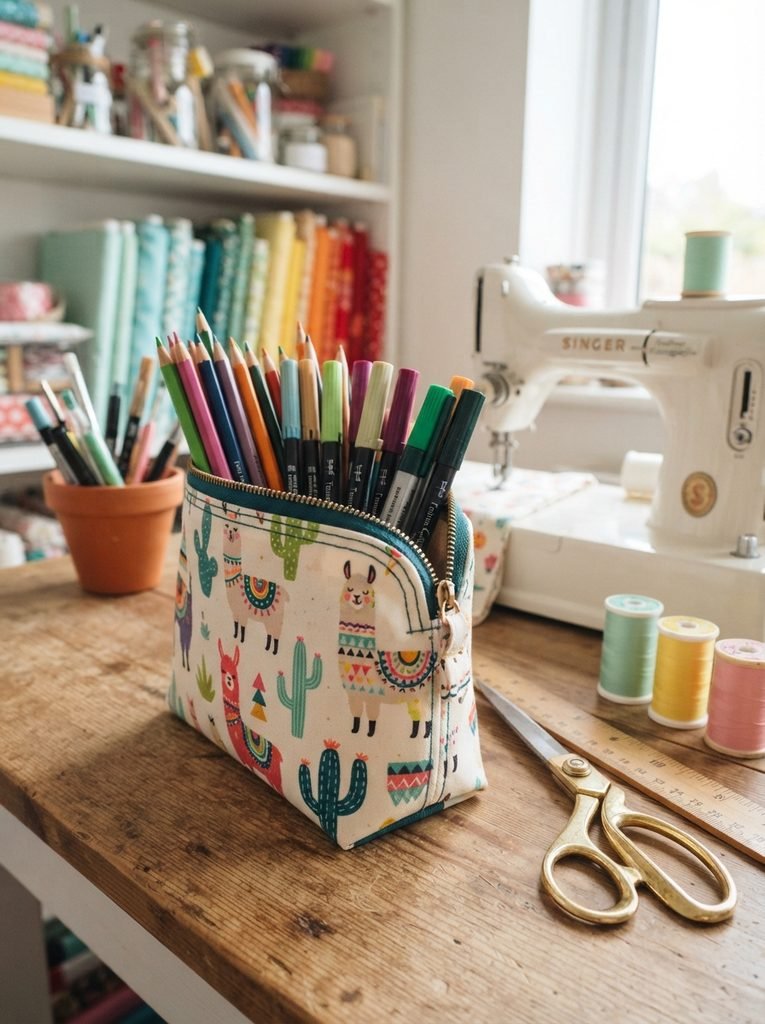
A pencil pouch gives you a chance to practice sewing something with a clear purpose. If a zipper feels difficult, start with a simple flap or Velcro closure. When you are ready, try a basic zipper version. USU’s beginner sewing material includes a pencil pouch among simple projects, showing how small items can introduce practical construction skills. Choose a fun print for kids or a clean solid color for a more grown-up look. This project works especially well as a handmade school gift.
6. Fabric Keychain
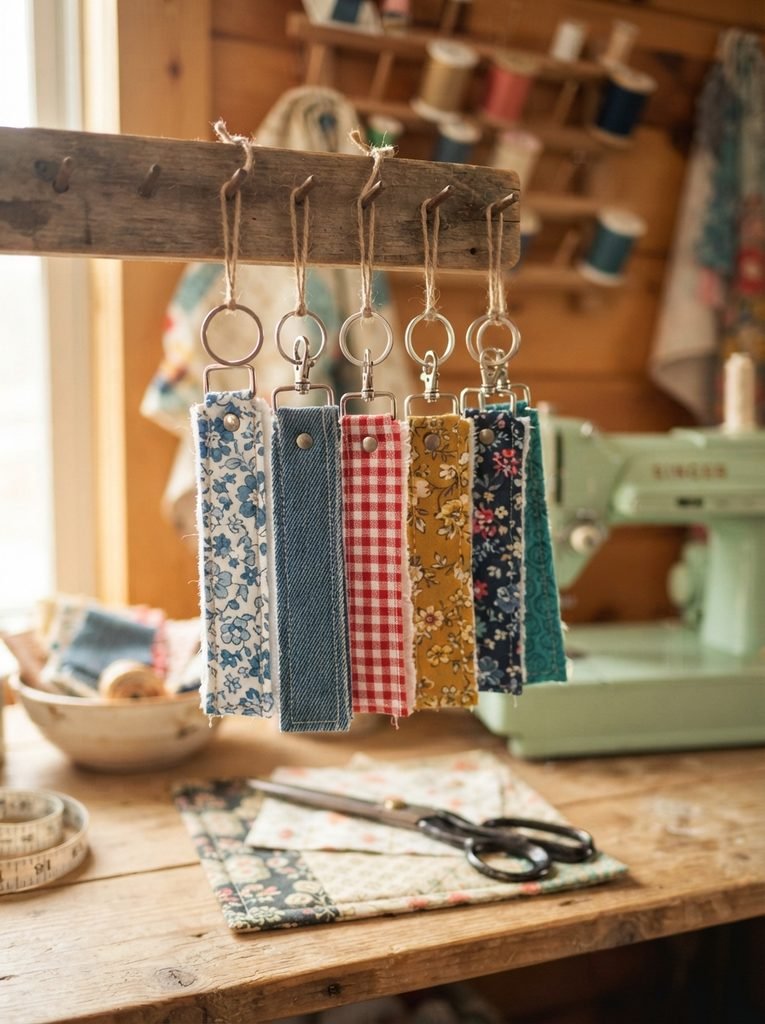
A fabric keychain uses very little material, which makes it ideal for practice. You can use leftover cotton from another project and turn it into a small wrist strap or simple key holder. The narrow shape teaches you to sew carefully along edges and keep your stitching even. Add a metal key ring for a finished look. Make several styles from different fabrics and you can turn them into quick handmade gifts for family, friends, or even a small craft sale.
7. Simple Fabric Coaster
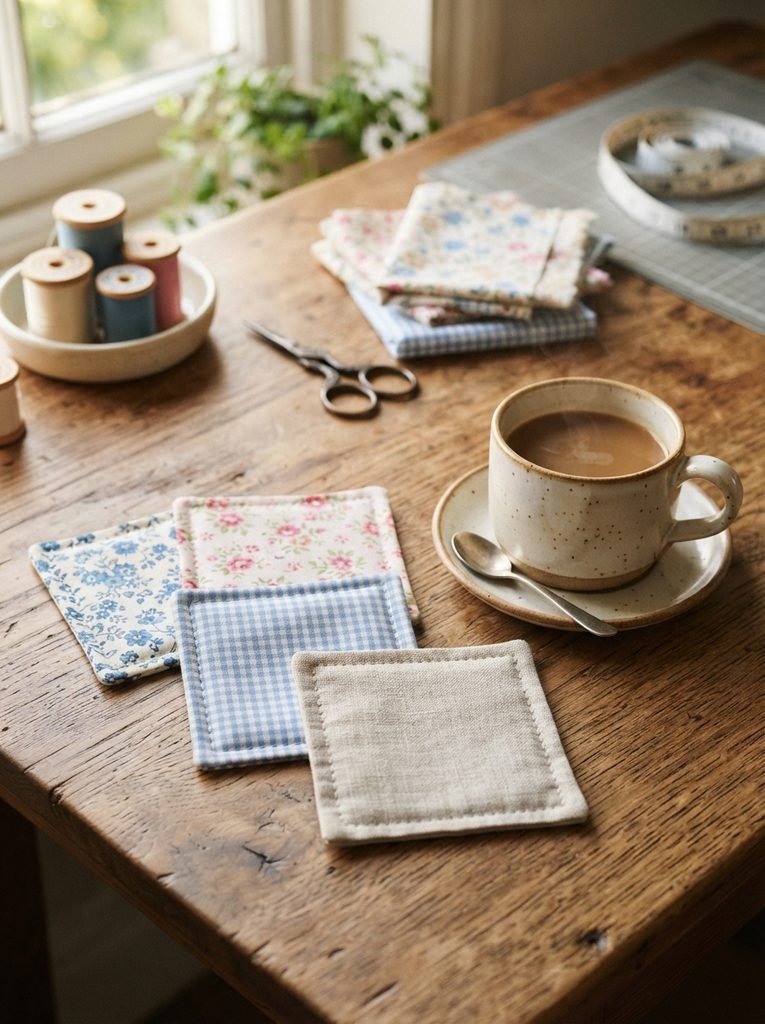
A fabric coaster is another small project that teaches useful construction habits. You can make it from two cotton squares with a thin layer of batting between them. Sew around the edges, turn or bind them, then add simple straight quilting lines. This helps you understand layers, pressing, edge control, and neat stitching. You can create a matching set using different colors. These small pieces also make practical gifts for a new home.
8. Easy Baby Bib
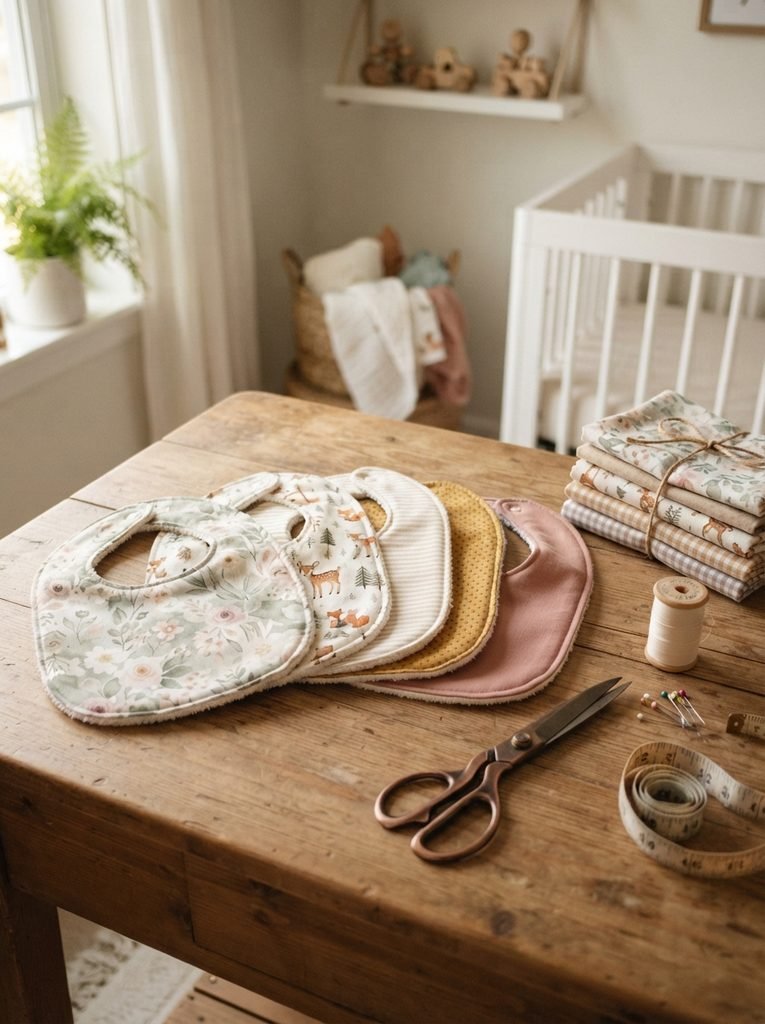
If you want to sew something useful for a baby, a simple bib can be a satisfying choice. Look for a clear pattern with uncomplicated curves and a straightforward closure. Cotton fabric works well for many basic bib designs, while absorbent layers can make the finished piece more practical. This project introduces curved sewing, edge finishing, and careful pattern cutting. Always choose baby-safe construction and avoid loose decorations or small detachable parts.
9. Easy Pillow Cover
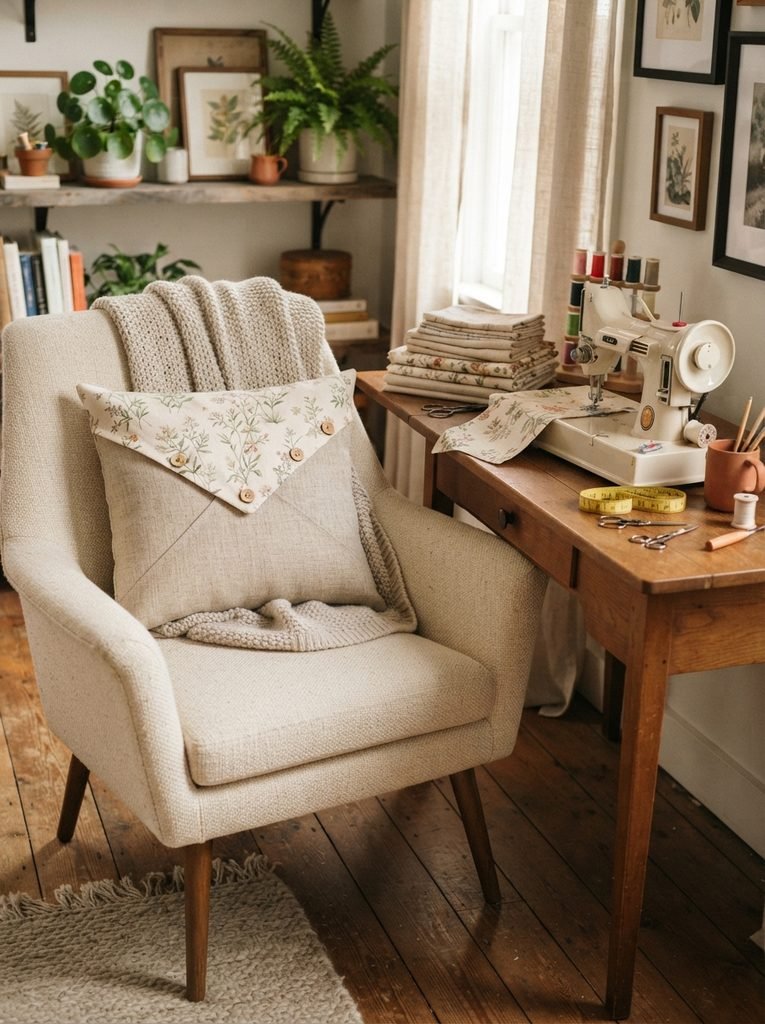
A basic pillow cover can teach several sewing skills while producing something that immediately changes a room. Start with a simple envelope-style design rather than a zipper. You will practice measuring, cutting rectangles, creating hems, sewing straight seams, and pressing the finished piece. USU Extension provides several pillow projects and emphasizes accurate measurements, fabric preparation, and pressing as part of the process. Choose a cute floral print for a soft look or a solid fabric for a simple modern style.
10. Easy Fabric Gift Bag
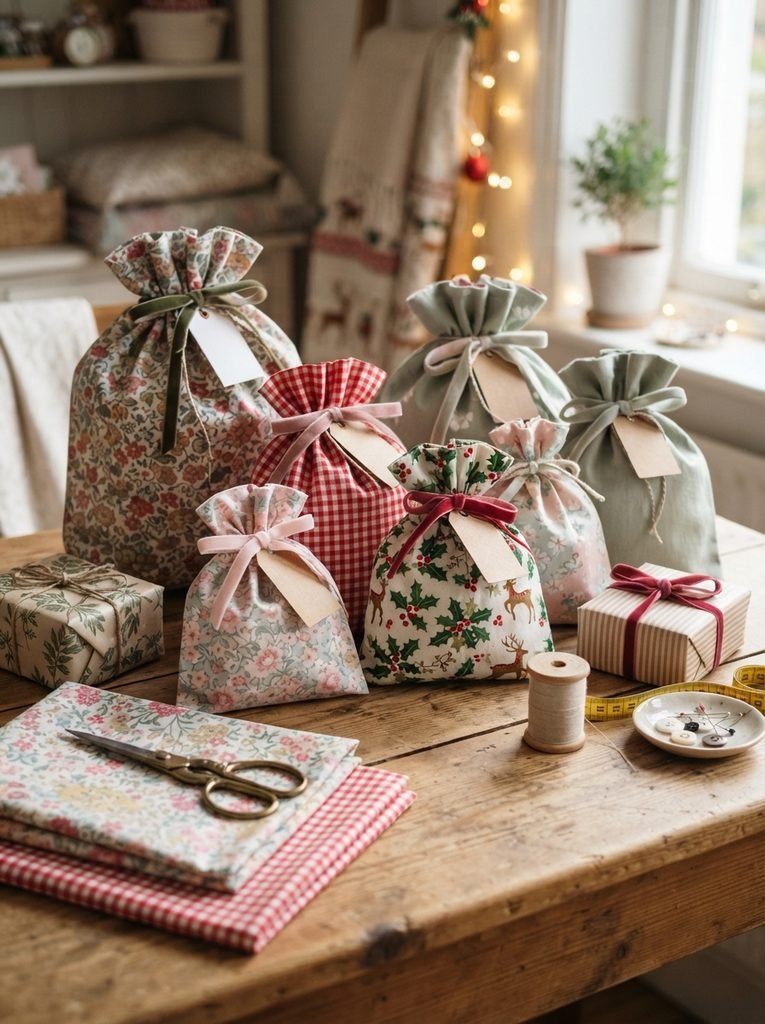
A reusable fabric gift bag can turn an ordinary present into something personal. The construction is simple, but the result looks thoughtful. Use cotton fabric, create a clean top edge, and add fabric ties or ribbon for the closure. You can make small versions for jewelry and larger ones for clothes or toys. This is also a great way to use fabric scraps instead of throwing them away. Once you understand the basic shape, you can create different sizes for birthdays, holidays, and handmade gifts.
11. Simple Mug Rug
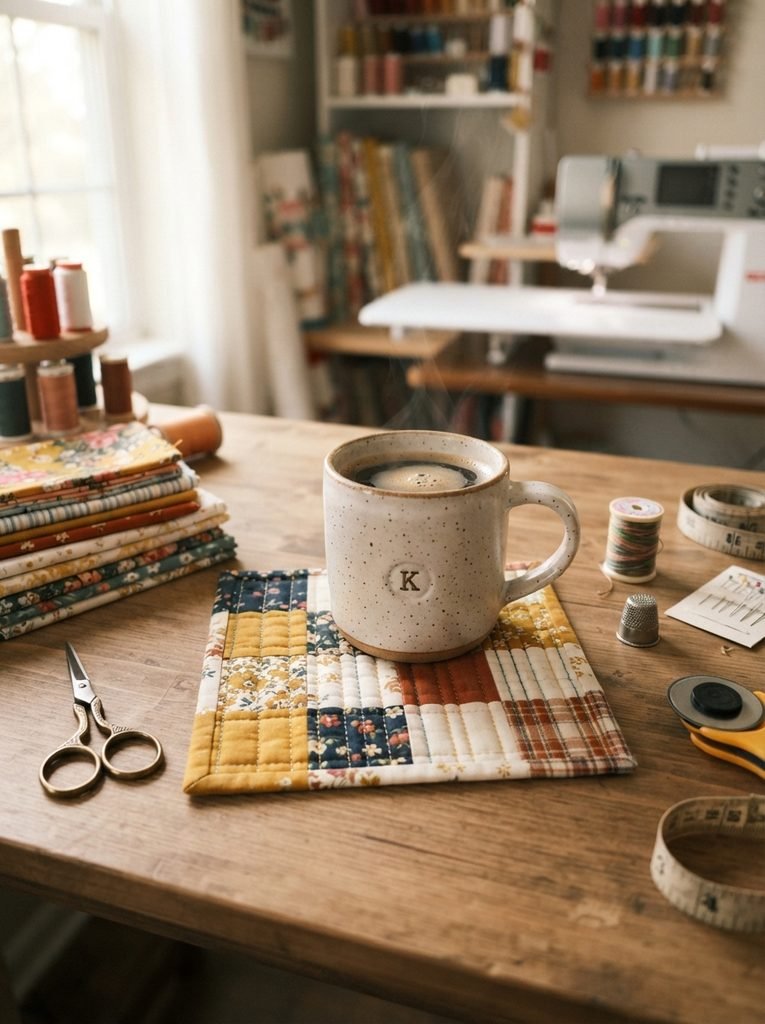
A mug rug sits somewhere between a coaster and a small placemat, making it a fun project for practicing fabric layers. Use two cotton pieces and a thin batting layer, then sew around the edges and add a few straight quilting lines. You can make one in less than a long afternoon, depending on your experience. The project teaches you to keep layers flat and control your stitching. USU Extension also offers small practical sewing projects such as hot pads and table runners that use similar basic construction skills.
12. Simple Fabric Headband
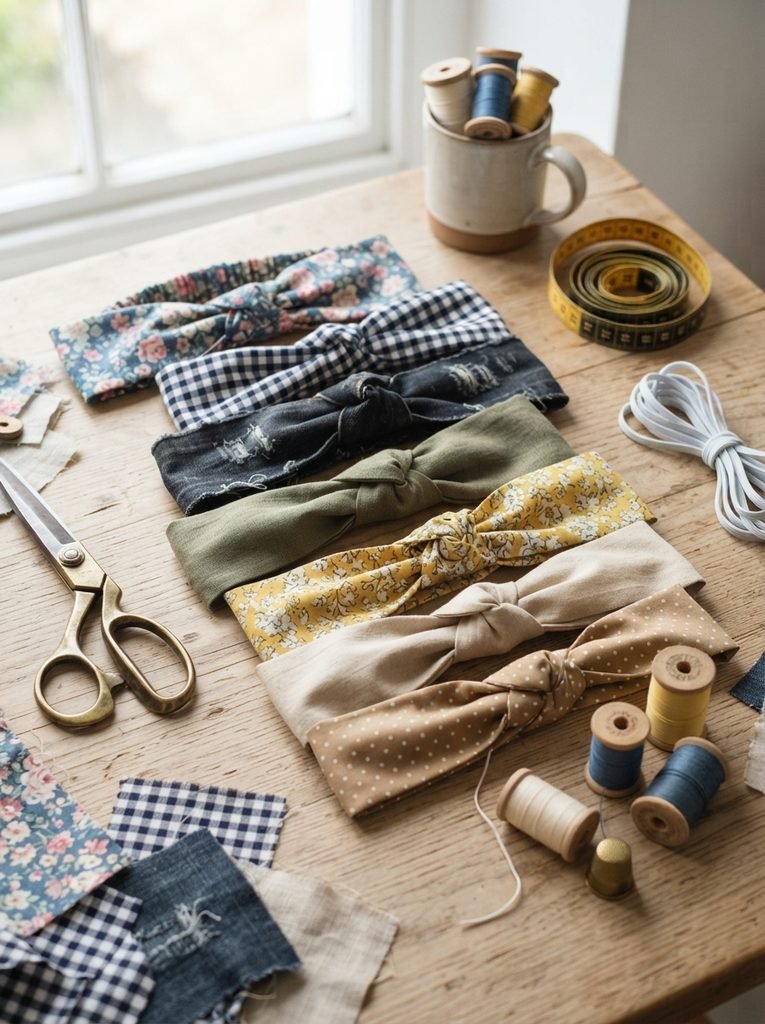
A fabric headband is small enough to finish quickly but still teaches important sewing habits. Choose a soft cotton fabric and keep the design simple. You can make a basic tied version or add elastic for a closer fit. This project gives beginners practice with narrow seams, turning fabric tubes, pressing, and hand finishing. Floral patterns look cute, while denim or neutral cotton creates a more simple everyday style.
13. Beginner Hand-Sewn Pouch
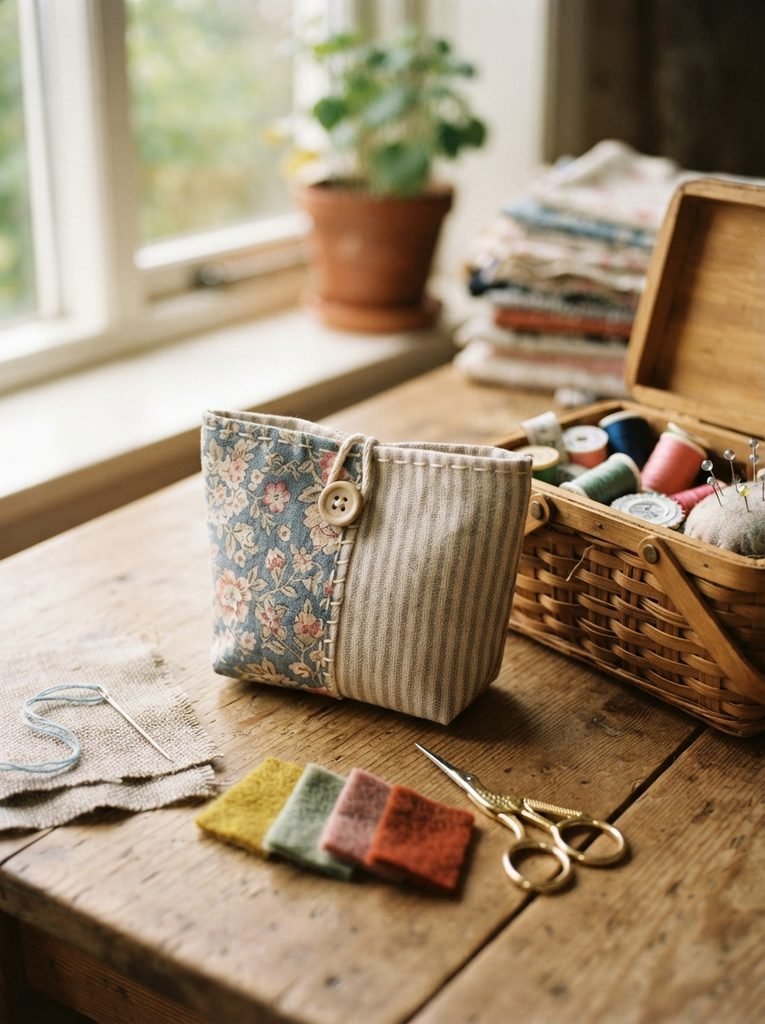
Not every first sewing project needs a machine. A small hand-sewn pouch lets you slow down and understand how stitches control fabric. Use felt or tightly woven cotton and start with a simple rectangle. A basic running stitch can join the sides, while a neat hand stitch can finish the opening. This option works well when you do not own a machine yet. It also makes an easy activity for older kids who are ready to learn safe hand sewing with adult guidance.
14. Easy Skirt With Elastic Waist
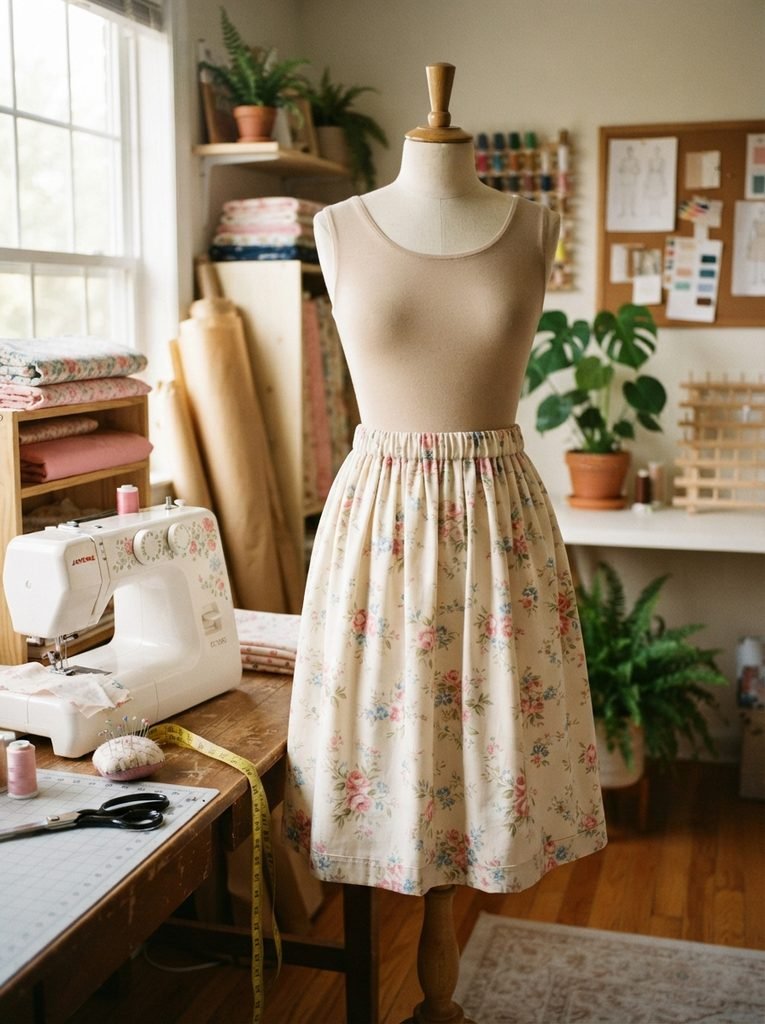
Once you feel comfortable sewing rectangles and straight seams, an elastic-waist skirt can be your first step into making easy clothes. The design avoids complicated closures and focuses on measuring, gathering, creating a waistband casing, and sewing a hem. USU Extension provides skirt patterns and construction guidance that use basic sewing supplies and clear pattern markings. Choose a lightweight woven fabric and check the finished measurements before cutting. A simple skirt can teach skills that later transfer to tops, dresses, and other clothes.
15. Easy Sewing Gift Set
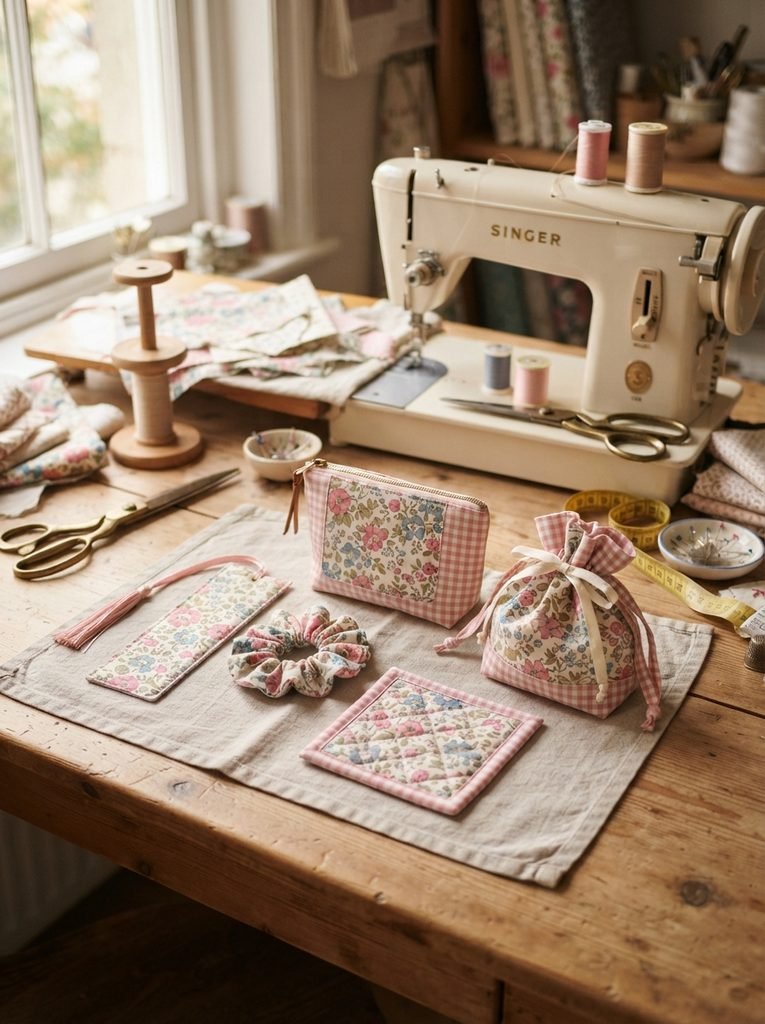
After making several small pieces, combine them into a simple gift set. Pair a fabric bookmark with a pouch, scrunchie, coaster, or small bag. Matching fabrics can make separate beginner projects look like one carefully planned collection. This teaches an important lesson: good sewing is not only about complicated designs. Clean cutting, consistent seams, thoughtful fabric choices, and careful pressing can make simple projects look polished. Start small, finish each item properly, and then build your next project around the skills you have gained.
Final Thoughts
Starting small can completely change the way you learn sewing. A bookmark, pouch, scrunchie, tote bag, or simple skirt can teach skills that you will use again and again. As your confidence grows, you can move from simple projects to clothes, bags, gifts, and more detailed designs. Focus on clean cutting, steady stitching, accurate measurements, and careful pressing. Do not worry if your first project has a few imperfect stitches. Each project gives you useful experience. Choose fabrics you enjoy, follow the pattern instructions carefully, and give yourself time to learn. With regular practice, sewing can become a creative skill that feels both useful and rewarding.