



This post may contain affiliate links. Please read my disclosure policy.
In This Article Show
Making your own clothes can be much easier than it first appears. You do not need a huge sewing room or years of experience to begin. With a basic machine, a few useful tools, simple fabric, and beginner-friendly patterns, you can create pieces that feel personal and stylish. The best diy sewing clothes projects start small, use simple shapes, and give you room to learn as you sew.
1. Start With an Easy Elastic-Waist Skirt
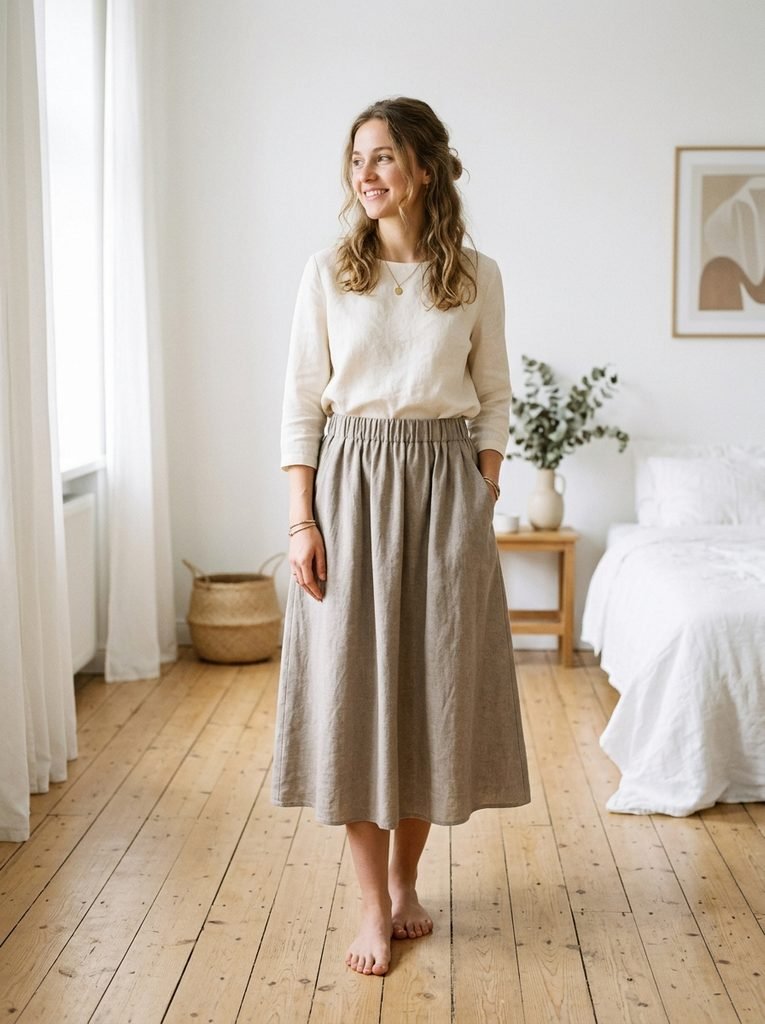
An elastic-waist skirt is one of the most forgiving projects for beginners. It usually needs simple fabric pieces, an elastic casing, basic seams, and a clean hem. You can make it short, midi, or long depending on your style. Choose cotton or another easy-to-handle woven fabric for your first attempt. Accurate waist, hip, and length measurements will help you get a comfortable fit.
2. Sew a Simple Everyday Top
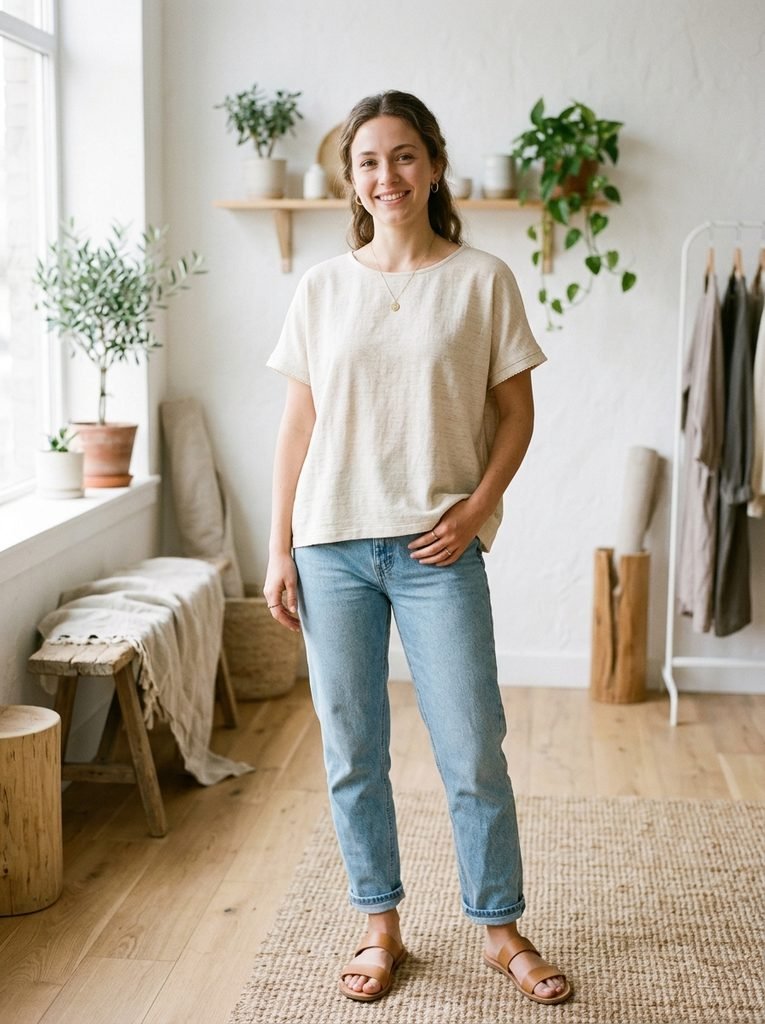
A relaxed top is another excellent project because it does not require a complicated shape. Look for patterns with a loose fit, simple neckline, and minimal details. A soft cotton, linen blend, or lightweight woven fabric can create an easy everyday piece. Once you understand the basic construction, you can experiment with sleeves, hems, colors, and small decorative details.
3. Try a Simple Dress
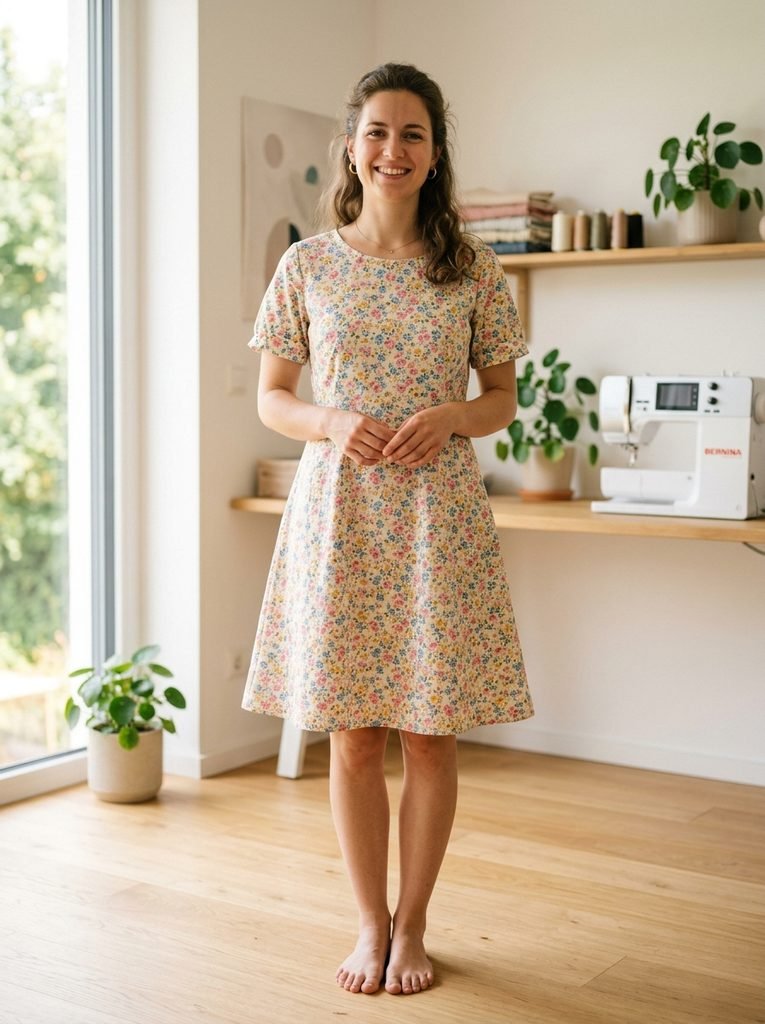
A simple dress gives you more practice while still keeping the construction manageable. Choose a loose A-line, shift, or gathered design instead of a heavily fitted dress. Beginners can also use an elastic waist or simple shoulder construction. A floral print can create a feminine look, while a solid fabric can make the finished dress feel modern and versatile.
4. Make a Long-Sleeve Shirt

Once you feel comfortable with a basic top, try a long-sleeve version. Select a pattern with straightforward sleeves rather than fitted or gathered cuffs. This project is useful for practicing sleeve attachment and finishing techniques. Lightweight cotton or soft flannel can work well depending on the season and desired look.
5. Create a Simple Skirt With a Decorative Hem
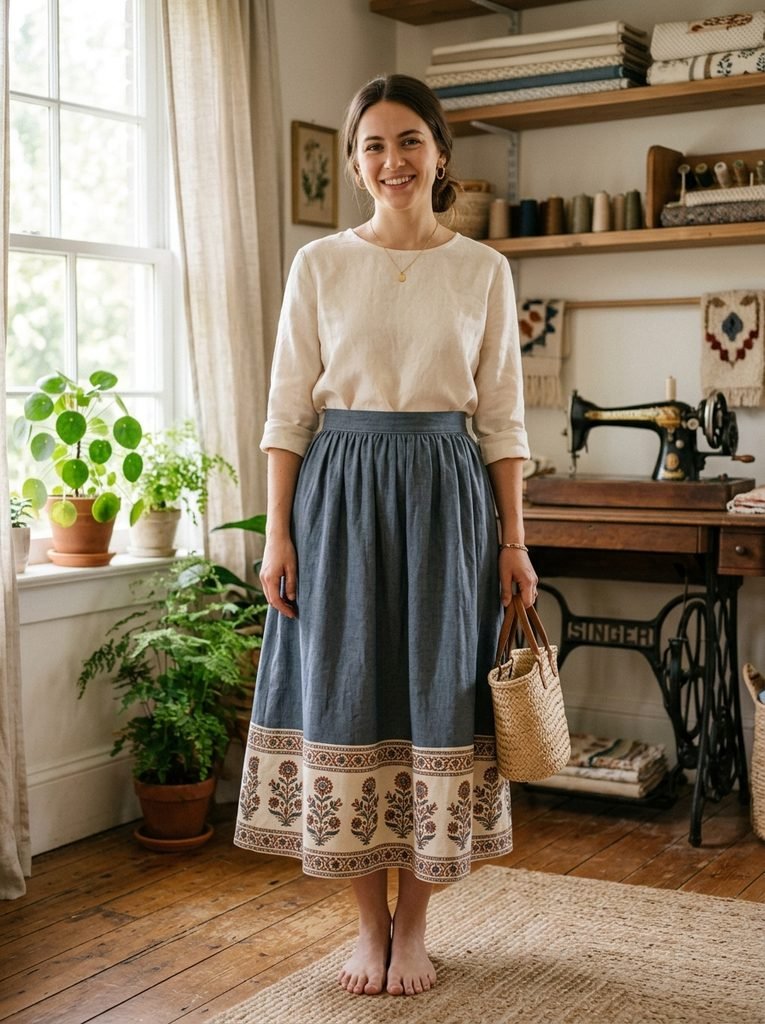
If you want something more creative, add a contrasting hem to a basic skirt. A different fabric around the bottom instantly gives a simple garment more personality. You can also add rickrack, a narrow trim, or a small printed border. Keep the main skirt shape simple so the decorative section remains the focus.
6. Turn an Old T-Shirt Into a New Top
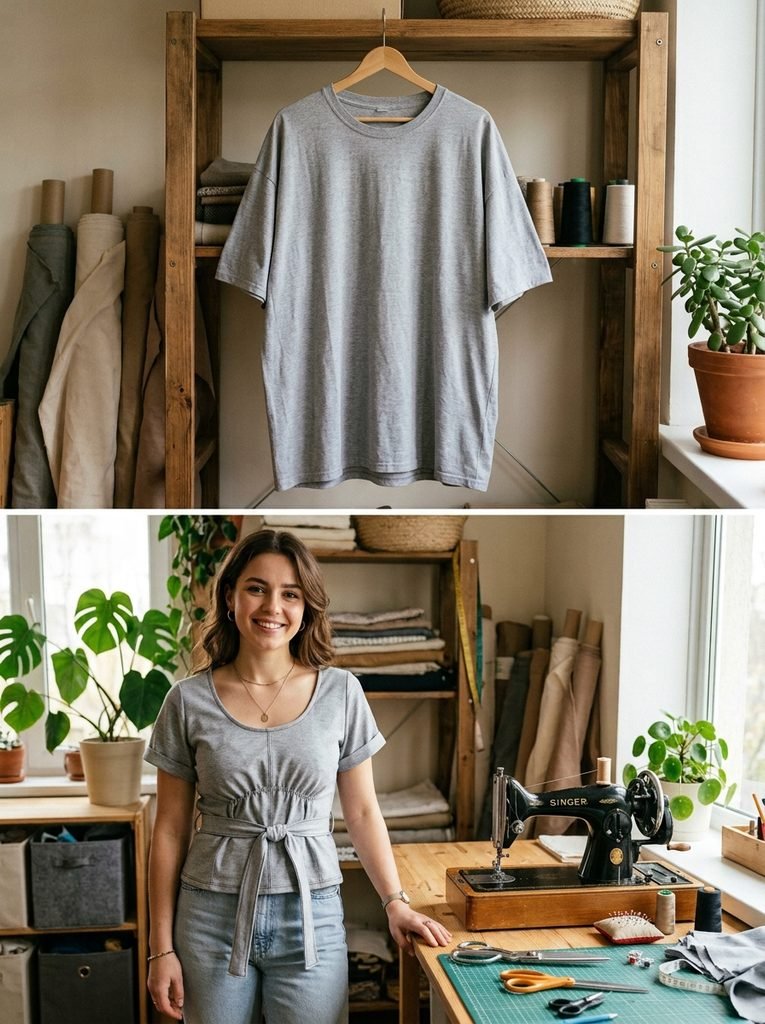
Upcycling is perfect when you want to practice without spending much money on new fabric. An oversized T-shirt can become a fitted top, cropped shirt, tank-style piece, or layered fashion item. diy sewing clothes projects like this also let you experiment with cutting and reshaping before working with expensive fabric.
7. Give a Button-Up Shirt a New Shape
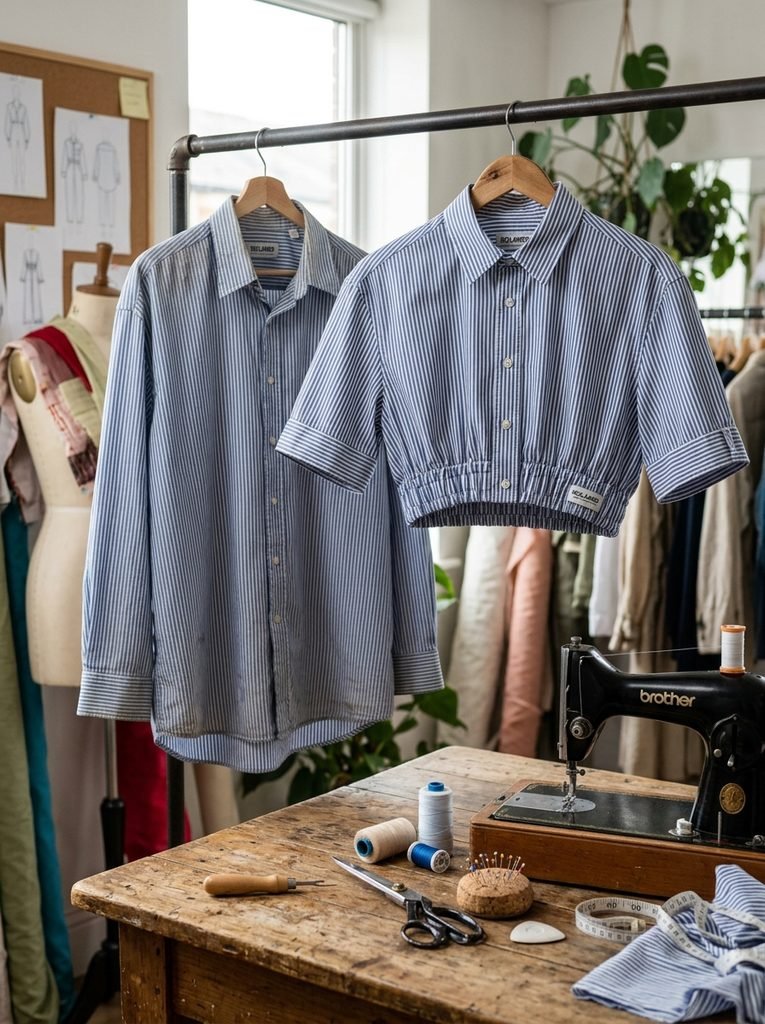
An old button-up shirt can become a completely different garment with careful cutting and sewing. Try shortening the length, reshaping the sides, adding a new hem, or turning the sleeves into a different style. This is one of those easy upcycling shirt ideas that can produce a surprisingly polished result.
8. Refresh a Thrifted Skirt
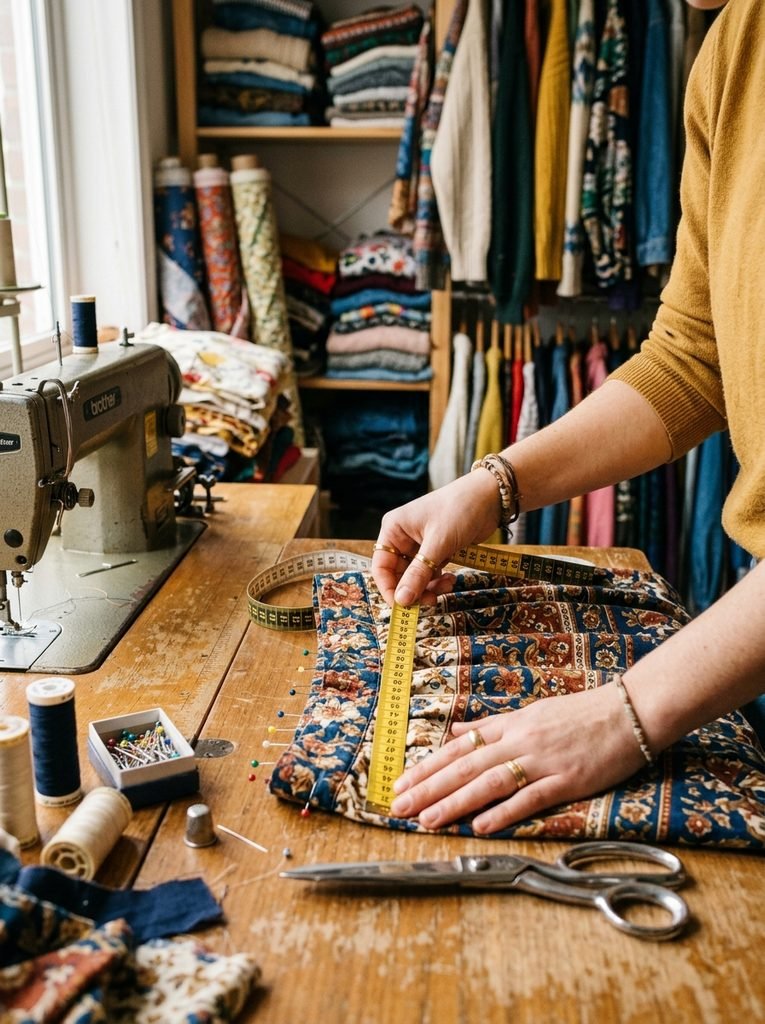
Thrift stores can be excellent places to find inexpensive clothing for sewing practice. Look for pieces with good fabric and simple construction. A thrifted skirt can be shortened, reshaped, gathered, or given a new waistband. Always inspect the fabric for stains, weak seams, damaged areas, and excessive wear before starting.
9. Transform an Old Hoodie
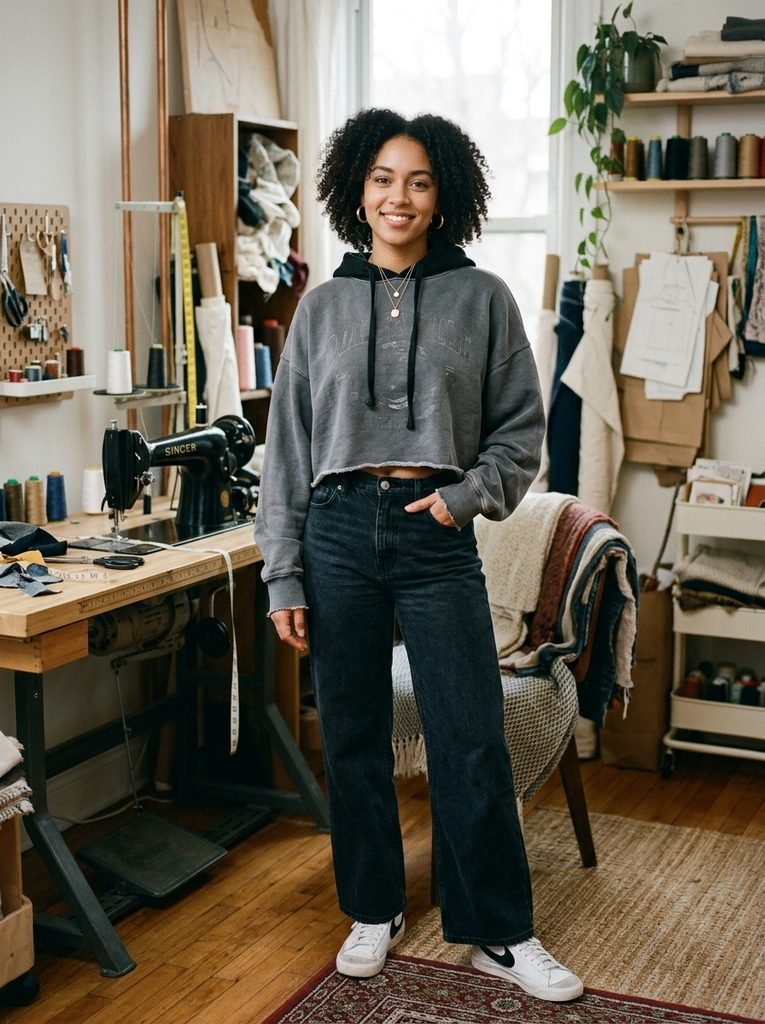
A hoodie offers plenty of fabric and can become an interesting beginner experiment. You might shorten it, reshape the body, modify the sleeves, or combine it with another sweatshirt. Keep the original seams whenever possible. This makes the project easier and helps preserve the garment’s original structure.
10. Use Fabric Napkins for Small Sewing Projects
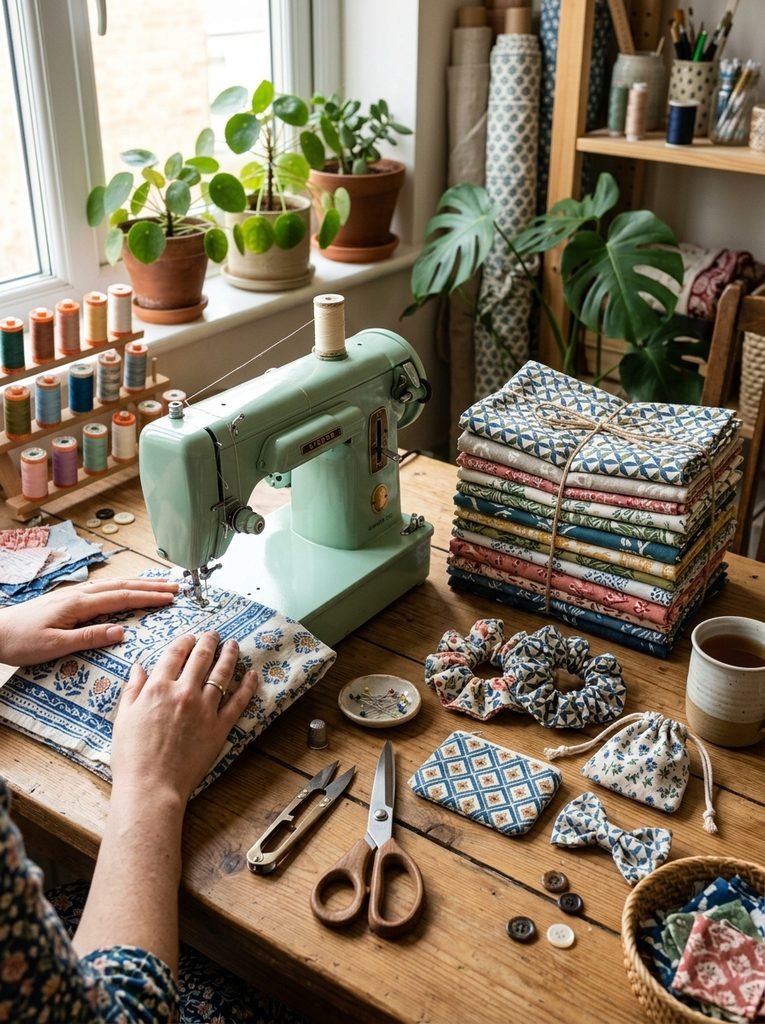
Fabric napkins can become useful material for small beginner projects when they are clean and large enough for the design. Try using them for simple accessories, fabric ties, small bags, or decorative clothing details. This is a smart way to practice straight stitching while giving unused textiles a second life.
11. Make a Relaxed Women’s Tunic
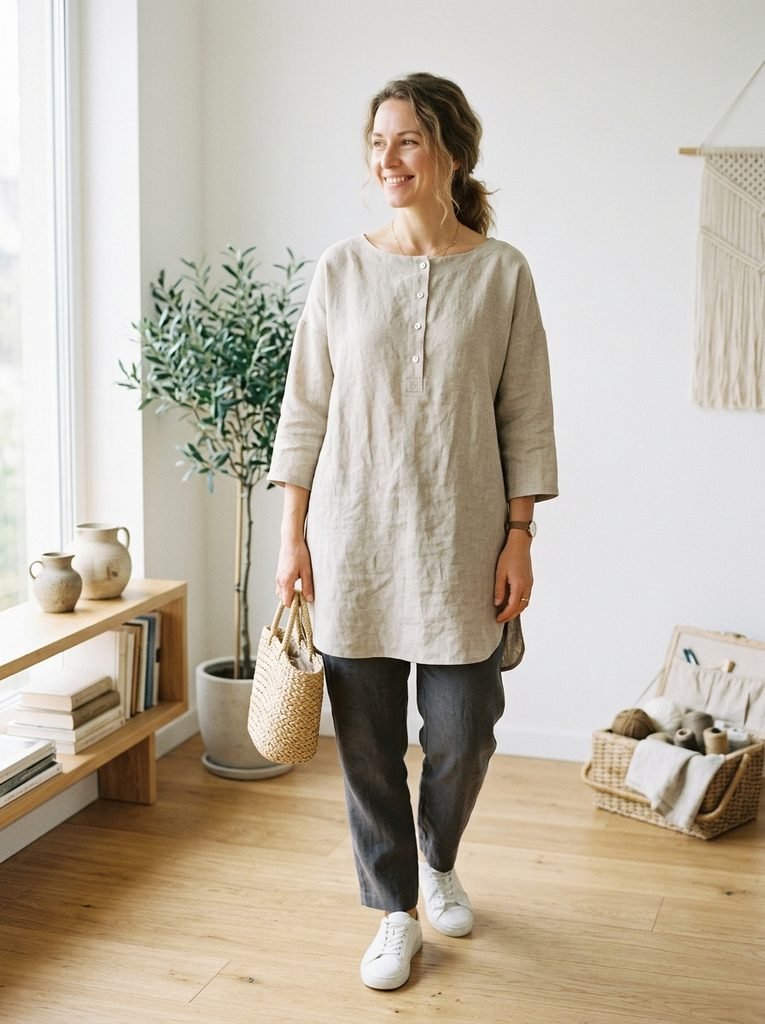
A loose tunic is a great choice when you want a comfortable garment without complex fitting. Look for patterns with a simple body shape and easy sleeves. You can make the tunic longer for a dress-like appearance or shorter for wearing with jeans. Try linen, cotton, or another breathable fabric for an everyday piece.
12. Try a Free Pattern for a Basic Top
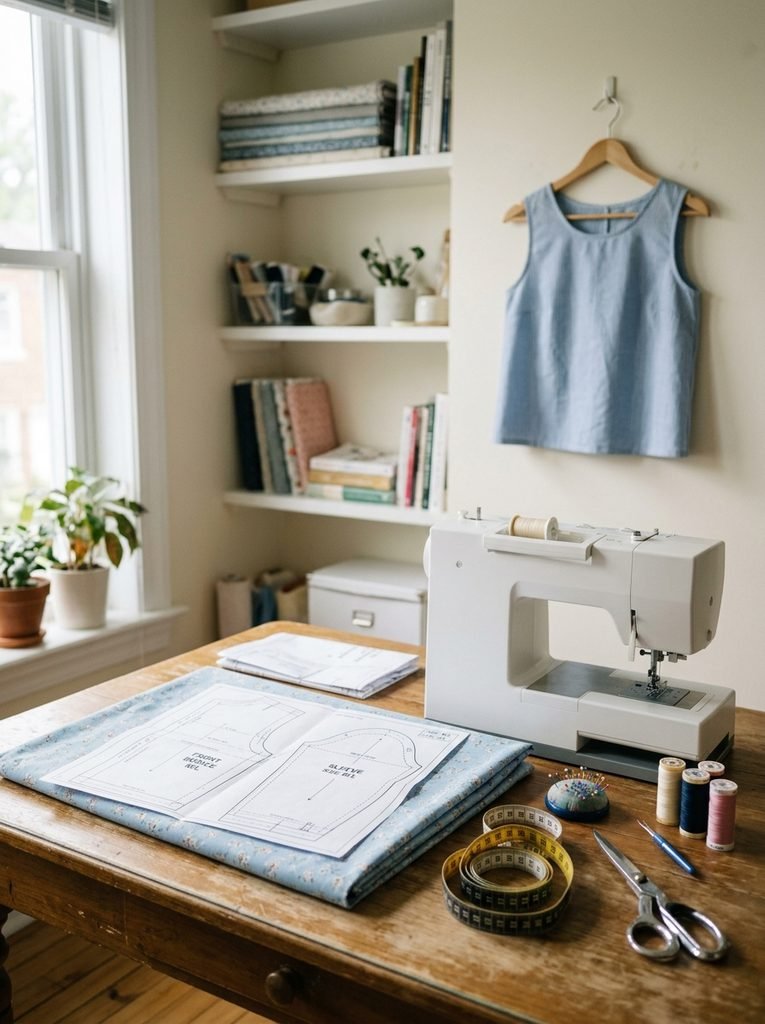
Free pattern resources can be useful when you are learning because you can practice without investing heavily in a commercial pattern. Search for beginner patterns with clear instructions, basic pieces, and uncomplicated construction. Patterns tops with simple sleeves and necklines are especially useful for building confidence.
13. Sew a Simple Men’s Shirt
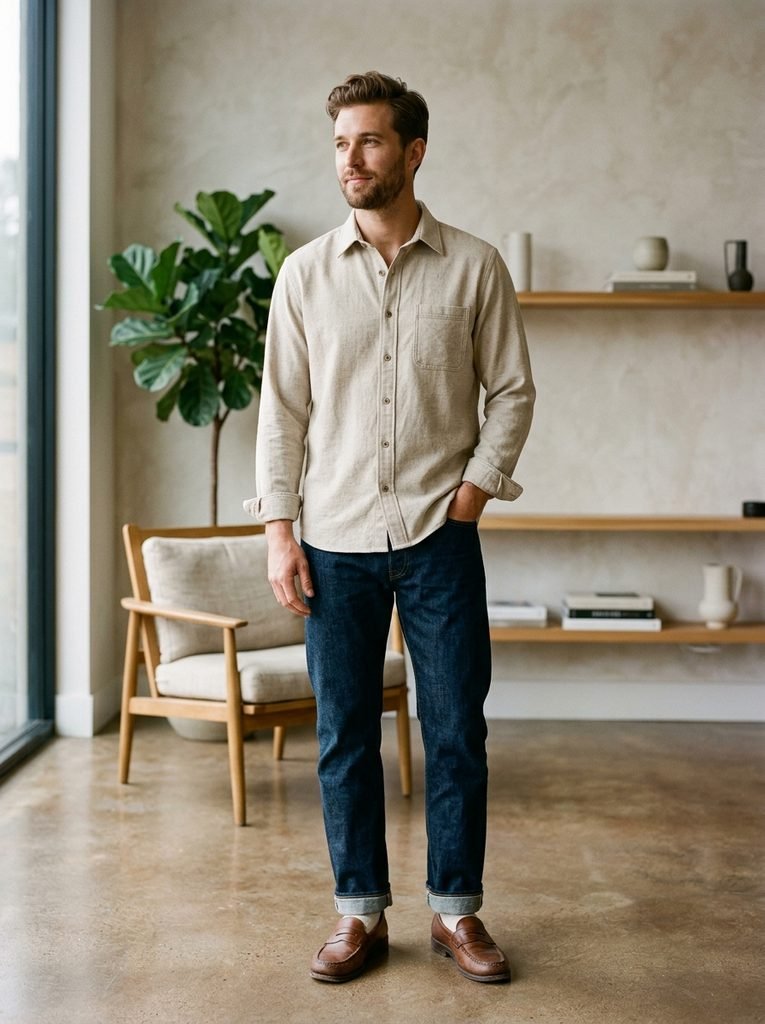
Sewing is not limited to women’s fashion. A relaxed men’s shirt can be a rewarding project once you understand basic garment construction. Start with a loose design rather than a fitted formal shirt. A simple collar-free or minimal-collar style can help you practice body panels, hems, and sleeves without adding too many difficult details.
14. Experiment With a Simple Gathered Skirt
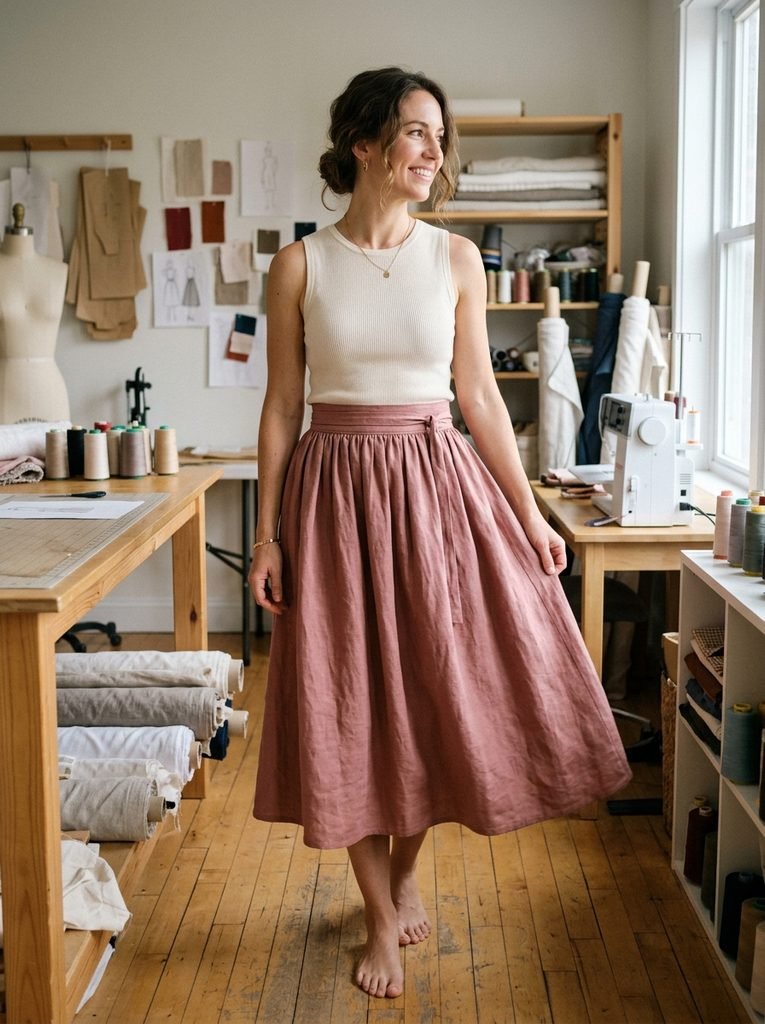
A gathered skirt gives you another way to explore fullness and shape. Instead of creating a fitted waistband, you can use an elastic casing or simple waistband construction. Try a solid color for a clean look or a small floral print for a softer style. This project is also useful for learning how fabric fullness changes the final silhouette.
15. Make a Comfortable Everyday Dress
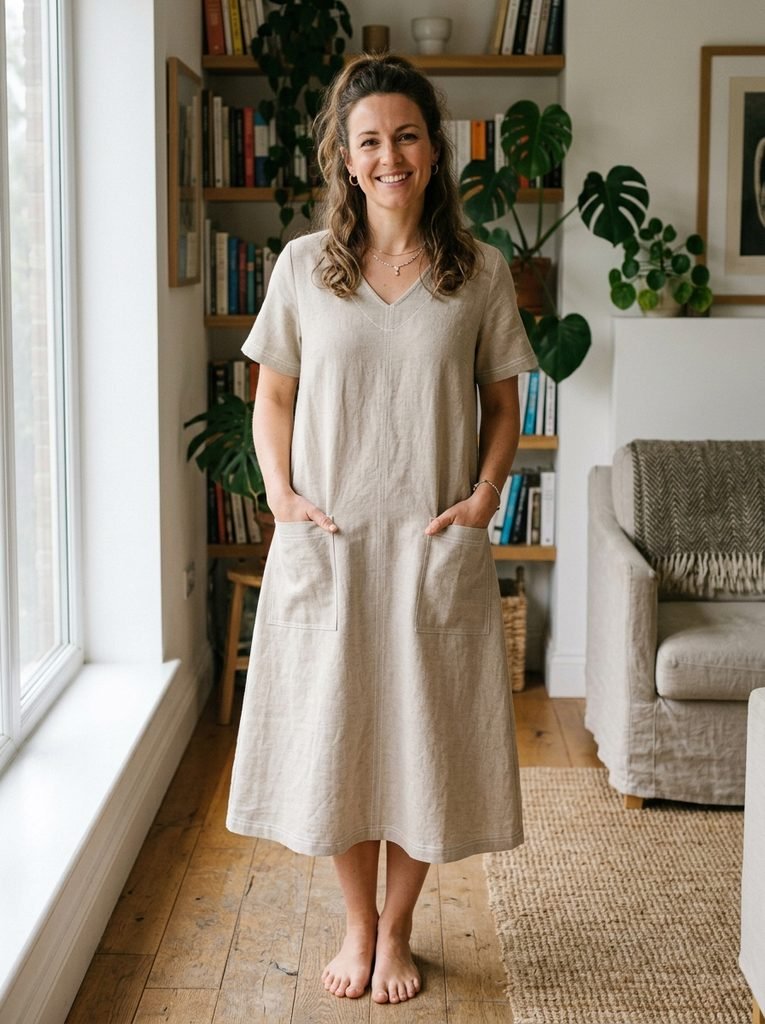
For your final project, combine the skills you have learned into a comfortable everyday dress. Choose a pattern with simple construction and enough room for movement. You can add pockets, a contrasting hem, short sleeves, or a fabric belt once you feel confident. The goal is not perfection. The goal is creating something you will actually enjoy wearing.
Final Thoughts
The best diy sewing clothes projects are the ones that make you excited to keep sewing. You can begin with a simple skirt, experiment with upcycling shirt ideas, try a relaxed top, or work toward a complete dress. Use patterns that match your skill level, choose fabrics carefully, measure before cutting, and give yourself permission to learn from every mistake. With practice, those first simple projects can become the foundation for your own handmade wardrobe.