

This post may contain affiliate links. Please read my disclosure policy.
In This Article Show
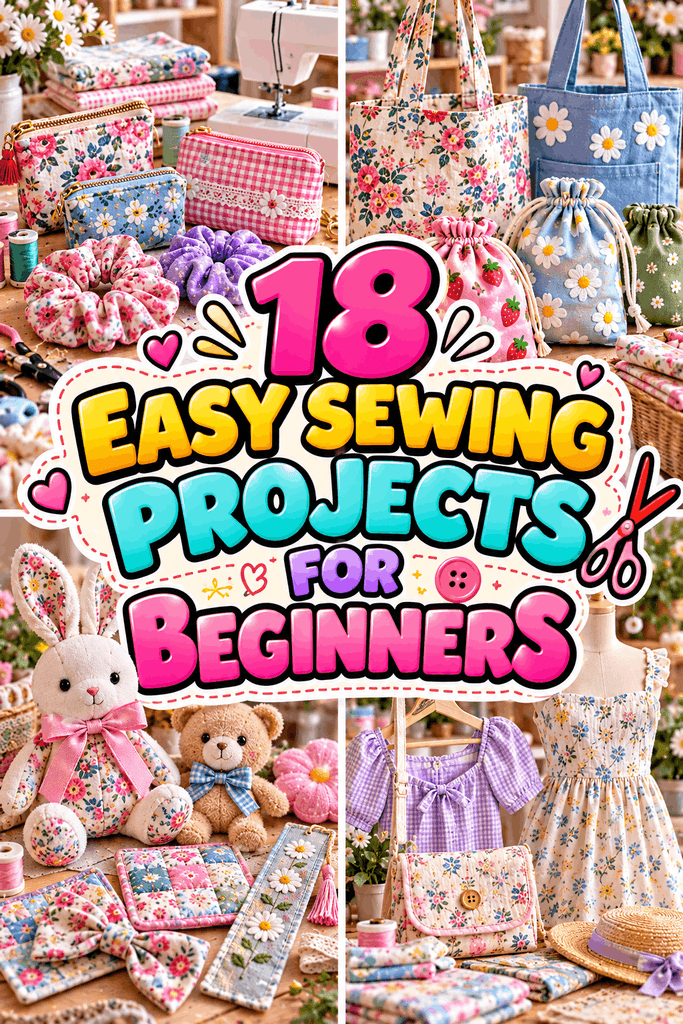
Learning to sew can start with something much smaller than a dress or quilt. Imagine sitting at your sewing machine with a colorful piece of cotton, a fresh spool of thread, and one simple idea in front of you. You make the first seam. Then another. A few minutes later, you are holding something you actually made yourself. That feeling is what makes easy sewing projects for beginners such a practical way to learn. Small projects teach real skills while giving you useful results, from bags and gifts to simple accessories and children’s items.
1. Simple Fabric Bookmark
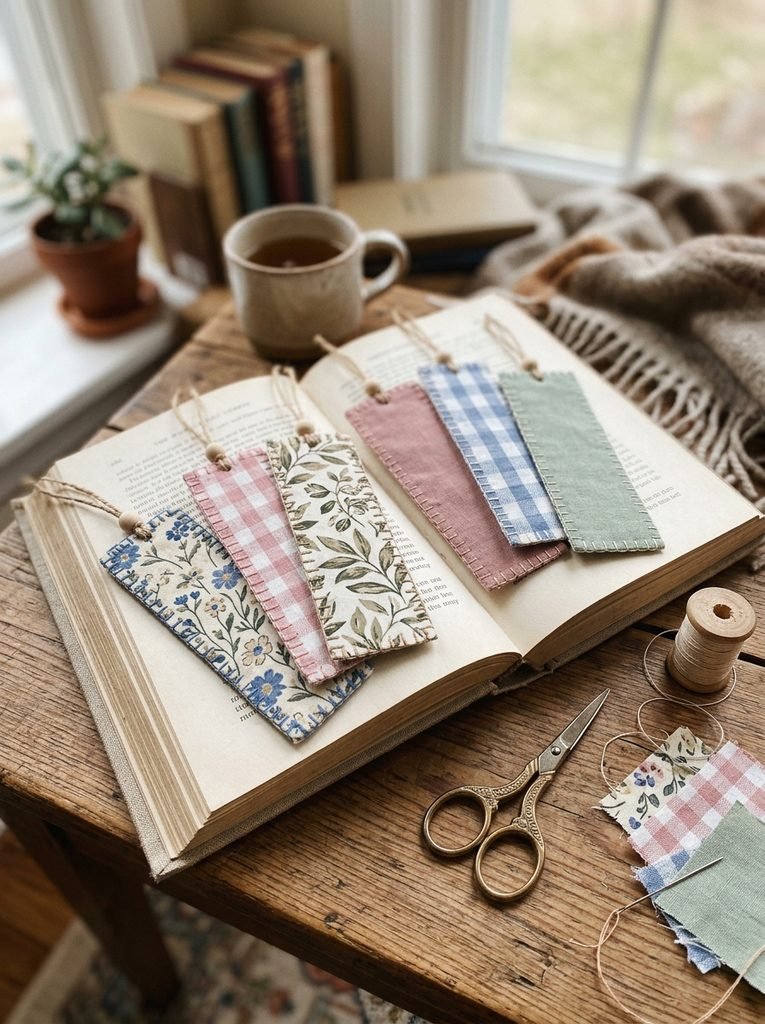
A fabric bookmark is one of the easiest places to begin. Cut two matching rectangles, add a light layer of interfacing if needed, stitch around the edges, and turn or finish the seams neatly. Use floral cotton for a soft aesthetic look or bright prints for kids. You can make several at once and turn them into small gifts for friends, teachers, or readers.
2. Mini Zipper Pouch
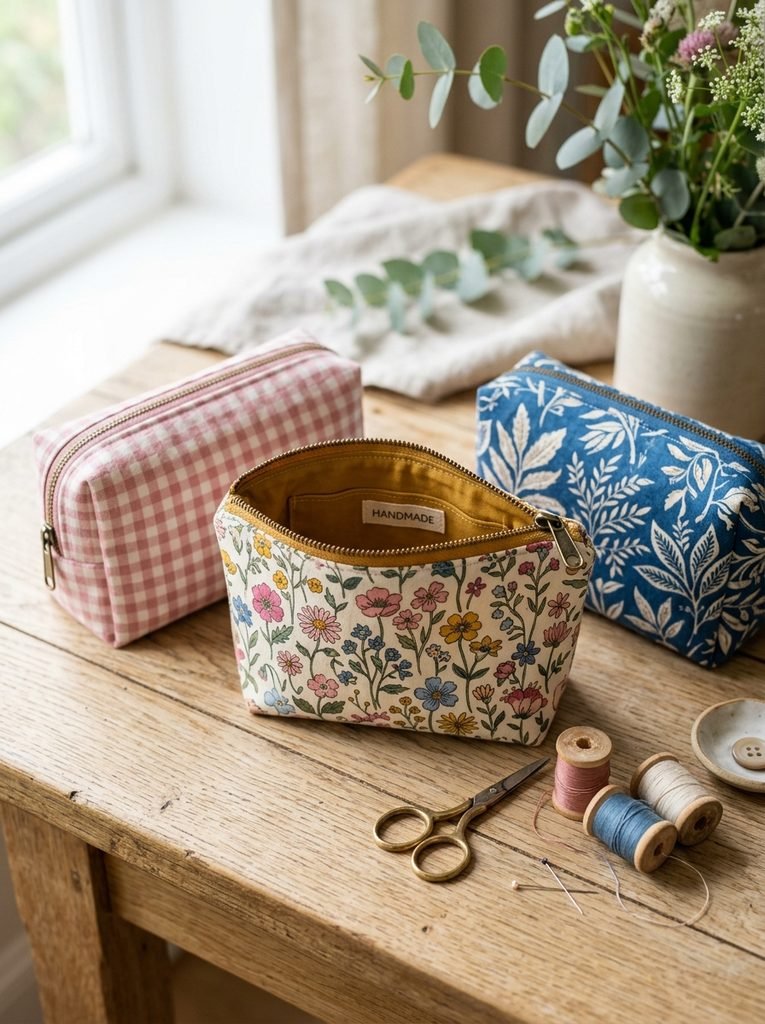
A zipper pouch gives beginners a useful introduction to zippers without requiring a complicated pattern. Start with a small rectangular shape and use medium-weight cotton. Once you understand the basic construction, make versions for coins, earbuds, makeup, sewing supplies, stationery, or small gifts. A colorful lining can make the inside look just as attractive as the outside.
3. Fabric Scrunchies
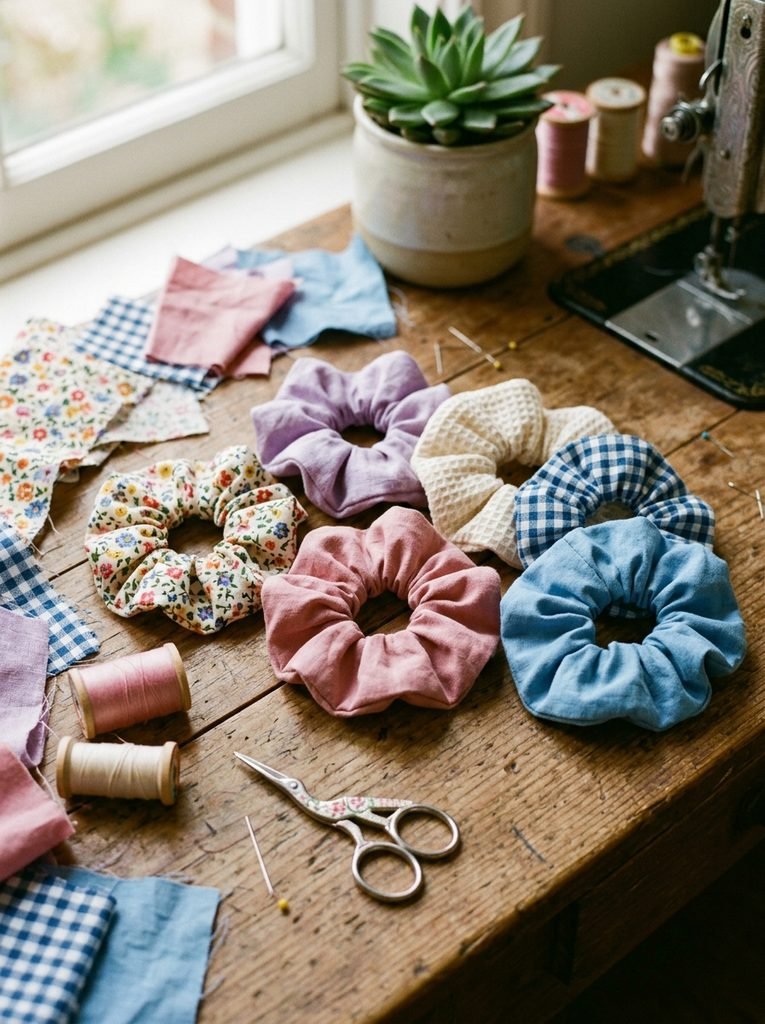
Scrunchies are quick to sew and excellent for using leftover fabric. They require only a small strip of material and elastic, so mistakes do not waste much fabric. Try floral prints, soft pastel colors, gingham, or seasonal patterns. Make matching sets for birthdays, friendship gifts, or handmade collections. This project also helps you practice sewing a long straight seam and turning fabric tubes.
4. Fabric Keychain or Wristlet
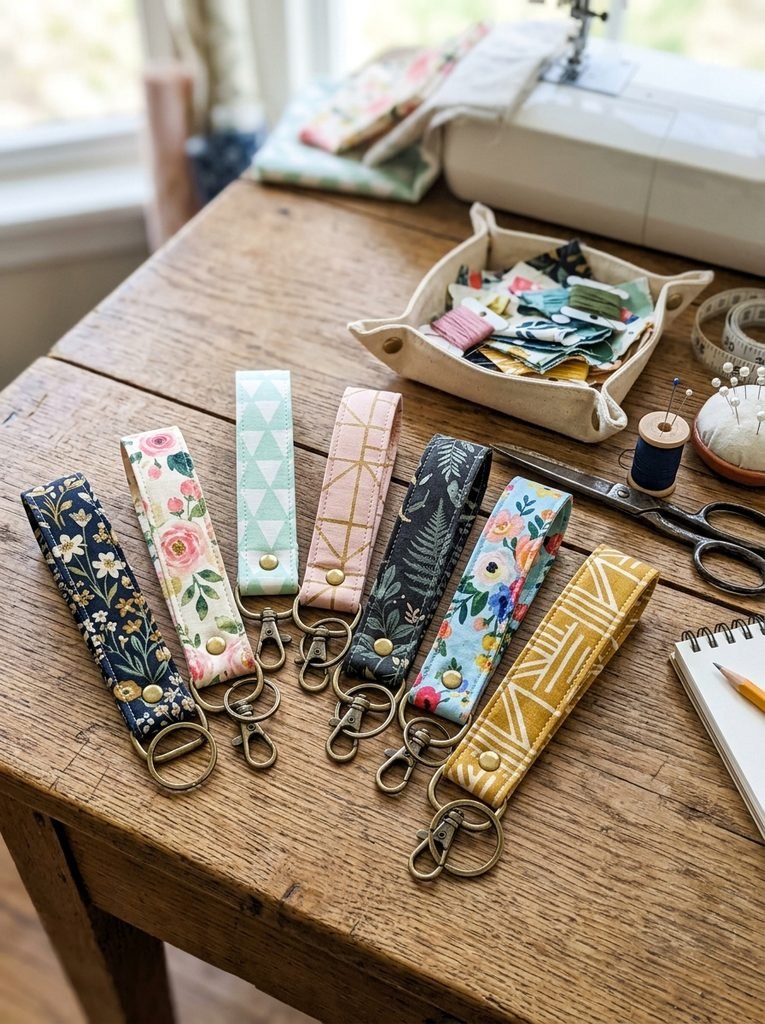
A fabric keychain uses very little material, which makes it perfect for scrap fabric. You can create a simple wristlet from two narrow fabric strips, reinforce the material, stitch the edges, and attach suitable key-fob hardware. USU Extension includes both a keychain chapstick holder and fabric cuff keychain among its beginner grab-and-sew projects. This is also a good project if you want to make small handmade gifts. Use different fabrics for different personalities and create matching sets with pouches or bags.
5. Easy Drawstring Gift Bag
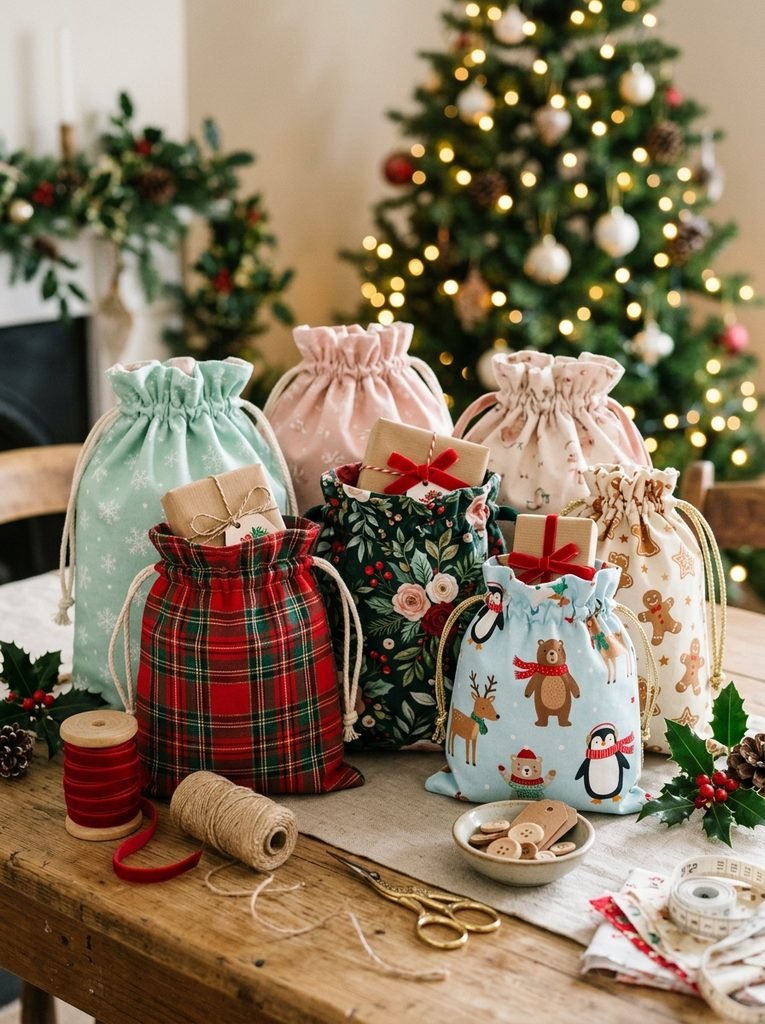
A drawstring bag is simple enough for a beginner but useful enough to keep making. Choose Christmas fabric for holiday gift wrapping, floral fabric for birthdays, or playful prints for children. You can make small versions for jewelry and treats or larger versions for toys and accessories. Unlike disposable wrapping, a fabric gift bag can become part of the gift itself.
6. Small Tote Bag
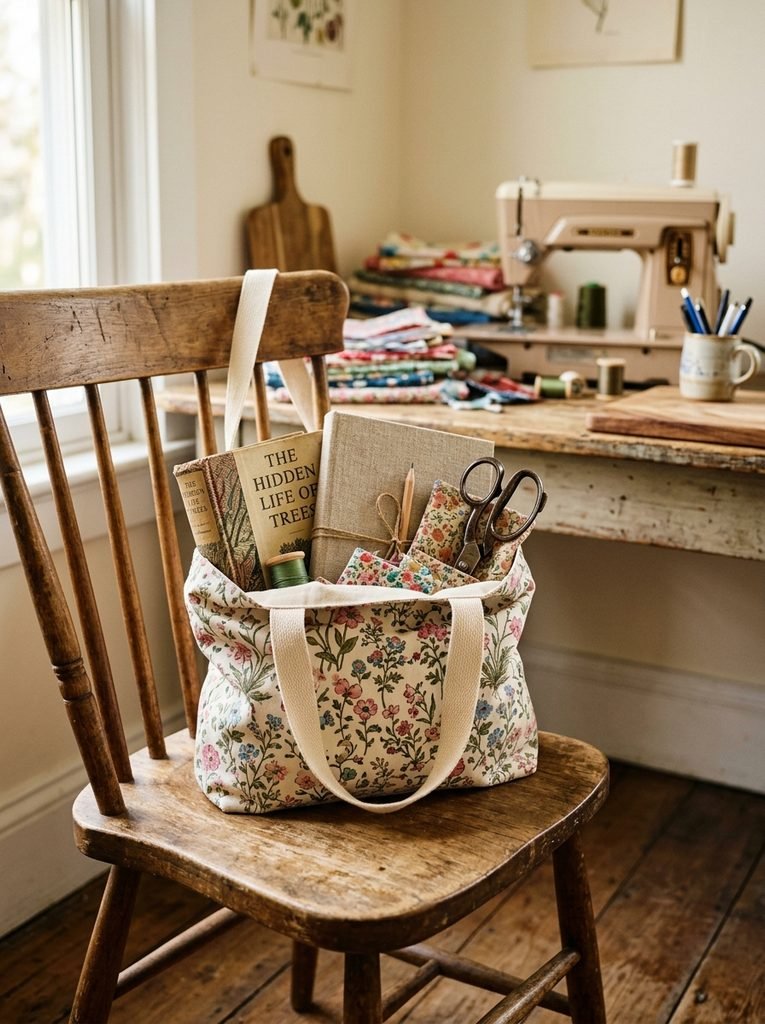
A small tote bag is a natural step after learning straight seams. Use sturdy cotton or canvas and keep the first design simple. Two handles and a basic body are enough to create a useful bag for books, craft supplies, shopping, or everyday items. Later, you can add an inside pocket, lining, contrasting handles, or patchwork panels.
7. Pencil Pouch for Kids
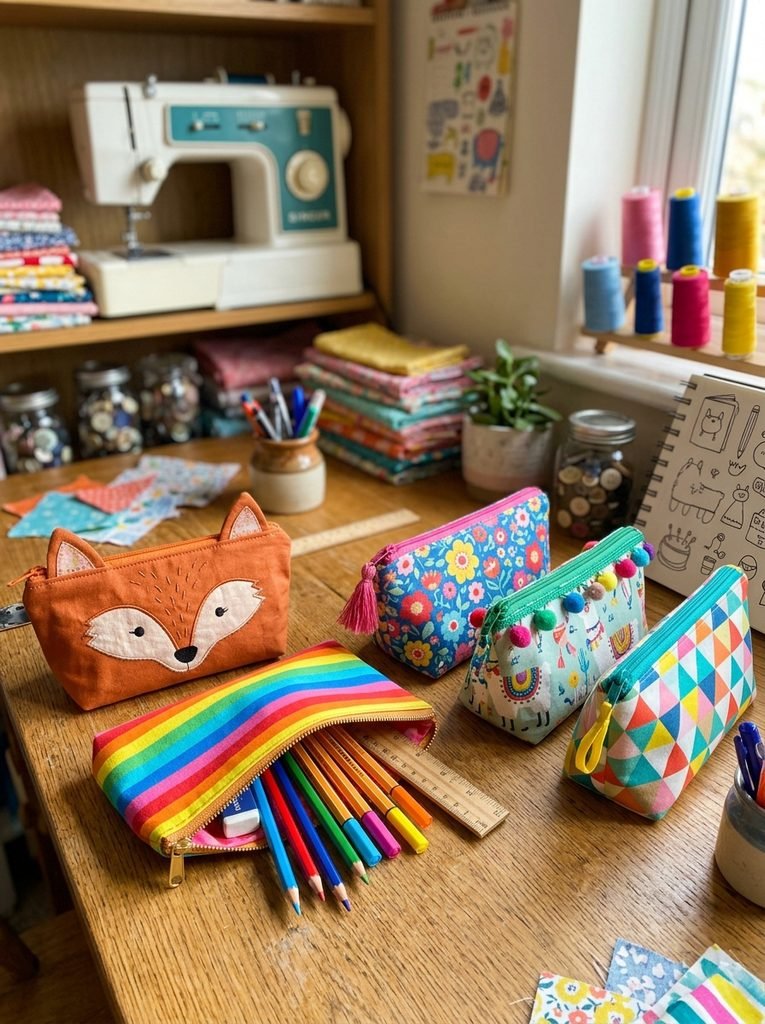
A pencil pouch is a practical project for children because the finished item has an immediate purpose. Use bright cotton prints, animal patterns, rainbows, or simple geometric fabric. A zipper adds a useful new skill, while a lining teaches you how two fabric layers work together. USU Extension also provides a beginner pencil pouch project with a zipper and lining.
8. Simple Fabric Bow
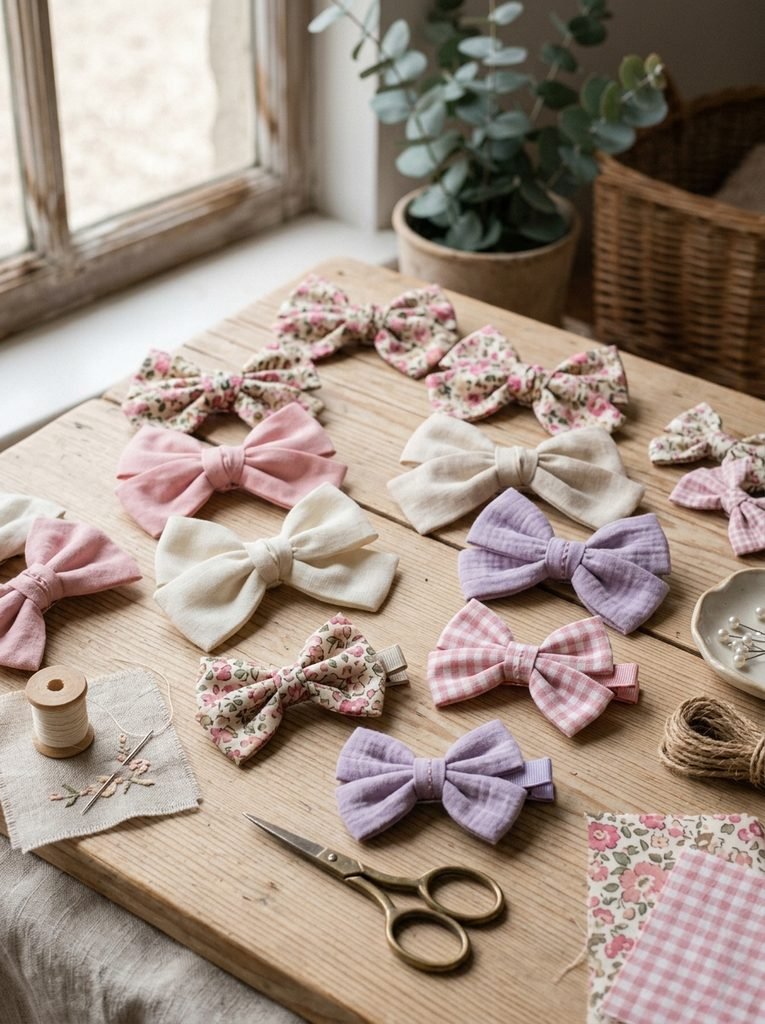
Fabric bows are tiny, attractive, and flexible. You can use them as hair accessories, bag decorations, gift toppers, or handmade embellishments. Make one from a solid fabric and another from a matching print. If you want a more polished finish, press each fold carefully before stitching. Small bows also give you a smart way to use fabric scraps that are too small for bags.
9. Hand-Sewn Fabric Coaster
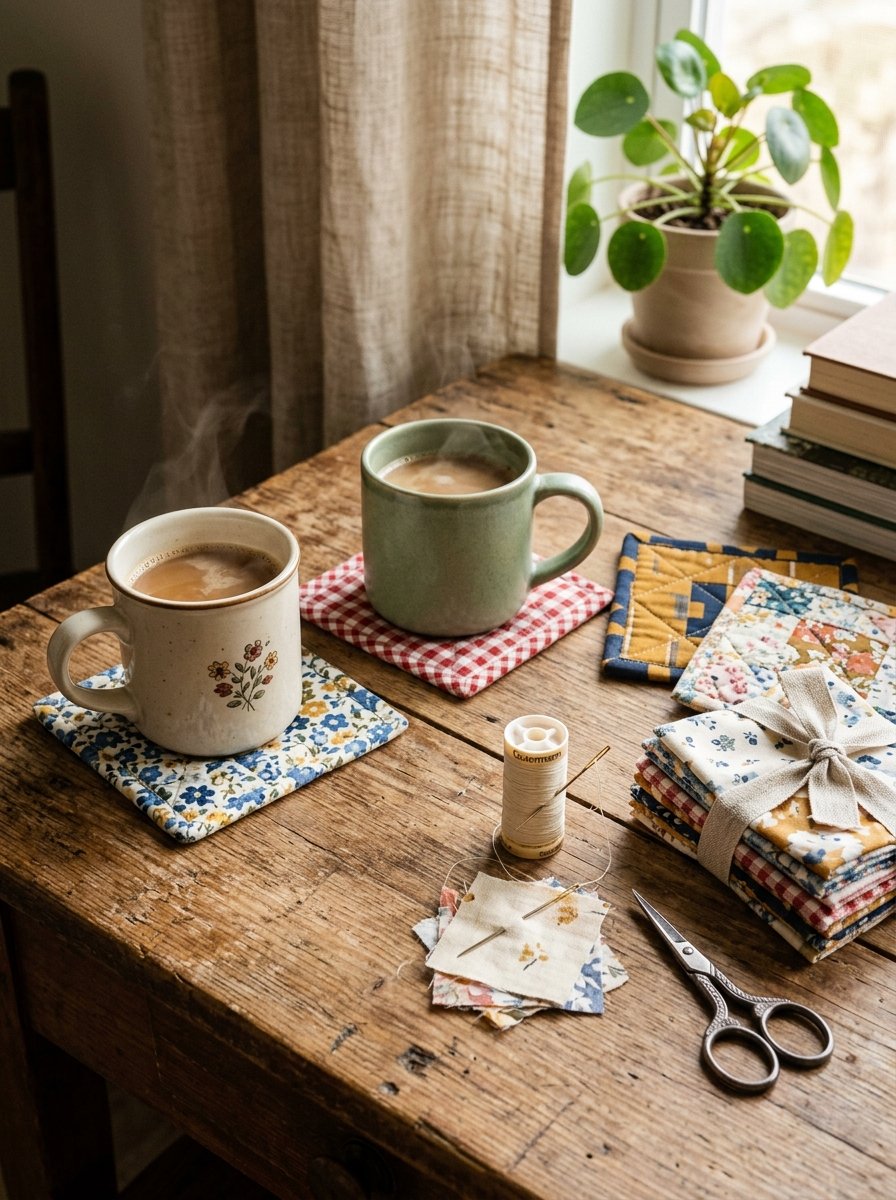
You do not always need a sewing machine. A small coaster can also become a useful hand sew project when you want to practice needle control. Layer two fabric squares with suitable batting, stitch around the edges, and finish them neatly. Once comfortable, move toward simple quilting lines or patchwork. Small quilted items can teach accuracy without requiring a large project.
10. Needle Book
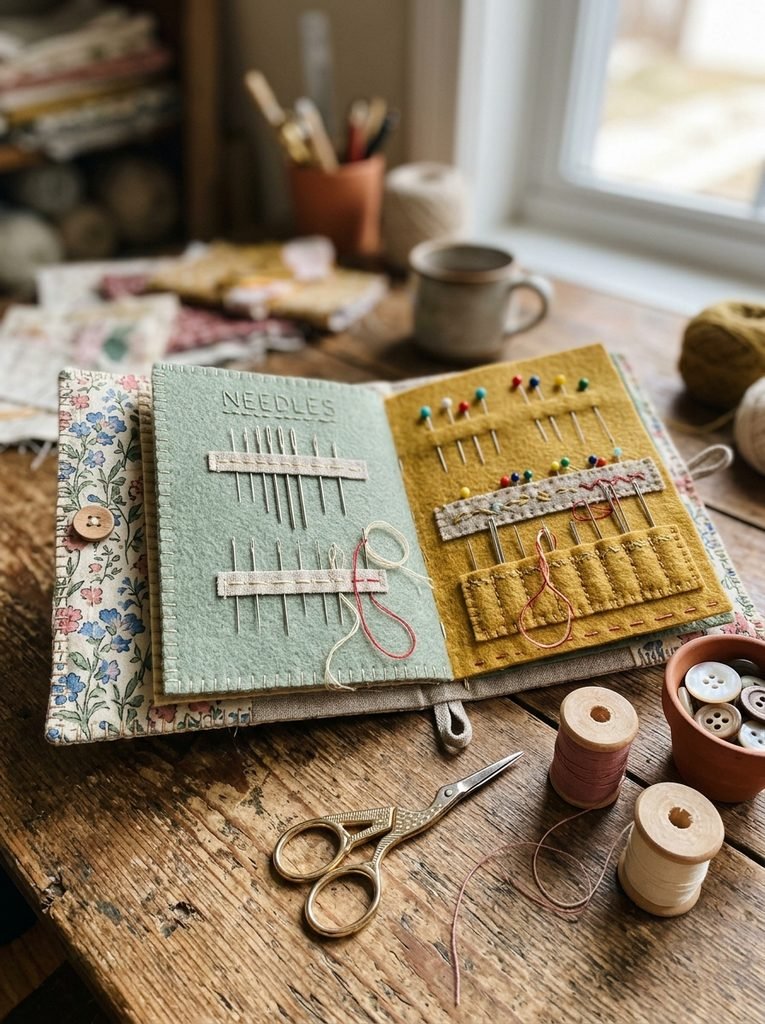
A needle book turns fabric scraps into something genuinely useful. Create a small folded cover with felt or fabric pages inside, then secure the layers with simple stitching. Add a button or tie for closure. It makes a thoughtful gift for anyone who enjoys sewing and also helps beginners practice hand sewing, measuring, layering, and neat finishing.
11. Fabric Mug Rug
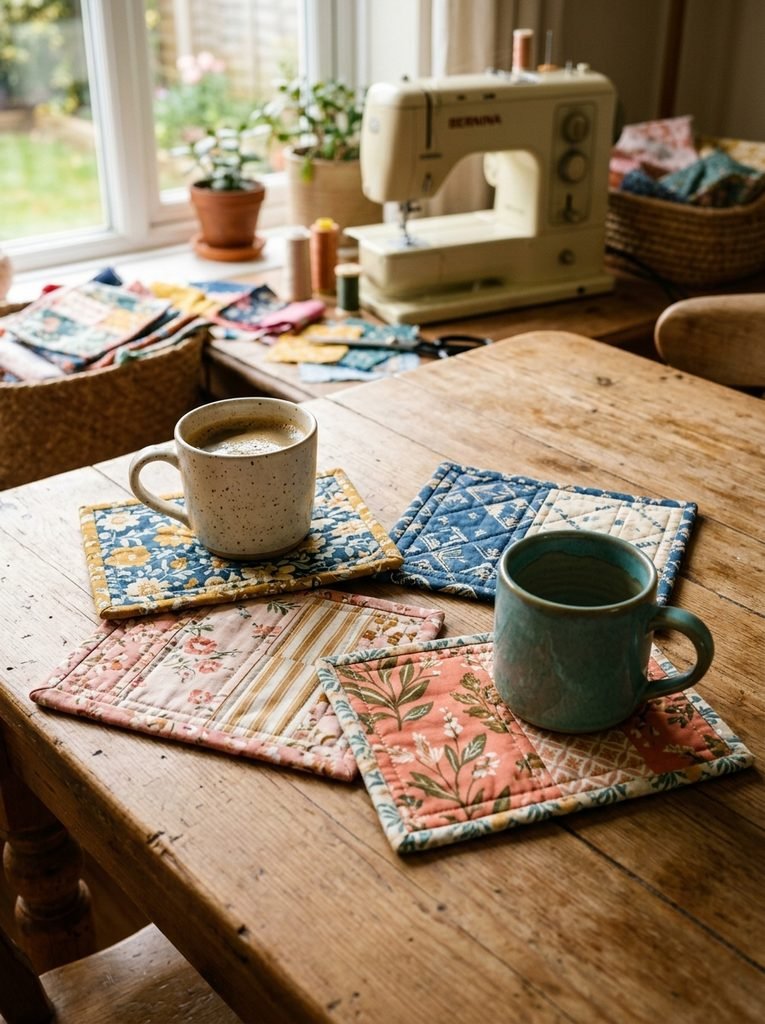
A mug rug is slightly larger than a coaster and works beautifully beside a coffee cup, tea mug, or small desk plant. Use two or three fabrics and create a simple patchwork arrangement. This is a good way to practice straight stitching and pressing. If you enjoy the process, you can make a matching set for a kitchen or home office.
12. Scrap Fabric Christmas Ornament
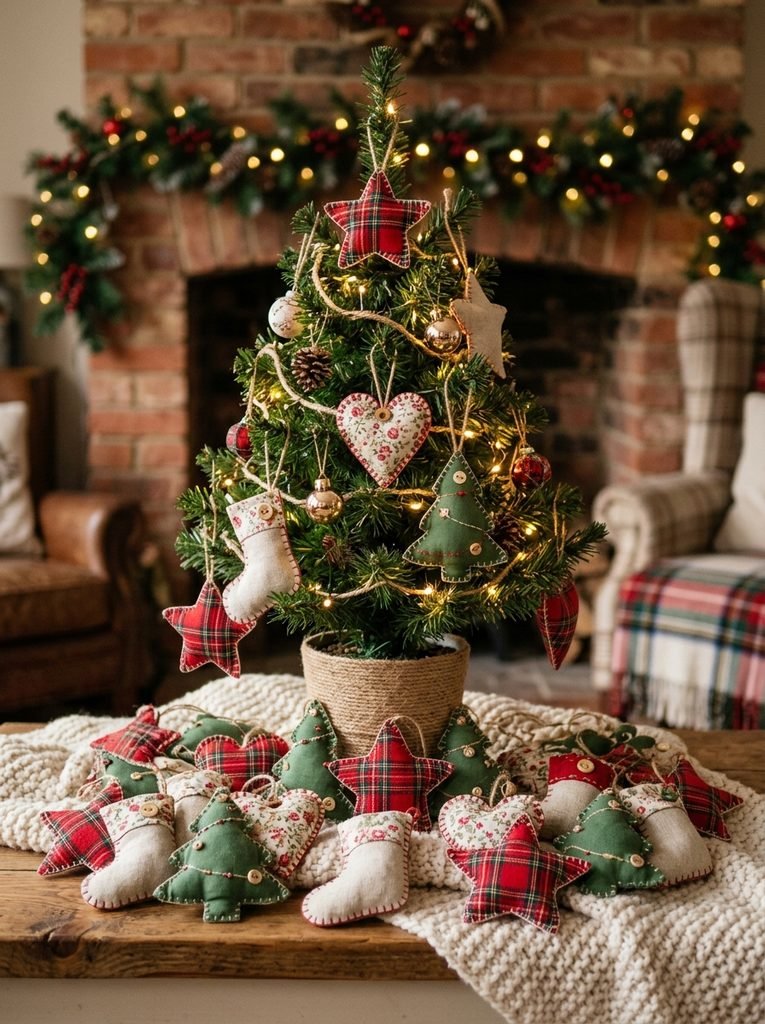
Christmas ornaments are perfect for small pieces of leftover fabric. Try stars, hearts, trees, stockings, or simple round shapes. Layer the fabric, stitch around the shape, add suitable stuffing when needed, and attach a hanging loop. You can create a matching collection from one fabric family or mix different prints for a handmade look. These make thoughtful Christmas gift ideas when paired with a simple gift bag.
13. Small Fabric Basket
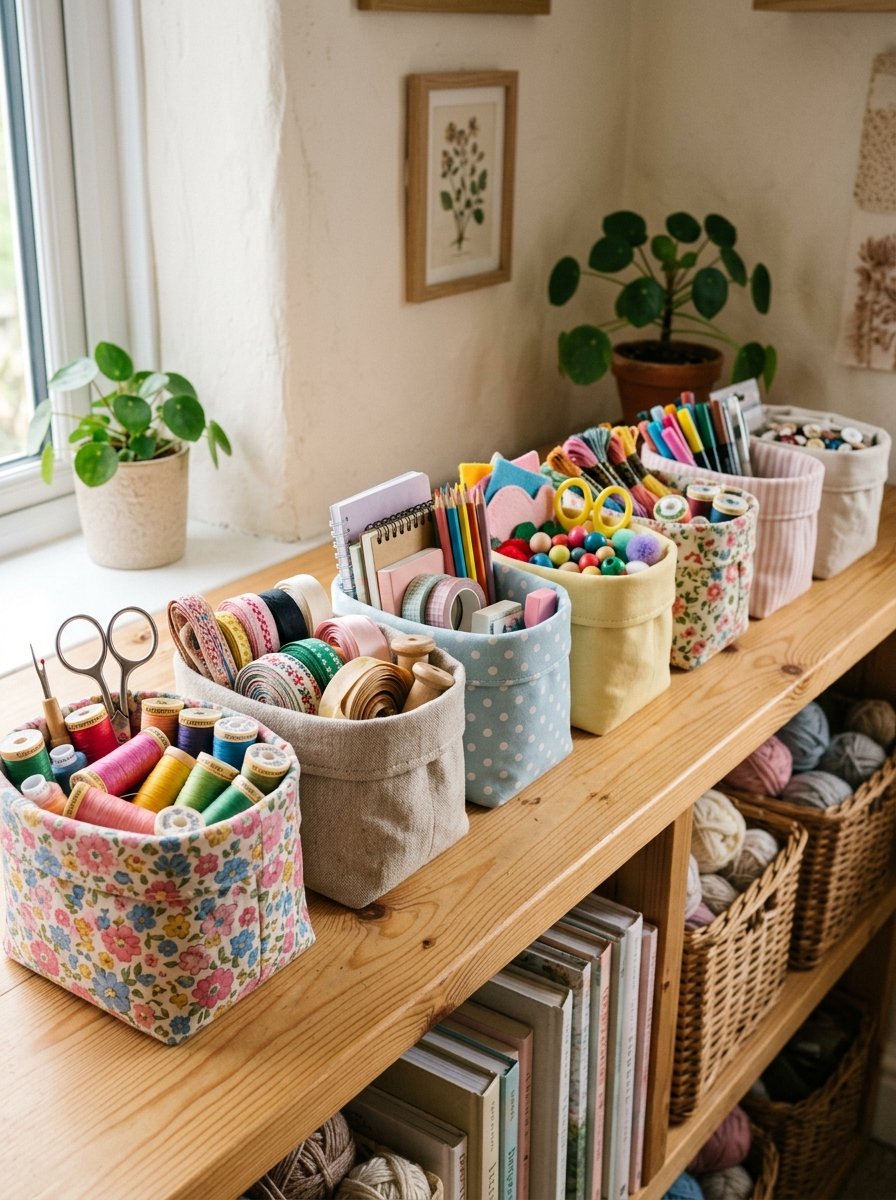
A small fabric basket can organize thread, hair accessories, toys, stationery, or craft supplies. Beginners can start with a simple rectangular or square construction and add interfacing to give the basket more body. Choose a cute print for a child’s room or neutral fabric for an adult workspace. This project introduces structure and helps you understand how fabric behaves when several layers come together.
14. Simple Pillow Cover
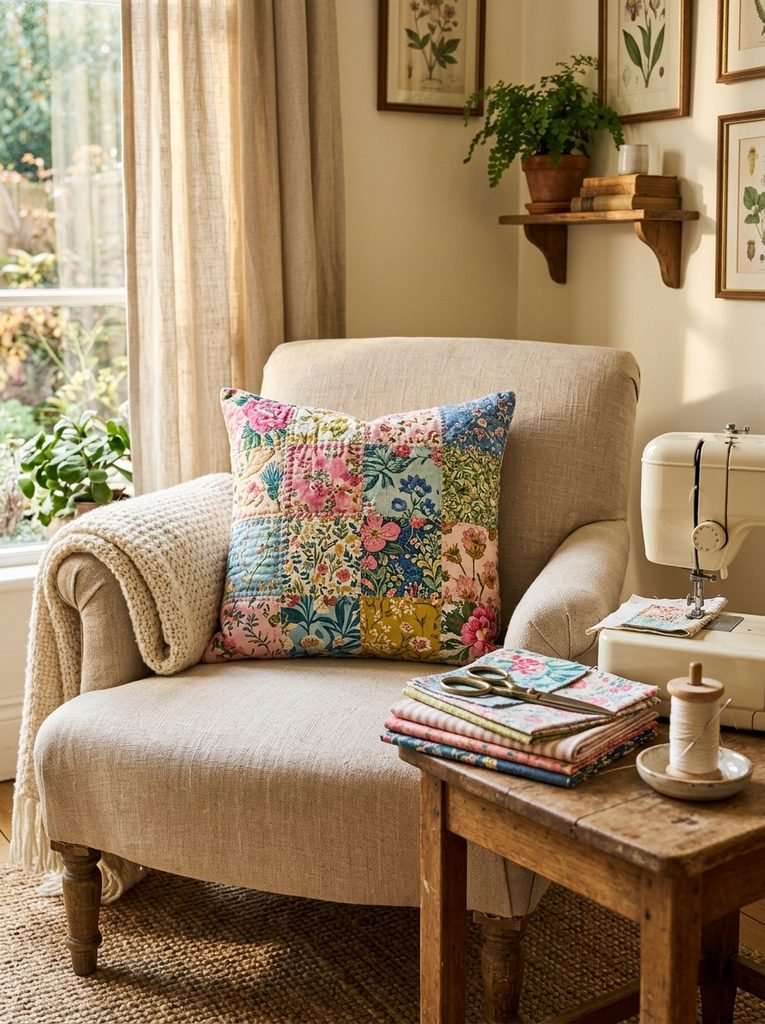
A pillow cover lets you practice larger fabric pieces without making an entire piece of furniture. An envelope-style opening keeps the construction beginner-friendly. Choose one beautiful fabric or create a simple patchwork front. USU Extension offers several pillow patterns, including four-square and reversible tied pillow designs, making pillows a useful next step after smaller accessories.
15. Fabric Bookmark and Gift Set
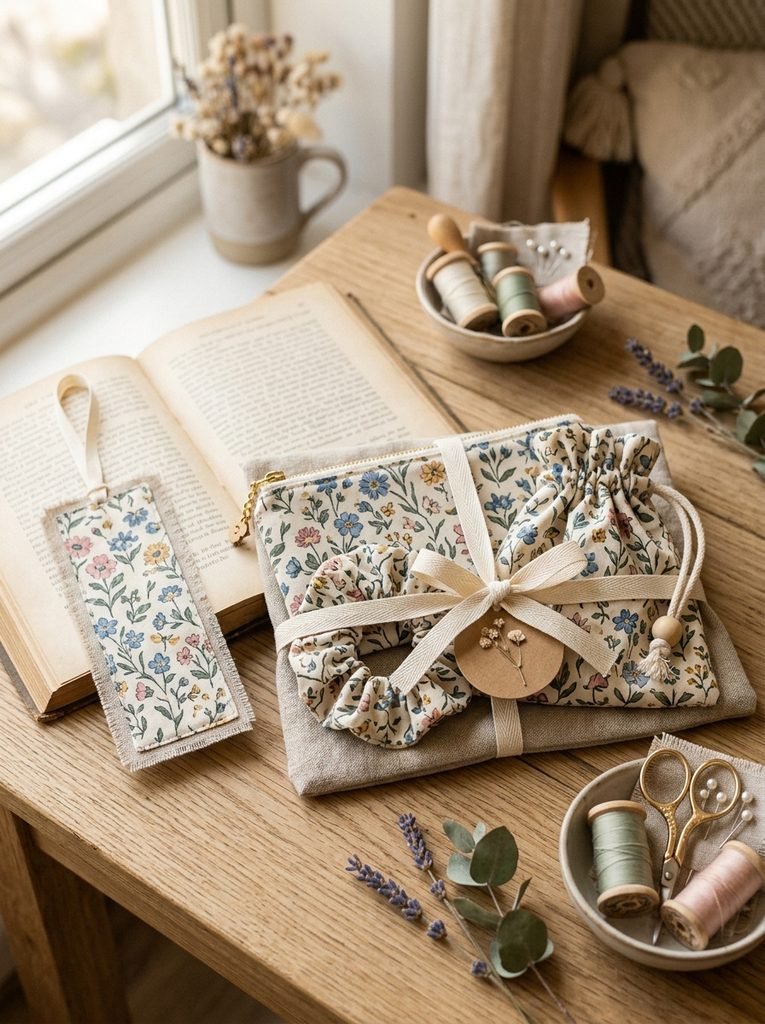
Instead of making one item, combine several simple pieces into a small handmade set. Pair a fabric bookmark with a scrunchie, pencil pouch, or drawstring bag. This works especially well for birthdays, Christmas gifts, teacher gifts, or friendship presents. Matching colors make even simple pieces look like a planned collection rather than separate crafts.
16. Plush Animal
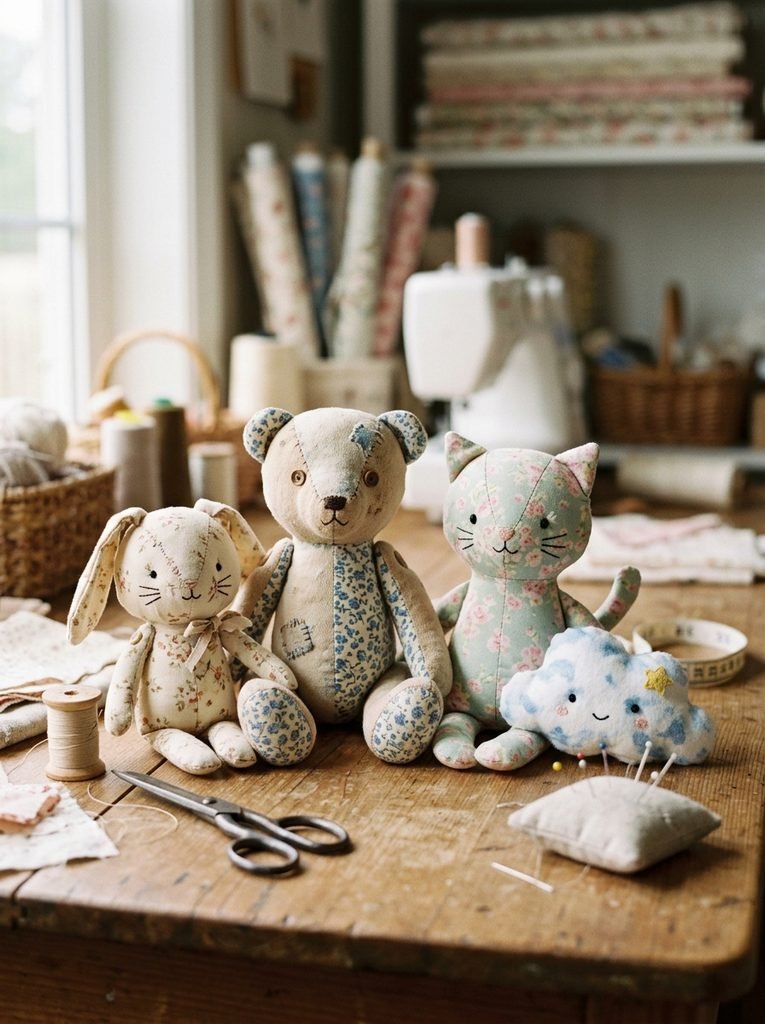
Once you feel comfortable with simple shapes, try a small plush animal. Start with an uncomplicated design such as a bunny, cat, bear, or cloud-shaped character. Focus on accurate cutting and smooth curves rather than complicated details. Plush projects teach skills that differ from flat accessories because you need to sew around curves and turn three-dimensional shapes. If you make plush items for children, choose age-appropriate construction and avoid small detachable parts for young children.
17. Simple Clothing Top
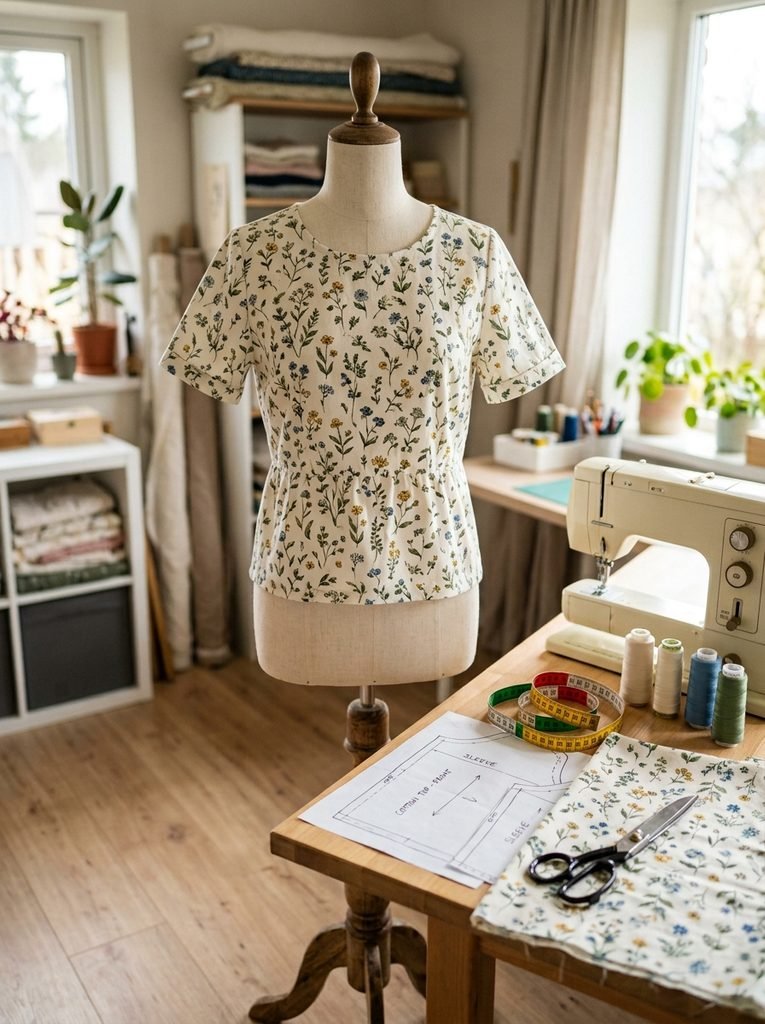
After several smaller projects, a basic top can be an exciting next step. Choose a beginner-friendly pattern with simple construction and limited fitting details. Avoid starting with difficult fabric or complicated sleeves. Learn to follow the pattern markings, measure carefully, understand seam allowances, and finish the neckline and hems neatly. These skills create a foundation for clothes, tops, and eventually more detailed dresses. Free pattern collections from extension programs can also help you understand how different sewing patterns are organized before you buy or draft more advanced designs.
18. Easy Summer Dress
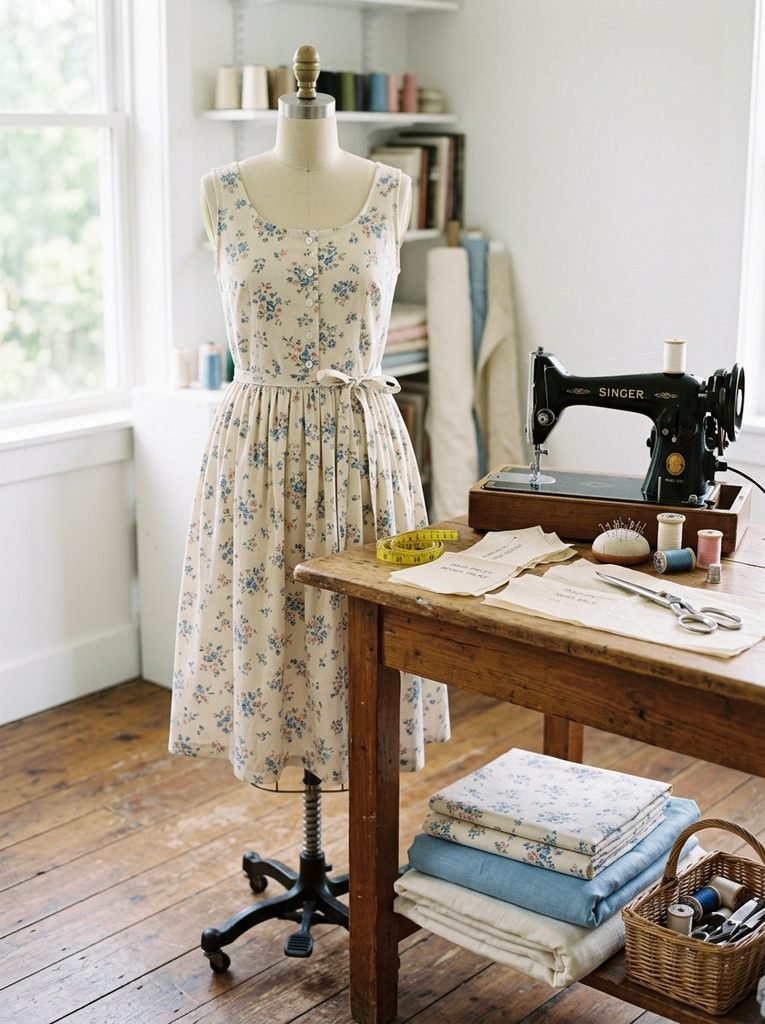
A simple summer dress can become a rewarding milestone after you have practiced smaller projects and a basic top. Choose a relaxed silhouette with uncomplicated seams and avoid difficult fitting details for your first dress. Lightweight woven cotton can create a comfortable starting point, while careful measuring and pressing help the final garment look cleaner. Do not rush this stage. Take your measurements, read the pattern instructions before cutting, and make a test version if the pattern recommends one. The goal is not just to finish a dress. It is to understand how individual sewing skills come together into a complete garment..
Final Thoughts
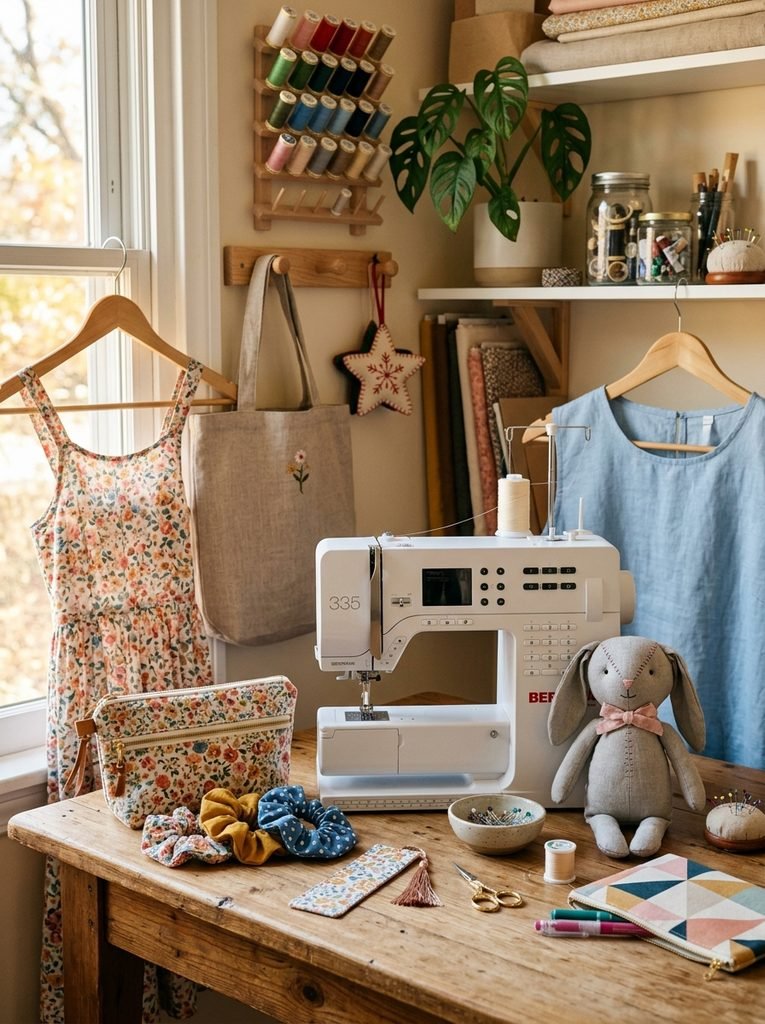
The best easy sewing projects for beginners do more than fill an afternoon. They teach you how to measure, cut, stitch, press, repair mistakes, and finish a useful item. You can begin with a bookmark or scrunchie, move into pouches and bags, and eventually explore plush animals, tops, and dresses. Do not worry if your first seam is not perfect. Every experienced sewist once made a crooked seam, cut fabric incorrectly, or struggled with a zipper. Start small. Follow the instructions. Practice one skill at a time. Before long, that small piece of fabric on your table can become something you are genuinely proud to use, gift, or sell.
