
This post may contain affiliate links. Please read my disclosure policy.
In This Article Show
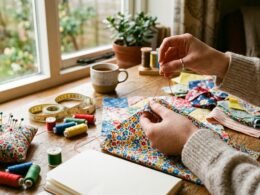
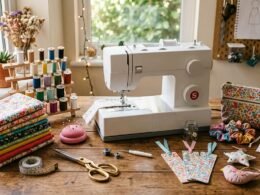
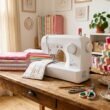
A first sewing machine can feel intimidating. There are buttons, dials, a bobbin, a presser foot, needles, and a long path for the thread. But once you understand the basics, the picture changes. The machine stops looking complicated and starts feeling like a creative tool. Imagine sitting at your table with a piece of pink fabric in front of you. You guide the fabric slowly, the needle moves up and down, and a clean row of stitches appears. That simple moment can lead to bags, covers, quilts, clothes, embroidery projects, room decor, and handmade gifts. For beginners, the goal is not to learn everything at once. Start with the basics, practice simple seams, and gradually explore new projects.
Choosing a Sewing Machine for Beginners
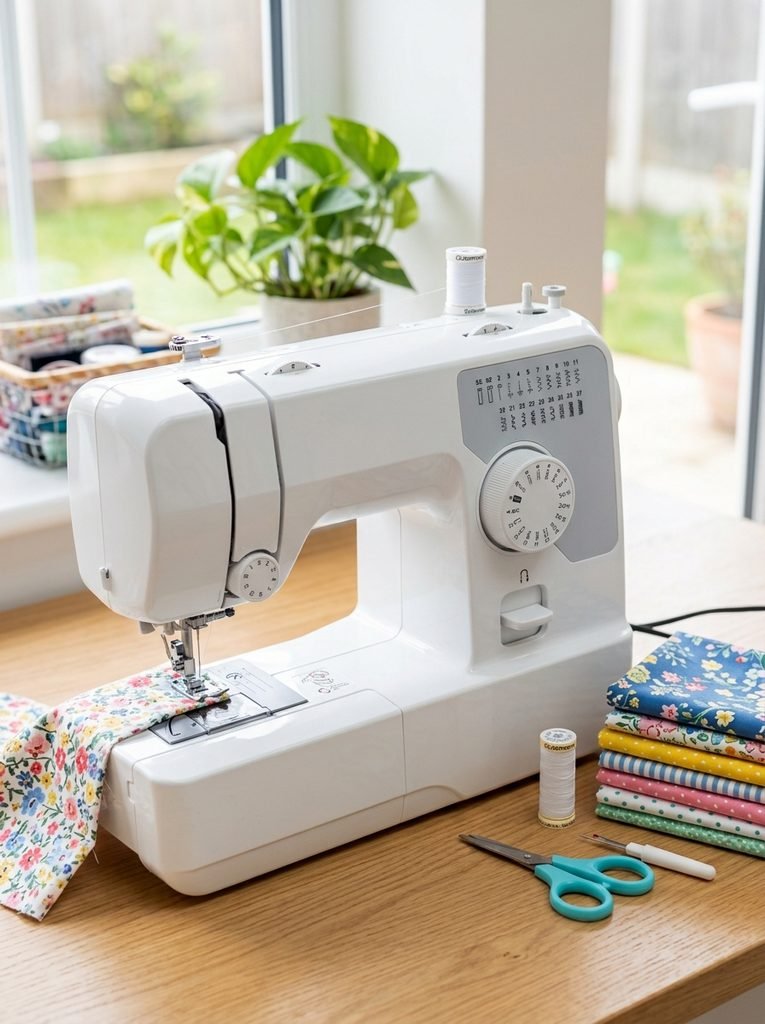
The right sewing machine should make learning easier, not harder. Beginners usually benefit from clear stitch controls, adjustable stitch length, an easy bobbin system, and a simple threading path. SINGER’s current beginner guidance also highlights features such as automatic needle threading, adjustable stitch length, clear stitch selection, and easy-to-use bobbin systems. You do not need dozens of decorative stitches to start. Straight stitch handles basic seams, while zigzag stitch helps with edge finishing and some stretchy fabrics. A buttonhole function can also become useful as your skills grow. Focus on features you will actually use. The best way to learn is to make something. These ideas move from simple practice projects toward more creative work. You can use them to build confidence while exploring easy tutorials, ideas, covers, bags, embroidery, room projects, and handmade gifts.
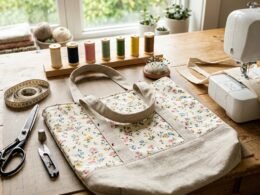
1. Simple Fabric Bag
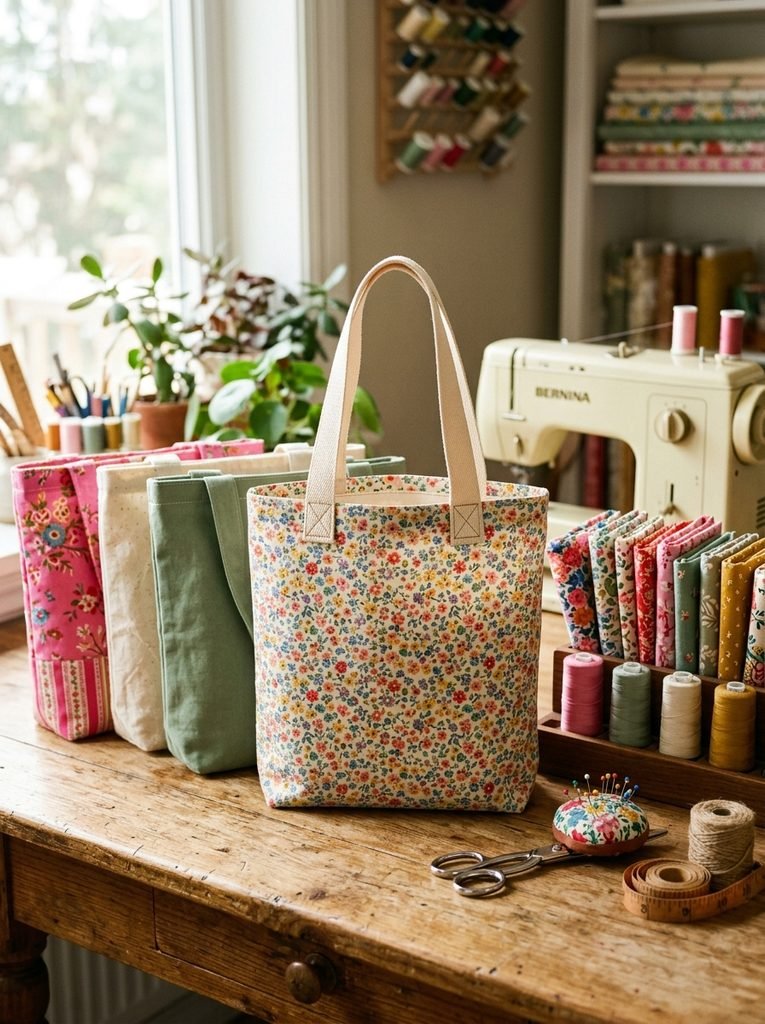
Start with a basic fabric bag. Cut two matching rectangles, sew the sides and bottom, then add fabric handles. Cotton works well for a beginner because it is easy to cut and control. Once you understand the construction, try a bag with an inside pocket or contrasting lining.
2. DIY Pillow Cover
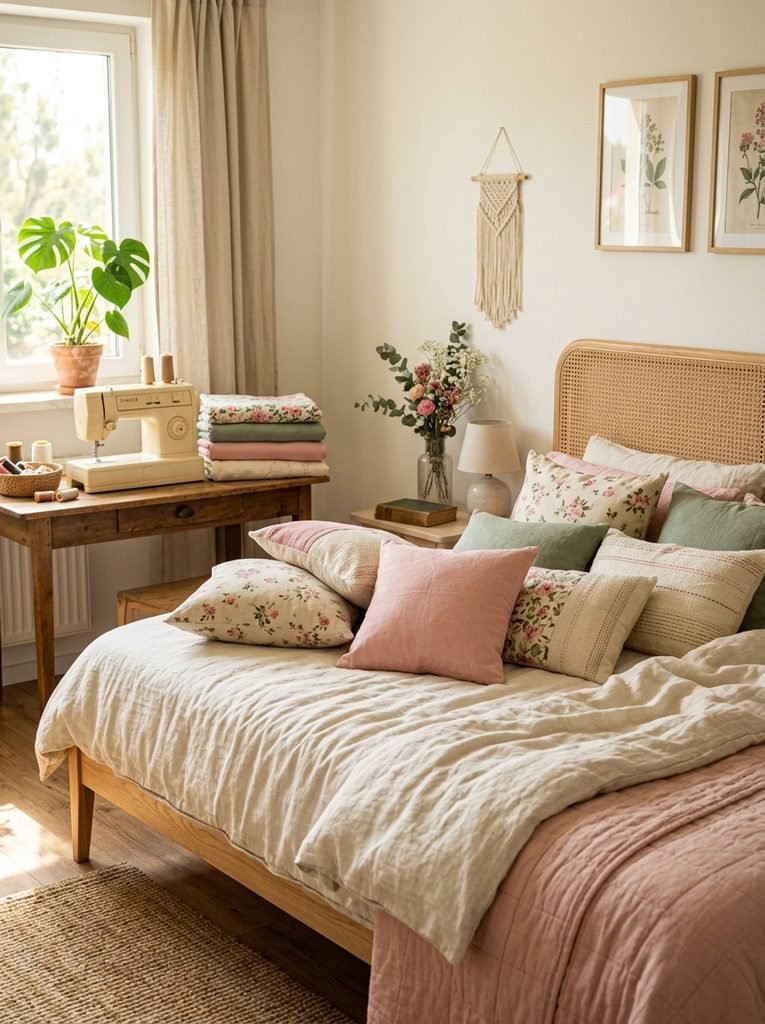
A pillow cover gives you excellent practice with straight lines and corners. An envelope-style cover works especially well because it does not require a zipper. Try floral fabric for a soft room look or bold geometric fabric for a modern space.
3. Aesthetic Table Runner
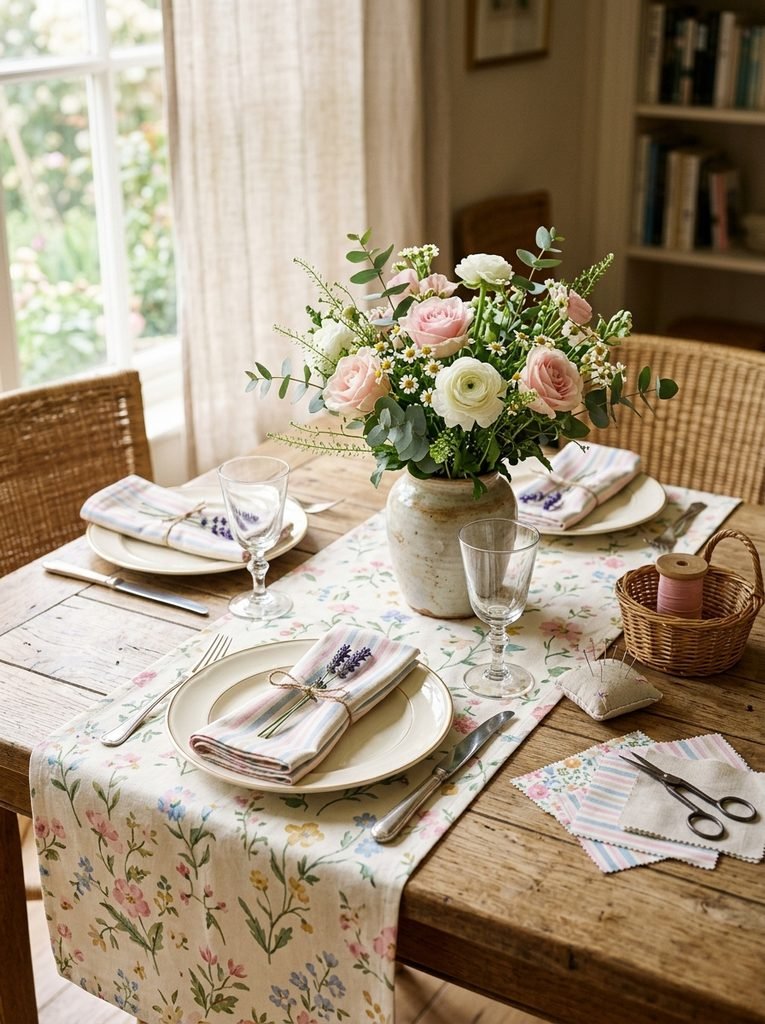
A table runner can completely change a dining area without changing the furniture. Choose fabric that matches your room colors. You can create a plain runner first, then experiment with patchwork, decorative borders, or simple quilting.
4. Beginner Fabric Storage Bins
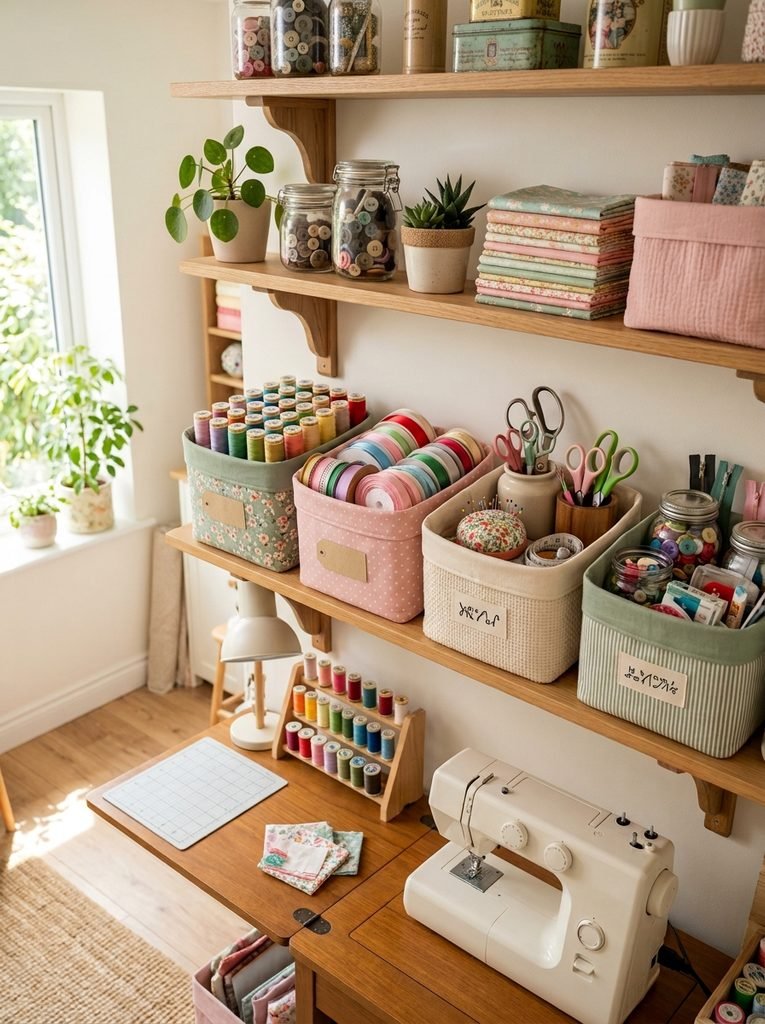
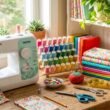
Turn sturdy fabric into small storage baskets for thread, ribbons, toys, or craft supplies. Add interfacing if your pattern calls for more structure. Several matching bins can make a craft area look organized while keeping useful materials within reach..
5. Repurposed Drawers Storage
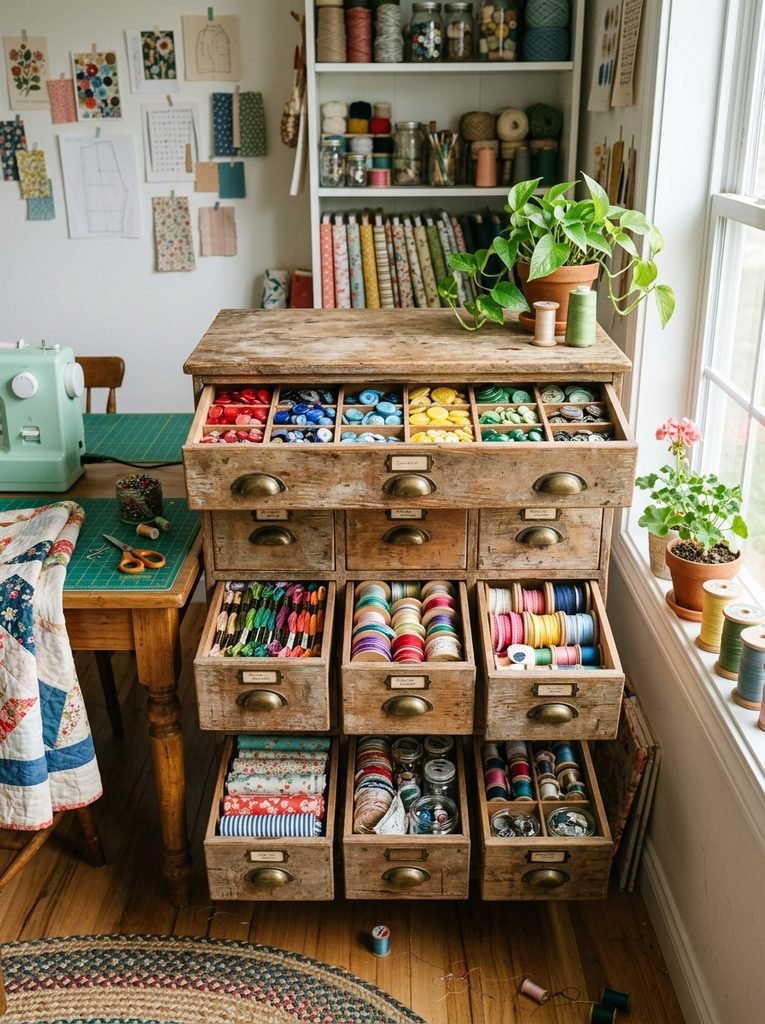
Old drawers do not have to become waste. Clean and repaint them, then add fabric-lined sections for sewing supplies. A few drawers repurposed into craft storage can hold buttons, embroidery thread, needles, ribbons, and small tools.
6. Felt Appliqué Art
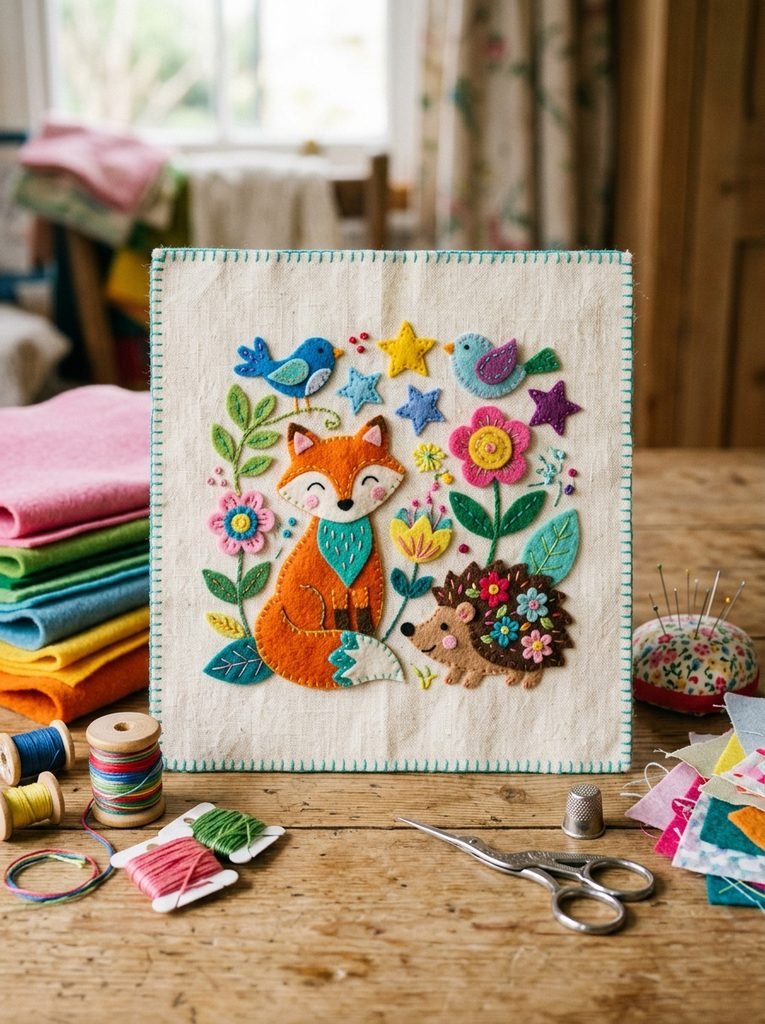
Felt gives beginners an easy way to explore fabric drawing without complicated stitching. Cut simple leaves, flowers, stars, hearts, or animals and attach them to a fabric base. Add small decorative stitches around the shapes for extra detail.
7. Embroidery Practice Sampler
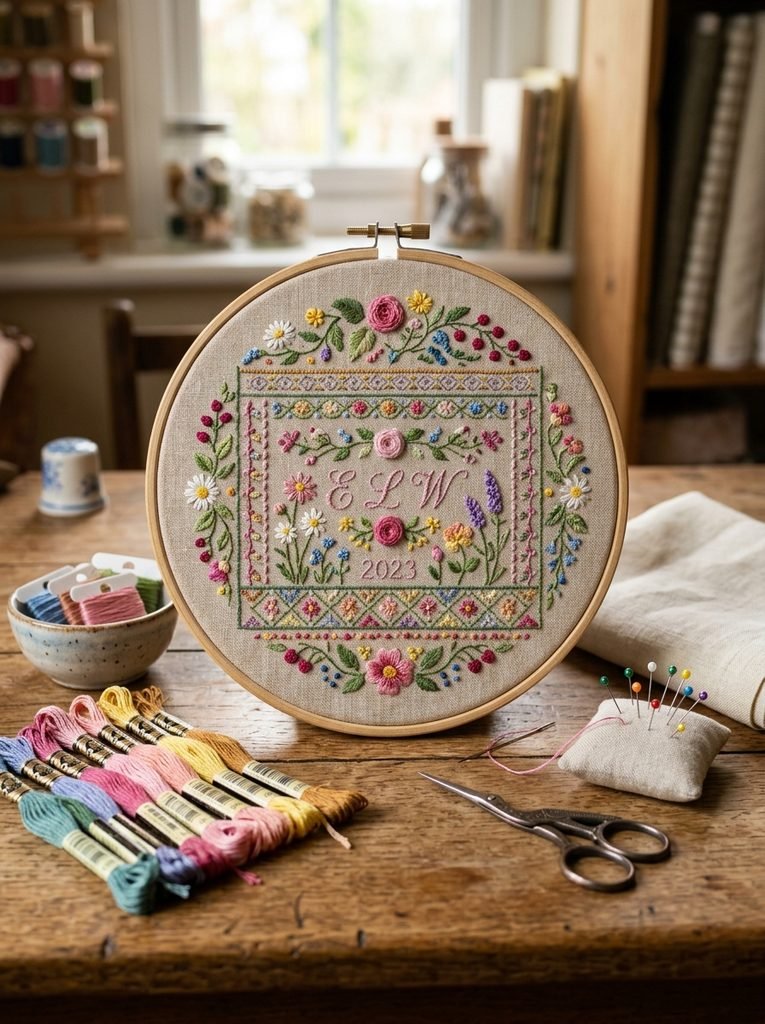
You can combine machine sewing with hand embroidery. Create a small fabric sampler featuring flowers, leaves, initials, simple lines, or geometric shapes. This project helps you practice spacing, color choices, and neat finishing.
8. Tattoo-Inspired Fabric Art
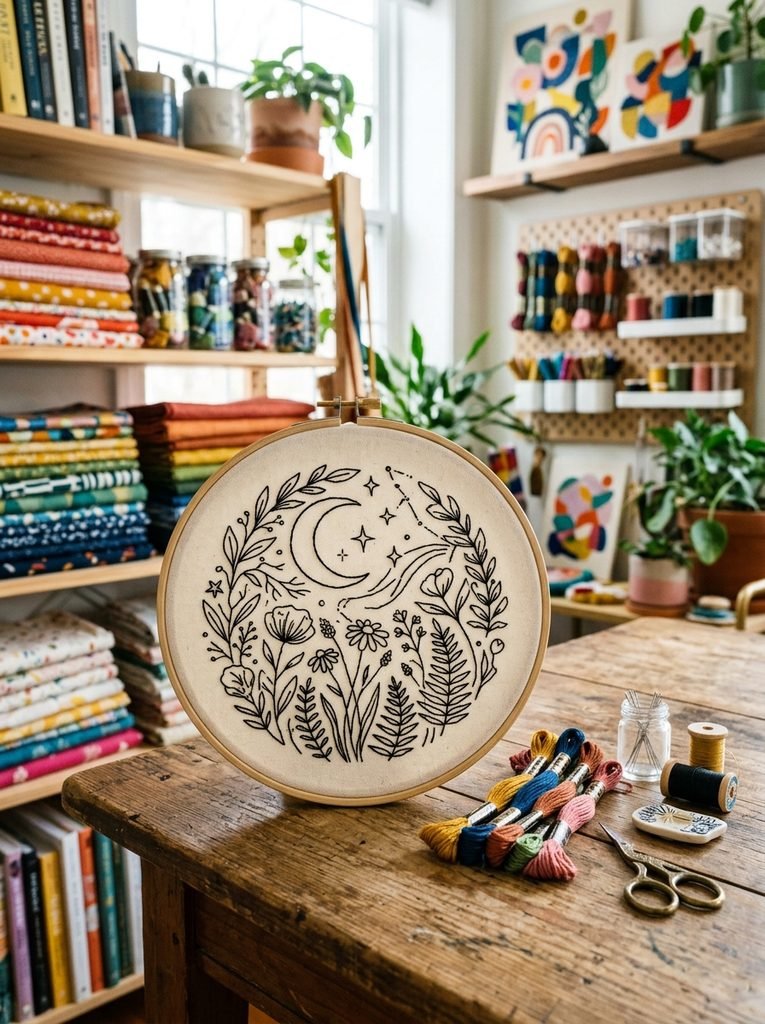
A bold illustration can become fabric decoration. Instead of copying a specific tattoo, create your own original black-line design using flowers, moons, stars, animals, or abstract shapes. Trace the design onto fabric and use embroidery or decorative stitching to create the artwork.
9. Vintage-Style Fabric Cover
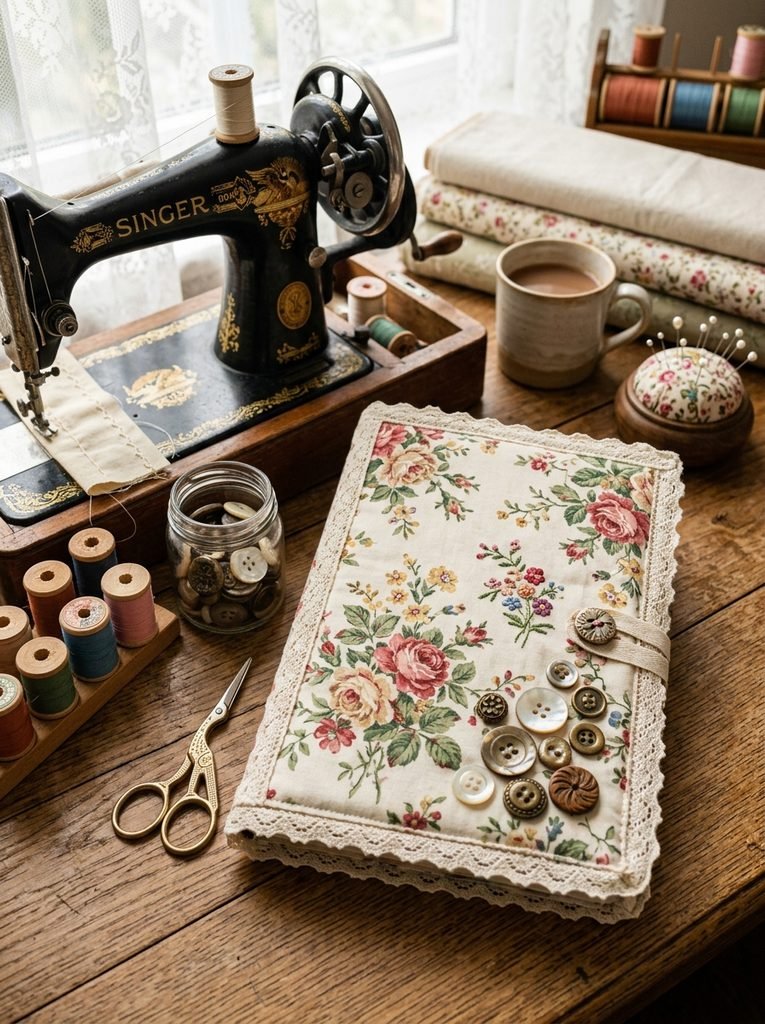
Vintage prints can give a simple project more personality. Use floral cotton, lace-inspired trim, muted colors, or old-fashioned patterns. Make a decorative cover pattern for a notebook, cushion, sewing basket, or small storage box.
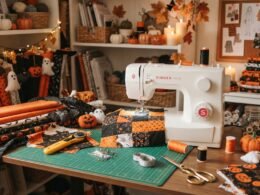
10. Quilt Block Practice
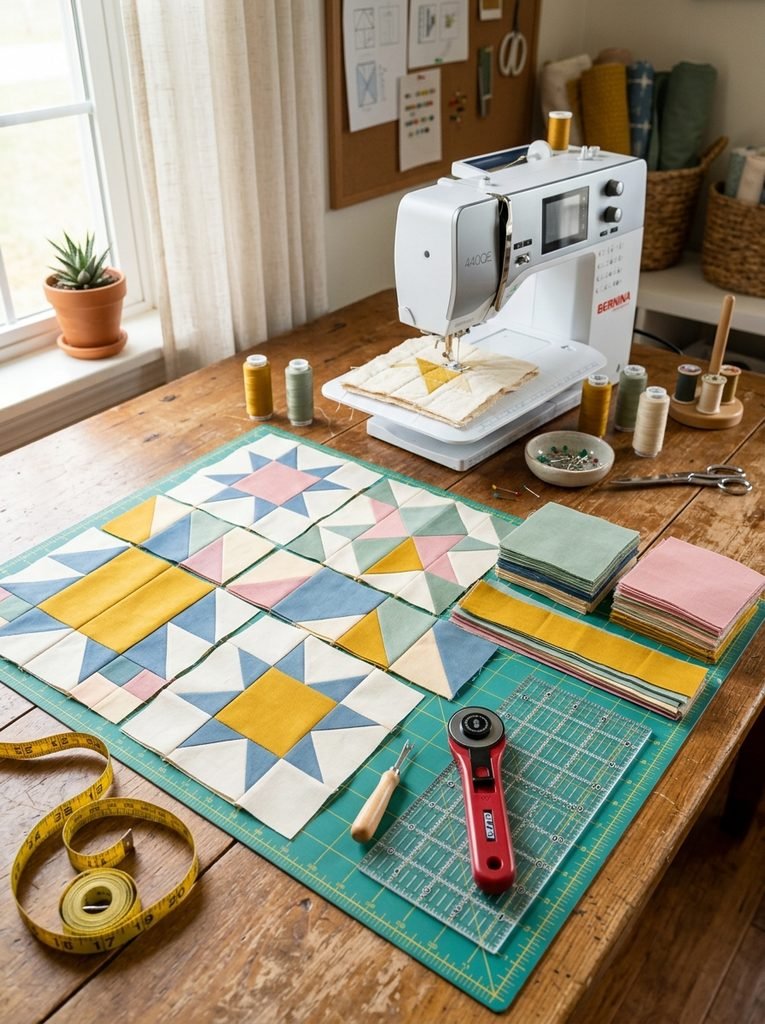
You do not need to begin with a full quilt. Make one small quilt block first. Use squares, triangles, or strips in coordinated colors. This lets beginners practice accurate cutting, seam allowance, pressing, and matching fabric pieces.
11. Easy Cover DIY
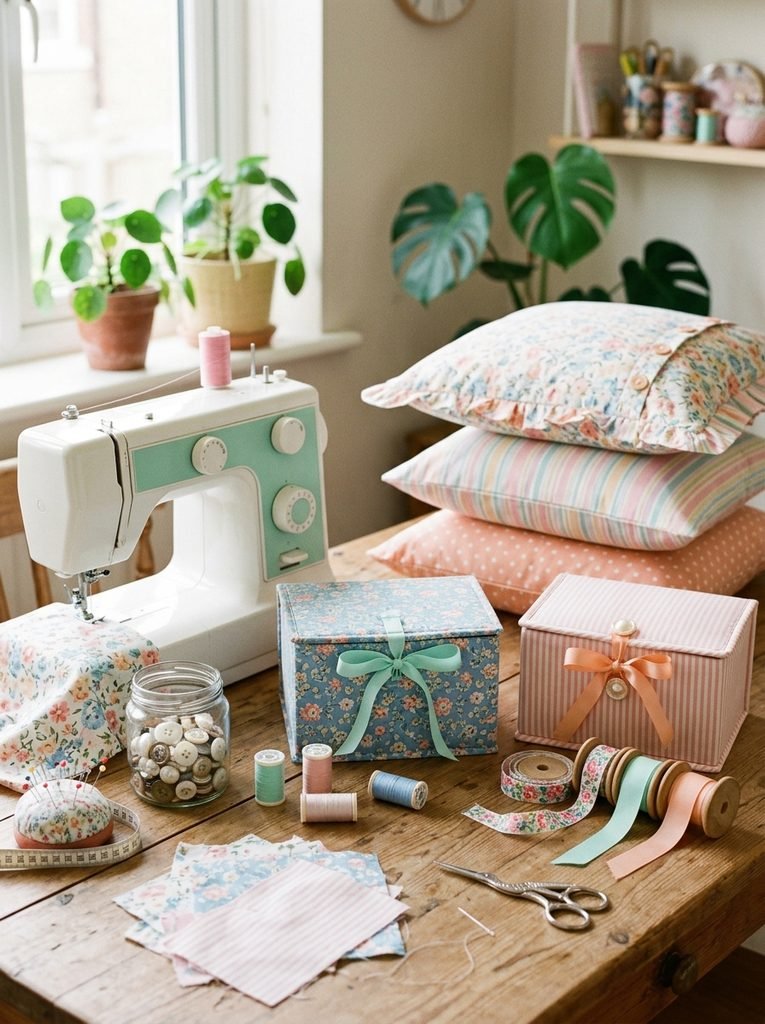
Make a removable cover diy project for a small cushion, notebook, sewing machine table, or storage box. Pick a fabric that fits your room style. Add buttons, ties, or a simple flap for an attractive finish.
12. Simple Machine Embroideryin
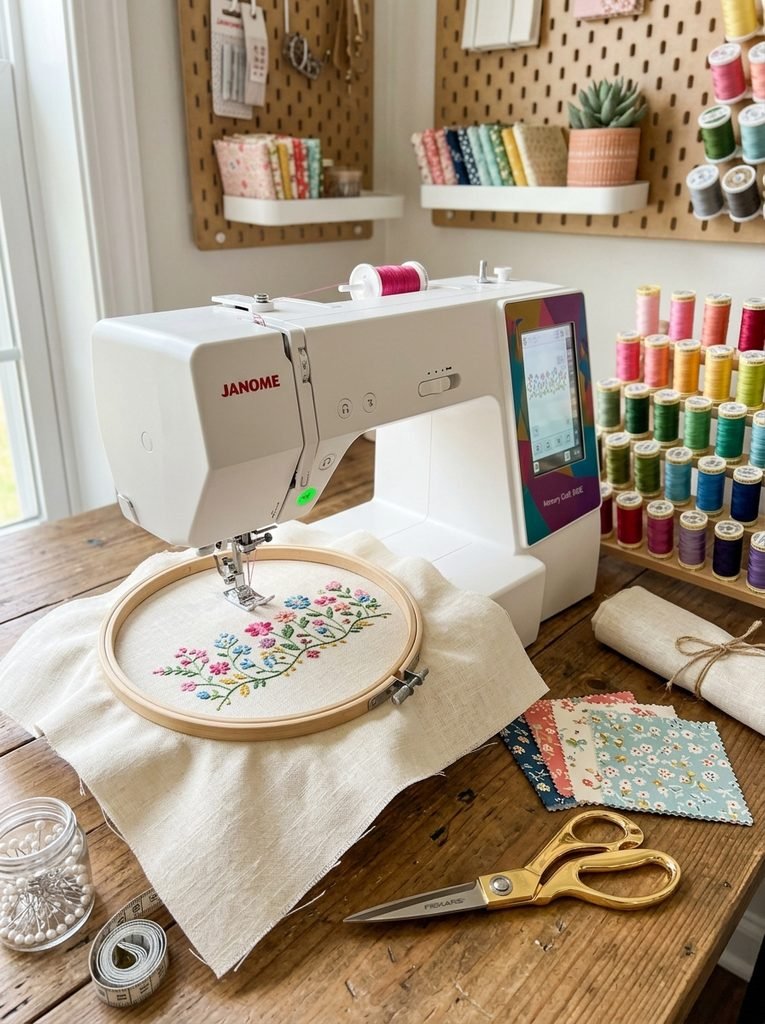
If your model supports decorative stitches, experiment with them on scrap fabric first. Test different stitch lengths and widths before placing them on your final project. A small floral border or geometric line can turn an ordinary item into something personal.
13. Room Decor Wall Art
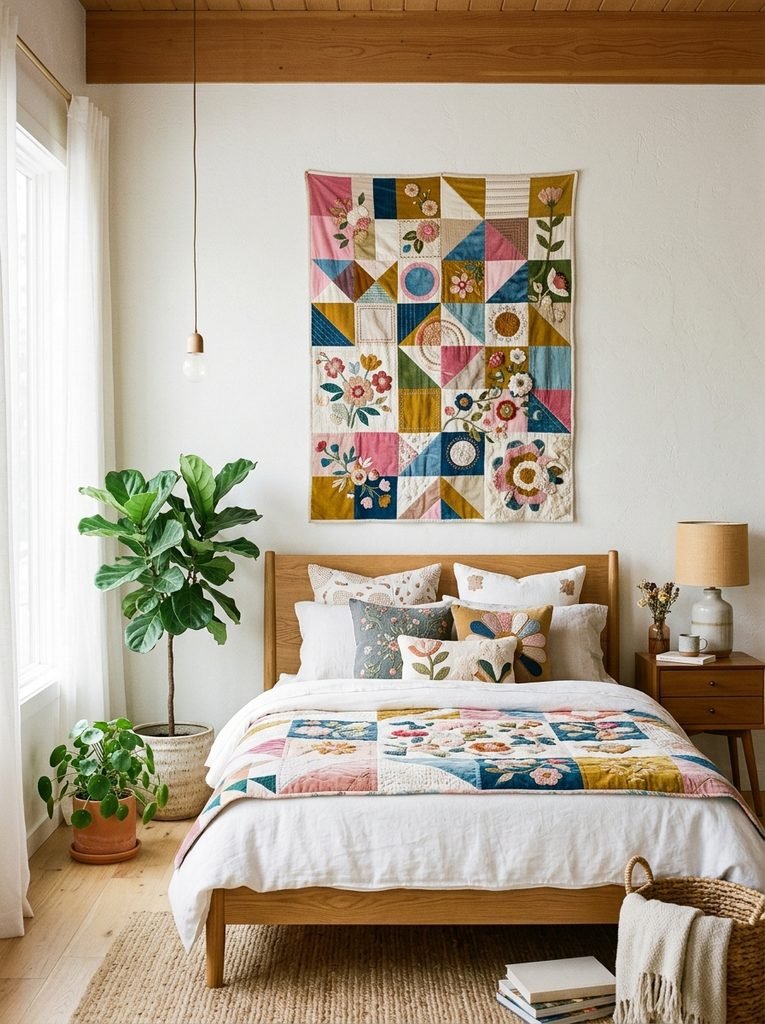
Fabric can become wall art without expensive materials. Create geometric panels, floral appliqué, embroidered illustrations, or colorful patchwork. Frame the finished piece or hang it from a wooden dowel for an aesthetic room update.
14. Personalized Fabric Gift
Once you understand the basics, make something personal for a friend, parent, or boyfriend. A small pouch, tote, cushion, or fabric organizer can become more meaningful when you choose colors and details based on the person’s style.
15. Projects You Can Sell
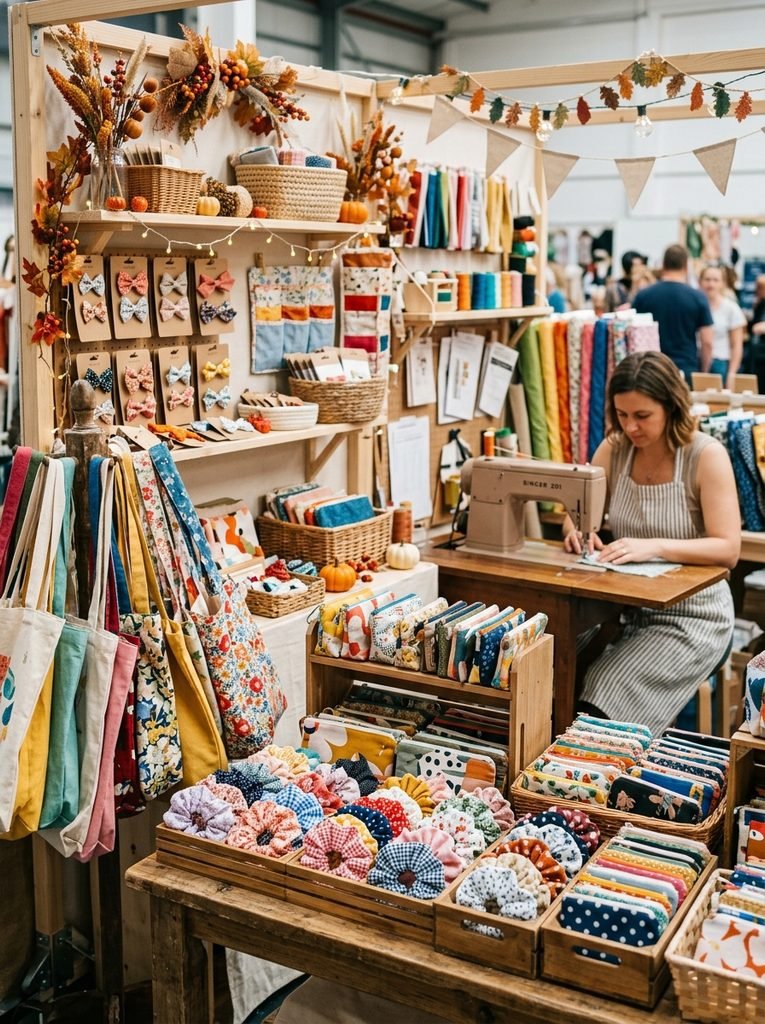
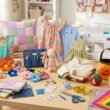
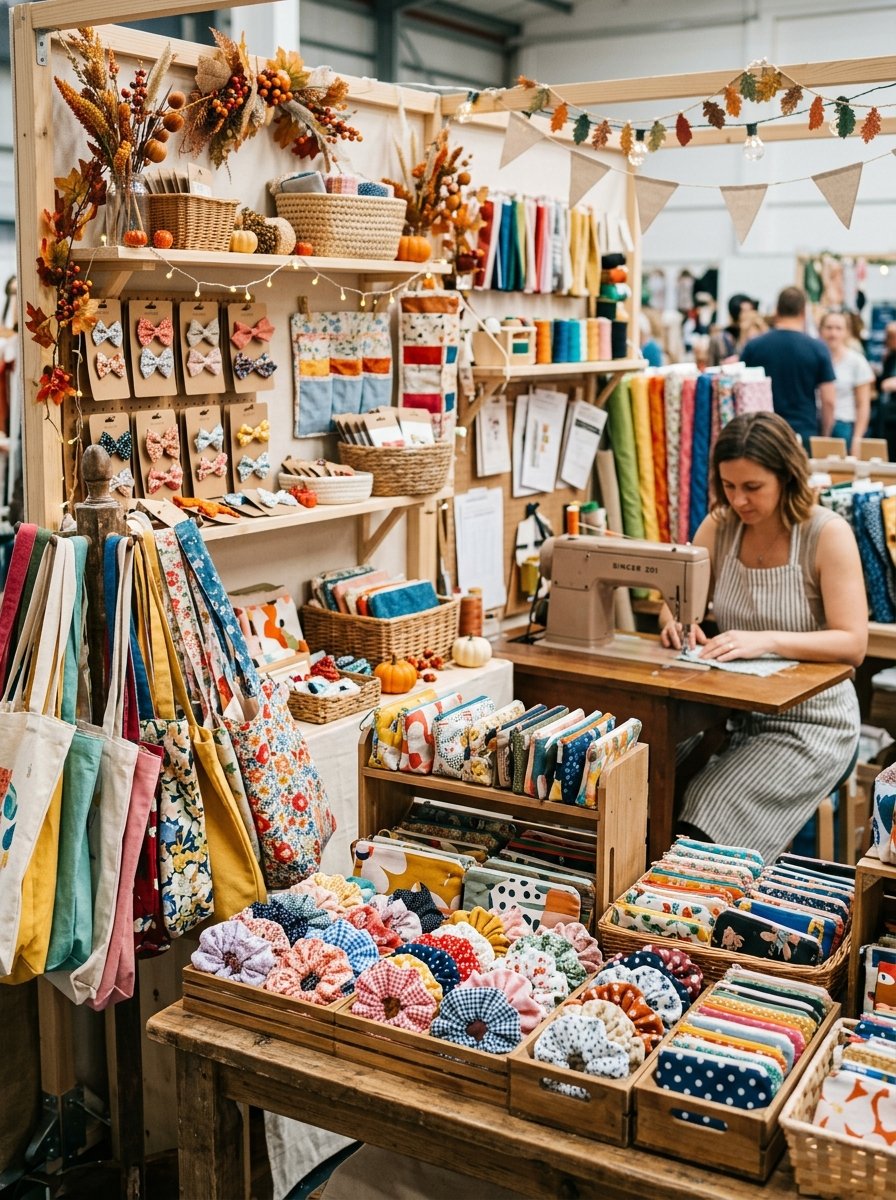
Some small sewing projects can work well for a handmade shop. Think about tote bags, scrunchies, pouches, fabric organizers, table accessories, hair bows, and seasonal decorations. Before you sell, calculate fabric, thread, packaging, labor time, and other costs. Make several samples and check that every item has consistent stitching and finishing.
Sewing Machine Basics Every Beginner Should Know
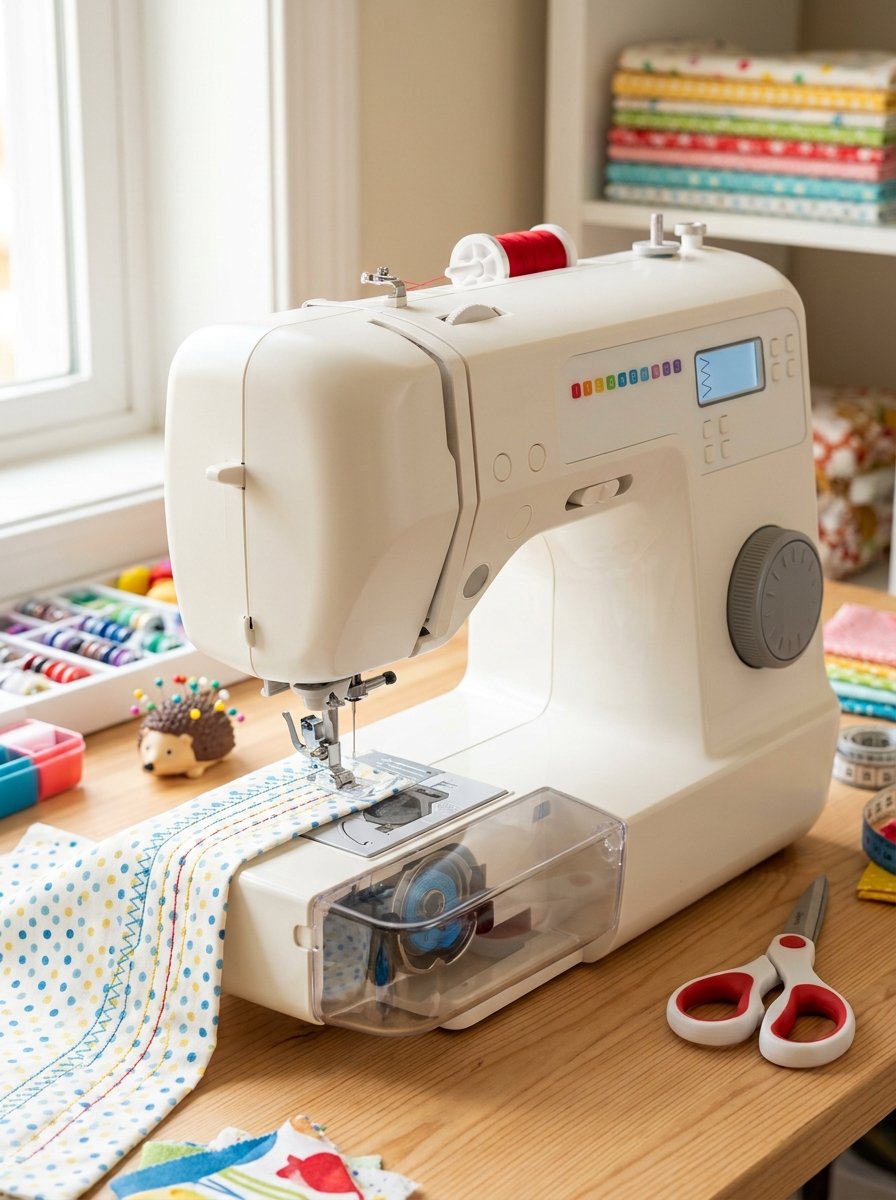
Before starting any project, learn how your machine handles the needle, presser foot, feed dogs, bobbin, handwheel, stitch selector, and thread path. These parts work together to move fabric evenly while forming stitches. Threading deserves special attention. SINGER recommends raising the presser foot before threading and making sure the thread passes correctly through the take-up lever. The exact threading path can differ by model, so your owner’s manual should remain the main reference.
How to Thread a Sewing Machine Correctly
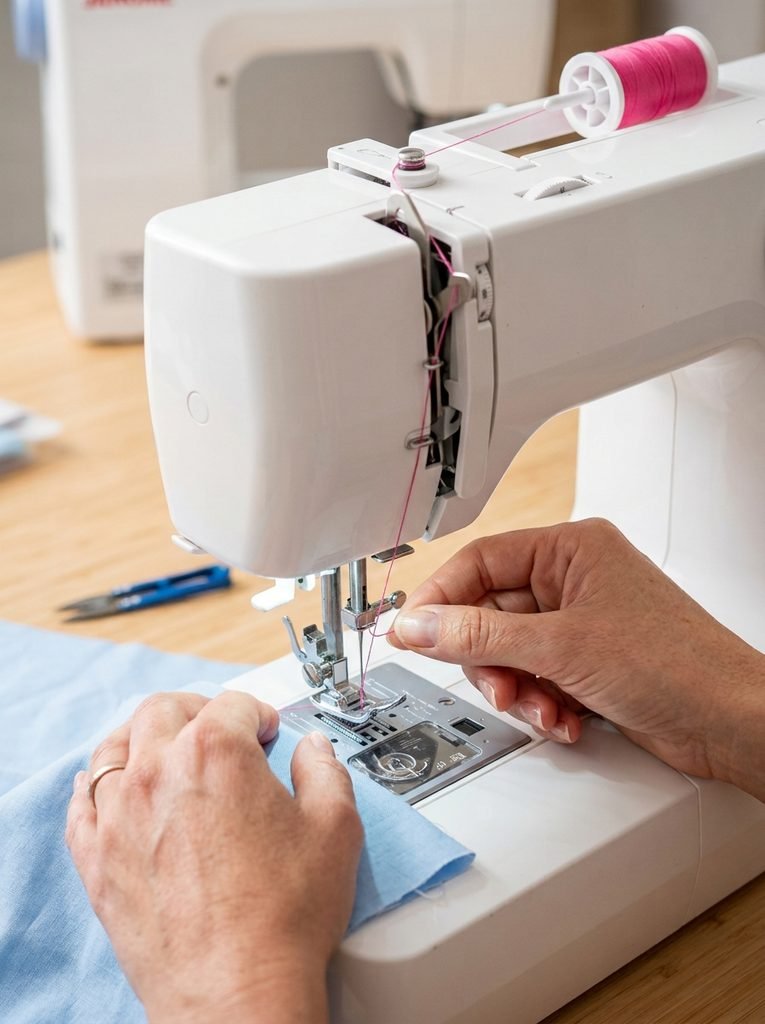
Threading becomes much easier when you follow the same order every time. Raise the presser foot and needle, place the spool correctly, guide the thread through each guide and take-up lever, then thread the needle. Do not rush this step. Poor threading can cause loops, tangles, thread breaks, and uneven stitches. If the machine suddenly starts behaving strangely, rethread the upper thread before changing several other settings. SINGER specifically notes that incorrect upper threading commonly causes thread looping underneath the fabric.
Choosing the Right Needle, Thread and Bobbin
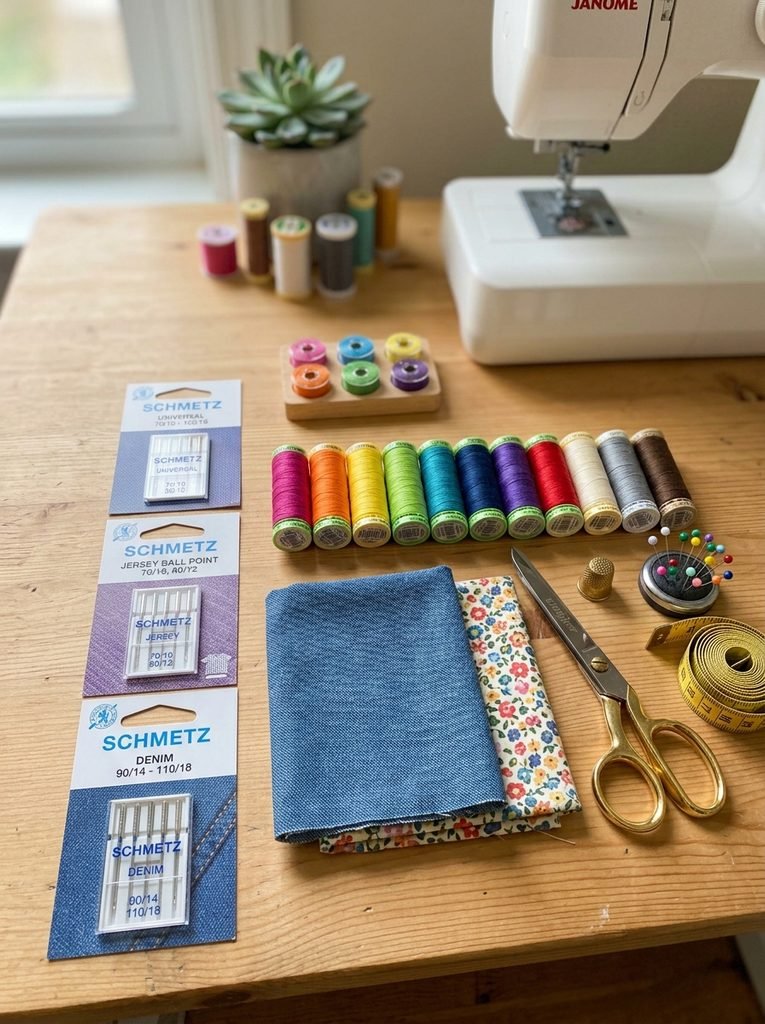
Your needle should match your fabric. Lightweight fabrics generally need smaller needles, while heavier fabrics such as denim need stronger needles. SINGER’s needle guidance recommends universal needles for many woven fabrics, ballpoint or jersey needles for stretch fabrics, and denim needles for heavy materials. The bobbin also matters. Do not assume that every bobbin will work in every model. SINGER advises using the same bobbin class and style specified for the machine because an incorrect bobbin can create stitch problems.
Sewing Machine Maintenance and Troubleshooting
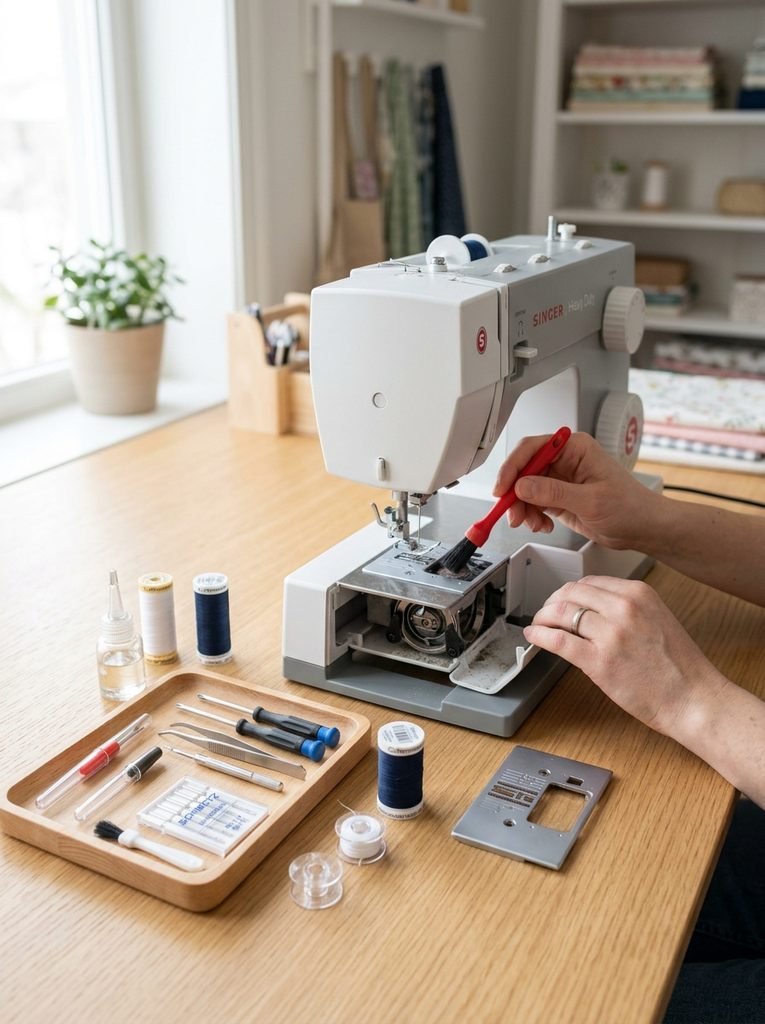
Small maintenance habits can save you from many frustrating problems. Keep the machine clean, remove lint from areas recommended by the manual, use the correct needle and bobbin, and replace damaged needles. SINGER advises changing needles regularly and checking them when stitches skip or thread breaks. If thread bunches underneath the fabric, check the upper threading first. If loops appear on top, inspect the bobbin. If stitches skip, check the needle and its installation. These simple checks often solve beginner problems before you need professional service.
Final Thoughts
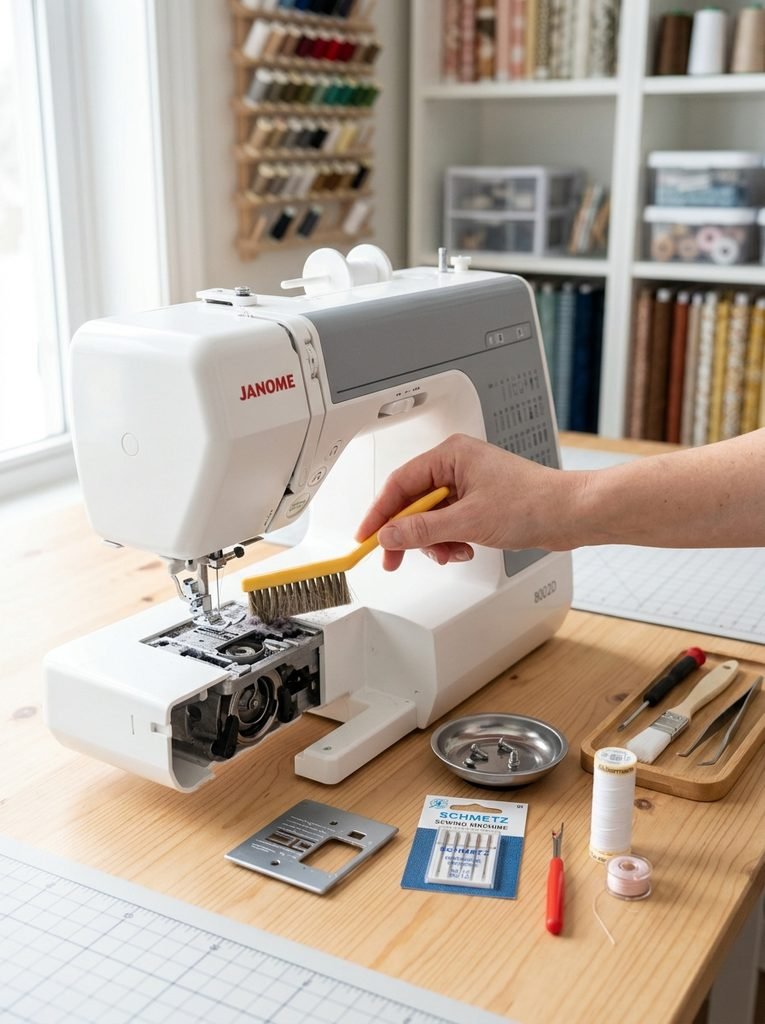
A sewing machine does not need to become complicated before you can create something beautiful. Start with a bag, pillow cover, table runner, storage project, or small fabric gift. Practice slowly. Learn what each part does. Then move toward quilting, embroidery, clothing, and more detailed designs. The most useful skill is consistency. When you learn to thread correctly, choose the right needle, guide fabric evenly, and check your stitches, every new project becomes easier. With time, that first simple seam can turn into a whole collection of handmade work.