


This post may contain affiliate links. Please read my disclosure policy.
In This Article Show
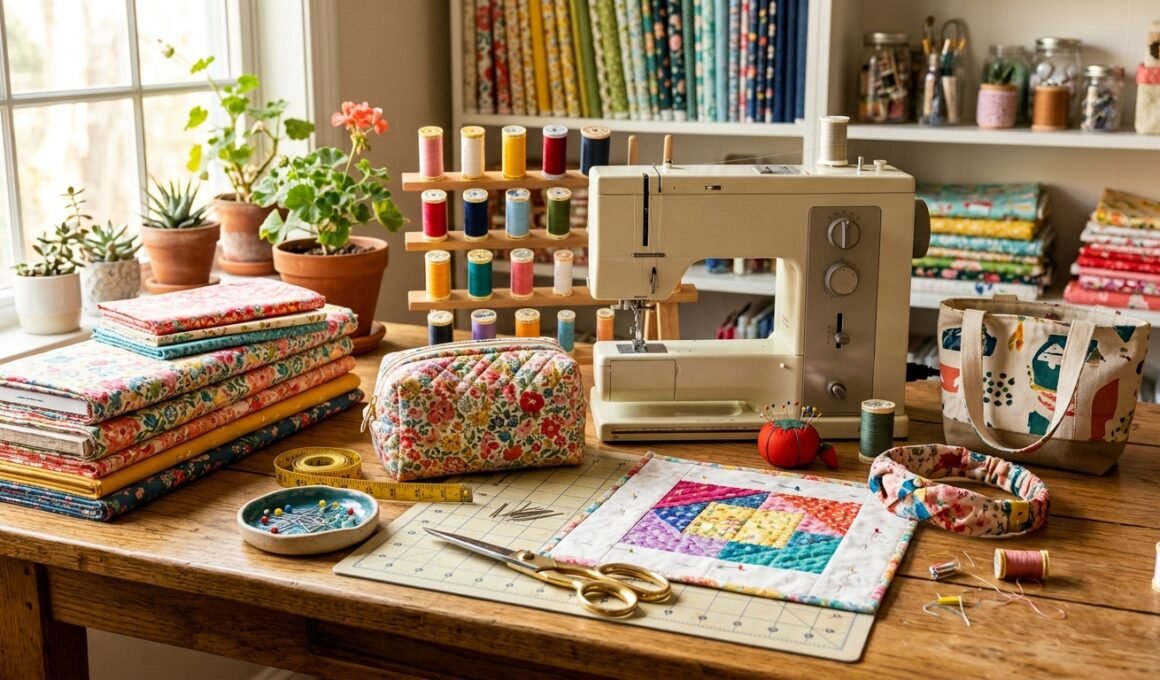
There is a special moment when a plain piece of fabric starts becoming something useful. You cut it, line up the edges, guide it under the needle, and suddenly you have a bag, a cover, or a small gift in your hands. That simple transformation is what makes sewing projects so enjoyable. You do not need years of experience to begin. A basic machine, fabric scraps, thread, scissors, pins, and a little patience can take you surprisingly far. SINGER’s beginner guidance notes that straight stitch, zigzag stitch, and buttonhole functions cover many common beginner needs, while simple projects such as tote bags, pillow covers, napkins, and drawstring bags help build core skills. The ideas below move from very simple crafts to clothes, seasonal decorations, practical home items, and products you could consider selling.
Why Sewing Projects Are Great for Beginners
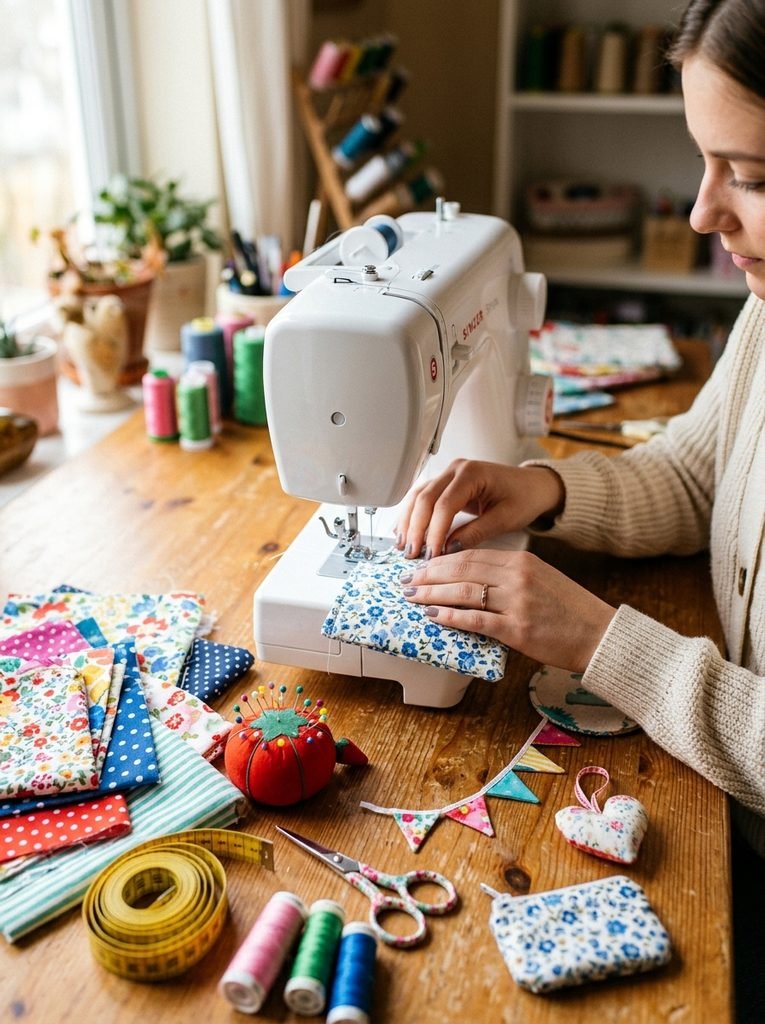
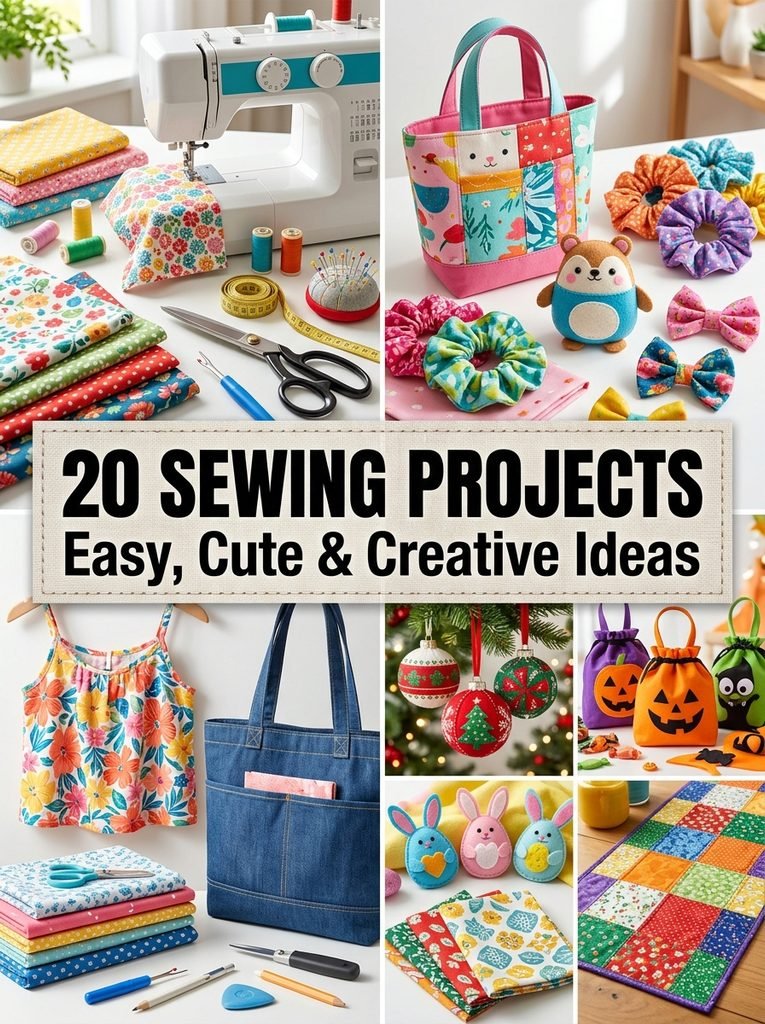
The best beginner projects teach one or two skills at a time. A small pouch teaches straight seams. A tote introduces handles. A pillow cover teaches corners and accurate measurements. Later, you can combine those skills to make clothing, quilts, and more detailed designs. This approach also makes learning less stressful. Instead of trying to master every stitch on the first day, you get a small win with every finished item. That sense of progress keeps sewing fun. The Sewing & Craft Alliance provides free project resources covering fashion, children’s crafts, quilting, toys, home items, and other creative work, showing how many directions you can take once you understand the fundamentals. These ideas combine easy beginner crafts with practical, cute, seasonal, and creative options. You can choose based on your skill level, available fabric, or the type of item you want to make.
1. Simple Fabric Tote Bag
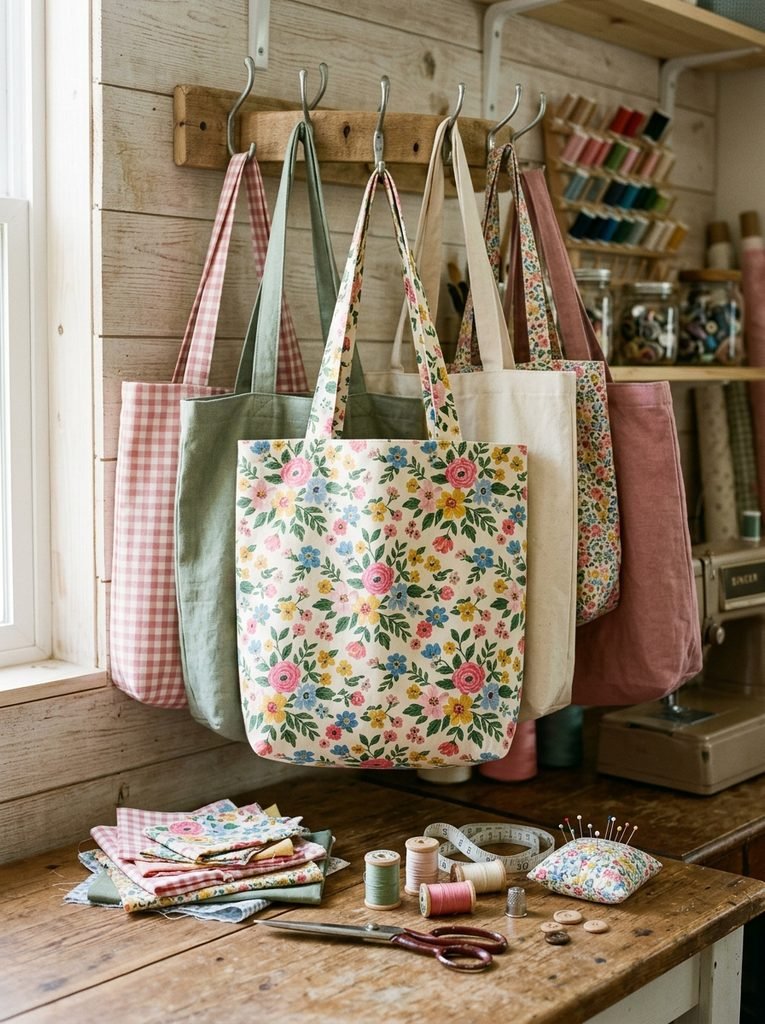
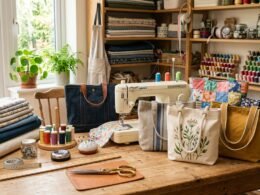
A fabric tote is one of the easiest places to begin. Cut two rectangles, sew the sides and bottom, then add two handles. Cotton works especially well for beginners because it stays fairly stable while you sew. Once you feel comfortable, add an inside pocket or use contrasting fabric for the handles.
2. Cute Fabric Scrunchies
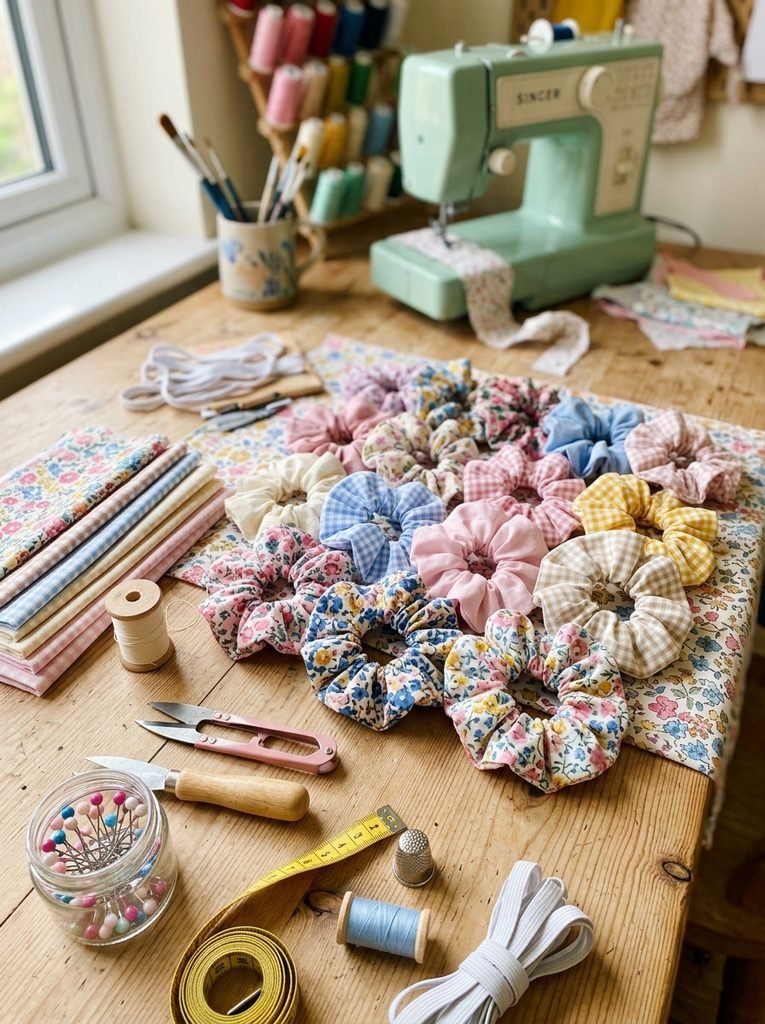
Scrunchies use very little fabric, so they are perfect for using scrap pieces. Try floral cotton, satin, gingham, or soft pastel prints. Make several at once and combine different colors into a matching set. They also make quick handmade gifts.
3. Easy Pillow Cover
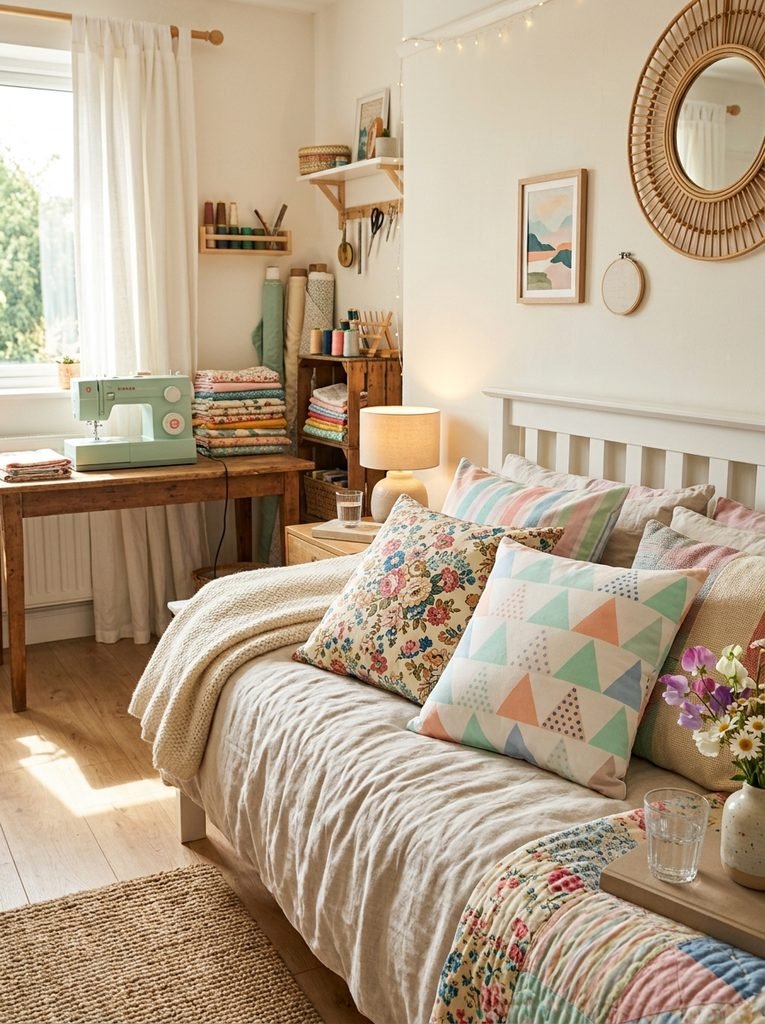
A simple envelope pillow cover teaches you how to create straight seams and neat corners. You can change the look of a room without buying a new cushion. Use floral fabric for a soft style, geometric prints for a modern room, or plain linen for a calm aesthetic.
4. Felt Animal Plushie
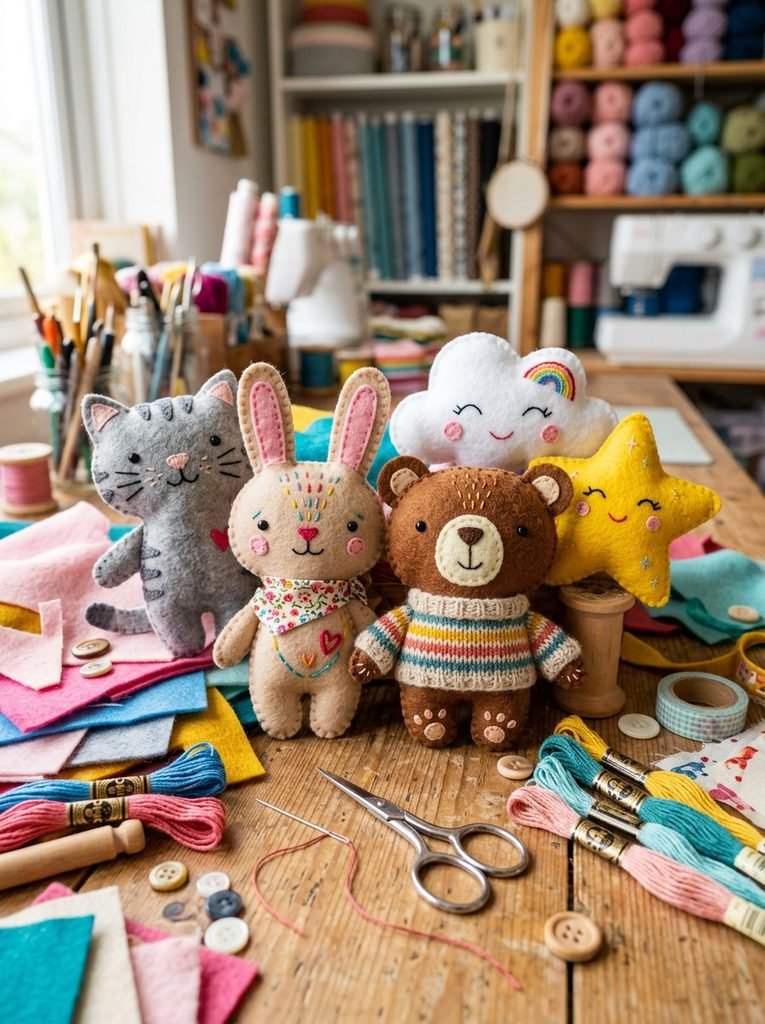
Felt is friendly for beginners because you can cut small shapes without worrying about fabric fraying. Create a simple cat, bunny, bear, cloud, or star. Use embroidery thread for facial details and keep the shape simple. The result can feel playful and whimsical.
5. Denim Organizer
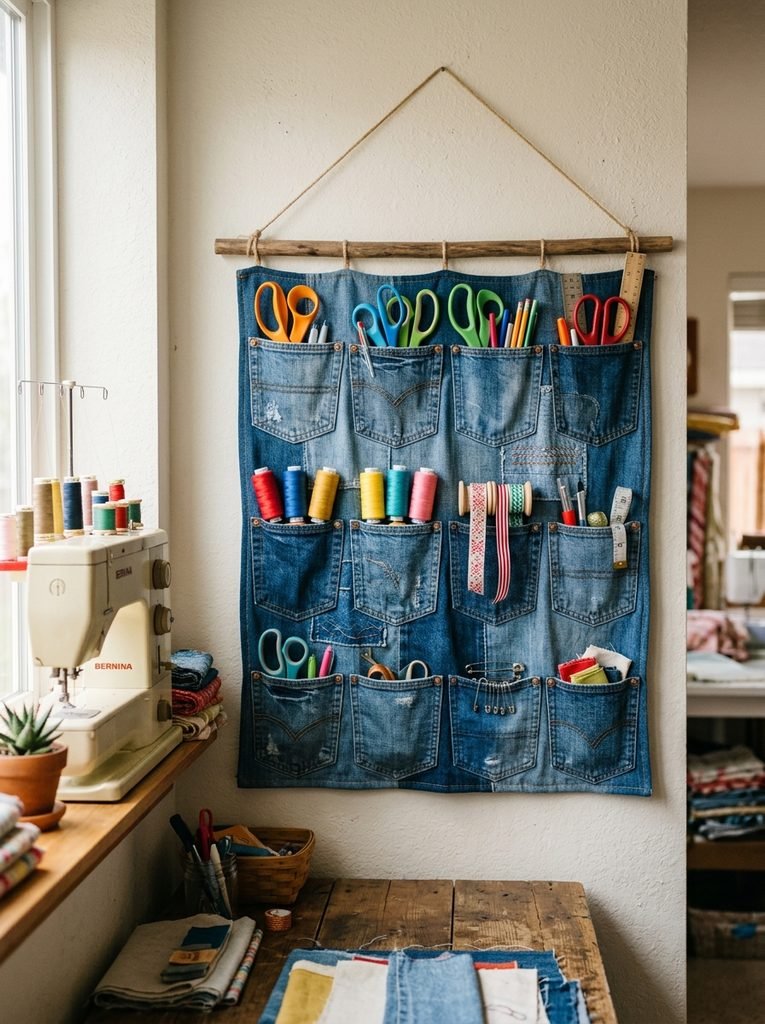
Old jeans can become useful storage. Cut the pockets from denim and stitch them onto a sturdy fabric backing. Hang the finished organizer near your sewing table, desk, or bedroom. It can hold scissors, ribbons, pens, clips, or other small items. Upcycling denim also gives an old garment another purpose. SINGER currently highlights denim upcycling as a practical creative project, including turning old jeans into new accessories.
6. Simple Fabric Pouch
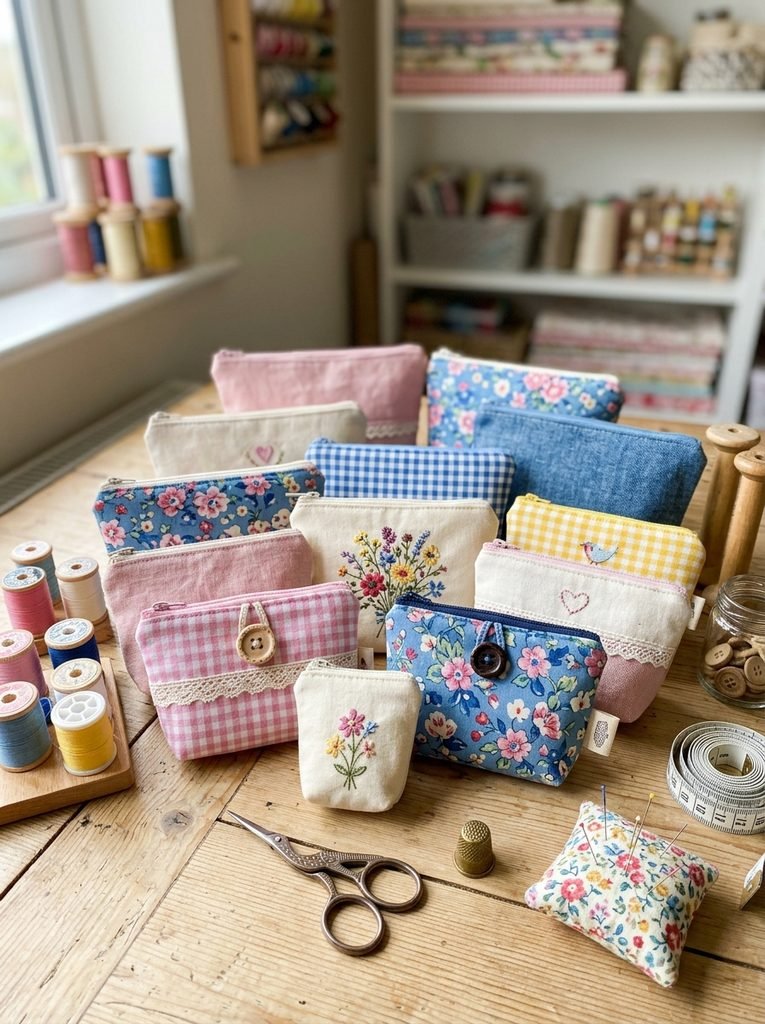
A small pouch is useful for coins, makeup, stationery, sewing supplies, or small gifts. Beginners can start with a flap and button closure instead of a zipper. Once you gain confidence, try a zipper version. A simple pouch also makes a good practice piece because the finished item stays small and manageable.
7. Kitchen Napkin Set
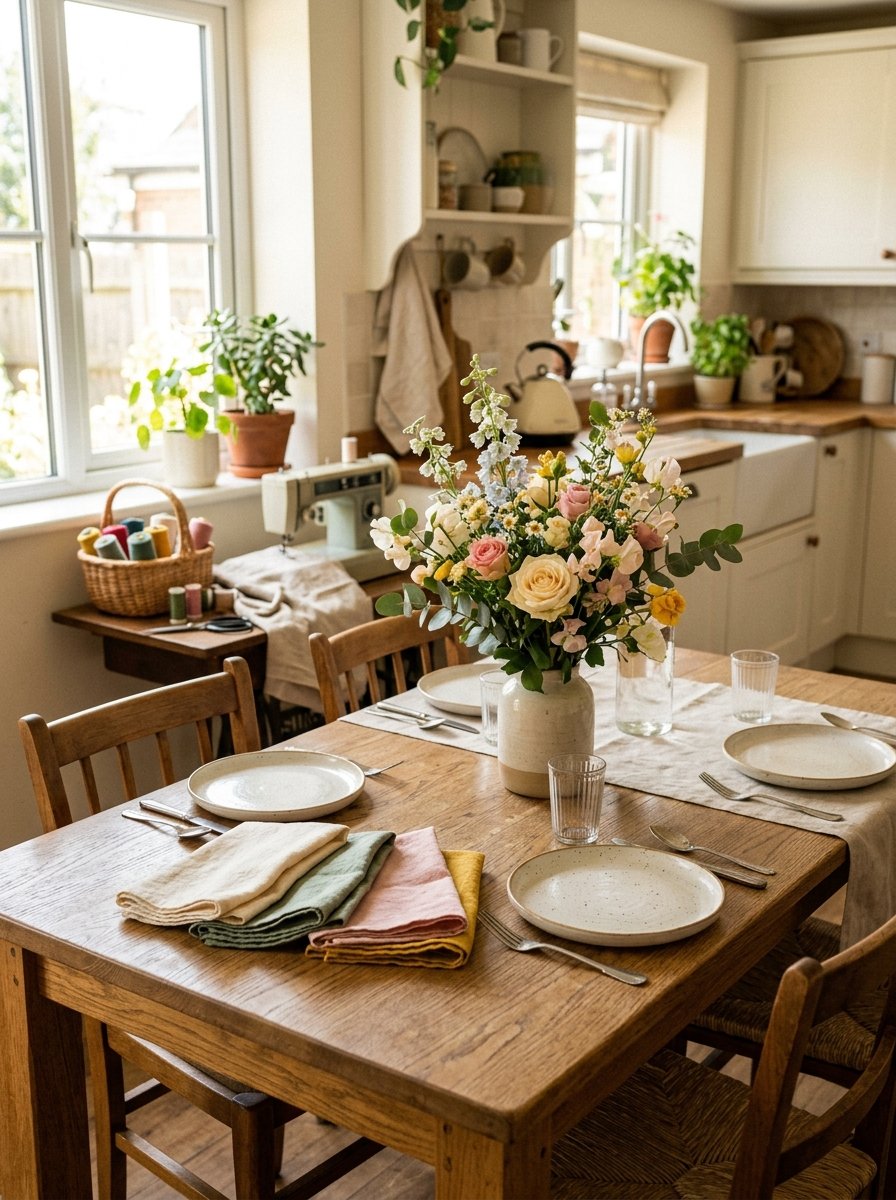
Reusable fabric napkins are practical and simple. Choose cotton in colors that match your kitchen or dining area. Practice making clean folded hems around the edges, then create a set of four or six matching pieces. SINGER also lists cloth napkins among suitable beginner projects because their small size makes them useful for practicing basic techniques.
8. Fabric Hair Bow
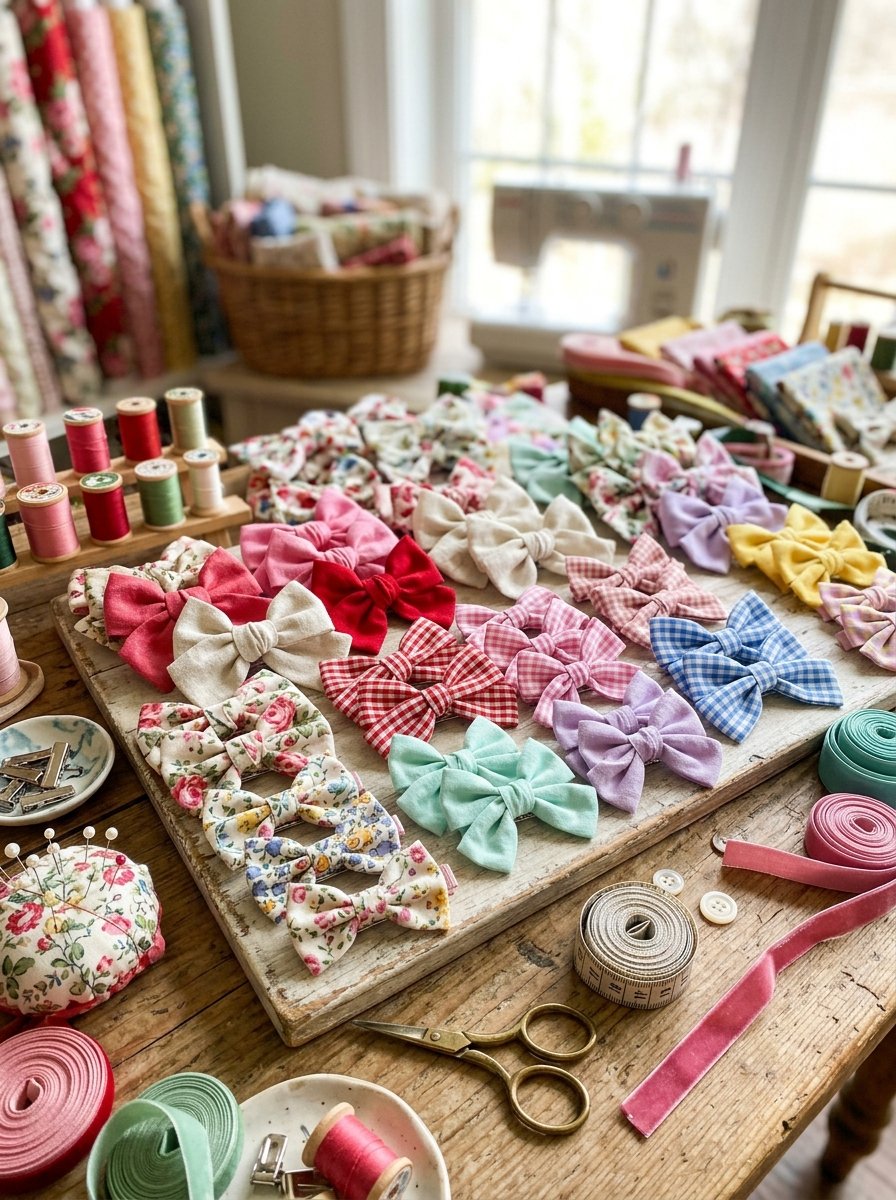
A fabric hair bow requires only a small amount of material. Choose bright cotton for kids or elegant velvet for a more polished accessory. Add a clip or elastic to the back and create several sizes. This is also a useful idea for small handmade gift sets because you can produce several pieces from leftover fabric.
9. Easy Summer Top
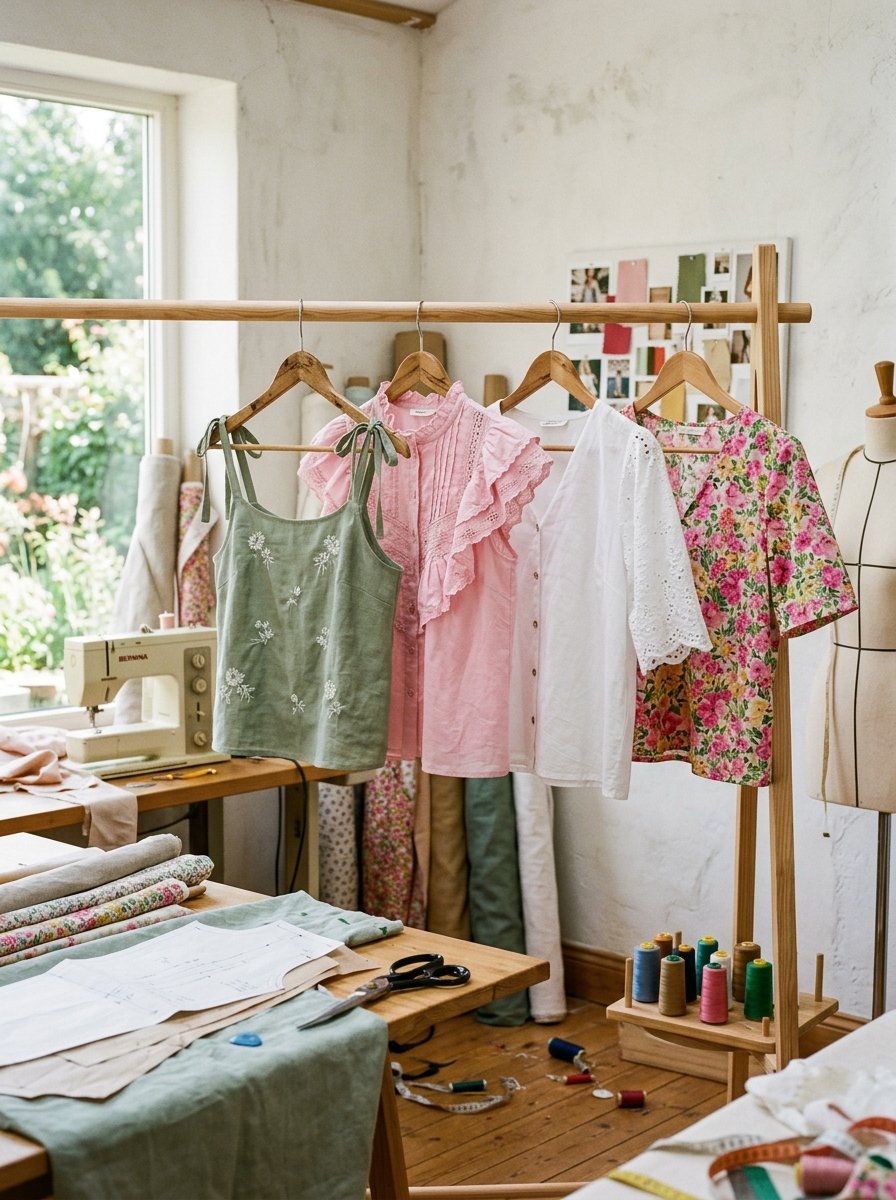
Once you are comfortable with straight seams, try a simple summer top. Choose a beginner-friendly pattern with fewer pieces and a relaxed fit. Lightweight cotton or linen can create a comfortable warm-weather garment. Fashion sewing resources from the Sewing & Craft Alliance include beginner-friendly clothing and accessory projects, along with more advanced garment designs.
10. Simple Denim Tote
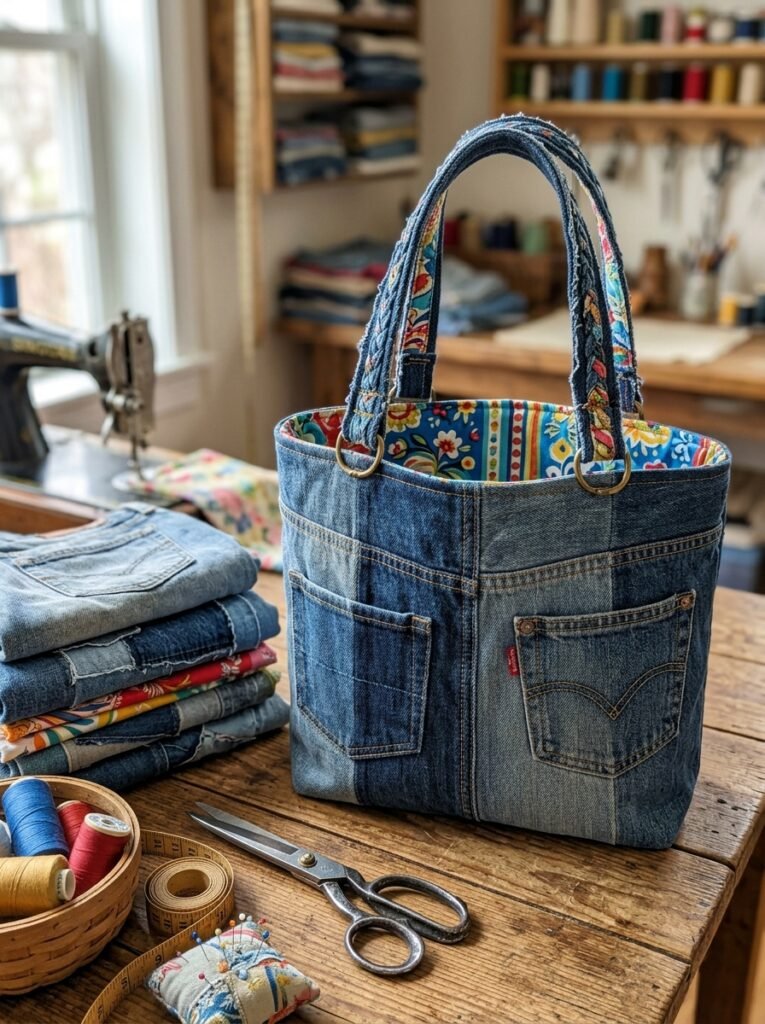
Give an old pair of jeans a second life with a denim tote. Keep the original pockets if possible. They can become useful outside pockets for keys or small items. Strong handles and neat seams help the finished bag handle everyday use.
11. Christmas Fabric Ornaments
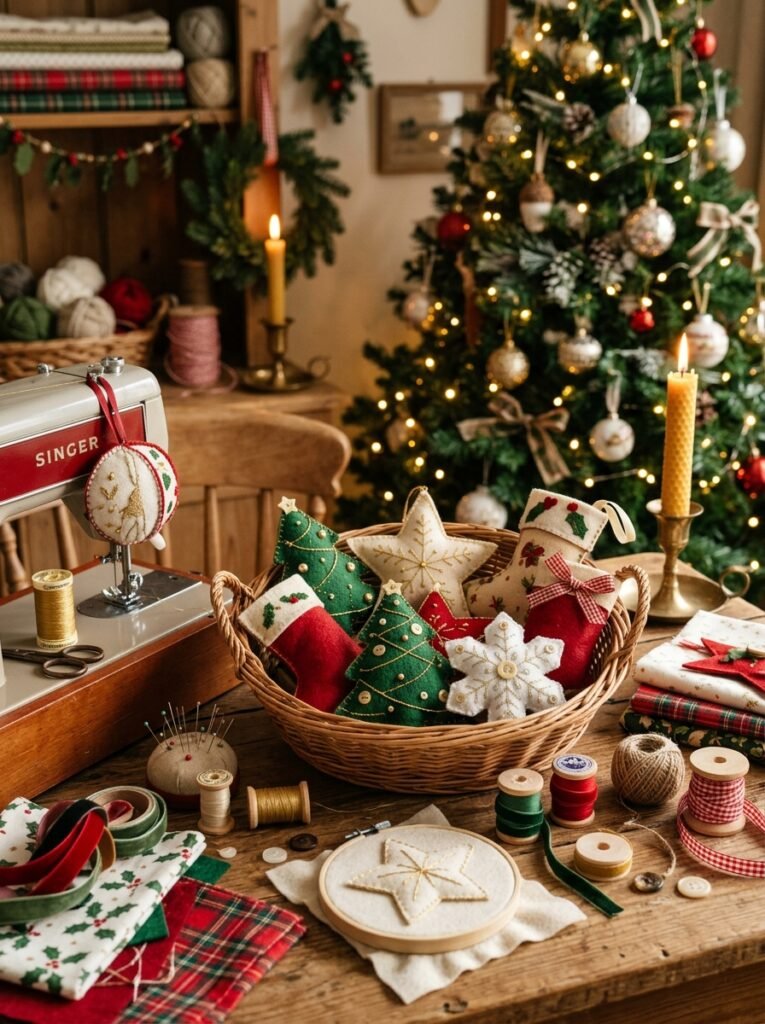
Small Christmas decorations make excellent seasonal crafts. Cut simple trees, stars, stockings, or snowflakes from felt or cotton. Stitch two matching shapes together and add a small ribbon for hanging. These projects are quick enough to make several in one sitting, which makes them useful for decorating a tree or creating handmade gifts.
12. Halloween Treat Bag
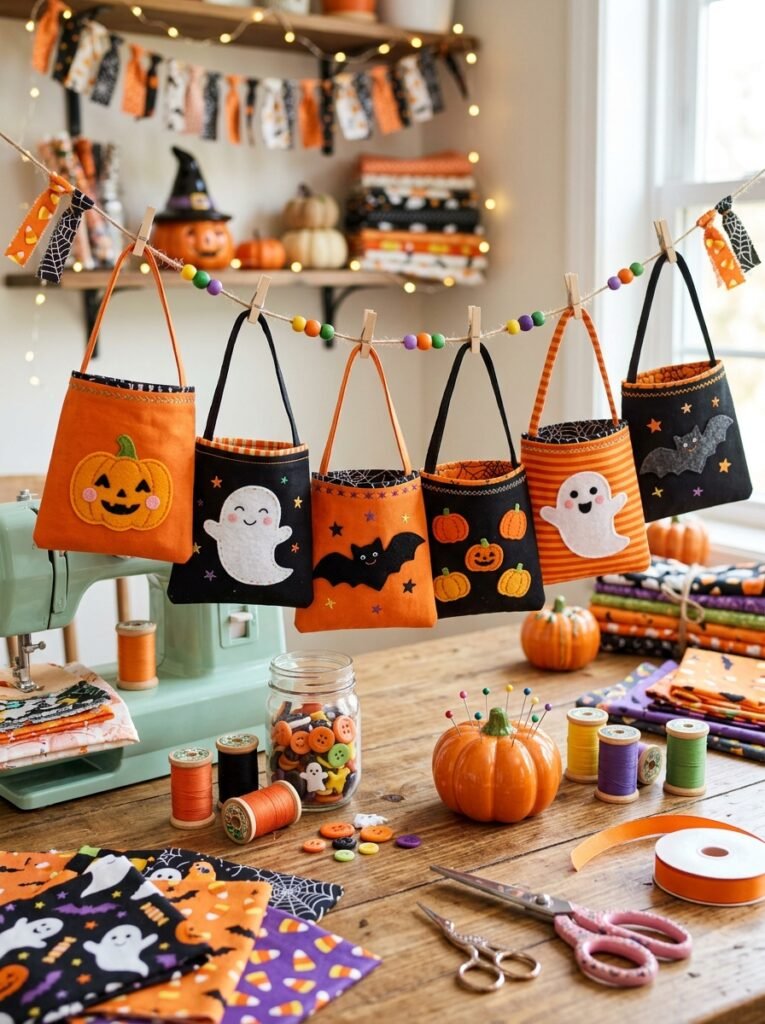
A small Halloween bag can become a fun accessory for children. Use black, orange, purple, or spooky printed fabric. Add felt pumpkins, friendly ghosts, bats, or stars. Keep the design simple so the bag remains quick to sew.
13. Kids’ Apron
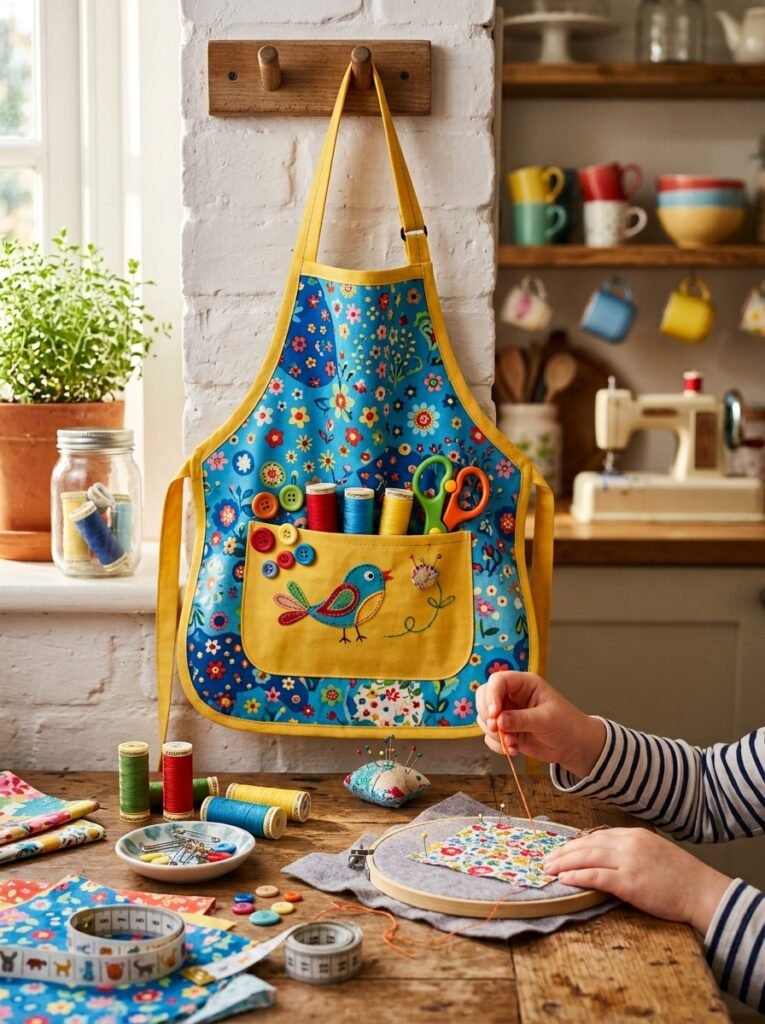
A small apron gives children something useful to wear while baking, crafting, or playing pretend. Add a large front pocket and choose washable cotton. The Sewing & Craft Alliance lists children’s aprons, chef hats, lunch bags, backpacks, and other kid-friendly sewing projects among its free resources.
14. Spring Fabric Garland
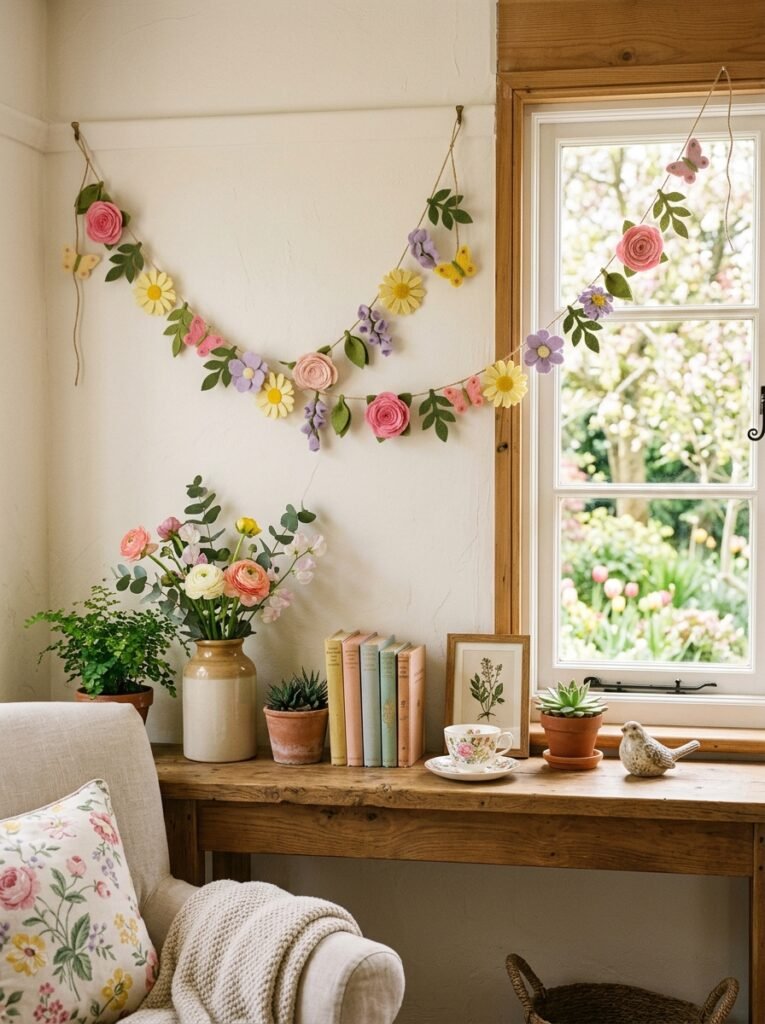
Spring gives you a chance to experiment with flowers, leaves, butterflies, and soft colors. Cut simple felt shapes and join them with fabric strips or ribbon. Hang the finished garland across a shelf, wall, window, or party table. It is an easy hand craft if you want to add small embroidered details before joining the pieces.
15. Easter Bunny Decoration
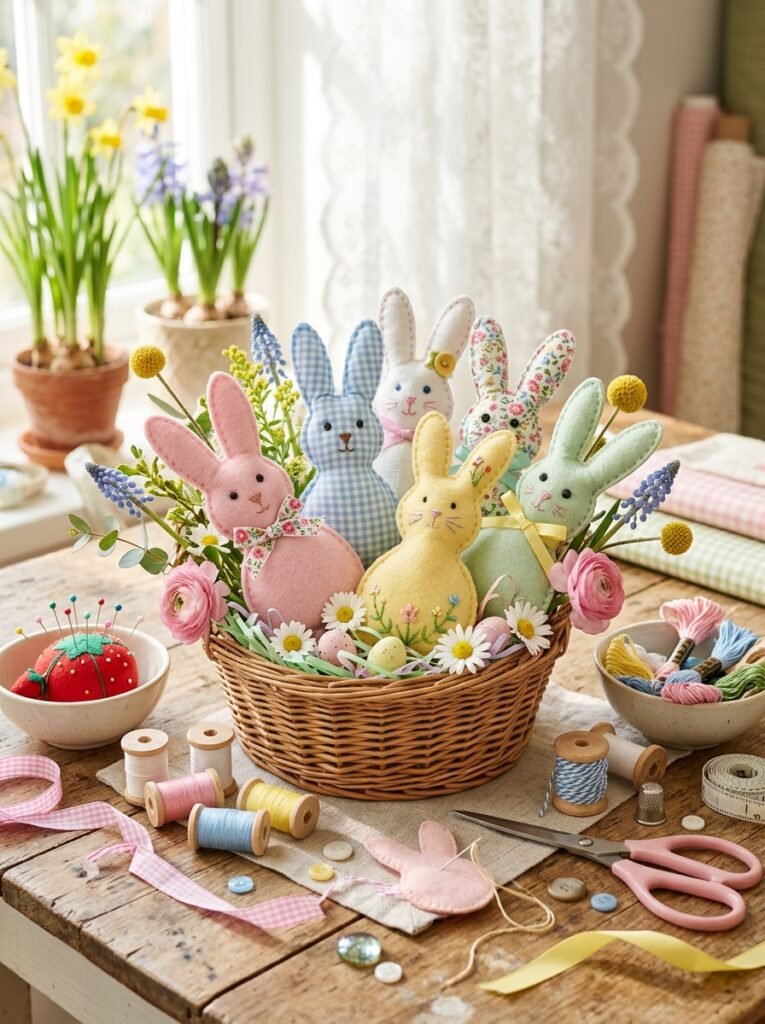
Create small fabric or felt bunnies for an Easter display. Use pastel colors and add simple stitched faces. Place them inside a basket or arrange them across a table with flowers and other spring decorations.
16. Valentine’s Heart Pillow
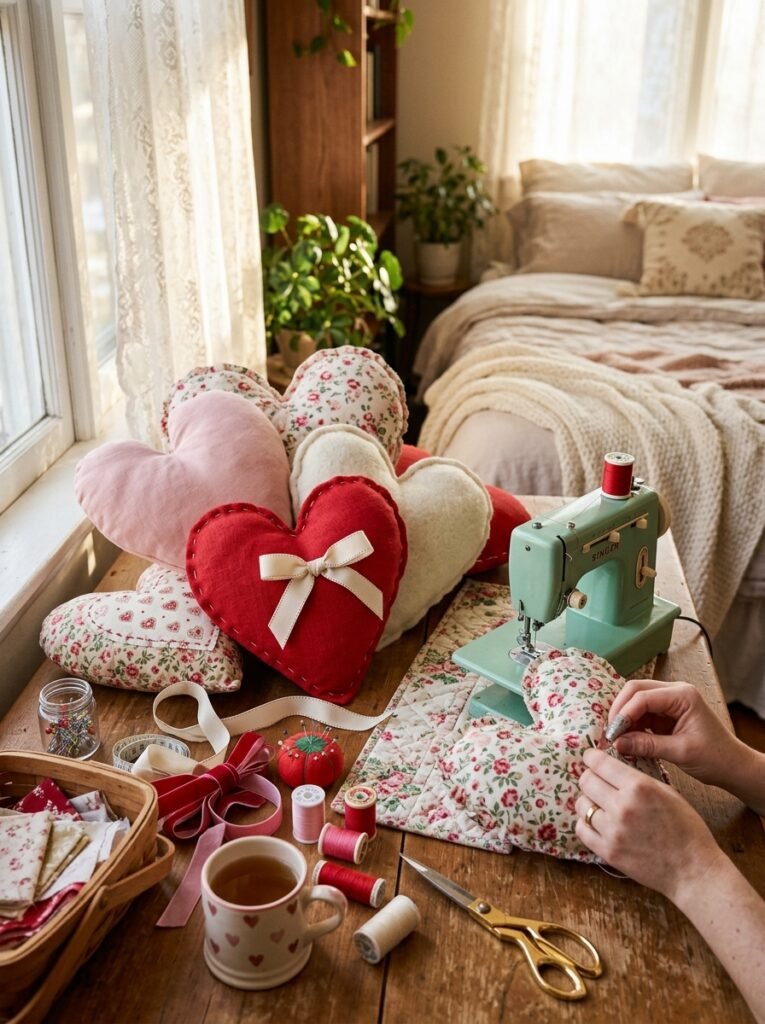
A heart pillow can become a thoughtful handmade gift. Choose red, pink, cream, or floral fabric and add a simple border. For a personal touch, embroider an initial or small symbol instead of using complicated decorations.
17. Patchwork Table Runner
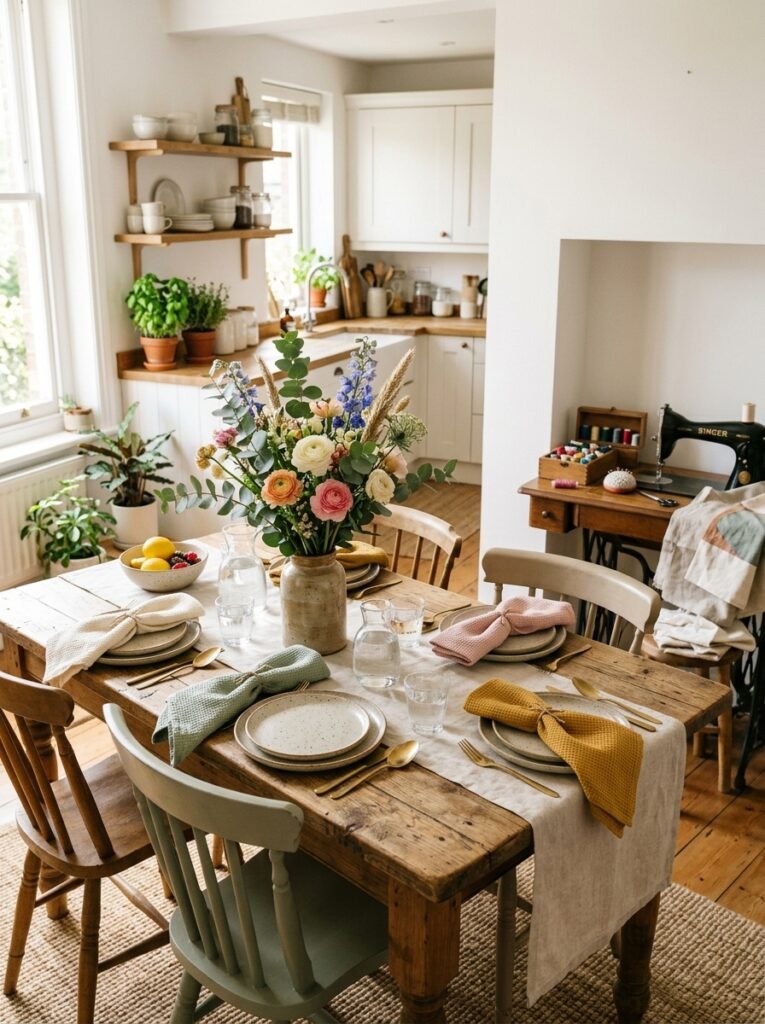
Patchwork turns small pieces into something larger. Choose several fabrics that share a color family, cut them into equal squares, and join them carefully. This project teaches accurate cutting, seam matching, pressing, and basic quilting skills. The Sewing & Craft Alliance provides quilting resources that include beginner quilts, quilt blocks, wall hangings, and other designs.
18. Practical Fabric Storage Basket
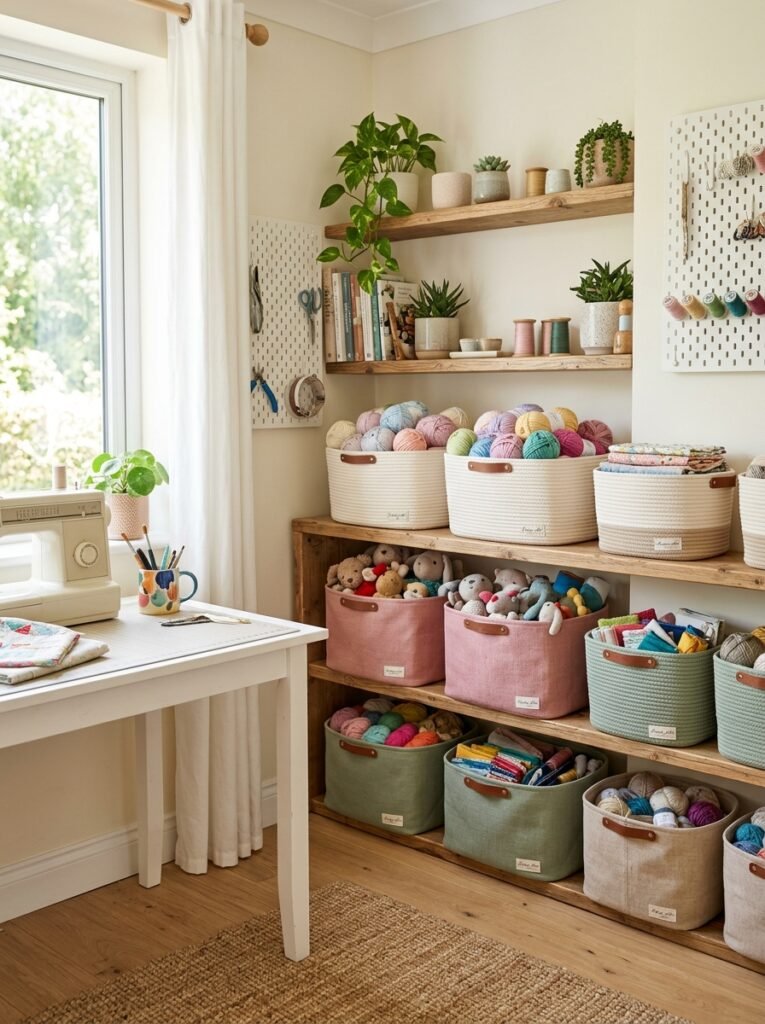
Fabric baskets can organize toys, yarn, craft supplies, towels, or sewing materials. Use a stable fabric and add interfacing when the pattern requires structure. Make several in different sizes and coordinate their colors with your room.
19. Personalized Handmade Gift Set
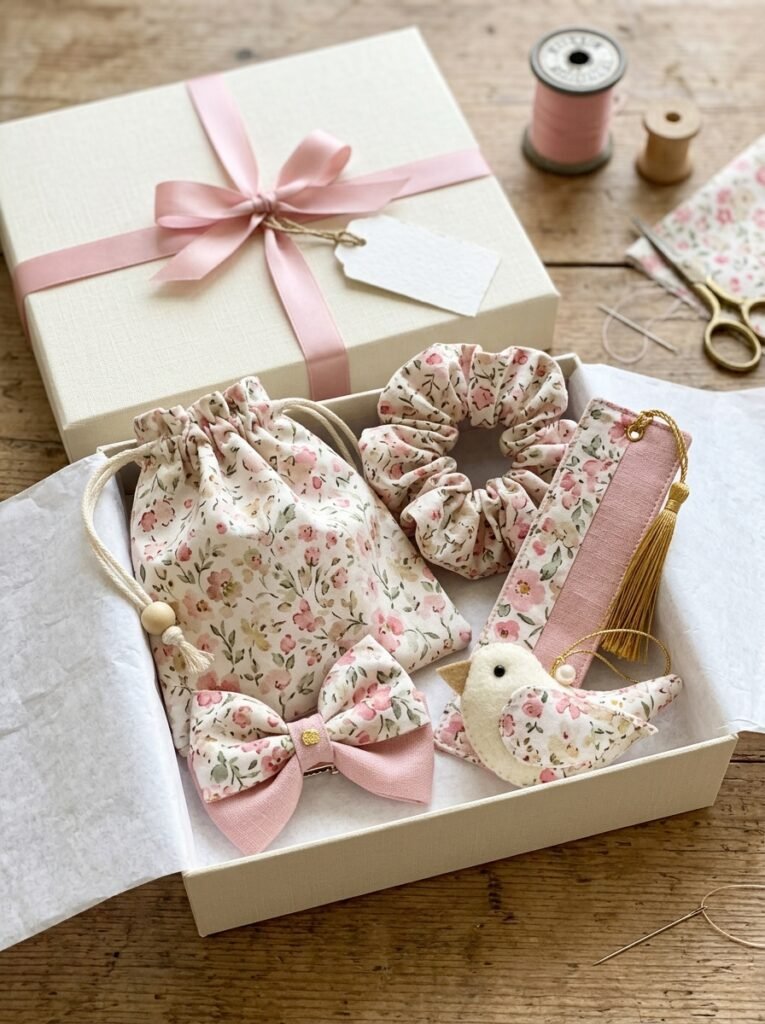
Small handmade items can become a beautiful gift collection. Combine a pouch, scrunchie, fabric bookmark, hair bow, or small ornament. Keep the colors coordinated so the set looks intentional. Personalized sewing also works well for birthdays, holidays, baby gifts, or special occasions. The finished gift does not need to be complicated. Thoughtful details often matter more.
20. Sewing Items You Can Sell
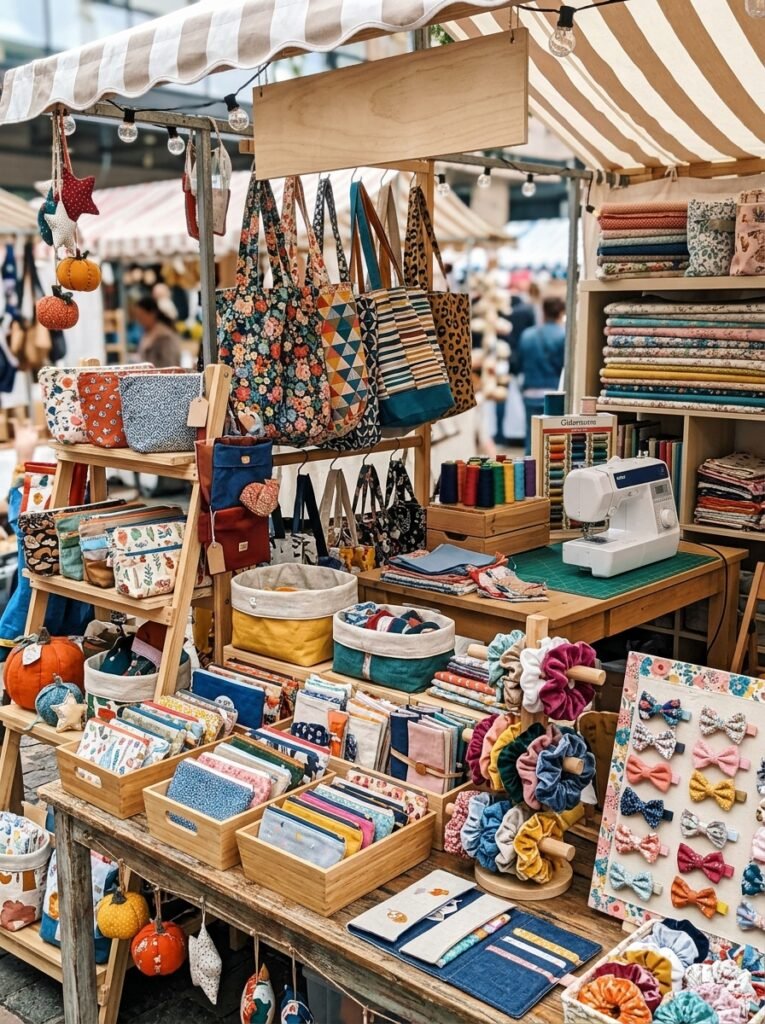
If you want to turn your hobby into a small business, begin with products that are useful, repeatable, and manageable to make. Tote bags, pouches, scrunchies, hair bows, fabric organizers, table accessories, and seasonal decorations can all become part of a handmade collection. Before you sell, calculate your fabric, thread, packaging, machine time, labor, and other costs. Make a few samples first. Check whether you can reproduce the same quality consistently.
Sewing Projects for Beginners: What Should You Learn First?
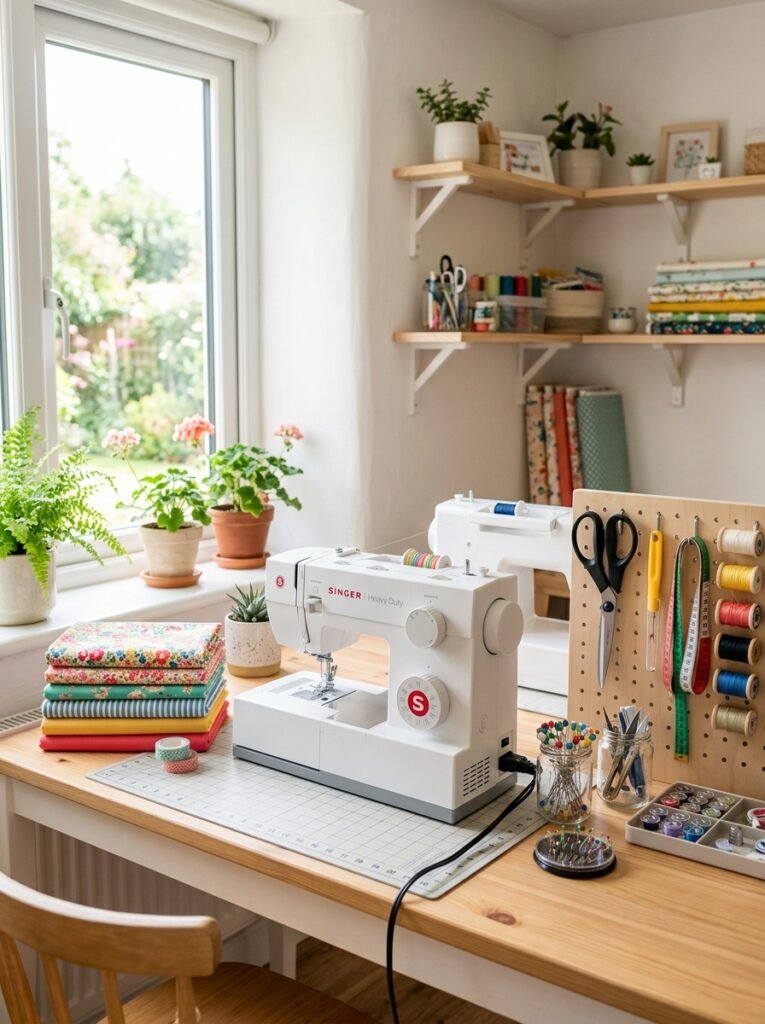
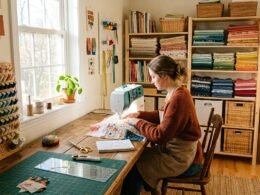
Before starting complicated designs, learn a few core skills. Practice threading the machine, winding and inserting the bobbin, changing the needle, controlling fabric, sewing straight lines, and adjusting stitch length. SINGER’s beginner guidance recommends focusing on essential functions rather than getting overwhelmed by a large stitch count. Straight stitch handles basic seams, zigzag helps with edge finishing and knits, and buttonhole stitches become useful as your skills grow. A well-organized workspace also helps. Keep scissors, pins, thread, measuring tools, and your seam ripper within easy reach. Good lighting makes it easier to see your stitching and catch mistakes early.
How to Make Sewing Projects Look Professional
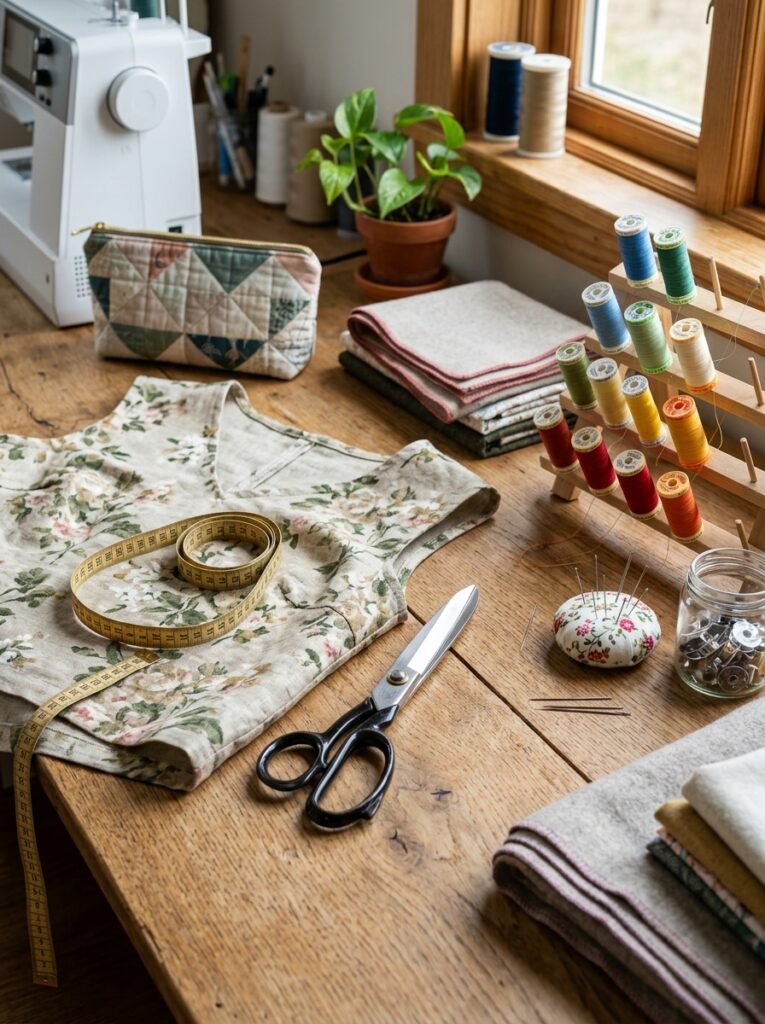
Clean finishing often matters more than complicated techniques. Cut accurately. Keep your seam allowance consistent. Press seams as you work. Trim loose threads. Check corners and hems before calling a project finished. When working with different fabrics, choose the needle according to the fabric type and weight. SINGER recommends universal needles for many woven fabrics, ballpoint or jersey needles for stretch materials, and denim or jeans needles for heavier fabrics. If you are making clothes, always pay attention to measurements and fit. A simple garment that fits well can look much better than a complicated design with poor proportions.
How to Choose Your Next Sewing Projects
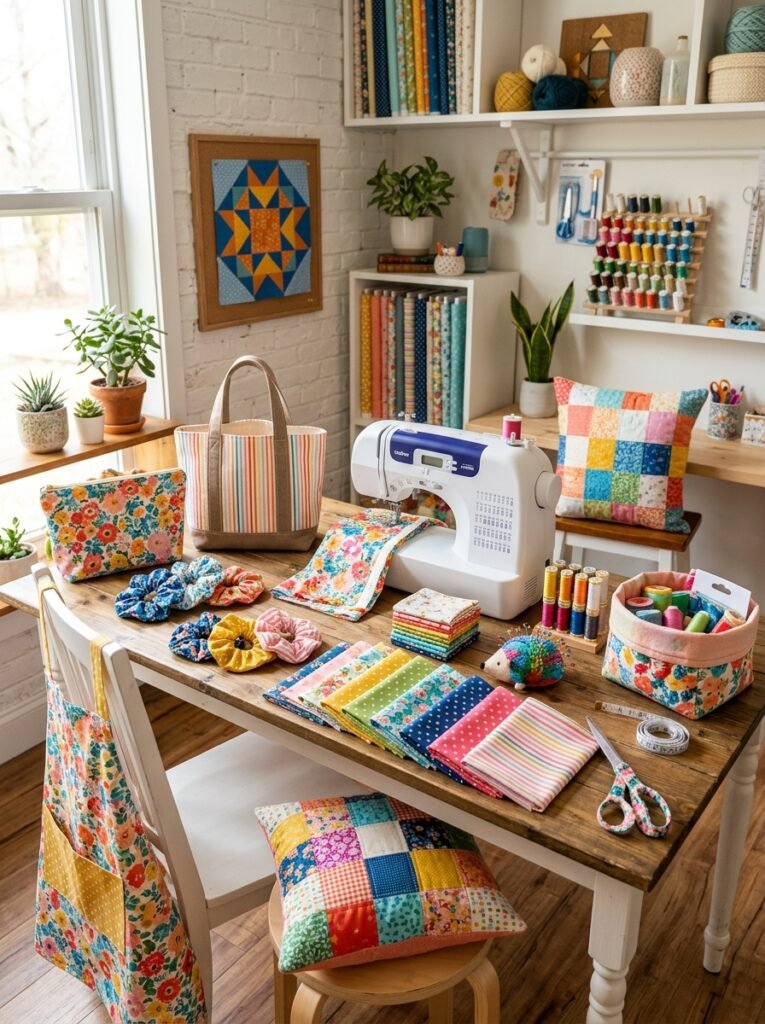
Think about what you want to learn. If you are completely new, choose a small pouch, scrunchie, napkin, or simple bag. If you want to practice clothing, begin with a relaxed summer top or another pattern with simple construction. For children, felt animals, aprons, simple bags, and soft decorations can make fun choices with suitable adult supervision. The Sewing & Craft Alliance has dedicated resources for children and includes projects such as backpacks, pillows, aprons, hats, scarves, and lunch bags. If your goal is home decor, move toward cushions, table runners, storage baskets, and quilt blocks. If your goal is selling, choose products you can make consistently and price realistically.
Final Thoughts
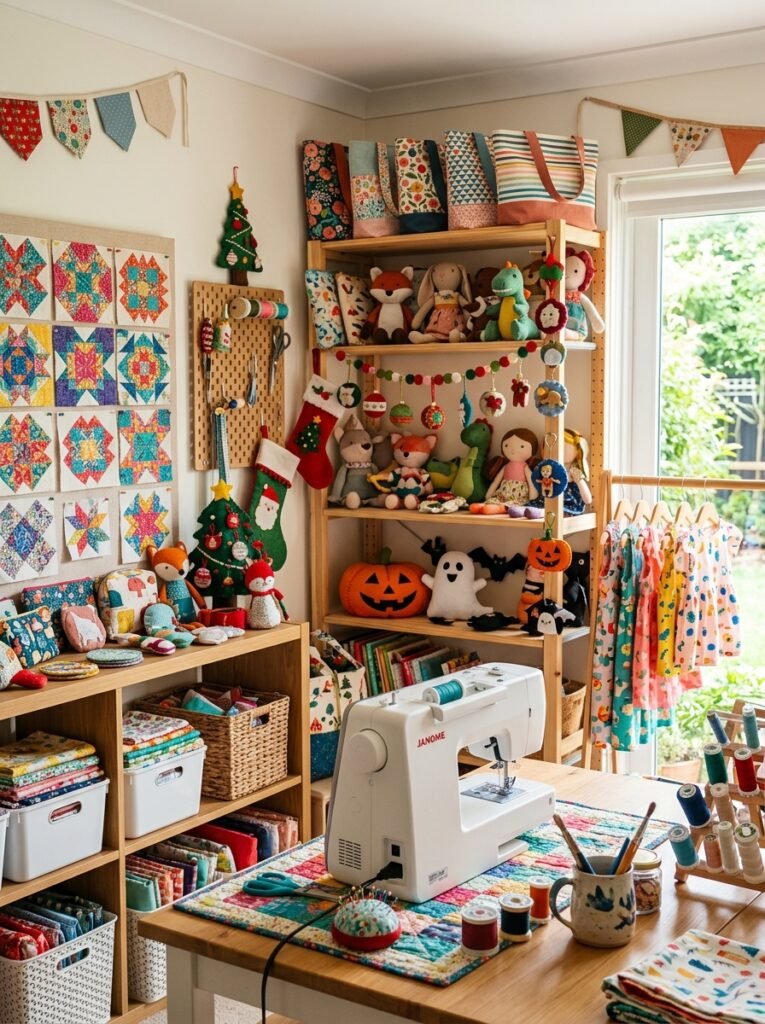
The beauty of sewing projects comes from their variety. One small fabric scrap can become a scrunchie. A worn pair of jeans can become a useful tote. A few coordinated pieces can become a quilt block, table runner, or room decoration. Do not wait until you feel like an expert. Start with one small project. Make a mistake. Fix it. Try again. Each finished piece teaches you something that the next project can use. With simple tools, good fabric choices, careful measurements, and regular practice, sewing can become both a creative hobby and a practical skill.