

This post may contain affiliate links. Please read my disclosure policy.
In This Article Show
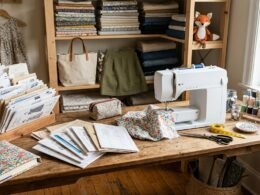
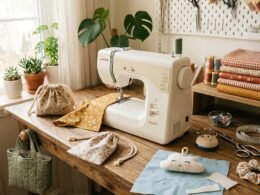
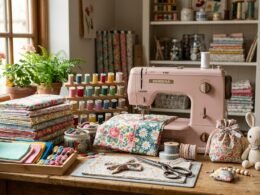
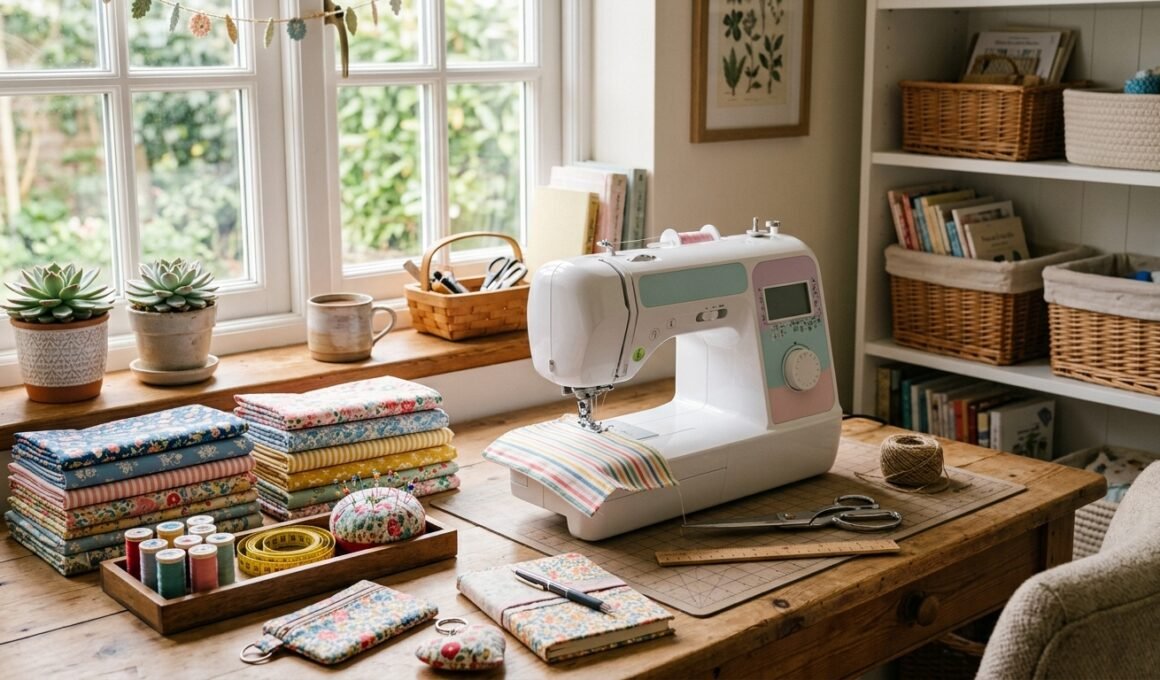
There is something satisfying about taking a piece of fabric and turning it into something useful. A plain cotton print can become a bag, pillow, clothing piece, or thoughtful gift. That is what makes diy sewing projects so enjoyable. You do not need years of sewing experience to begin. A sewing machine, sharp scissors, thread, measuring tape, pins, and a few fabric pieces can take you a long way. USU Extension lists these as some of the basic tools beginners need when starting sewing.
1. Make a Small Fabric Pouch
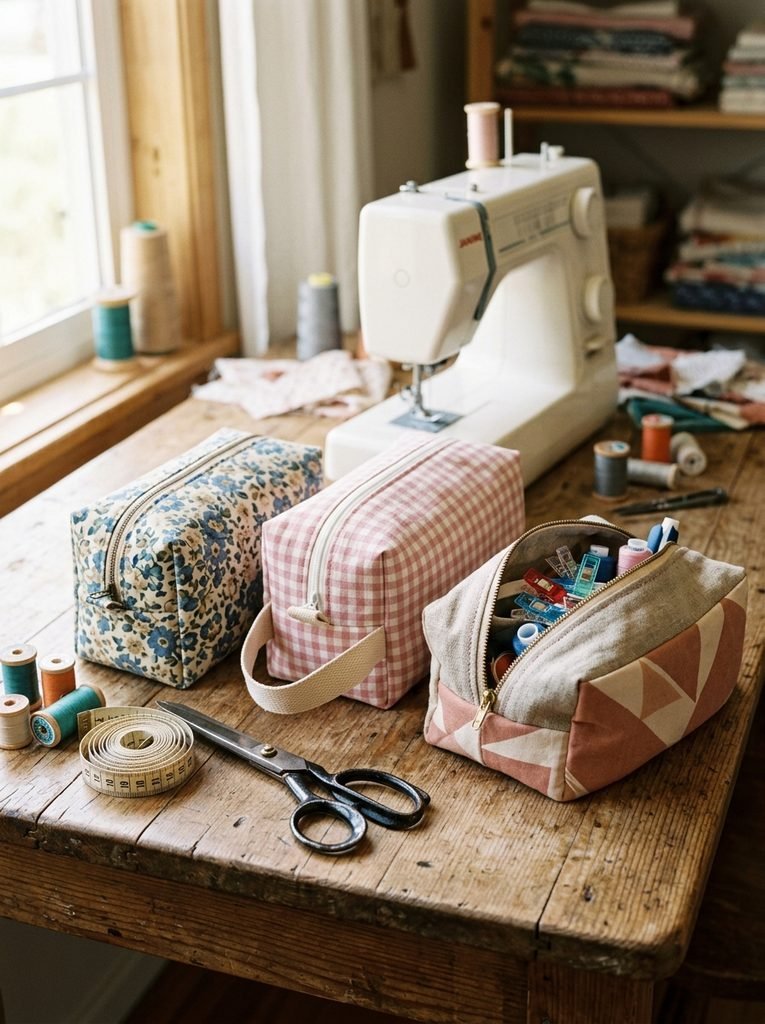
A small fabric pouch makes a perfect first project. It teaches you how to sew straight seams, work with a lining, and finish an opening. Use cotton scraps from another project and add a zipper or simple snap closure. Make one for sewing supplies, coins, makeup, or small gifts. Once you understand the basic shape, you can create different sizes and styles without starting from scratch.
2. Try Clothes Upcycling
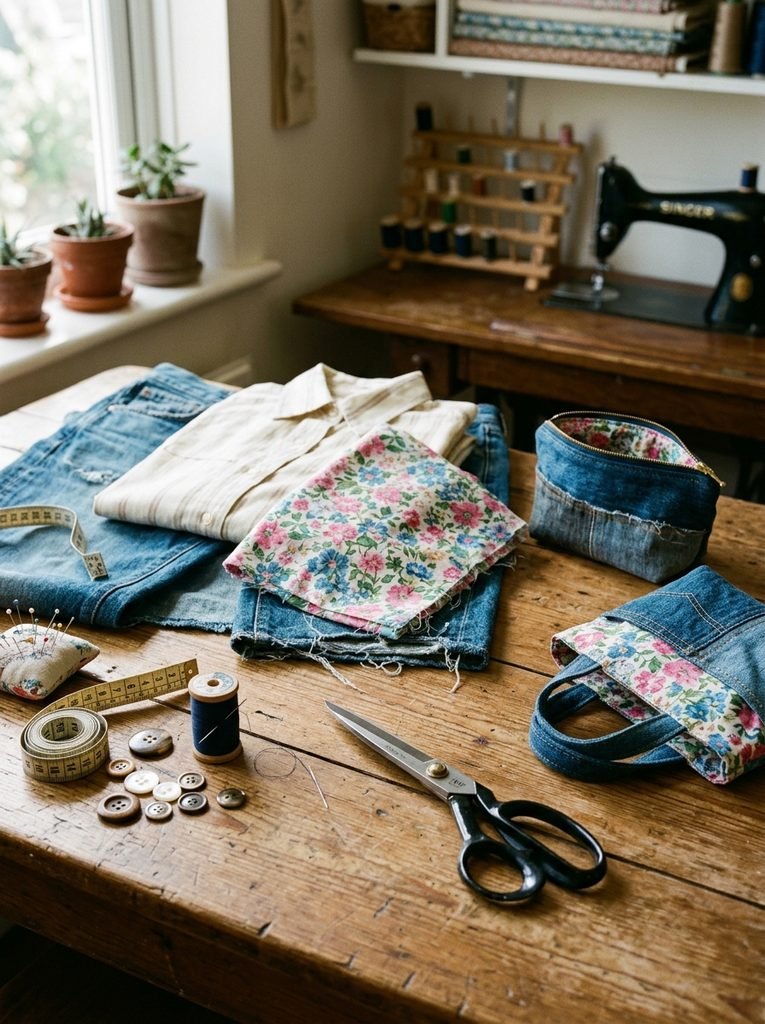
Before throwing away an old shirt, pair of jeans, or unused dress, look at its fabric again. Old clothing can provide useful material for new creations. Turn denim into a small bag, transform a shirt into a grocery bag, or use colorful clothing pieces for patchwork. These clothes upcycling ideas save fabric and give unwanted clothing a second life.
3. Sew a Belt Bag
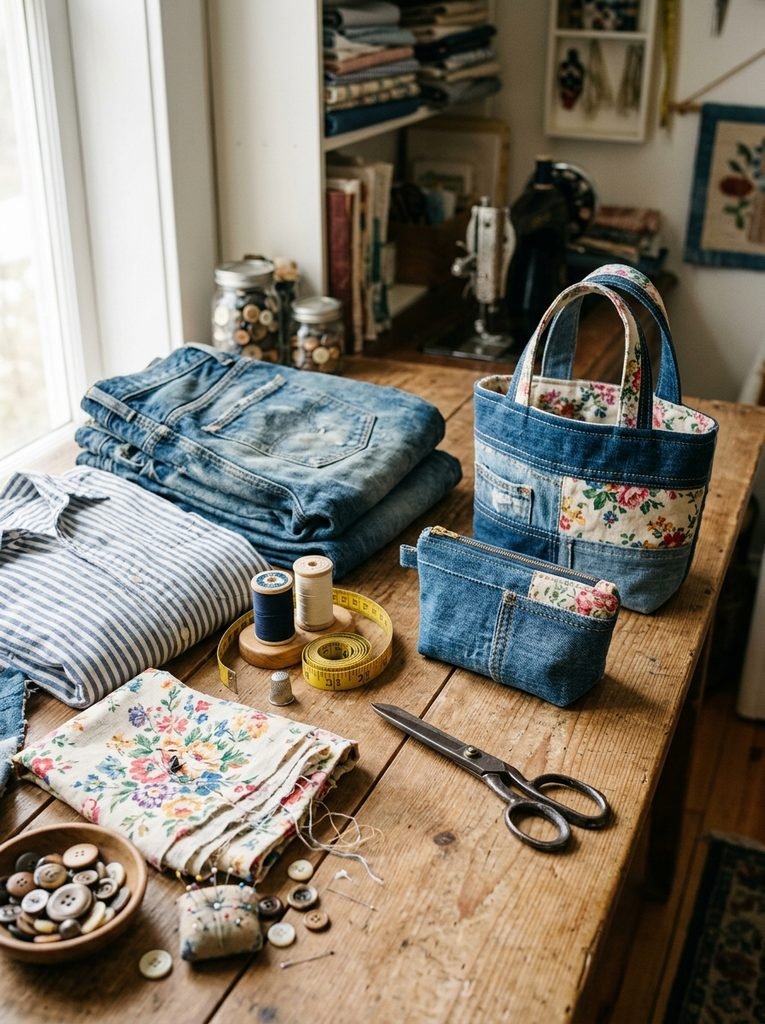
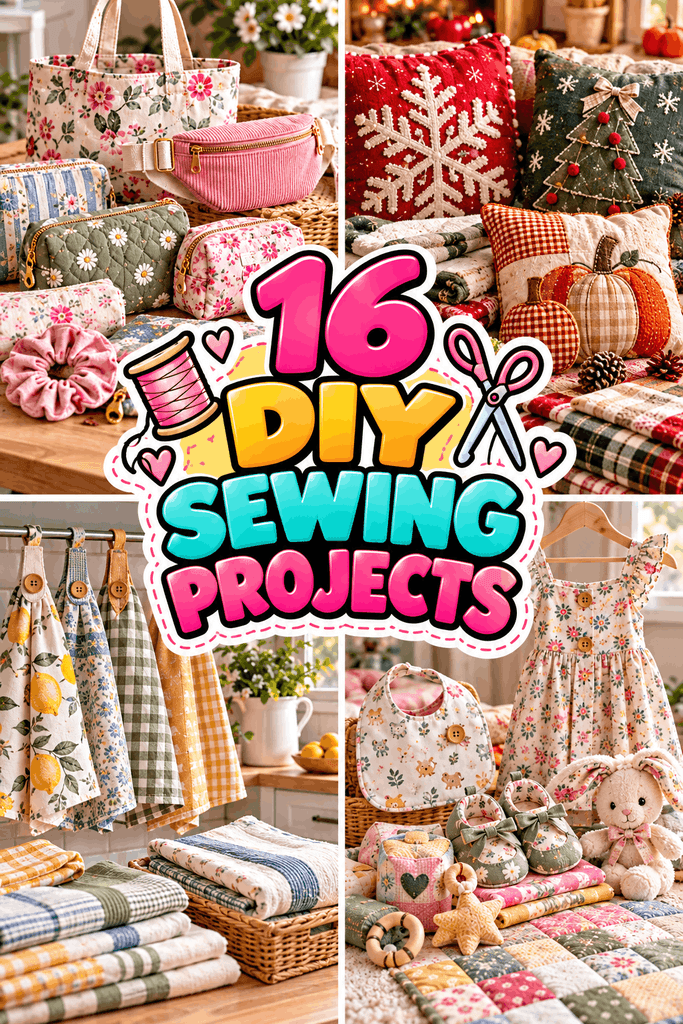
A belt bag is small, practical, and surprisingly fun to sew. Use a medium-weight fabric for the outside and a smooth cotton lining inside. Add a zipper pocket for keys or cards and an adjustable strap if your pattern supports one. This project gives beginners useful practice with zippers and structured sewing while producing something you can actually wear.
4. Create Christmas Pillows

Seasonal pillows can completely change the feeling of a room. Choose cotton or linen fabric with a Christmas print, then create a simple envelope-style cover. You can make several covers and store them flat after the holiday. The same idea works for fall pillows, spring patterns, or everyday home decor. USU Extension provides several pillow patterns, including reversible tied pillow designs.
5. Make Hanging Dish Towels
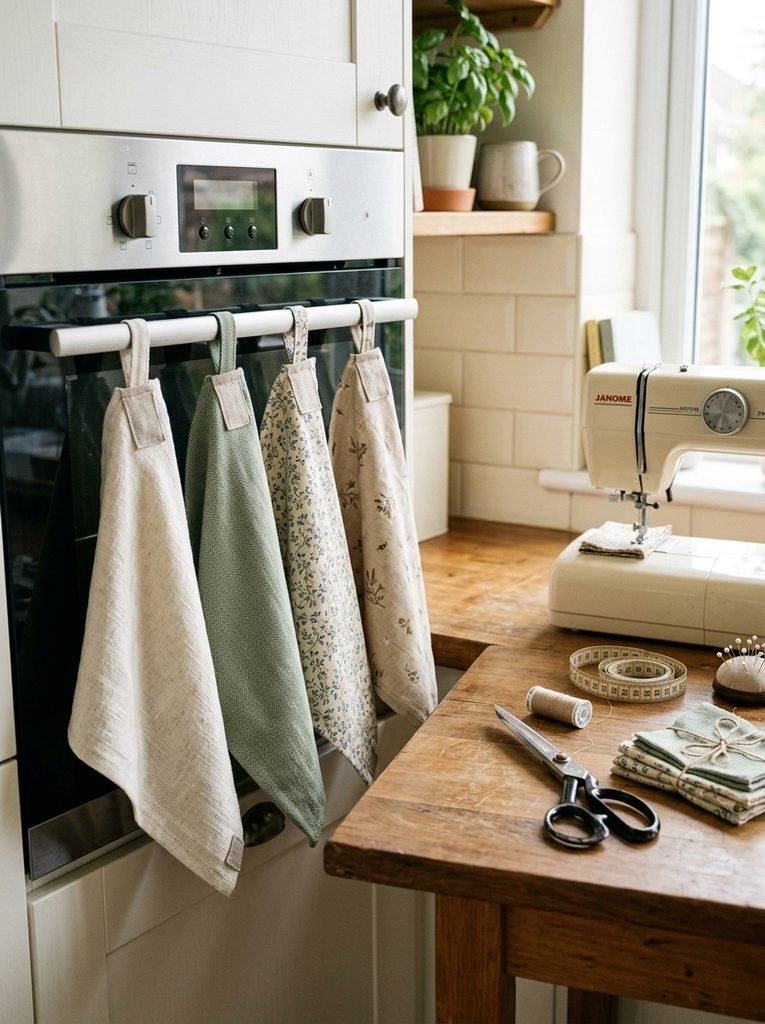
Hanging dish towels are a smart kitchen craft because they combine decoration with everyday use. Choose absorbent cotton fabric and add a small hanging loop at the top. You can coordinate the fabric with your kitchen colors or use seasonal prints. Make several at once and keep a few ready for holidays and family gatherings.
6. Sew a Grocery Bag Holder
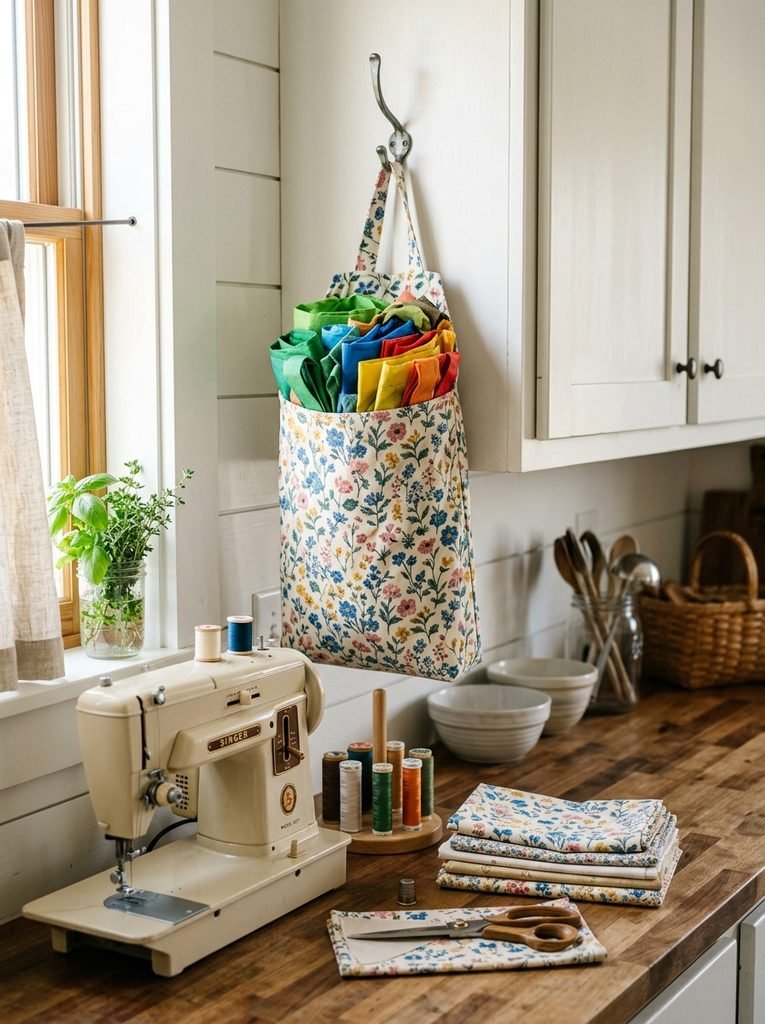
A fabric grocery bag holder helps keep reusable shopping bags in one place. Start with a long fabric rectangle, add elastic openings, and create a hanging loop at the top. This project uses simple construction and gives you practice with gathering and hems. Choose a durable cotton print so the finished holder looks attractive enough to keep visible in the kitchen.
7. Create Linen Tea Towels
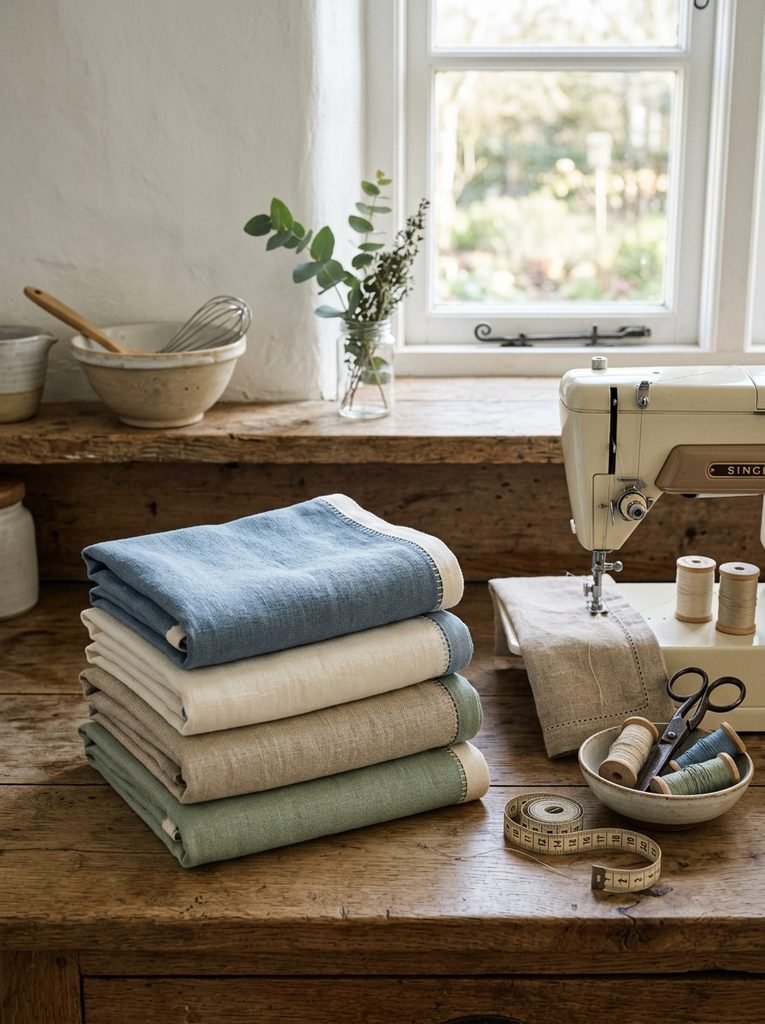
Linen tea towels bring a simple handmade touch to the kitchen. The construction is straightforward, so they work well when you want to practice neat hems. Wash and press the fabric before cutting when the fabric and project call for it. USU Extension recommends washing fabric before cutting in its sewing instructions to help reduce shrinkage and remove excess dye. Add a narrow contrasting strip along one edge for a more finished look. You can also make a matching set as a housewarming or holiday gift.
8. Sew a Jewelry Travel Case
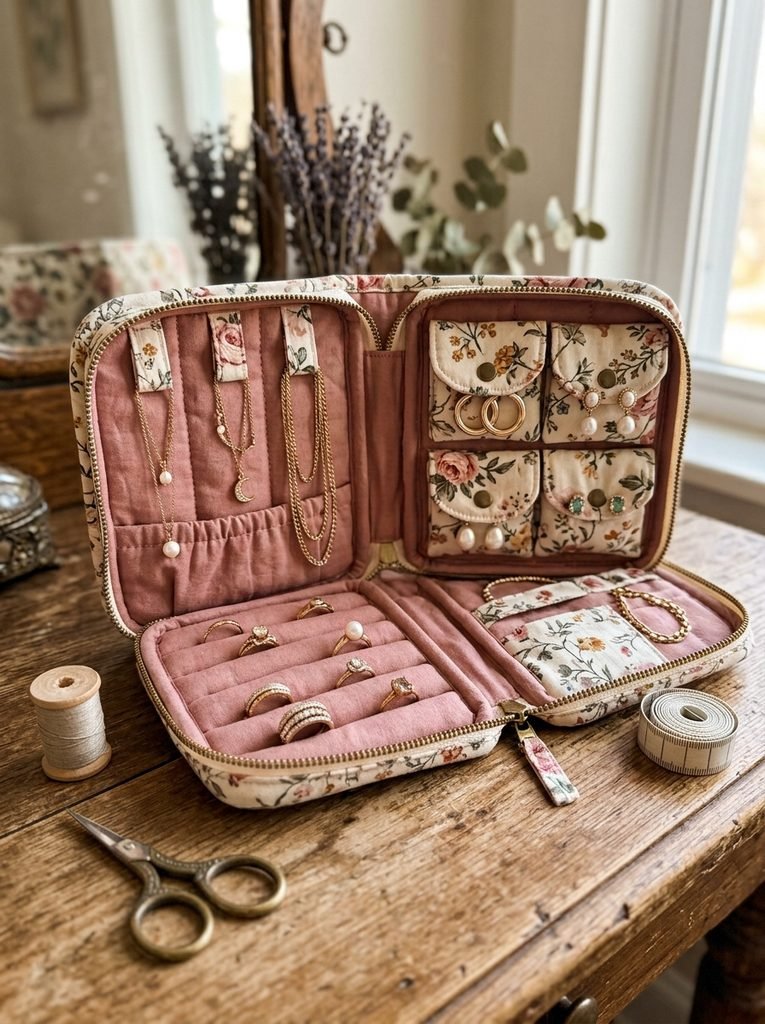
A jewelry travel case is small enough to make from fabric scraps but useful enough to become a favorite accessory. Create separate sections for rings, earrings, necklaces, and small bracelets. Use soft fabric inside and add a zipper or snap closure. This project also makes a thoughtful handmade gift for birthdays or holidays.
9. Make a Makeup Brush Case
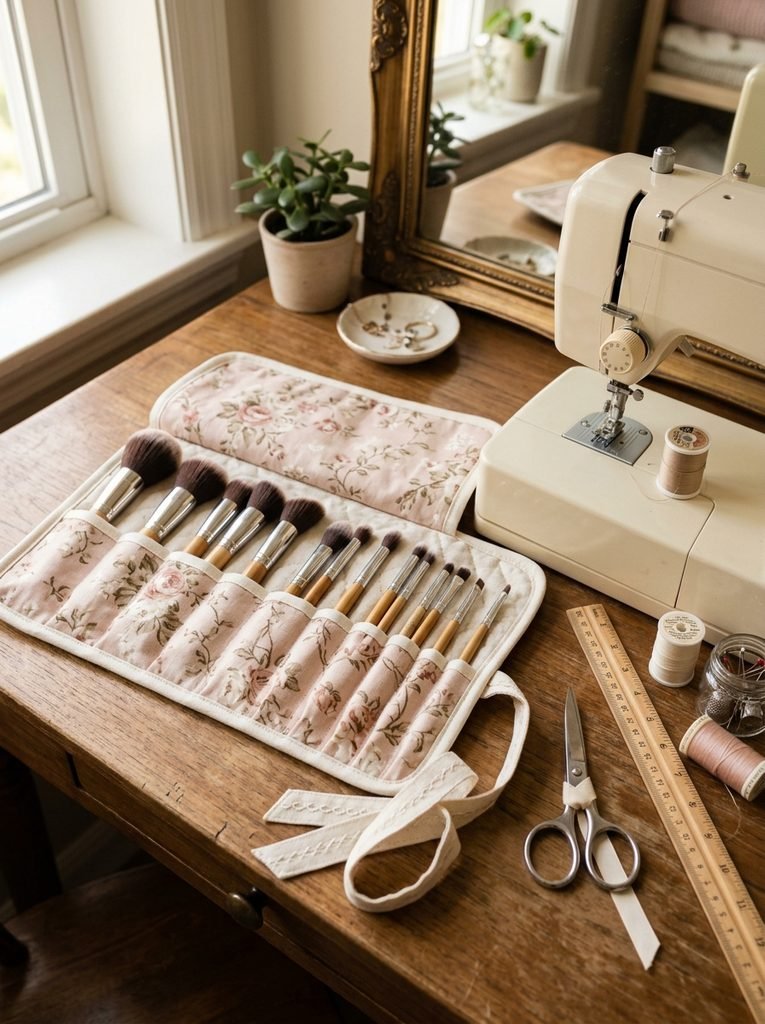
If you want a useful sewing project that does not need much fabric, try a makeup brush case. Create a long rectangular base with stitched pockets, then add a flap and simple tie or snap. Each pocket can hold one brush. Roll the finished case for travel and store it inside a handbag or suitcase.
10. Make Simple Small Purses
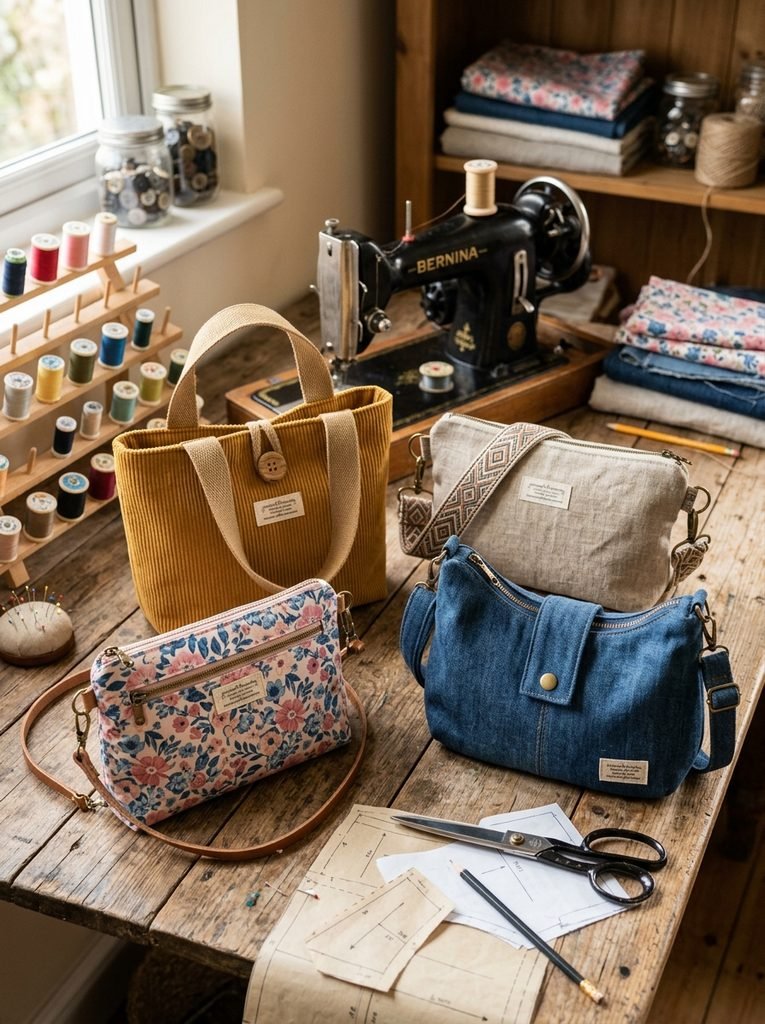
Small purses give you a chance to explore different fabrics, closures, straps, and shapes. Begin with a simple rectangular design before trying curved or structured patterns. Add a lining for a cleaner finish. A collection of small purses in different colors can also become handmade gifts or products if you eventually want to sell your work.
11. Sew a Simple Summer Dress
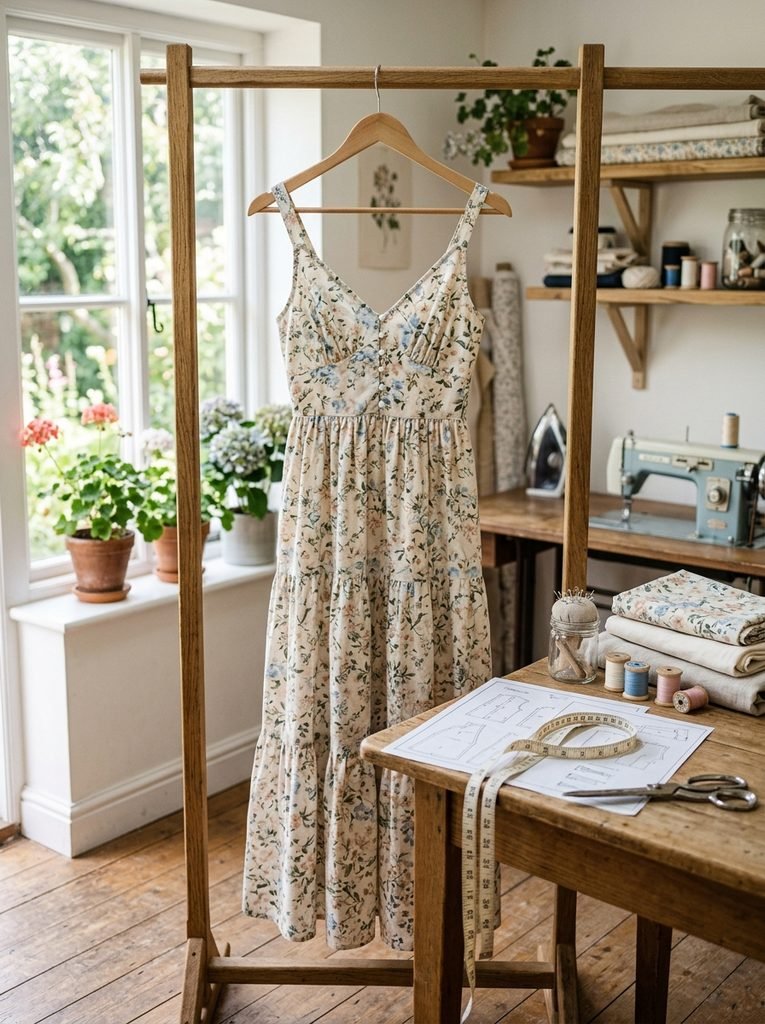
A lightweight summer dress is a natural next step once you feel comfortable with smaller projects. Look for an easy summer dress pattern with simple seams, minimal shaping, and clear instructions. Cotton lawn or another suitable lightweight fabric can work well for warm-weather clothing. Take accurate measurements before cutting because pattern sizes do not always match ready-to-wear clothing sizes. USU Extension provides clothing-construction resources and patterns for different sewing skill levels.
12. Turn Fabric Into a Baby Gift
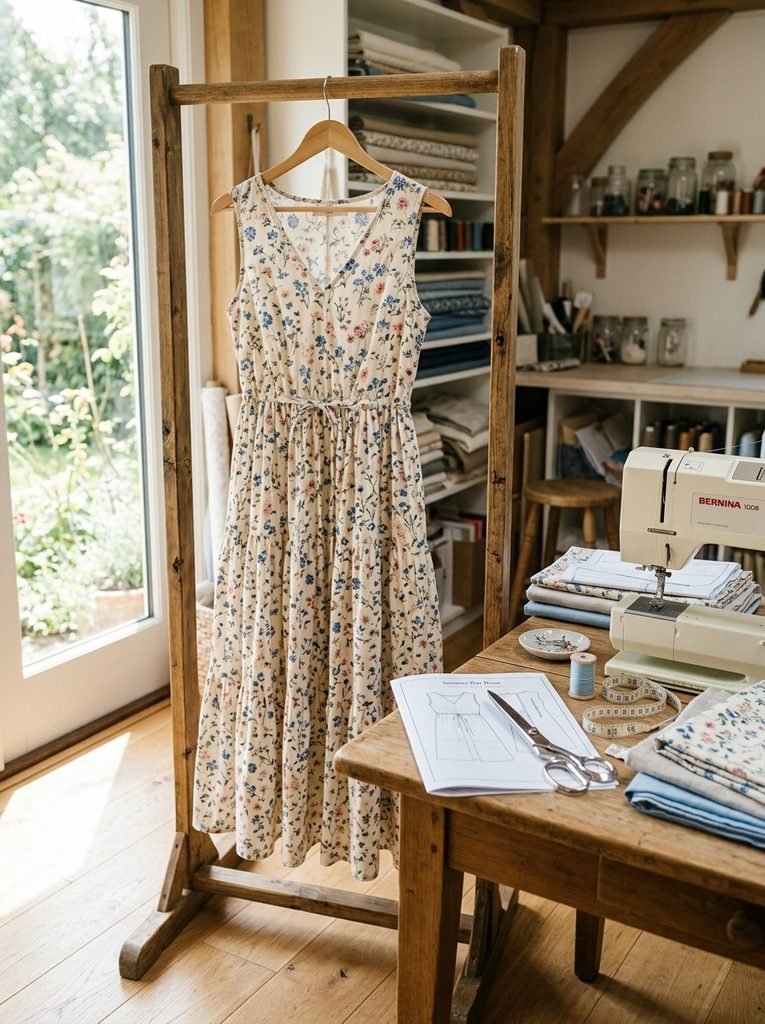
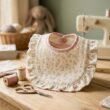
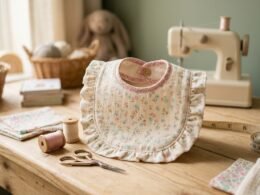
Small fabric items can become a lovely baby gift set. Sew a bib, burp cloth, soft blanket, or simple fabric storage basket. Use a coordinated color palette so the pieces look like a collection. If making anything for babies or young children, avoid loose small decorations and check every seam carefully before use.
13. Sew a Christmas Table Runner
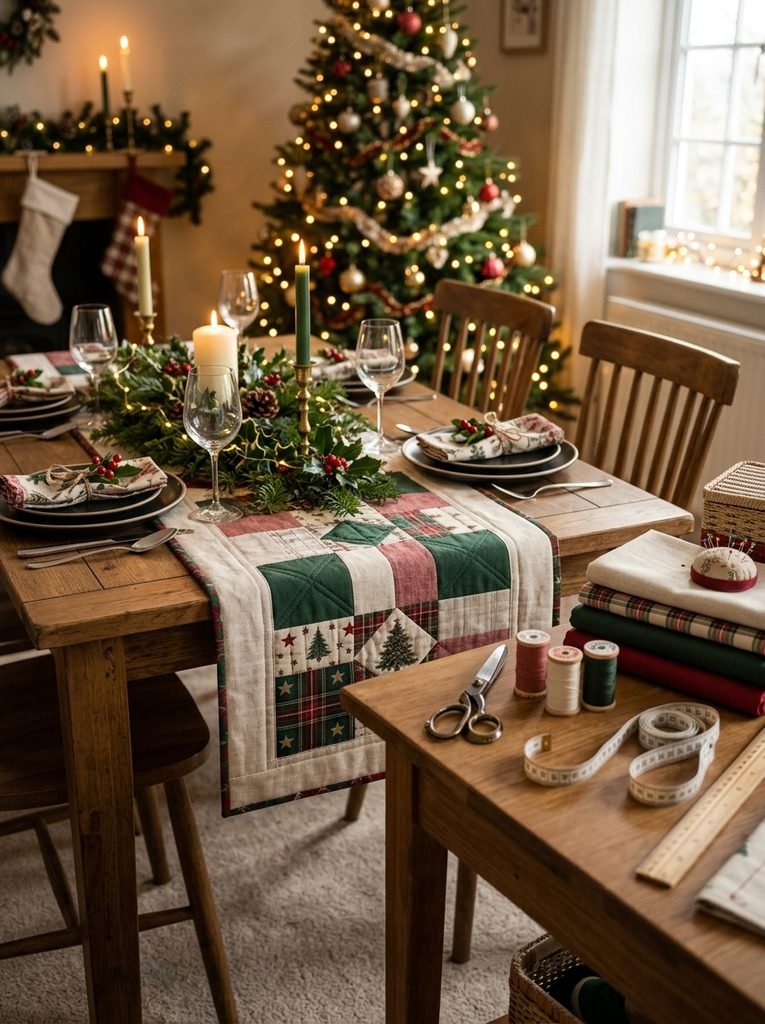
A Christmas table runner gives you a chance to practice accurate cutting, straight seams, pressing, and finishing. Choose two or three coordinating fabrics rather than using too many prints. You can make a simple runner for everyday use and another with festive fabric for December. USU Extension’s table-runner instructions emphasize washing fabric before cutting, straightening edges, pressing, and finishing raw edges to reduce fraying.
14. Make a Cute Fabric Gift Bag
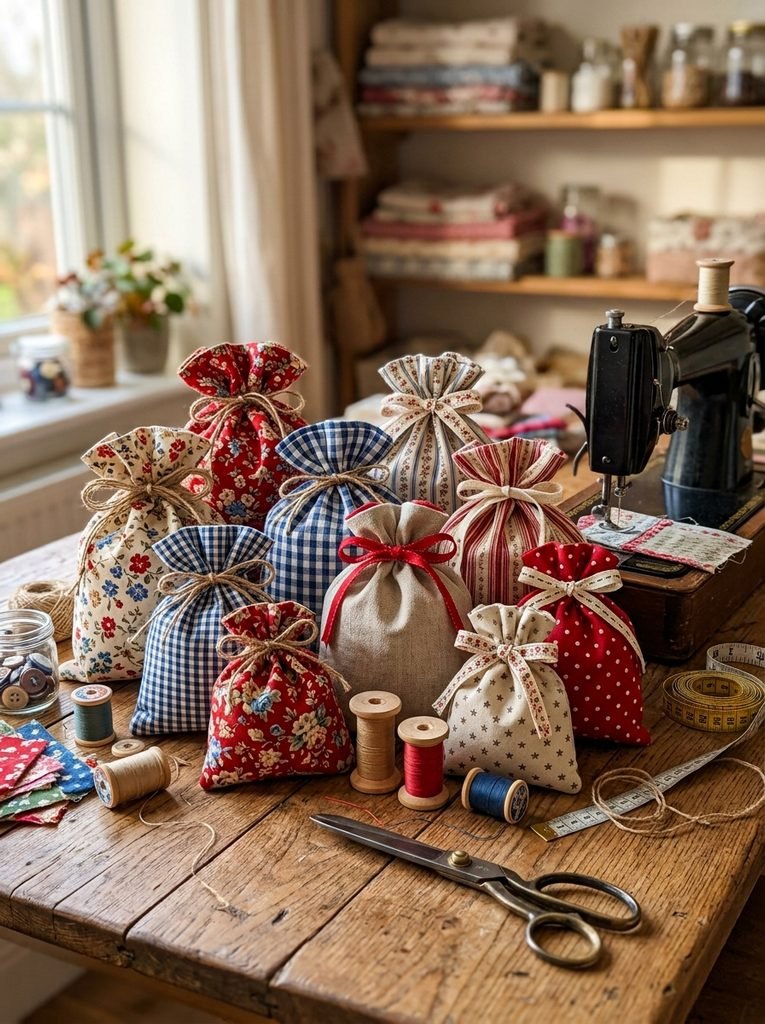
Reusable fabric gift bags are simple, attractive, and useful. Make a basic drawstring bag and choose fabric that matches the occasion. Small bags work for jewelry or small gifts, while larger ones can hold toys, clothing, or books. Unlike disposable wrapping paper, the recipient can reuse the bag again.
15. Sew Clothing for Men
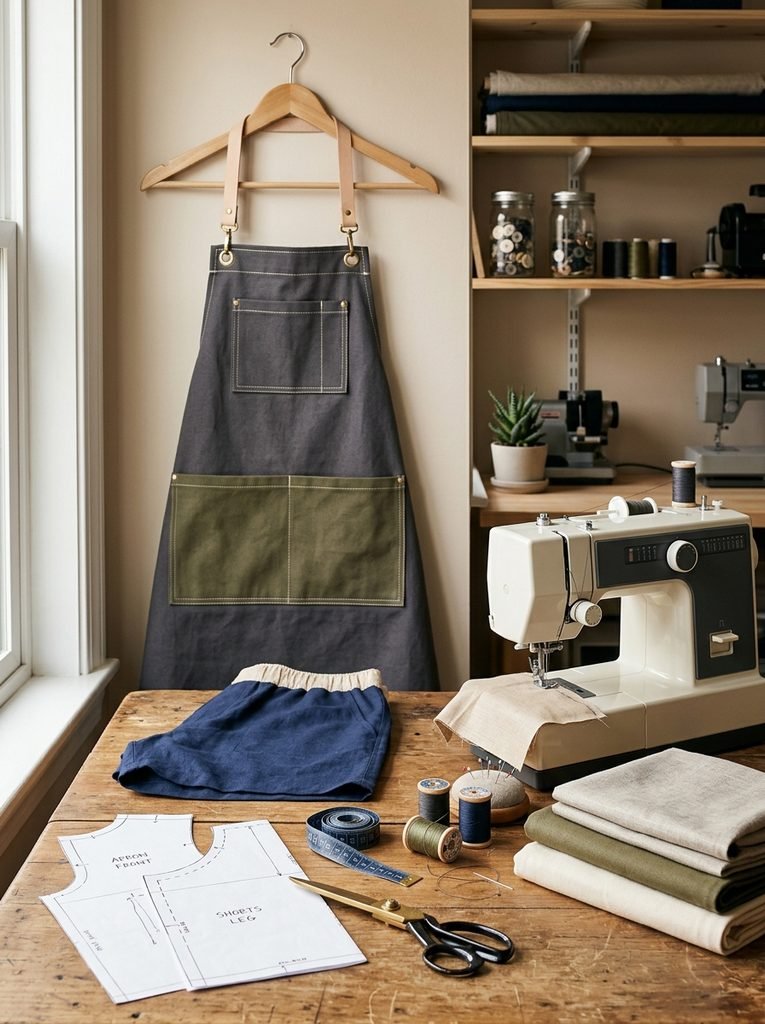
Not every sewing project needs to be small or decorative. If you want something practical, try simple men’s clothing such as lounge shorts, a basic apron, or a lightweight accessory. Start with a beginner-friendly pattern and pay close attention to measurements. Clothing teaches you skills that smaller projects cannot, including fitting, hems, seams, and pattern placement.
16. Make a Quilted Kitchen Hot Pad
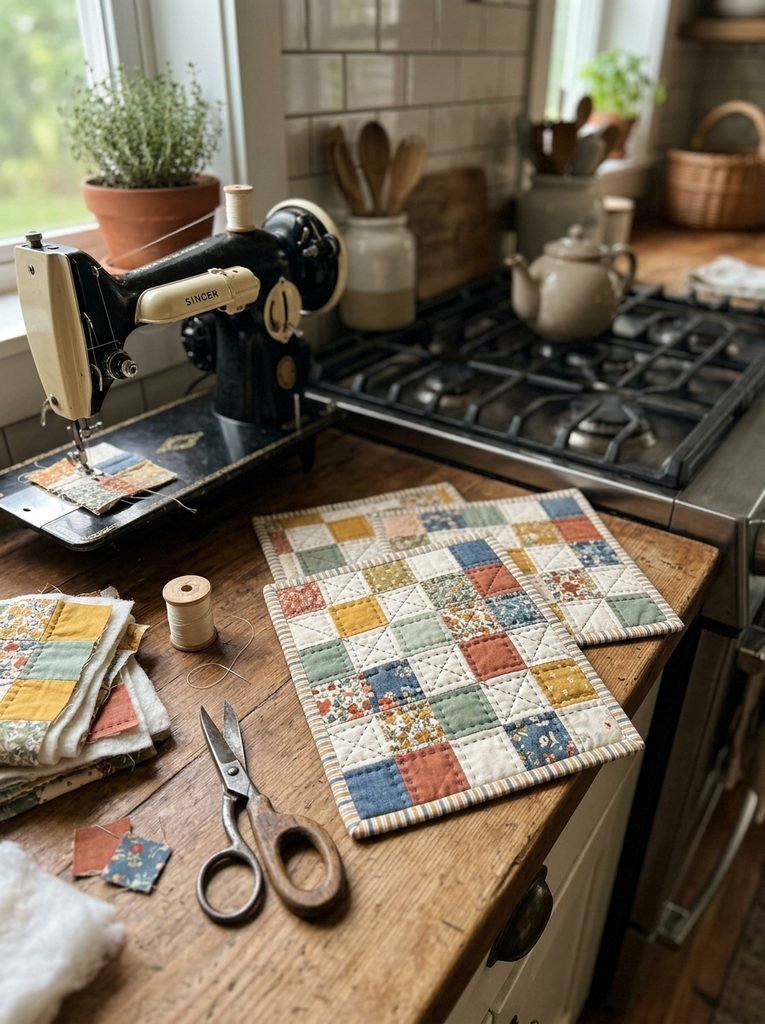
A quilted hot pad is a practical way to finish your list of diy sewing projects. It lets you practice layering fabric and batting, machine quilting, turning corners, and topstitching. USU Extension provides a beginner hot-pad design using cotton fabric and batting, while another version uses several fabric squares for a patchwork effect. Choose heat-safe materials suitable for the intended use and follow the material manufacturer’s instructions. A few matching hot pads also make an inexpensive handmade kitchen gift.
Final Thoughts
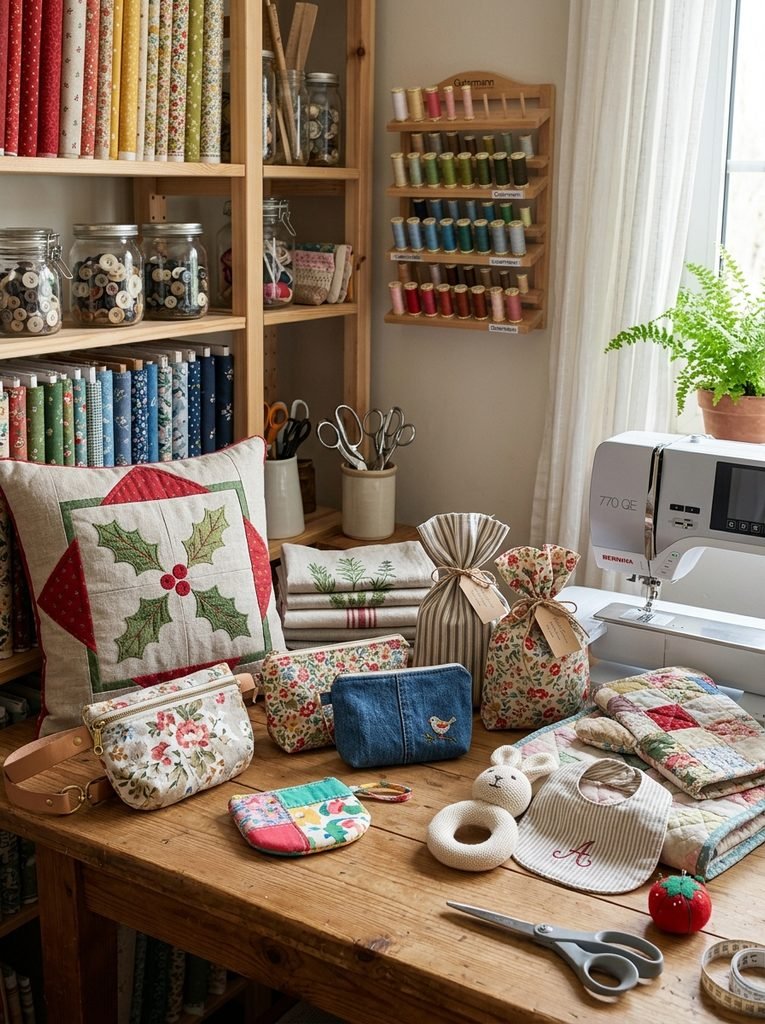
The best diy sewing projects are not always the most complicated ones. A small pouch can teach you patience. An upcycled shirt can teach you creative problem-solving. A dress can teach you fitting, while a quilted hot pad can improve your accuracy. Each finished piece gives you another skill to carry into the next project. Start with what you already have. Use leftover fabric. Pick a simple pattern. Give yourself permission to make mistakes. With every project, your stitches become more confident and your ideas become bigger. Before long, a simple piece of fabric will no longer look like just fabric. You will see a bag, a gift, a useful home item, or something completely new waiting to be made.