

This post may contain affiliate links. Please read my disclosure policy.
In This Article Show
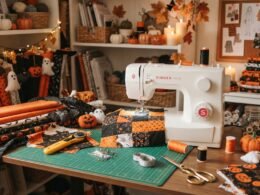
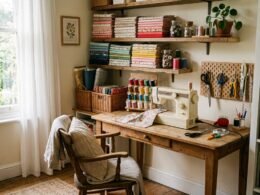
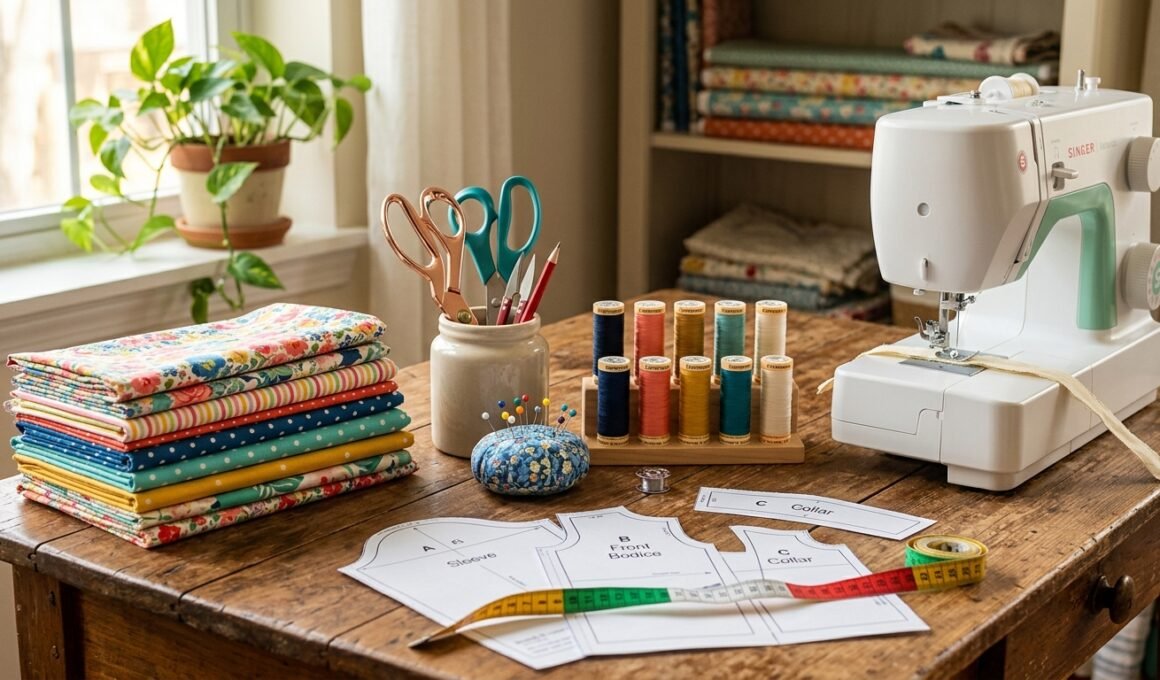
Starting to sew can feel exciting, but the first pattern often creates the biggest question: “Which project should I try?” The right sewing patterns for beginners can make that first step much easier. Instead of jumping into a complicated dress, start with a simple project that teaches one or two useful skills at a time. You do not need a large sewing room. A basic machine, sharp scissors, measuring tape, thread, pins, fabric, and a seam ripper can take you a long way. Utah State University Extension lists these items among the basic supplies useful for beginning sewing projects. You do not need to complete every project at once. Pick one that matches your current ability. Finish it, learn from it, and then move to the next level. That simple approach keeps sewing enjoyable instead of overwhelming.
1. Simple Fabric Bag
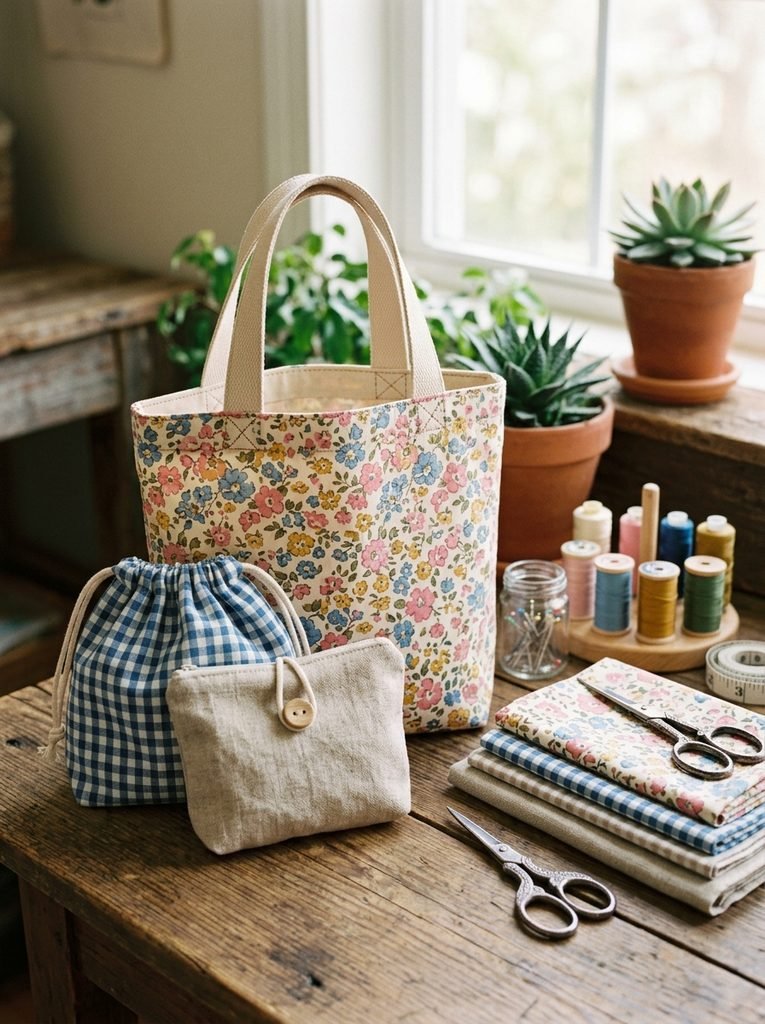
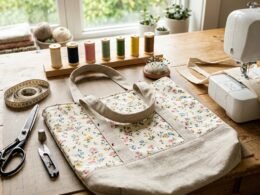
A basic fabric bag is a great first project because the pieces usually have simple shapes. You can practice measuring, cutting, straight stitching, pressing, and attaching handles. Start with cotton or another stable woven fabric. Once you finish the first bag, try adding an inside pocket or contrasting lining. USU Extension includes several practical bag projects, including a mini purse, patchwork pouch, beach towel bag, and belt bag.
2. Easy Skirt
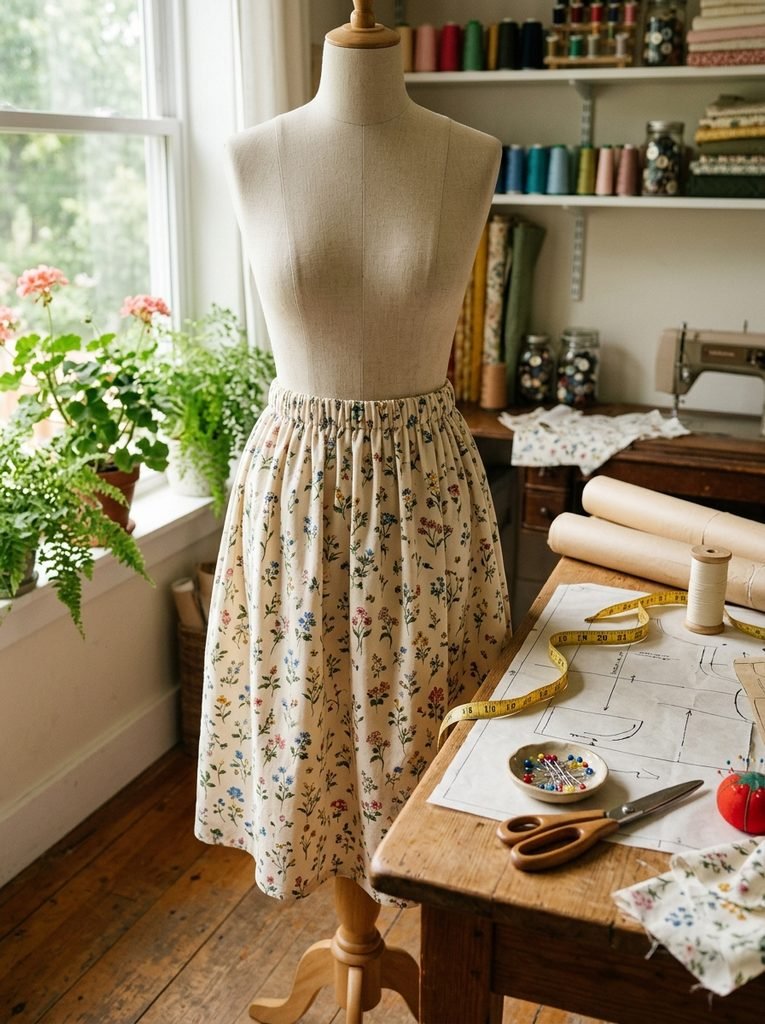
An elastic-waist skirt can introduce you to clothing construction without complicated closures. You will practice taking measurements, cutting fabric, creating seams, inserting elastic, and finishing the hem. USU Extension’s youth skirt project highlights waist, hip, and finished-length measurements before cutting. Choose a cotton fabric with a simple print for your first attempt. Floral, gingham, or solid fabrics can create a cute result without making pattern matching difficult.
3. Basic Pillow Cover
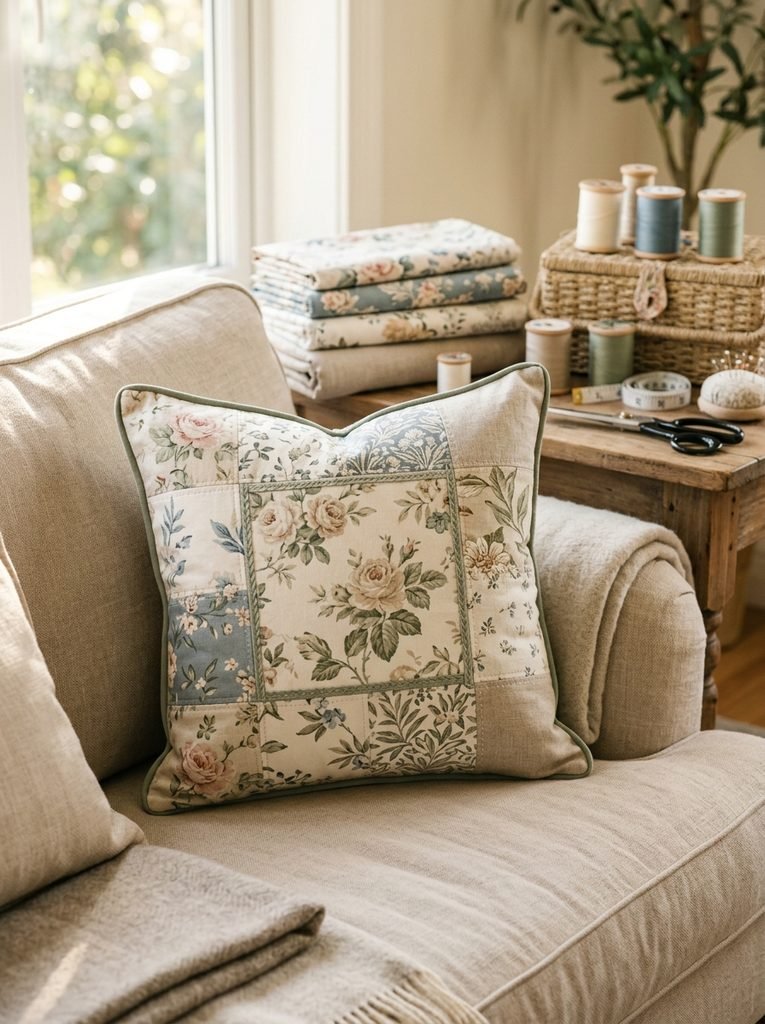
A pillow cover lets you practice larger fabric pieces without worrying about garment fitting. You can start with a square design and use one fabric or two complementary fabrics. USU Extension’s four-square pillow project specifically uses coordinated fabric pieces and basic sewing supplies. Wash and press your fabric before cutting when the project instructions call for it. This helps you prepare the material before construction.
4. Small Fabric Pouch
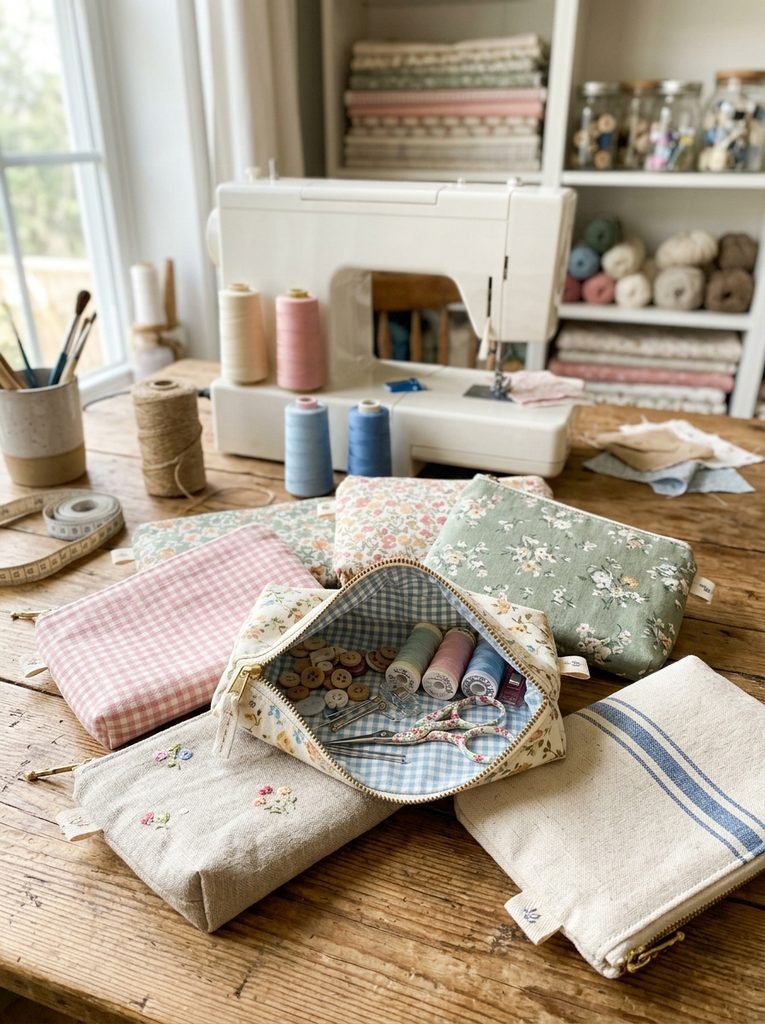
A pouch gives you a quick project with a useful result. Make one for coins, sewing supplies, makeup, stationery, or small accessories. Keep your first design rectangular. After you understand the construction, experiment with a lining, zipper, button, or drawstring. The small size also makes this a useful project for learning how to turn corners and finish edges neatly.
5. Simple Table Runner
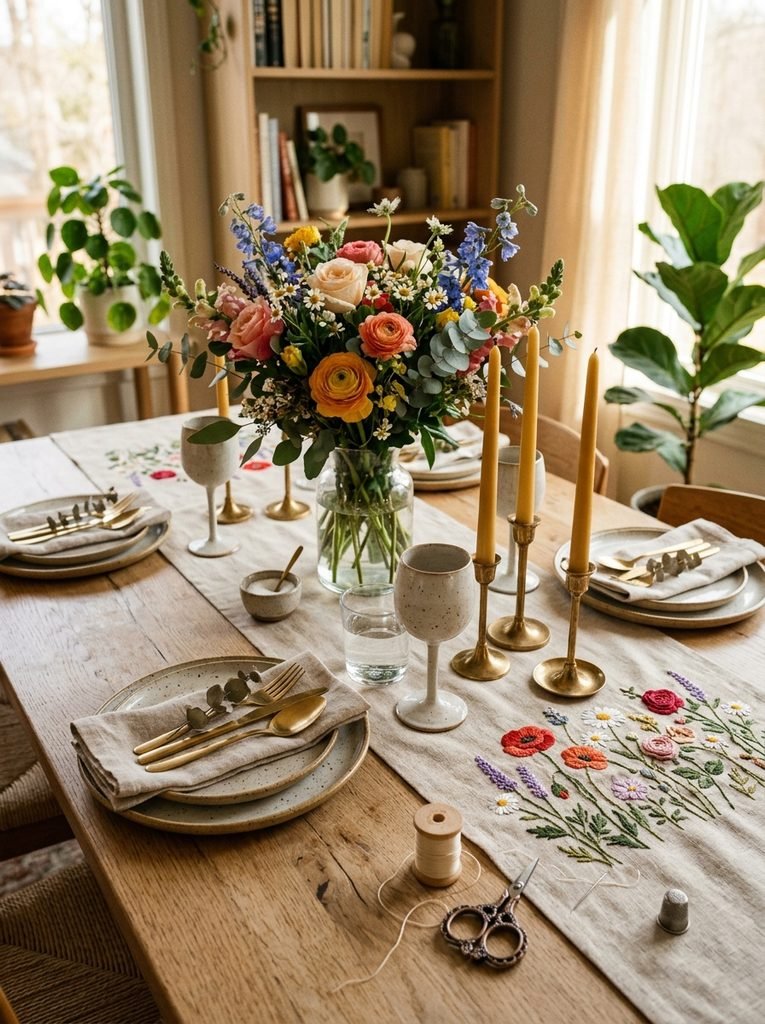
If you prefer home décor, try a table runner. Straight fabric pieces help you focus on accurate cutting and clean edges. USU Extension recommends washing fabric before cutting, straightening the edges, and pressing the material for its table-runner project. Choose a fabric that matches your dining space. A soft floral can feel warm, while neutral linen can create a cleaner look.
6. Easy Top
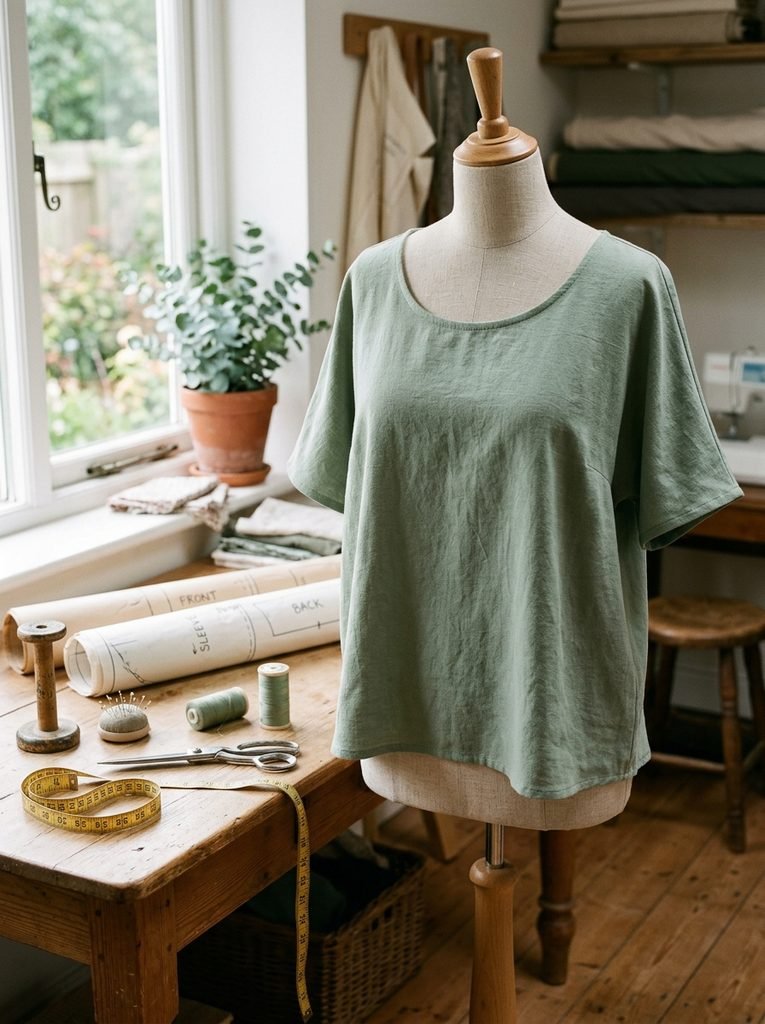
A relaxed top makes a good first garment because it introduces sleeves, neckline finishing, hems, and garment seams without demanding complicated fitting. Choose a pattern with simple construction and stable fabric. Start with a solid color if you want to see your stitching clearly. Once you gain confidence, move to floral prints, stripes, or textured fabrics.
7. Simple Dress
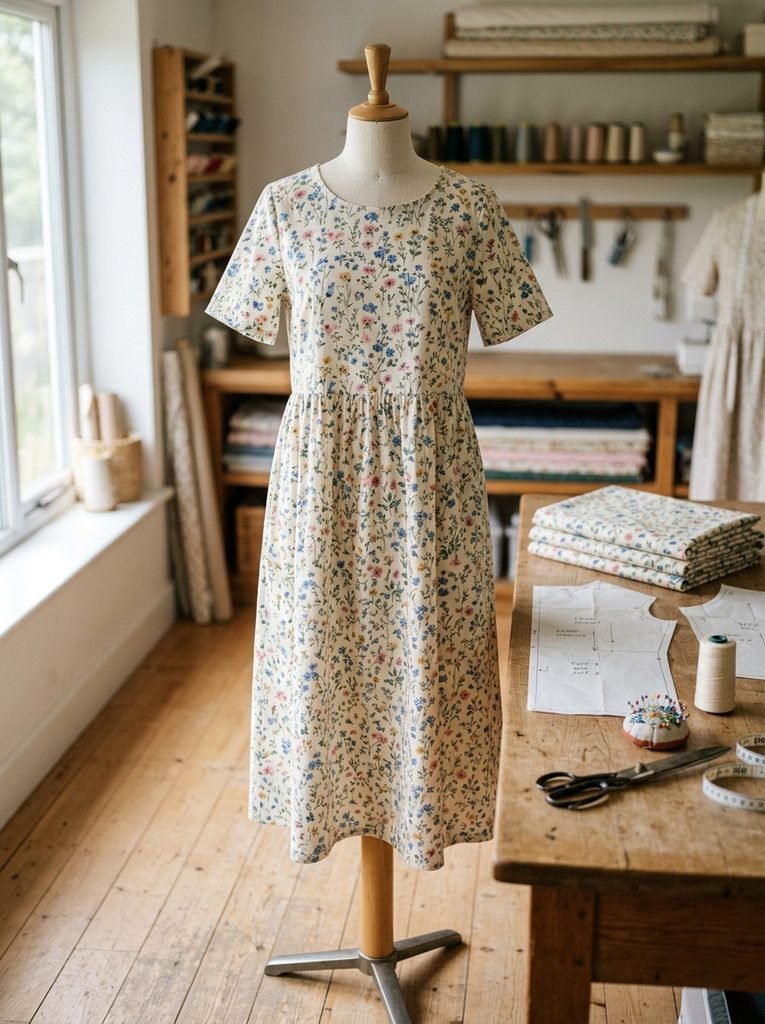
A loose simple dress can be your next step after making a skirt or top. Look for a pattern with an uncomplicated shape and comfortable ease. You can learn how the bodice and skirt connect while practicing hems and sleeve construction. Choose fabric that feels easy to control. Cotton is often a comfortable choice for beginners because it does not stretch like knit fabric.
8. Basic Clothes Repair
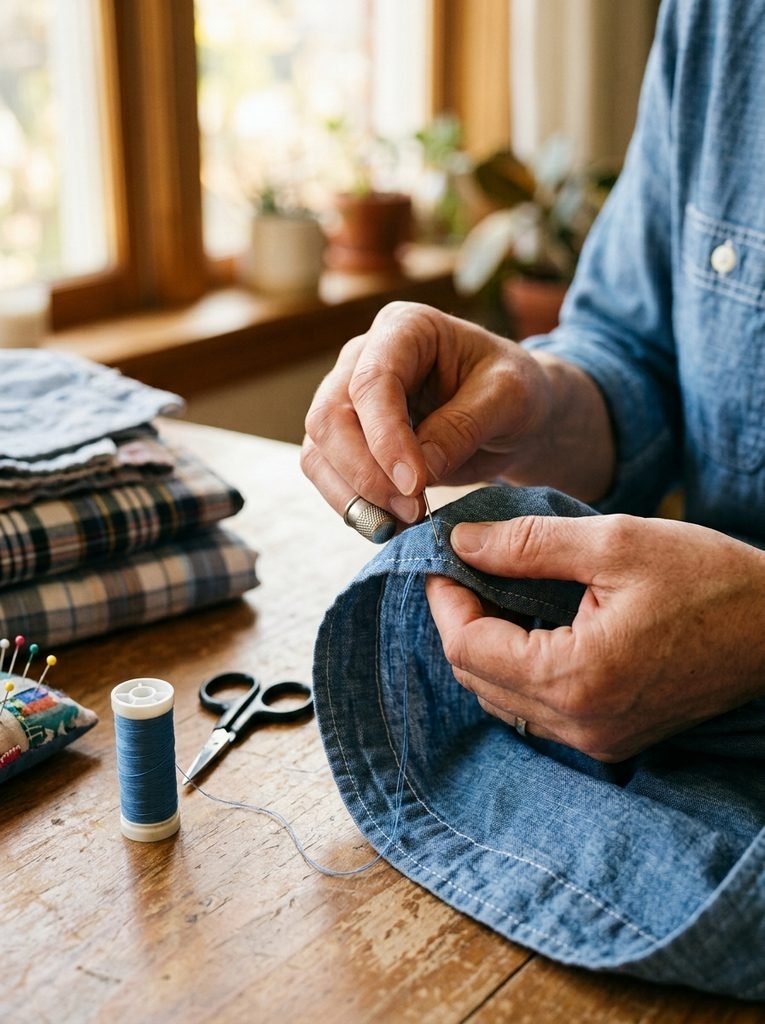
Not every sewing lesson needs a new project. Repairing clothes teaches valuable skills too. Start with replacing a button, closing a small opening, securing a loose hem, or repairing a simple seam. These tasks teach you how fabric reacts to thread tension and how to make stitches neat without spending hours on one project.
9. Simple Plushie
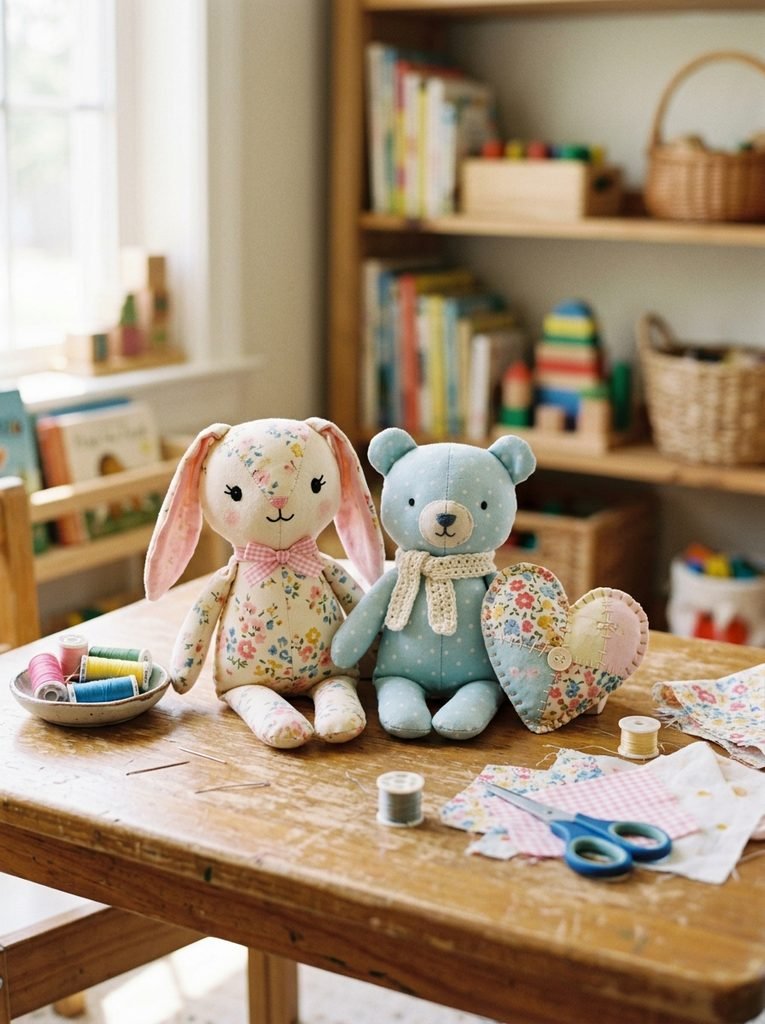
A small plushie can turn basic fabric into something full of personality. Try a bunny, bear, cat, heart, or star. Simple shapes work best at first. Sew around the shape, leave an opening, turn the piece carefully, add suitable stuffing, and close the opening neatly. Avoid loose small parts when making plushies for very young children.
10. Felt Flower
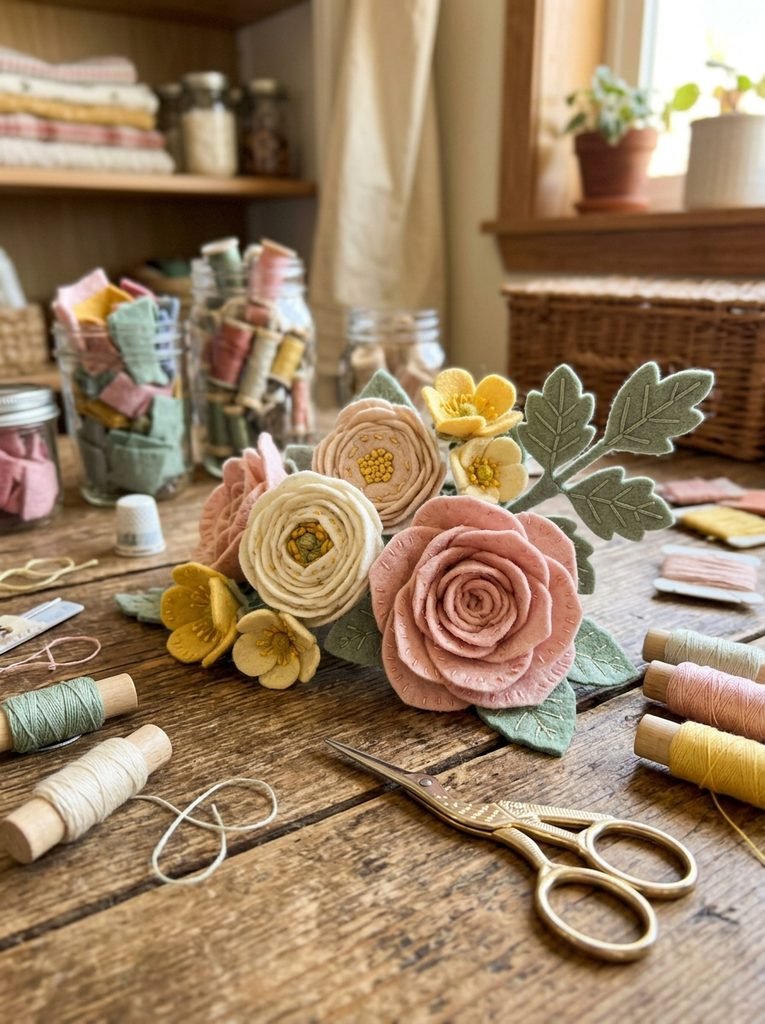
Felt is useful for simple crafts because it does not fray like many woven fabrics. Cut flowers, leaves, hearts, or stars and secure them with decorative stitches. You can turn the pieces into decorations, hair accessories, gift embellishments, or small handmade ornaments.
11. Fabric Hair Bow
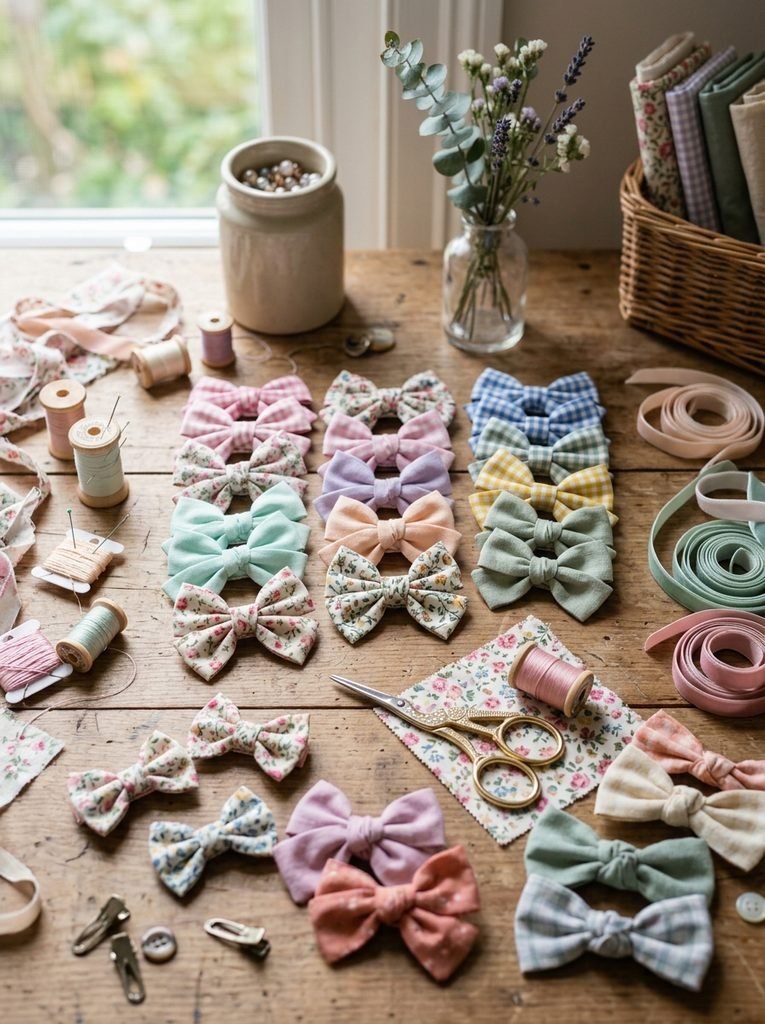
A fabric hair bow uses very little material, so it works well with leftover scraps. Choose two coordinating fabrics or one attractive print. Fold the pieces carefully, stitch them, turn the fabric, and gather the center. Secure the finished bow properly to a suitable clip or band. This small project also makes a thoughtful handmade gift.
12. Fabric Bookmark
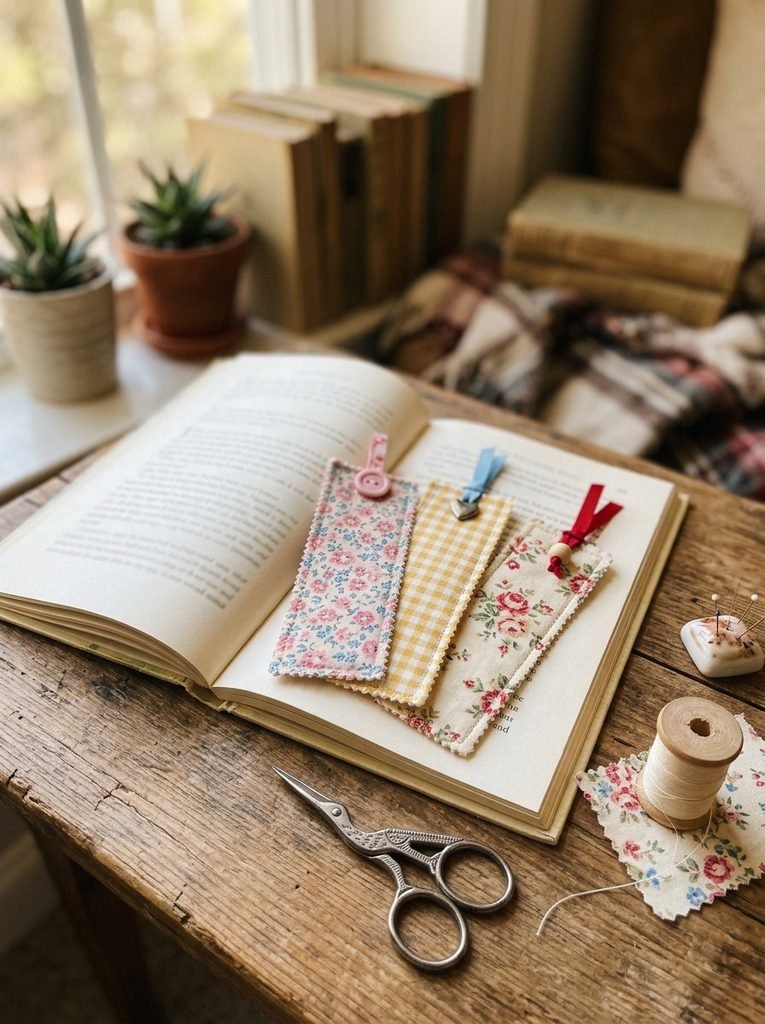
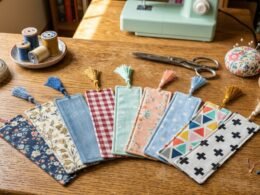
A fabric bookmark is quick enough to finish in one sitting. Cut two narrow strips, join them, turn or fold the edges neatly, and add a small ribbon if desired. This simple project teaches accuracy. On a narrow bookmark, uneven cutting can become easy to notice, so it encourages careful measuring and pressing.
13. Reading Pillow
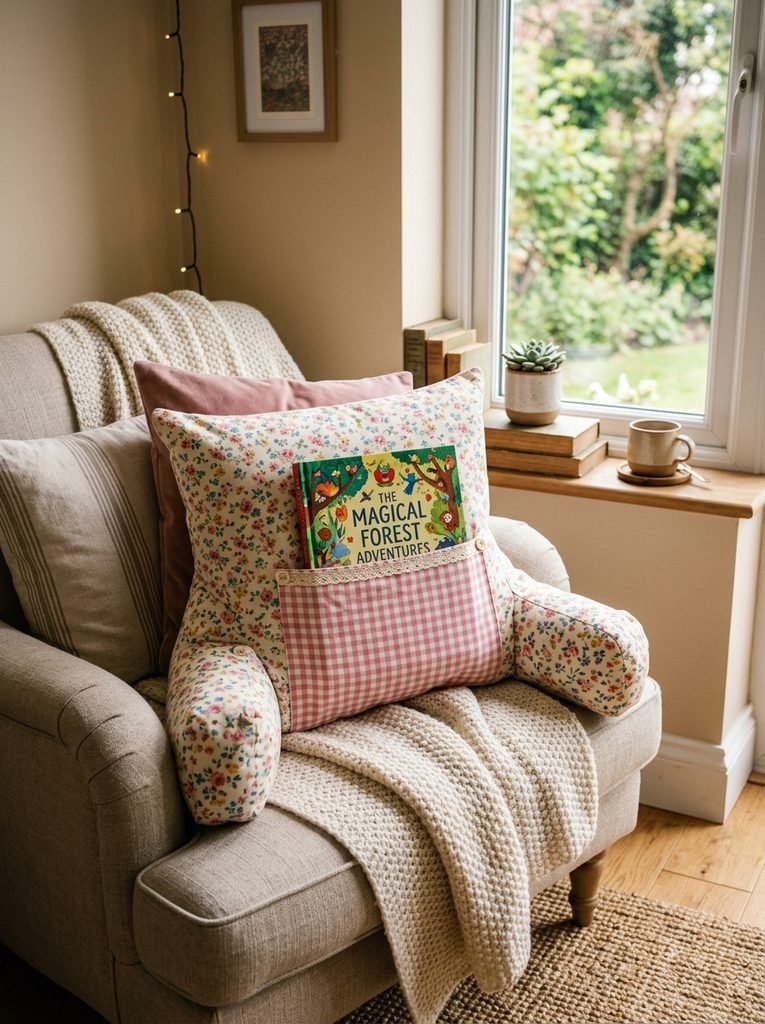
A reading pillow adds a useful challenge because it combines a pillow with a pocket. USU Extension describes its reading pillow as a beginner project with a built-in pocket for holding a book and small items. This project is especially nice for a child’s room or reading corner. Choose a washable fabric and add a simple pocket in a contrasting print.
14. Fabric Organizer
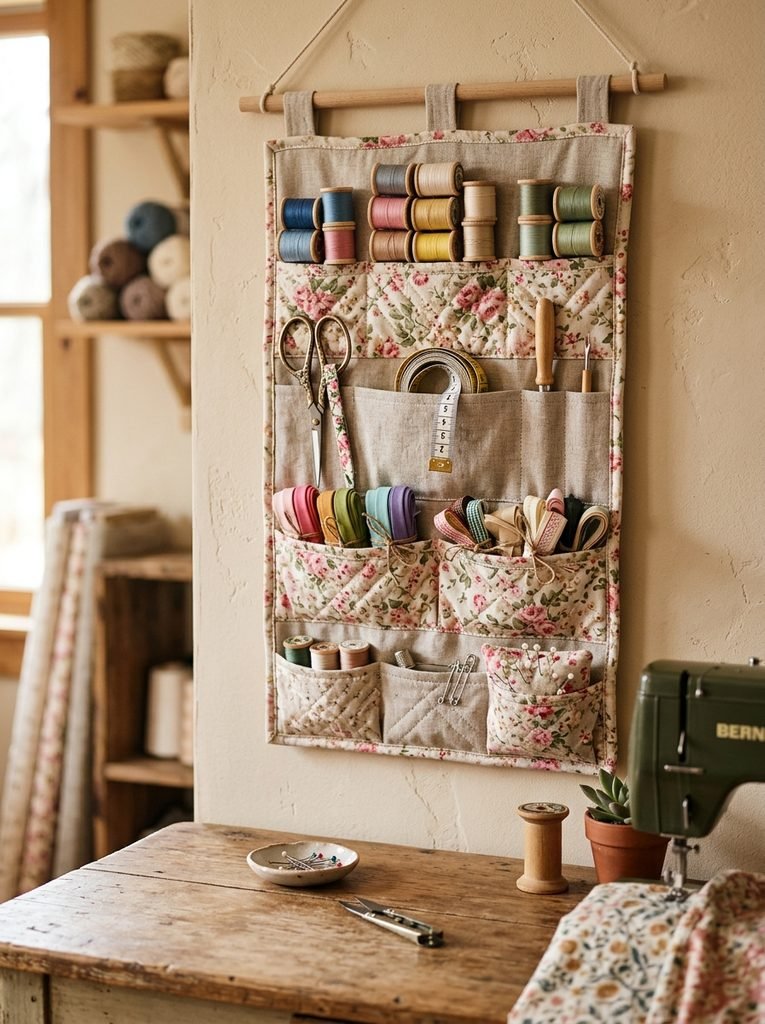
A small fabric organizer helps you practice several skills at once. You can create pockets for thread, clips, stationery, makeup, or craft supplies. Start with one or two pockets. Once the construction feels easy, make a larger organizer with multiple sections. This project is a good way to turn fabric scraps into something useful.
15. Simple Skirt With a Decorative Hem
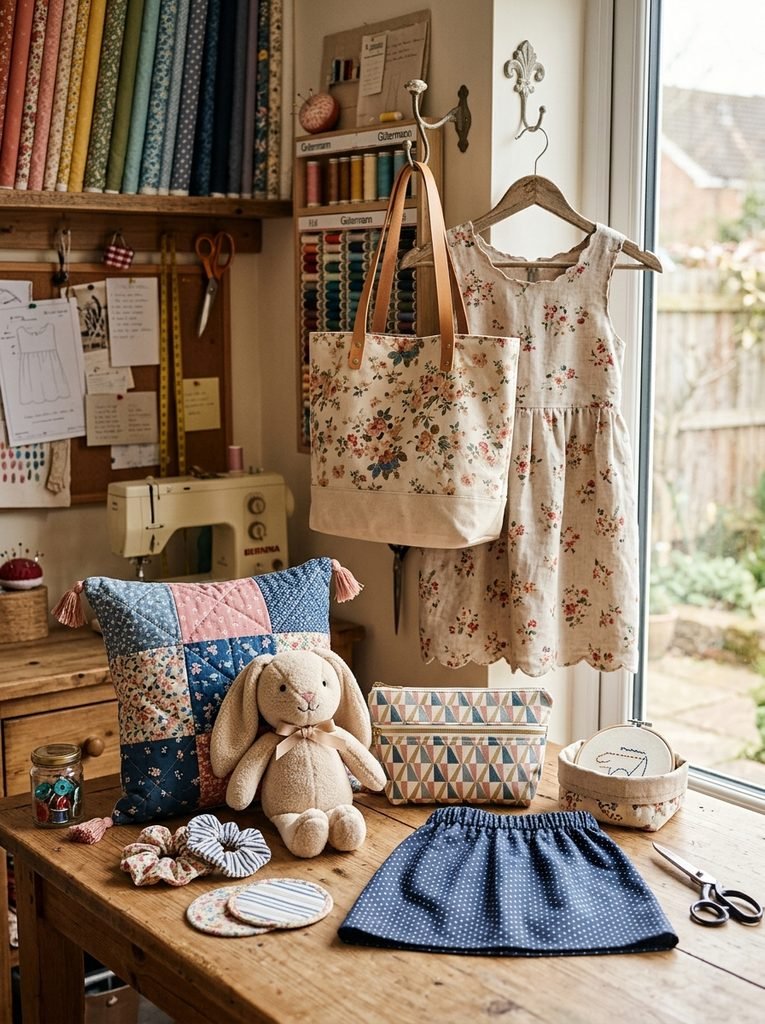
When you feel ready for another clothing project, add a small design detail to a basic skirt. A contrasting hem, trim, or second fabric can change the entire appearance. USU Extension’s bordered hem skirt project demonstrates how a separate fabric band can create a finished decorative hem. Start with simple construction and let the fabric detail provide the visual interest.
Final Thoughts
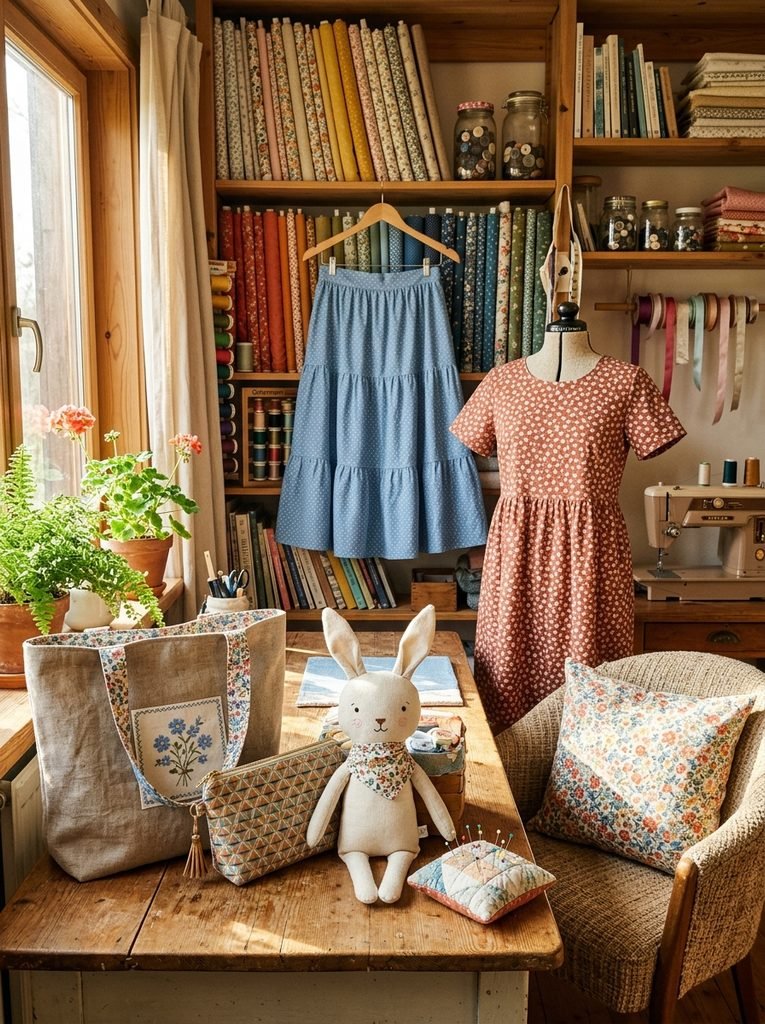
The best sewing patterns for beginners are not necessarily the most impressive ones. They are the projects that help you understand what your machine, fabric, needle, and thread are doing. Start with a bag, pouch, pillow, skirt, or simple craft. Then move into tops, dresses, plushies, and more detailed projects as your confidence grows. Do not worry when your first seams look imperfect. Every project gives you another chance to measure better, cut more carefully, and stitch with greater control. Sewing becomes much more enjoyable when you stop trying to master everything at once. Choose one project. Finish it. Learn from it. Then let the next project take you one small step further.