
This post may contain affiliate links. Please read my disclosure policy.
In This Article Show
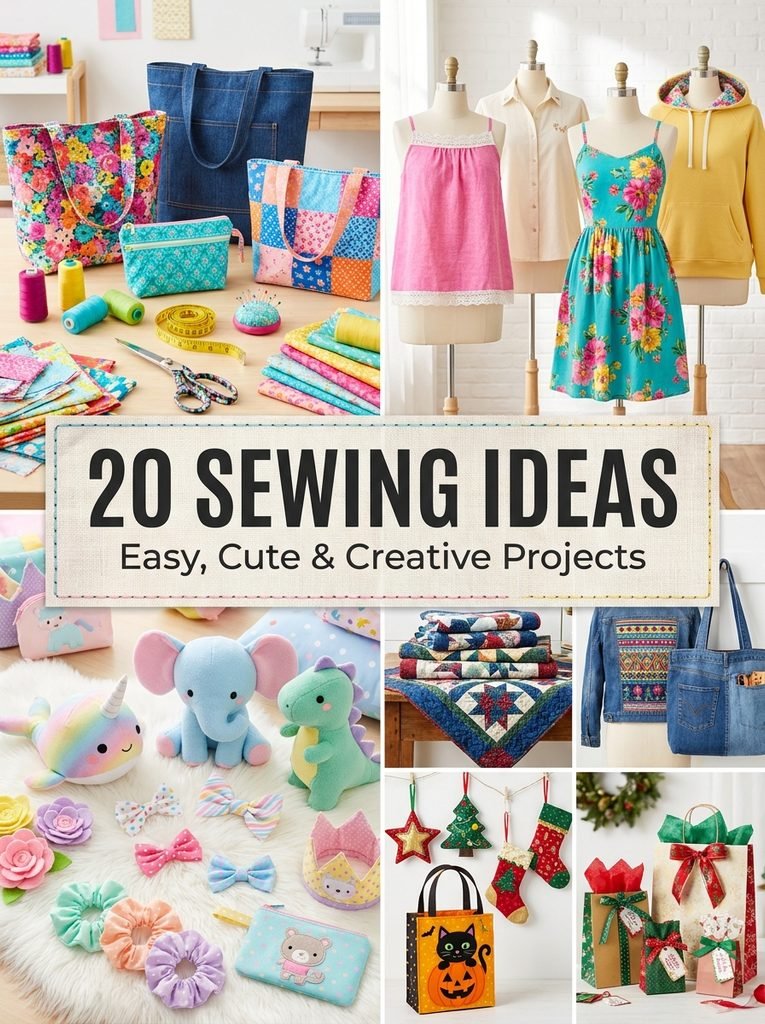
There is something satisfying about turning a piece of fabric into something useful. You measure it, cut it, stitch it, and slowly watch an idea take shape. A simple square of fabric can become a bag, a shirt, a toy, or even a handmade gift. That is why sewing ideas appeal to both complete beginners and experienced makers. You can start with a small project and learn one skill at a time. The Sewing & Craft Alliance notes that basic sewing tools such as measuring tools, needles, pins, seam rippers, and an iron can make each step easier and more accurate. This guide brings together 20 projects with different skill levels and styles. You will find easy crafts, cute projects for kids, clothing, patchwork, denim, seasonal projects, and practical items you can even sell.
1. Easy Fabric Tote Bag
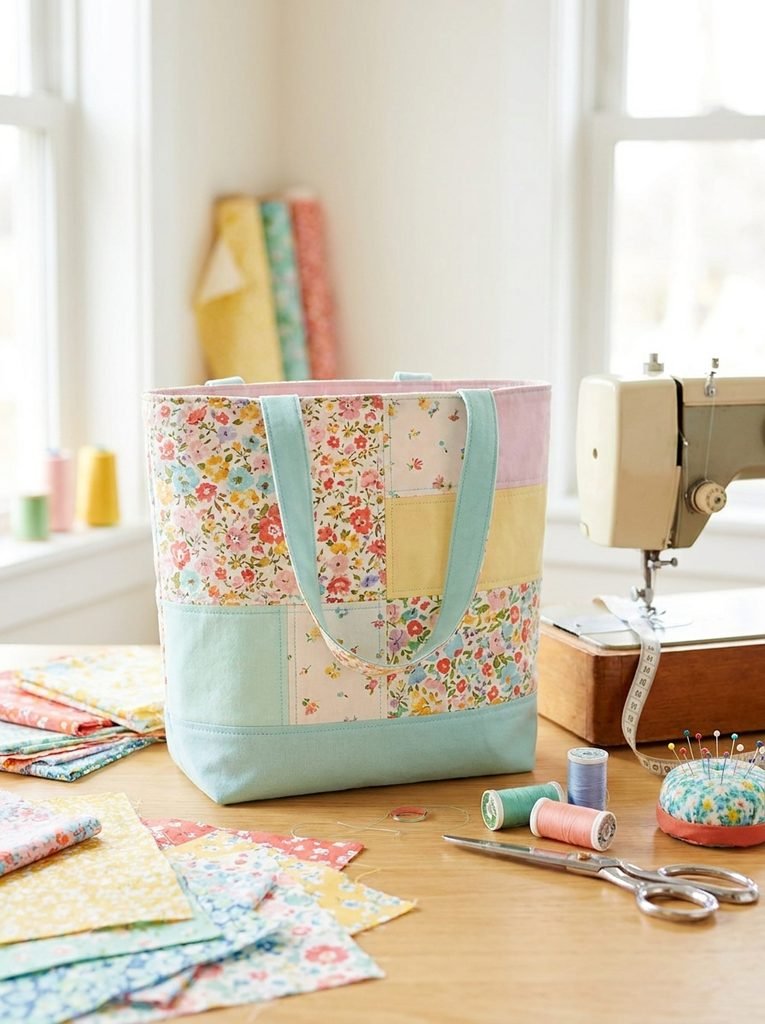
A fabric tote makes a great first project because the shape stays simple. Cut two matching fabric pieces, sew the sides and bottom, then add two sturdy handles. Cotton fabric works well for a basic tote, while colorful prints can make the project more personal. This is one of the most useful sewing ideas for beginners because it teaches straight seams, turning edges, pressing, and handle placement. The Sewing & Craft Alliance also lists bags and carryalls among its free sewing project resources.
2. Patchwork Cushion Cover
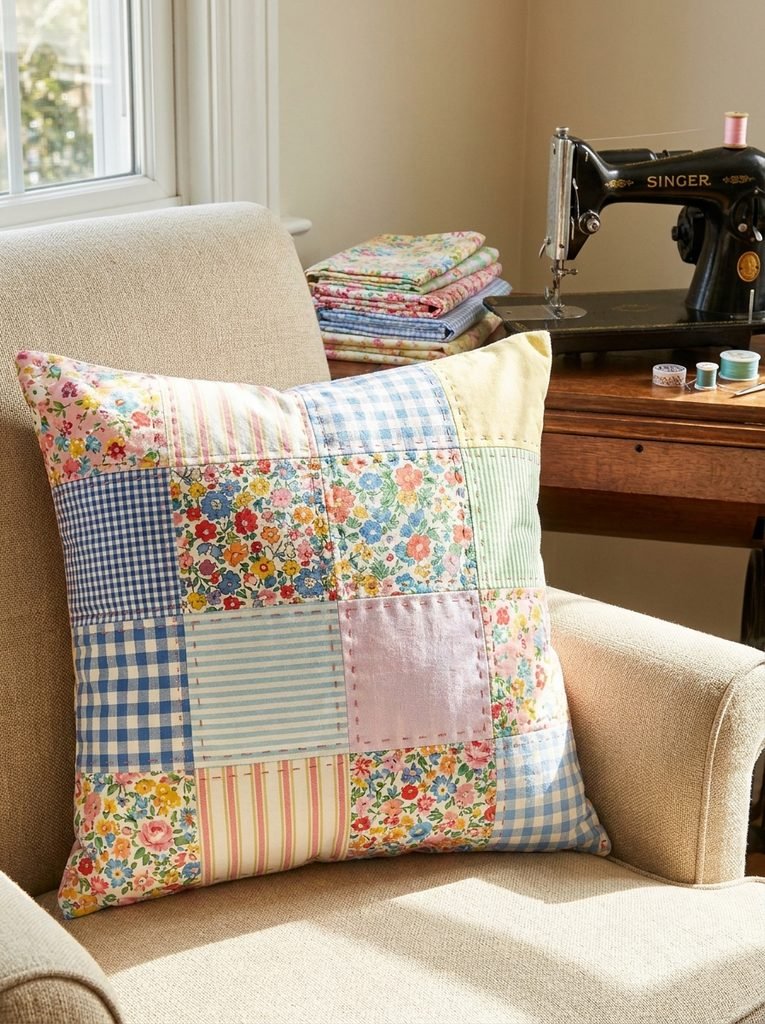
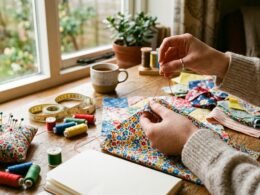
Patchwork lets you use several small fabric pieces instead of one large piece. Combine florals, checks, stripes, and solid colors into a simple square design. Sew the pieces together, press each seam, then turn the finished panel into a cushion cover. This project helps beginners understand seam matching and fabric direction. The Sewing & Craft Alliance also provides free quilting projects that include beginner quilts, quilt blocks, pillows, and decorative pieces.
3. Felt Flower Brooch
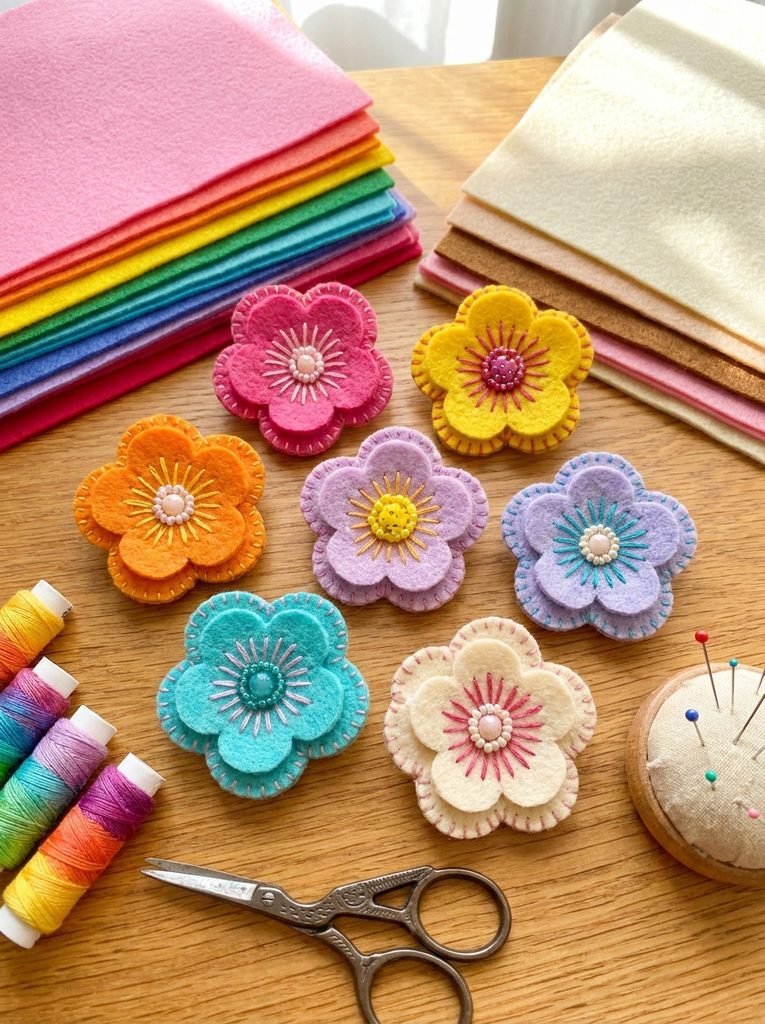
Felt is easy to cut and does not require the same edge finishing as many woven fabrics. Cut several flower shapes, layer them, and stitch or secure them together. Add a brooch pin to the back. Choose bright colors for a playful look or muted tones for an aesthetic accessory. This small project also makes a thoughtful handmade gift.
4. Simple Fabric Scrunchies
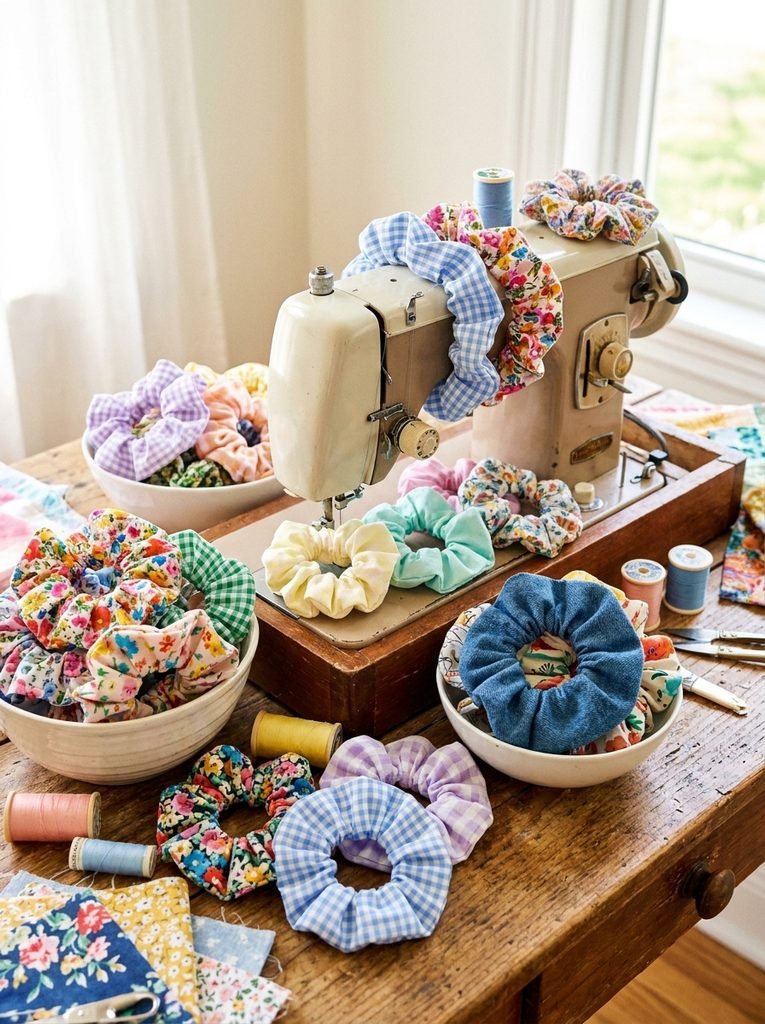
Scrunchies require only a small strip of fabric and elastic. They are quick to sew and make excellent practice for turning narrow fabric tubes and closing small openings neatly. Make several using different prints. You can create floral, denim, satin, cotton, or cute pastel versions. A small set can also become an easy product if you want to sell handmade accessories.
5. Denim Pocket Organizer
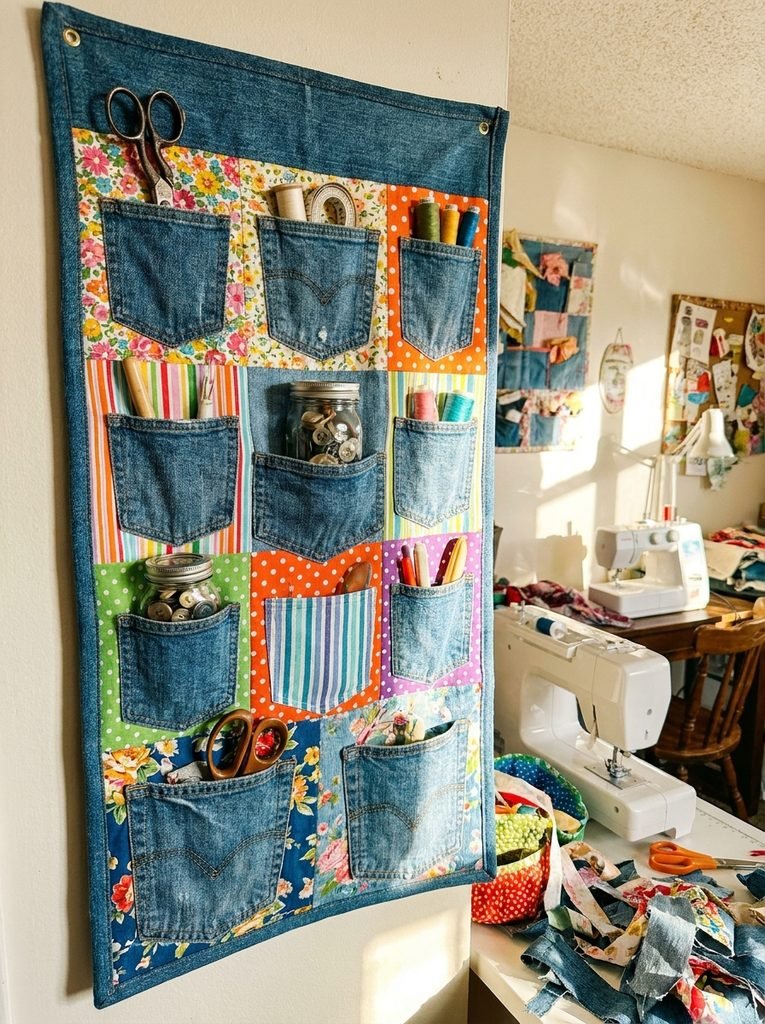
Old jeans can become useful again. Cut out the back pockets and attach them to a fabric panel or wooden backing. You can create a wall organizer for scissors, stationery, sewing tools, or small accessories. This project is a smart way to reuse denim while practicing straight stitching and decorative seams. Add colorful patchwork pieces around the pockets for extra character.
6. Beginner Pillow Cover
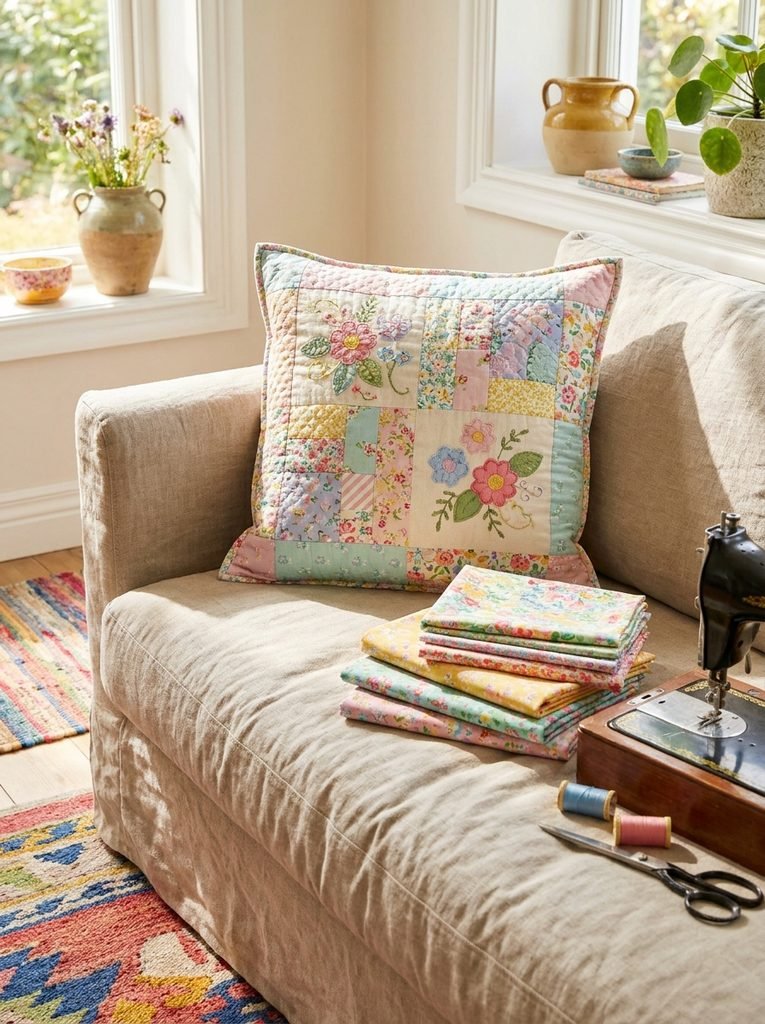
A pillow cover can teach several important skills without requiring complicated shaping. Start with a simple square or rectangle. Add an envelope closure so you can remove the cover for washing. Try floral cotton for a fresh room, neutral linen for a minimalist style, or colorful prints for a cute children’s space.
7. Cute Plushie
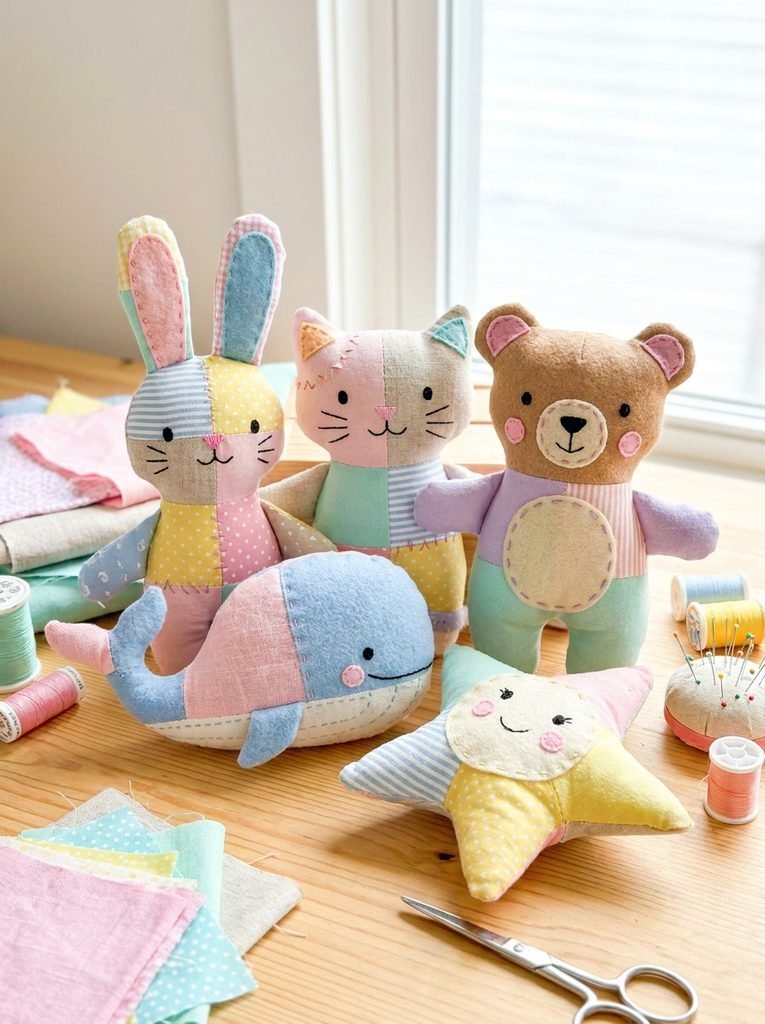
Sewing small plushies lets you experiment with shapes without needing much fabric. Start with a simple animal such as a cat, bunny, bear, whale, or star. Draw the shape on paper first. Transfer it to fabric, cut two matching pieces, sew around the edge while leaving an opening, then turn and fill it. Add facial details carefully. The Sewing & Craft Alliance has free sewing projects for dolls, toys, games, and cuddly plush animals, showing how fabric and basic notions can become playful projects.
8. Easy Kids’ Apron
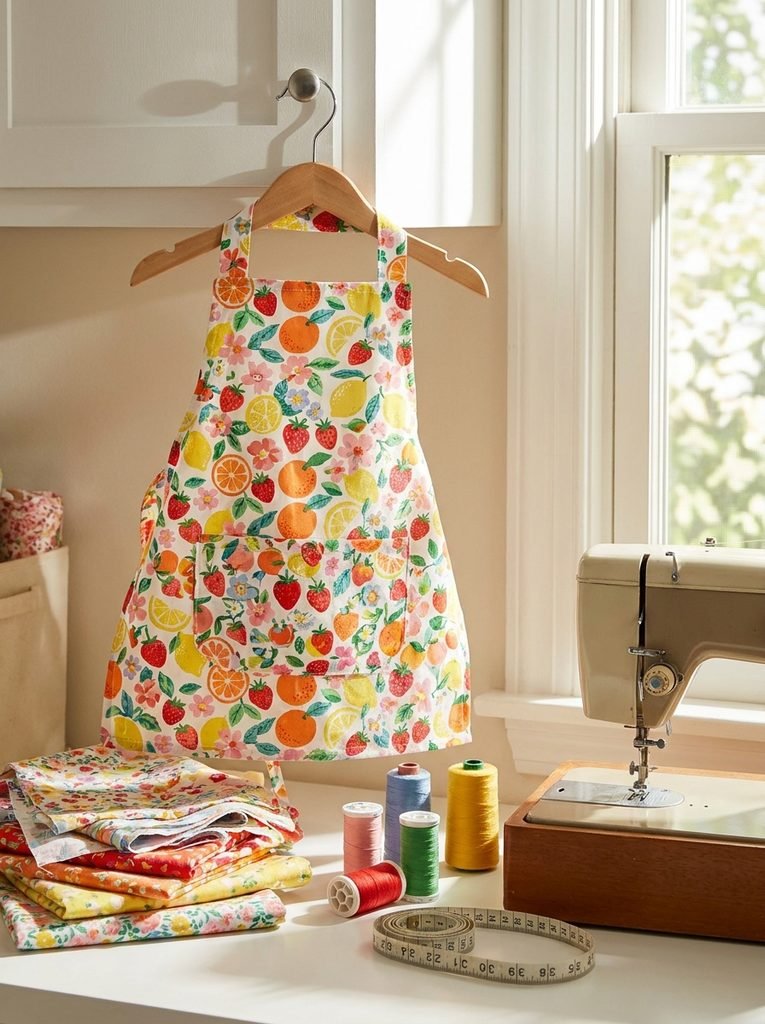
A small apron is a practical project for kids. Use a fun cotton print and keep the shape simple. Add a large front pocket for crayons, cooking tools, or small craft supplies. The Sewing & Craft Alliance’s children’s sewing resources include aprons, hats, bags, pillows, clothing, and other beginner-friendly projects.
9. Fabric Hair Bow
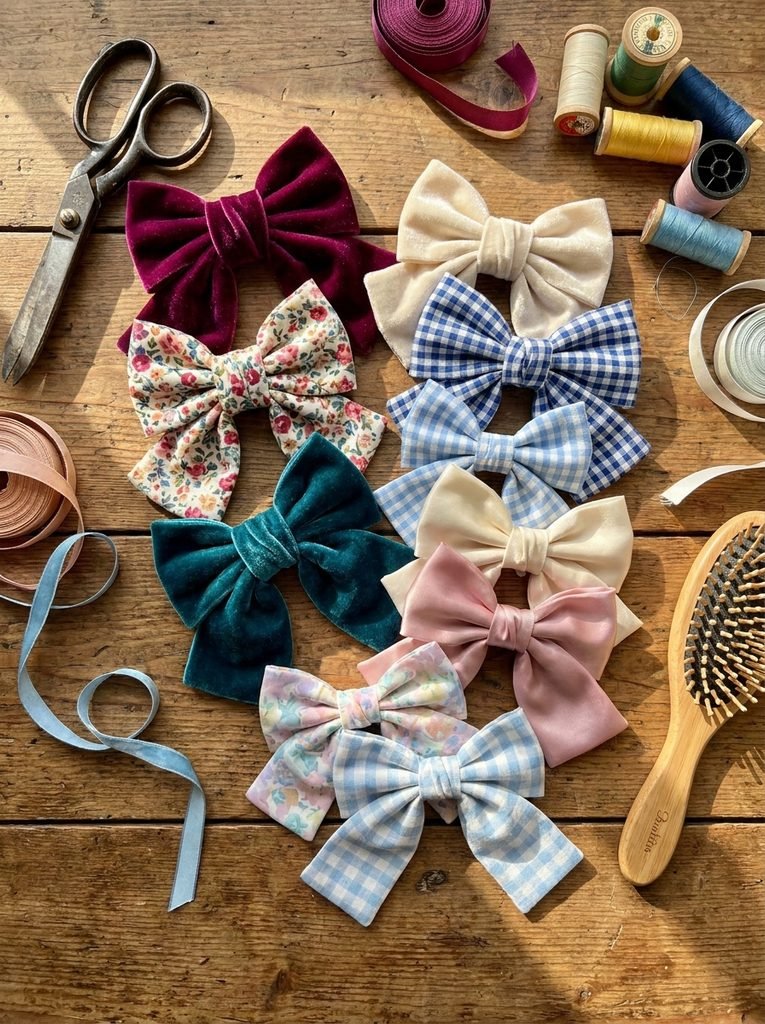
A fabric bow is a small project with a polished result. Cut two rectangles, sew them together, turn the fabric, and create the center band. Attach the finished bow to a clip or headband. Use velvet for a richer look, cotton for everyday wear, or bright prints for children. Several matching bows can become a small handmade collection.
10. Simple Denim Tote
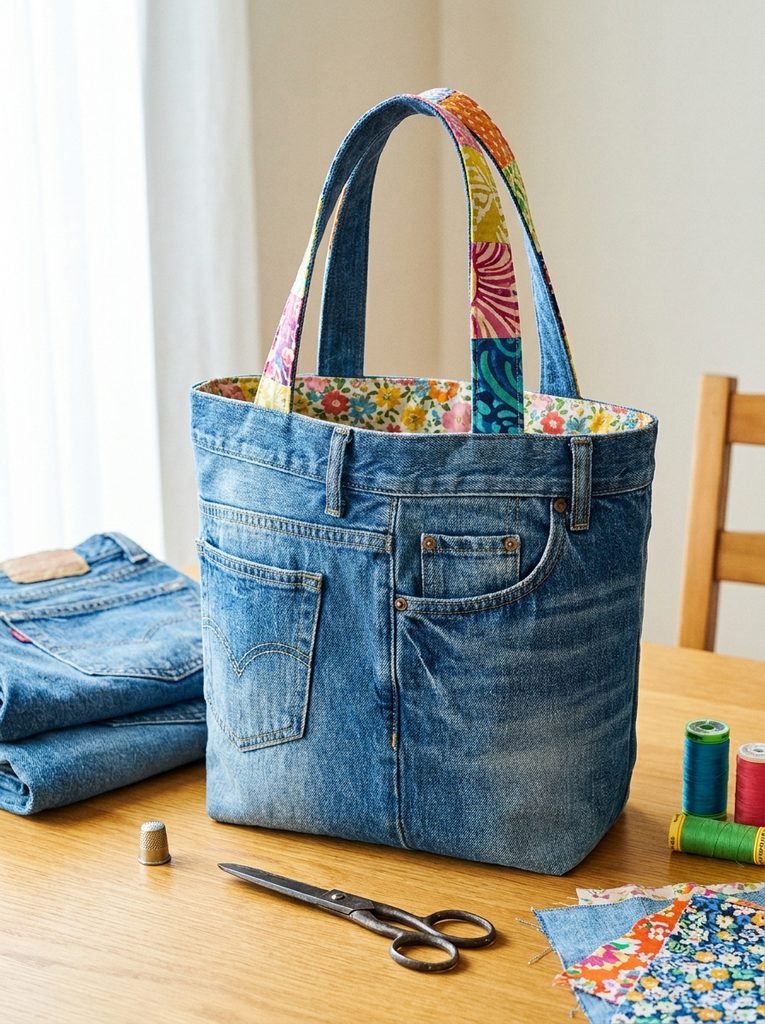
Turn an old pair of jeans into a sturdy tote. Reuse the existing waistband or pockets as decorative details, depending on the construction. The heavier denim gives the finished bag a structured appearance. Add a colorful fabric lining or patchwork handles to make the design unique.
11. Simple Summer Top
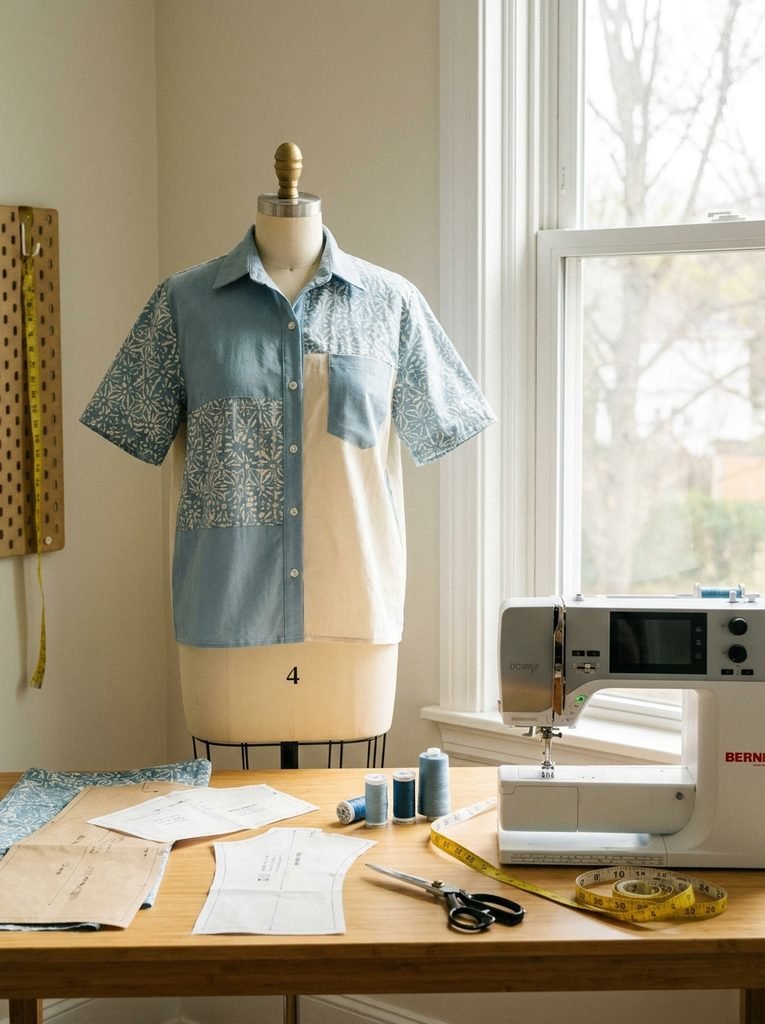
A loose summer top makes a great step into clothing. Choose a simple pattern with limited shaping and lightweight fabric. Cotton lawn, linen blends, and similar fabrics can create a comfortable warm-weather piece when the pattern calls for them. Before cutting, check your measurements and the pattern’s finished measurements. The Sewing & Craft Alliance’s fashion sewing resources include beginner-friendly garments and summer clothing projects.
12. Beginner Shirt
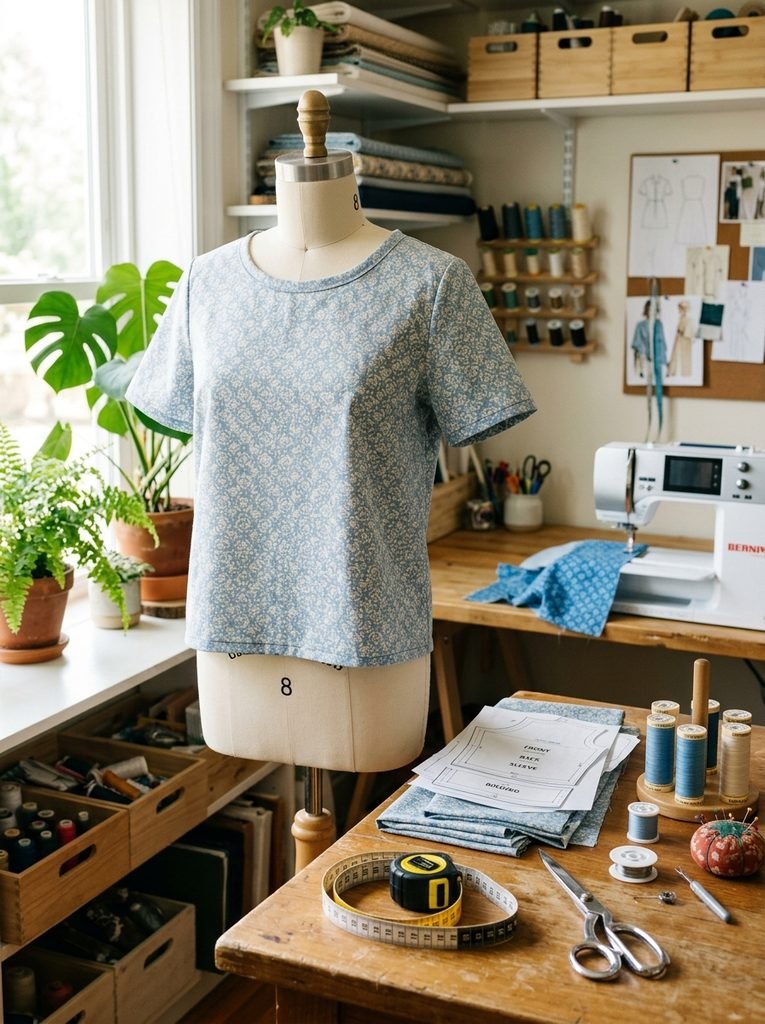
A basic shirt can become a rewarding project once you feel comfortable with seams and hems. Choose a loose silhouette rather than a fitted style for your first attempt. Read the pattern before cutting. Mark important points clearly and sew slowly around curves. Small steps make clothing construction much easier to understand.
13. Simple Summer Dress
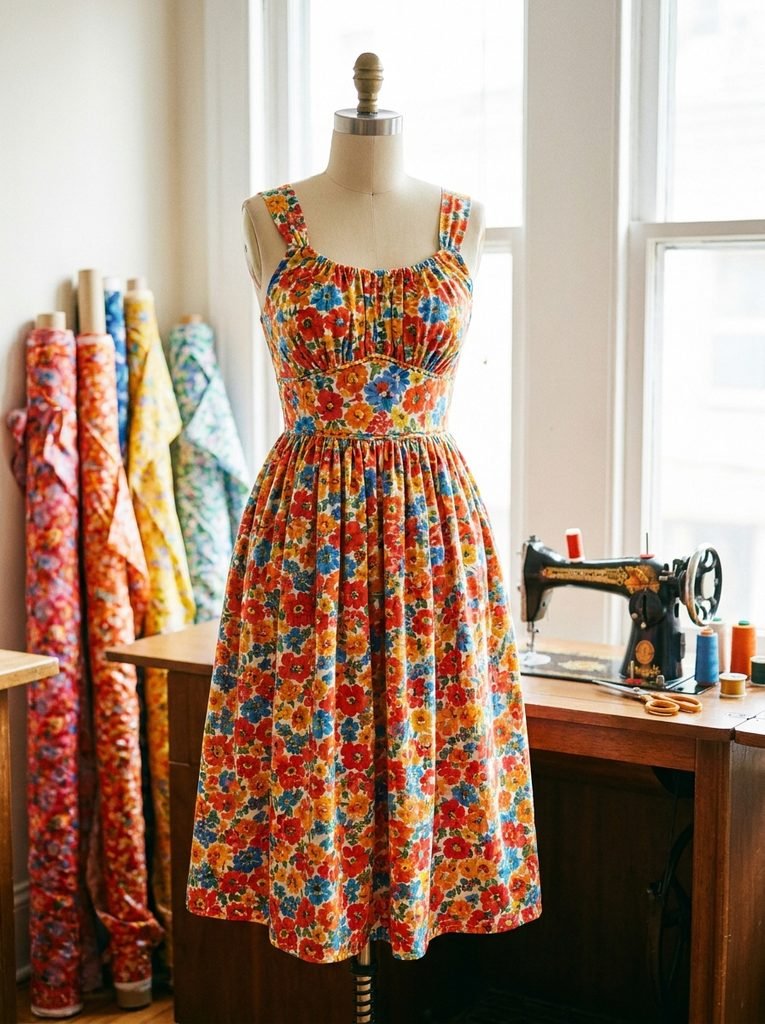
A loose dress can be a beautiful seasonal project. Look for a beginner pattern with simple seams, minimal shaping, and clear instructions. Choose a cheerful floral print or solid pastel fabric. Take time to press seams as you work. Good pressing can make homemade clothing look much more polished. The Sewing & Craft Alliance’s basic tools guide recommends pressing seams as part of the sewing process.
14. Easy Hoodie
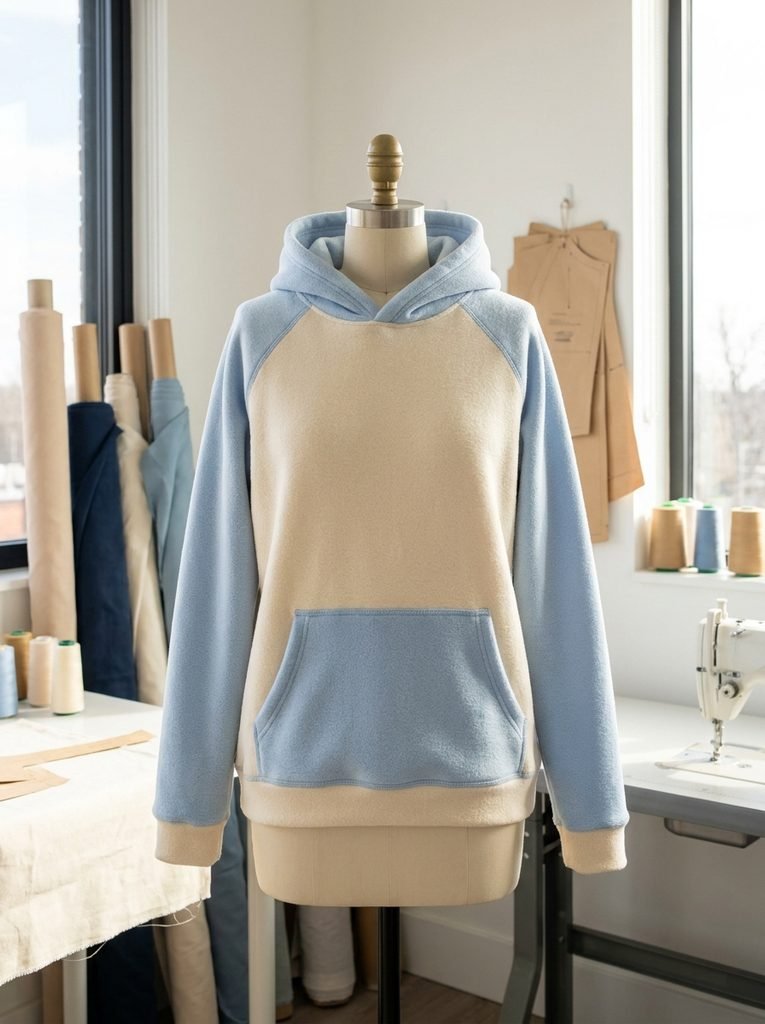
A hoodie is more advanced than a tote or pillow, but a simple loose pattern can make it approachable. Choose a pattern designed for your experience level and use fabric that matches its recommendations. Start with careful measuring and fabric preparation. The goal is not speed. It is learning how each piece connects.
15. Reworked Denim Jeans
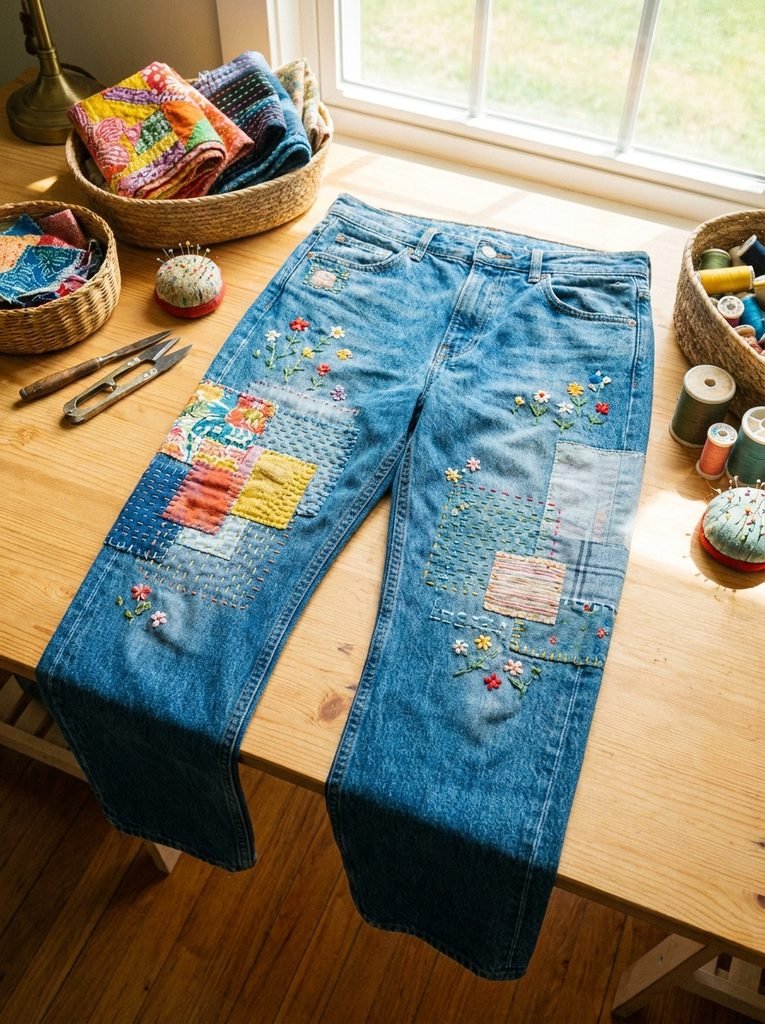
Give old jeans a fresh purpose by adding fabric panels, embroidery, patches, or decorative stitching. You can turn plain denim into something completely different without buying a new garment. This project works well for people who enjoy aesthetic streetwear and creative upcycling. Start with small changes before attempting major alterations.
16. Christmas Fabric Decorations
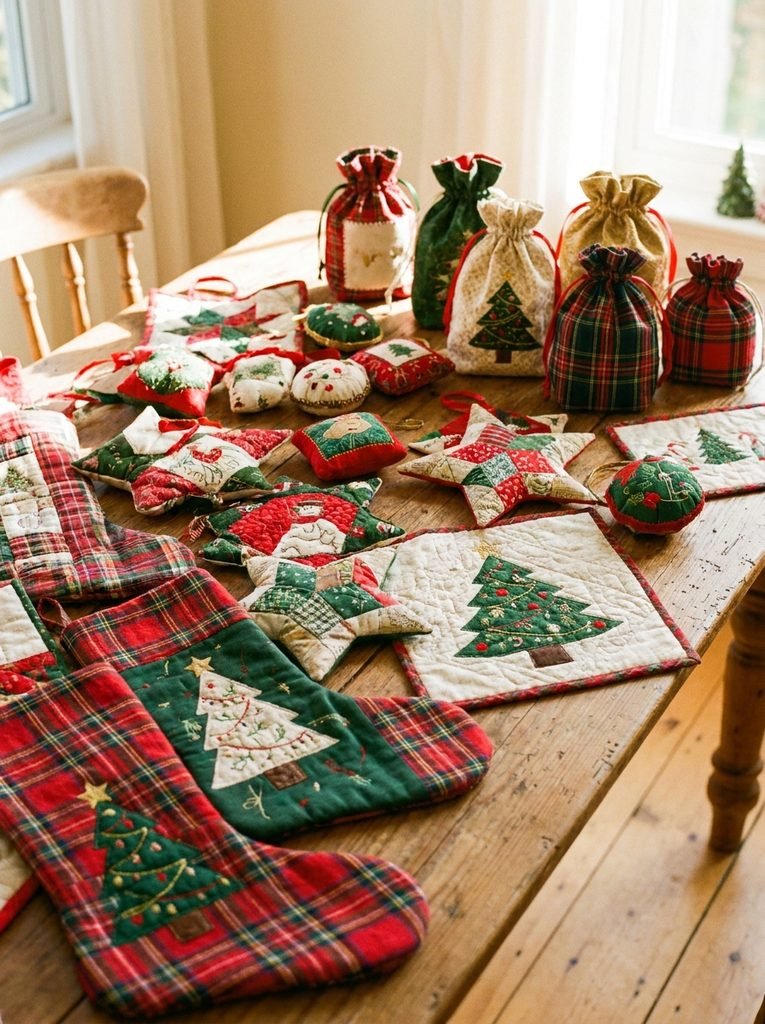
Christmas gives you plenty of small projects to practice. Sew stars, stockings, trees, ornaments, or festive table decorations using cotton, felt, or other suitable fabrics. Use red, green, cream, gold, and plaid for a traditional look. You can also create personalized ornaments as handmade gifts for family and friends.
17. Halloween Trick-or-Treat Bag
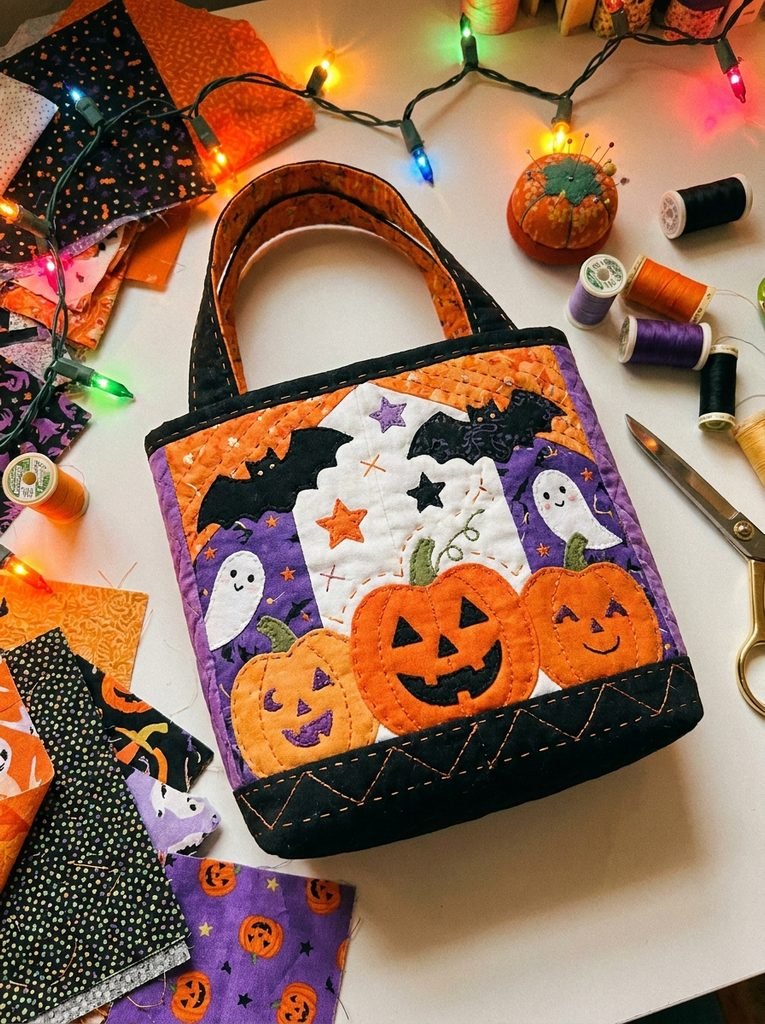
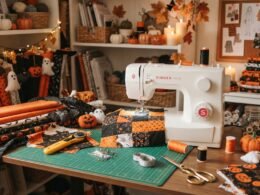
Make Halloween more personal with a reusable fabric trick-or-treat bag. Add pumpkin faces, bats, ghosts, or simple appliqué shapes. Use orange, black, purple, and white fabric. Keep the handle strong enough for the treats the bag will carry.
18. Felt Christmas Stocking

A felt stocking is a simple seasonal project. Cut two stocking shapes, sew around the edges, and add a hanging loop. Decorate it with stars, snowflakes, names, or small fabric appliqués. Choose thick felt and keep the decorations secure. The finished stocking can become part of your family’s holiday tradition.
19. Small Handmade Gift Set
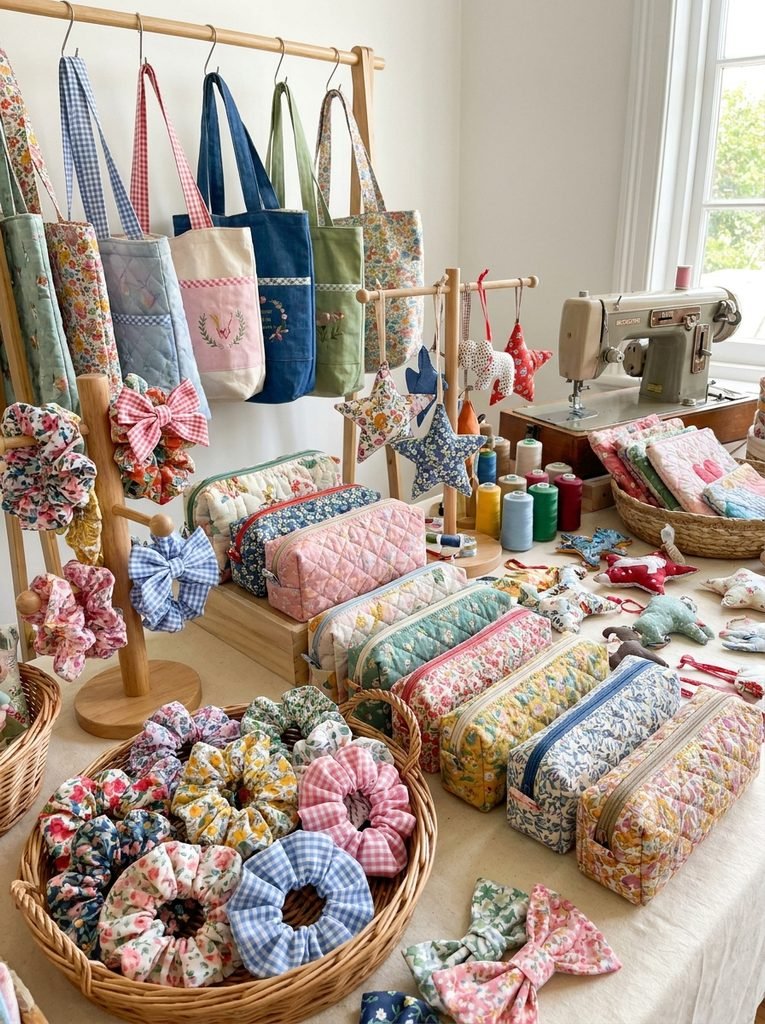
If you want to sell handmade products, start with small items that do not require much fabric. Scrunchies, bows, pouches, tote bags, pencil cases, and fabric ornaments can become a coordinated collection. Create several versions using one color theme. This gives your products a recognizable look while letting customers choose their favorite design.
20. Personalized Fabric Gift Bag
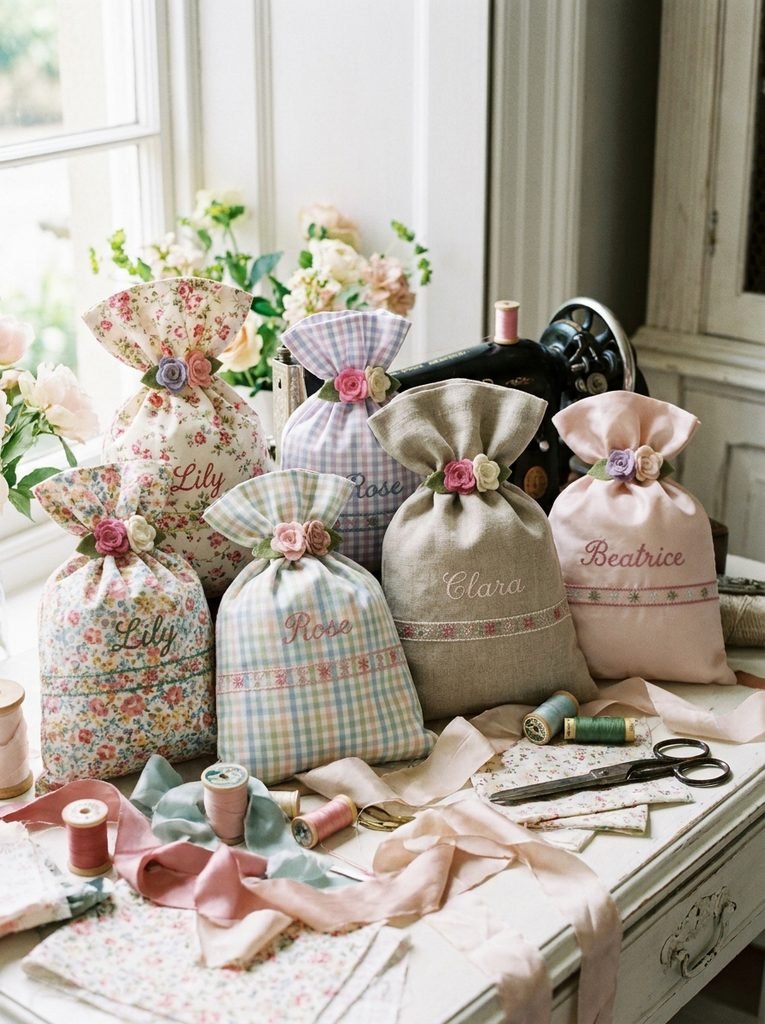
A reusable fabric gift bag can become part of the present itself. Add a drawstring, ribbon closure, or simple handle. Personalize it with initials, flowers, stars, or a small felt appliqué. This project works for birthdays, Christmas, weddings, baby gifts, or everyday presents. It also gives beginners a chance to practice neat seams and finishing.
How to Start Sewing as a Beginner
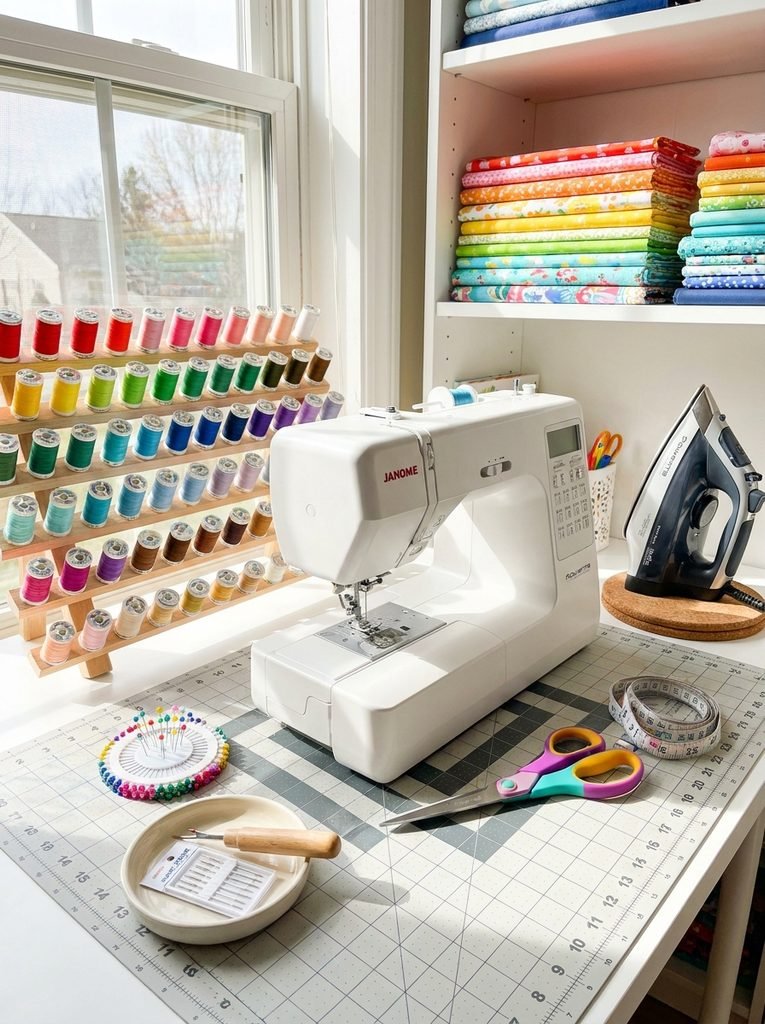
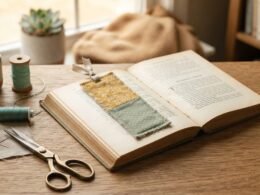
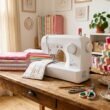
You do not need a large collection of equipment to begin. A basic sewing machine, fabric scissors, measuring tape, pins, needles, thread, seam ripper, iron, and a suitable needle can cover many beginner projects. The Sewing & Craft Alliance explains that the correct tools can make sewing easier and improve the outcome of each step. It also recommends choosing the needle according to the fabric weight and type. Start with straight lines. Practice on fabric scraps before cutting your favorite material. Once your seams look consistent, move to small projects such as a pouch, tote, or cushion cover.
Choosing a Sewing Machine
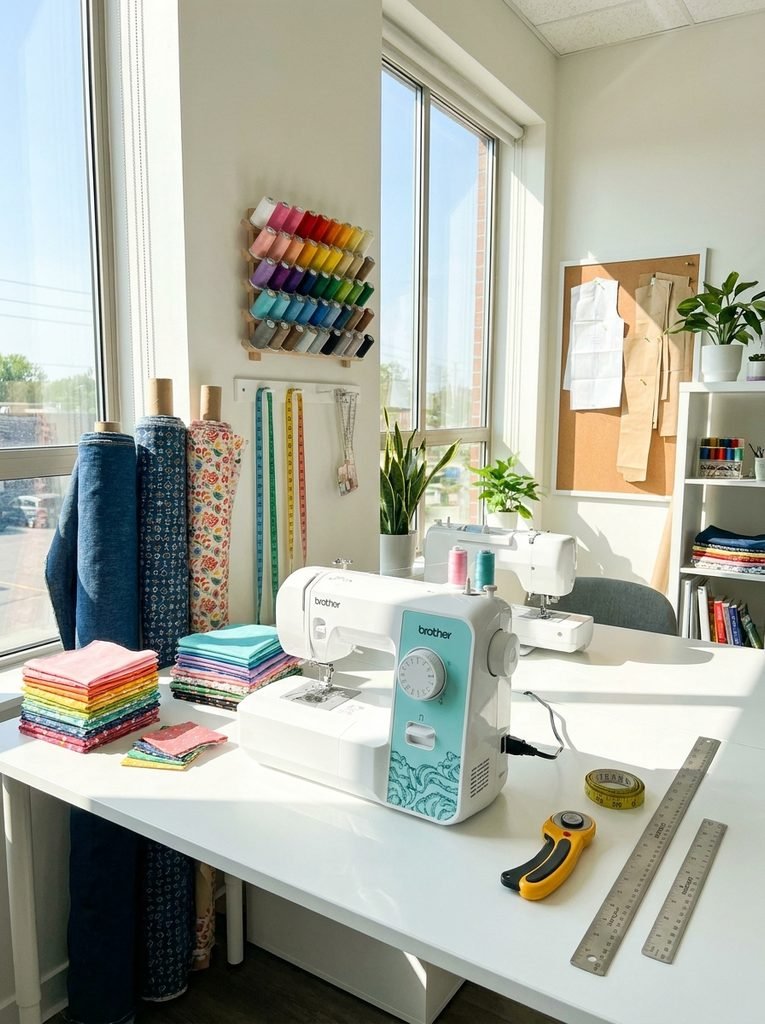
A beginner machine does not need hundreds of decorative stitches. The Sewing & Craft Alliance explains that useful basics include straight and zigzag stitches, while other useful functions can include buttonholes, blind hems, mending, and reverse stitching. Think about what you actually want to make. If you plan to sew lightweight tops, choose a machine suited to those fabrics. If you want to work with denim or several layers, test the machine with similar materials before buying it. The organization recommends testing a machine on the types of fabrics you expect to sew.
How to Make Sewing Projects Look Professional
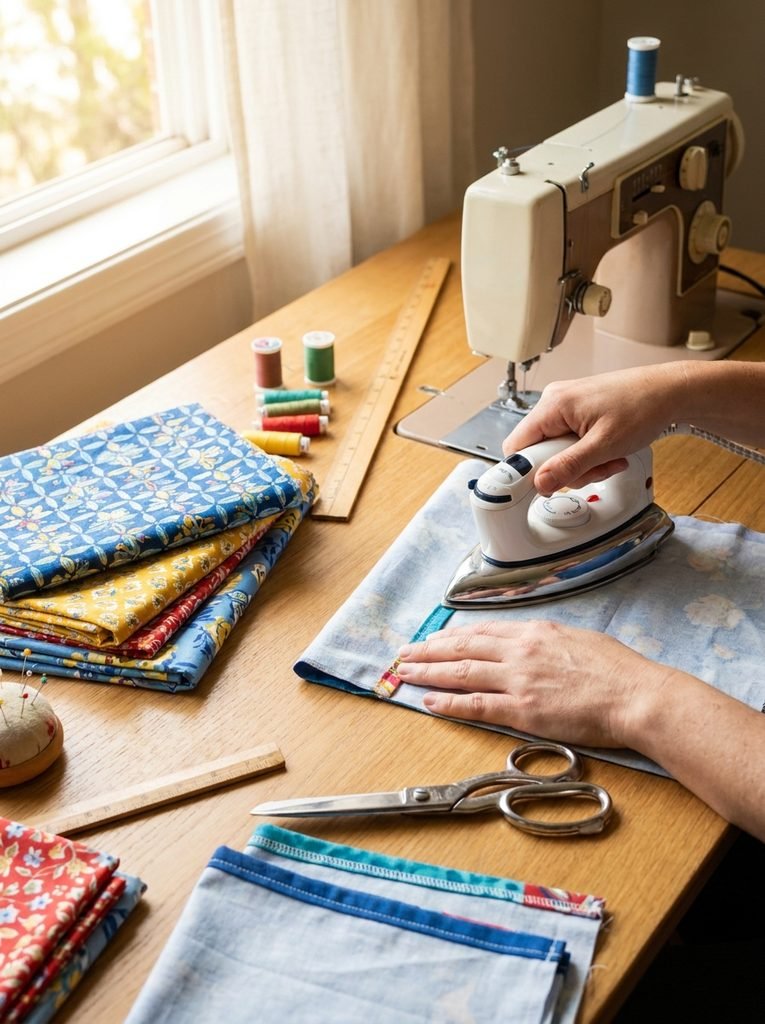
Good results often come from small habits. Measure twice before cutting. Keep your seam allowance consistent. Press seams as you work instead of waiting until the end. The Sewing & Craft Alliance specifically recommends pressing seams during sewing and notes that a clean pressing routine can improve the final appearance of a project. Also inspect the inside of the project. Trim loose threads, reinforce areas that receive stress, and make sure hems look even. These details can turn a simple beginner project into something you feel proud to use or give away.
Final Thoughts on Sewing Ideas
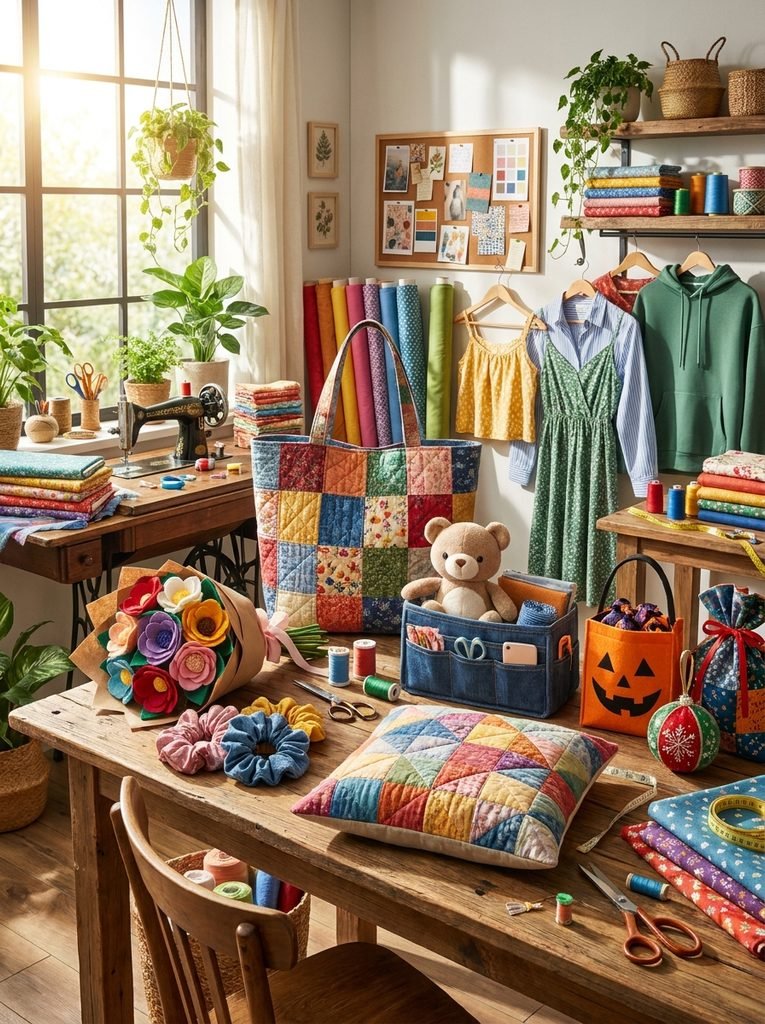
The best sewing ideas are not always the most complicated ones. A small tote can teach you straight seams. A scrunchie can teach you how to handle narrow fabric. A plushie can teach you curves. A shirt can teach you how several pieces come together. Start with something you genuinely want to make. Keep your first project manageable. Then repeat the skills with a new fabric or design. Soon, those first simple projects can lead to clothes, bags, patchwork, seasonal decorations, plushies, and even products you can sell. The important part is to keep learning, keep experimenting, and let every project teach you something new.