


This post may contain affiliate links. Please read my disclosure policy.
In This Article Show
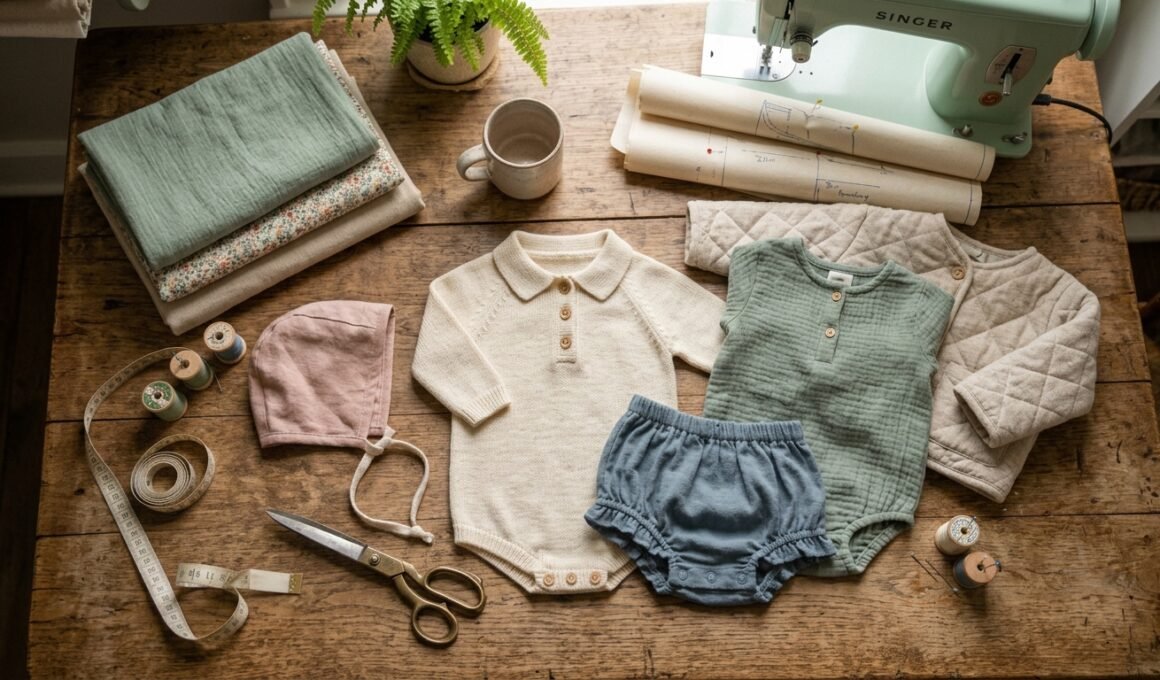
Making a tiny outfit for a baby feels different from making regular clothes. The fabric is smaller, the details matter more, and every finished piece feels personal. A simple romper can become a favorite summer outfit, while a soft jacket can keep a little one cozy on a cold day. With the right pattern, even a beginner can create beautiful handmade clothes at home. These baby clothes patterns sewing ideas focus on simple shapes, practical details, and projects that help you build confidence one stitch at a time.
18 Baby Clothes Patterns Sewing Ideas for Beginners
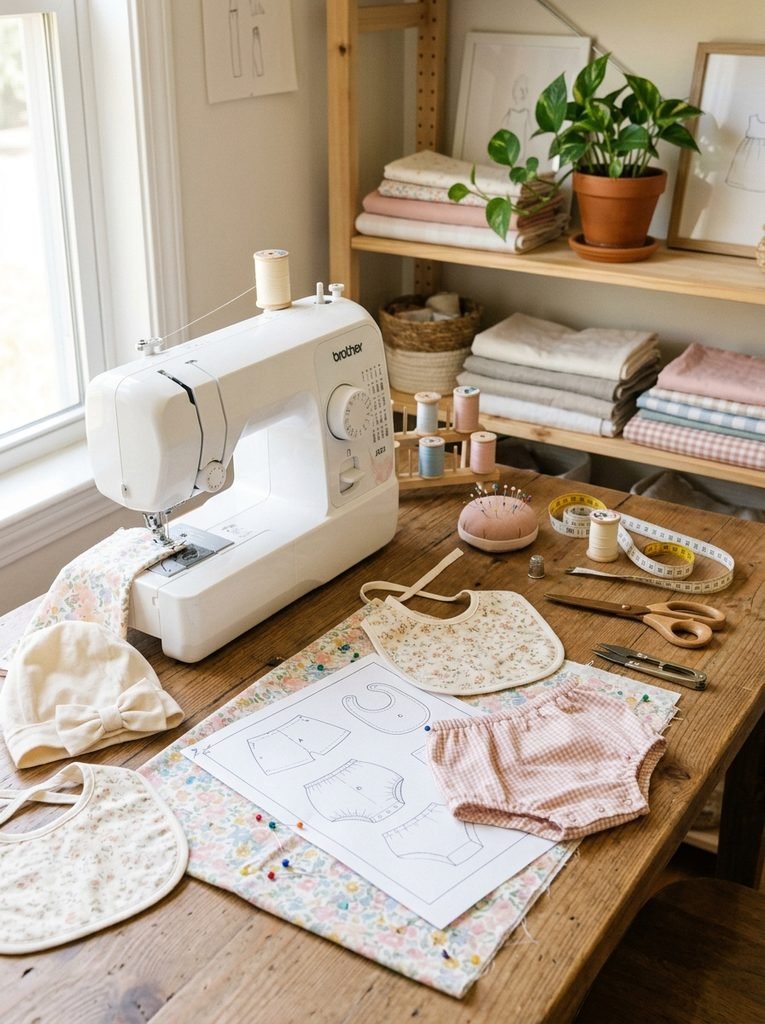
The easiest way to begin is to choose a garment with a simple shape. A pair of bloomers, a basic bib, or a loose top can teach you how to read a pattern, cut fabric, sew seams, and finish edges. You can then move toward a free printable pattern with more pieces or try a more detailed newborn outfit. Free sewing resources also include baby clothing, bibs, bonnets, blankets, and other projects, so beginners have many options before moving into complicated garments.
1. Simple Newborn Romper
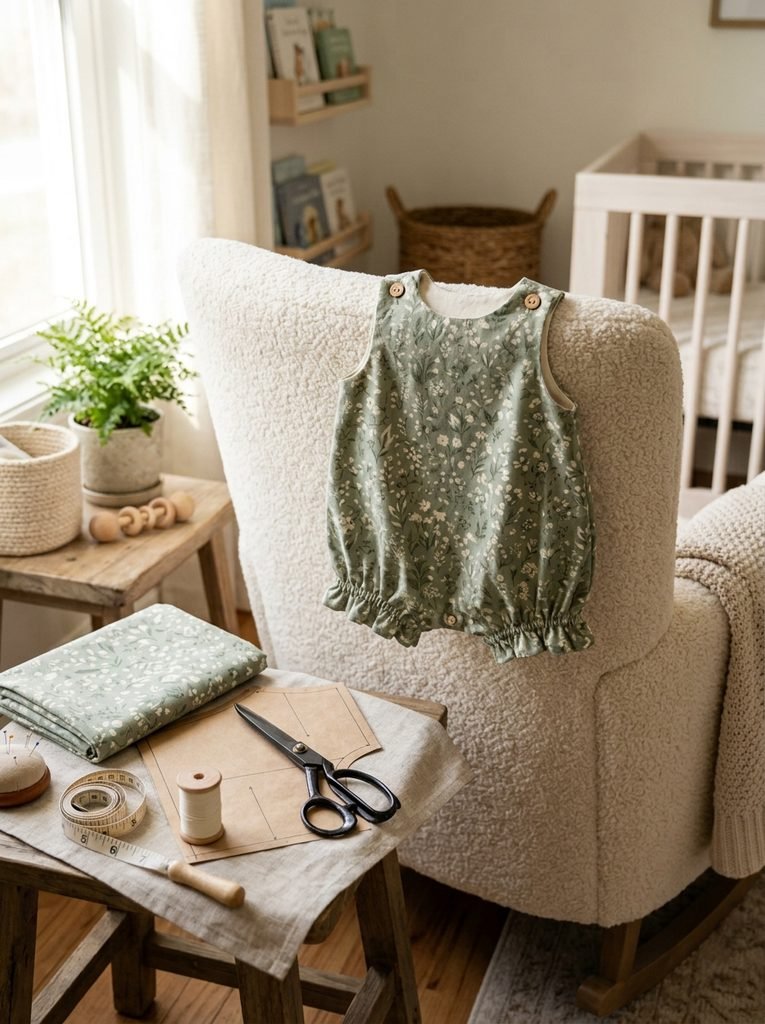
A romper makes a wonderful first garment because it combines comfort with a manageable shape. Choose a simple pattern with clear seam lines and an easy opening. Soft cotton jersey or lightweight woven cotton can work well depending on the pattern instructions. If you are new to sewing, avoid adding too many pockets, trims, or decorative pieces on your first attempt. Focus on clean seams and comfortable edges. A free newborn pattern can also help you understand how small garment pieces fit together before you try larger sizes.
2. Easy Baby Bloomers
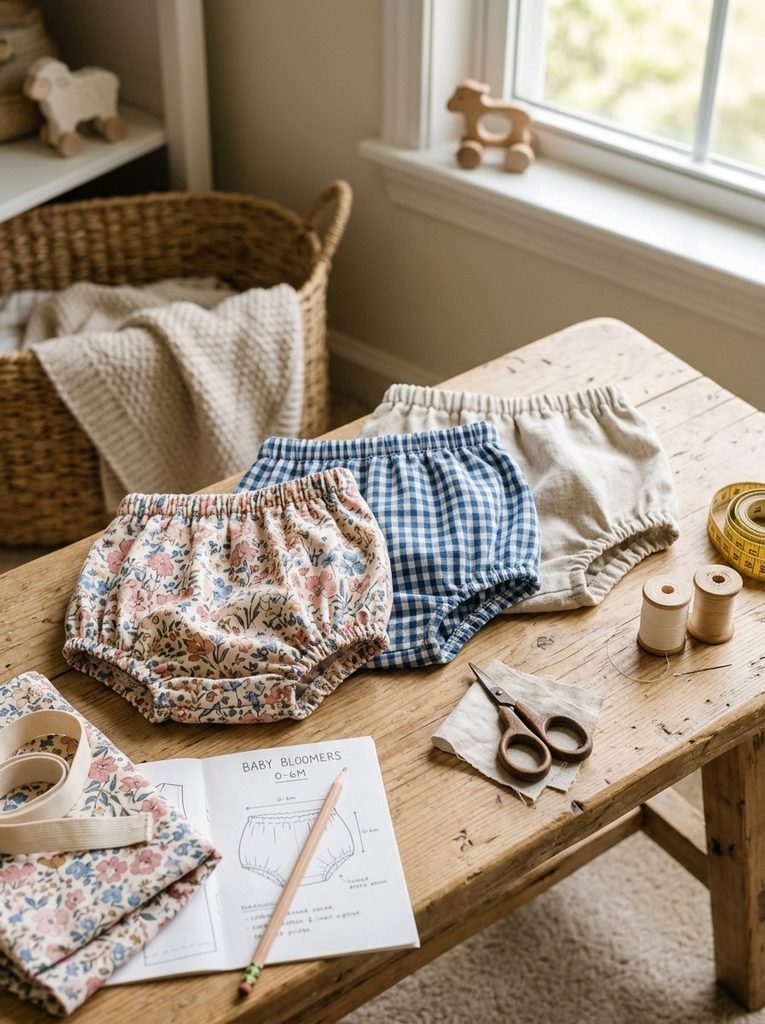
Baby bloomers are small, practical, and forgiving. Their simple shape makes them a good project when you want to practice elastic waistbands and leg openings without sewing a full outfit. Use lightweight cotton for warm weather or a slightly heavier fabric for cooler months. A pair of bloomers also looks adorable under a loose baby top or dress. Once you understand the basic construction, you can make several pairs from different prints and create a small handmade wardrobe.
3. Basic Baby Bib
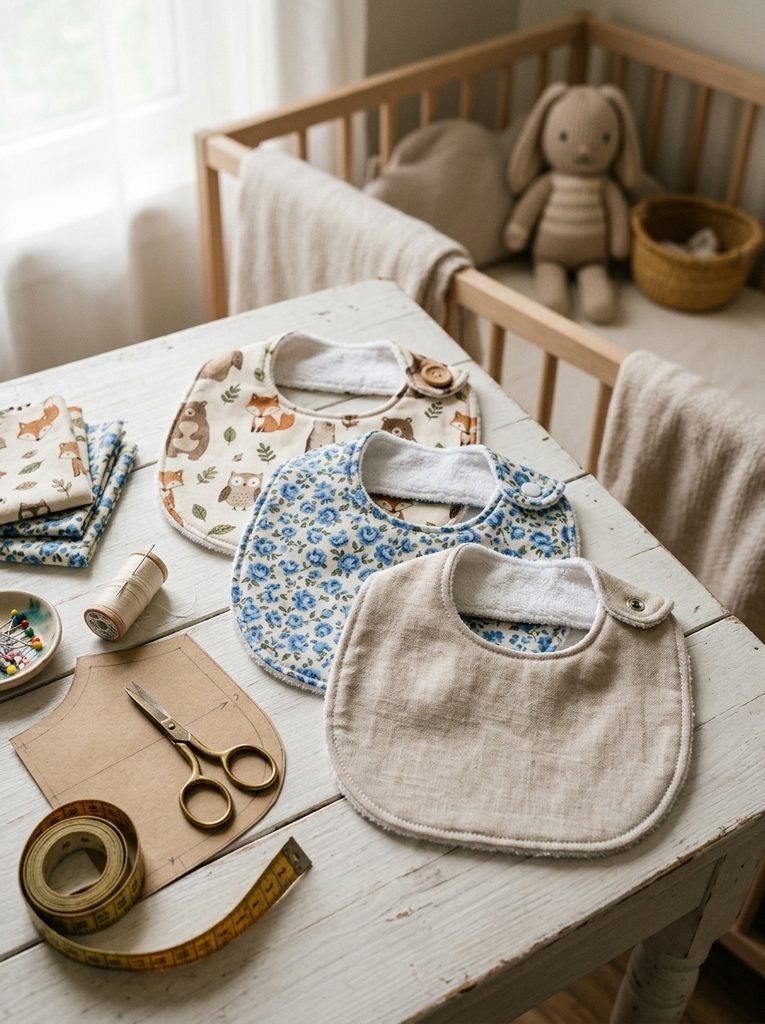
A bib is one of the simplest garments to sew and gives beginners a quick feeling of success. Choose a pattern with a smooth neckline and rounded edges. Cotton works well for the outer layer, while an absorbent inner layer can add practical value. You can make a set using animal prints, soft florals, or simple geometric designs. If you plan to use snaps, buttons, or other closures, make sure they attach firmly and suit the baby’s age and intended use.
4. Baby Bonnet
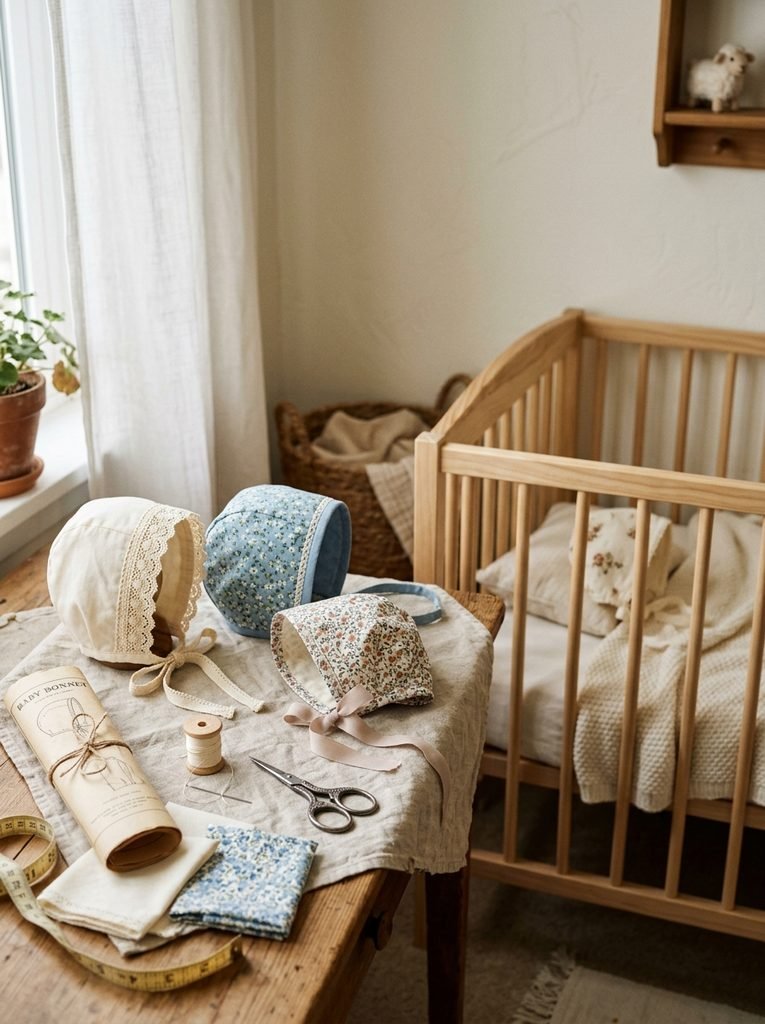
A bonnet adds a charming vintage touch to a baby’s outfit while giving you useful sewing practice. The pattern usually involves a few curved pieces, making it a good step after simple flat projects. Choose lightweight cotton for warmer weather and a softer fabric when the bonnet needs more coverage. A vintage style bonnet can look beautiful with tiny floral prints, embroidered details, or a simple contrasting trim. Keep the design comfortable and avoid loose decorative pieces.
5. Simple Baby Pants
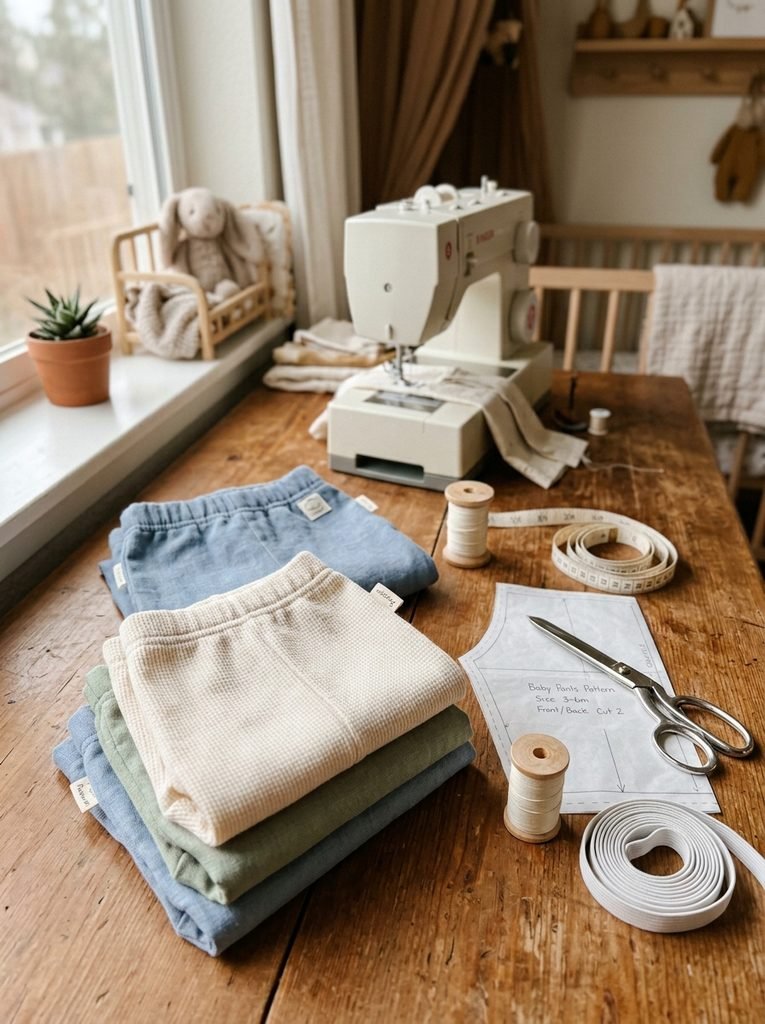
A pair of baby pants can teach several important sewing skills without requiring a complicated pattern. You will practice joining leg seams, creating a waistband, and finishing hems. Look for a pattern with a relaxed fit and clear instructions. A beginner can start with one fabric and later experiment with stripes, tiny prints, or neutral colors. For a newborn wardrobe, making two or three pairs in coordinating fabrics can give you useful everyday options.
6. Baby Summer Top
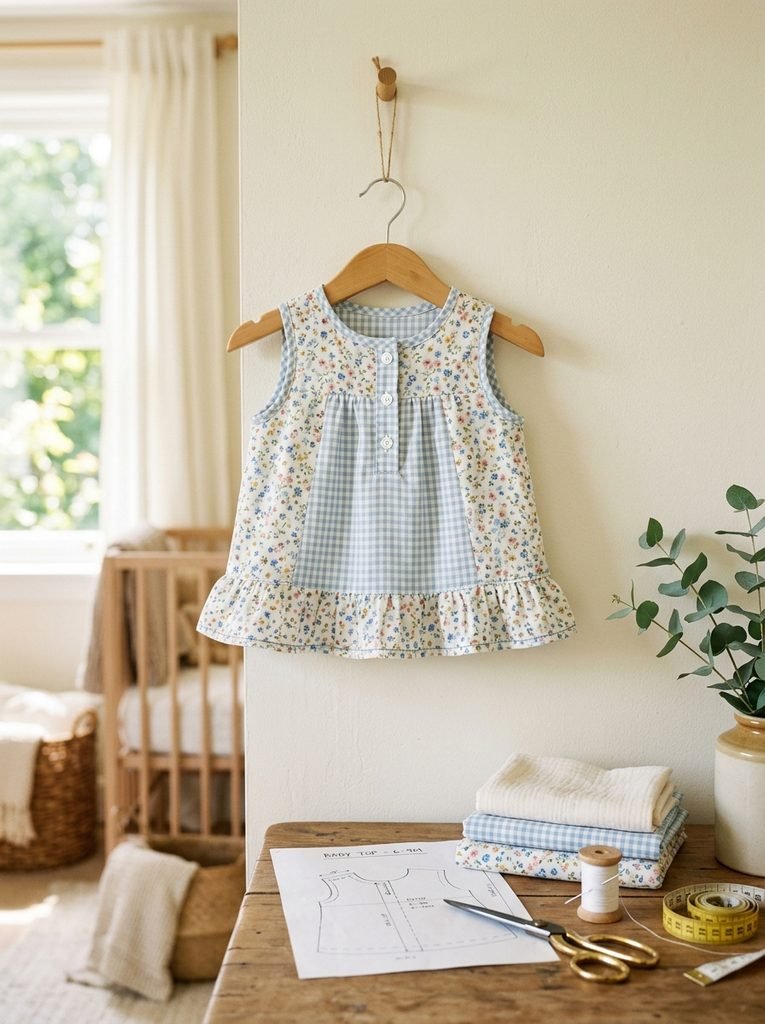
A loose summer top is a smart warm-weather project because it uses less fabric than a full outfit and often has a simple construction. Choose breathable cotton or another fabric recommended by the pattern. Keep the neckline comfortable and make sure the finished garment allows easy movement. A simple top can become more interesting through fabric choice rather than complicated decoration. Small floral prints, gingham, stripes, and soft solid colors all work beautifully for a handmade summer wardrobe.
7. Free Printable Baby Dress Pattern
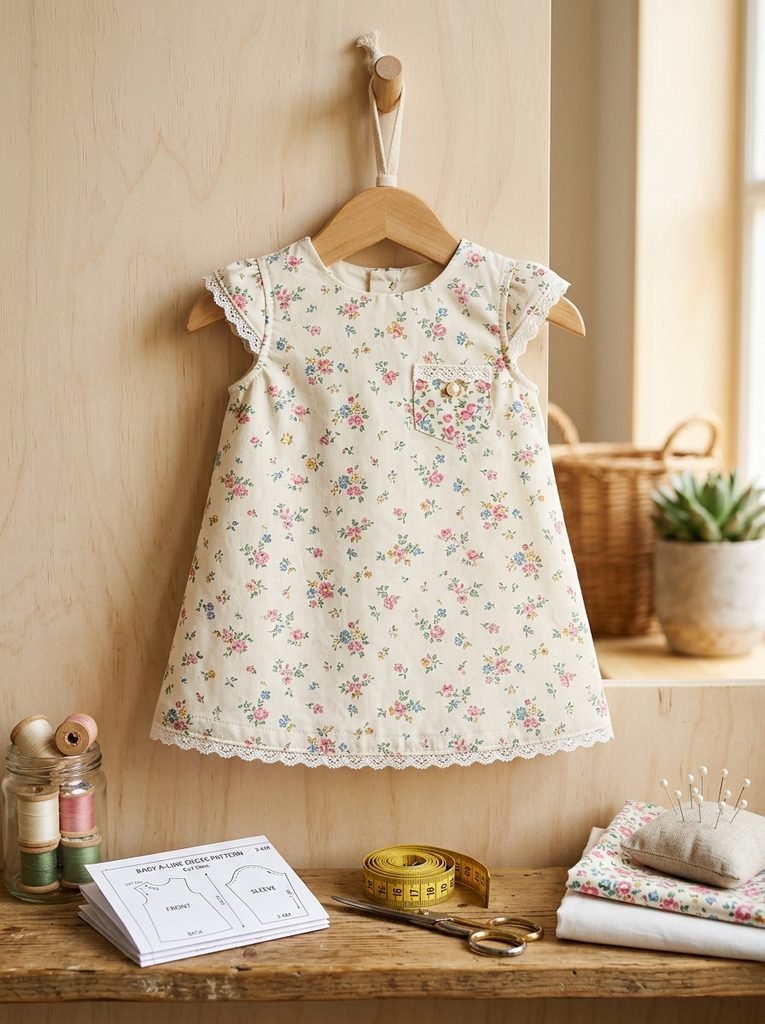
A simple baby dress can be a rewarding project when you want to learn how several pattern pieces work together. Look for a free printable design with clear cutting lines and a straightforward construction order. A loose cotton dress works especially well for warm weather. You can keep the shape plain or add a small pocket, contrasting hem, or fabric tie. Before cutting, print the pattern at its intended scale and check the test square if the pattern provides one.
8. Six-Month Baby Romper
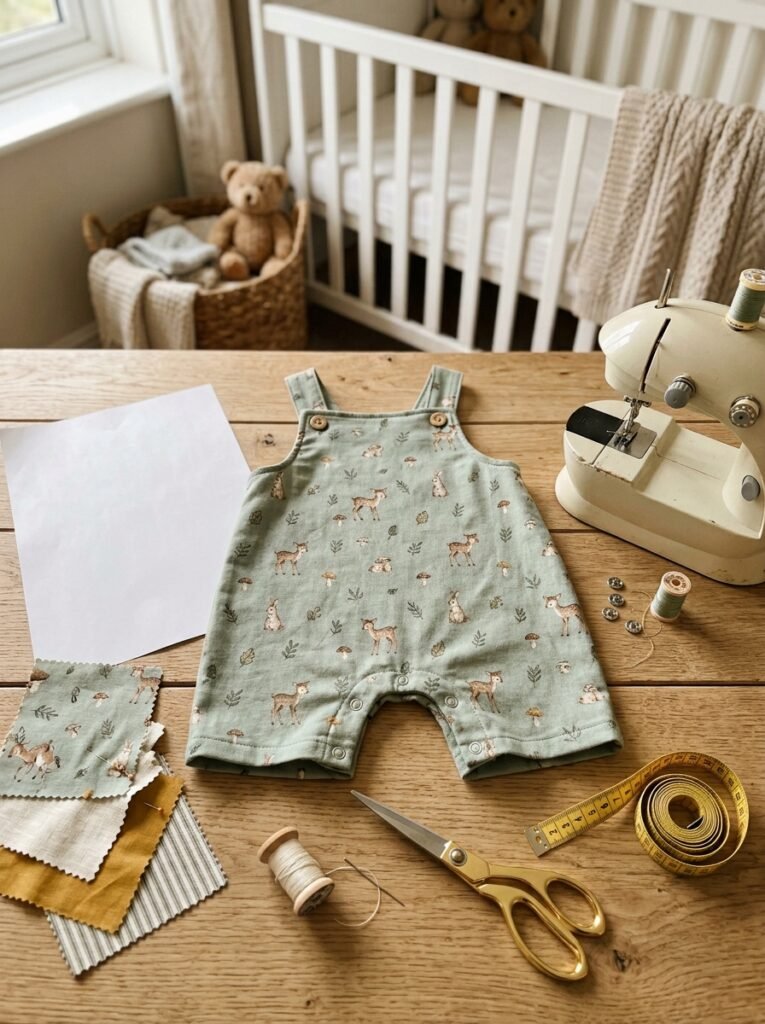
A 6 month romper can be a useful project because it gives you more room to practice garment construction than an extremely tiny newborn outfit. Choose a pattern with clear instructions for the neckline, leg openings, and closure. Soft cotton jersey can create a comfortable everyday piece when the pattern supports stretch fabric. Woven cotton can work well for structured designs. Make a test version from inexpensive fabric before cutting your favorite material.
9. Cozy Winter Baby Jacket
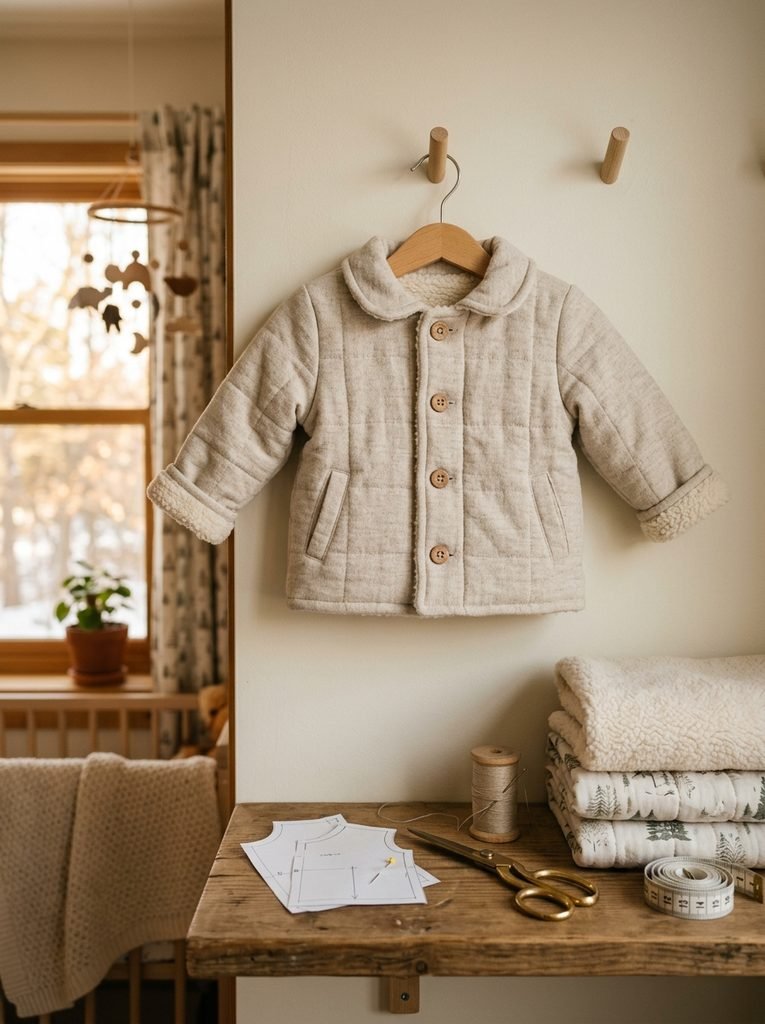
A small jacket introduces useful skills such as lining, interfacing, closures, and careful edge finishing. For a first attempt, choose a pattern with a simple shape rather than a complicated hood or many pockets. Fleece, quilted cotton, or another fabric specifically recommended by the pattern can work for different designs. If you are making winter clothing, think about warmth without creating excessive bulk. A simple jacket in a neutral color can also work with many baby outfits.
10. Easy Baby Blanket
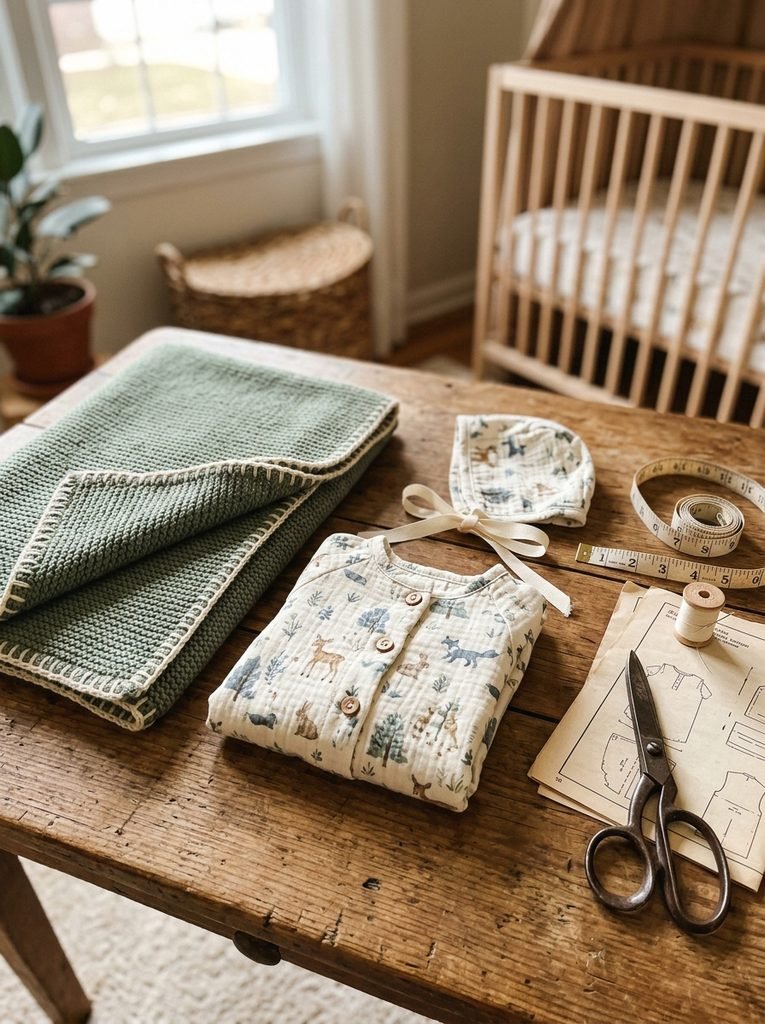
A baby blanket is not clothing, but it makes an excellent companion project when building a handmade baby collection. Start with two fabric layers and a simple finished edge. You can choose soft cotton for a lightweight blanket or follow the pattern’s recommendations for another suitable fabric. Keep the design simple if you are new to sewing. A blanket with a small repeating print can also coordinate beautifully with a romper, bib, or baby pants.
11. Unisex Baby Shirt
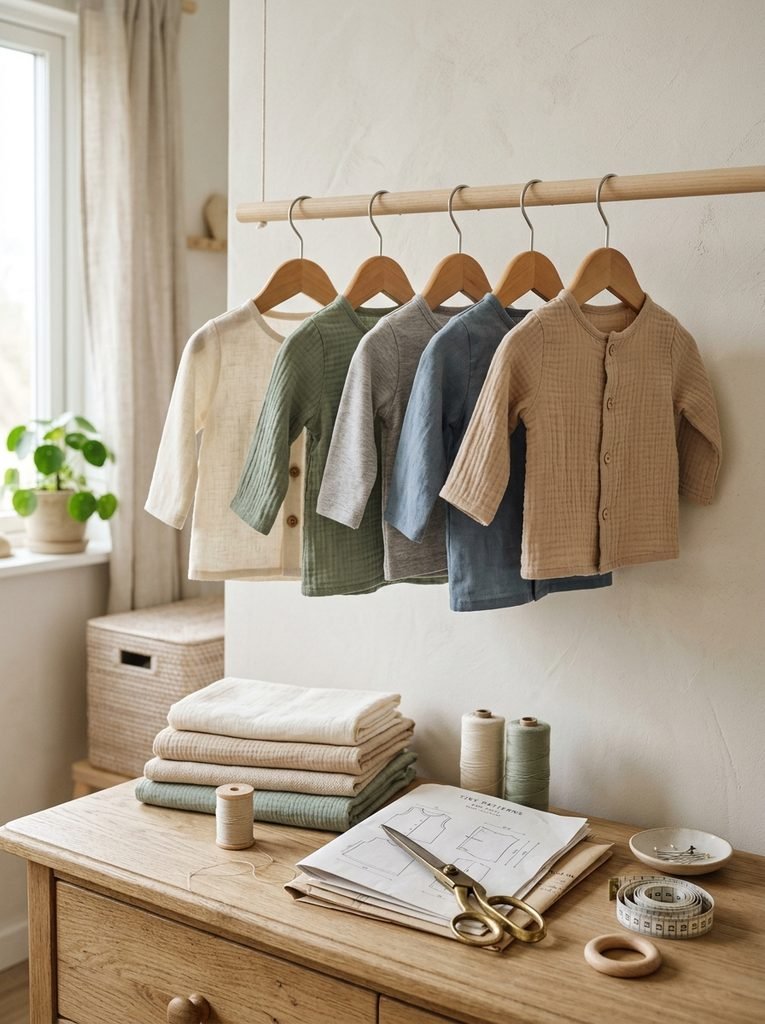
A unisex baby shirt gives you a practical pattern that can work with many fabric styles. Choose a relaxed silhouette and avoid unnecessary decoration. Neutral colors such as cream, sage, soft gray, muted blue, and warm beige make the shirt easy to coordinate with other handmade pieces. You can also make the same pattern several times and create different looks simply by changing the fabric. This approach helps you learn the construction once and reuse the skill.
12. Homemade Baby Leggings
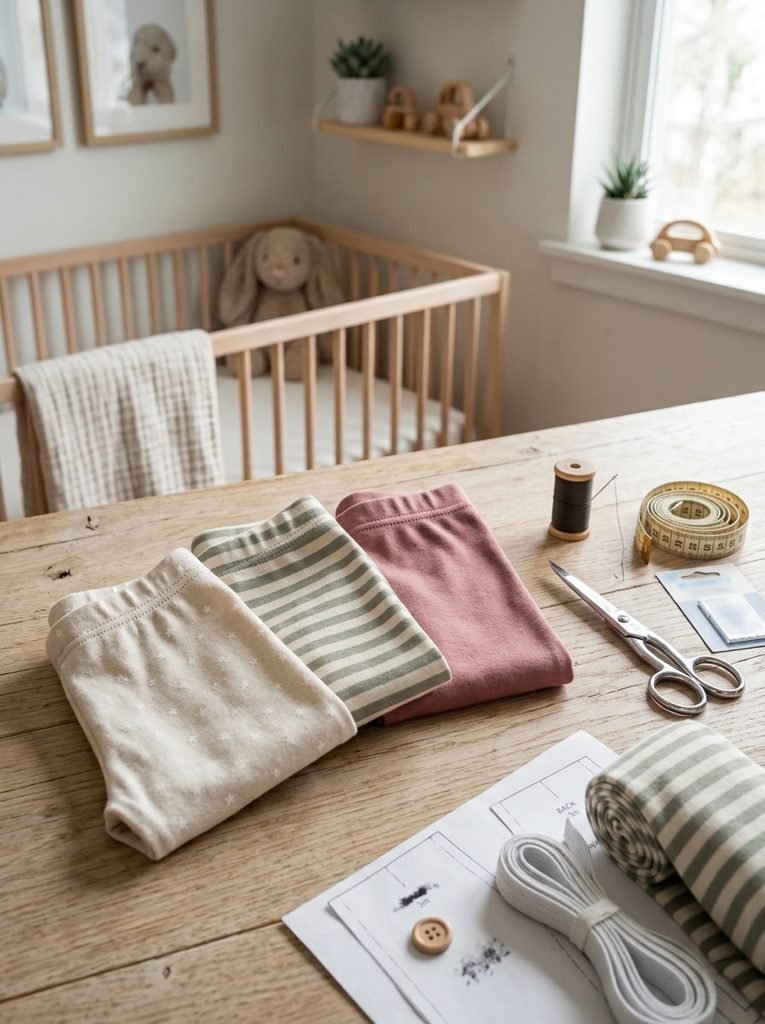
Baby leggings are another useful project for learning how stretch fabrics behave. Choose a pattern designed specifically for knit fabric and follow its recommendations for needle type, stitch, and seam finish. Keep the first pair plain. Once the construction feels comfortable, try small prints or coordinated colors. A homemade pair can become part of a simple everyday outfit when matched with a basic top or tunic.
13. Easy Baby Jacket Tutorial
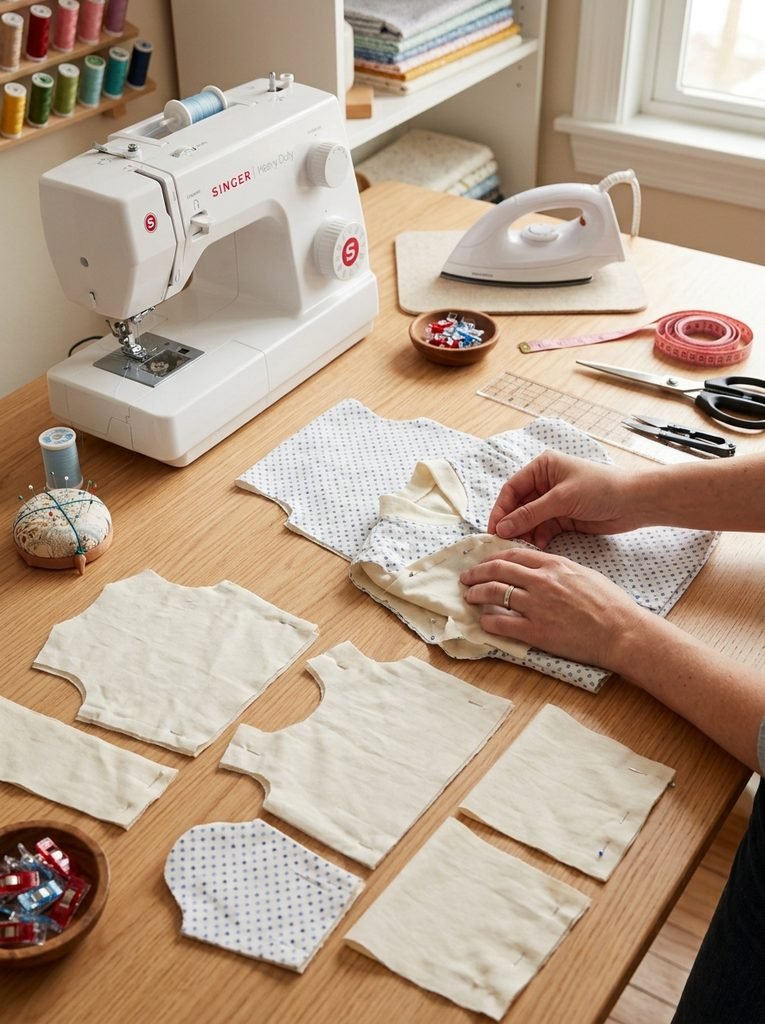
If a jacket feels intimidating, break the process into smaller steps. First study the pattern pieces. Then identify the front, back, sleeves, lining, and closure sections before you begin. Many tutorials become easier to follow when you understand the order of construction instead of trying to memorize every instruction. Take your time with curved seams and pressing. A careful press after each major step can make the final garment look much cleaner.
14. Summer Baby Romper
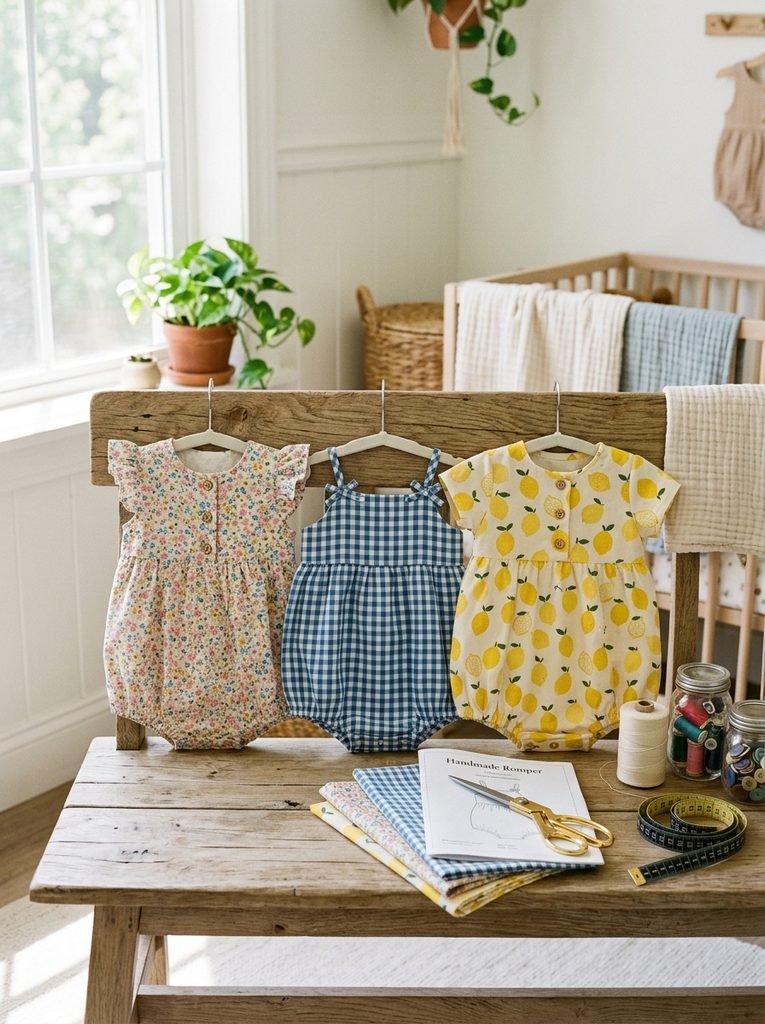
A summer romper can become one of the most useful warm-weather pieces in a baby’s wardrobe. Look for a loose design with comfortable arm and leg openings. Lightweight cotton or another fabric recommended by the pattern can help create a breathable garment. Keep decorative details minimal so the outfit stays comfortable. You can make several versions from different prints and use the same construction method each time.
15. Simple Baby Sleepwear
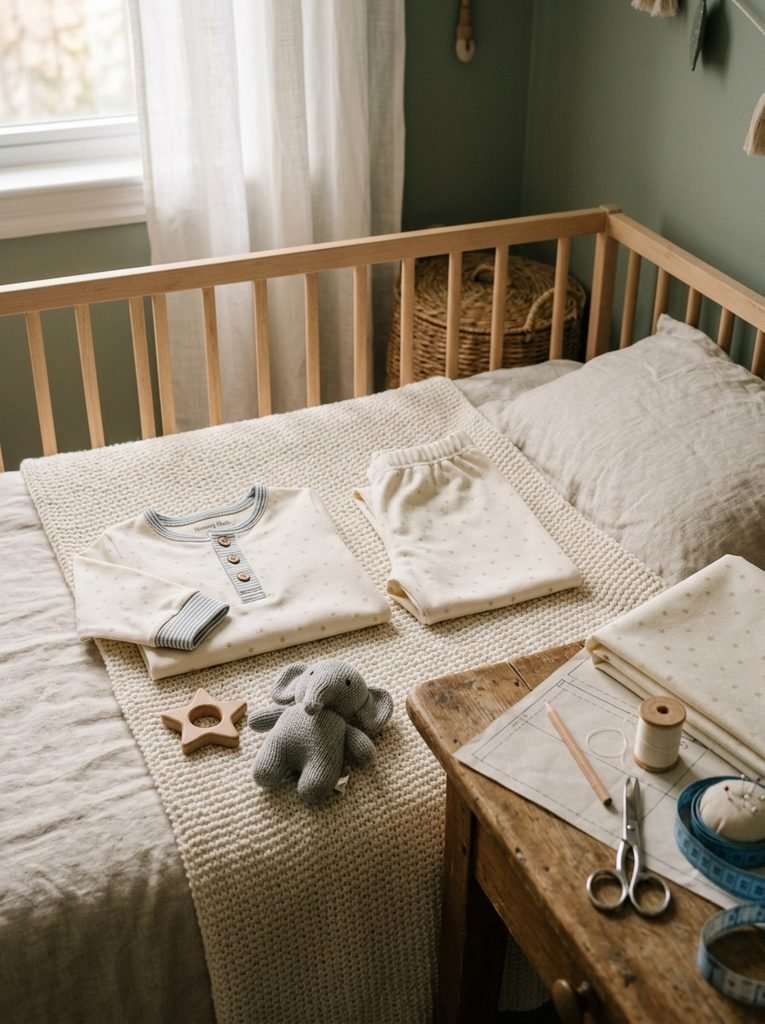
Simple sleepwear gives you another chance to practice comfortable construction and soft fabric handling. Choose a pattern designed for the intended age and fabric type, then check every seam carefully. Avoid adding loose decorations or features that could create a hazard during sleep. A plain two-piece set or simple sleep shirt can look beautiful without complicated details. Neutral colors and small prints also make these pieces easy to mix with other handmade clothing.
16. Easy Baby Vest
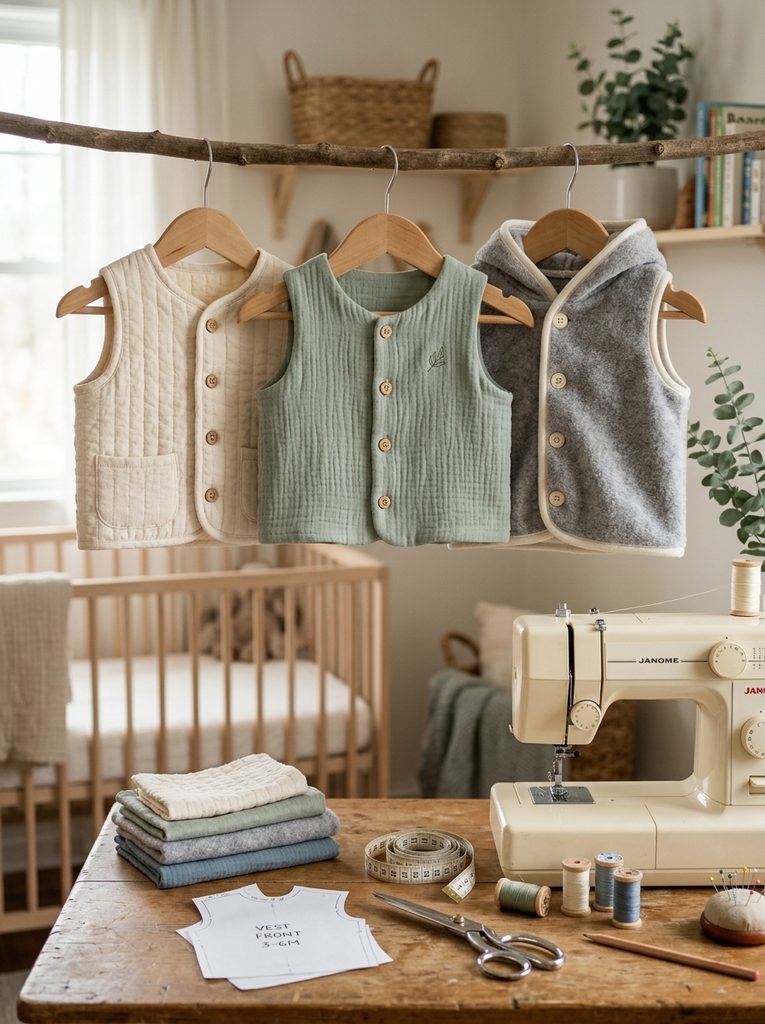
A simple baby vest is a useful layering piece and can be easier to construct than a full jacket. Choose a pattern with a clean neckline and basic arm openings. Depending on the design, you can use cotton, fleece, quilted fabric, or another recommended material. Keep the first version simple and focus on accurate cutting. A vest in a neutral shade can work across several outfits and seasons.
17. Beginner Baby Hat
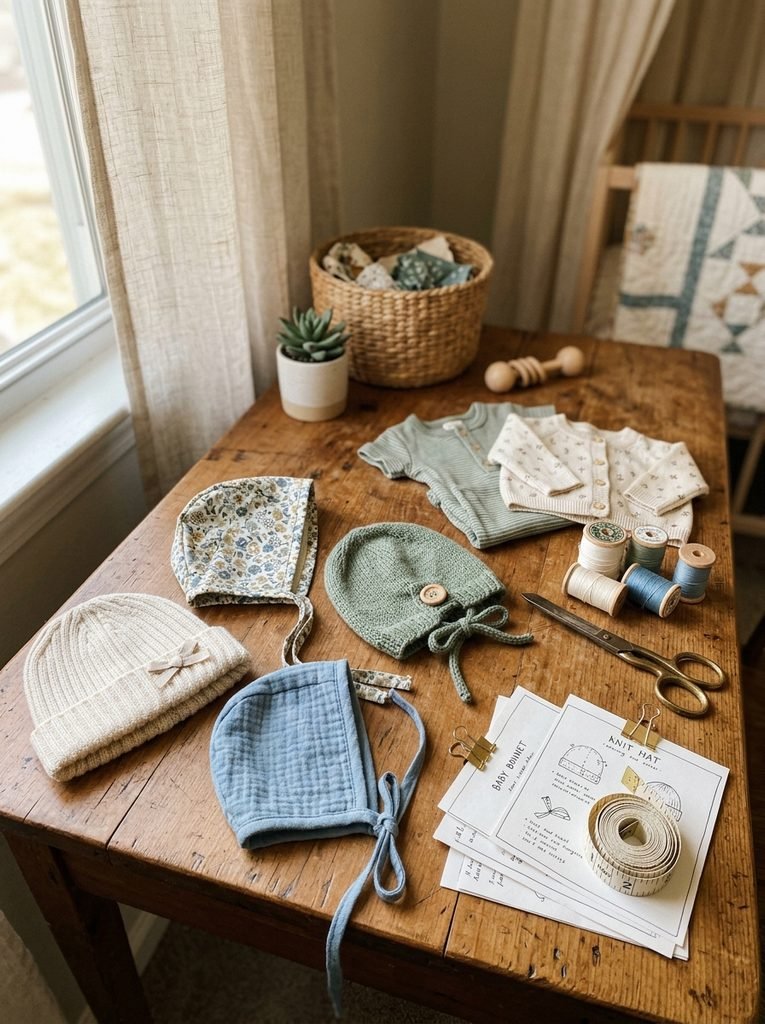
A baby hat is small enough to finish quickly and can help you practice curved seams. Select a pattern that clearly explains the fabric requirements and finished size. Soft cotton can work for lightweight designs, while warmer materials may suit cooler weather when the pattern recommends them. Keep the shape simple at first. Once you understand the construction, you can create matching hats for different outfits.
18. Mix-and-Match Baby Outfit Set
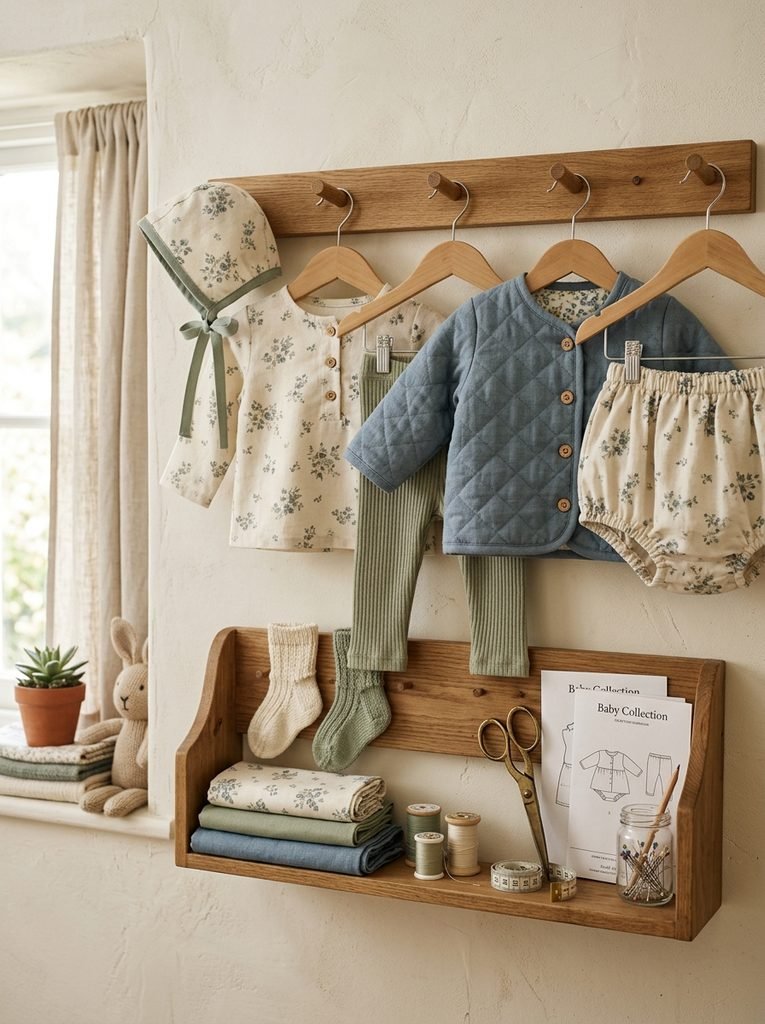
The final idea brings several simple pieces together. Pair a basic shirt with handmade leggings, bloomers, a bonnet, or a small jacket. You do not need every piece to use the same fabric. Instead, choose a small color palette and repeat one or two prints across the set. This makes even easy patterns look coordinated and intentional. It also gives you a practical way to use fabric scraps from earlier sewing projects.
Final Thoughts
Sewing baby clothes can start with one small project and slowly become a rewarding creative skill. You do not need an advanced machine or years of experience. A simple romper, bib, baby pants, bonnet, or shirt can teach you valuable skills that make the next project easier. The key is to choose a pattern that matches your current level. Begin with easy shapes, check the measurements carefully, choose suitable fabric, and take your time with each seam. As your confidence grows, you can explore jackets, seasonal outfits, matching sets, and more detailed designs. These baby clothes patterns sewing ideas can also help you make thoughtful homemade gifts for new parents. Keep your favorite patterns organized, record which fabrics worked well, and reuse successful designs in different colors and prints. With patience and practice, your sewing table can become the starting point for a beautiful handmade baby wardrobe.