
This post may contain affiliate links. Please read my disclosure policy.
In This Article Show
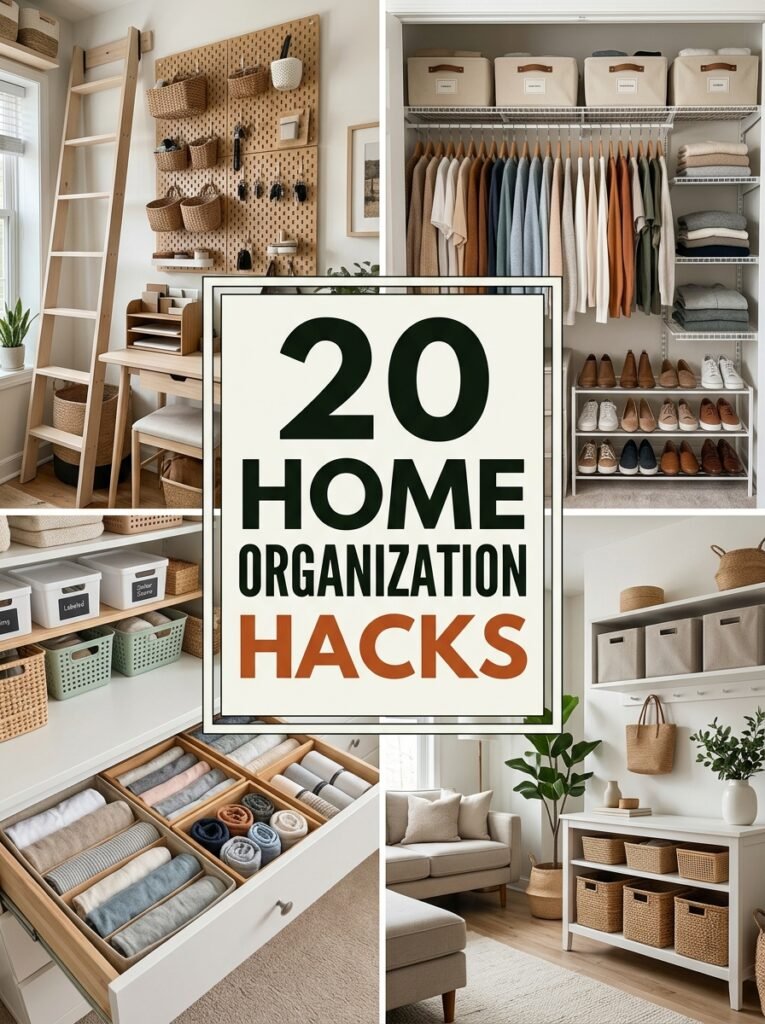
A well-organized home does not require expensive furniture, a large house, or perfectly matching storage containers. Sometimes, a few simple changes can make everyday life much easier, from finding your shoes quickly to keeping kitchen counters clear and making a tiny room feel more spacious. These home organization hacks combine affordable DIY projects, Dollar Tree storage, IKEA-inspired furniture, closet solutions, and creative ideas for different interior styles. Whether you live in a small apartment, prefer a Japanese-inspired minimalist home, or love colorful eclectic decor, you can create a space that looks beautiful and works for your daily routine.
1. Use Vertical Storage in Tiny Homes
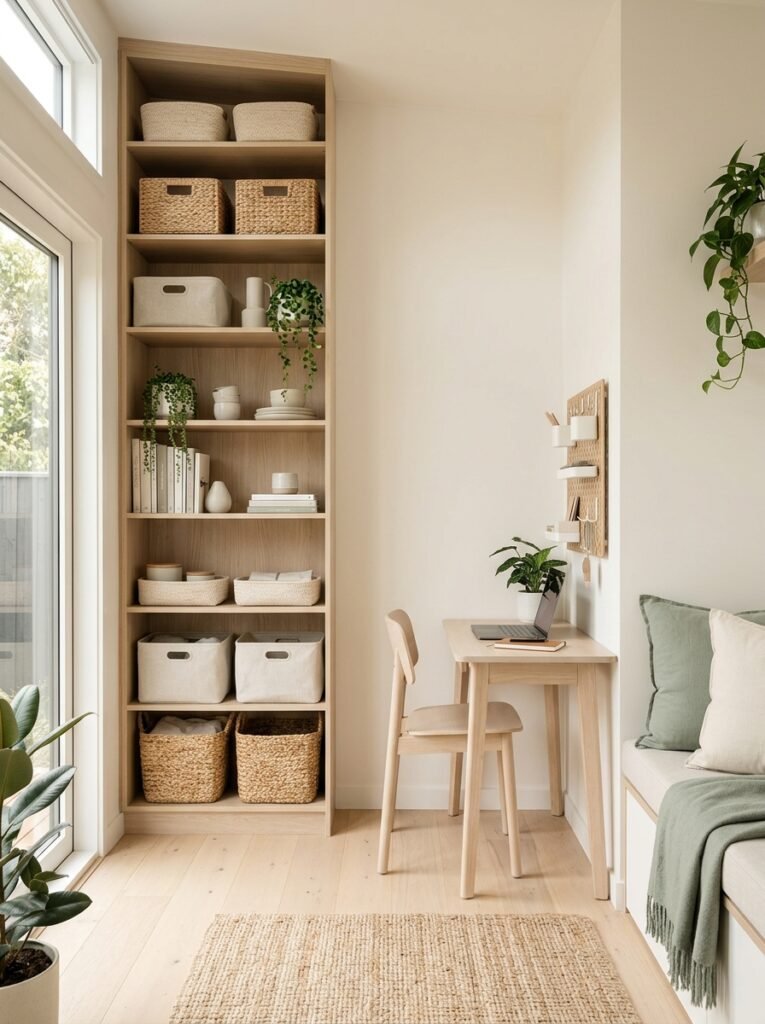
When floor space is limited, the walls can become valuable storage areas. Install suitable shelves above desks, use narrow bookcases in unused corners, and add wall-mounted organizers for lightweight everyday items. Keep frequently used belongings within comfortable reach and reserve higher shelves for things you need less often. This approach works particularly well in tiny homes, studio apartments, and compact bedrooms where extra cabinets might block movement. The key is to use vertical space thoughtfully while leaving walls and surfaces open enough to keep the room feeling airy.
2. Create a Budget-Friendly Dollar Tree Storage System
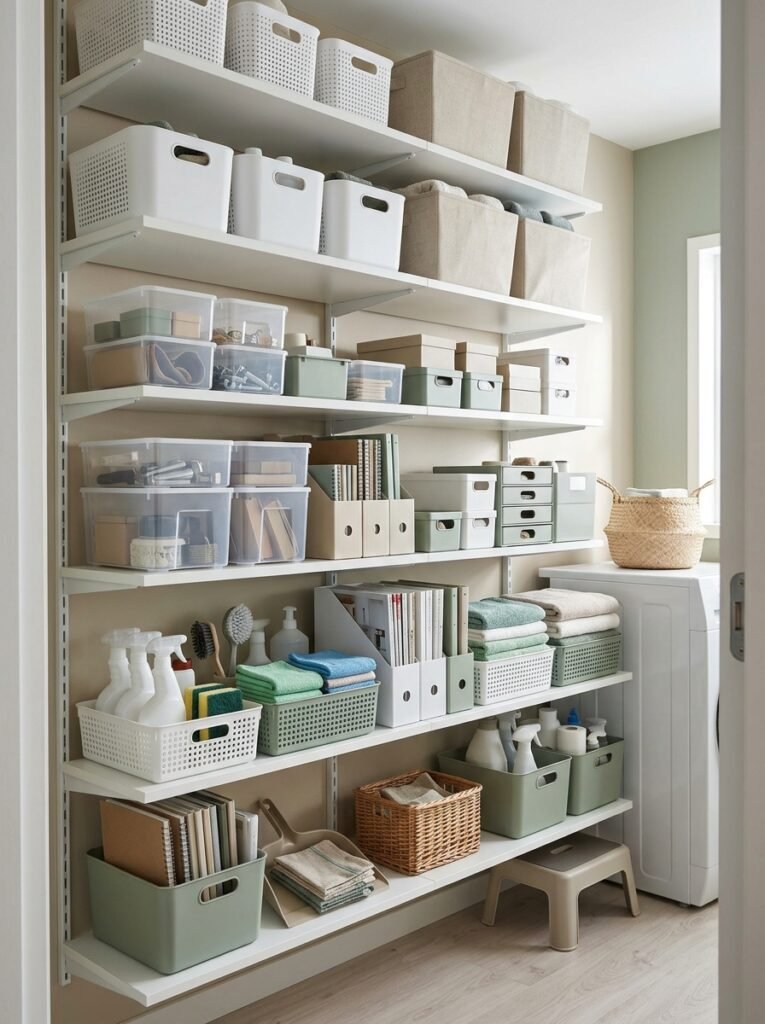
Affordable containers from discount stores, including Dollar Tree, can organize everything from bathroom supplies to stationery, cleaning products, and small accessories. Before buying anything, measure the drawers or shelves you want to organize and choose containers that fit together without wasting space. Use smaller bins to separate tiny items and larger baskets for supplies that belong together. For a cleaner appearance, stick to a consistent color palette or use transparent containers where visibility matters. The most effective budget system solves a specific storage problem instead of simply adding more containers to your home.
3. Organize a Closet With Simple Categories
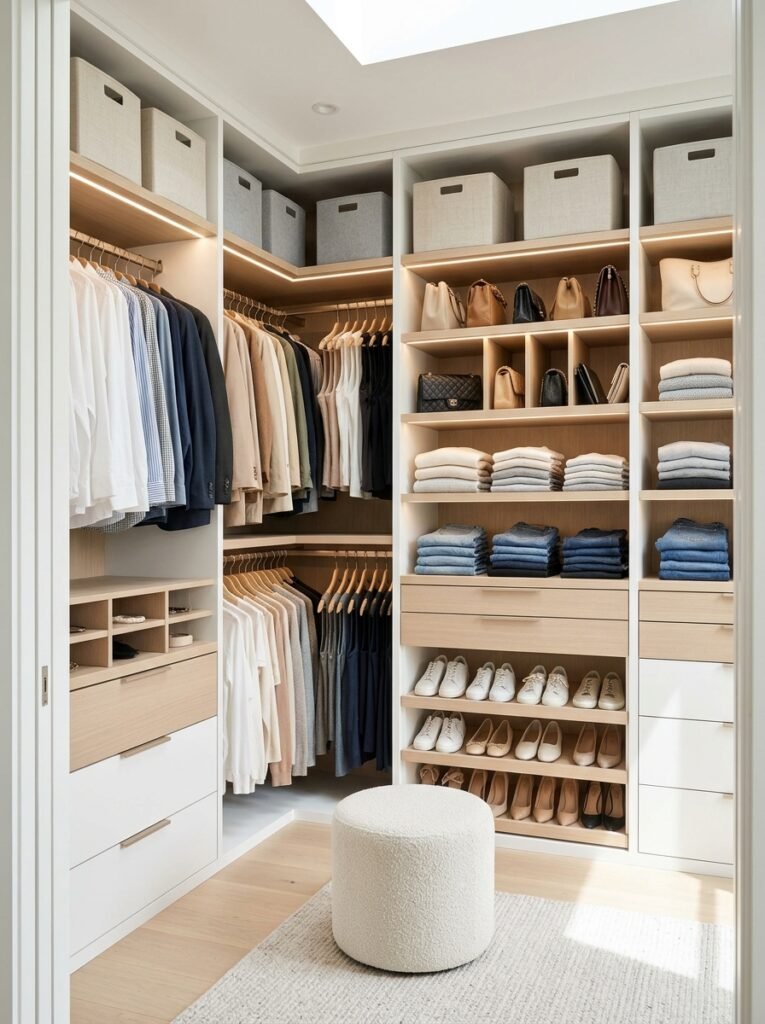
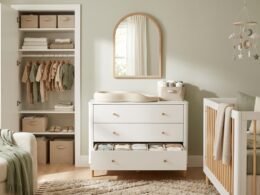
A closet becomes easier to use when similar items have designated places instead of being mixed together. Group clothing by type, arrange shoes in one section, and use small containers for belts, socks, bags, and accessories. Keep the items you wear most often at the easiest-to-reach height, while seasonal clothing can go into suitable upper-shelf storage. Matching hangers can create a more coordinated appearance, but the bigger improvement comes from removing items you no longer use and making sure everything has a logical home. A simple system is often easier to maintain than an elaborate one.
4. Make Small-Space Storage Work Harder
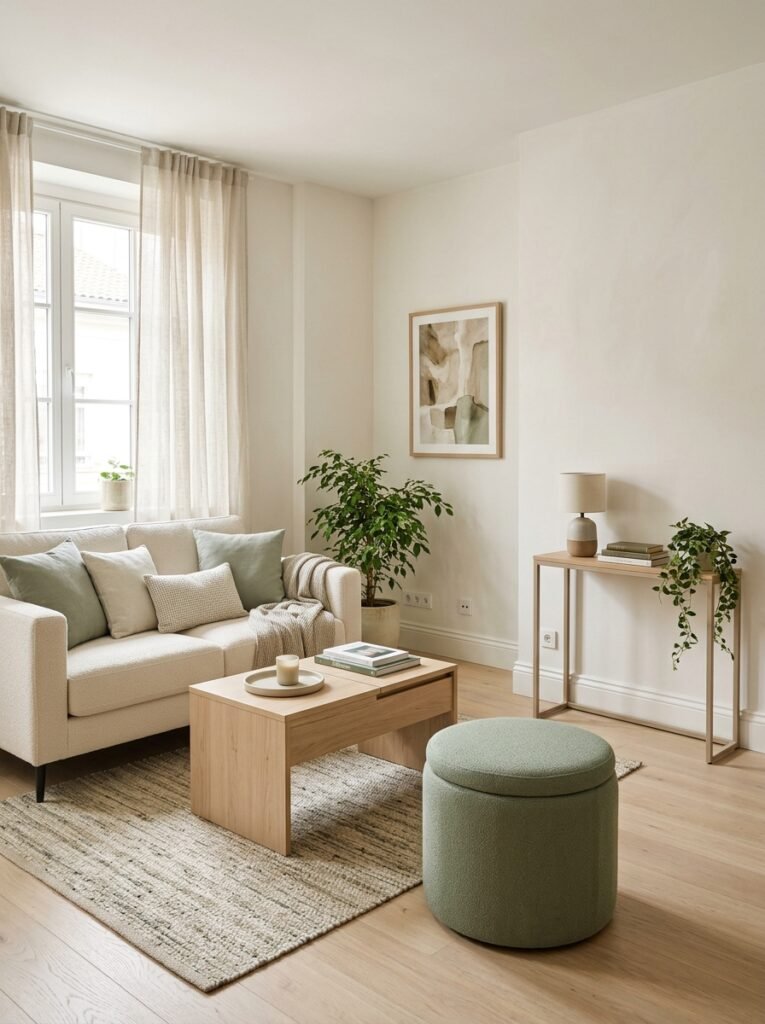
Small homes benefit from furniture and organizers that serve more than one purpose. Consider a storage bench near the entrance, a coffee table with a hidden compartment, or a bed with drawers underneath. Use shallow organizers inside existing cabinets to make better use of the available depth, and avoid buying bulky furniture that leaves little room to move. These home organization hacks work best when each piece solves a real problem, such as hiding blankets, storing shoes, or keeping everyday items close at hand. Measure carefully before purchasing furniture to ensure it fits your space comfortably.
5. Try Easy DIY Drawer Dividers
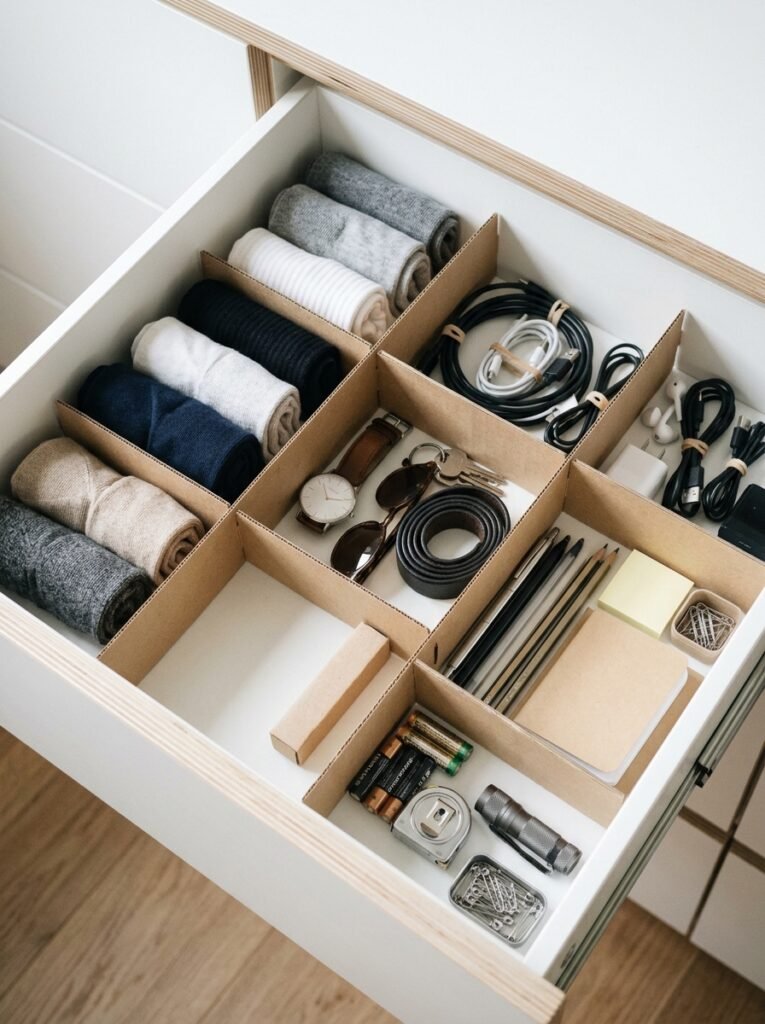
Drawers often become cluttered because small items slide around and mix together every time the drawer opens. DIY dividers made from appropriately sized cardboard inserts, reusable containers, or adjustable organizers can create separate sections for socks, accessories, kitchen tools, stationery, and household essentials. Measure the drawer first, then decide which categories need their own compartments. Choose materials suitable for the items being stored, and avoid cardboard near moisture-prone areas. You do not need perfectly matching dividers; a layout that keeps everything visible and easy to retrieve is far more useful than an expensive organizer that does not fit your needs.
6. Keep Shoes Organized Near the Entryway
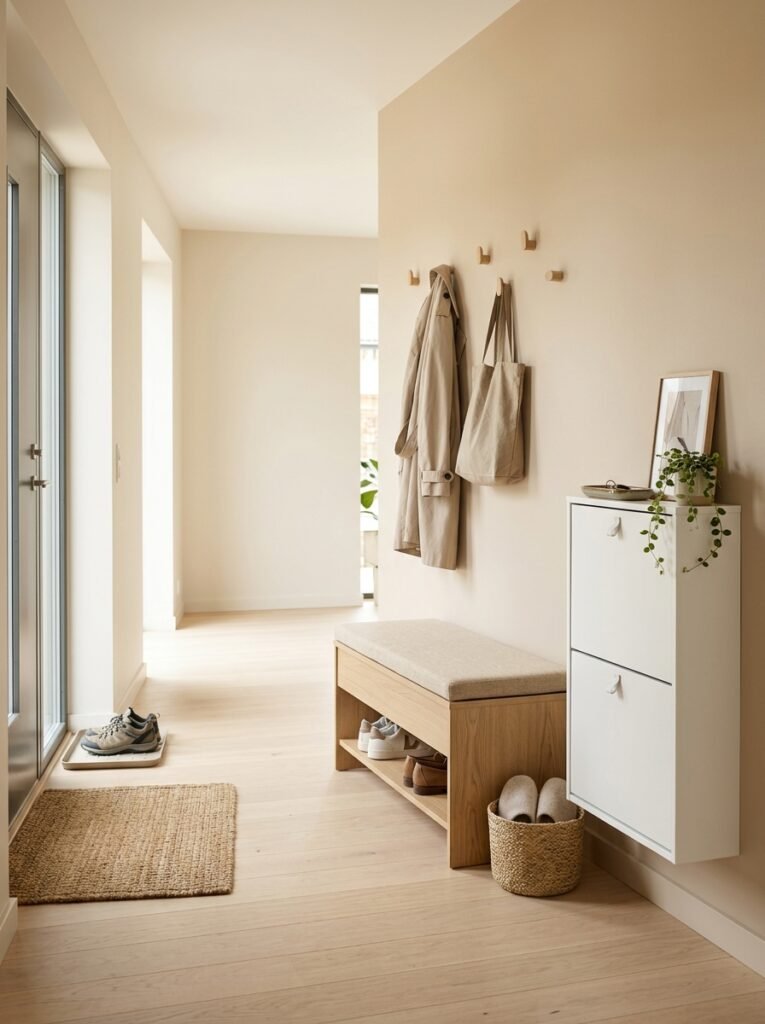
Shoes often accumulate near the door because there is no convenient place to put them when everyone comes home. A slim shoe cabinet, a low shoe rack, or a storage bench can create a designated landing area without taking over the hallway. Keep frequently worn pairs accessible and store occasional or seasonal shoes elsewhere. A small tray can help contain dirt and moisture, while a basket nearby can hold slippers. In a narrow entryway, choose shallow furniture and keep the path clear so storage improves daily routines rather than creating another obstacle.
7. Use IKEA-Inspired Modular Storage
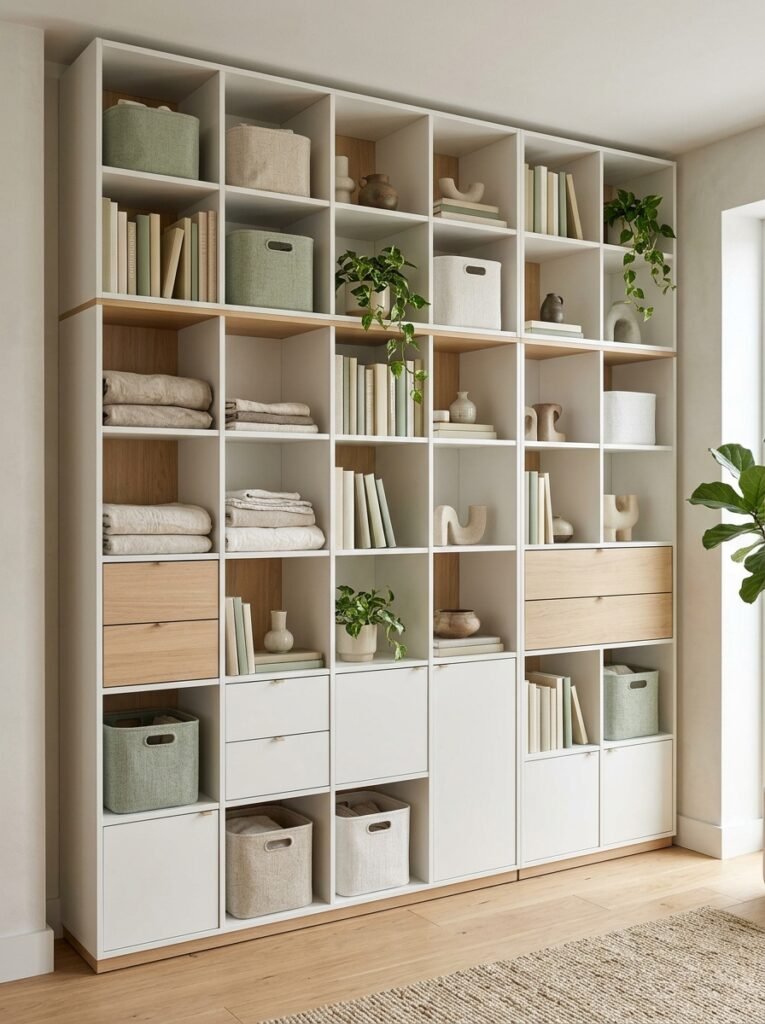
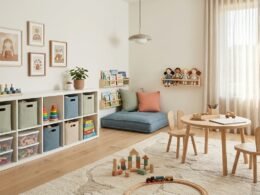
Modular storage makes it easier to adjust your organization system as your needs change. Combine cube units, drawers, shelves, and matching baskets to create separate homes for books, toys, linens, craft supplies, or office materials. Open compartments work well for items you use regularly, while closed storage conceals less attractive everyday clutter. IKEA-style furniture is popular for this kind of flexible setup, but you can use similar principles with other brands or existing furniture. Plan the layout around your actual belongings, check dimensions and weight limits, and secure tall storage units according to the manufacturer’s instructions.
8. Design a Neurodivergent-Friendly Organization System
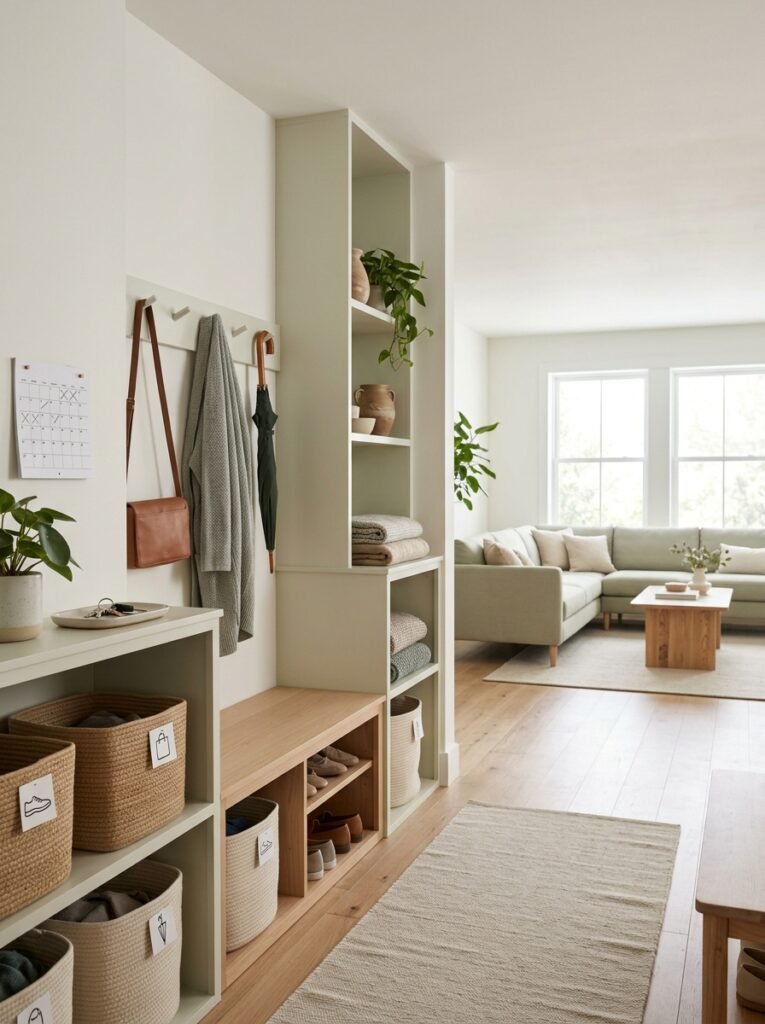
An organization system should support the people who use it, rather than relying on perfect memory or constant effort. For some neurodivergent people, visible storage, open baskets, simple categories, and fewer steps can make everyday tasks easier. Keep frequently used items in predictable places, avoid overly complicated labeling systems, and consider visual cues or picture labels when they are helpful. A designated landing zone for keys, bags, and daily essentials can reduce the effort of finding them before leaving home. Needs vary from person to person, so experiment with a system that feels intuitive instead of following rigid rules.
9. Add Hidden Storage to a Small Living Room
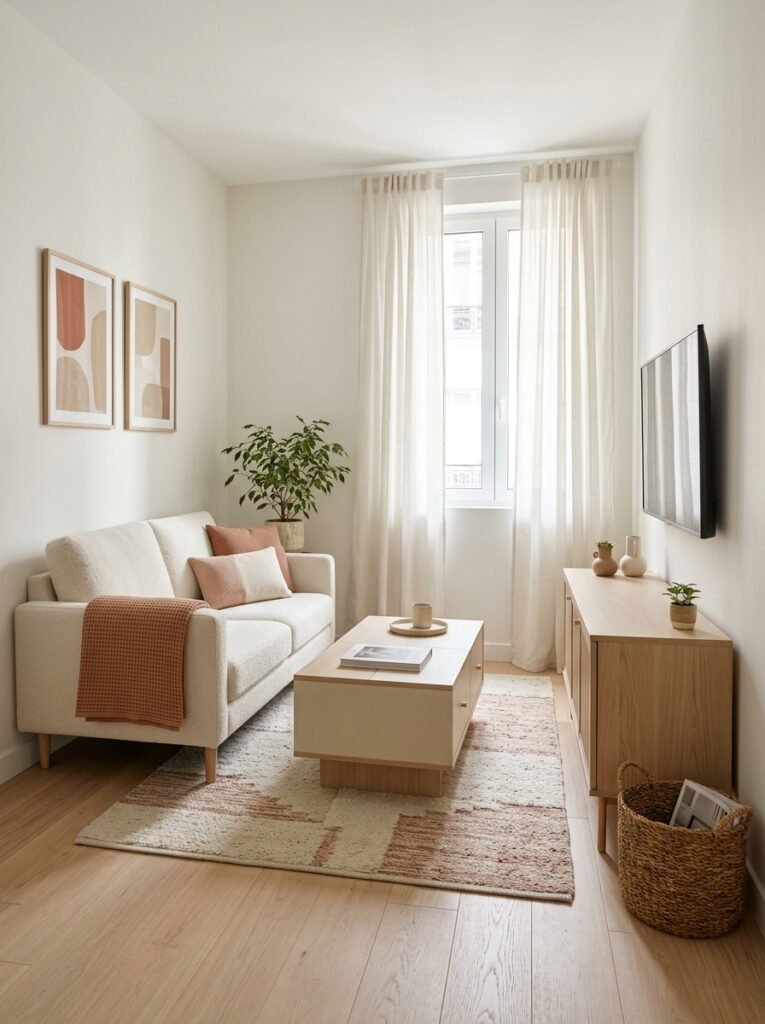
Small living rooms need storage that blends into the furniture instead of making the room feel crowded. Choose a coffee table with drawers, a storage ottoman for blankets, or a media console with closed compartments for electronics and accessories. Use one attractive basket for items such as remote controls, chargers, or magazines, rather than spreading them across several surfaces. Keep the top of the coffee table relatively clear and leave enough space around the sofa for comfortable movement. The aim is to reduce visual clutter while preserving a welcoming living room that still feels personal.
10. Create a Simple Daily Reset Station
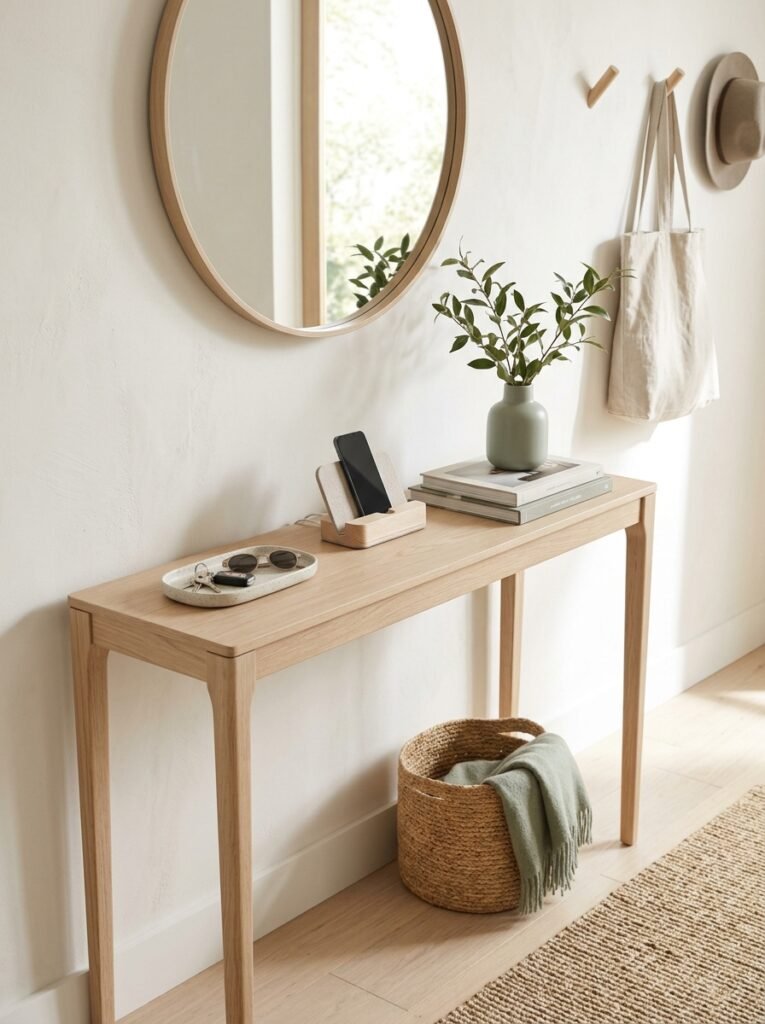
A daily reset station gives commonly misplaced items a consistent home. Place a small tray or organizer near the entrance for keys, sunglasses, wallets, and other essentials, with a nearby hook or shelf for bags. In the kitchen, a separate charging station can keep cables and devices from spreading across the counter. The best location is the place where you naturally arrive or finish a routine, so using it requires very little extra effort. A simple system can save time every day and prevent small piles of clutter from developing in different rooms.
11. Organize With Clear Bins and Picture Labels
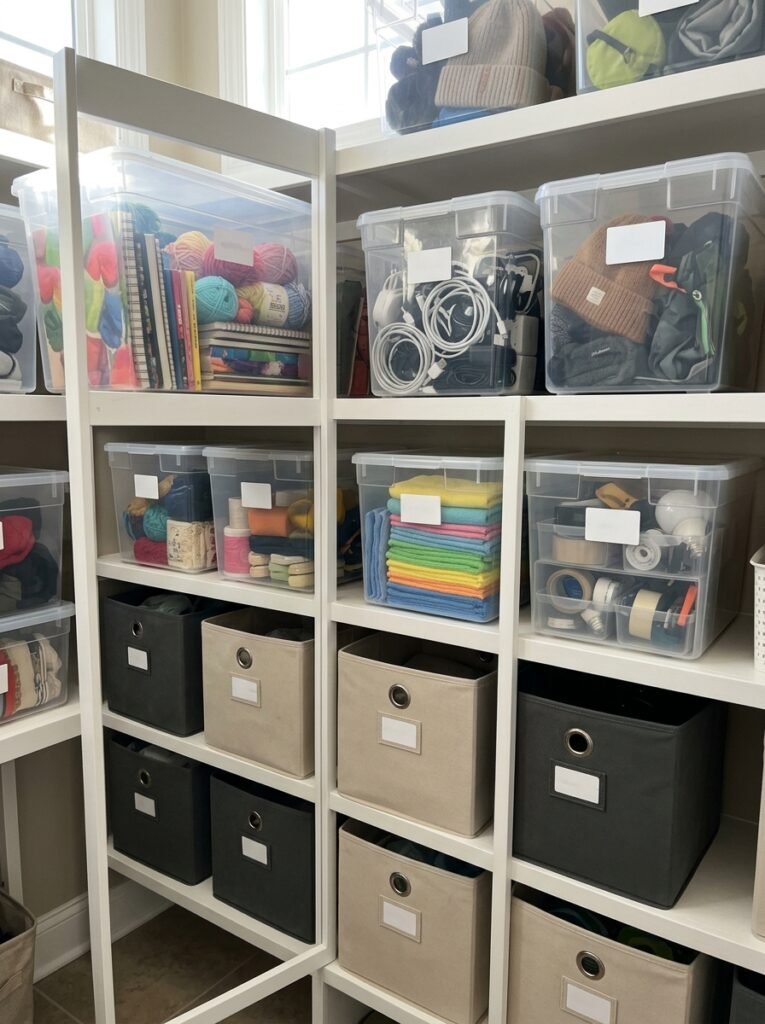
Clear bins make it easy to see what you own without opening every container. They are especially useful for pantry extras, craft supplies, cables, cleaning products, seasonal accessories, and items stored in closets. Group similar belongings together and avoid mixing unrelated categories simply because they fit inside the same box. Picture labels or simple category markers can help family members return items to the right place, especially when multiple people share storage. Use opaque containers when you want to conceal visual clutter, and reserve transparent bins for categories where quick visibility makes daily use easier.
12. Create a Cheap Under-Sink Storage Solution
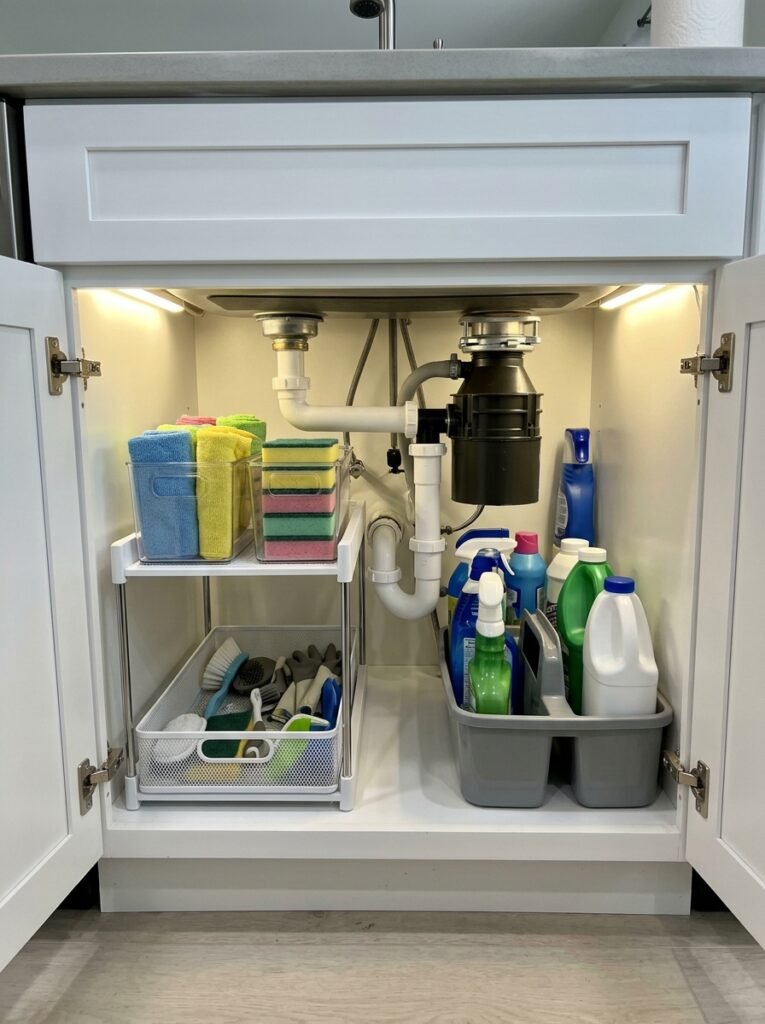
The space under a kitchen or bathroom sink often becomes difficult to use because of plumbing pipes, cleaning products, and oddly shaped corners. Use small stackable bins or sliding organizers that fit around the plumbing, and keep similar products together in separate containers. Store frequently used items at the front and reserve the back for supplies you need less often. Keep products in their original containers where appropriate, follow their storage instructions, and secure potentially harmful cleaners away from children and pets. Measure around the pipes before buying organizers so every inch is used sensibly.
13. Style Storage With a Bohemian or Eclectic Look
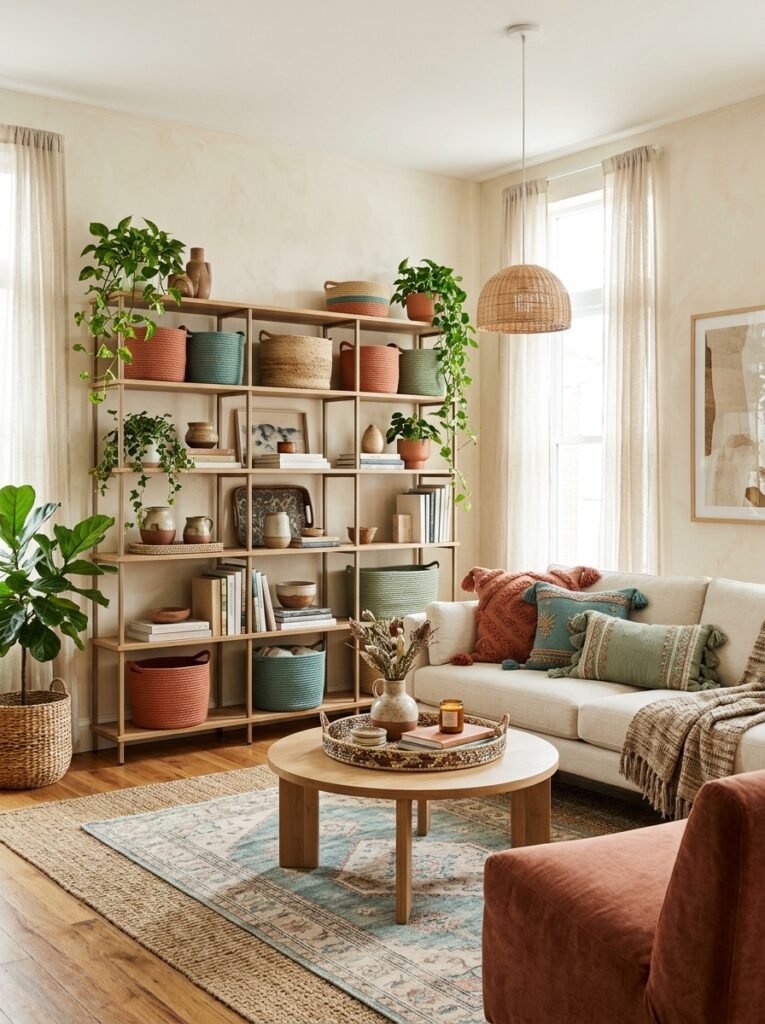
Organization does not have to look minimal or colorless to be effective. A bohemian or eclectic home can use open shelving, colorful baskets, decorative trays, patterned textiles, and carefully selected display pieces while still keeping everyday belongings organized. Group items by purpose first, then add decorative objects that complement the room’s color palette. Avoid filling every shelf with ornaments, because a little negative space helps each piece stand out. This approach works well for people who love expressive interiors and want storage to feel like part of their decor rather than something hidden away.
14. Create a Retro-Inspired Organization Corner
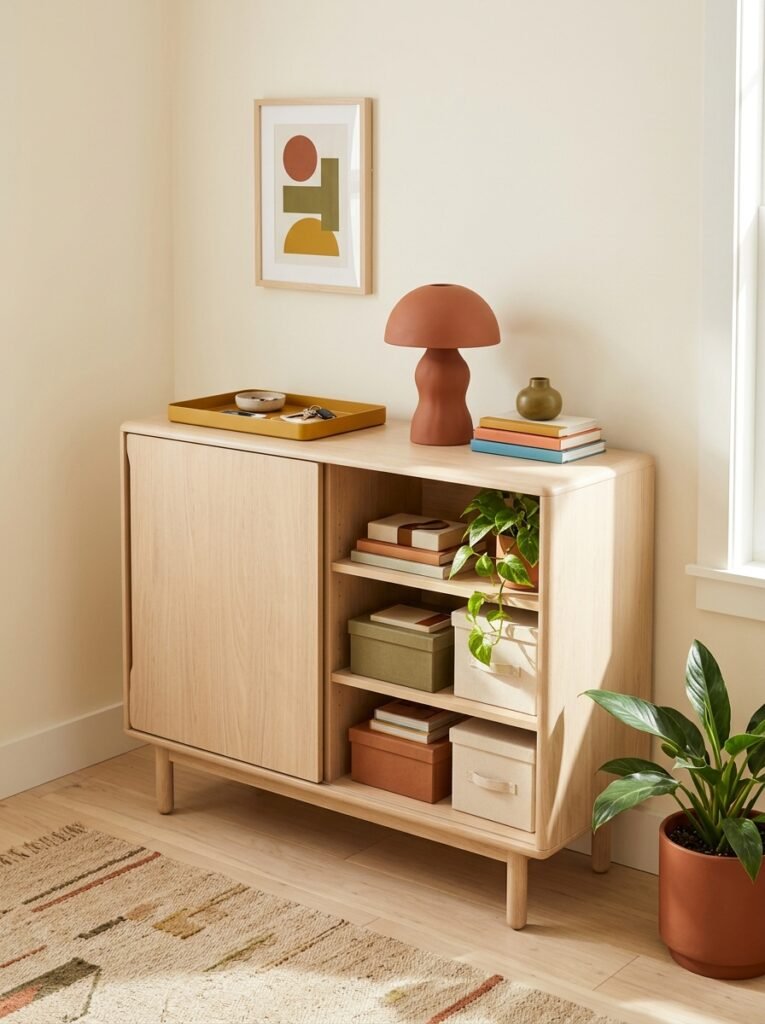
A retro-inspired home can combine characterful shapes and cheerful colors with practical modern storage. Choose a streamlined cabinet with rounded edges, a colorful tray for everyday essentials, and matching boxes for small accessories. Keep the number of displayed objects limited so the space still feels organized rather than crowded. Contemporary storage furniture can create a subtle mid-century-inspired look without relying on distressed finishes or cluttered vintage props. This approach is ideal for adding personality to a home office, hallway, or living room while ensuring that keys, books, accessories, and other everyday items remain easy to find.
15. Use Japanese-Inspired Minimalist Storage
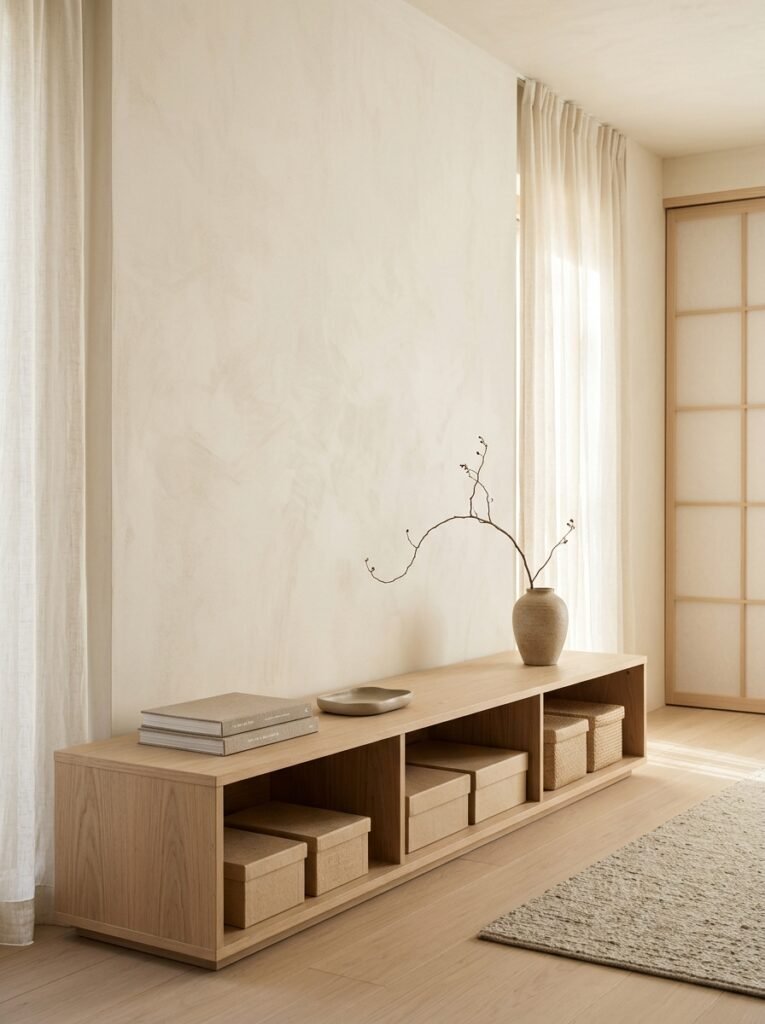
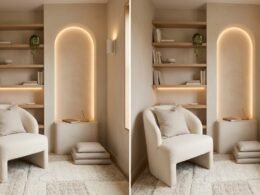
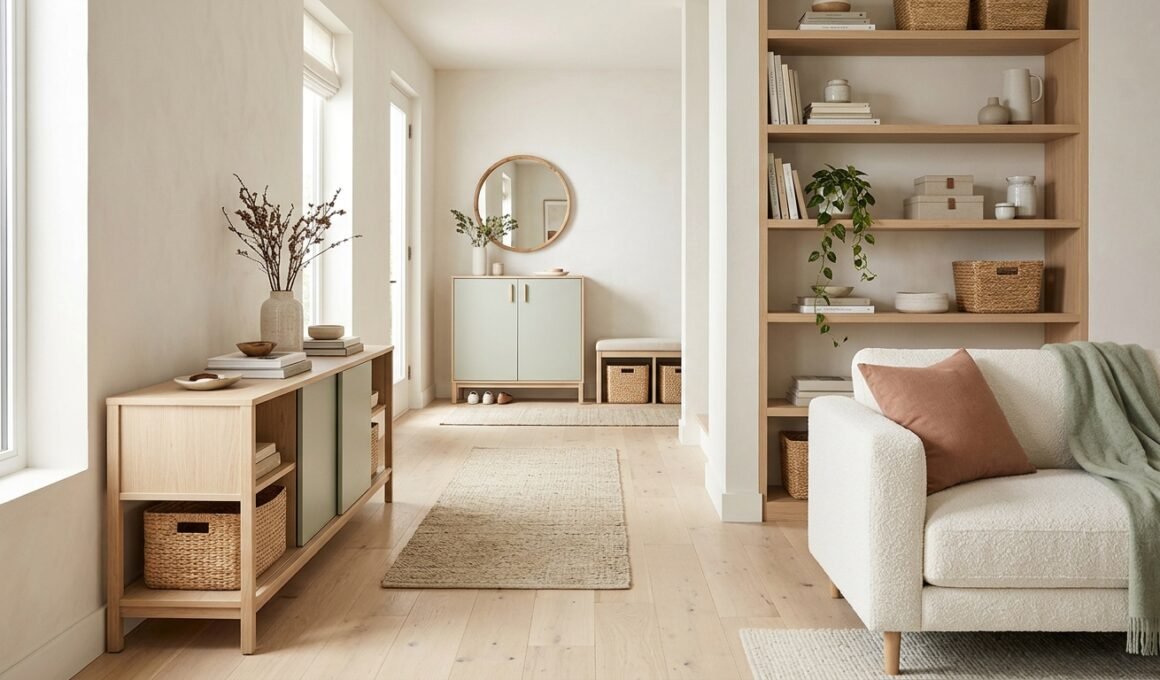
Japanese-inspired organization often emphasizes thoughtful use of space, visual calm, and keeping only what serves a purpose. Apply these principles by storing everyday belongings in simple closed cabinets, using coordinated boxes for smaller items, and leaving surfaces relatively clear. Arrange books and personal objects intentionally rather than filling every shelf, and create a consistent place for items used during daily routines. Natural materials and neutral colors can make the space feel warm without adding unnecessary decoration. The goal is not to remove all personality from your home, but to make room for the things you genuinely value.
16. Organize a Romantic or Feminine Space
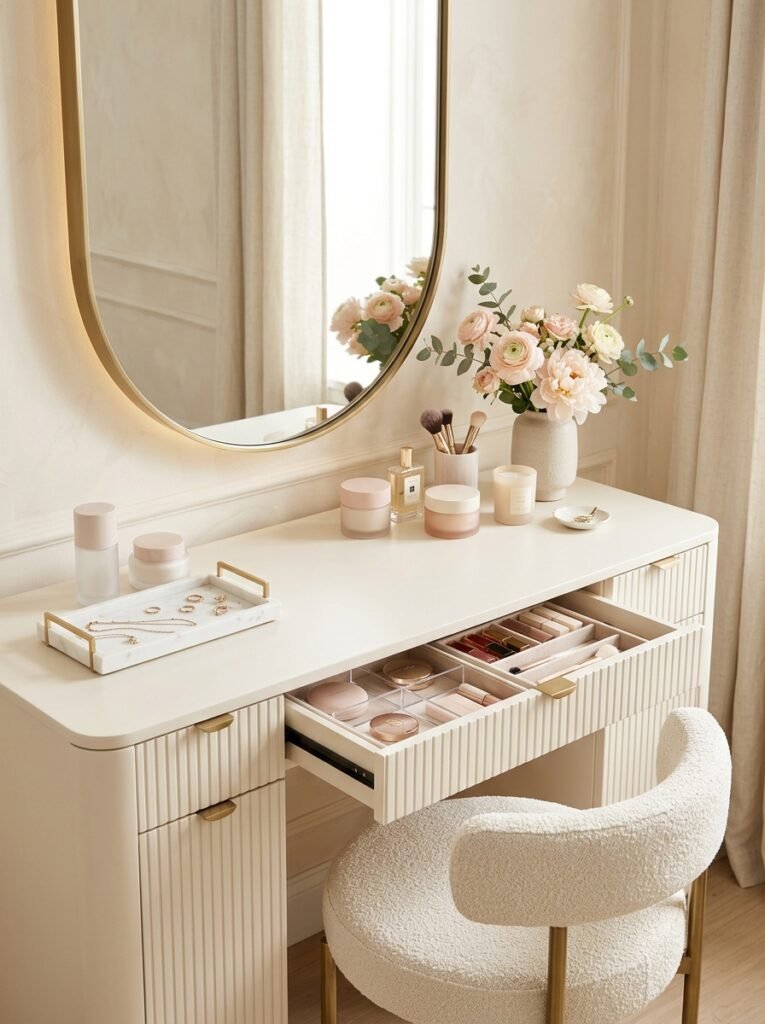
A romantic or feminine interior can remain practical when decorative accessories are combined with sensible storage. Use a small jewelry organizer, a divided vanity drawer, a decorative tray for daily skincare, and matching boxes for hair accessories or personal items. Soft colors, elegant curves, and delicate finishes can create a beautiful look without filling every surface. Keep the products you use daily accessible and store backups elsewhere. This makes the vanity or bedroom easier to maintain while allowing decorative details to complement the room rather than compete with essential storage.
17. Bring Tuscan or Mountain-Lodge Style Into Organized Storage
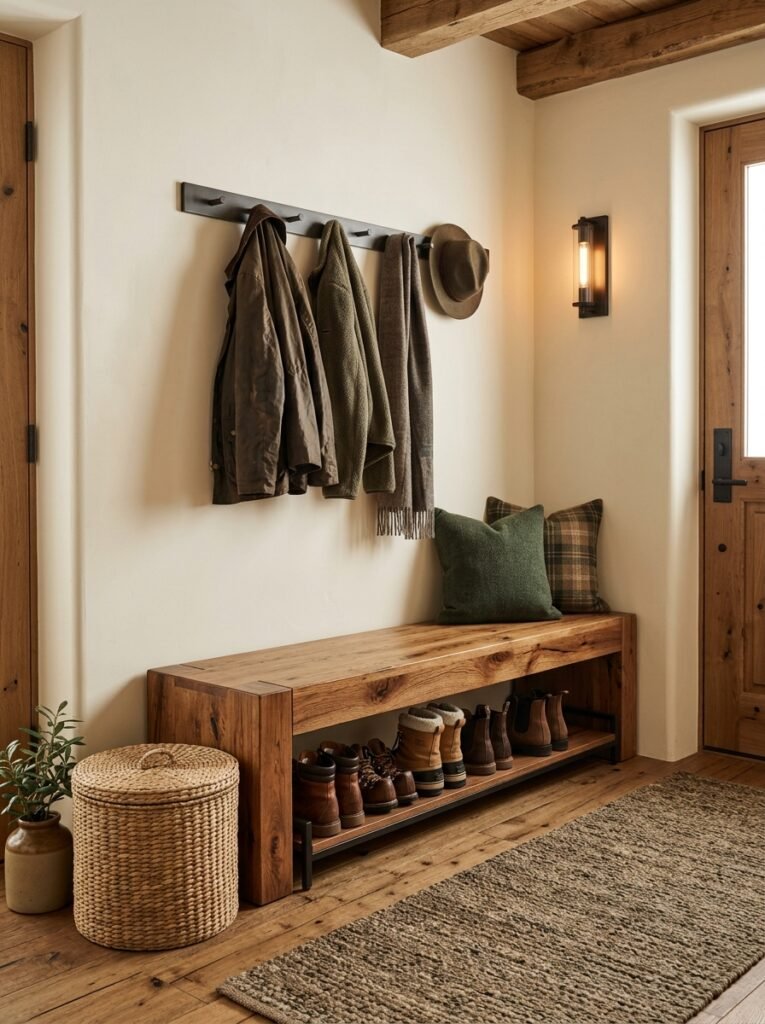
Tuscan and mountain-lodge interiors have distinct looks, but both can benefit from storage that suits the room’s materials and practical needs. In a Tuscan-inspired space, use coordinated ceramic containers, warm neutral cabinets, and organized pantry baskets. In a mountain-lodge room, choose sturdy wood furniture, closed storage for outdoor accessories, and a designated area for blankets or hiking gear. Keep decorative elements limited to a few meaningful pieces so the room stays functional. Adapt the storage to the specific style rather than mixing unrelated rustic details into every space.
18. Organize an Indian-Inspired Home With Practical Storage
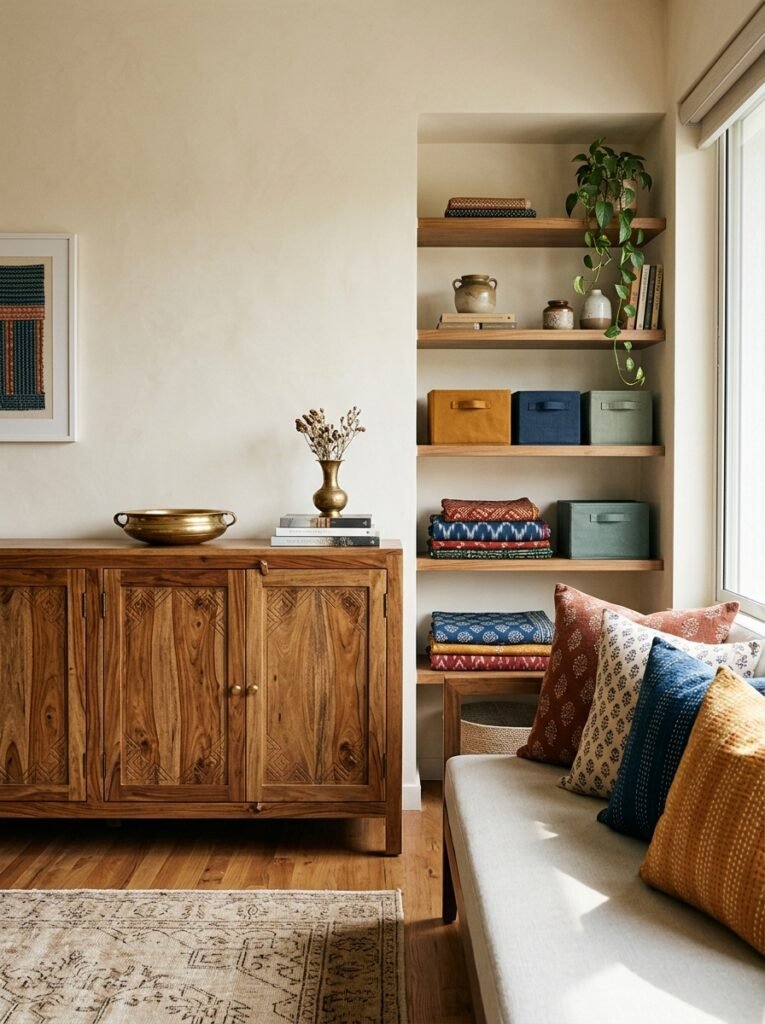
An Indian-inspired home may need space for textiles, festive decorations, prayer essentials, family items, everyday clothing, or entertaining supplies, depending on the household. Use clearly separated storage categories so frequently used belongings remain easy to access while occasional-use items stay neatly packed away. A cabinet with drawers, coordinated fabric containers, and a dedicated shelf can keep smaller accessories organized without hiding meaningful cultural pieces. Choose colors, patterns, and materials that suit your own home and traditions rather than assuming every Indian household follows the same style. Practical organization should support the way your family actually lives.
19. Use Amazon Finds and Dollar-Store Organizers Wisely
Online marketplaces such as Amazon offer a wide range of drawer dividers, shelf risers, under-sink organizers, and modular containers, while dollar stores can provide lower-cost alternatives for simple storage needs. Instead of buying everything at once, identify your biggest clutter problem and compare products by dimensions, material, durability, and ease of cleaning. Check measurements carefully and review the actual storage capacity before ordering. A low-cost container that fits perfectly may work better than an expensive organizer that wastes space. The goal is to purchase fewer, more useful products that solve specific problems in your home.
20. Make a Short Home Organization Video Plan
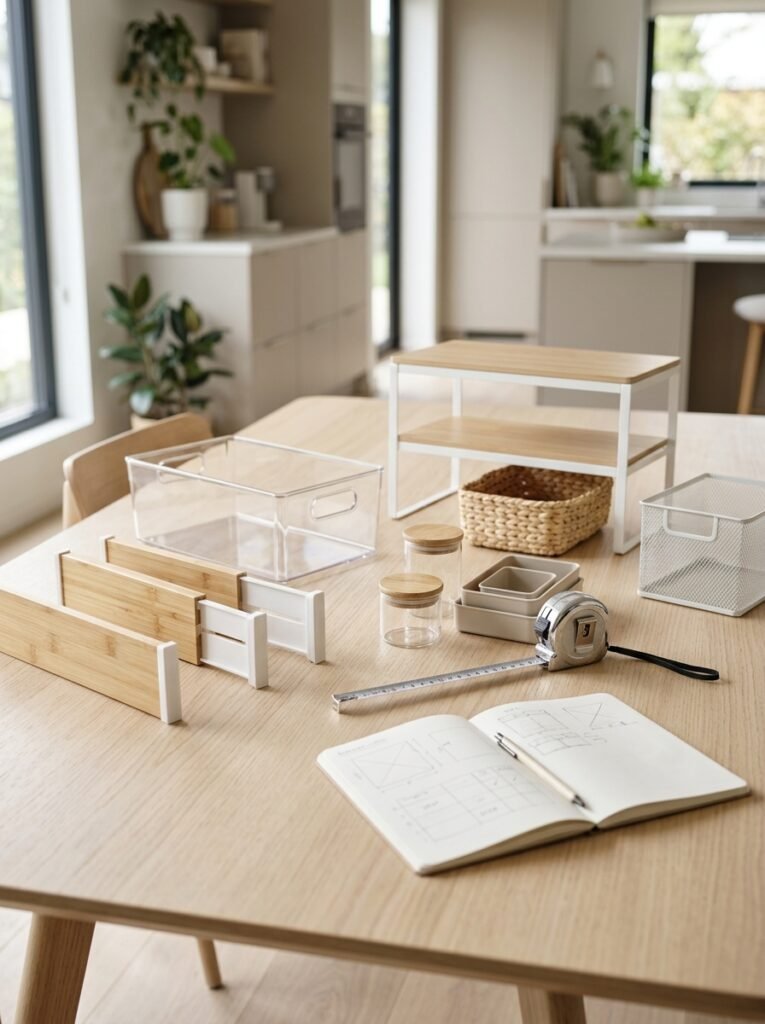
Short organization videos can be useful for breaking a larger project into manageable steps. Instead of trying to reorganize the entire home at once, focus each video on one drawer, one shelf, a shoe cabinet, or a small closet. Show the cluttered area, sort items into categories, demonstrate the storage solution, and finish with a realistic view of the completed space. This format also works well if you are documenting your own progress or creating social media content. Focus on useful changes rather than unrealistic transformations, and choose storage ideas viewers can adapt to their own homes and budgets.
How to Start Organizing Your Home
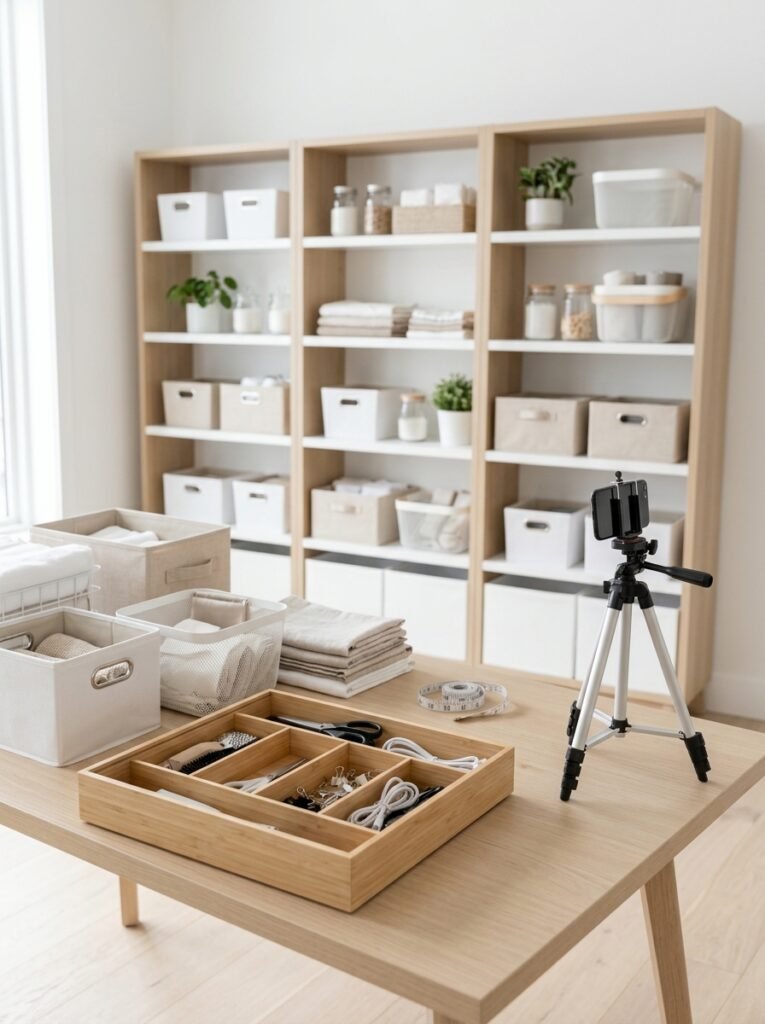
The easiest way to get started is to choose one area that causes frustration in your daily routine. Empty that space, group similar items, remove belongings you no longer need, and decide where the remaining items should live. Measure the available storage before purchasing containers or furniture, and prioritize solutions that make everyday tasks easier. If the whole project feels overwhelming, break it into short sessions and finish one small area before moving to the next. A simple, repeatable system is usually more useful than a complicated makeover that is difficult to maintain.
Simple Habits That Keep a Home Organized
- Give everyday items a home: Keep keys, bags, shoes, and frequently used accessories in predictable places.
- Store by category: Group similar belongings together instead of mixing everything in one box.
- Use vertical space carefully: Shelves and wall organizers can free up floor space when installed securely.
- Measure before shopping: Choose bins and furniture that fit the available space.
- Keep frequently used items accessible: Store occasional-use belongings separately.
- Reset one area daily: A short tidy-up can prevent small piles from becoming larger problems.
- Choose systems that suit you: Your organization method should fit your routines, abilities, and household needs.
Final Thoughts
The best home organization hacks are the ones that make your home easier to use, not simply more attractive in photographs. Whether you choose affordable Dollar Tree containers, IKEA-inspired furniture, DIY drawer dividers, or storage that complements a bohemian, Japanese, retro, or Indian-inspired interior, start with the problems you want to solve. Focus on practical categories, accessible storage, and small habits you can maintain. With thoughtful planning, even a tiny home can feel more spacious, welcoming, and beautifully organized.