
This post may contain affiliate links. Please read my disclosure policy.
In This Article Show
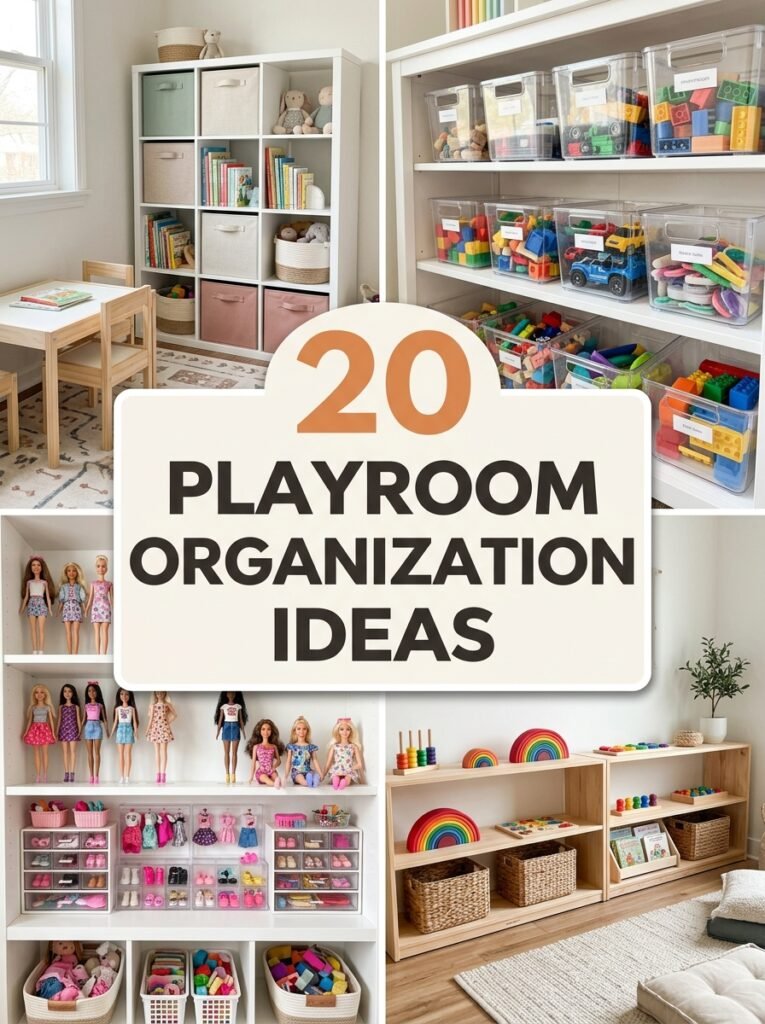
A playroom should give children plenty of room to play, explore, and use their imagination without becoming difficult for parents to maintain. The right storage solutions can make toys easier to find, encourage children to put things away, and help even a small room feel calm and inviting. These playroom organization ideas include clever toy storage, IKEA-inspired furniture, clear bins, Barbie displays, Montessori-style arrangements, and affordable DIY solutions. Whether you have a dedicated playroom or only one corner of the living room, you can create a practical space that works for your family.
1. Use Cube Storage for Everyday Toys
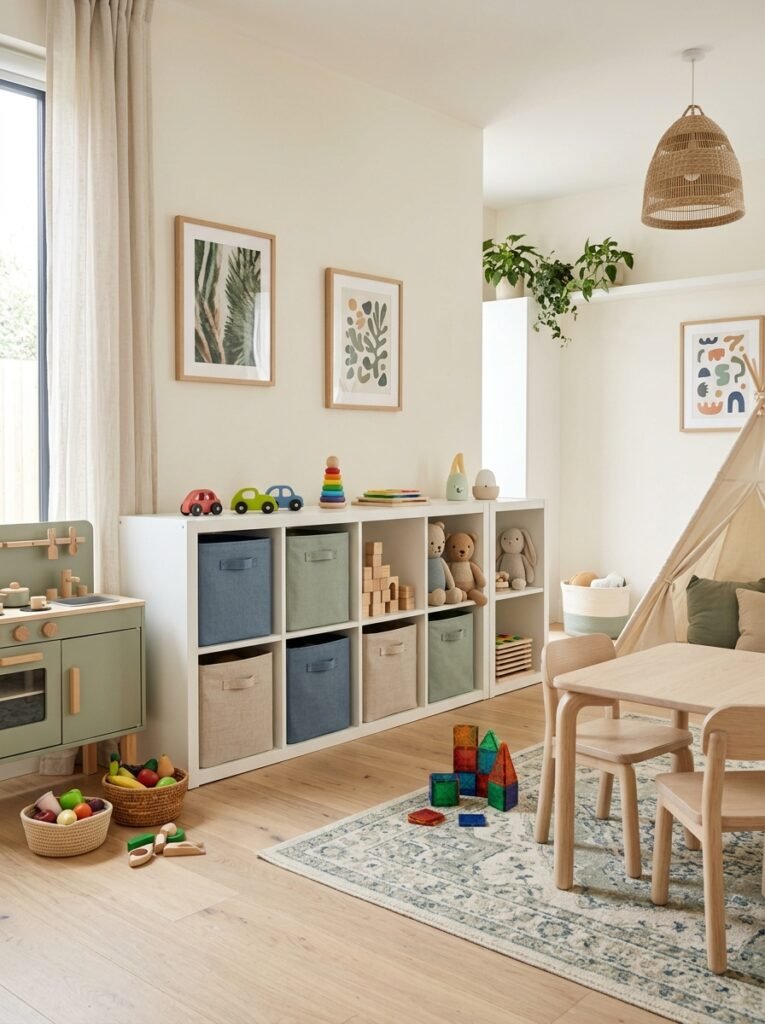
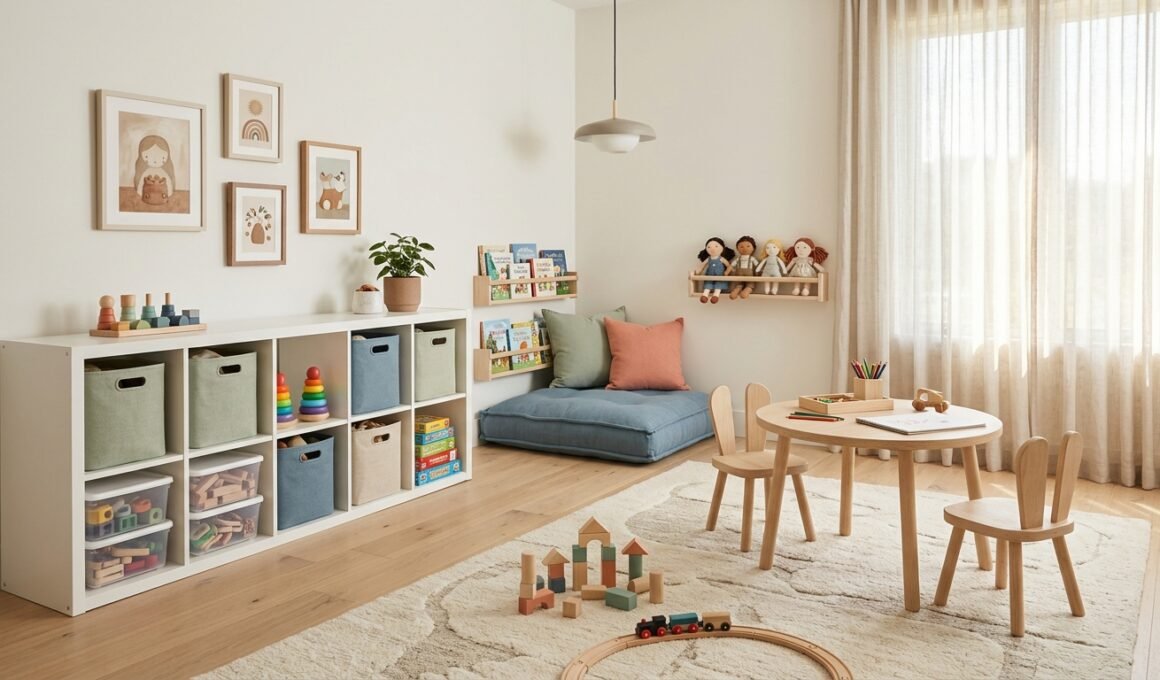
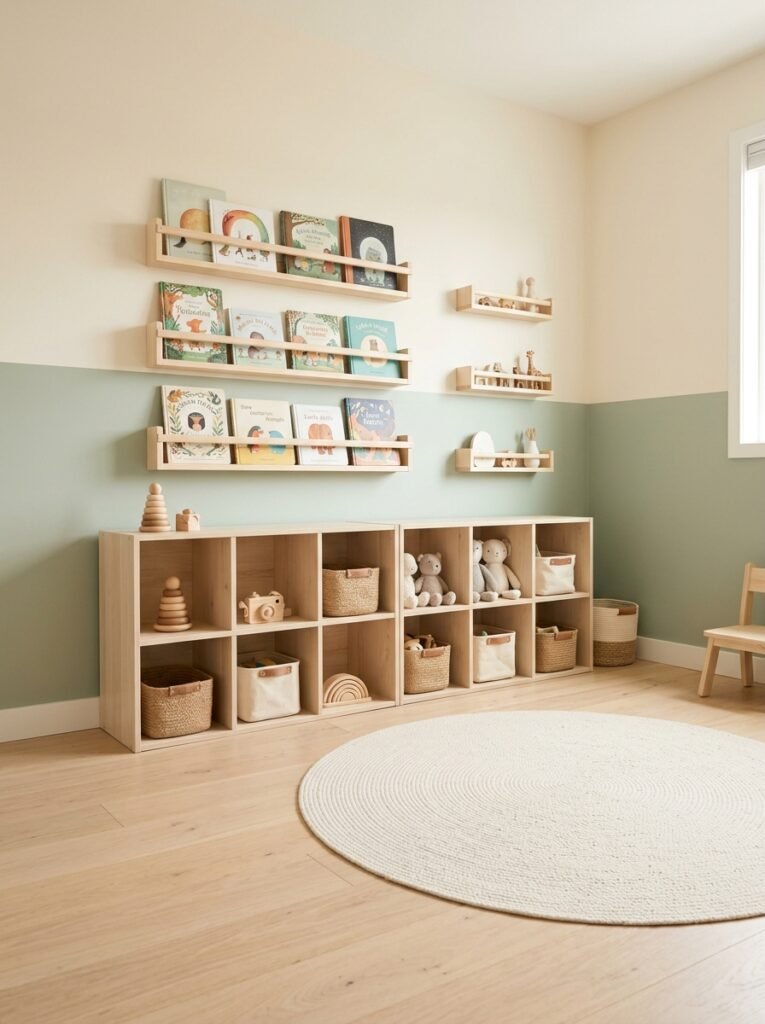
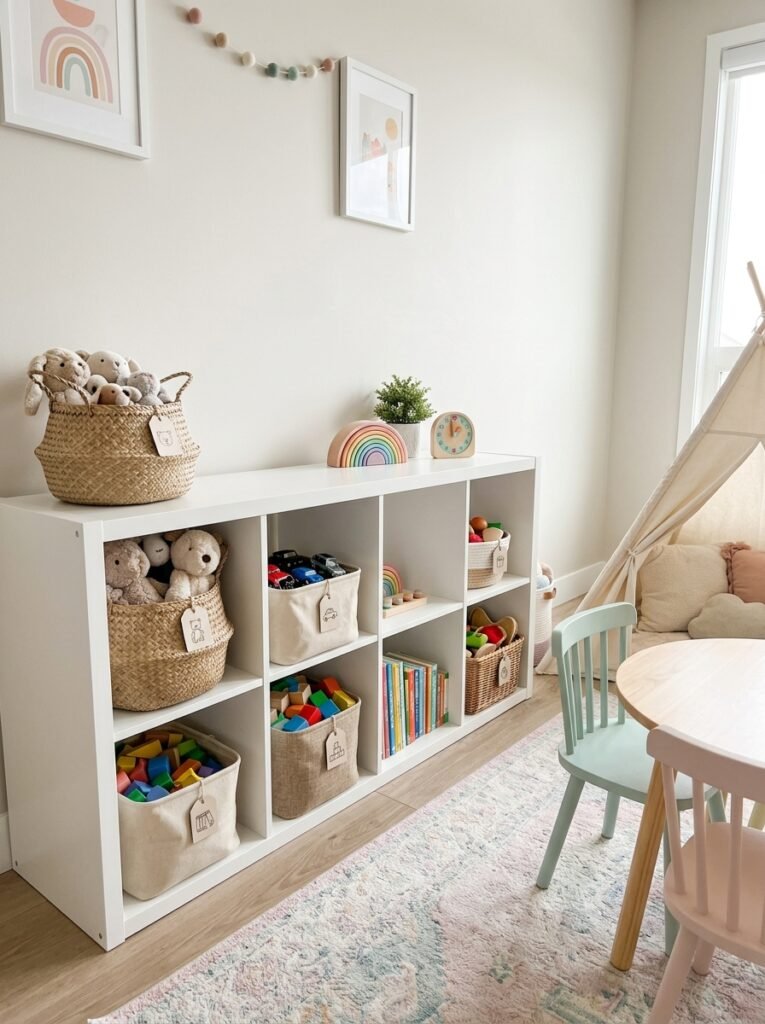
Cube storage is one of the most versatile ways to organize a playroom because it provides separate spaces for different types of toys. Assign one cube to building blocks, another to stuffed animals, and others to puzzles, vehicles, or pretend-play accessories. Fabric baskets can hide smaller pieces and create a cleaner appearance, while open cubes make favorite toys easy to access. Choose sturdy furniture with suitable weight limits and secure taller units to the wall. Keeping frequently used toys on lower shelves helps children retrieve and return them independently.
2. Organize Toys in Clear Bins
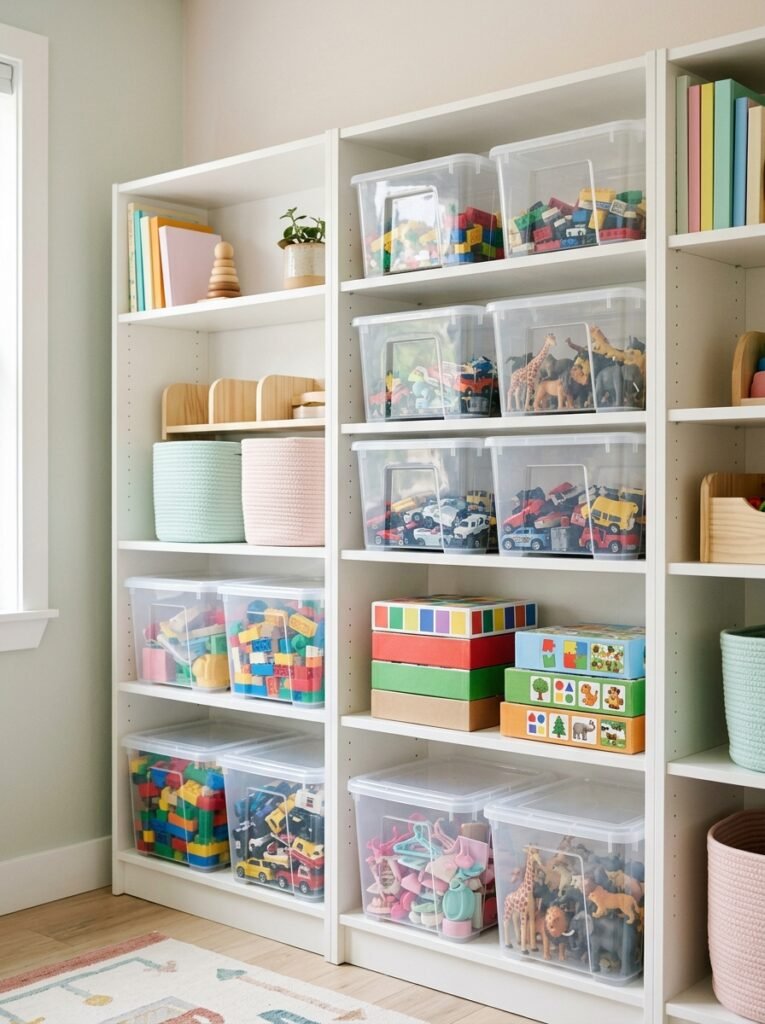
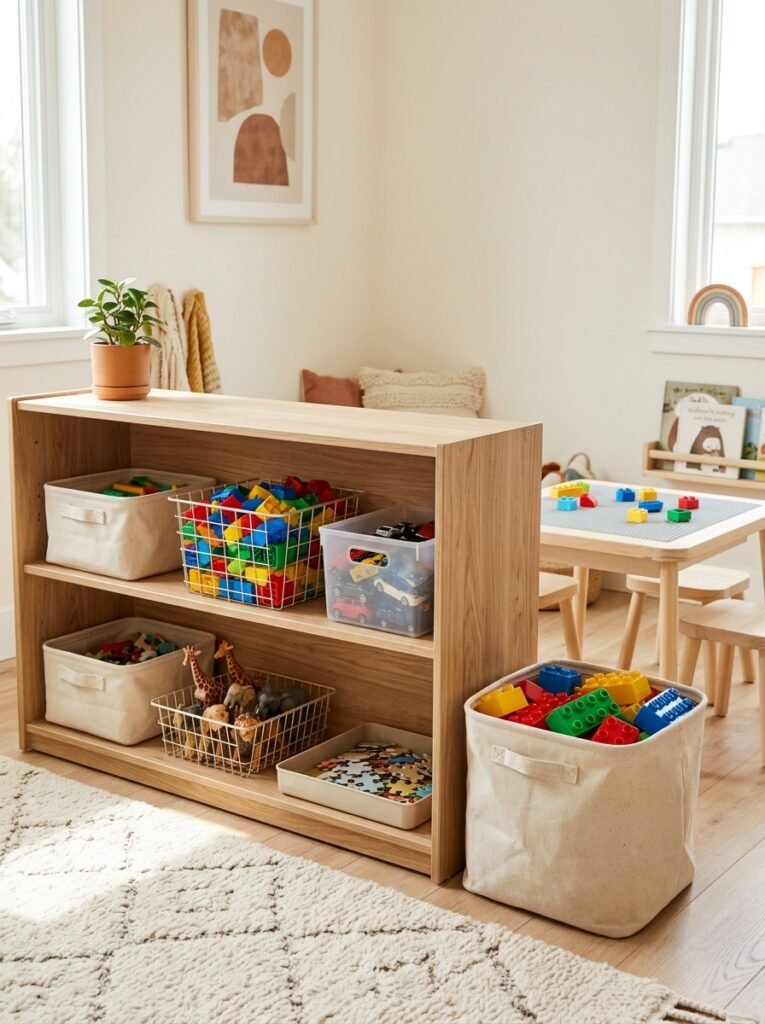
Clear bins make it easier to see what is available without opening several containers or emptying an entire shelf. They work especially well for LEGO-style building bricks, small vehicles, animal figures, doll accessories, and craft supplies. Choose stackable bins that fit your shelves and separate toys into manageable categories rather than mixing everything together. Place small pieces in appropriately sized containers and keep age-inappropriate or choking-hazard items out of reach of young children. For a more attractive result, use a consistent bin style throughout the room.
3. Make a Small Playroom Feel Bigger
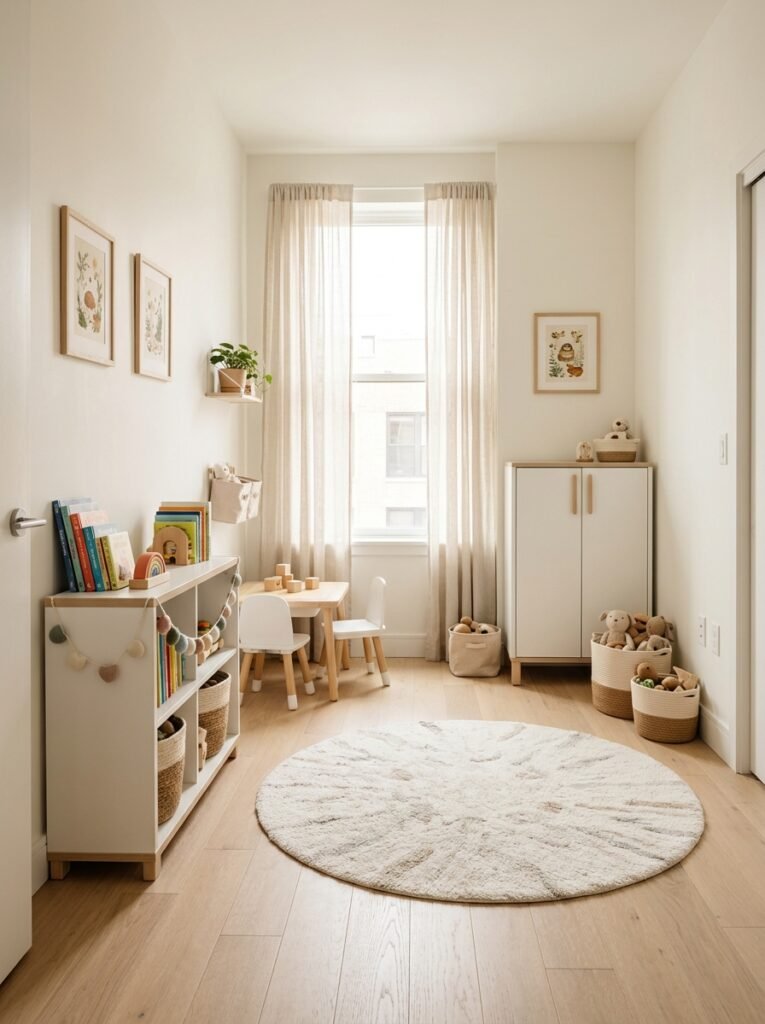
A small playroom needs furniture that provides storage without taking up too much floor space. Use low shelving against the walls, slim storage cabinets, and stackable containers instead of several bulky toy boxes scattered around the room. Keep the center open for playing, building, and moving around comfortably. Choose furniture in light, coordinated colors to create a visually calm appearance, and rotate some toys into closed storage rather than displaying everything at once. These playroom organization choices help a compact room feel more spacious without sacrificing the variety of activities children can enjoy.
4. Try IKEA-Inspired Toy Storage
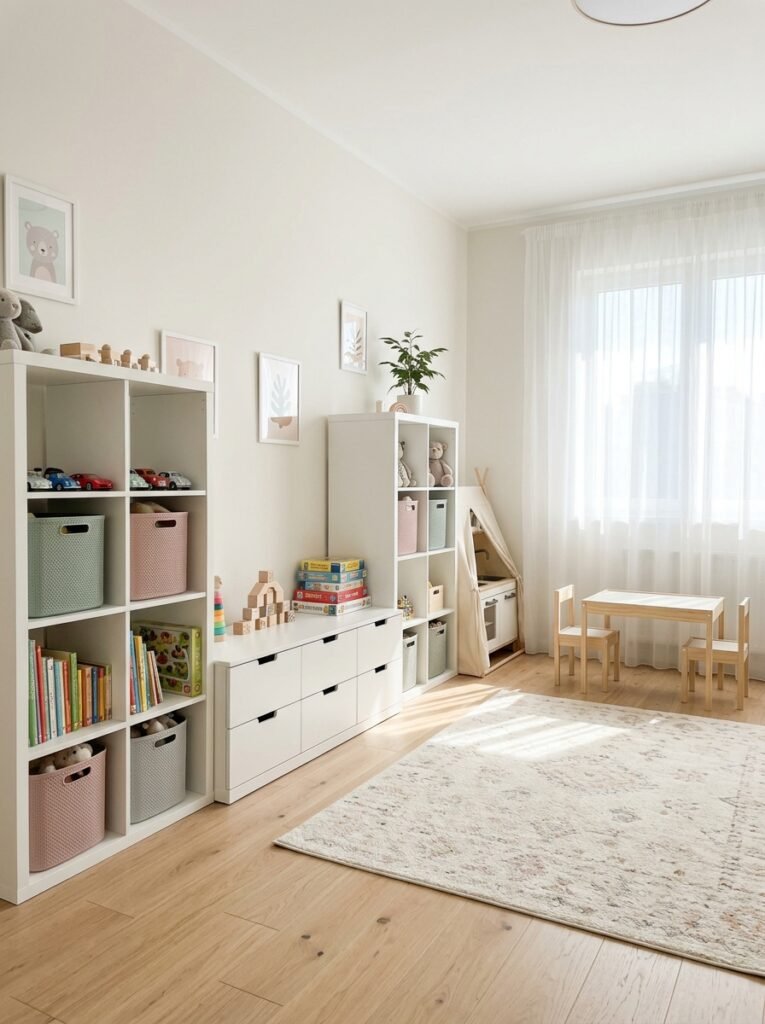
IKEA-inspired storage can help you combine open shelves, cube units, baskets, and closed cabinets into one coordinated system. Use open sections for toys children choose daily, baskets for loose accessories, and closed compartments for puzzles or materials you prefer to keep out of sight. Modular furniture is useful because you can add or rearrange units as your child’s needs change. Before buying anything, measure the wall and check the dimensions of your bins. Anchor tall units securely and choose a layout that leaves enough room for safe movement around the play area.
5. Create a Dedicated Barbie Storage Station
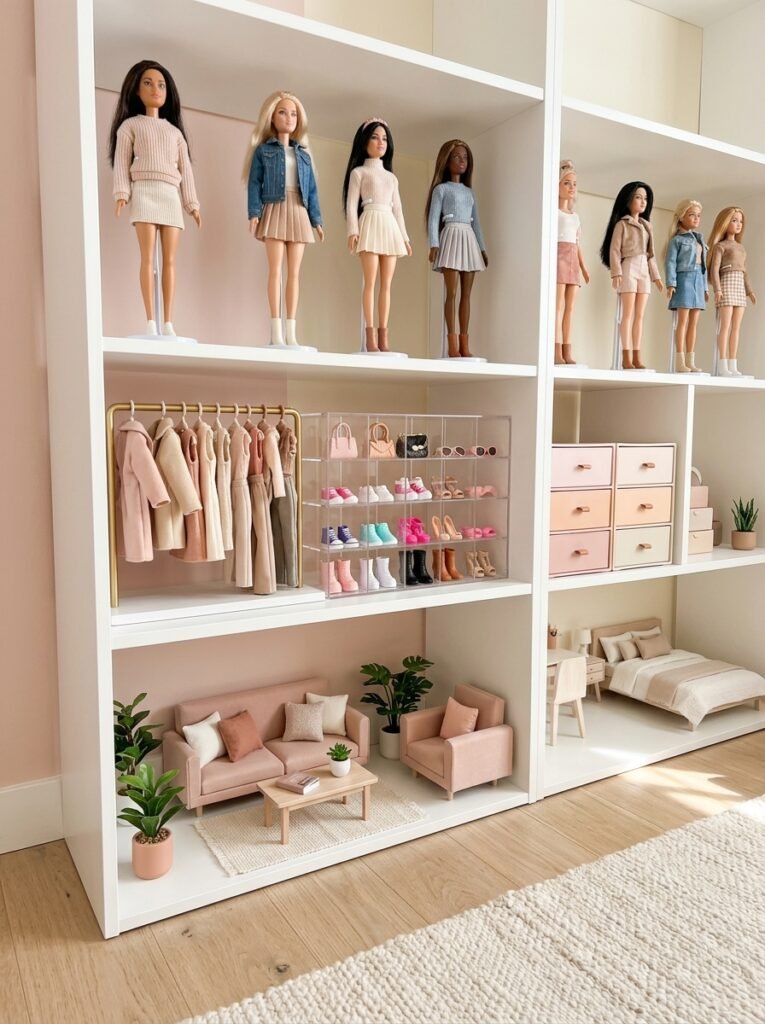
Barbie dolls and their accessories can quickly become scattered because outfits, shoes, furniture, vehicles, and tiny accessories all need different storage. Create a dedicated station with a doll display shelf, a divided organizer for small accessories, and a larger bin for dollhouses or furniture. Keep dolls upright where possible and group outfits together so children can find everything when they want to play. Small compartment boxes are especially helpful for shoes, jewelry, and other tiny pieces. Keep miniature accessories safely stored away from toddlers who may put small objects in their mouths.
6. Use a Montessori-Inspired Toy Shelf
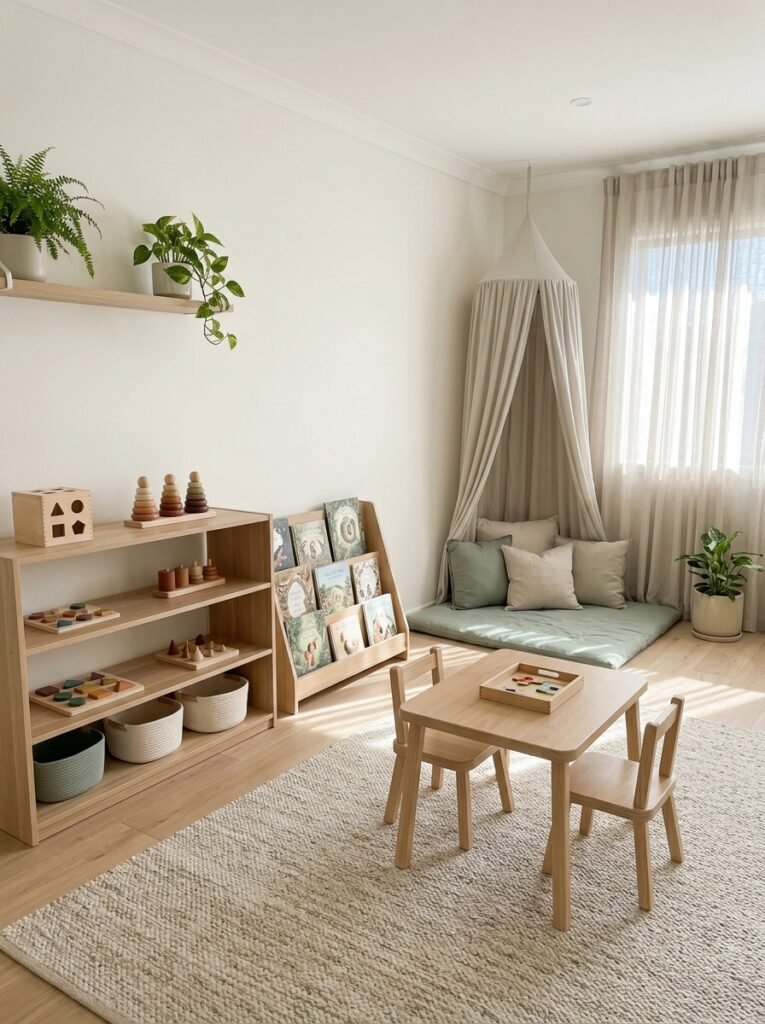
A Montessori-inspired play area often features low, accessible shelves with a limited selection of toys displayed clearly. Rather than filling every shelf, arrange a few activities with enough space between them so children can see their choices and return items independently. Place puzzles, blocks, books, and simple learning toys in separate baskets or trays, rotating selections when interest changes. The aim is not to follow a rigid design rule but to make the room easy for children to navigate. Secure shelves properly and select toys suitable for the child’s age and abilities.
7. Organize Toys With Budget-Friendly Dollar Tree Bins
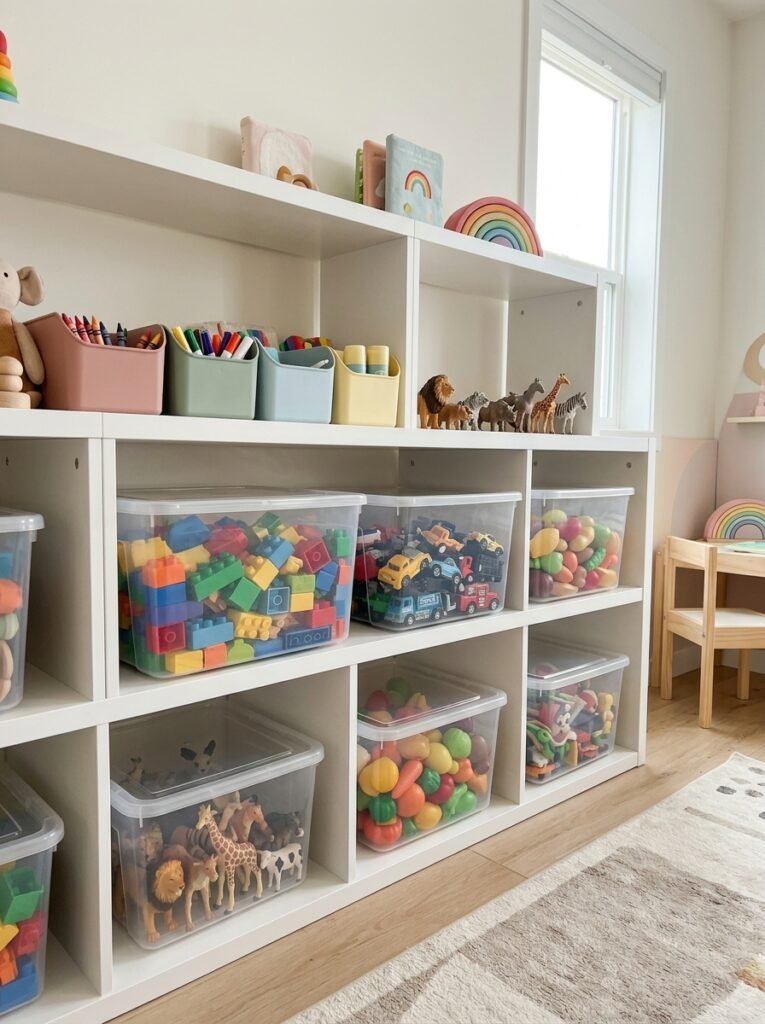
Affordable bins and small containers from discount stores, including Dollar Tree, can help organize toys without a large furniture budget. Use small containers for crayons, play-food accessories, figurines, toy animals, and building pieces, while larger bins can hold soft toys or dress-up accessories. Measure your shelves first so the containers fit neatly, and choose a consistent selection of colors or clear styles for a coordinated look. Budget storage works best when each container has a specific purpose and is easy for children to use rather than becoming another place to hide mixed clutter.
8. Build a DIY Toy Storage Bench
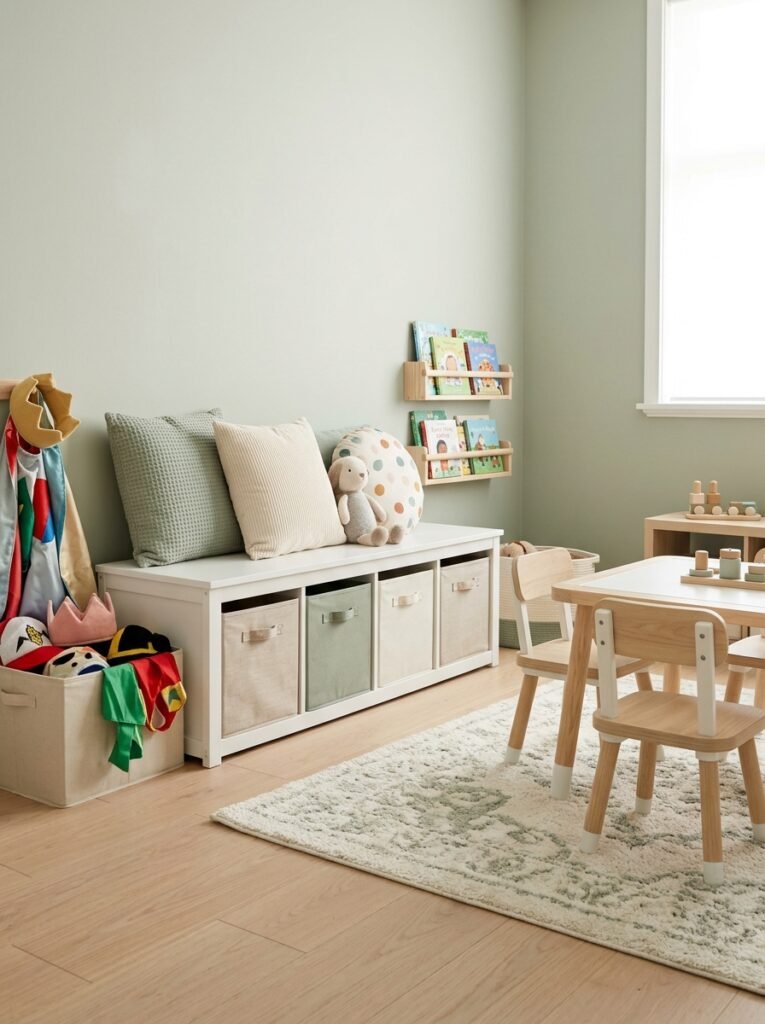
A storage bench provides a useful place to sit while hiding larger toys, dress-up clothes, or soft play accessories. Choose a sturdy bench designed for storage, or create a DIY version using suitable furniture and separate bins that slide underneath. Keep the top surface clear enough for comfortable seating and avoid designs with heavy lids that could close unexpectedly on little fingers. This solution works particularly well near a reading corner, play table, or window. It combines practical storage with a useful seating area without requiring a separate toy cabinet and bench.
9. Add Toy Storage to a Closet
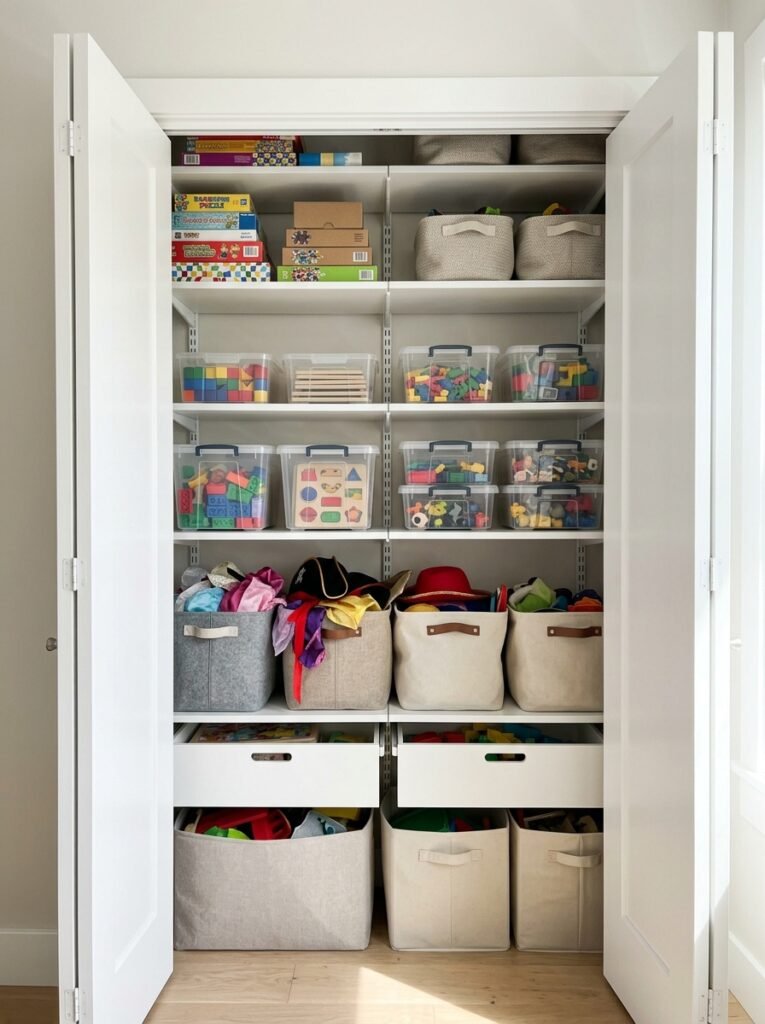
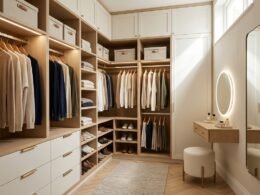
A closet can become valuable hidden storage for toys that do not need to remain on display all day. Install adjustable shelves, stackable bins, and low drawers to separate board games, puzzles, dress-up accessories, spare toys, and seasonal play materials. Keep everyday favorites within easy reach and store less frequently used items higher up, provided they remain safely accessible to adults. If the closet is narrow, use slim containers that can be pulled out without moving everything else. A well-planned closet helps the main playroom stay tidy while keeping toys available when children want them.
10. Use a Rotating Toy Storage System
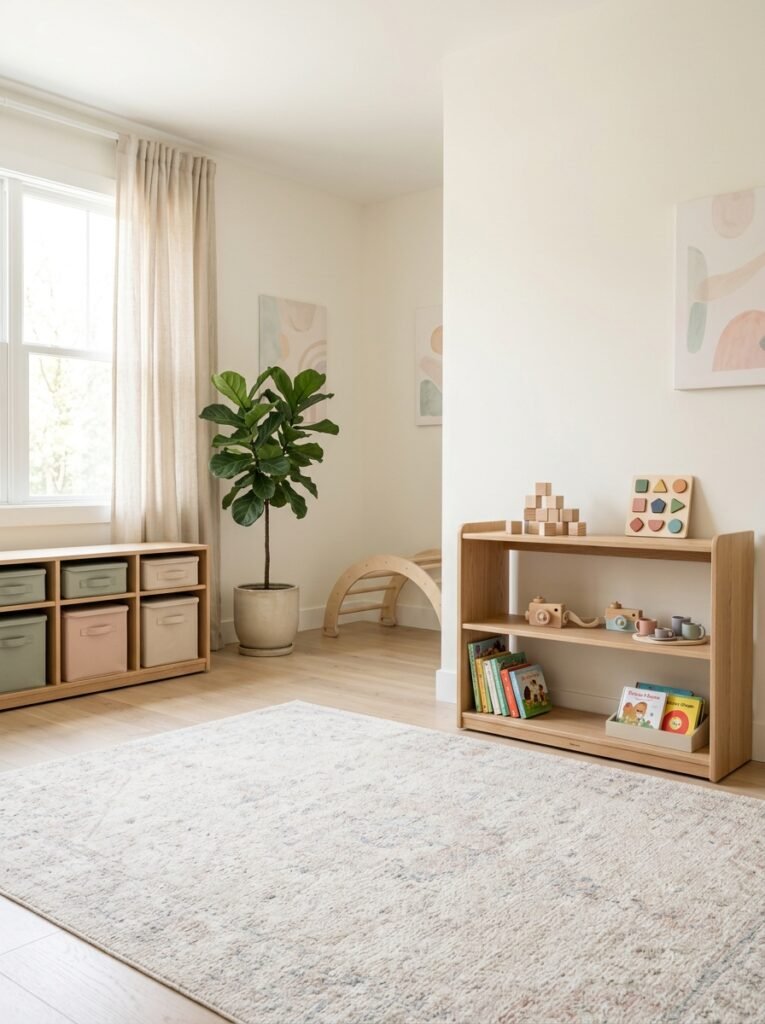
Children do not need every toy available at the same time. A rotation system keeps a manageable selection accessible while other toys are stored in labeled-looking, text-free bins in a closet or cabinet. Group toys by activity, such as construction, pretend play, puzzles, art, and sensory play, then switch selections periodically according to your child’s interests. This approach reduces visual clutter and makes it easier to notice which toys are being used. Keep beloved comfort items available and allow children to help choose what comes out next.
11. Create a Reading and Quiet Play Corner
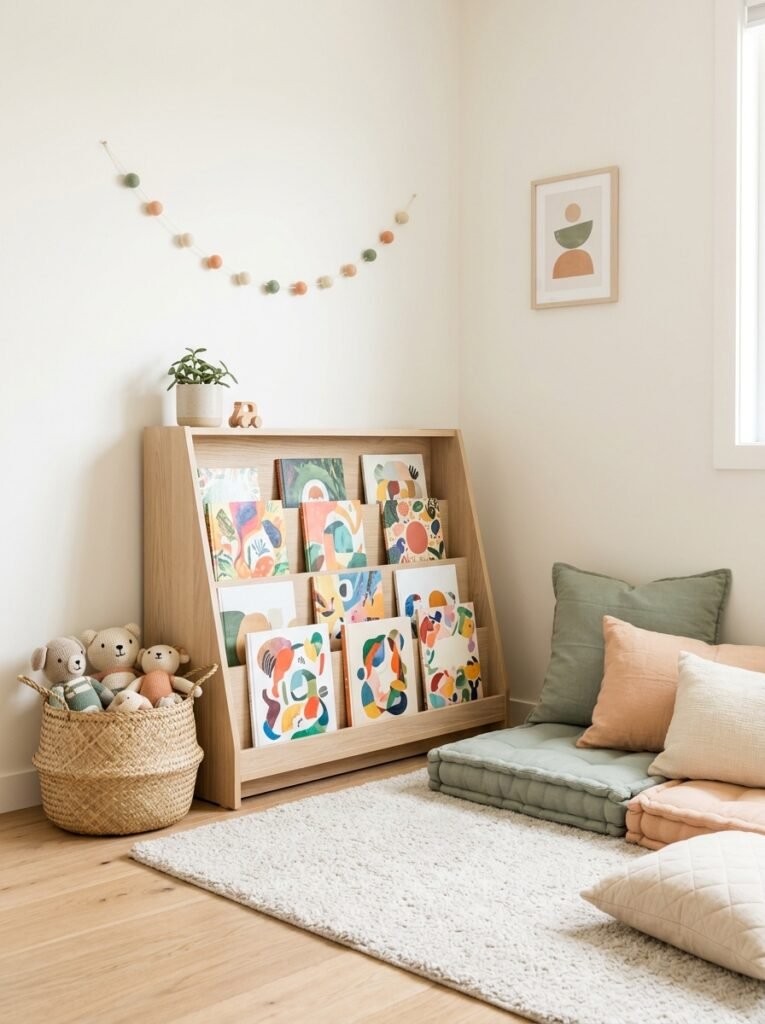
A reading corner gives children a calmer activity area within the playroom and helps separate books and quiet toys from noisier play materials. Add a small book ledge or forward-facing bookshelf, a comfortable floor cushion, and a basket for soft toys or sensory items. Keep the number of displayed books manageable so children can browse without pulling everything out at once. Place the corner away from busy pathways and use soft, washable textiles where possible. This small zone makes the room more versatile without requiring another large piece of furniture.
12. Organize Building Blocks and Small Toys by Category
Building blocks, miniature figures, toy vehicles, and puzzle pieces are easier to manage when similar items are stored together. Use shallow bins or divided containers for smaller pieces and a larger basket for oversized blocks. Separate completed sets or special collections when keeping pieces together matters, and avoid overfilling containers so children can find items without dumping everything onto the floor. Place the bins near the area where children normally build or play. This simple category-based system makes cleanup quicker and helps prevent pieces from becoming mixed between different games.
13. Make a Playroom Art and Craft Station
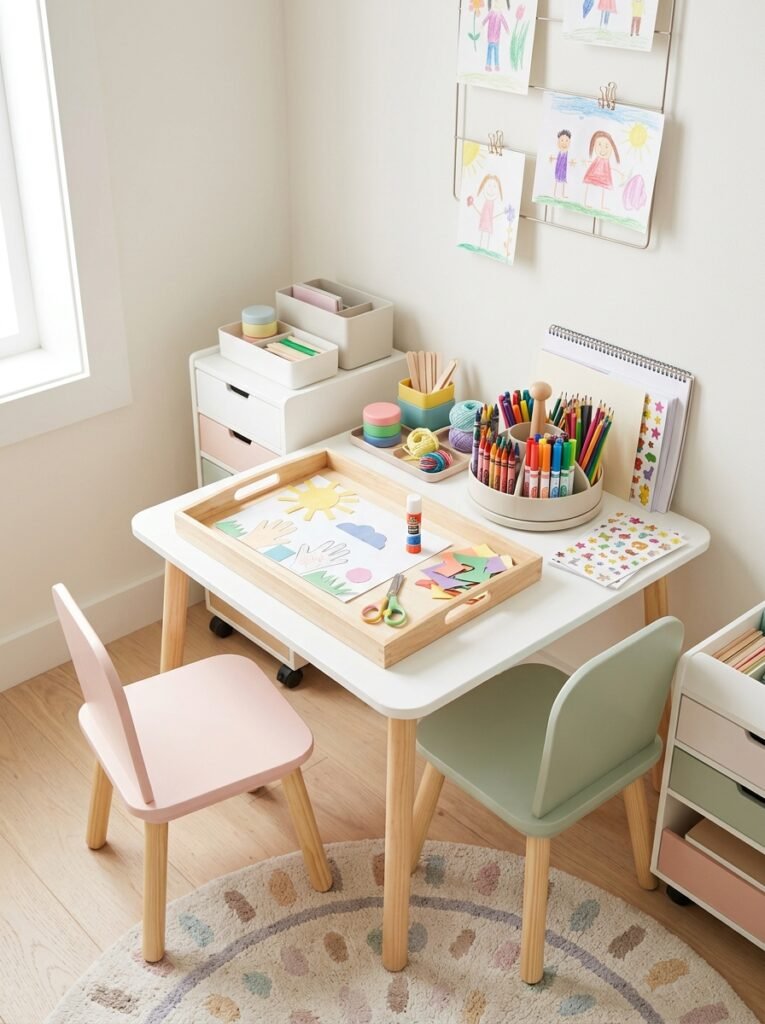
An art station keeps crayons, washable markers, paper, stickers, and child-friendly craft supplies together so creative activities can begin without searching through the entire room. Use a small table with nearby drawer storage or a compact cart, and keep frequently used materials in easy-to-reach containers. Place messier supplies and tools that require supervision in adult-controlled storage. Add a shallow tray for current projects and a separate folder or container for finished artwork. A dedicated creative zone protects the rest of the playroom from scattered supplies and makes cleanup part of the activity.
14. Use Wall Storage to Free Up Floor Space
Wall storage is useful when a playroom has limited floor area or needs a larger open space for active play. Install sturdy shelves or a suitable wall organizer for lightweight books, display toys, and small containers, keeping heavier items lower and securely supported. Wall-mounted baskets can hold soft toys or dress-up accessories when designed for that purpose. Keep shelves and hanging items safely installed, and avoid positioning heavy objects above areas where children sit or play. Using the walls thoughtfully helps reduce floor clutter without making the room feel crowded.
15. Create an Easy Dress-Up and Pretend-Play Area
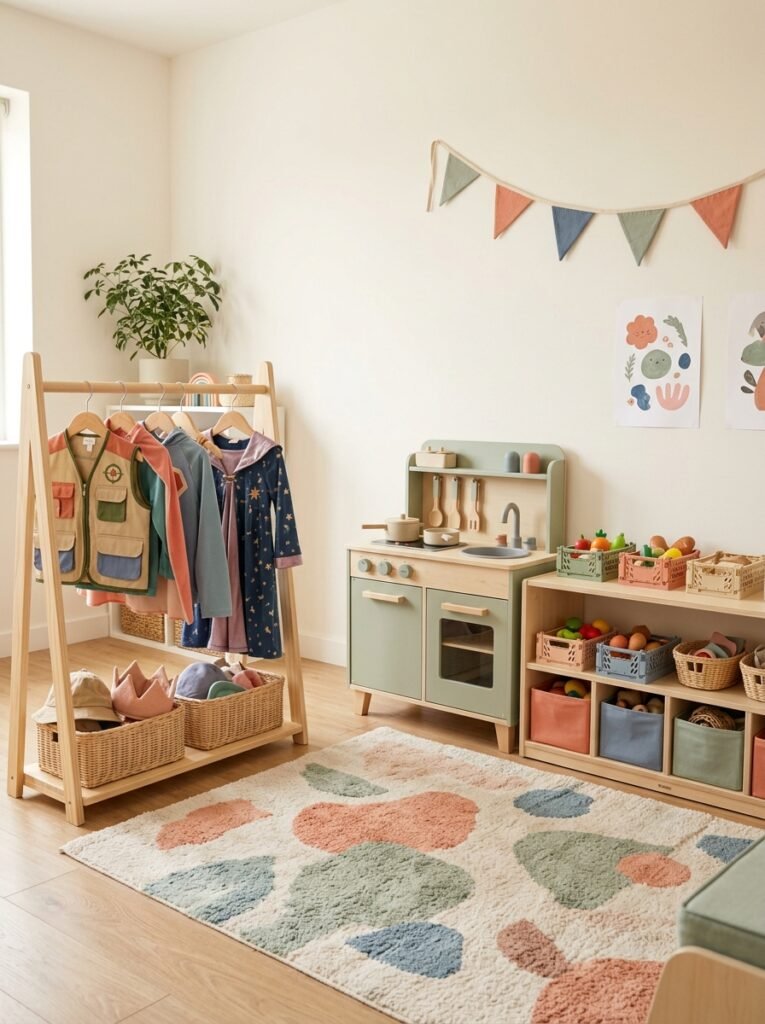
Costumes, toy kitchens, pretend food, doctor kits, and dress-up accessories can inspire imaginative play but are often difficult to tidy when everything shares one container. Use a low rail or designated basket for costumes, a divided box for accessories, and a small shelf for pretend-play sets. Keep the categories close together so children can build a complete game without searching the whole room. Select lightweight storage that children can manage safely and avoid overcrowding the display. A dedicated pretend-play zone makes favorite activities more inviting and cleanup more predictable.
16. Add Under-Bed or Low-Furniture Storage
If the playroom includes a daybed, bench, or other suitable low furniture, the space underneath can store toys that are not used every day. Choose shallow containers that slide out smoothly and fit the available clearance, then group items by category so children do not have to pull out several bins to find one toy. Use covered containers for materials that need protection from dust. Avoid placing heavy bins where a child could struggle to move them, and keep the most frequently used toys in more accessible storage instead.
17. Store Puzzles and Board Games Vertically
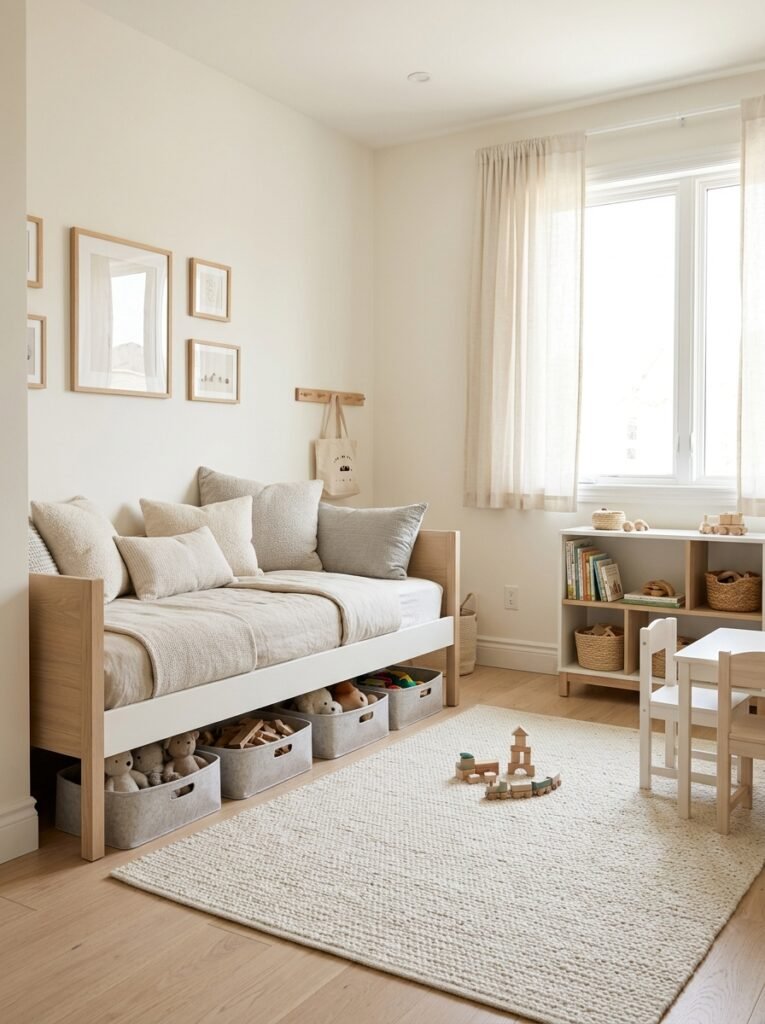
Board games, puzzles, and activity kits can occupy a surprising amount of shelf space when stacked in uneven piles. Arrange boxes vertically in a sturdy shelf section or file-style organizer when their shapes allow it, making it easier to pull out one game without disturbing the others. Keep loose pieces in their original containers or secure them in suitable bags inside the box. Place games children use most often on lower shelves and reserve upper storage for adult-supervised activities. This approach makes family game time easier to start and cleanup less frustrating.
18. Give Every Toy a Clear Home
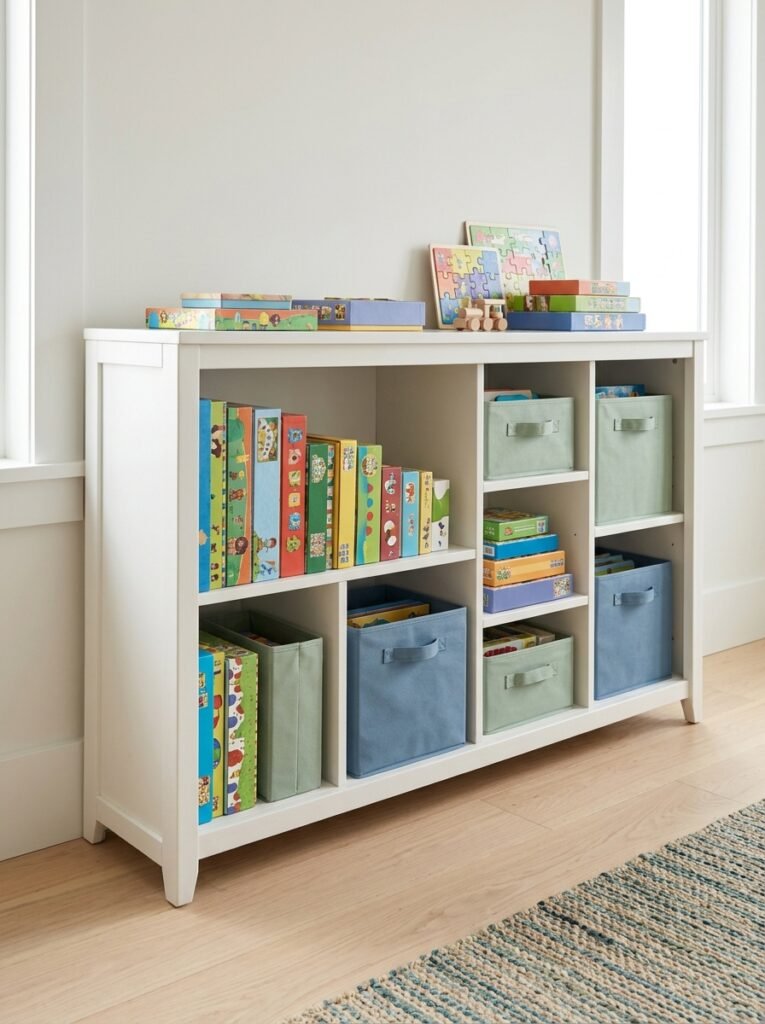
One of the most useful playroom organization habits is making sure every toy category has a predictable place to return to. A basket for stuffed animals, a bin for cars, a shelf for books, and a container for blocks create a simple system that children can learn over time. Use picture labels or simple category symbols if they help younger children recognize where items belong. Avoid creating too many tiny categories, because the system should make cleanup easier rather than turning it into a complicated task. Keep storage consistent and adjust it as interests change.
19. Use Multi-Purpose Furniture for Small Playrooms
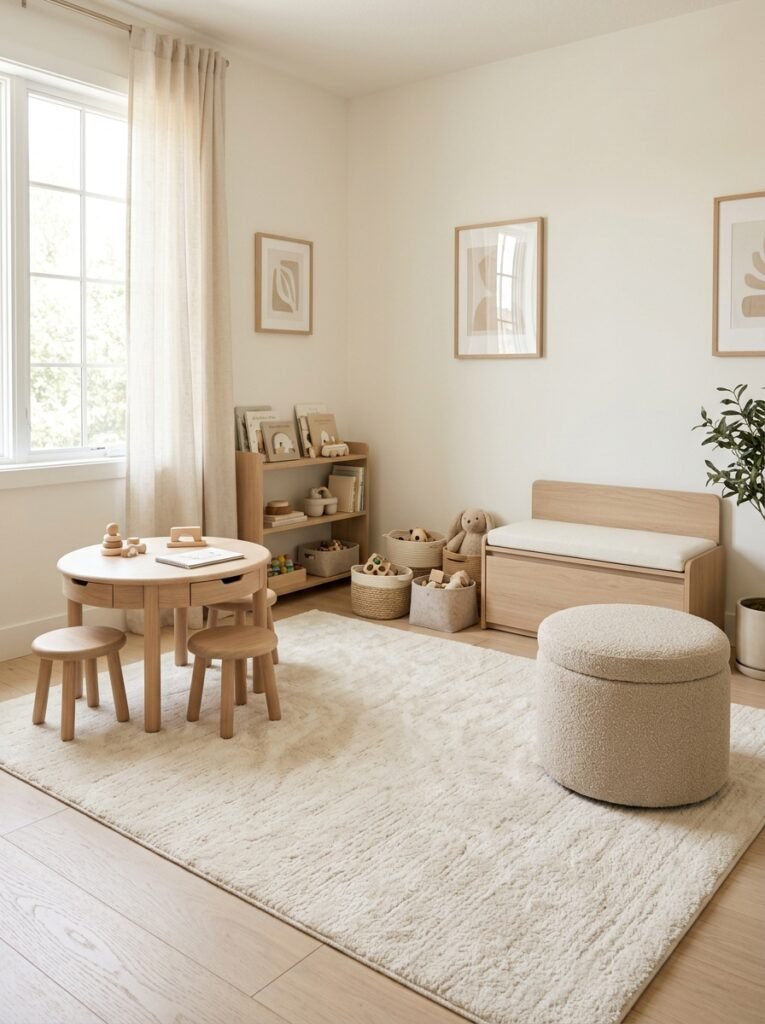
Multi-purpose furniture helps a small playroom support several activities without needing a separate piece for each one. A storage ottoman can hold soft toys, a bench can provide seating and hidden storage, and a child-sized table with drawers can accommodate art materials and puzzles. Choose furniture that is stable, easy to clean, and suitable for the child’s age. Avoid overcrowding the room with too many dual-purpose pieces; instead, select the one or two items that solve the biggest storage problems while leaving enough open space for play.
20. Create a Simple Daily Toy Cleanup Routine
Even a well-designed storage system becomes messy if toys do not return to their designated places. Make cleanup easier by using accessible baskets, limiting the number of toys on the floor at once, and returning each category to its usual shelf after play. A short routine before bedtime or before starting a new activity can help the family maintain the room without a major weekly cleanup. Young children can participate in age-appropriate ways, such as returning blocks to a basket or books to a shelf, with adult guidance and encouragement.
How to Organize a Playroom Step by Step
The easiest way to organize a playroom is to start small rather than emptying every cabinet at once. Gather similar toys together, remove broken or unused items, and identify which categories need the most accessible storage. Measure the available shelves and floor space before purchasing containers. Arrange everyday toys at child-friendly heights, place less frequently used materials in closed storage, and keep the central play area open. Once the system is in place, observe how your family uses the room and adjust any storage that proves inconvenient.
Budget-Friendly Toy Storage Tips
- Reuse containers you already own: Check drawers, baskets, and boxes before purchasing new organizers.
- Measure before shopping: Containers that fit properly make shelves look cleaner and are easier to use.
- Store toys by category: Keep blocks, dolls, vehicles, books, and puzzles separate.
- Use vertical space carefully: Shelves can free up the floor when installed securely.
- Rotate toys: Keep a manageable selection accessible and store the rest safely.
- Choose child-friendly access: Put frequently used toys where children can reach them safely.
- Keep cleanup simple: Every toy category should have an obvious place to return to.
Final Thoughts
A well-planned playroom organization system helps children enjoy their toys while making everyday cleanup easier for the whole family. You do not need a large room or expensive furniture to create an inviting play space. Start with practical storage, choose containers that fit your shelves, and give frequently used toys an accessible home. Whether you prefer IKEA-inspired cube units, clear bins, Montessori-style shelves, or simple DIY solutions, the best setup is one your family can maintain comfortably over time.