



This post may contain affiliate links. Please read my disclosure policy.
In This Article Show
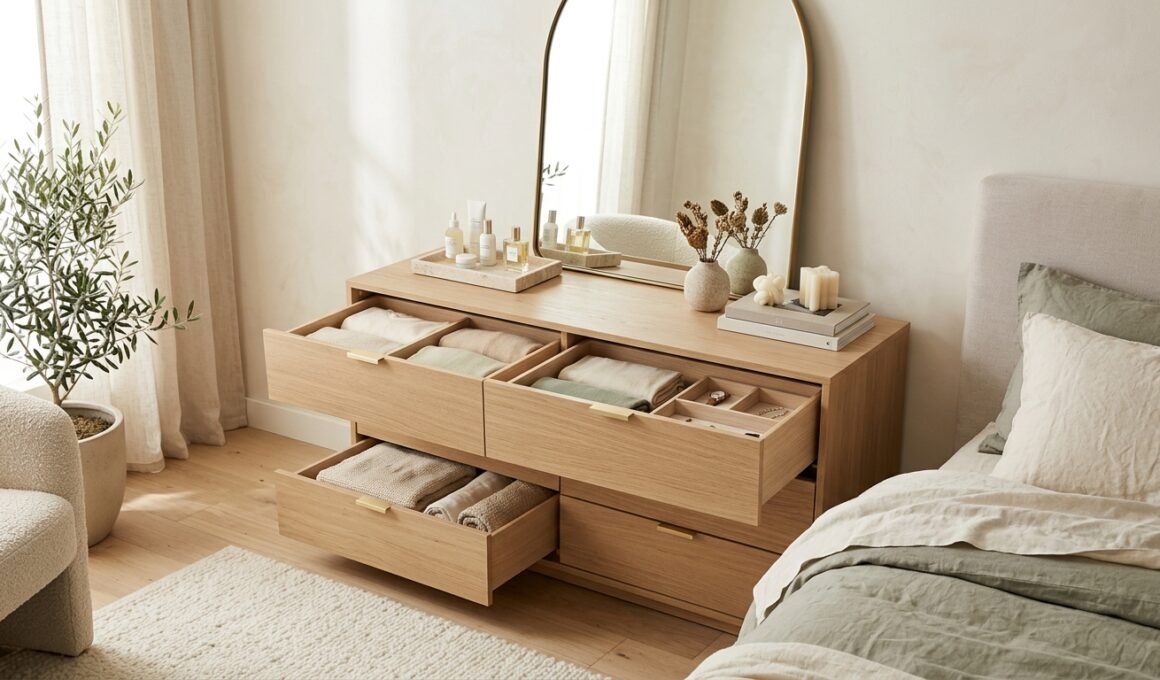
A dresser can make a bedroom feel organized, but when drawers become crowded and the top fills with random items, even a beautiful piece of furniture can look messy. The right dresser organization system helps you find clothes, makeup, accessories, and everyday essentials without searching through piles. Whether you have a tall bedroom dresser, an IKEA MALM unit, a compact four-drawer chest, or a six-drawer baby nursery dresser, small changes can make your storage more practical and attractive. The goal is to give every item a clear place while keeping your room comfortable, stylish, and easy to maintain. Before buying organizers, empty one drawer at a time and group similar items together. Separate everyday clothes from seasonal pieces, place accessories in their own categories, and remove items that no longer belong in the dresser. Consider how you get ready each day: frequently used items should be easiest to reach, while occasional-use products can go in less accessible drawers. If the dresser is in a nursery, prioritize safe storage and keep the changing area free from unnecessary clutter. A good system should fit your actual routine rather than simply look attractive in photographs.
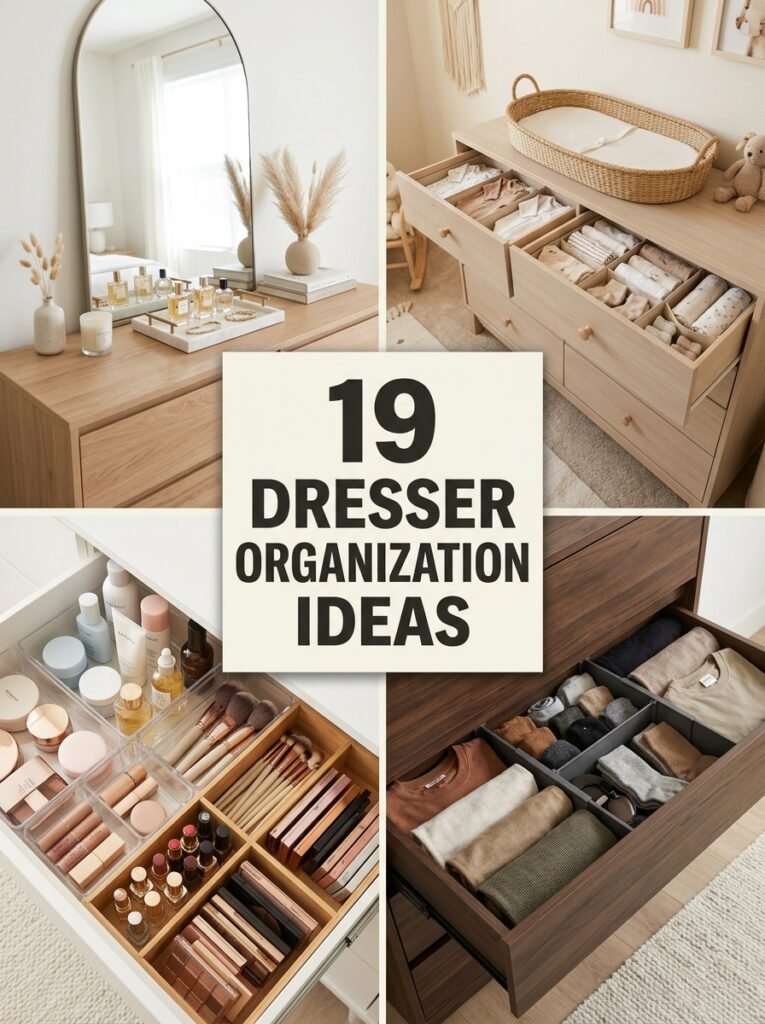
1. Divide Drawers by Clothing Category
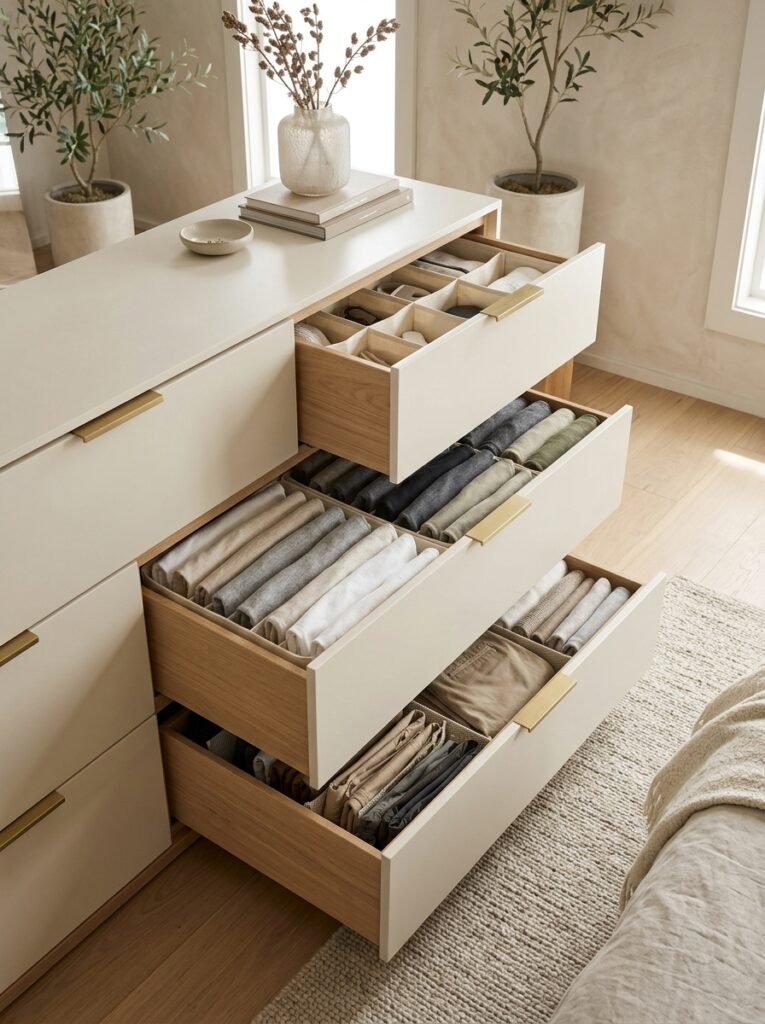
One of the most practical dresser organization ideas is to assign each drawer a specific purpose instead of mixing every type of clothing together. For example, one drawer can hold T-shirts, another can store trousers, and a third can contain sleepwear or everyday basics. Use drawer dividers to separate smaller items and prevent clothing from becoming mixed whenever you take something out. This method makes getting dressed quicker because you know where each category belongs. It is especially useful for busy households, shared bedrooms, and anyone who wants to keep clothing organized without constantly refolding entire drawers.
2. Keep the Dresser Top Clear
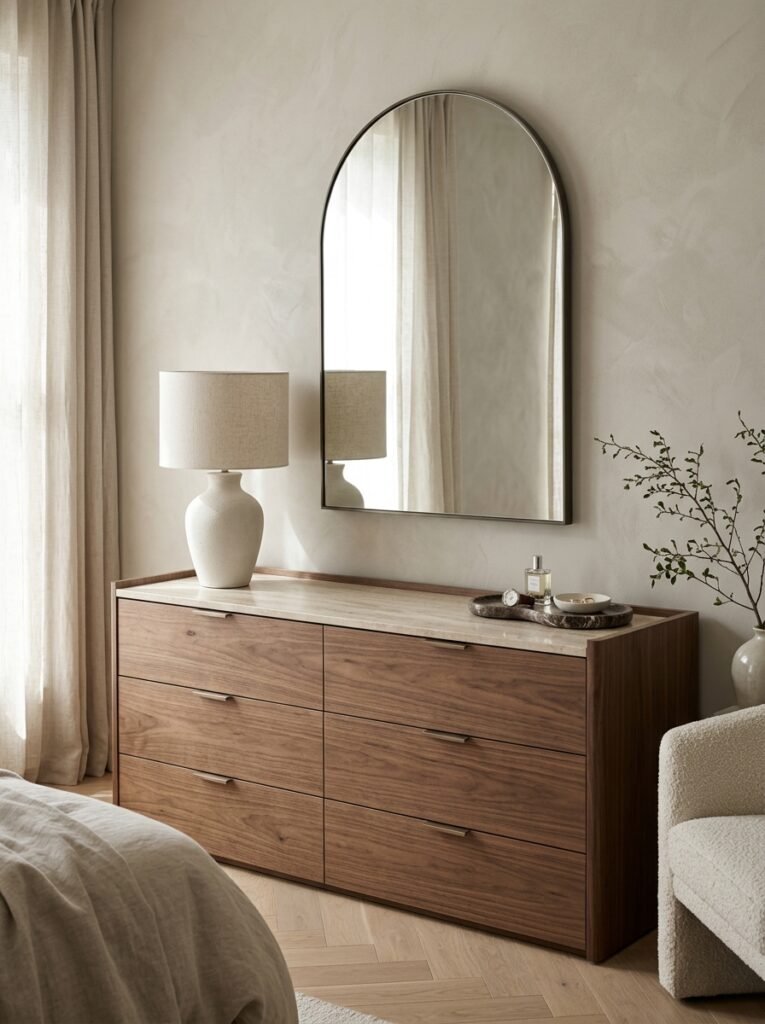
The dresser top often becomes a landing place for keys, jewelry, makeup, receipts, skincare, and other small items. Instead of allowing everything to spread across the surface, choose a few essentials and give them a defined area using a small tray or organizer. Store clothing and backup products inside the drawers, and remove anything that does not need to stay on display. A clear top makes the entire bedroom feel calmer and allows the dresser itself to become part of the room’s design. This approach is especially effective in small bedrooms, where visible clutter can make the space feel even more crowded.
3. Create a Dedicated Newborn Clothes Drawer
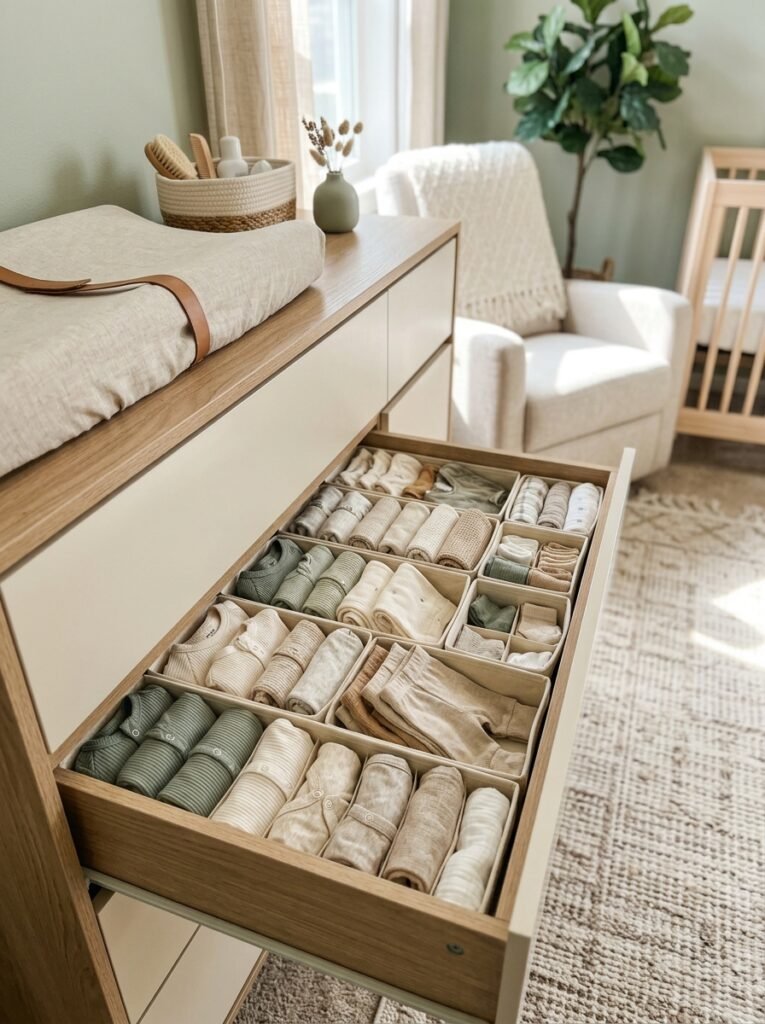
Newborn clothes are tiny, so they can easily become mixed together or disappear beneath larger items. Create a dedicated drawer for bodysuits, sleepers, soft pants, and other frequently used baby clothing, using small dividers to separate each category. Arrange the items so you can quickly find a complete outfit without emptying the drawer. Keep the most frequently used pieces toward the front and reserve another section for clothing that is slightly larger. This arrangement helps parents manage daily changes more easily while preventing the nursery dresser from becoming crowded with mixed sizes and accessories.
4. Organize a Six-Drawer Nursery Dresser
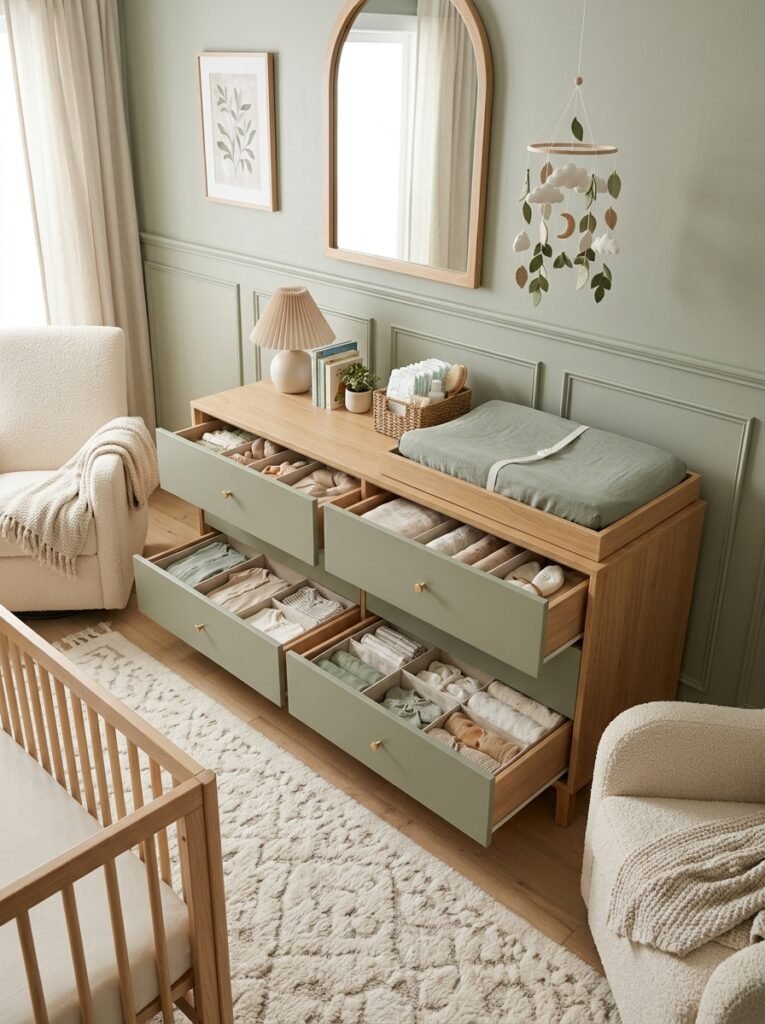
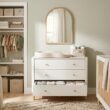
A six-drawer nursery dresser provides plenty of opportunities to separate baby essentials into logical categories. You might use the upper drawers for everyday clothing, dedicate one drawer to sleepwear, another to blankets or burp cloths, and reserve lower drawers for larger clothing sizes or seasonal items. Adapt the layout to your baby’s needs instead of assigning categories simply to fill every drawer. Keep frequently used essentials accessible to the caregiver and avoid overcrowding the changing surface if the dresser also supports a changing station. A clear layout makes it easier to maintain the nursery as your baby grows.
5. Use Drawer Dividers for Makeup
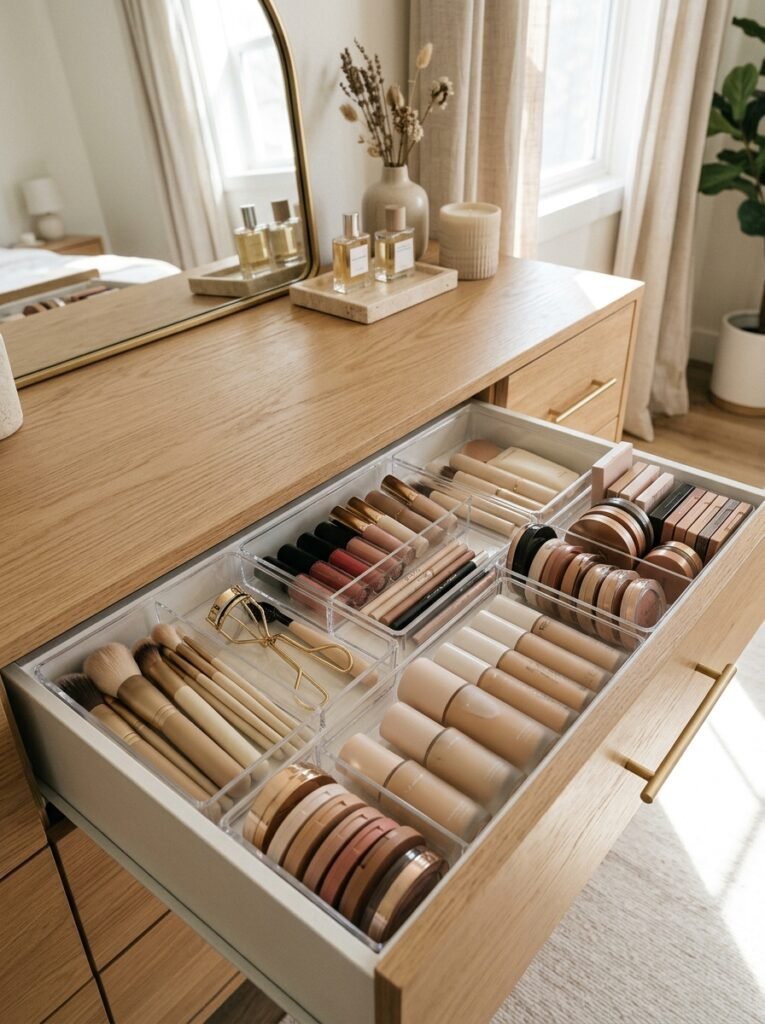
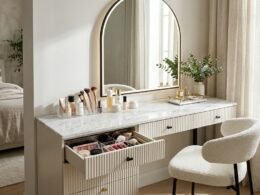
If you use a bedroom dresser as a beauty station, makeup products can quickly take over the top and drawers. Create separate sections for lip products, complexion makeup, eye products, brushes, and small beauty tools. Shallow dividers work particularly well because they keep products visible instead of hiding them beneath other items. Store everyday makeup toward the front and occasional-use products farther back. This makes the drawer easier to use and reduces the need to move everything around during your routine. It also lets you keep the dresser top relatively clear without sacrificing convenient access to your beauty essentials.
6. Organize an IKEA MALM Dresser
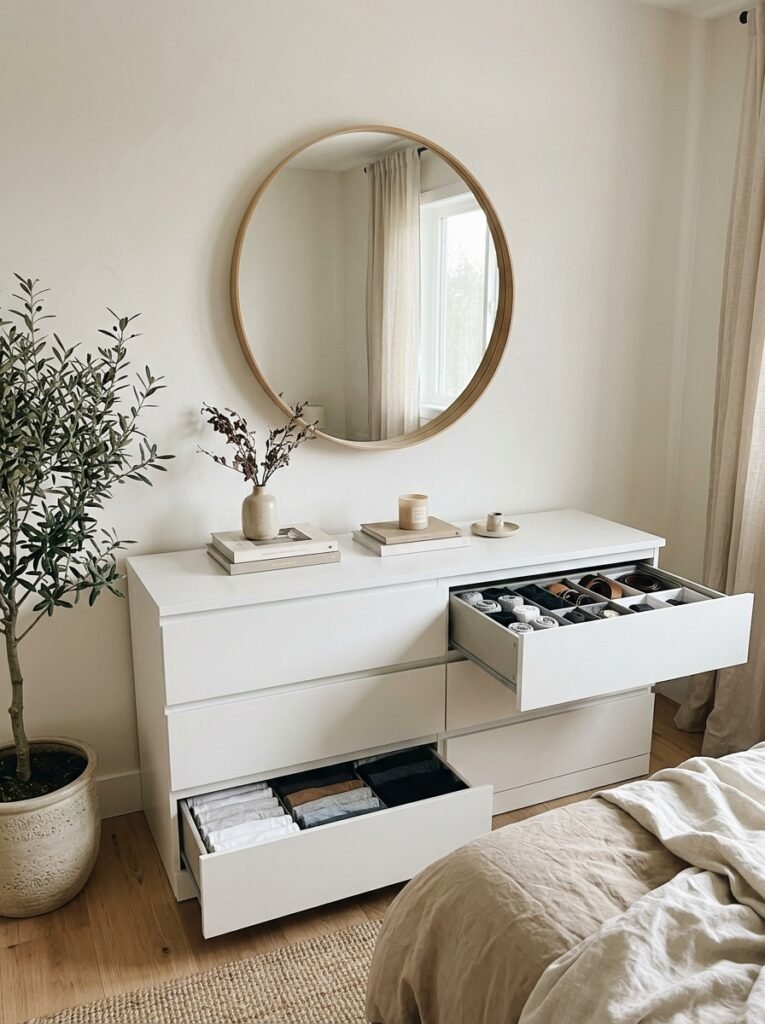
An IKEA MALM dresser has a simple, modern appearance that works well in many bedrooms, but its drawers can become messy without a clear system. Measure the drawer interiors before choosing organizers so the inserts fit without wasting space. Use shallow dividers for socks, accessories, and smaller garments, while larger clothing categories can occupy the remaining drawer area. Keep the top styled with only a few useful or decorative items to preserve the furniture’s minimalist look. The same approach works for similar streamlined dressers: consistent categories and well-fitted organizers matter more than the brand of furniture.
7. Use a Four-Drawer Dresser Strategically
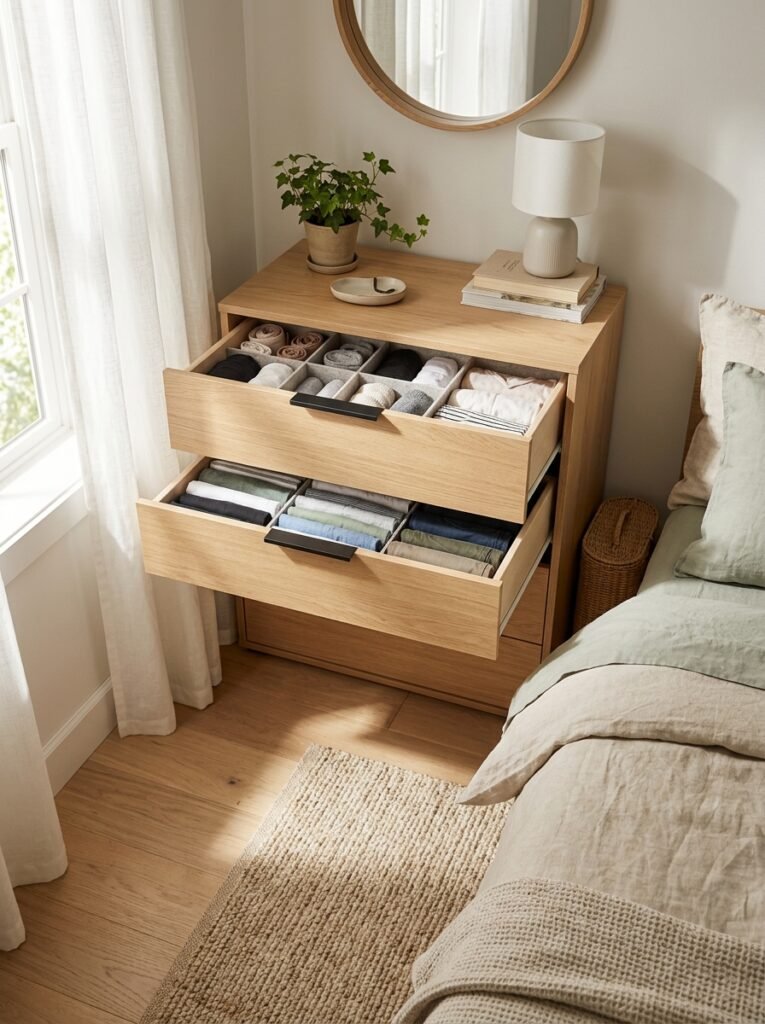
A four-drawer dresser needs a more selective storage plan because there are fewer spaces to work with. Give each drawer a broad purpose, such as everyday tops, trousers, undergarments, and sleepwear, then use smaller dividers inside each drawer to keep items separated. Avoid creating too many categories that require extra containers and reduce usable space. If you also store accessories or makeup in the dresser, consider moving occasional-use items elsewhere so the main drawers remain available for daily clothing. A simple four-drawer system can be highly effective when each drawer has a clear role.
8. Create a Dedicated Baby Changing Drawer
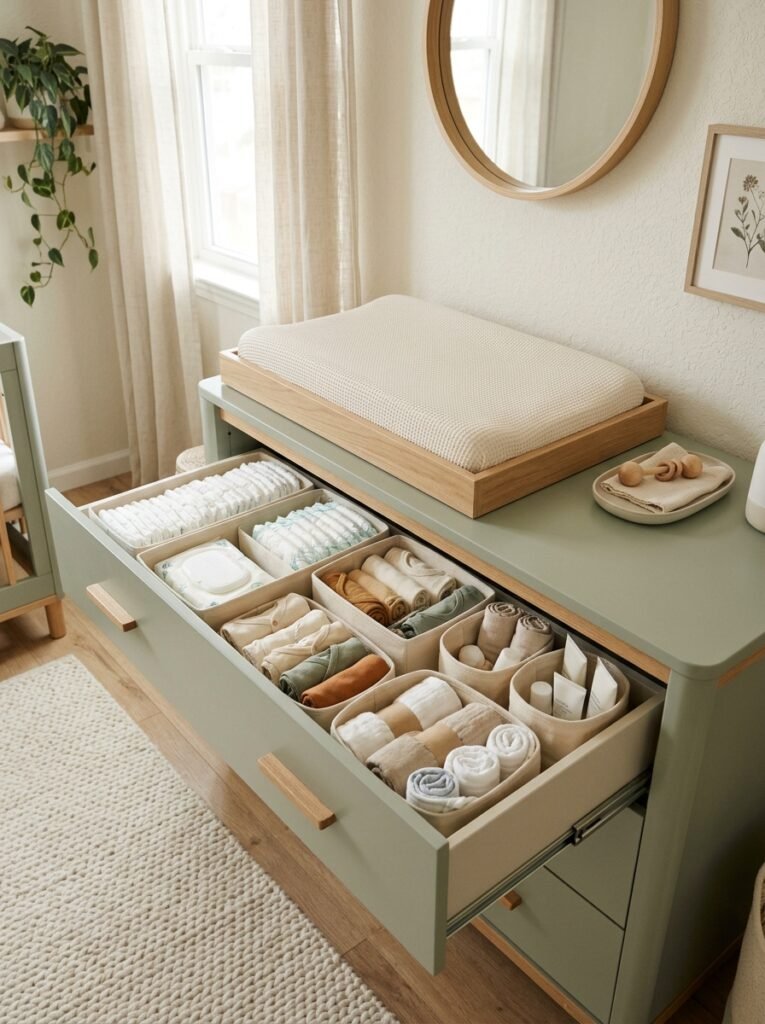
If your dresser also functions as a changing station, reserve one drawer for suitable diapering essentials such as diapers, wipes, changing pads, and spare outfits. Use small containers to separate each category so you can identify items quickly without searching through mixed supplies. Keep the changing surface itself as clear as possible and place essentials where the caregiver can reach them easily. Most importantly, never leave a baby unattended on an elevated changing surface, even for a moment, and follow the changing station manufacturer’s safety instructions. A well-planned drawer supports a smoother routine without compromising safety.
9. Organize Men’s Clothing Efficiently
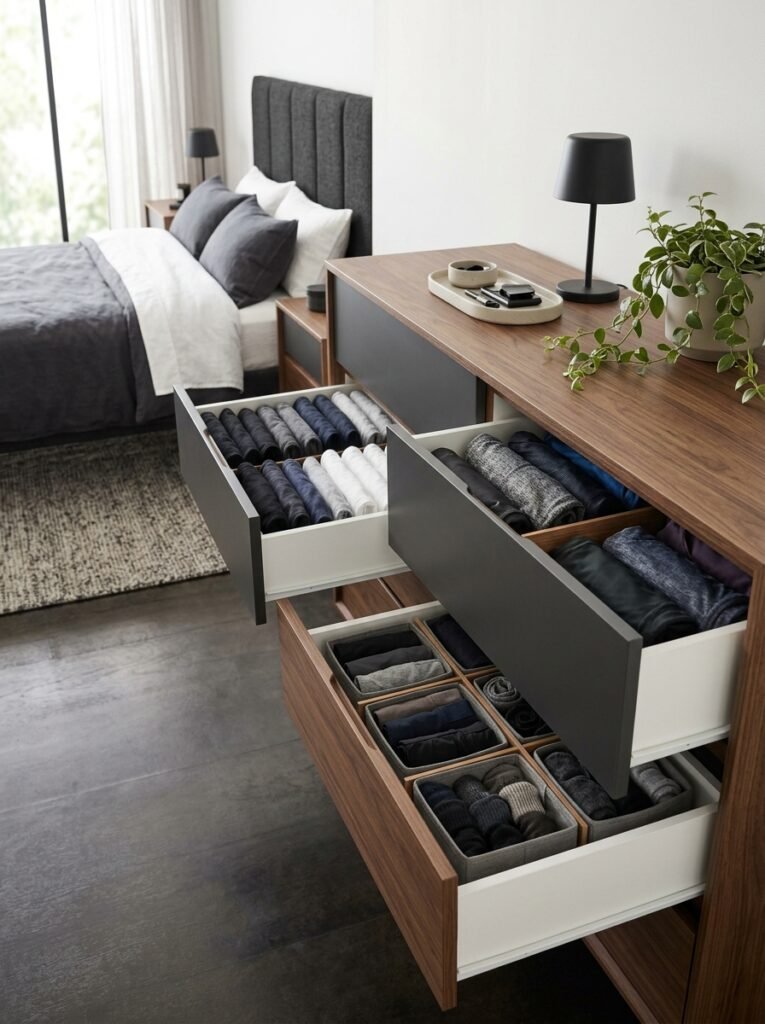
Men’s dresser drawers often hold a mixture of T-shirts, underwear, socks, workout clothing, and accessories. Separate these categories so everyday essentials do not become mixed together. Fold T-shirts in a consistent way and arrange them so each item is visible, rather than stacking everything in deep piles. Use small compartments for socks, belts, or other accessories that would otherwise become tangled. If you share a wardrobe with a partner, give each person clearly defined storage areas. This makes the dresser easier to maintain and helps both people find what they need without disrupting the entire drawer.
10. Arrange Baby Clothes by Size
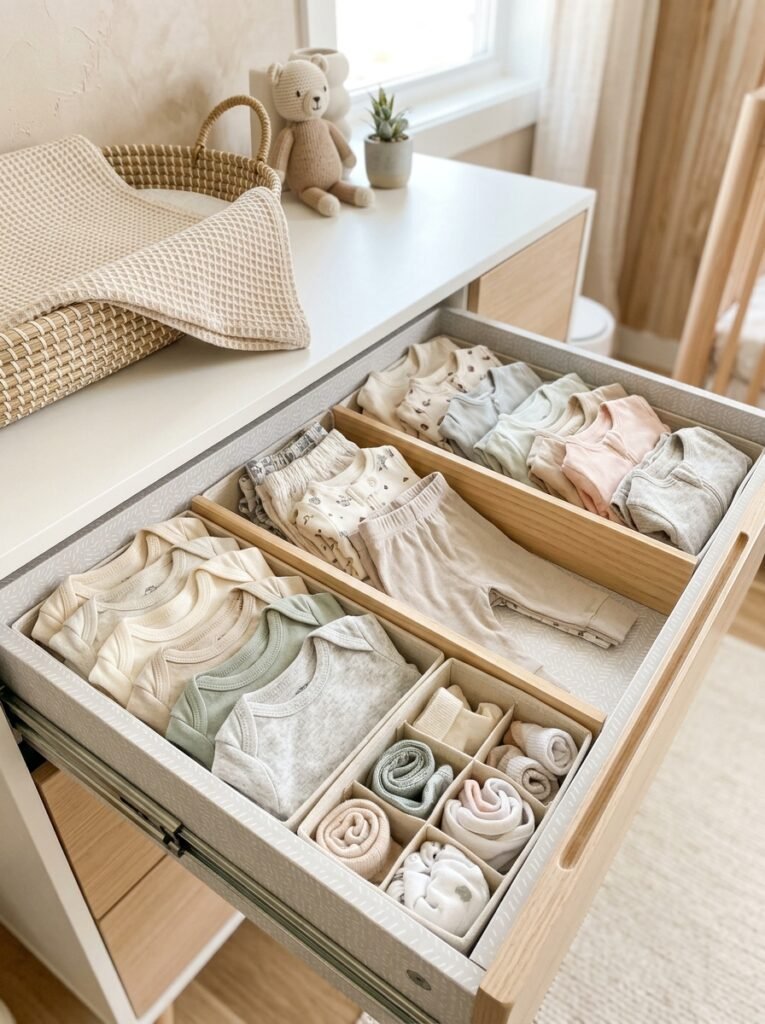
Babies grow quickly, so organizing clothing by size can prevent the nursery dresser from becoming confusing. Keep the sizes currently being worn in the most accessible drawer, and separate larger clothes into another clearly defined section. If you have outgrown items, move them to a separate storage container rather than leaving them mixed with everyday outfits. Simple dividers or removable labels can help caregivers identify each category. Review the drawers occasionally as your baby grows, moving the next size into the main area before it is needed. This keeps the system useful without requiring a complete nursery reorganization every week.
11. Use the Top for an Aesthetic Display
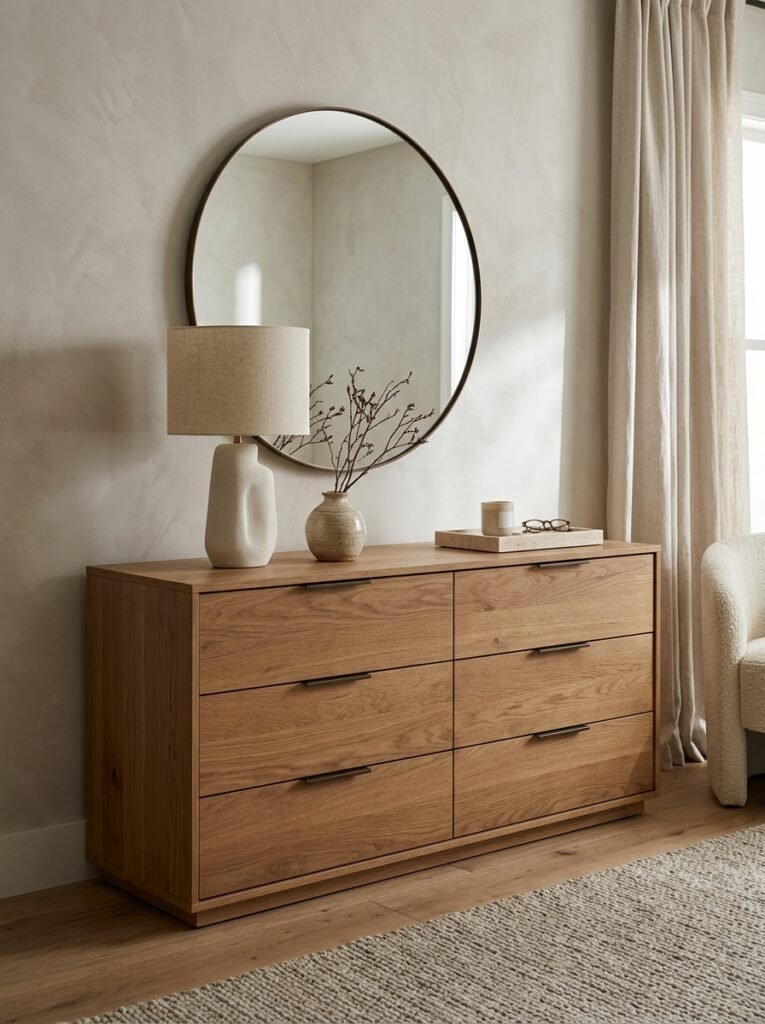
A dresser can become an attractive focal point when the top is styled with a few carefully selected items. Choose a mirror, a small lamp, a tray, or a single decorative accent that suits the bedroom’s overall design. If you use the dresser daily, leave enough open surface to place belongings temporarily without creating permanent clutter. Avoid filling the top with many small decorative pieces because they make cleaning harder and reduce the available working area. The most successful aesthetic dresser displays balance beauty with everyday function.
12. Use Tall Dresser Drawers for Bulky Clothing
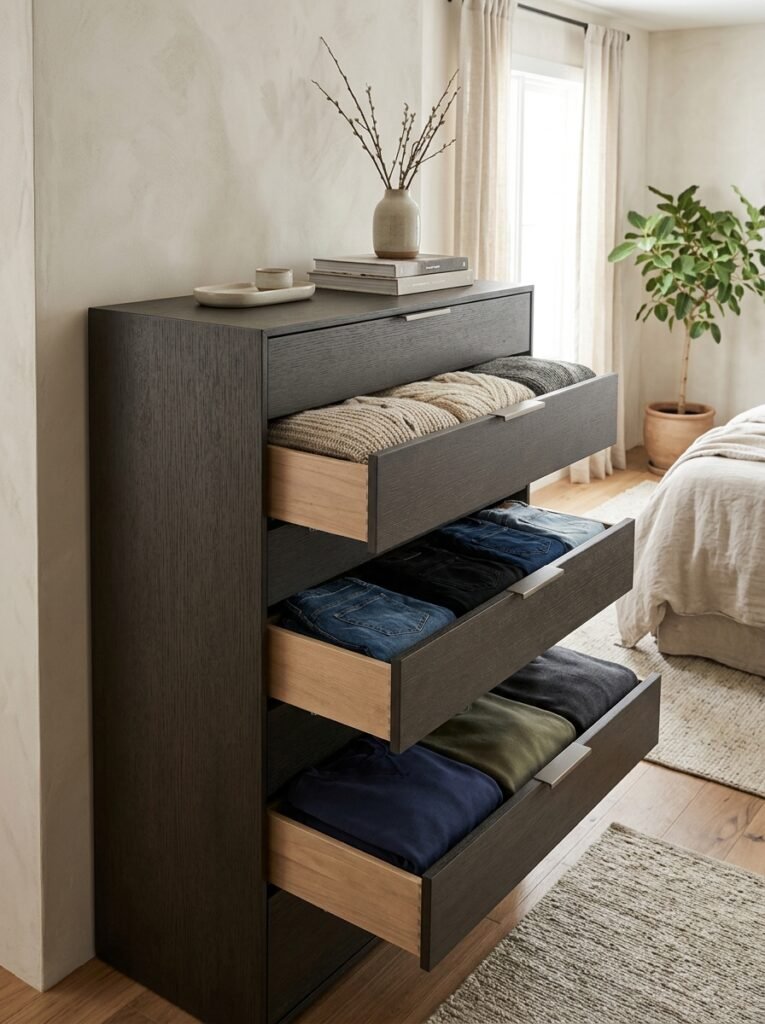
Tall dressers often have deeper drawers that can accommodate sweaters, sweatshirts, jeans, and other bulkier garments. Rather than stacking heavy clothing in unstable piles, fold items consistently and place them in clearly defined sections. Keep the heaviest garments in lower drawers when practical, while smaller everyday pieces can go higher. Avoid filling drawers so tightly that they become difficult to open or clothing loses its shape. This arrangement takes advantage of the extra capacity while keeping the dresser comfortable to use and the bedroom visually organized.
13. Add a Dresser Organizer for Craft Supplies
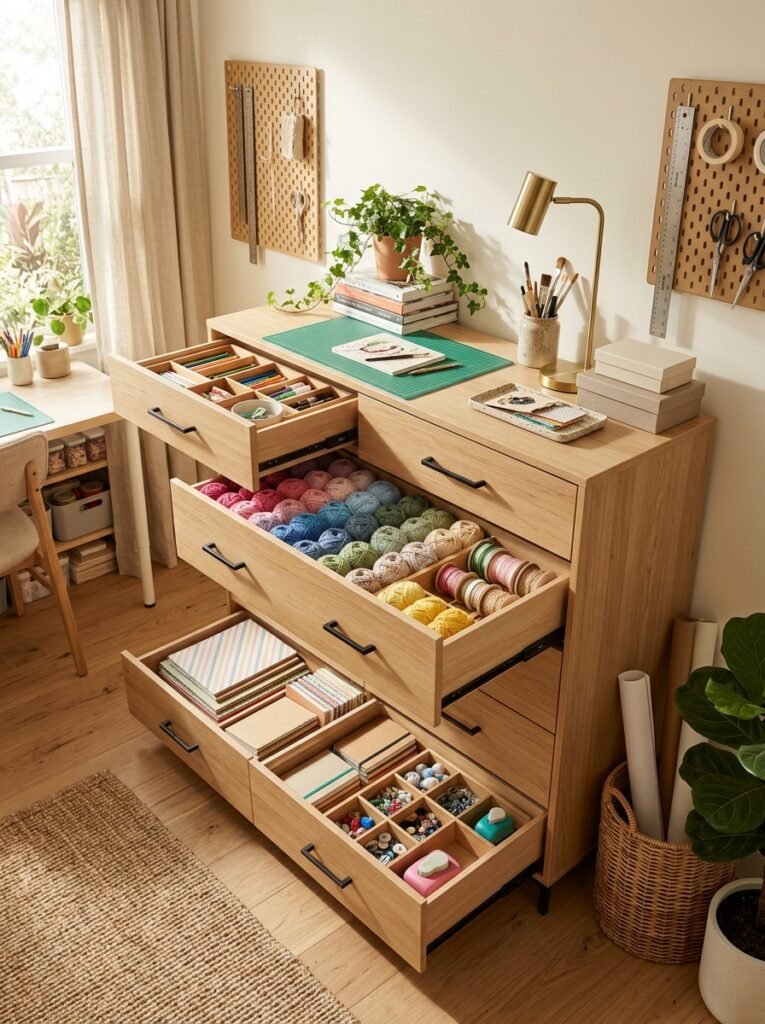
A dresser can also serve as storage for craft materials when you need a dedicated creative corner. Assign drawers to separate categories such as paper, yarn, drawing tools, ribbons, or small project supplies, depending on your hobby. Use compartment trays or small boxes to stop tiny items from spreading throughout the drawer. Keep frequently used tools in the most accessible section and reserve another drawer for materials needed less often. If the dresser is shared with clothing storage, keep craft supplies in clearly separated drawers to prevent dust, loose materials, or sharp tools from mixing with garments.
14. Use Small Containers for Socks and Accessories
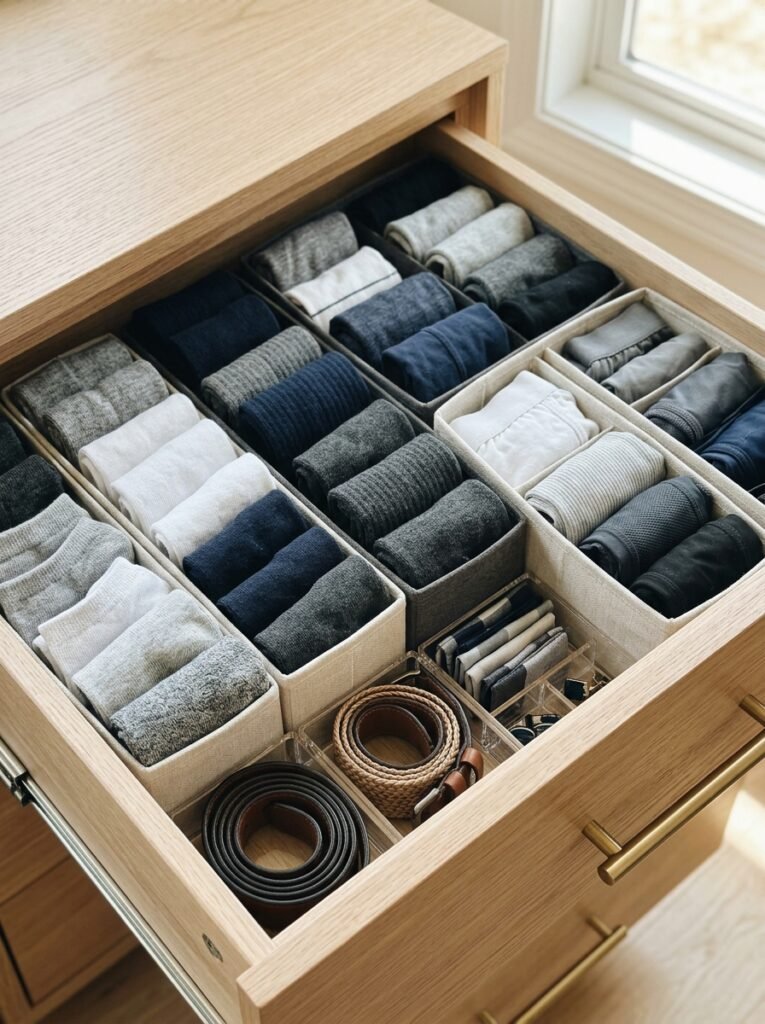
Socks, underwear, hair accessories, and small personal items are easy to lose in larger drawers. Small containers or adjustable dividers create individual sections that stop these items from becoming mixed together. Choose organizers that fit the drawer width and leave enough room to open and close it smoothly. You can group socks by type, keep accessories together, or create separate spaces for everyday essentials. This is a relatively inexpensive improvement because you do not need to replace the dresser or purchase a complicated storage system. Even a few well-sized compartments can make a noticeable difference.
15. Create a Shared Nursery Dresser System
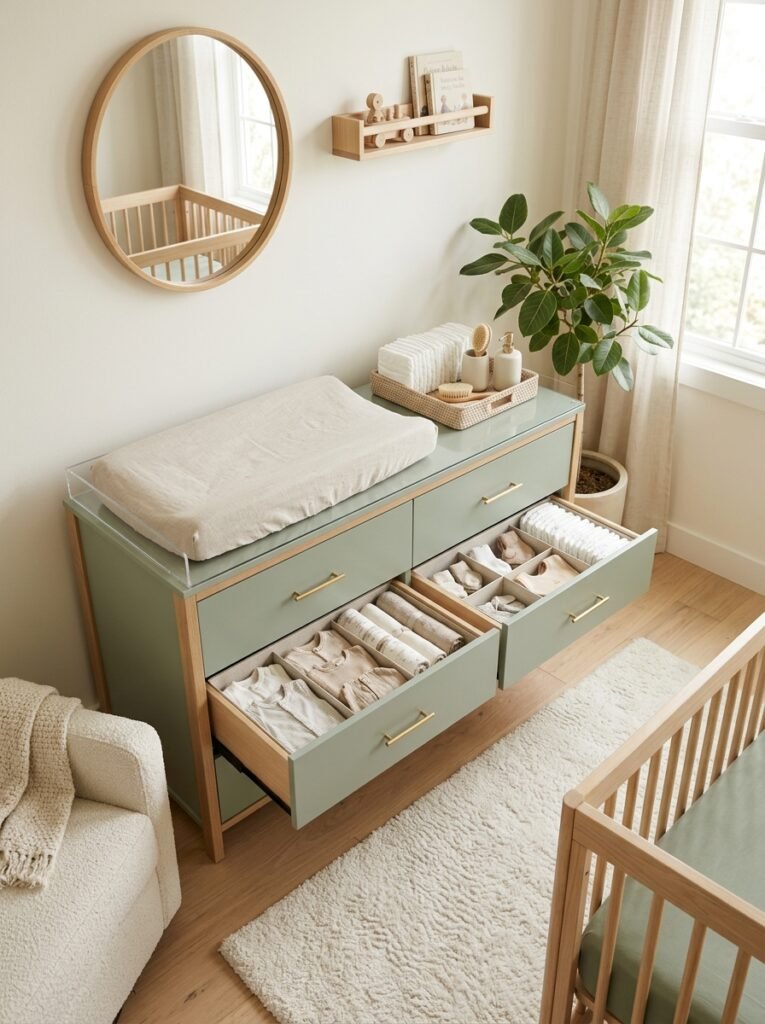
When a nursery dresser stores clothing alongside diapers, blankets, and baby accessories, clear categories become especially important. Use the upper drawers for frequently needed items and reserve other drawers for clothing sizes, spare bedding, or less frequently used supplies. If the dresser supports a changing area, keep the surface uncluttered and ensure that stored items do not interfere with safe use. Use containers that can be removed easily for cleaning and restocking. A shared nursery storage system works best when each drawer has one primary purpose, allowing caregivers to find essentials quickly even during a busy day.
16. Use Labels for Easy Drawer Organization
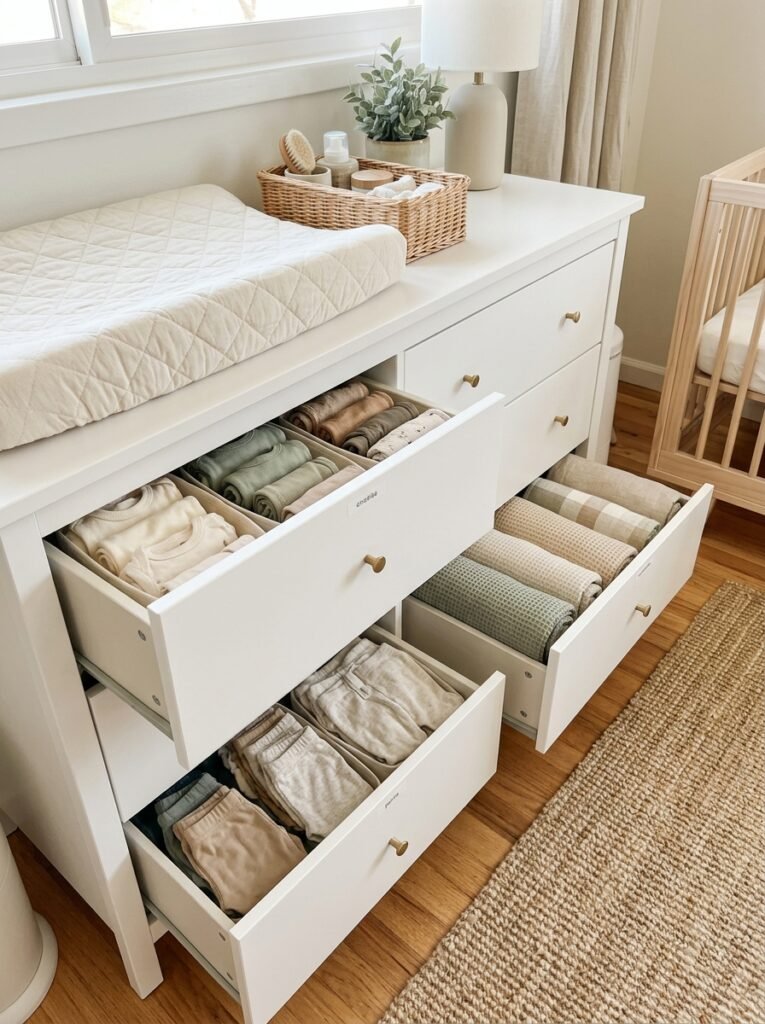
Labels are helpful when several drawers look similar or when more than one person uses the dresser. Use short, simple labels for categories such as tops, sleepwear, baby clothes, accessories, or craft supplies. For an aesthetic bedroom, choose understated labels that complement the furniture rather than overpowering it. In a nursery, labels can also help caregivers return items to the correct drawer. Make sure labels are placed where they are easy to see and do not interfere with the drawer’s finish or movement. The purpose is to make the system easier to follow, not to add unnecessary decoration.
17. Organize an IKEA-Inspired Dresser on a Budget
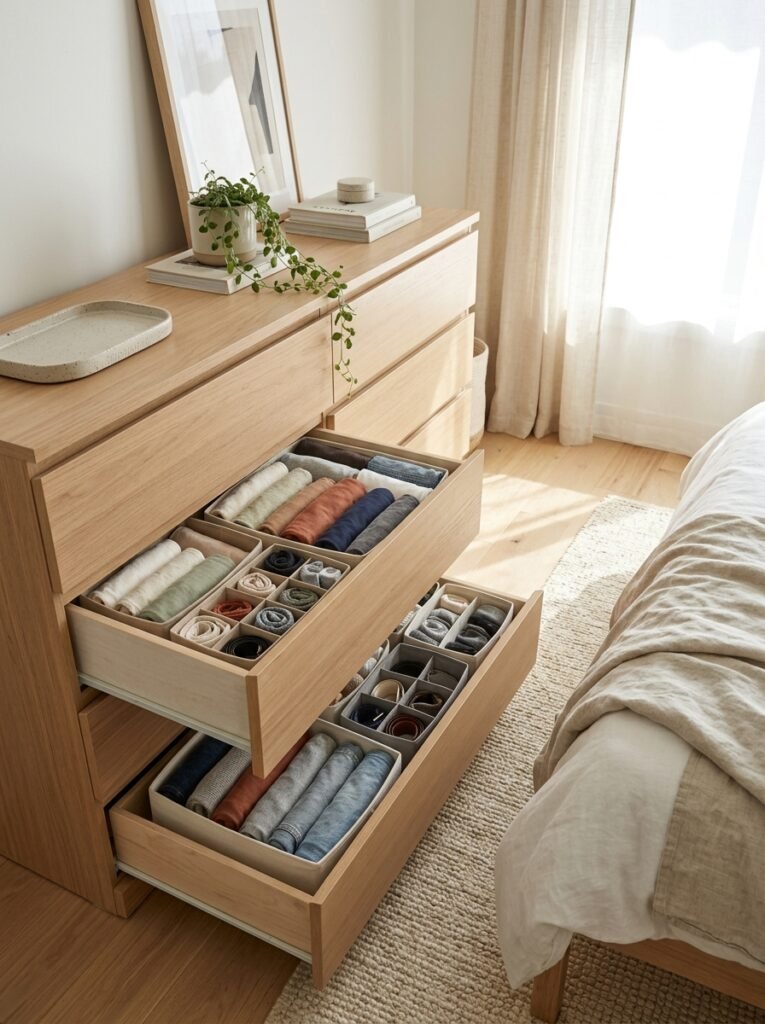
You can achieve an organized dresser without buying an entirely new storage unit. IKEA-style compartment inserts, simple fabric boxes, and affordable drawer dividers can help you customize the inside of an existing dresser. Measure each drawer first and choose organizers that fit comfortably without leaving awkward gaps. Use matching or coordinating materials if you want a cleaner visual appearance, but prioritize function over buying a complete matching set. This approach works for many dresser styles, from minimalist four-drawer units to larger six-drawer designs, and allows you to improve storage gradually as your needs change.
18. Keep Seasonal Clothing Separate
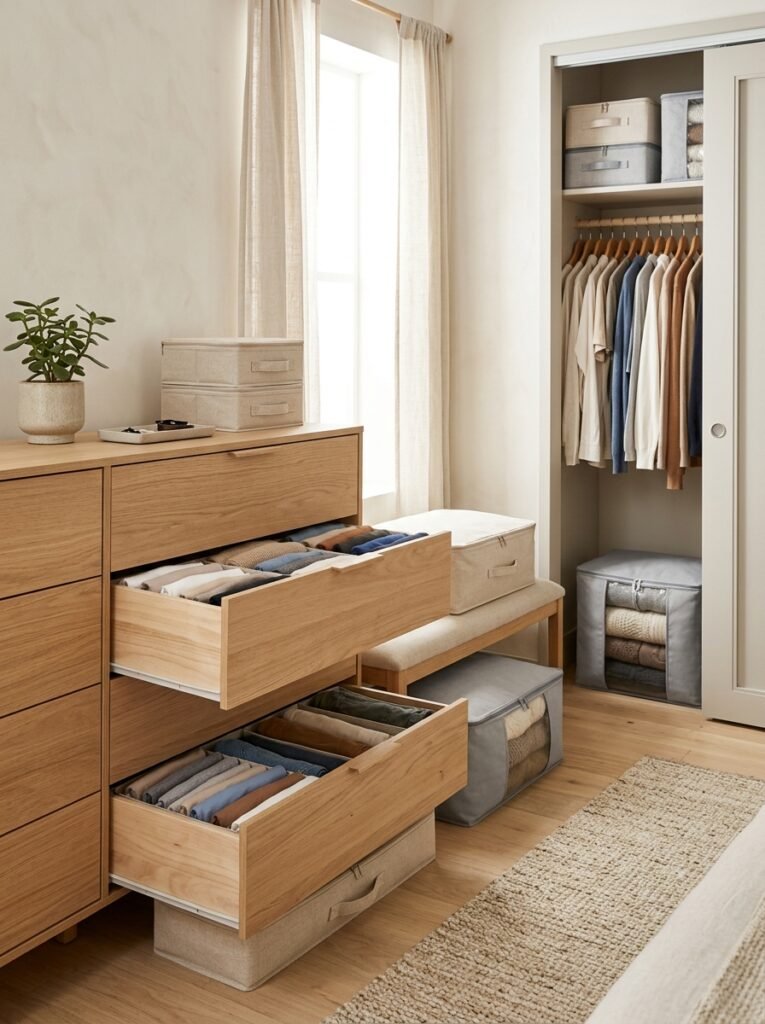
Seasonal clothes can take up valuable drawer space even when you rarely wear them. Keep the clothing that matches the current season in the easiest-to-reach drawers and move out-of-season pieces to appropriate secondary storage when necessary. If some seasonal garments remain in the dresser, give them a clearly defined section so they do not become mixed with everyday clothing. Make sure garments are clean and fully dry before storing them. This approach keeps the dresser useful throughout the year and makes seasonal wardrobe changes simpler without requiring you to reorganize every drawer from scratch.
19. Maintain Your Dresser Organization Routine
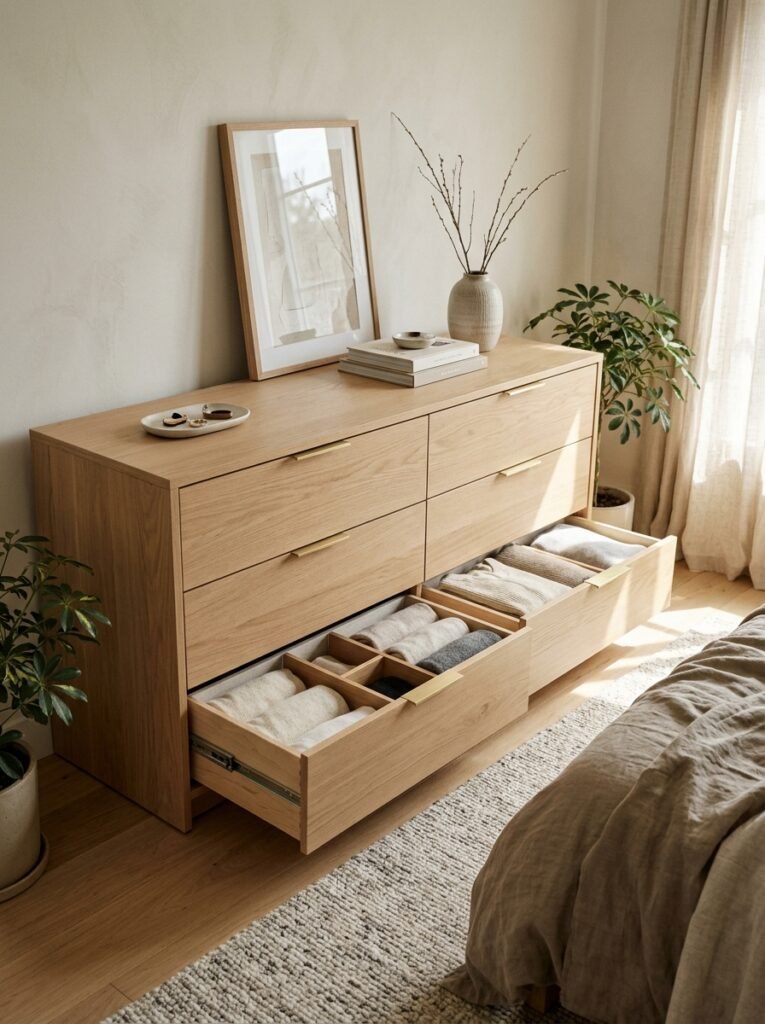
The best dresser organization system is one that remains practical after the first big cleanup. Make a habit of returning clothing to the correct drawer, refolding items that become messy, and removing things that no longer belong in that storage area. Every few weeks, check whether your categories still make sense or whether a particular drawer has become overcrowded. For a nursery, review clothing sizes as the baby grows; for a bedroom dresser, adjust the layout when your routine or wardrobe changes. Small, regular resets are much easier than waiting until every drawer needs to be emptied again.
Final Thoughts
The best dresser organization ideas make everyday life easier while helping your bedroom feel cleaner and more intentional. Drawer dividers work well for clothing and accessories, while dedicated categories make a four-drawer or six-drawer dresser more useful. In a nursery, separate newborn clothes, changing essentials, and larger sizes so caregivers can find what they need quickly. For a makeup or craft dresser, focus on small compartments and an uncluttered working surface. You do not need expensive organizers or a completely new dresser to make a difference. Start with the drawers you use most, create a simple layout, and leave enough space for the system to grow with your needs. A dresser that is easy to maintain will stay useful long after the initial organization is finished.