

This post may contain affiliate links. Please read my disclosure policy.
In This Article Show
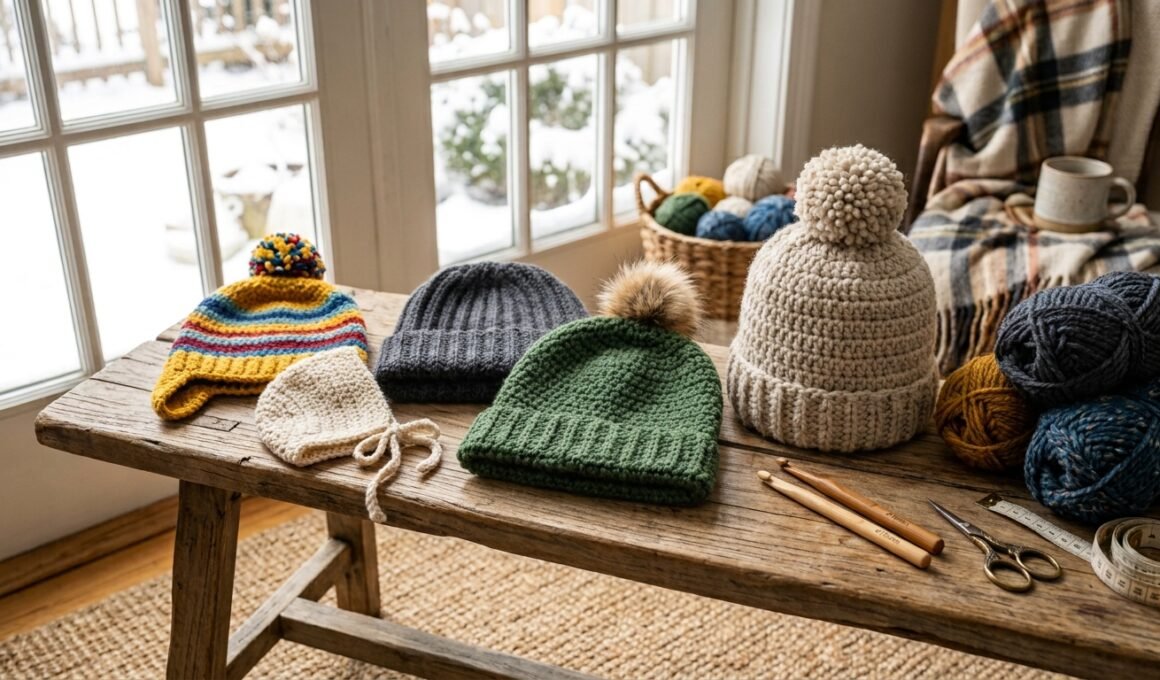
A good handmade hat can change an entire outfit. It can add warmth on a cold morning, bring personality to a simple jacket, or become a sweet keepsake for a newborn. The best part is that you can choose the yarn, color, texture, and fit yourself. For beginners, crochet hat projects offer a practical way to learn. You can practice working in rounds, understand increases and decreases, test different yarn weights, and gradually move from a simple beanie to chunky winter styles or playful character designs. The Crochet Guild of America provides beginner resources covering basic stitches, hook handling, tension, and techniques for both right- and left-handed crocheters.
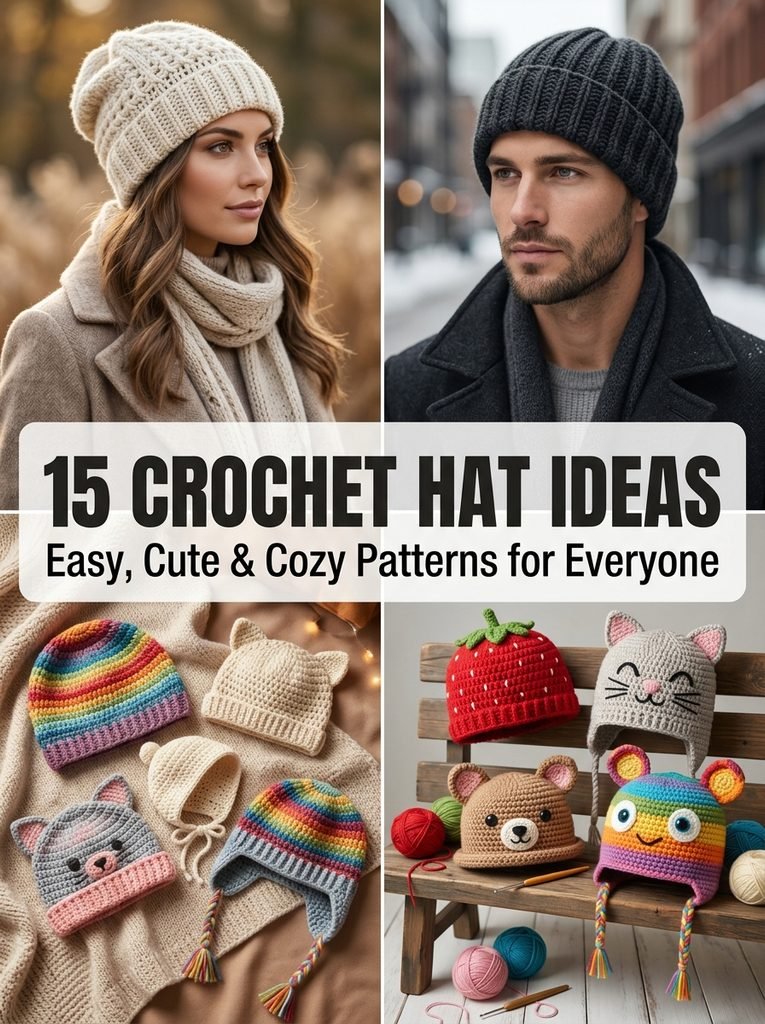
15 Crochet Hat Ideas for Every Style
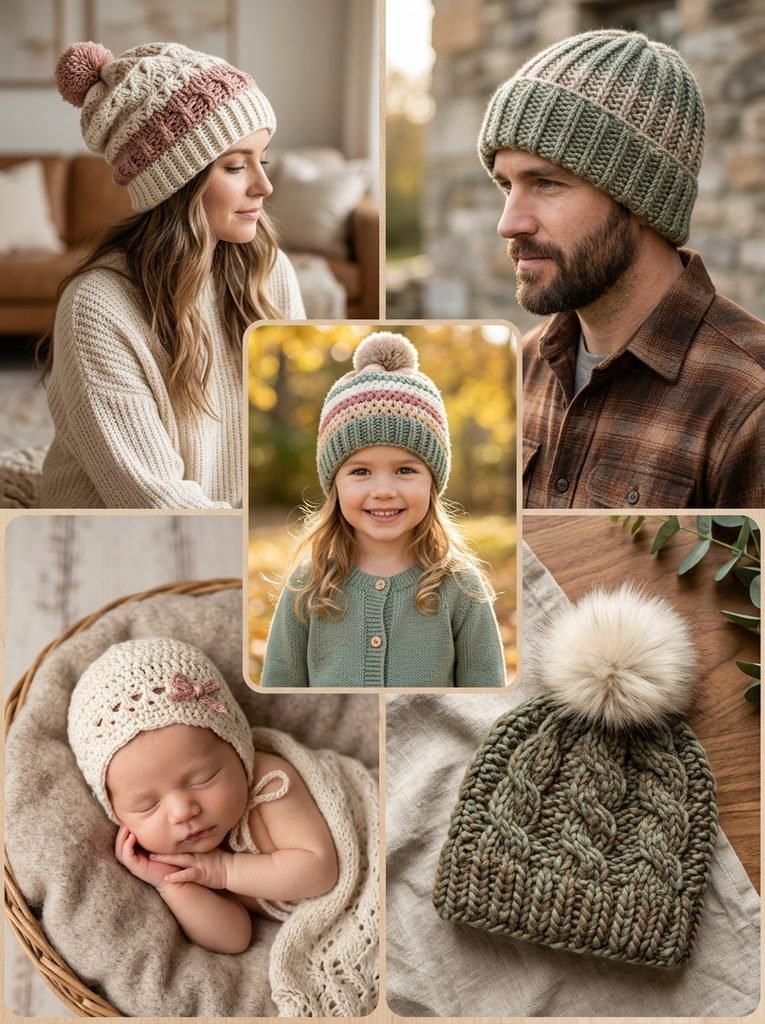
Choosing your first design becomes easier when you think about who will wear it and when they will use it. A lightweight hat can work for mild weather, while chunky yarn creates a warmer winter accessory. You can also choose between a close-fitting beanie, a relaxed slouch style, or a playful hat with ears. The following ideas cover women, men, kids, newborns, beginners, and anyone who simply wants something fun to make. Each one can also inspire your own color combinations and variations.
1. Easy Beginner Crochet Hat
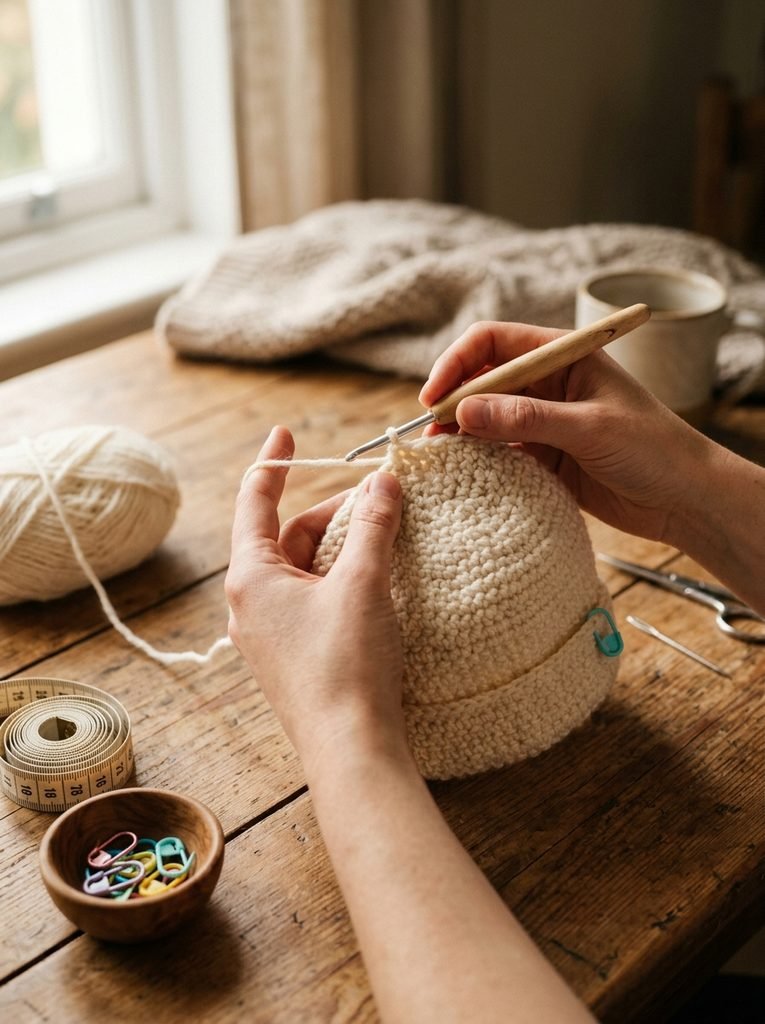
A simple beanie makes a great first project because the basic shape does not require complicated shaping. Start with a comfortable yarn and follow an easy pattern that explains increases, rounds, and finishing clearly. For beginners, use a light-colored yarn so you can see each stitch. The Crochet Guild of America recommends learning basic stitches such as single crochet, half double crochet, and double crochet before moving into more advanced techniques.
2. Chunky Winter Hat
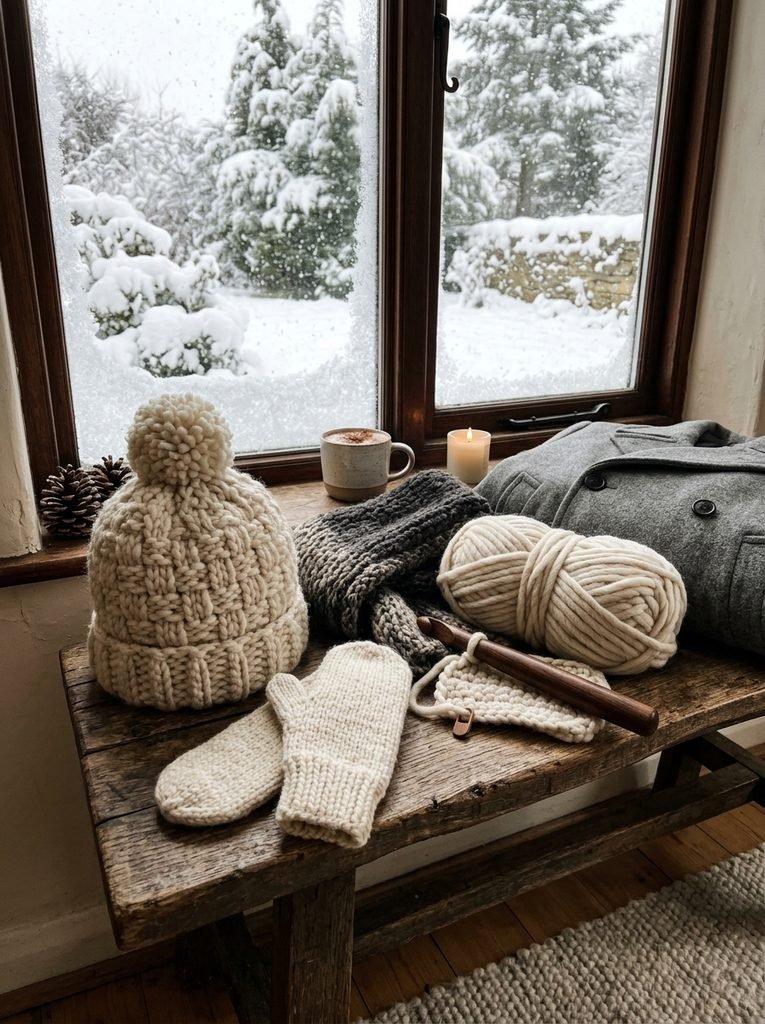
When temperatures drop, chunky yarn creates a warm and comfortable accessory. A thick beanie can work with simple stitches because the yarn itself adds plenty of texture. Choose a chunky or bulky yarn and a suitably large hook. The Craft Yarn Council lists bulky yarn as weight 5 and provides general hook-size guidance, while stressing that the pattern’s gauge should always take priority.
3. Crochet Hat for Women
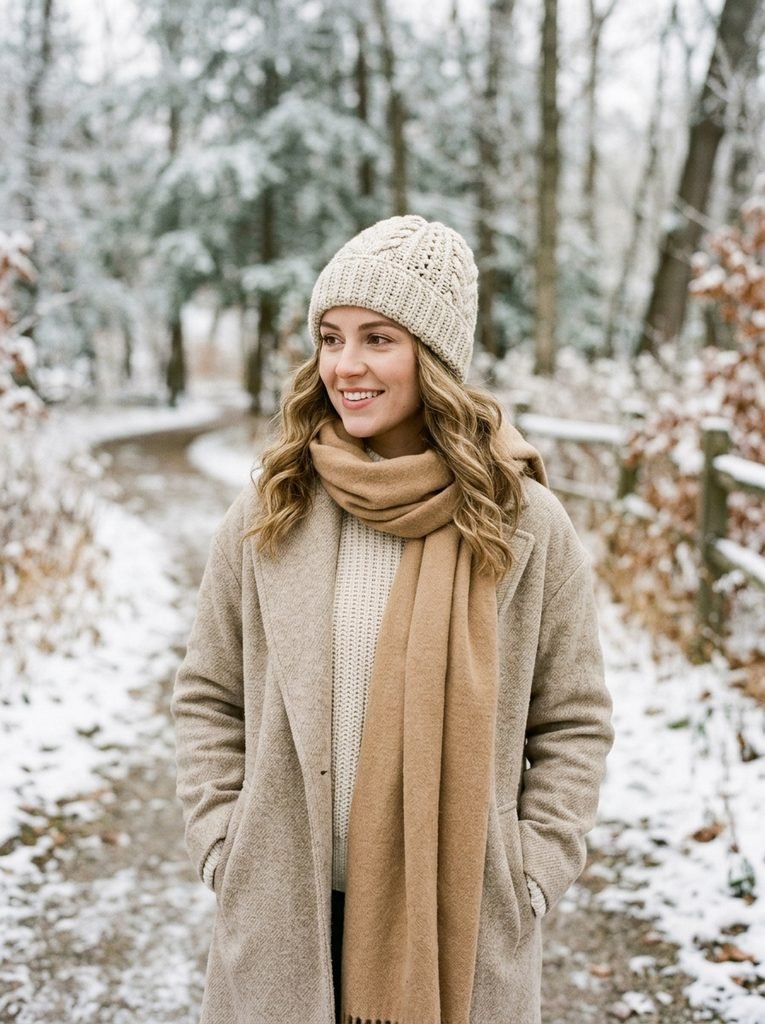
A women’s style can be simple and elegant without looking plain. Try a soft neutral shade such as oatmeal, cream, dusty rose, or warm gray. A subtle ribbed texture can make the design look polished. For an everyday outfit, choose a shape that sits comfortably around the head without feeling too tight. A folded brim can also create a clean finish and give the hat a more structured appearance.
4. Crochet Hat for Men
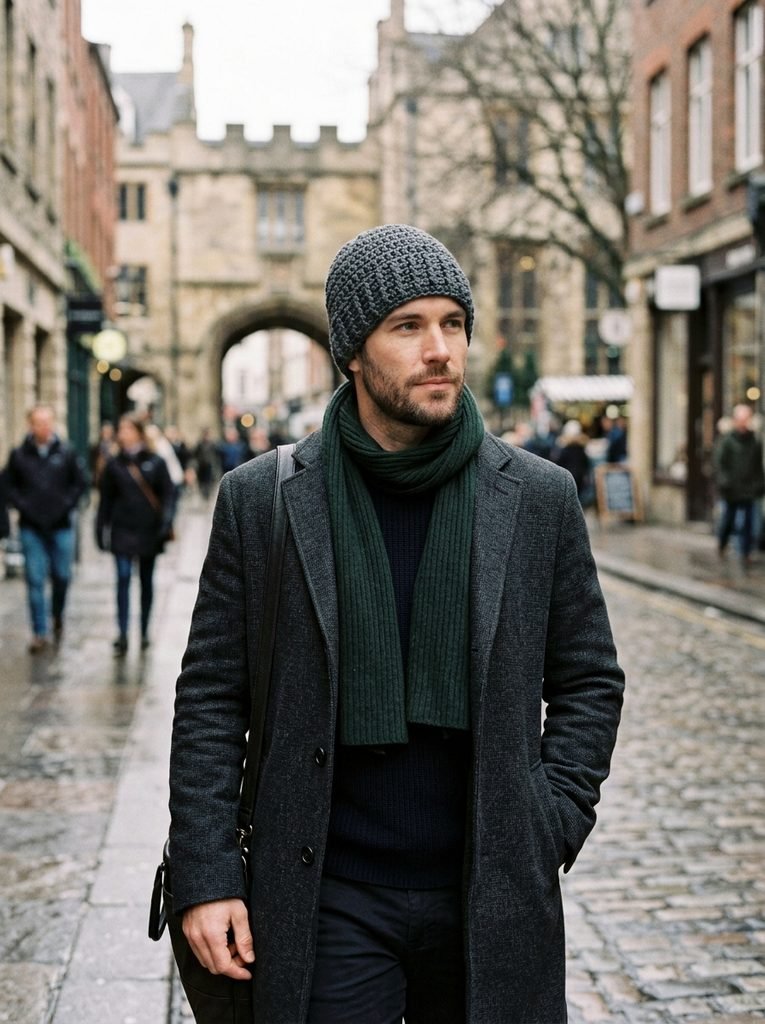
A men’s hat often looks best with a simple shape and understated colors. Charcoal, navy, forest green, brown, black, and cream are easy choices for an everyday design. A ribbed texture can add visual interest while keeping the style clean. This makes a handmade hat practical enough for daily wear and simple enough for a confident beginner to attempt.
5. Cute Cat Hat
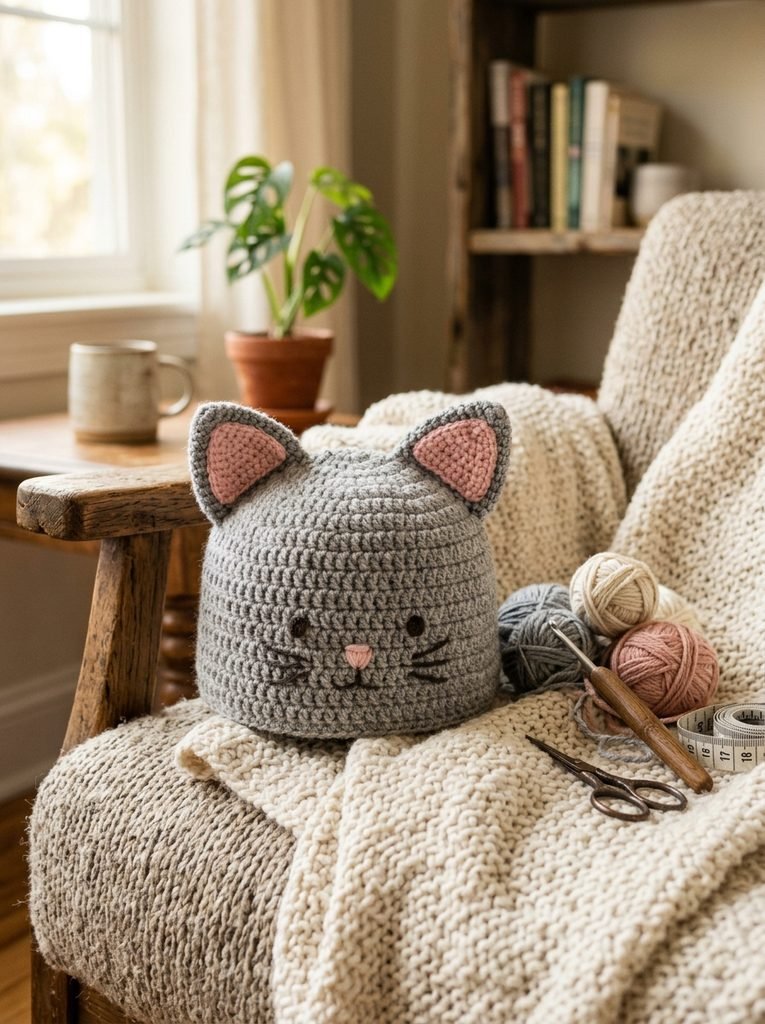
A cat-inspired design adds personality to a simple winter accessory. Create two small pointed ears at the top or attach separate crocheted ears after finishing the main hat. This idea works especially well for kids, teens, and anyone who enjoys playful accessories. Keep the base neutral and use pink or contrasting yarn for the inner ears.
6. Cat Pattern Free Style
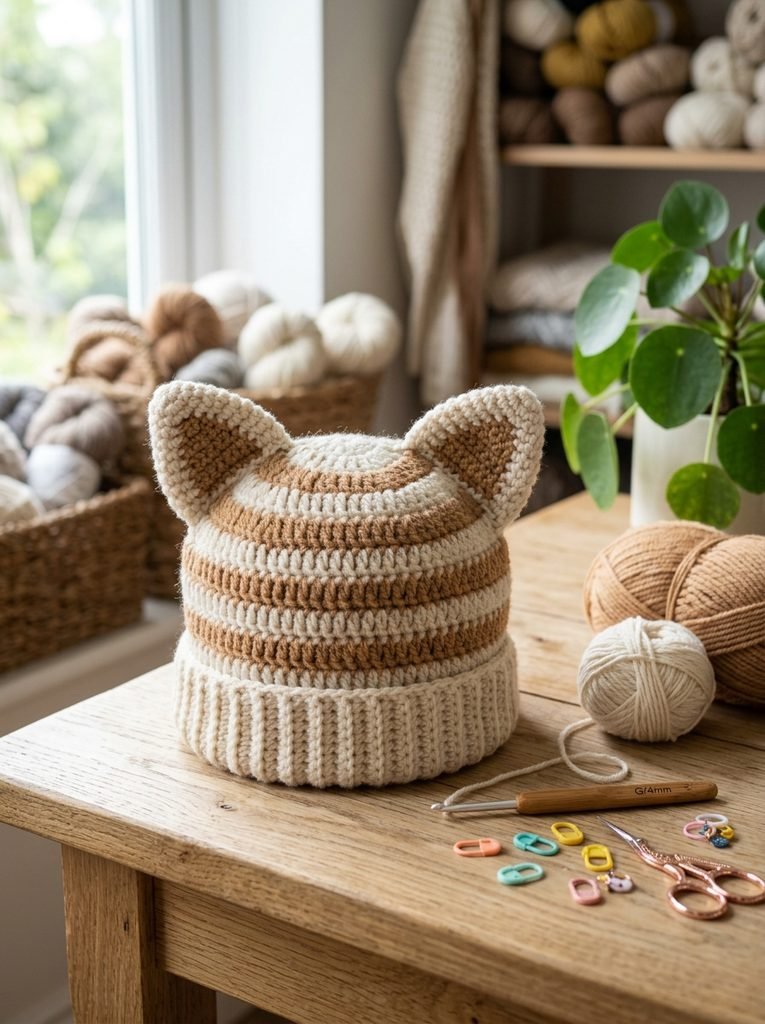
If you want a cat theme without making a complicated character hat, try a simple cat-ear variation. Many makers can adapt a basic beanie shape by changing the crown construction and adding pointed corners. Keep the decoration minimal. Two ears and a contrasting trim may be enough. This creates the look without making the project difficult.
7. Newborn Crochet Hat
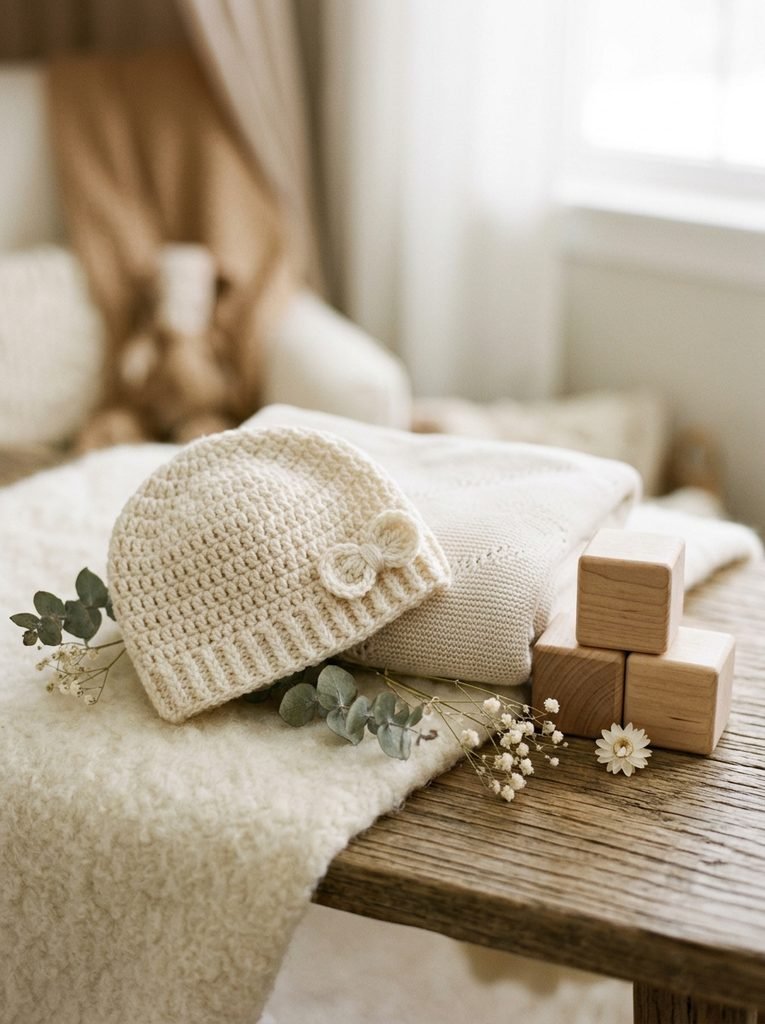
A tiny hat can become a meaningful baby-shower gift. Choose soft yarn suitable for delicate skin and avoid rough fibers or bulky decorative pieces that could make the hat uncomfortable. Focus on a simple shape and secure finishing. Measure carefully rather than assuming every newborn has the same head size.
8. Strawberry Crochet Hat
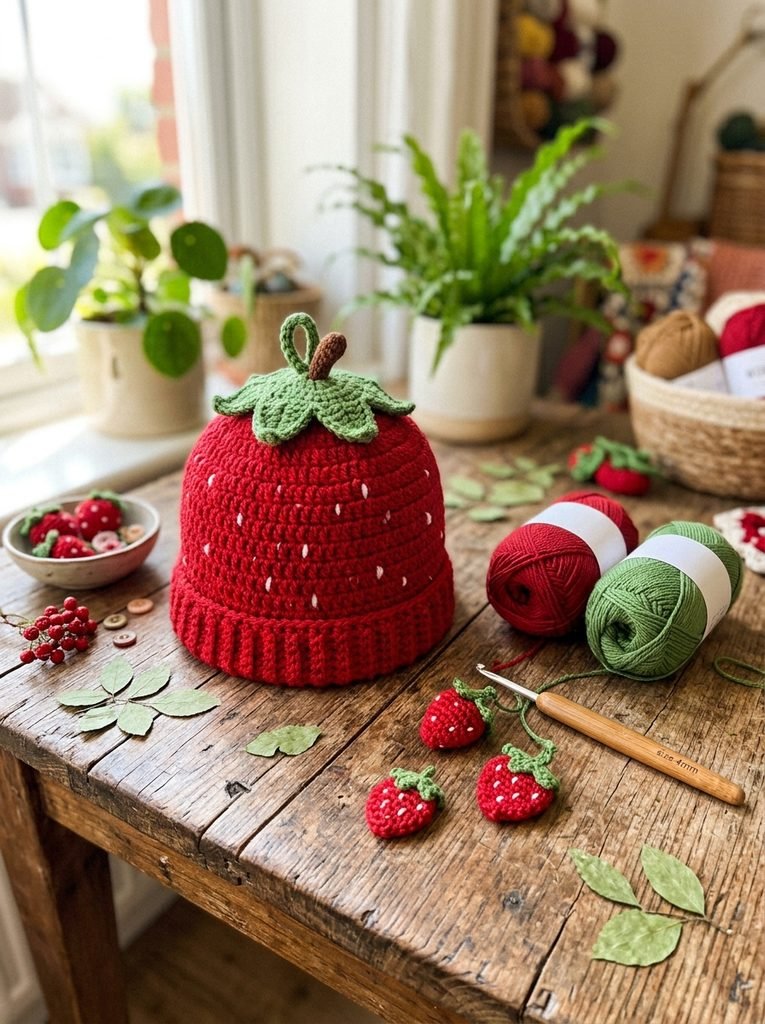
A strawberry theme can turn a basic hat into a cheerful accessory. Use red or pink for the main body and green yarn for a leafy top detail. This idea works especially well for children, playful outfits, and seasonal photography. You can keep the strawberry look subtle or make the colors bold and bright.
9. Hat With Ear Flaps
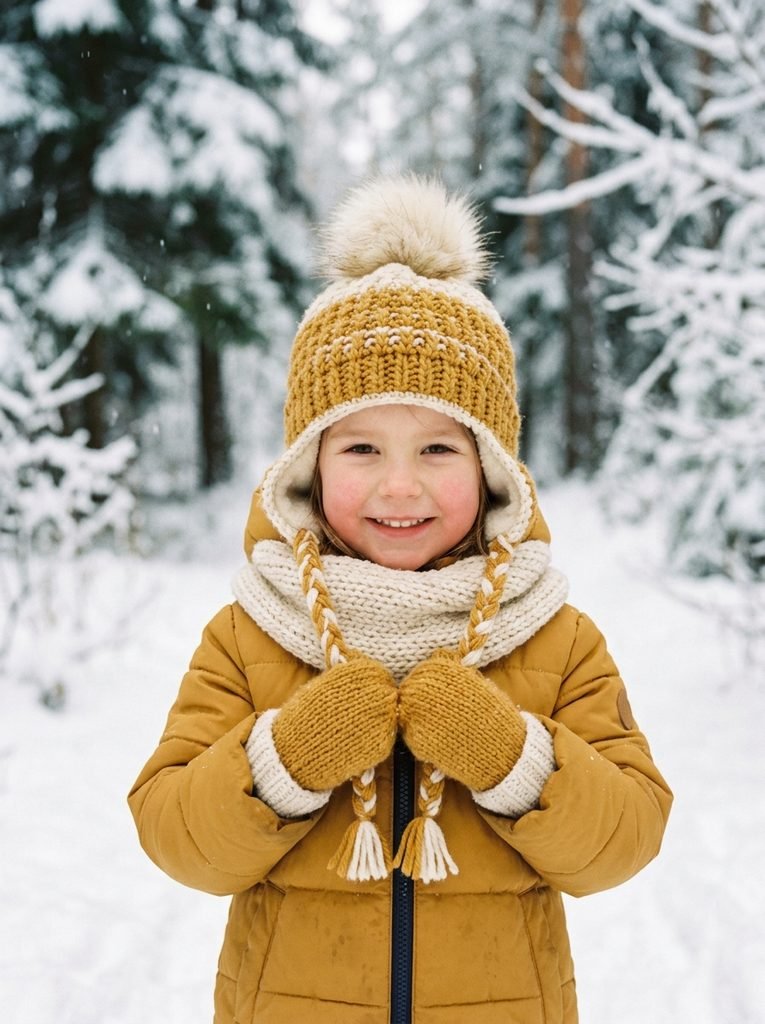
Ear flaps add extra warmth and create a fun winter shape. They are especially useful for children’s hats because they help cover more of the sides of the head. Add braided ties or simple crocheted cords to secure the flaps. You can finish the top with a pom-pom for a playful look.
10. Cute Kids’ Crochet Hat
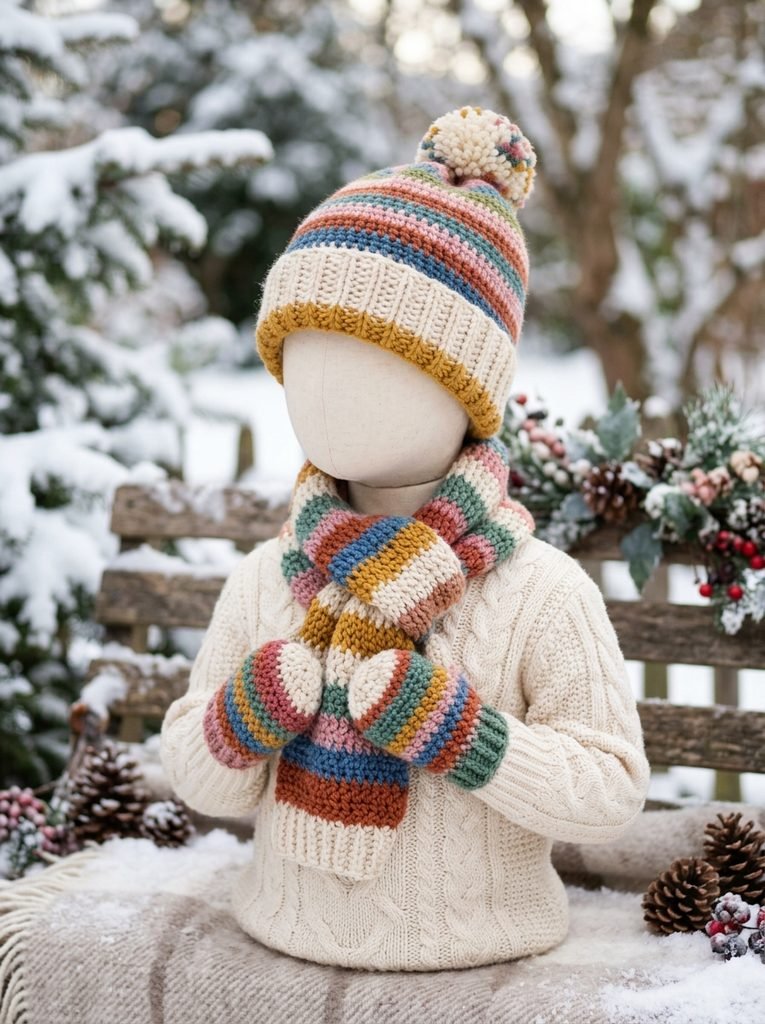
Kids’ hats give you more freedom with color. Try stripes, contrasting brims, small flowers, stars, or simple animal-inspired details. Choose a secure design without loose decorative parts. A comfortable fit matters just as much as the appearance, especially when the hat will be worn for several hours.
11. Pokémon-Inspired Crochet Hat
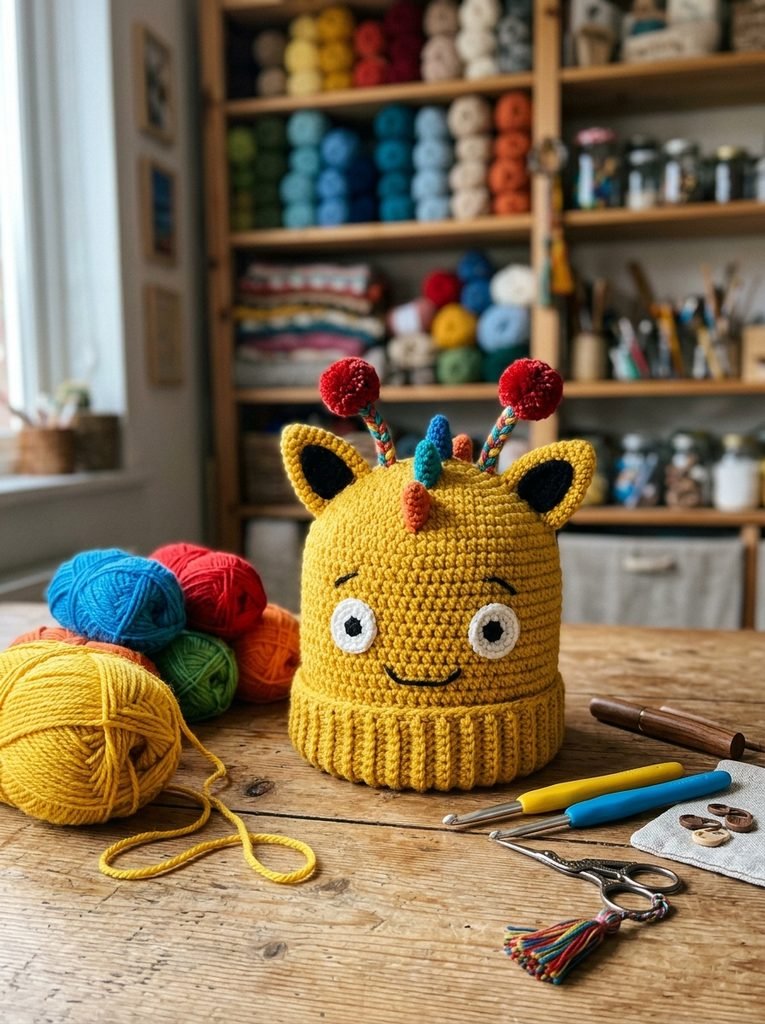
A character-inspired hat can make a fun weekend project. Instead of copying a complicated character, use recognizable color combinations and simple shapes. For example, a yellow hat with small black-tipped details can create a playful Pokémon-inspired look. Keep the construction simple and focus on clean finishing.
12. Hello Kitty-Inspired Hat
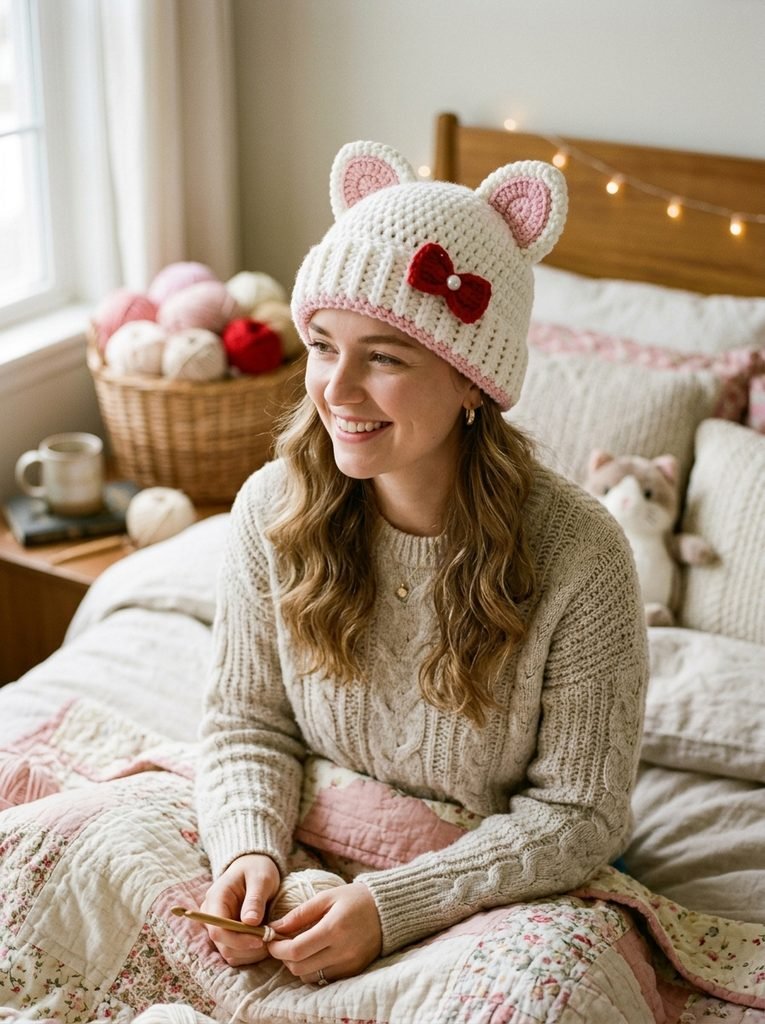
A soft pastel hat with simple cat-inspired details can create a cute character-style accessory. Use a clean base and add small ears plus a decorative bow. Pink, white, red, and soft black details can create the familiar playful feeling while keeping the project handmade and wearable.
13. Hat With a Holder Detail
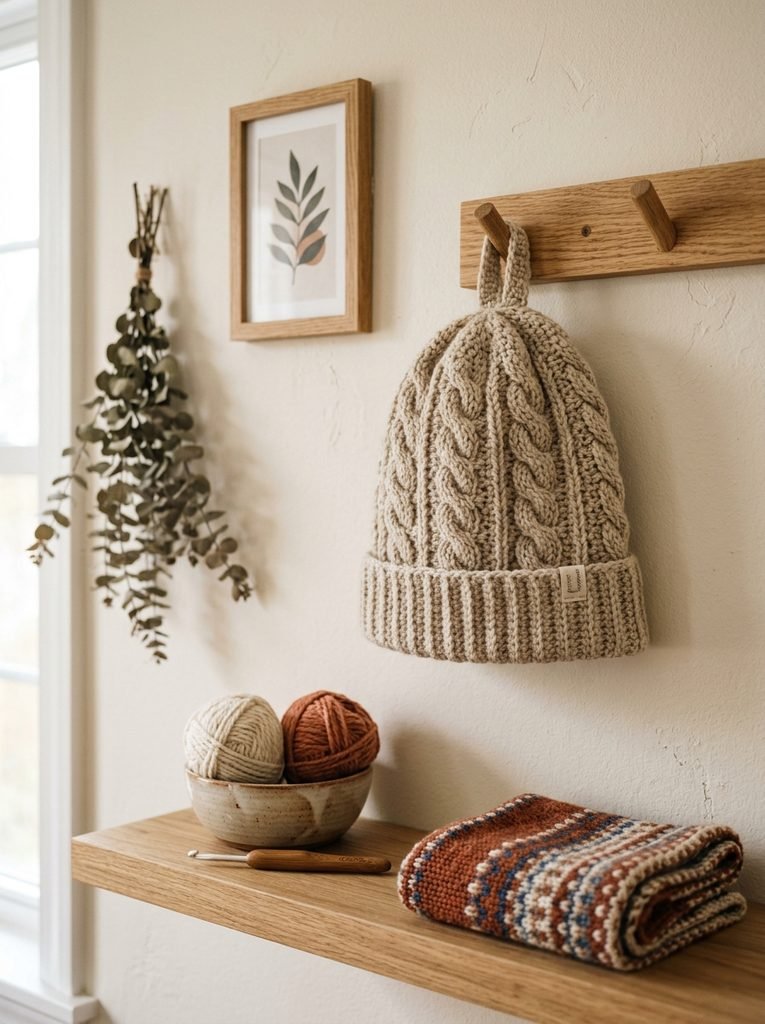
A small holder or loop can make a handmade hat easier to store or display. You can crochet a simple hanging loop into the finishing section or attach one carefully to the inside. This is especially useful if you make several hats for family members. A small loop also keeps the hat away from the floor when it is not in use.
14. Easy Free-Pattern Winter Hat
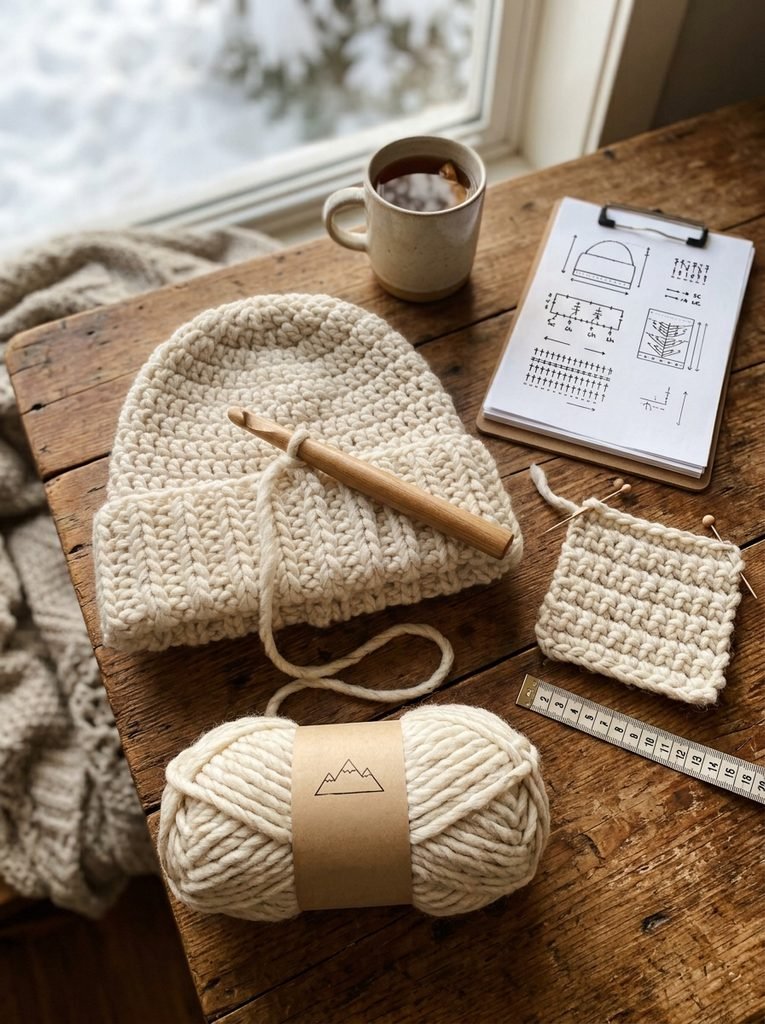
A free pattern can be a useful starting point when you are learning. Look for instructions that clearly state the yarn weight, hook size, gauge, finished measurements, and skill level. For a winter design, chunky or bulky yarn can make the project quicker because each stitch covers more area. The Craft Yarn Council’s yarn-weight system provides standard categories and general hook ranges, but the exact pattern gauge remains the key reference.
15. Crochet Hat With Decorative Ears
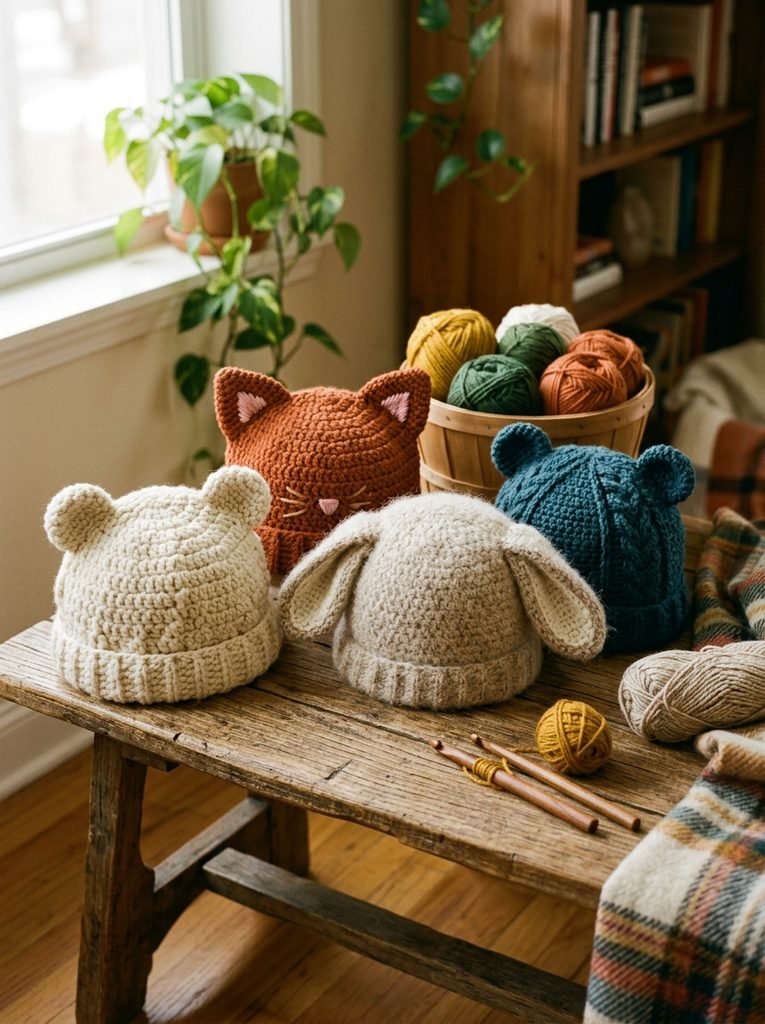
If you want something more creative, add decorative ears to a basic hat. They can be round, pointed, floppy, or slightly oversized depending on the theme. This simple change can transform one basic pattern into several different designs. Try bear ears for kids, cat ears for teens, or rounded ears for a soft animal-inspired look.
How to Choose Yarn for a Crochet Hat
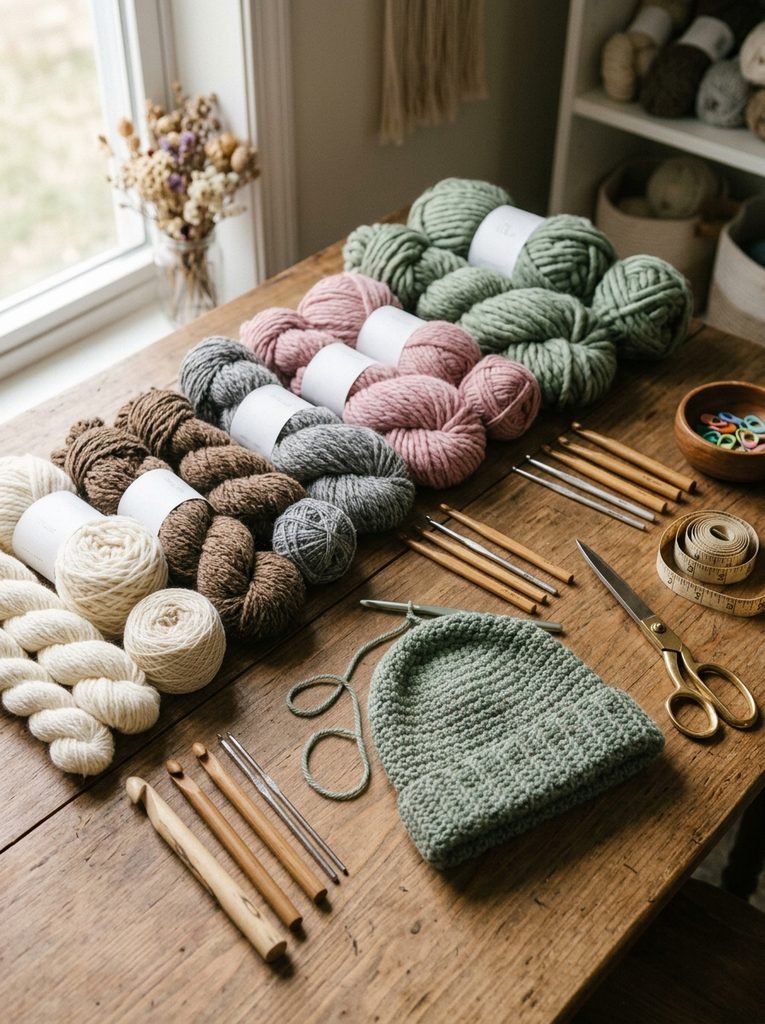
Yarn choice affects the warmth, weight, texture, and final size of your project. Medium-weight yarn works well for many everyday designs, while chunky yarn creates a thicker winter look. Lightweight yarn can suit decorative or transitional-season hats. Always check the yarn label before starting. The Craft Yarn Council explains that yarn labels can provide information about fiber content, yarn weight, yardage, gauge, color, and care instructions.
Choosing the Right Hook and Checking Gauge
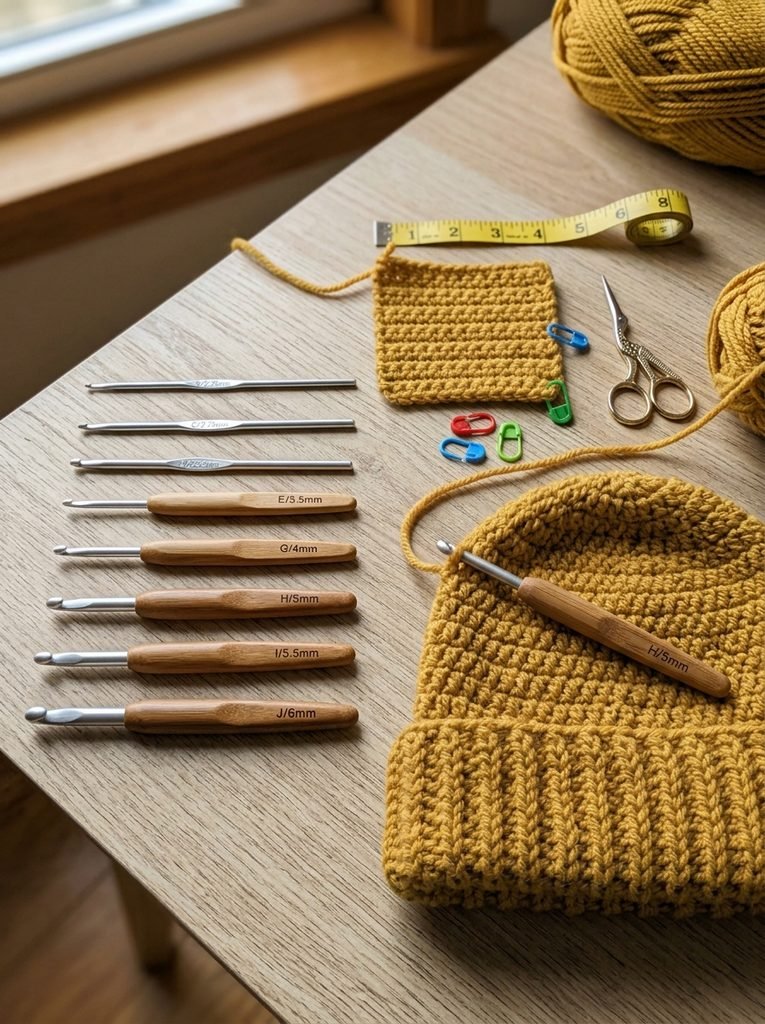
The hook size affects how tight or loose your fabric becomes. A smaller hook can create a denser fabric, while a larger hook generally creates more space between stitches. However, the pattern’s recommended gauge should guide your final choice. The Craft Yarn Council advises using the metric millimeter measurement on hook packaging because letter and number systems can vary between manufacturers. It also recommends making a gauge swatch and adjusting the hook if your gauge does not match the pattern.
How to Get the Right Hat Fit
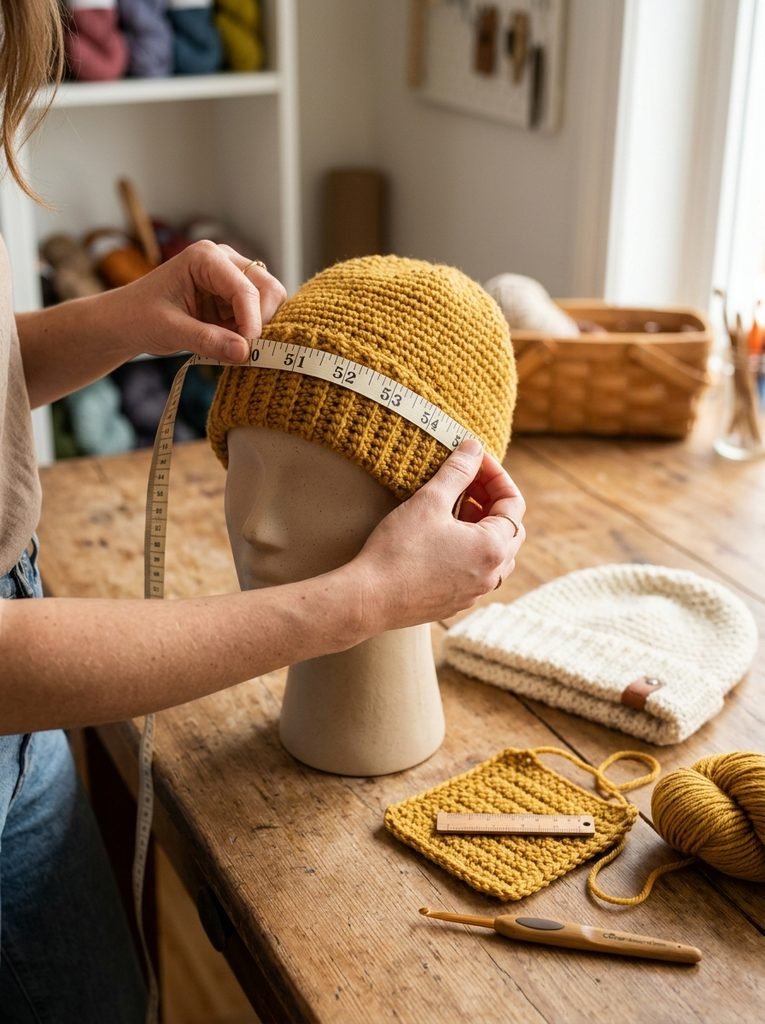
A beautiful hat is only useful if it feels comfortable. Measure around the widest part of the head and compare that measurement with the pattern’s finished dimensions. Remember that crochet fabric can stretch. The amount of stretch depends on the stitch pattern, yarn, hook size, and tension. A ribbed design may behave differently from a dense single-crochet fabric.
Reading a Crochet Hat Pattern
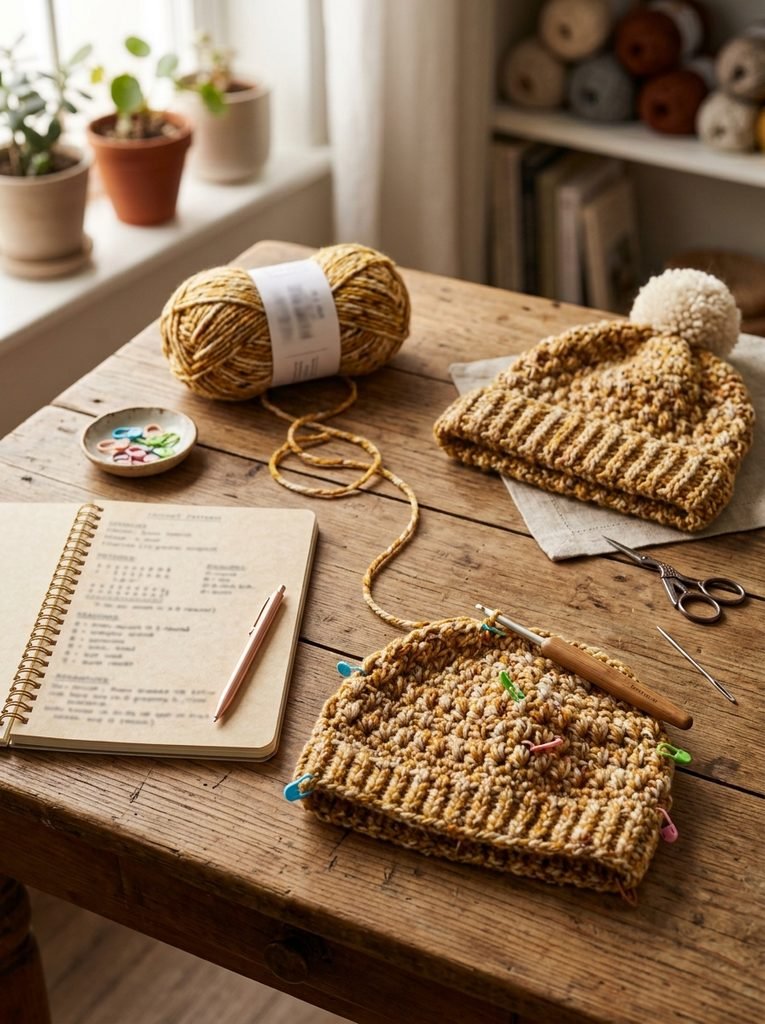
Patterns often look confusing when you first see abbreviations such as sc, hdc, dc, inc, dec, and rep. They become much easier once you understand what each abbreviation means. The Craft Yarn Council explains that crochet patterns use abbreviations and symbols to keep instructions concise. It also recommends reading the relevant instructions before beginning the work. The Crochet Guild of America also provides beginner videos for both right- and left-handed crocheters, covering basic stitches and techniques.
Final Thoughts
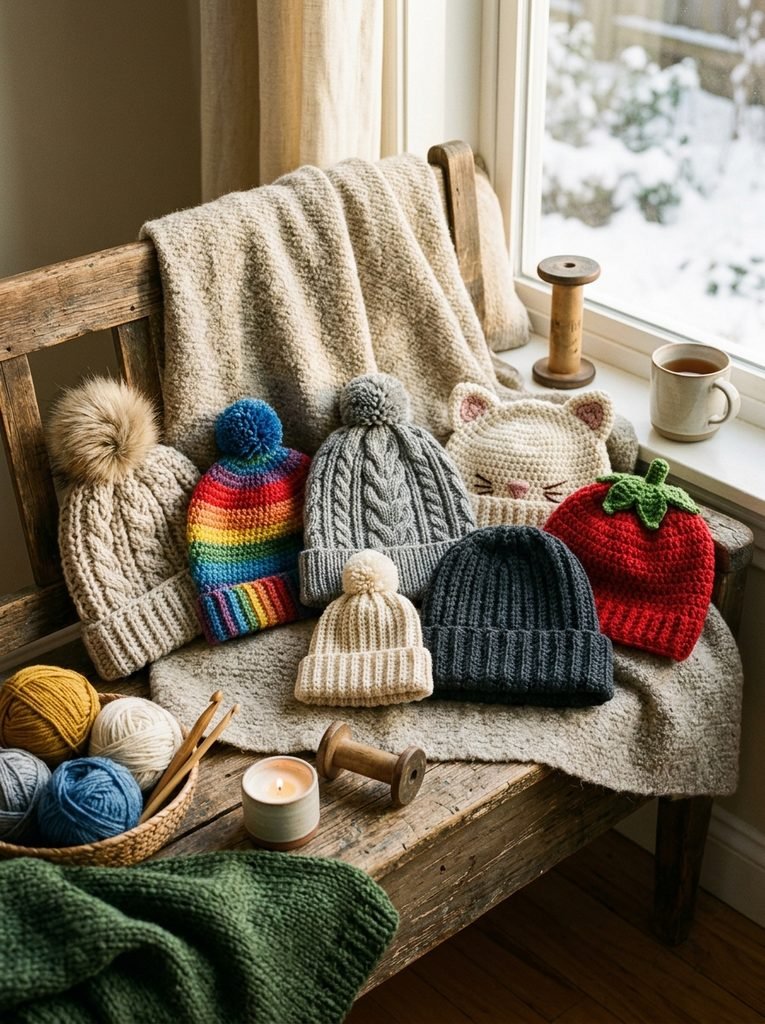
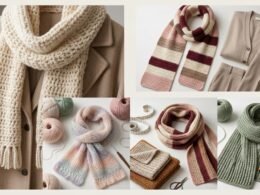
The best part of making a crochet hat is that you can start with one simple shape and turn it into something completely personal. Change the yarn. Add stripes. Try chunky texture. Make tiny ears. Create a matching scarf. Once you understand the basic construction, the possibilities become much wider. Start with an easy design if you are new. Practice your tension and check your gauge before making the full piece. Then experiment with winter styles, children’s designs, animal themes, and fashionable everyday beanies. A handmade hat does more than keep someone warm. It carries the time and care you put into making it.