



This post may contain affiliate links. Please read my disclosure policy.
In This Article Show
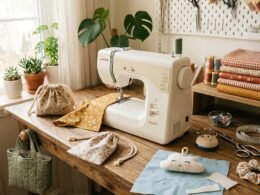
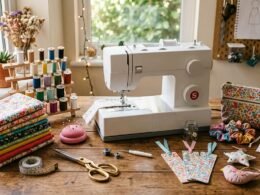
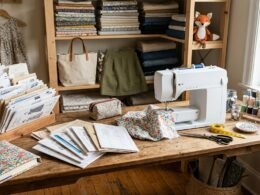
Some days you want to sew, but you do not have hours to spend on one project. You have a small piece of fabric, a few minutes of free time, and a simple idea in your head. That is where quick sewing projects become so useful. They let you create something real without turning your whole day into a sewing session. These projects are perfect for beginners, busy crafters, teens, and anyone who enjoys making practical things by hand. Many use scrap fabric, basic supplies, and simple shapes. You can make a useful gift, a cute accessory, or even a small item to sell. You also do not need a huge sewing setup. Utah State University Extension lists sharp fabric shears, straight pins, a tape measure, a seam ripper, and a sewing-supply container among the basic tools beginners need.
1. Make a Simple Fabric Bookmark
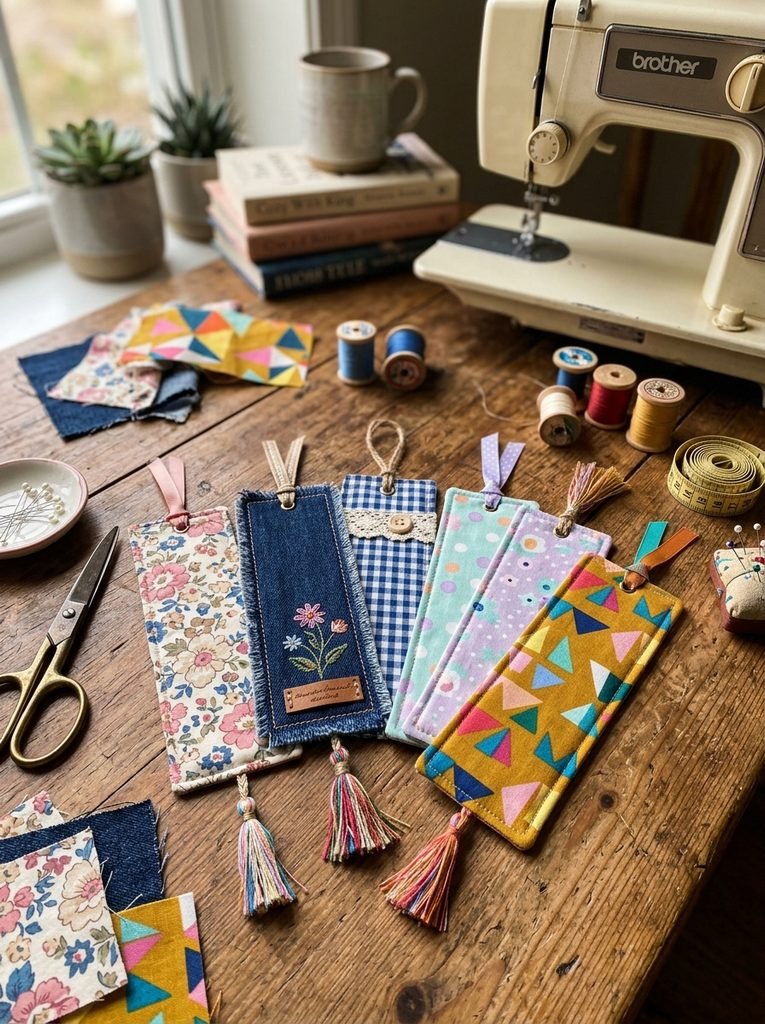
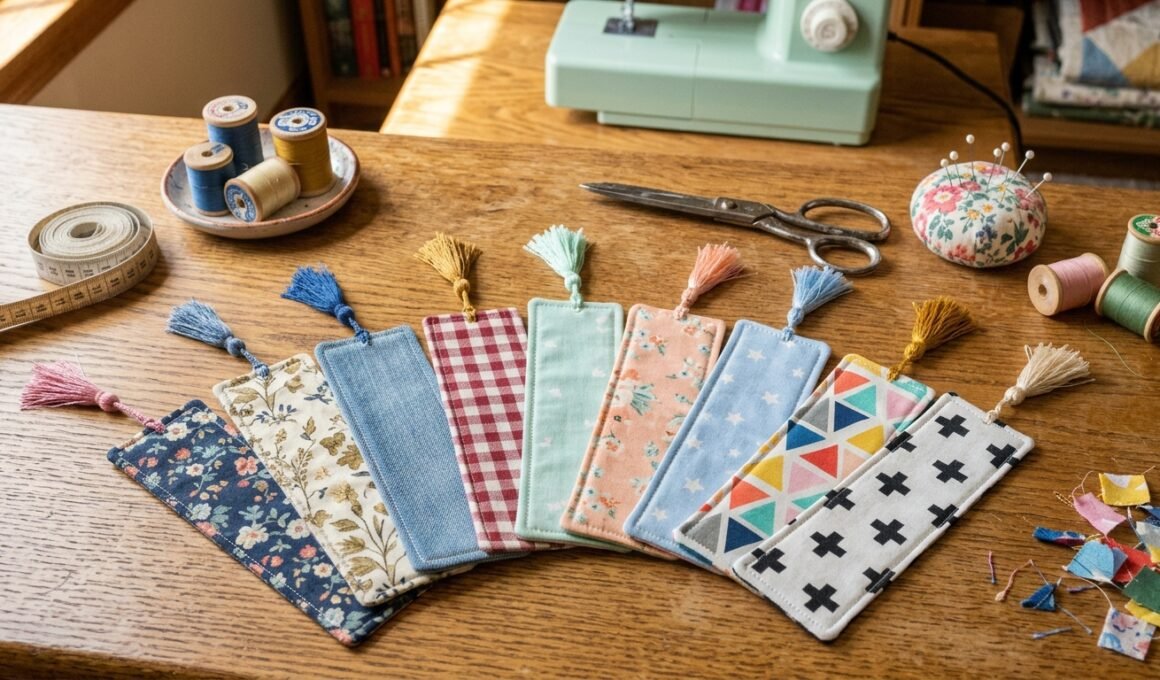
A fabric bookmark is one of the easiest places to begin. Cut two narrow fabric rectangles, place them together, stitch around the edges, and leave a small opening for turning. After turning the fabric, press it flat and close the opening with neat topstitching. Choose floral fabric for a cute look, denim for something stronger, or colorful cotton for a child’s reading corner. You can also make several at once from small scraps. This project takes very little material, which makes it a smart option when you want a simple afternoon project or a small handmade gift.
2. Sew a Cute Scrunchie
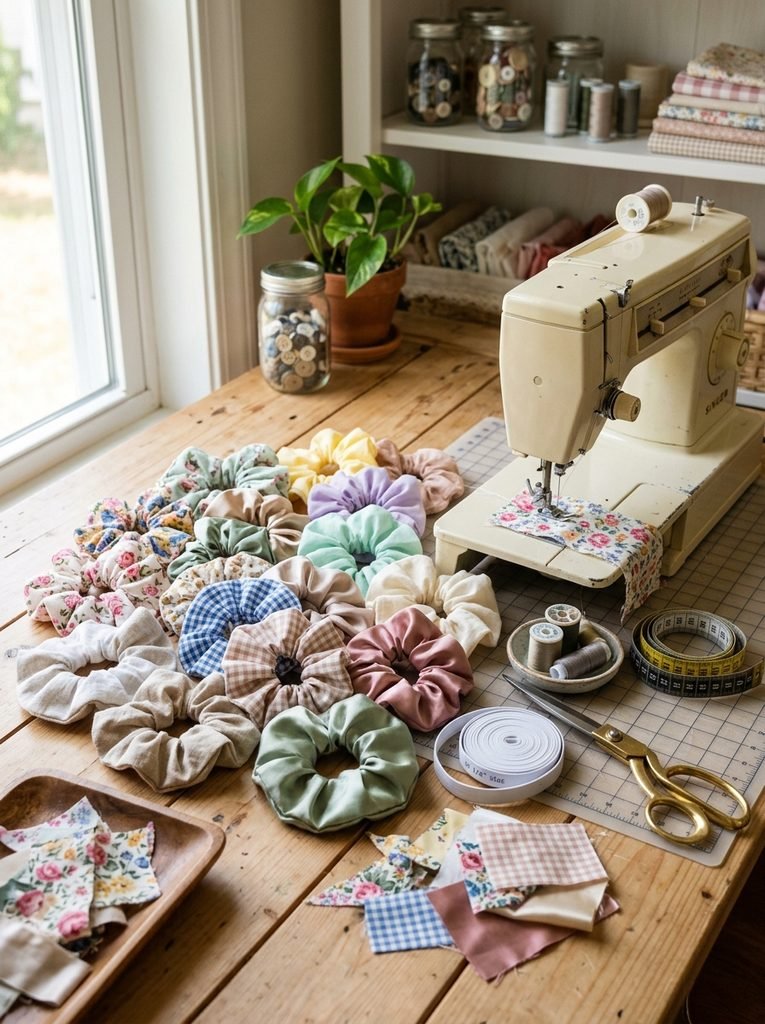
A scrunchie makes a great beginner project because the basic shape is small and forgiving. You can use leftover cotton, satin, linen, or soft printed fabric. Cut one long rectangle, sew the long edge, turn the fabric right side out, and insert elastic. Close the ends carefully and press the finished piece. Once you understand the process, you can create several colors in one sitting. Scrunchies also make easy gift ideas for friends, teens, and family members. If you use attractive fabric combinations, they can become small products you could sell.
3. Create a Mini Fabric Pouch
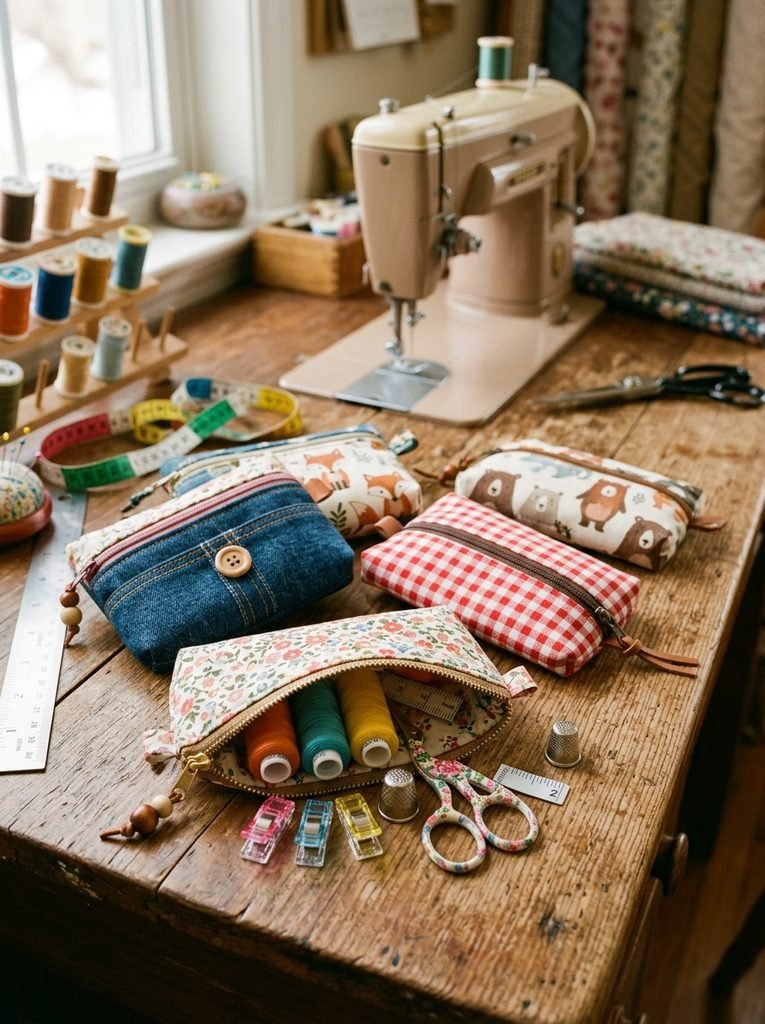
A small pouch is useful for coins, sewing clips, earbuds, jewelry, or tiny craft supplies. It also gives beginners a chance to practice straight seams and simple closures. Use a zipper if you want to learn a new skill, or choose a snap or button for an easier version. Leftover scrap fabric works especially well here because the pouch does not need large fabric pieces. For a personalized gift, use a fabric that matches the recipient’s favorite color. You can even make a matching pouch set for siblings or friends.
4. Sew a Fabric Keychain
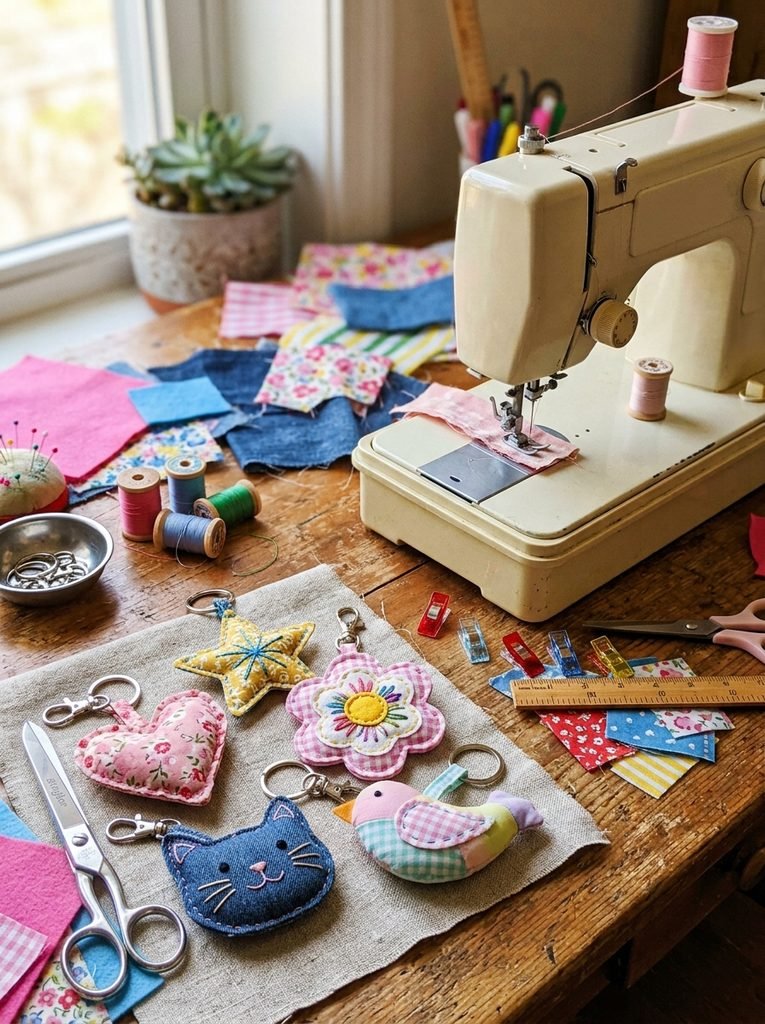
A fabric keychain uses very little material, making it perfect for small leftovers. Cut two matching pieces, stitch them together, turn or finish the edges, and attach a key ring with a strong fabric loop. Try different shapes such as hearts, stars, flowers, initials, or small animals. A simple design can become a fun project for kids with adult supervision. These keychains also work well as small party favors, stocking gifts, or handmade items to sell at local craft events.
5. Make a Small Drawstring Bag
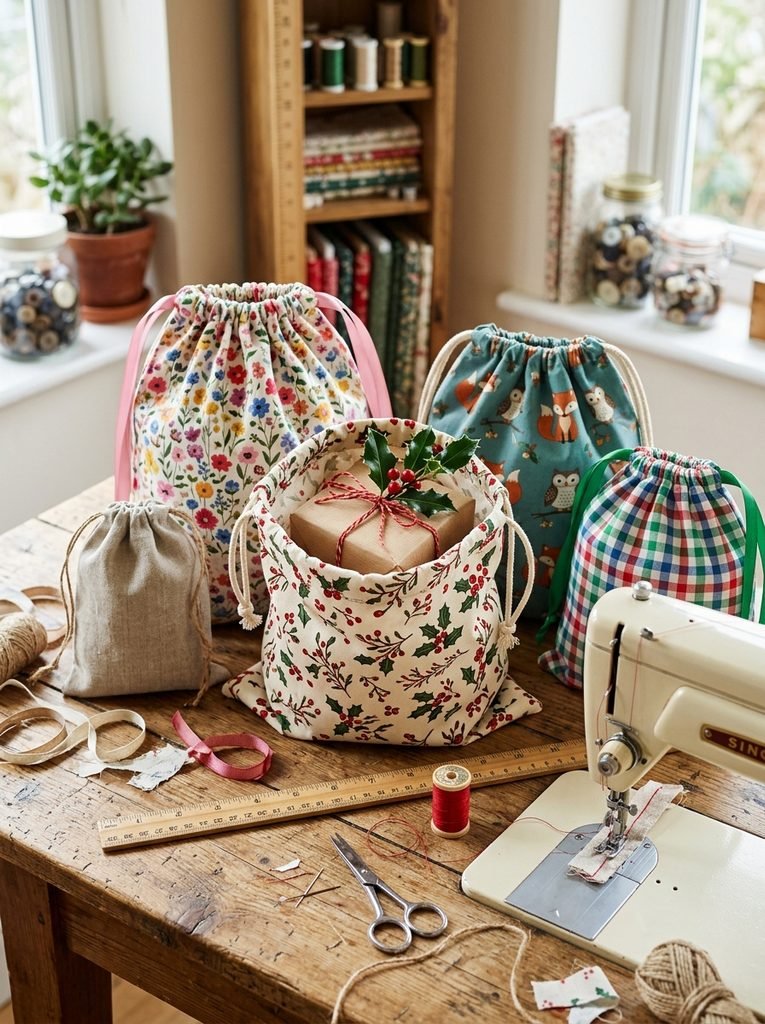
A small drawstring bag can hold jewelry, candy, hair accessories, toys, or a tiny gift. It uses simple rectangles and straight seams, so you can finish one without dealing with complicated shaping. For Christmas, choose festive fabric. For children, try colorful prints featuring animals or stars. For adults, linen or neutral cotton creates a clean look. This project also gives you a chance to practice creating a fabric channel for the drawstring. Once you understand the construction, you can make several sizes from the same basic idea.
6. Sew a Fabric Hair Bow
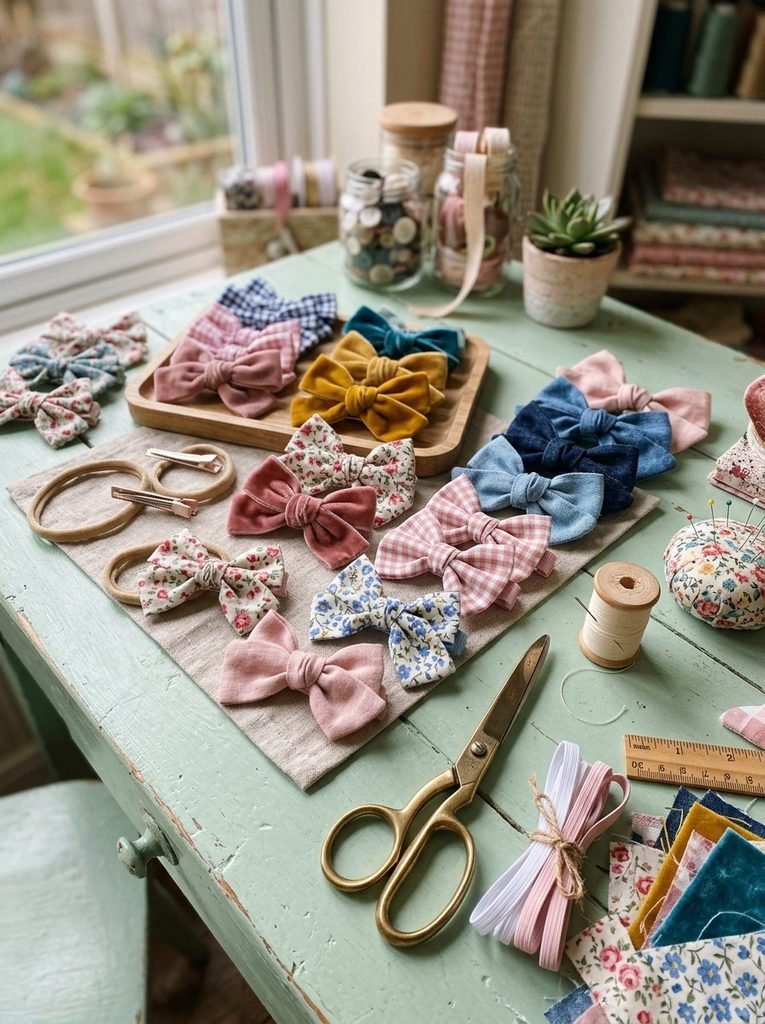
A fabric hair bow can turn a tiny piece of leftover material into something cute and useful. Choose two coordinating fabrics for a layered design, or use one print for a simple beginner version. You can attach the finished bow to a hair clip, headband, or elastic. Smaller bows work well for children, while larger designs can suit teens and adults. This is also a practical way to use scrap fabric gift ideas when you need several small handmade presents without buying much new material.
7. Make a Simple Mug Rug
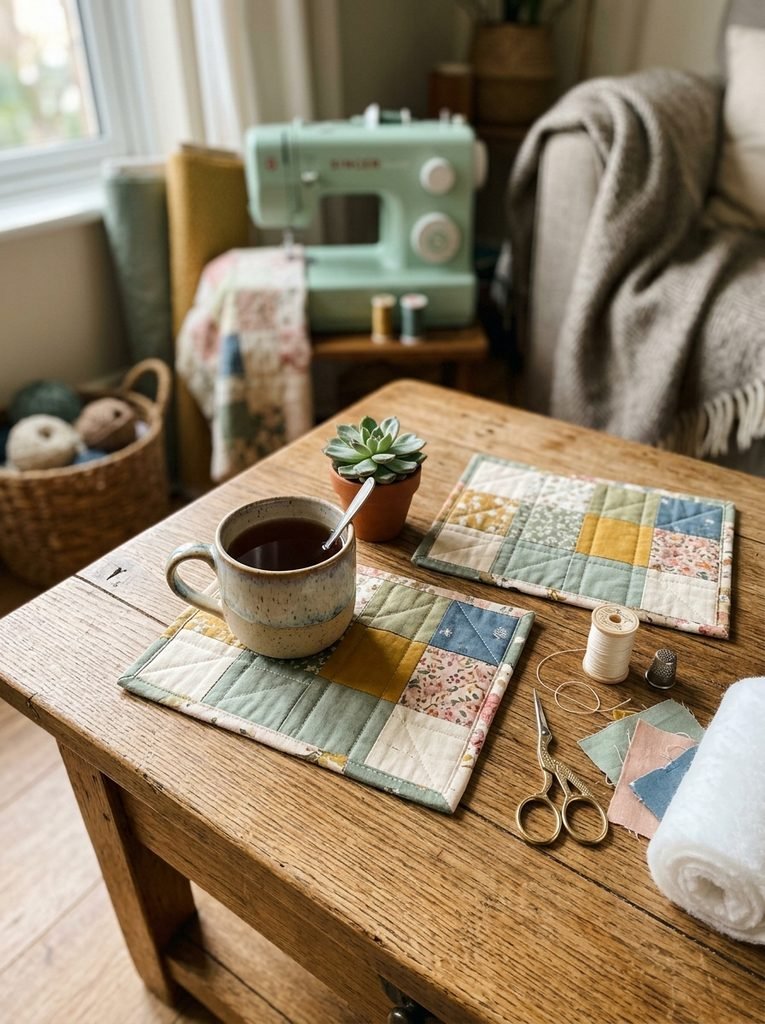
A mug rug is smaller than a table mat but more substantial than a coaster. It makes a practical first quilting project because you can work with simple fabric layers and straight stitching. Use two cotton fabrics and a thin batting layer. Add simple lines across the surface rather than attempting a complicated quilt design. You can make one for your own desk or create a matching set as a gift. USU Extension offers beginner-friendly hot-pad and sewing projects that use basic supplies and simple construction techniques, showing how small fabric projects can build useful sewing skills.
8. Sew a Quick Fabric Gift Bag
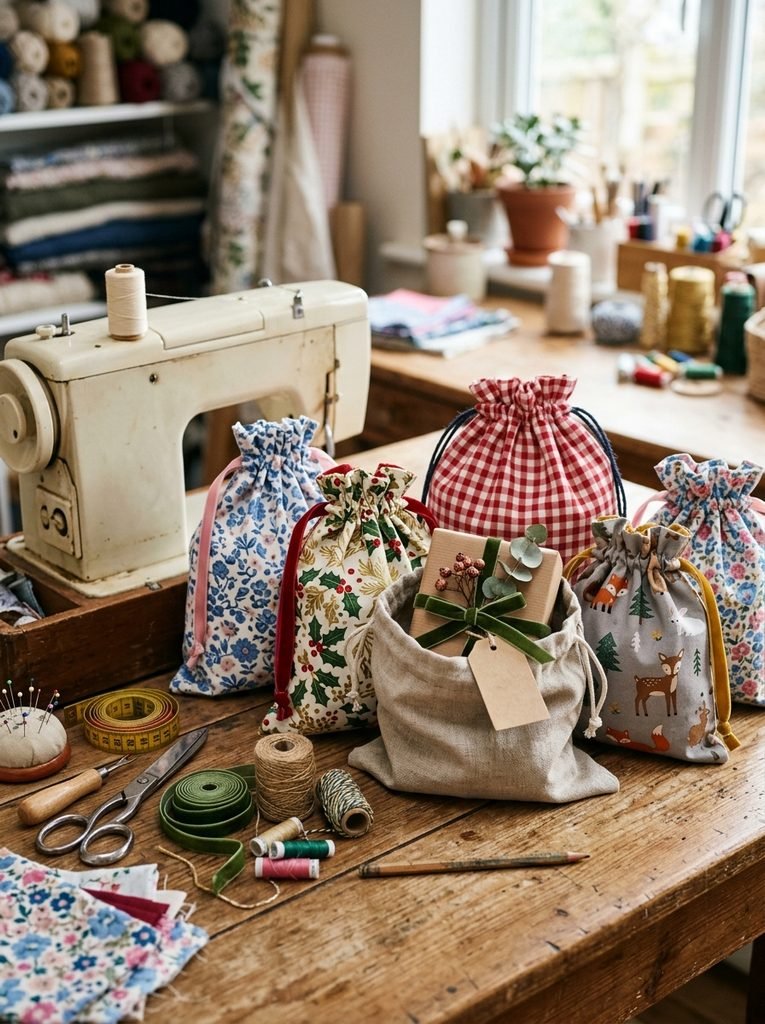
Reusable fabric gift bags make wrapping feel more personal. They can replace disposable wrapping for small presents and can be reused later for toys, accessories, or storage. Choose a simple rectangle-based design with a drawstring or ribbon closure. Small versions work for jewelry and candy, while larger bags can hold books, clothing, or handmade items. USU Extension includes small fabric bags and pouches among its sewing resources, along with projects such as mini purses, patchwork pouches, and belt bags.
9. Make a Baby Burp Cloth
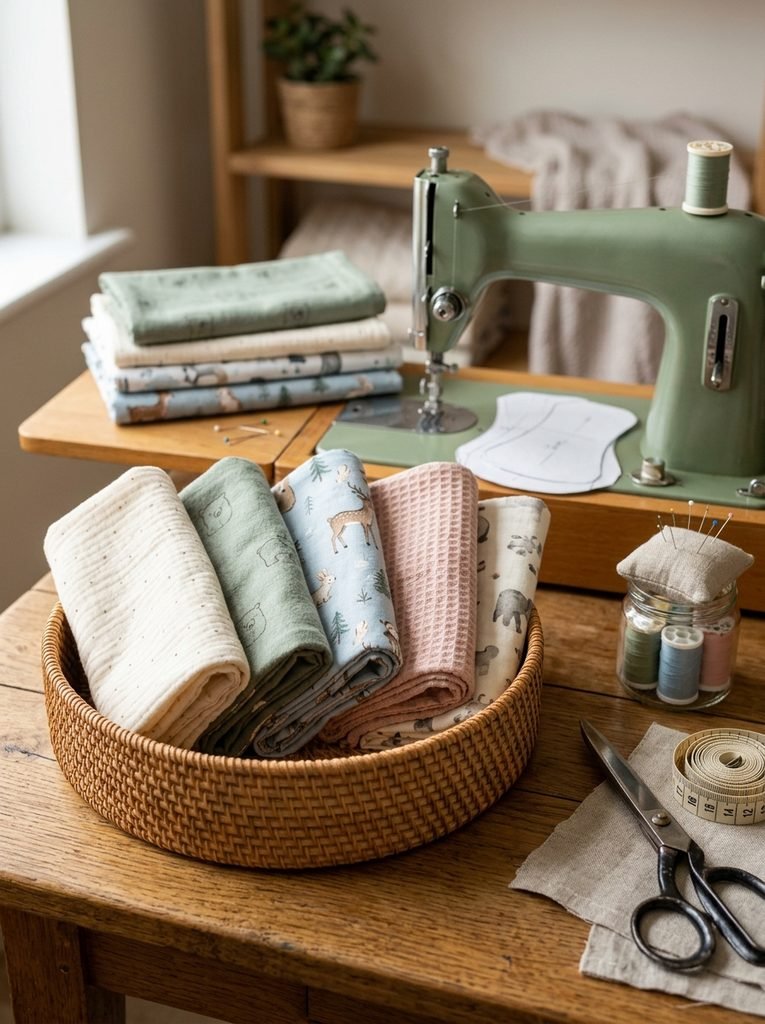
Baby sewing does not always require a complicated pattern. A simple burp cloth can become one of the most useful small projects in your sewing basket. Use soft, washable cotton or another fabric suitable for the intended use. Create a simple curved or rectangular shape and finish the edges neatly. You can make several from coordinating fabrics and bundle them as a baby gift. Keep the design practical. Avoid loose decorations, buttons, or small parts that could become a hazard for young children.
10. Sew a Simple Fabric Animal
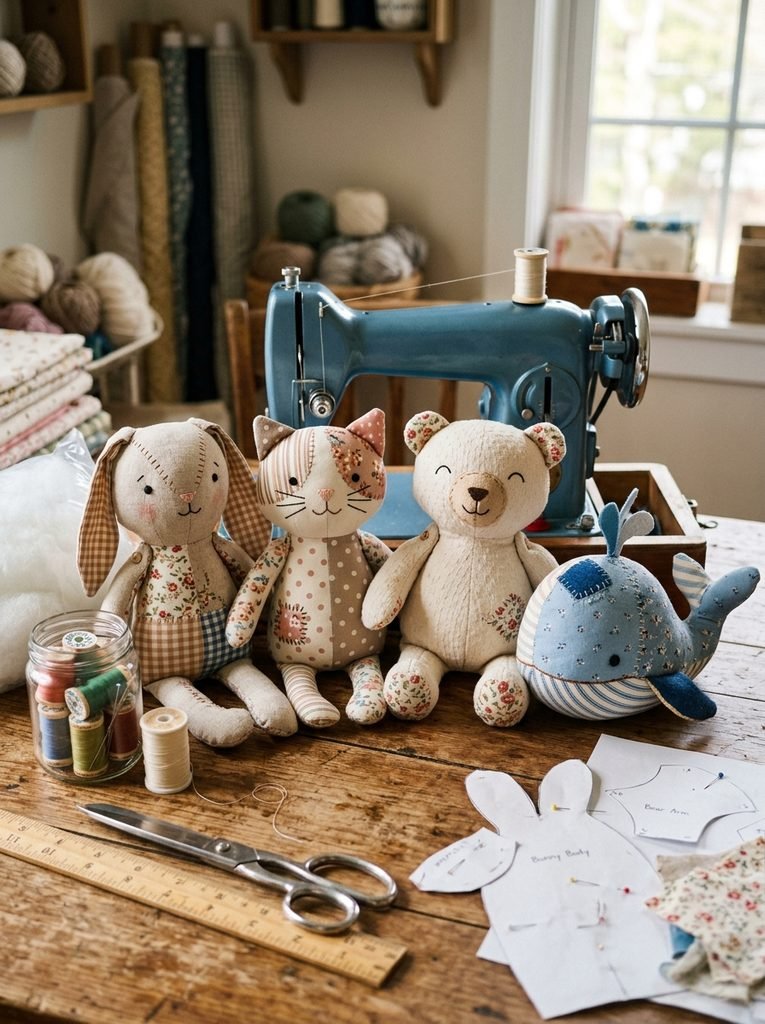
Small fabric animals make charming handmade decorations and gifts. Start with a basic shape such as a cat, bunny, bear, or whale. Use a free paper template or draw your own simple outline. Stitch the pieces together, turn them carefully, and add suitable filling. Keep details simple so the project stays beginner-friendly. For young children, pay close attention to construction and avoid loose small features. A stitched face can offer a safer alternative to tiny attached parts.
11. Create a Christmas Fabric Ornament
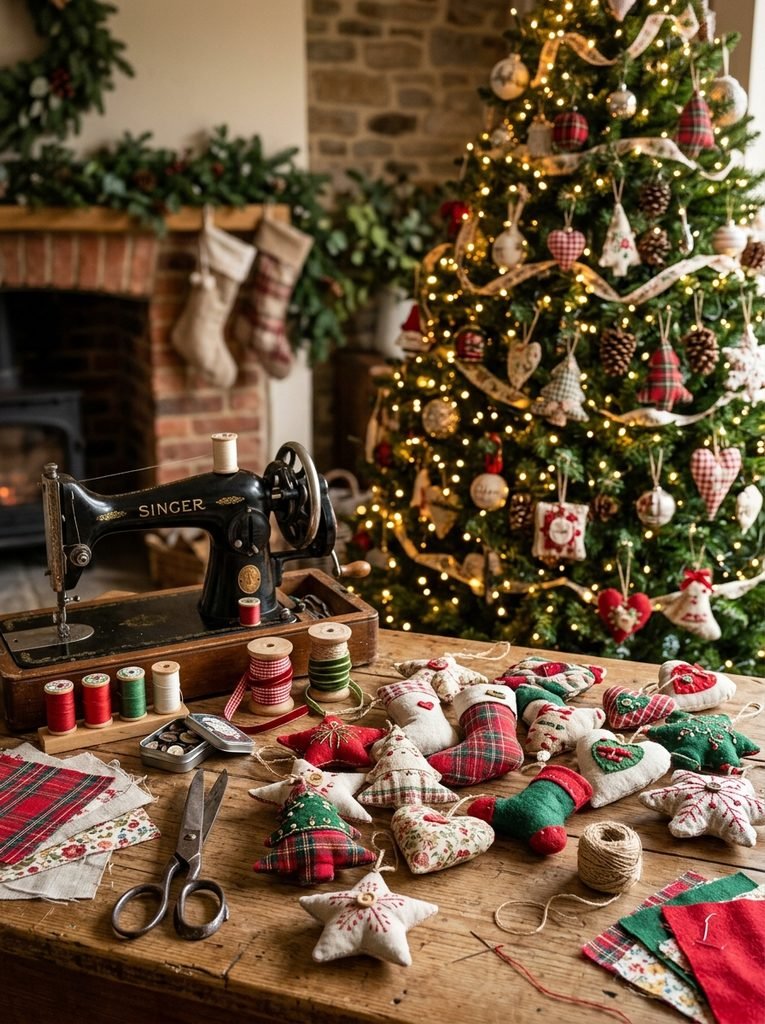
When Christmas arrives, small fabric ornaments become useful scrap fabric projects. Cut simple stars, trees, stockings, hearts, or snowflakes from leftover cotton. Stitch around the edges and add a small hanging loop. You can make a whole set using fabrics from previous projects, giving the tree a handmade story. This idea also works well as a small seasonal gift or stocking stuffer.
12. Sew a Fabric Pencil Pouch
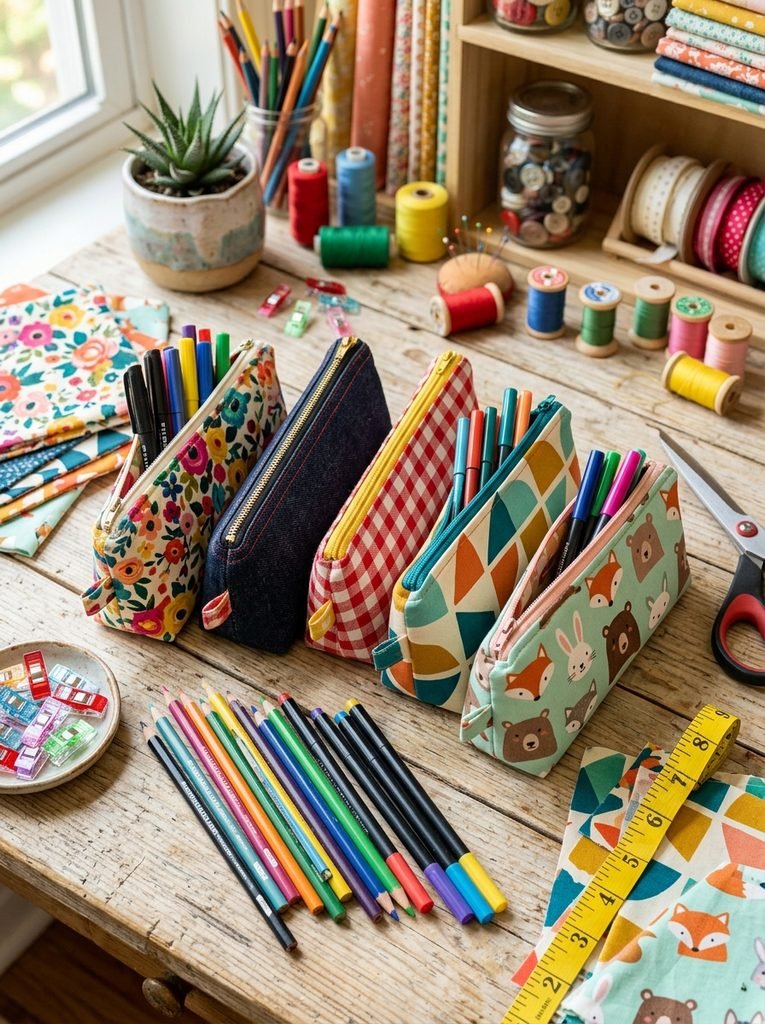
A pencil pouch is useful for school, work, drawing, or sewing supplies. A basic rectangular design can be finished quickly, especially when you already feel comfortable with zippers. Use bright prints for kids, stylish patterns for teens, or neutral fabric for adults. You can also personalize the pouch with a small appliqué or contrasting zipper. Make several from one fabric collection and you have a practical set of handmade products.
13. Make a Small Fabric Tote
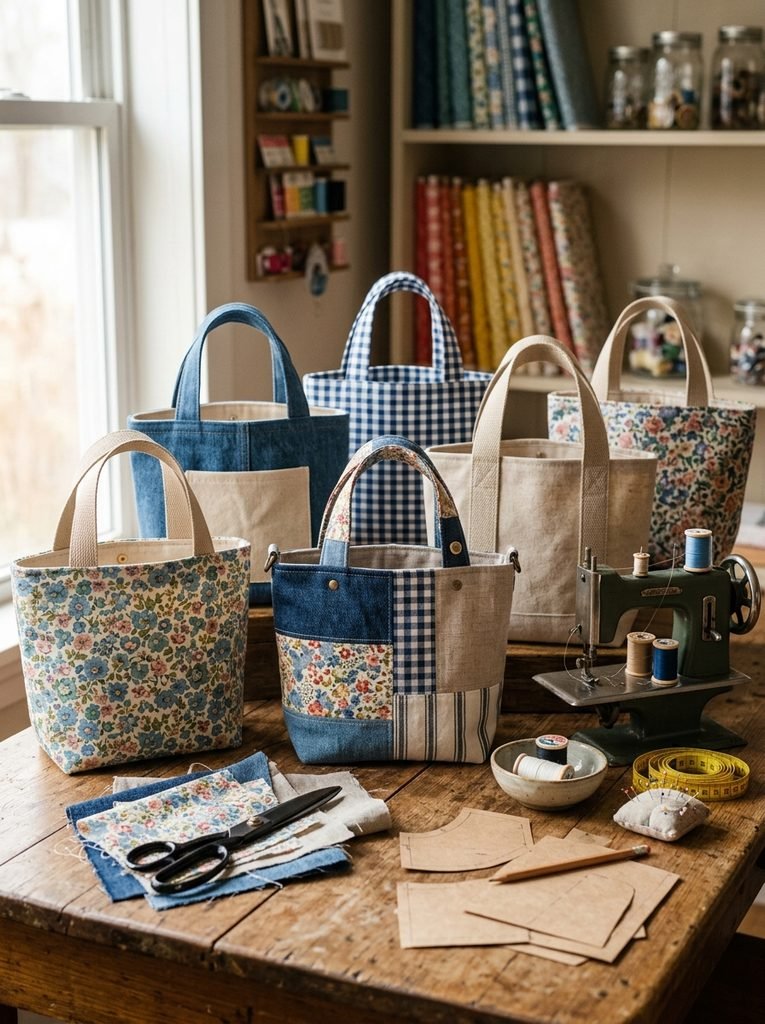
A small tote bag takes your sewing skills one step further. You will practice seams, handles, fabric placement, and simple finishing. Use scrap fabric for the front panels and a stronger cotton for the handles. You can make the bag for books, craft supplies, groceries, or everyday small items. If you enjoy making useful products, simple tote bags can also become handmade items you could sell. Choose a repeatable design so you can make several without starting from zero each time.
14. Sew a Simple Clothing Top
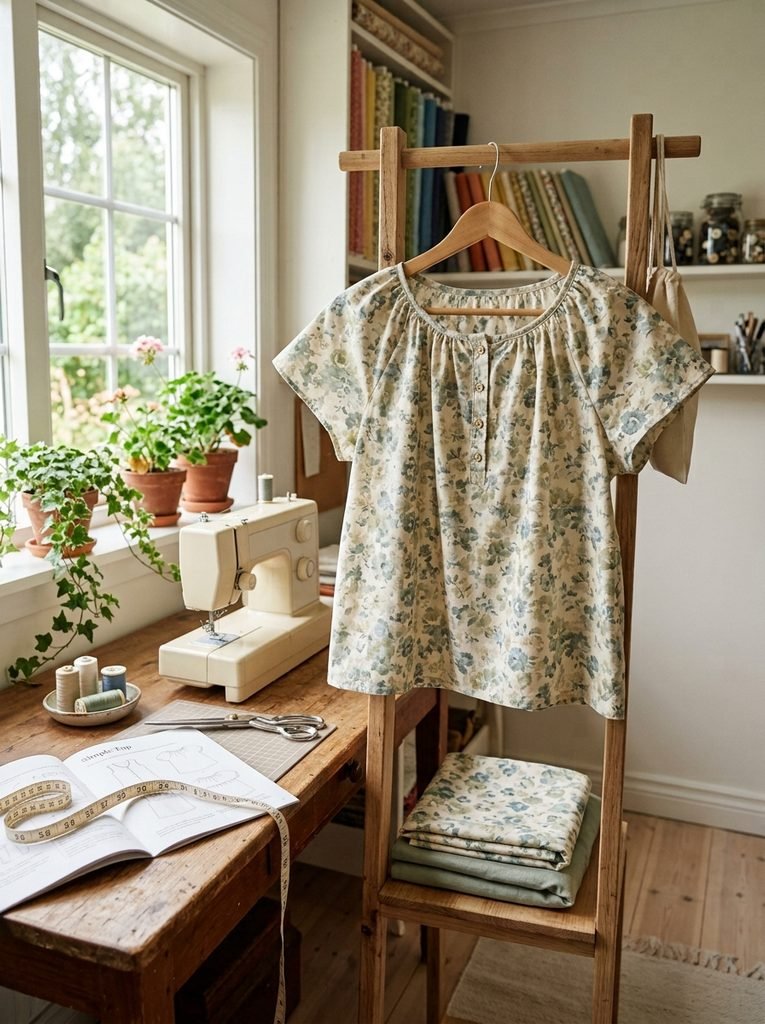
Once you feel comfortable with small accessories, try a basic clothing project. A loose top with simple seams can teach you about measurements, hems, sleeves, and fabric direction. Choose an easy pattern with clear instructions. Check the finished garment measurements before cutting because pattern sizing can differ from ready-to-wear clothing. Start with inexpensive fabric for your first attempt. Once the fit works, you can make the same design in better fabrics and create different looks.
15. Create a Hand-Sewn Fabric Pin Cushion
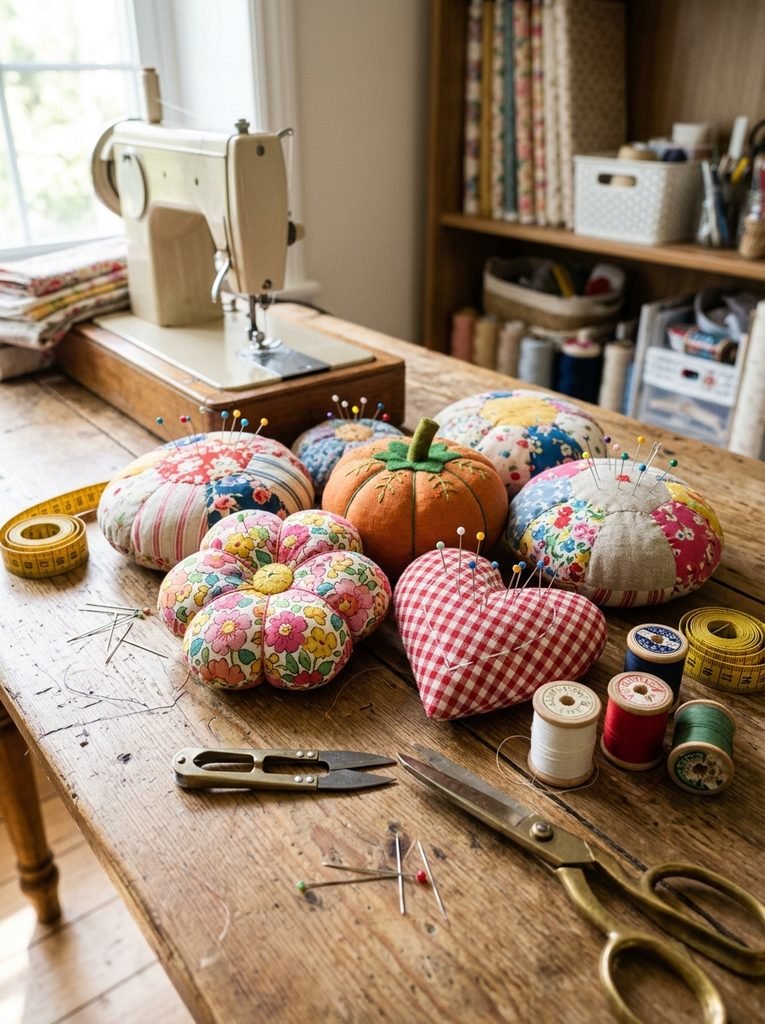
A small pin cushion is a perfect hand sewing project. It uses very little fabric and lets you practice cutting, stitching, turning, and filling. Try a flower, heart, pumpkin, or small round shape. You can even match it to your sewing room colors. Because the project is so small, it makes a satisfying afternoon activity when you want to sew without starting something large.
16. Make a Quick Fabric Bowl Cozy
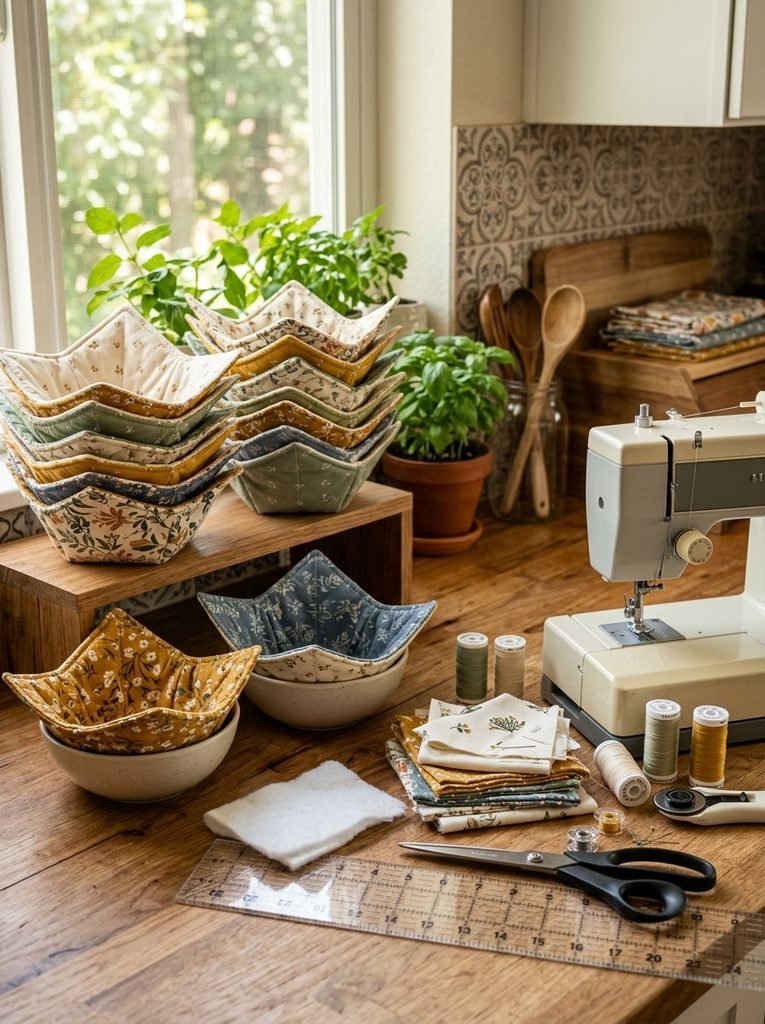
A fabric bowl cozy adds a practical touch to the kitchen and gives you experience with layered fabric construction. Choose suitable cotton fabric and batting designed for the intended use, and follow the material manufacturer’s instructions. Keep the shape simple for your first attempt. Coordinating fabric can make a set look polished, while small leftover pieces can create a colorful patchwork version. Always check that the materials and construction suit the intended heat level and use.
17. Sew a Simple Pet Bandana
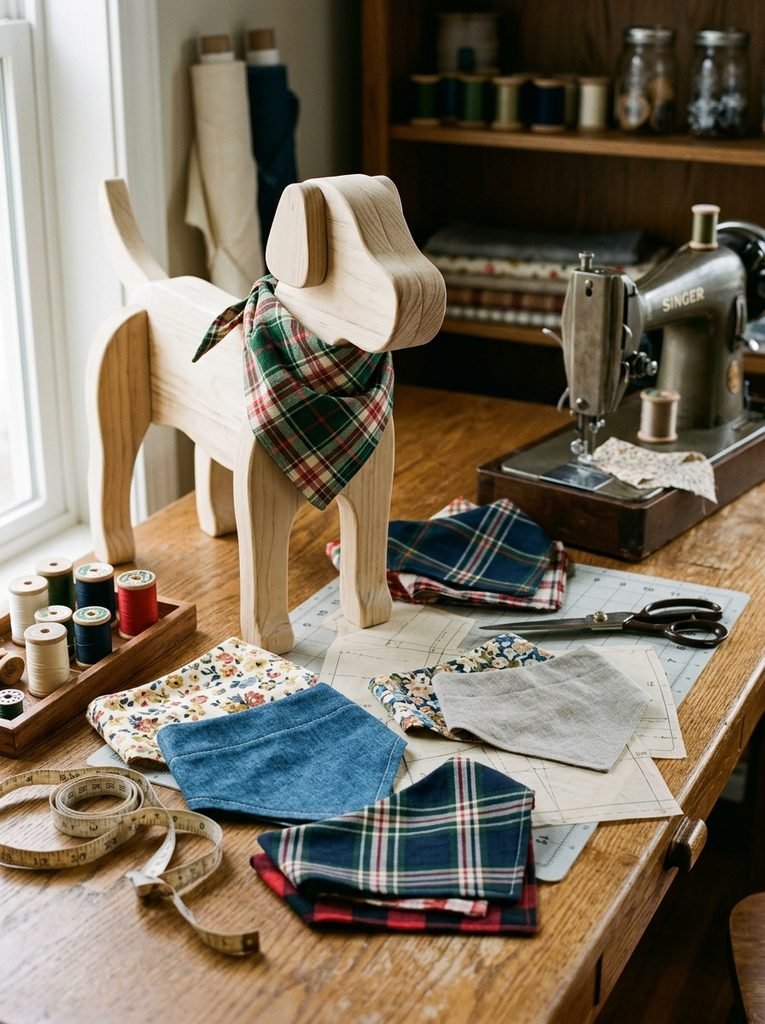
A small pet bandana gives you another way to use leftover fabric. Choose a lightweight washable fabric and create a simple triangular shape with finished edges. Use floral prints, plaid, denim-look cotton, or seasonal Christmas patterns. Make sure the finished item fits comfortably and does not restrict the animal’s movement or breathing. You can make matching designs for multiple pets or create seasonal sets.
18. Make a Scrap Fabric Gift Set
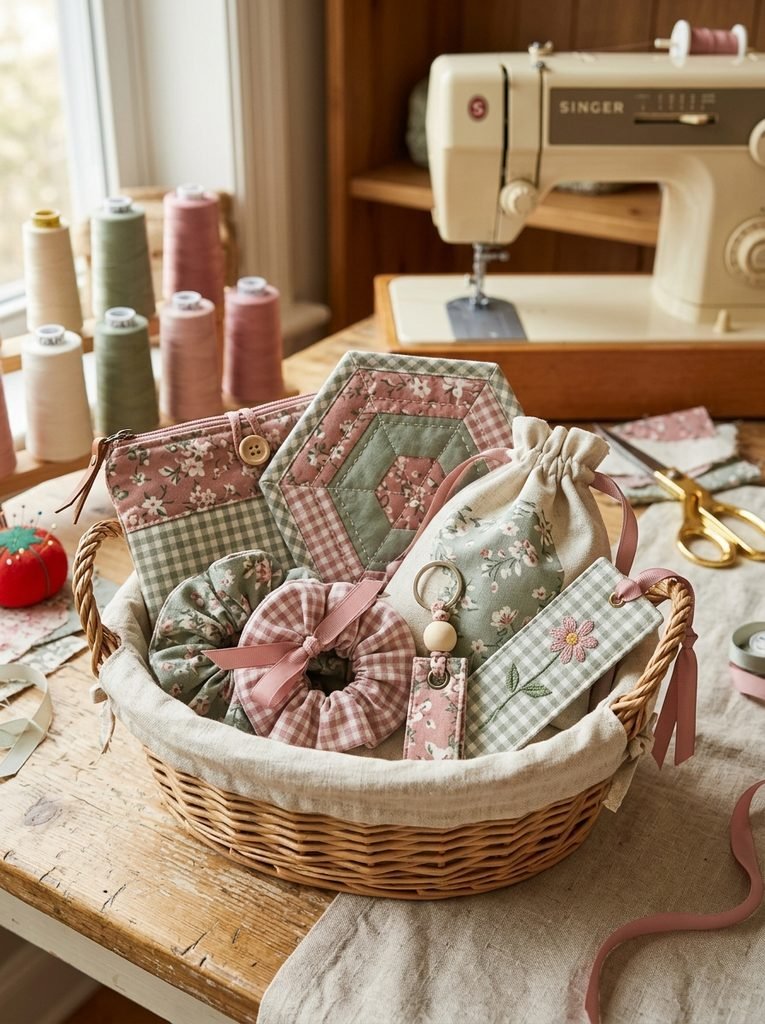
Sometimes the best project is not one item but a small collection. Combine a fabric bookmark, scrunchie, keychain, pouch, or mug rug into one handmade set. This is one of the most useful scrap fabric gift ideas because tiny pieces can become a coordinated collection. Pick three matching colors and repeat them across the items. For birthdays, holidays, teachers, friends, or craft-market customers, a small handmade set can feel much more personal than one random item.
Final Thoughts
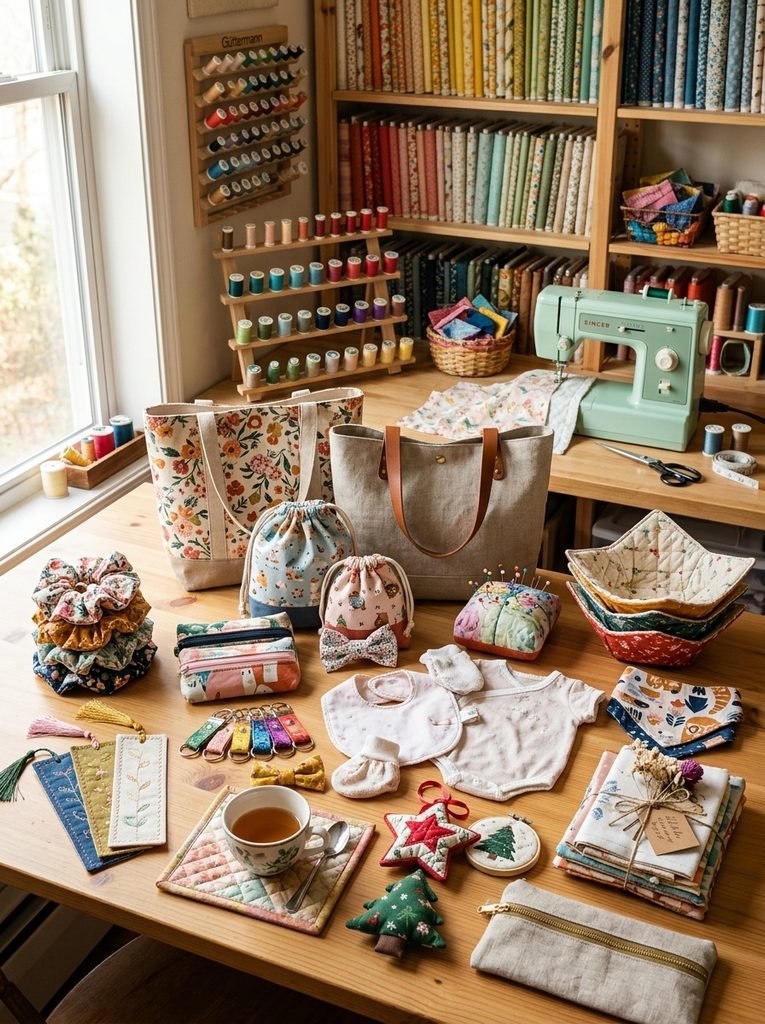
The beauty of quick sewing projects is that they fit into real life. You do not need an empty weekend or a huge cutting table. Sometimes all you need is a small piece of fabric and a short window of time. Start with something simple. Make a bookmark. Try a scrunchie. Turn a leftover fabric piece into a pouch. Then challenge yourself with a tote, baby item, or simple clothing project. Every finished piece teaches something. Your seams become cleaner. Your cutting becomes more accurate. Your confidence grows. Soon, those little scraps sitting in a drawer will start looking like possibilities instead of waste. Whether you sew for yourself, make gifts, create projects for kids, or hope to sell handmade items, small projects can keep your creativity moving without making sewing feel like a chore.