


This post may contain affiliate links. Please read my disclosure policy.
In This Article Show
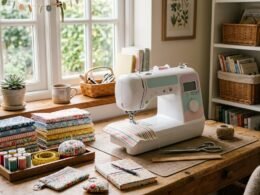
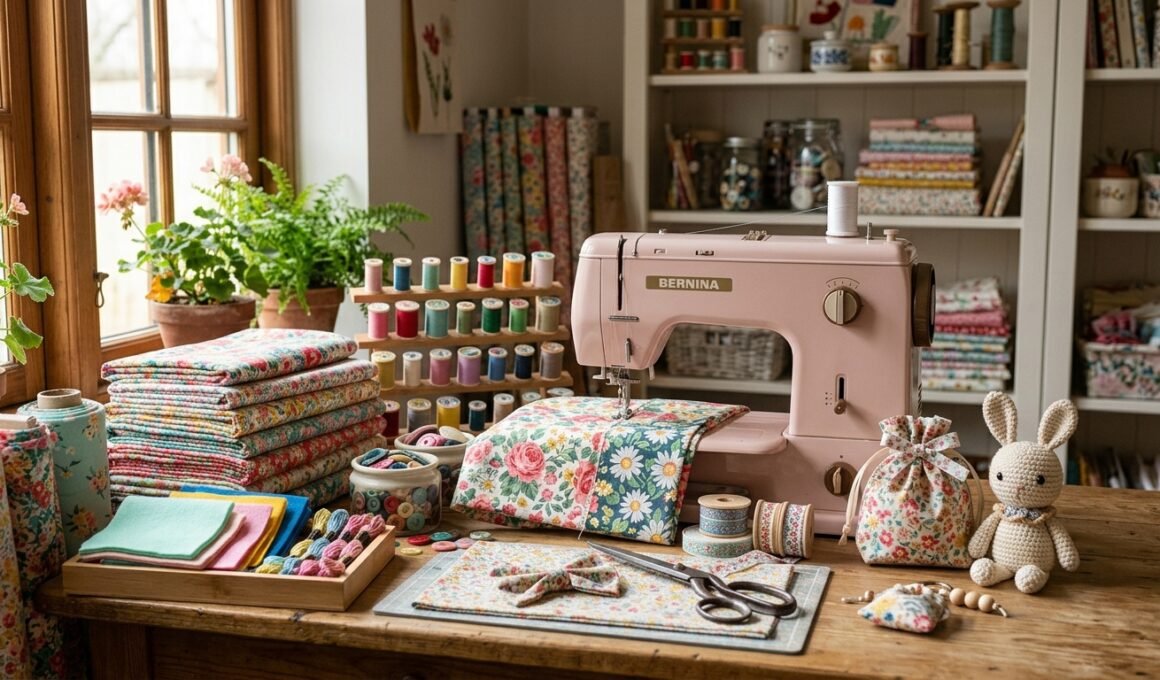
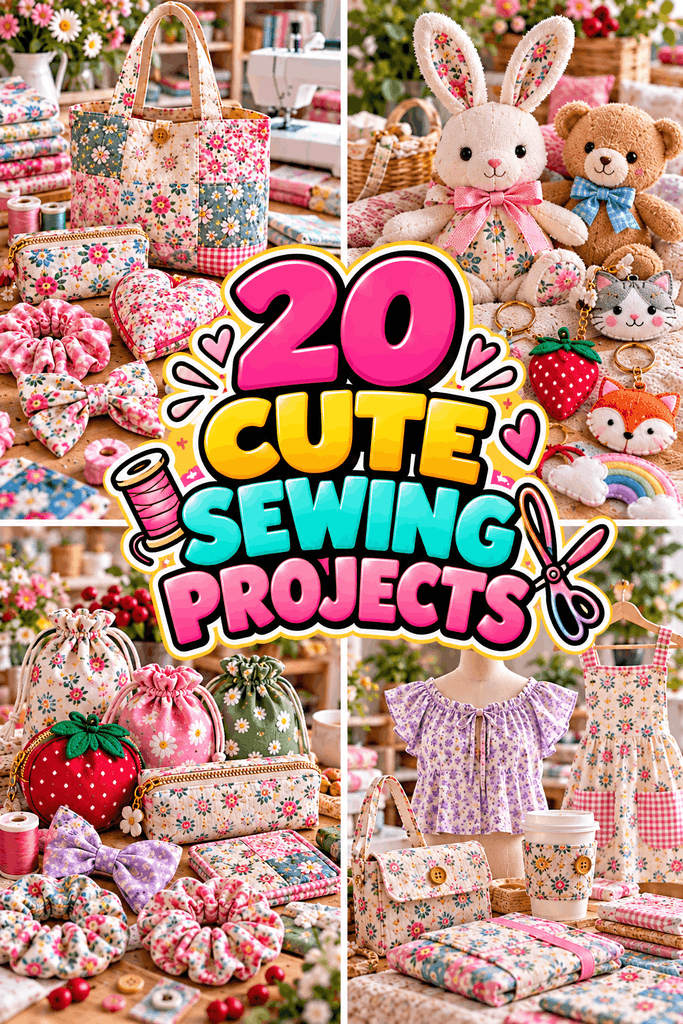
There is something special about turning an ordinary piece of fabric into something you can actually use. A small floral scrap can become a bow. A soft piece of felt can become an animal keychain. A few fabric pieces can turn into a little bag that looks like it came from a boutique. That is why cute sewing projects are so enjoyable for beginners and experienced makers alike. They do not always require expensive supplies or complicated patterns. Many start with simple shapes, basic stitches, and fabric you already have at home. As your skills grow, you can move from tiny accessories to bags, plushies, gifts, and even clothes.
1. Mini Heart-Shaped Pouch
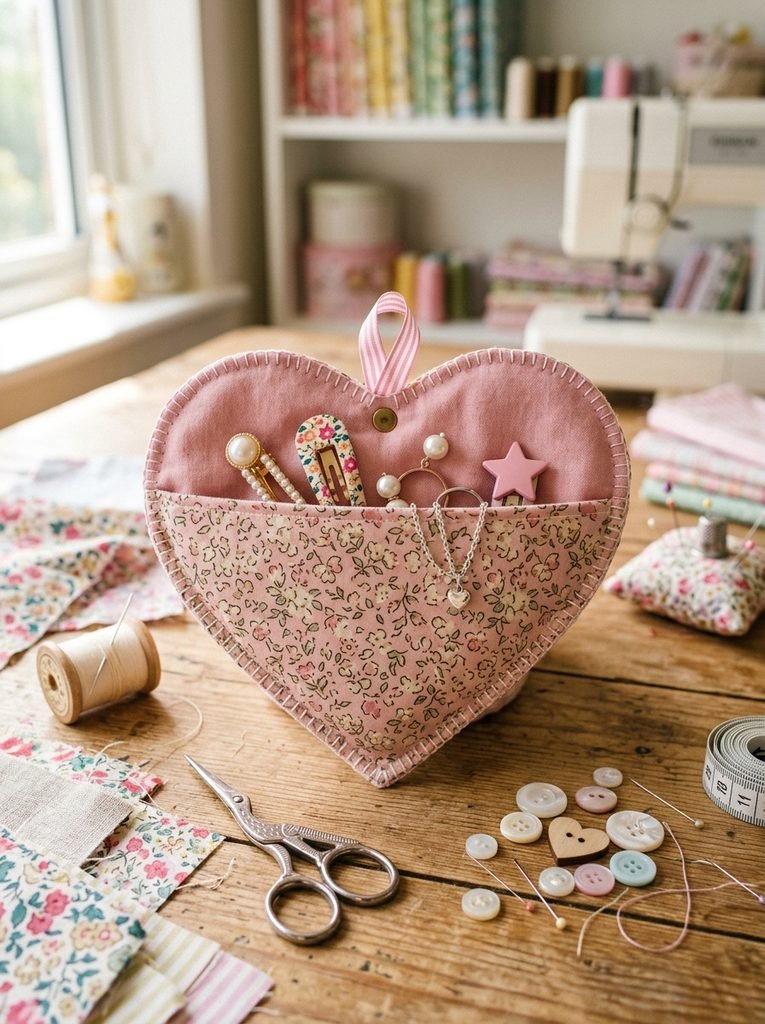
Start with a simple heart shape and turn it into a tiny pouch for coins, jewelry, hair clips, or other small items. Floral cotton gives it a soft aesthetic look, while pink, red, or pastel fabric makes it perfect for a teen gift. Keep the first version simple. Use two fabric pieces and a basic closure. Once you understand the shape, you can add a zipper, lining, or small wrist strap.
2. Fabric Bow Hair Clips
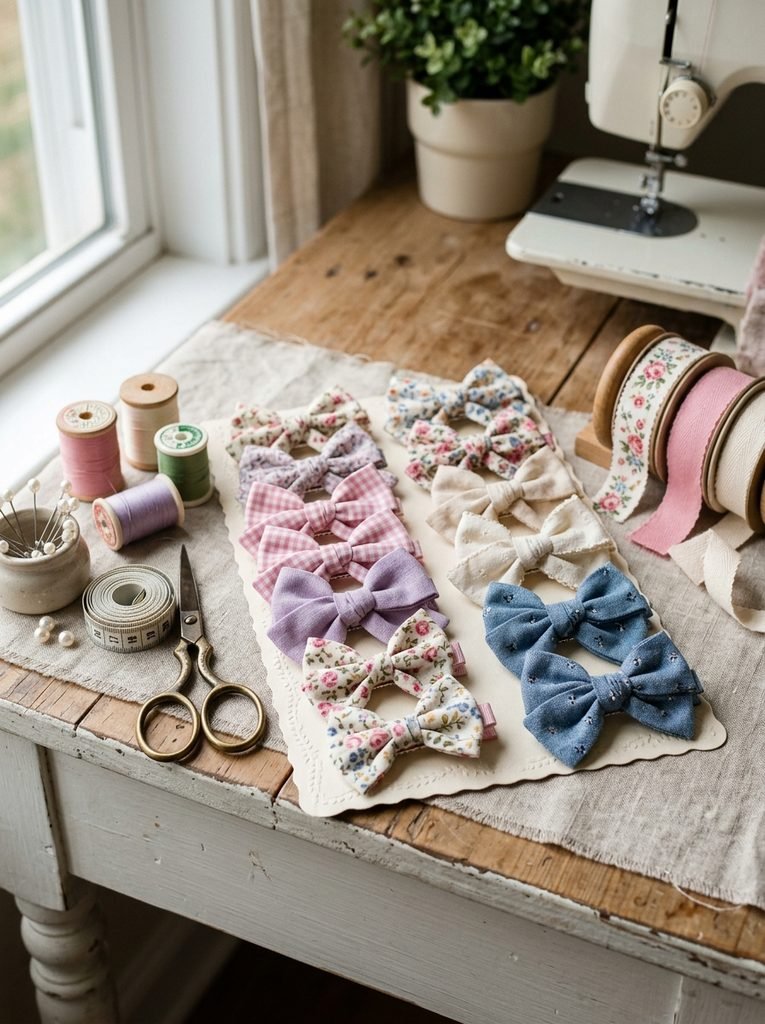
A fabric bow is tiny, quick, and surprisingly versatile. Make one from cotton, gingham, floral fabric, or soft felt. Attach it to a suitable hair clip or use it as decoration on a bag or gift. For a cute collection, make several bows in matching colors. You can create a small set for yourself or package them as handmade gifts for kids and teens.
3. Cute Animal Keychain
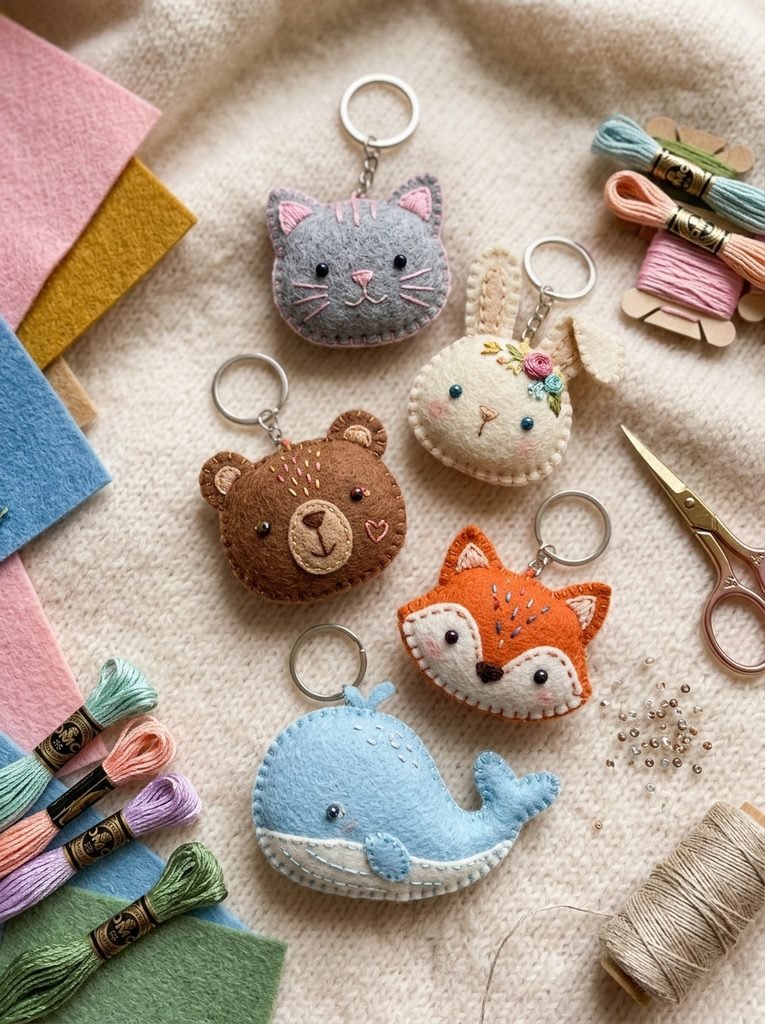
Small animals make excellent keychain designs. Try a cat, bunny, bear, fox, or simple whale shape. Felt works especially well for flat designs because it does not require the same edge finishing as woven fabric. Keep the facial details simple. A few carefully placed stitches can create eyes, ears, and tiny features without making the project complicated.
4. Patchwork Tote Bag
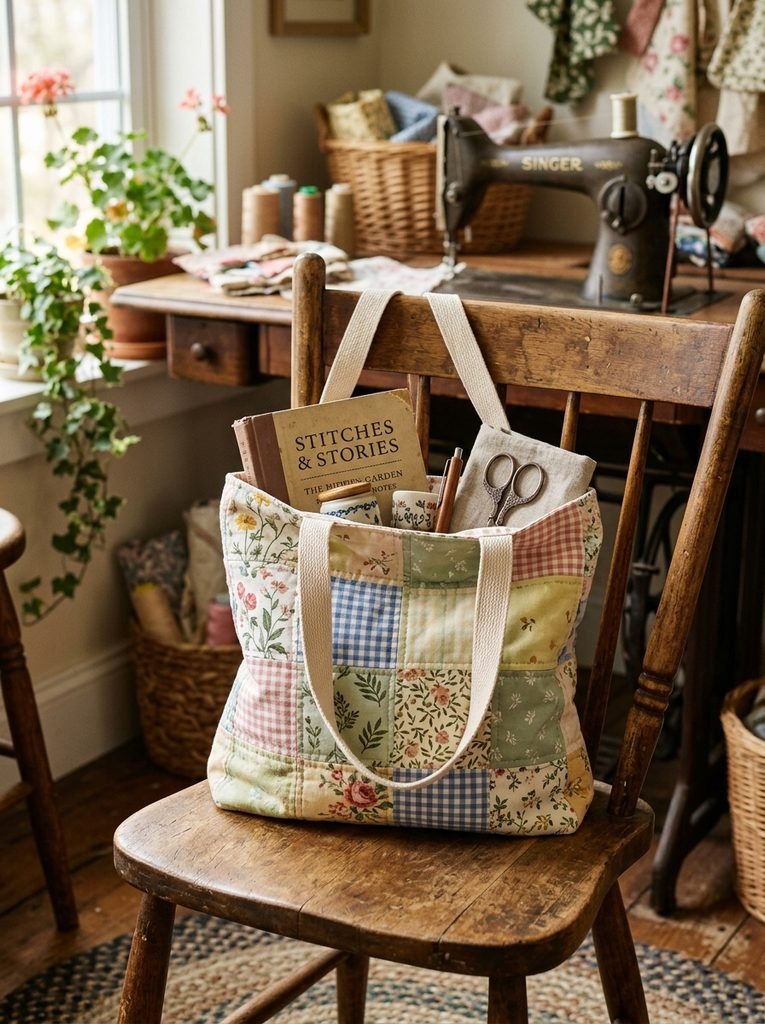
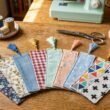
A patchwork tote gives you a chance to combine several fabrics into one design. Use four, six, or eight simple squares and arrange them before sewing. The beauty of this idea comes from color coordination. Floral prints, gingham, small checks, and plain cotton can work together beautifully. Keep the handles simple so the patchwork remains the main feature.
5. Felt Flower Brooch
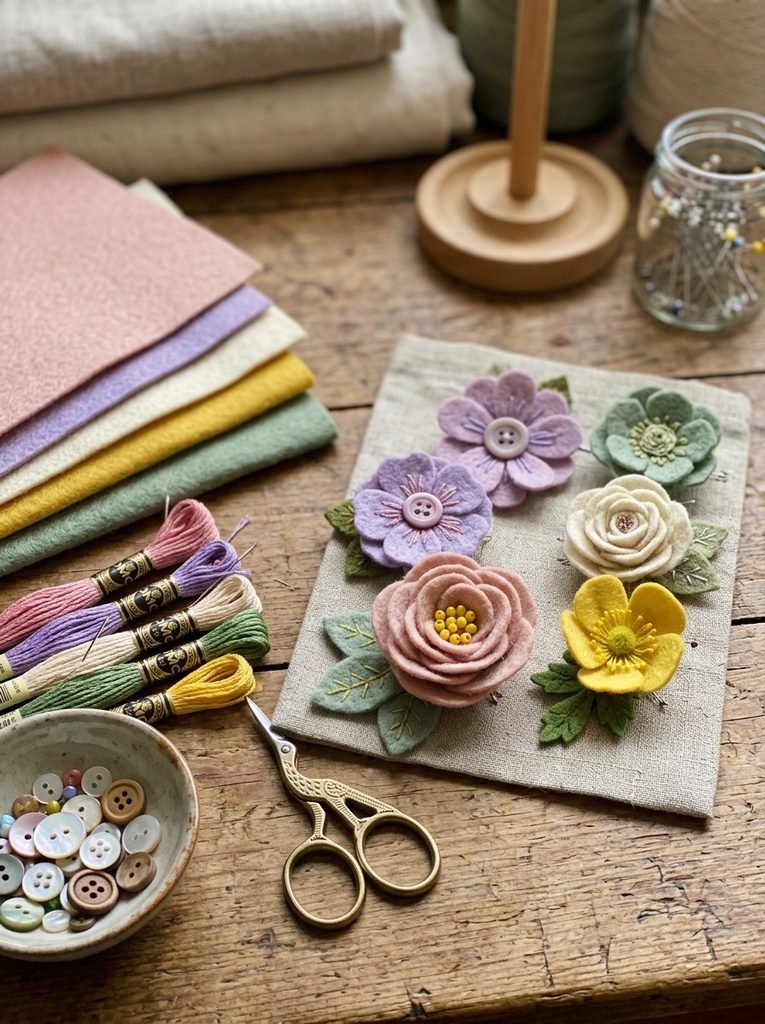
Felt flowers are excellent for beginners because the material holds its shape and does not fray like many woven fabrics. Cut simple petal shapes, layer them, and secure the center with stitching or a suitable embellishment. You can turn the finished flower into a brooch, bag decoration, hair accessory, or gift topper. Use different colors to create seasonal collections.
6. Mini Drawstring Gift Bag
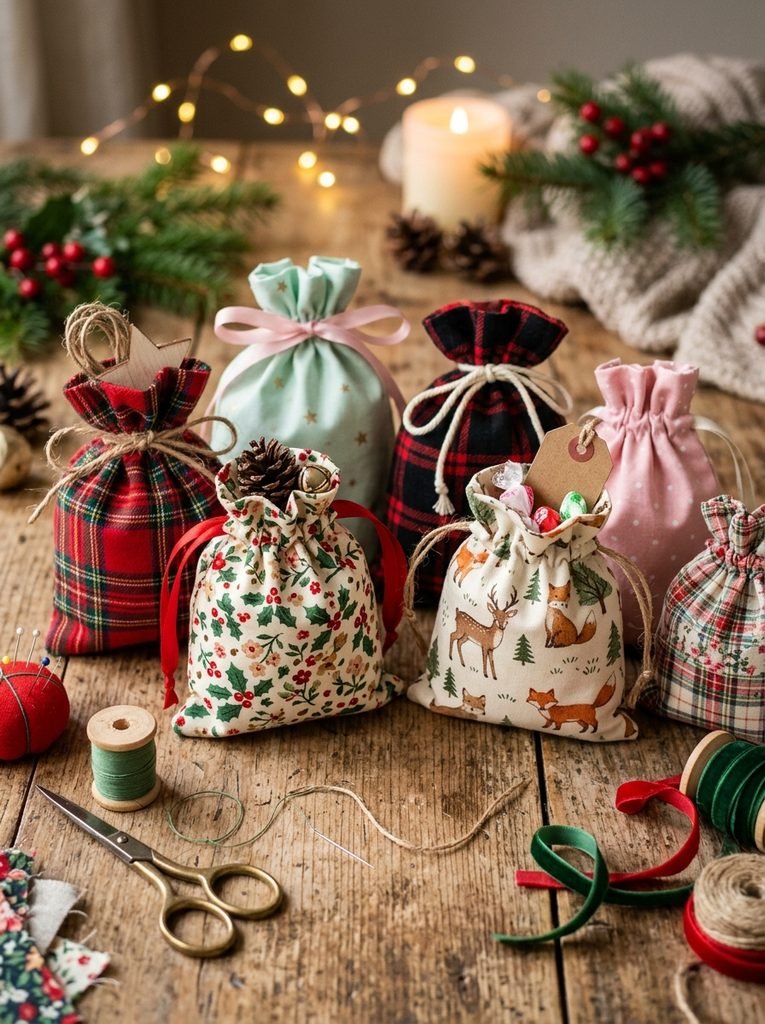
A tiny drawstring bag can turn a simple present into a more personal gift. Make one for jewelry, candy, stationery, accessories, or a handmade item. Christmas fabric works beautifully for holiday gifts. Floral prints suit birthdays. Animal prints can make fun bags for kids. The same basic pattern can create many different styles.
7. Strawberry Coin Purse
A strawberry-shaped coin purse adds a playful touch to your sewing collection. Use red cotton with tiny white details and green fabric for the leafy top. This project works particularly well as a handmade gift. You can make matching strawberry accessories such as a keychain, pouch, or small fabric charm.
8. Plush Bunny
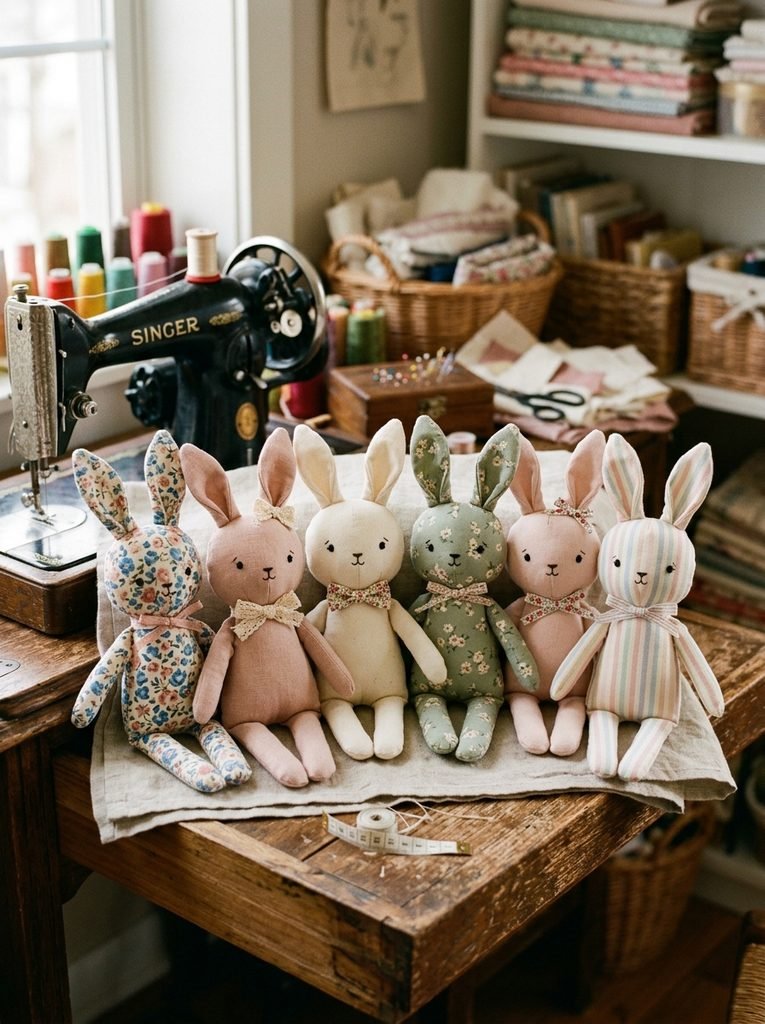
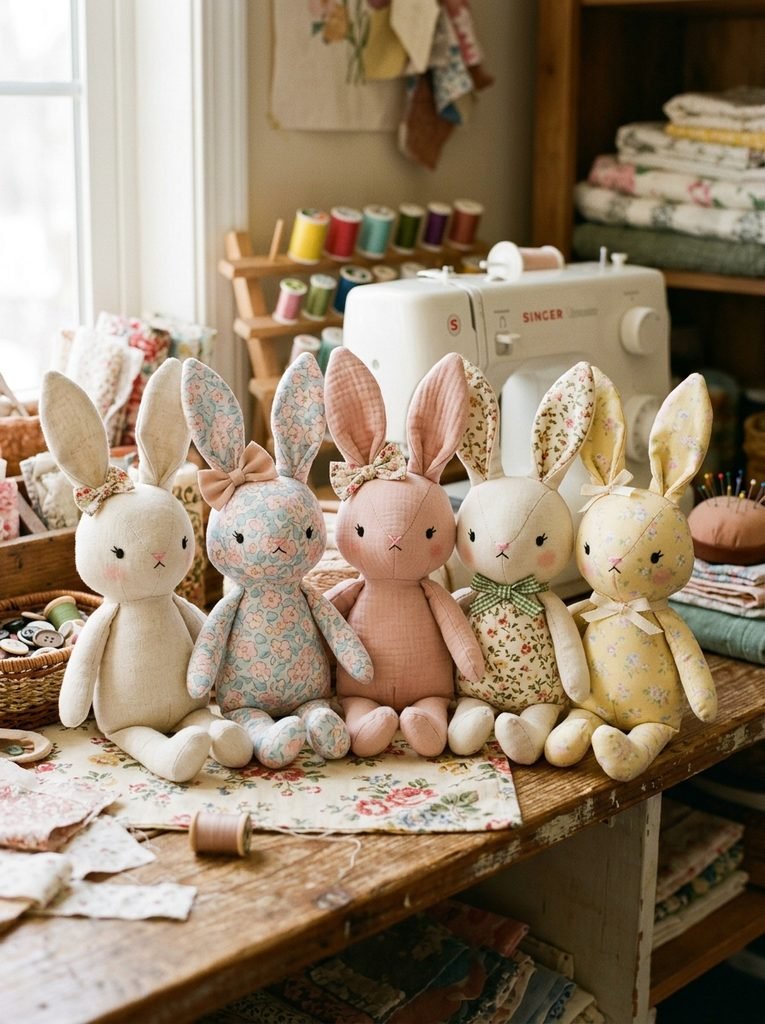
If you want to move from flat accessories into three-dimensional sewing, try a simple plush bunny. Choose a basic pattern with a few large pieces instead of tiny complicated parts. Soft cotton or suitable plush fabric can create a warm handmade look. Add a small bow or simple stitched face to personalize it. For young children, avoid small detachable parts and make sure the construction suits the intended age.
9. Fabric Scrunchies
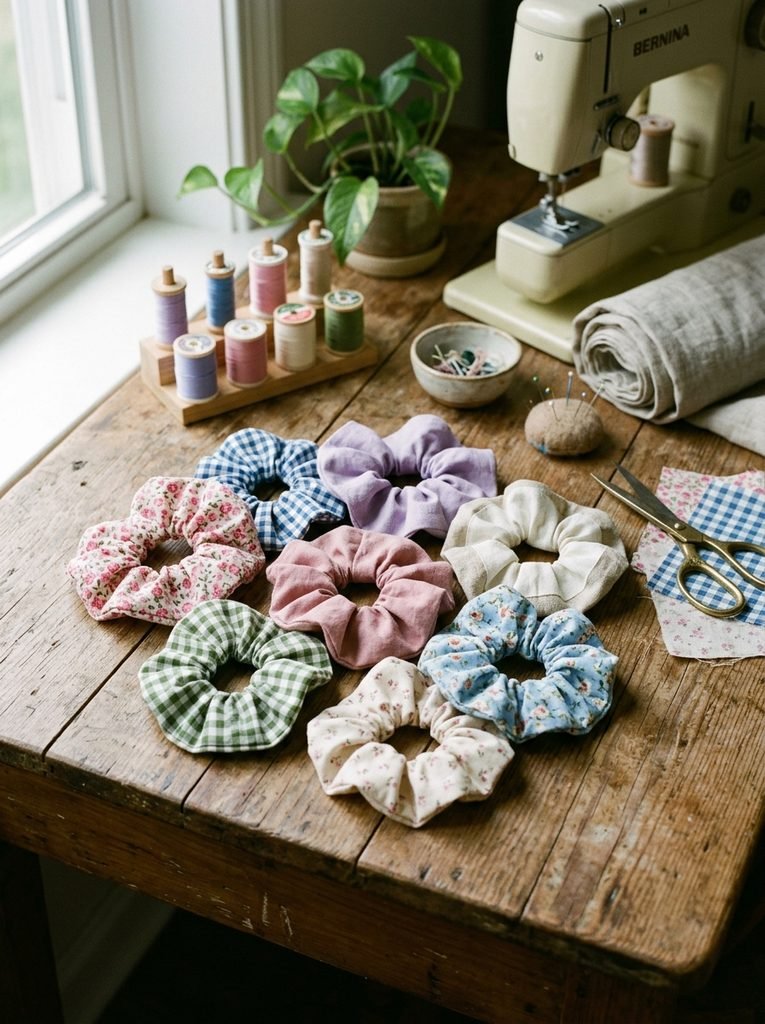
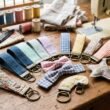
Scrunchies remain one of the easiest ways to turn leftover fabric into something useful. You only need a relatively small strip of fabric and elastic. Make them in floral, satin-look, gingham, or colorful cotton fabrics. A set of three matching scrunchies can become a simple gift, while different prints can become a small handmade collection for selling.
10. Personalized Book Sleeve
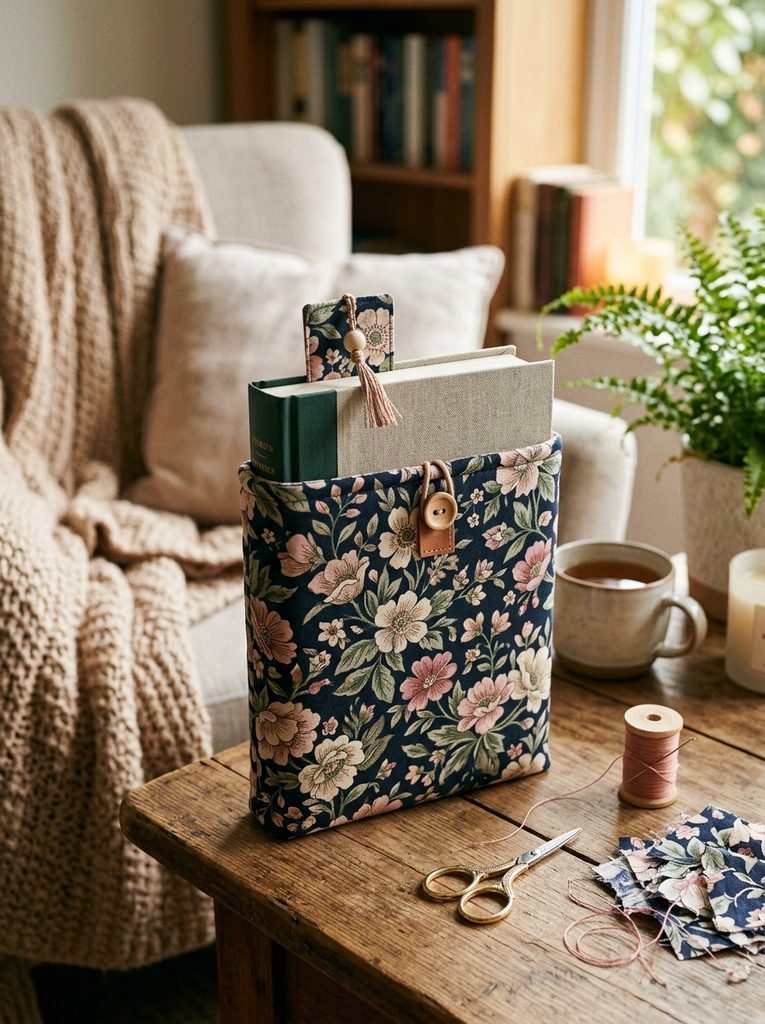
A fabric book sleeve protects a favorite book while giving you useful sewing practice. Create a simple rectangular sleeve with a little extra room for the book and add a small fabric tab or decorative detail. Use a reader’s favorite color or print. This makes a thoughtful gift for a friend, teen, teacher, or family member.
11. Cute Pencil Case
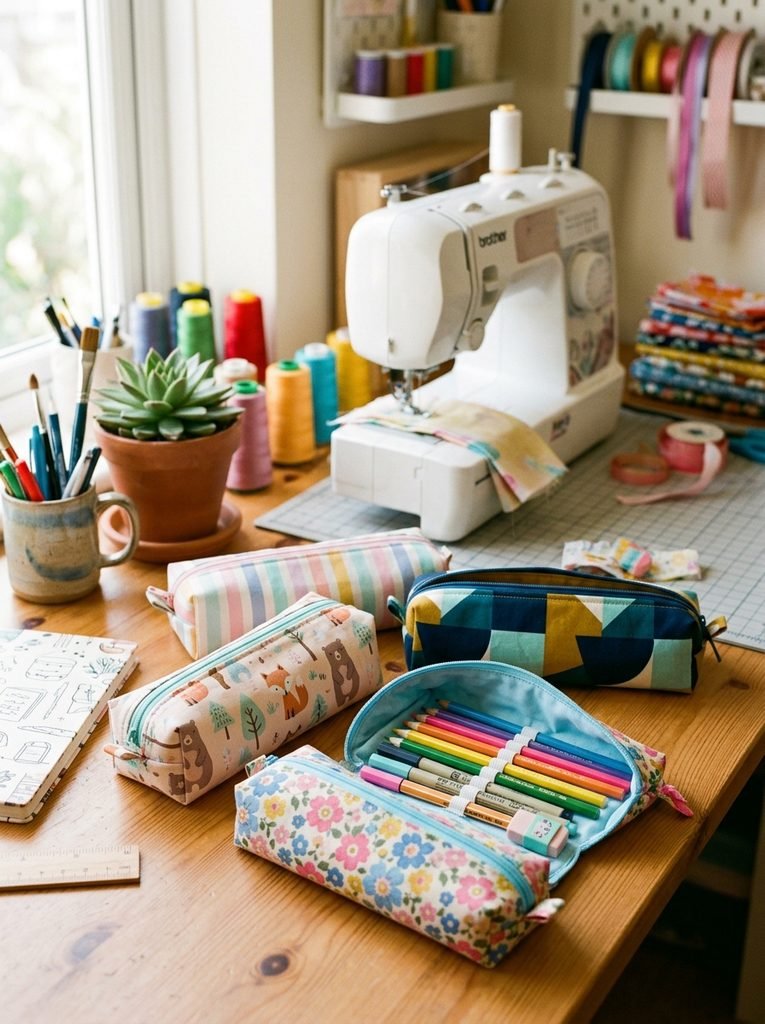
A pencil case combines practical use with fun fabric choices. Try animals, flowers, stars, checks, or simple color blocks. Add a zipper when you feel ready. For kids, choose bright washable fabric. For teens, darker florals, neutral colors, or personalized prints can create a more mature look.
12. Fabric Cup Sleeve
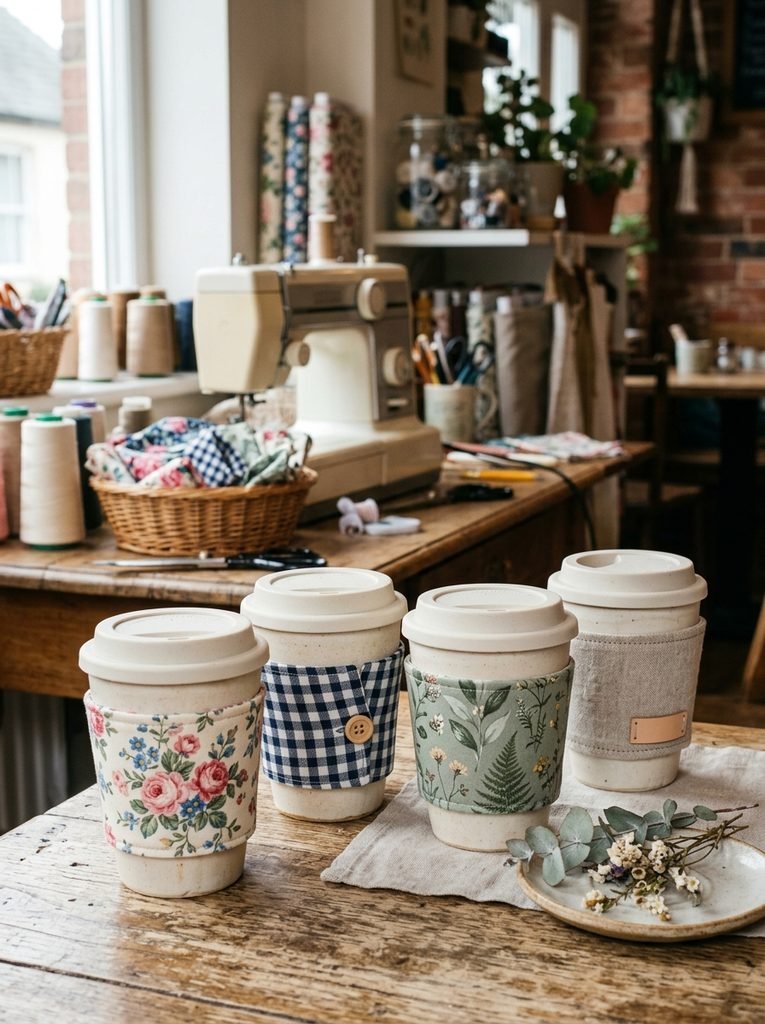
A reusable fabric cup sleeve is a small project with a practical purpose. Create a simple shape that wraps around a suitable cup and fastens securely. Use cotton with a layer of suitable interfacing for structure. Try botanical prints for an aesthetic look or bright colors for a playful style. Before making one for hot drinks, make sure the materials and construction suit the intended use.
13. Mini Shoulder Bag
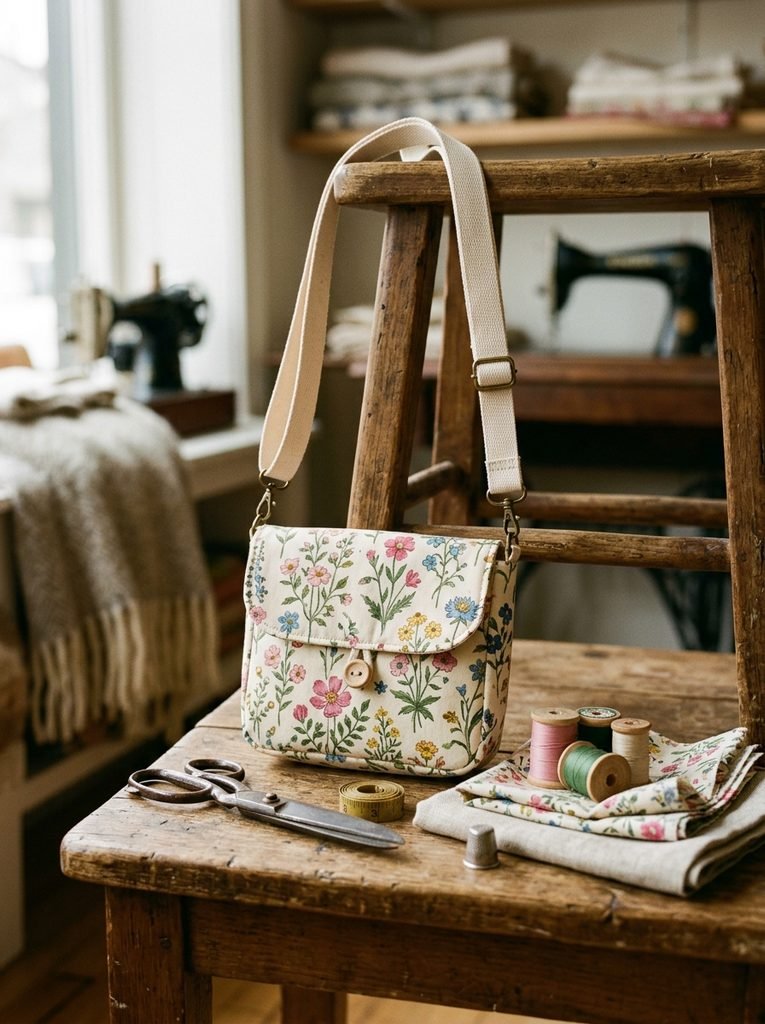
A small shoulder bag feels like a bigger achievement but can still use simple shapes. Start with a rectangular body, basic strap, and optional flap. Choose one fabric for a clean look or combine two fabrics for contrast. Once the basic bag works, add a lining, pocket, button, or decorative trim.
14. Felt Animal Ornaments
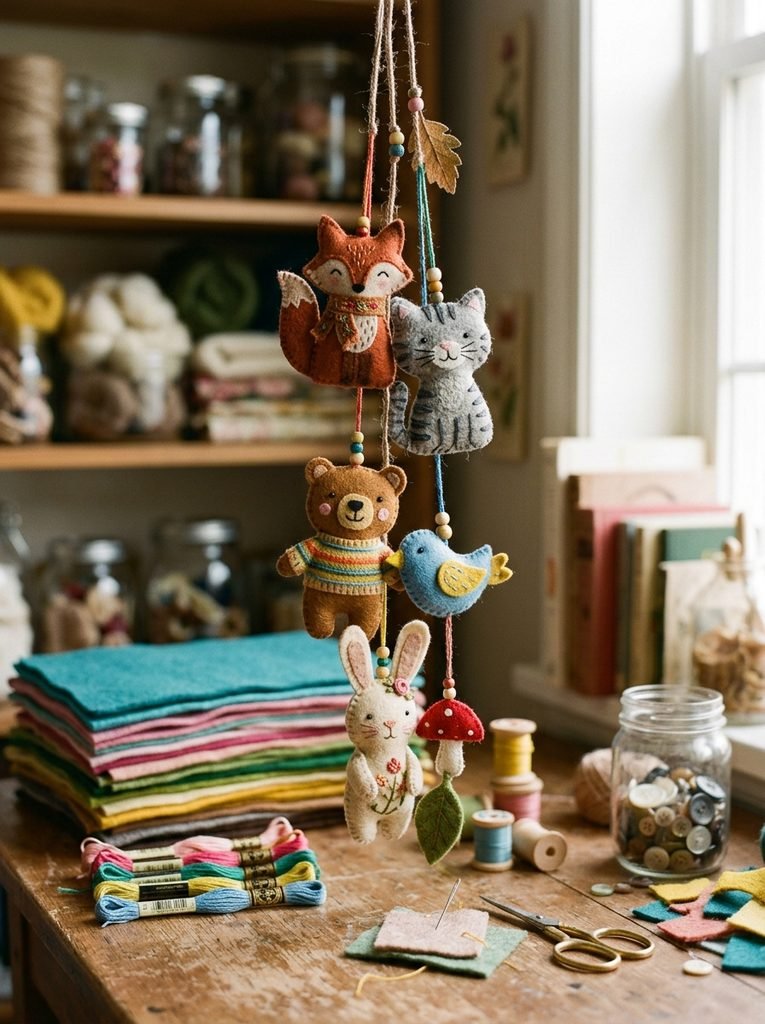
Felt animals can become seasonal decorations, party favors, gift toppers, or small room decorations. Try cats, bears, foxes, birds, or simple woodland animals. You can hand sew these pieces, making them useful even if you do not have a sewing machine. Keep the shapes simple and use decorative stitches to create personality.
15. DIY Phone Pouch
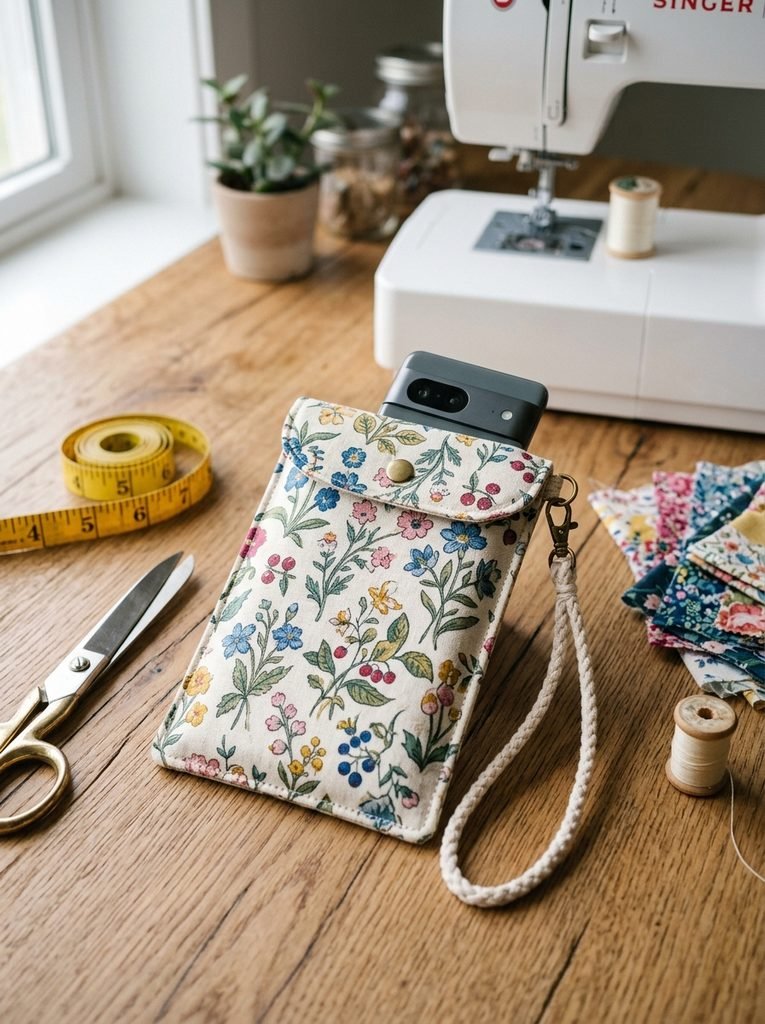
A phone pouch is a practical project that teaches accurate measuring. Measure the device carefully and allow enough room for seams and easy removal. Use a soft cotton exterior with suitable interfacing if you want more structure. Add a small strap or loop once you understand the basic pouch construction.
16. Fabric Hairband
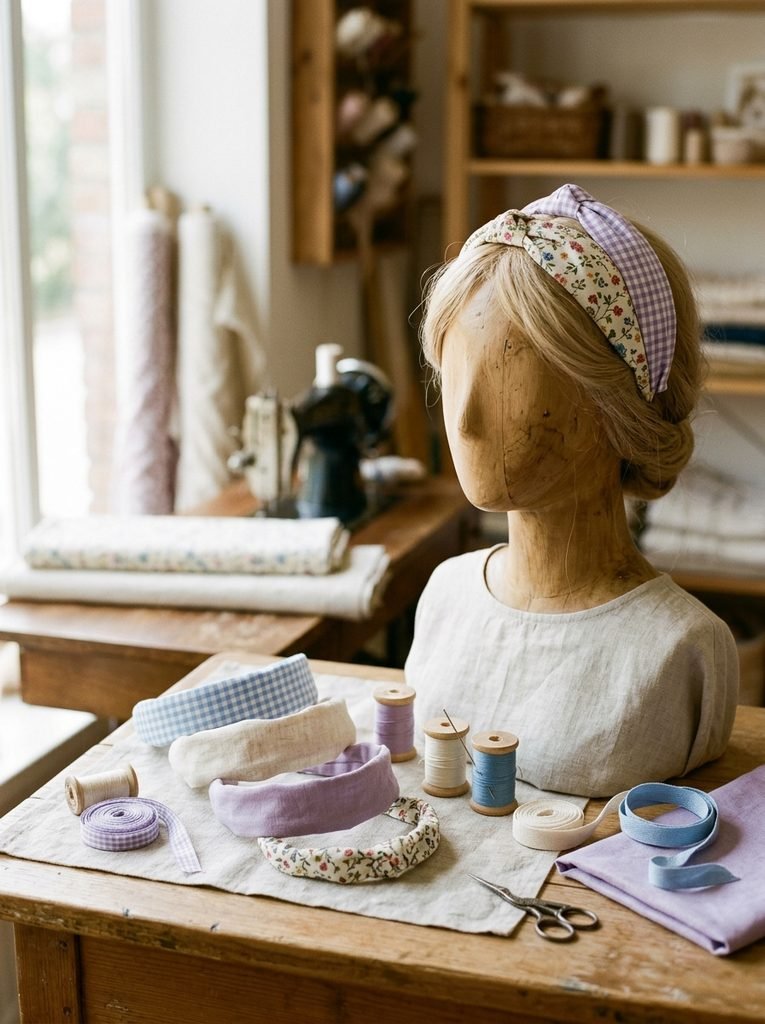
A fabric hairband can use surprisingly little material. Choose cotton, gingham, floral fabric, or another suitable material and create a simple band with a comfortable finish. This project gives you practice with long narrow seams and turning fabric. Once you have the construction right, you can make different versions for different outfits.
17. Simple Quilted Coasters
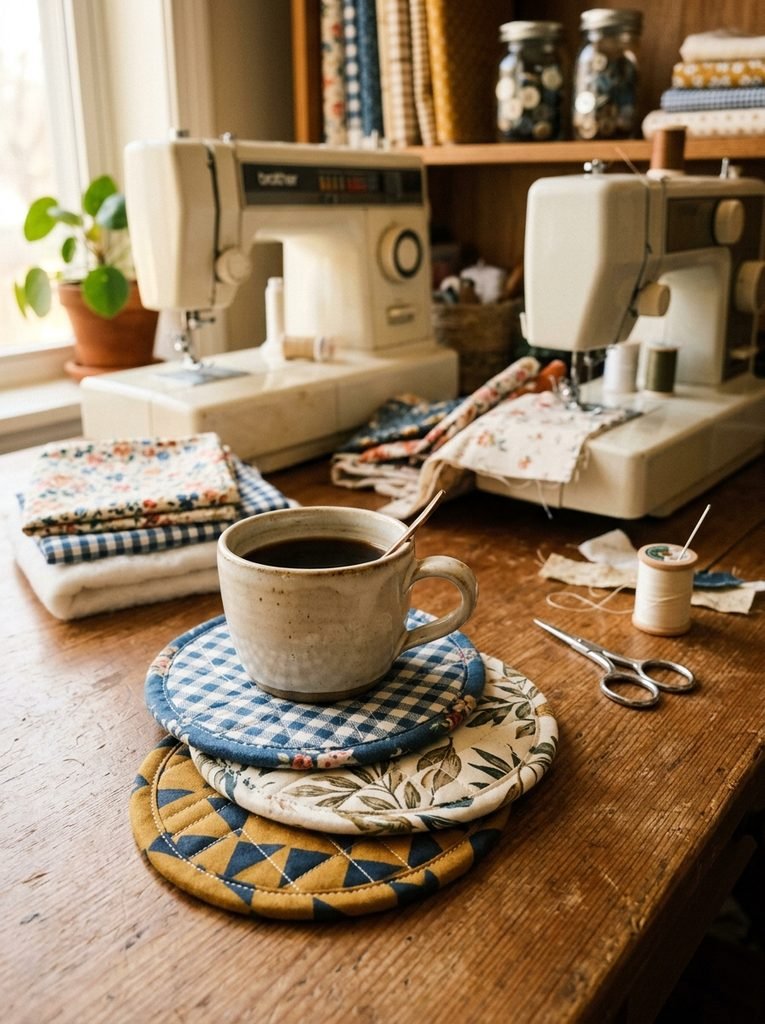
Quilted coasters are useful and attractive. They also teach layering, straight stitching, trimming, and neat edges. Use small fabric squares that coordinate well. You can create a four-square design or keep the surface simple. USU Extension provides beginner-friendly hot pad and potholder patterns using fabric squares, batting, basic sewing tools, and a machine.
18. Matching Couple Keychains
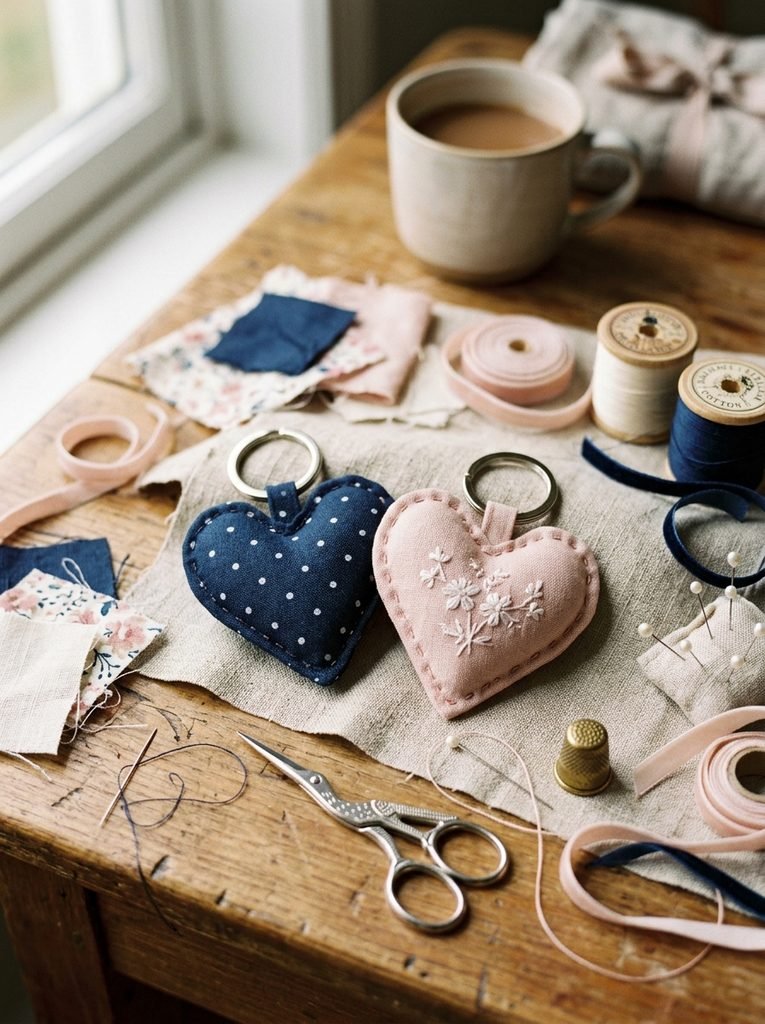
Matching keychains can make a thoughtful handmade gift for a boyfriend, girlfriend, sibling, or close friend. Keep the designs connected rather than identical. For example, make one heart in blue and another in pink. Or create two halves of the same pattern. Felt works well for simple shapes, while cotton can create more detailed designs.
19. Cute Kids’ Apron
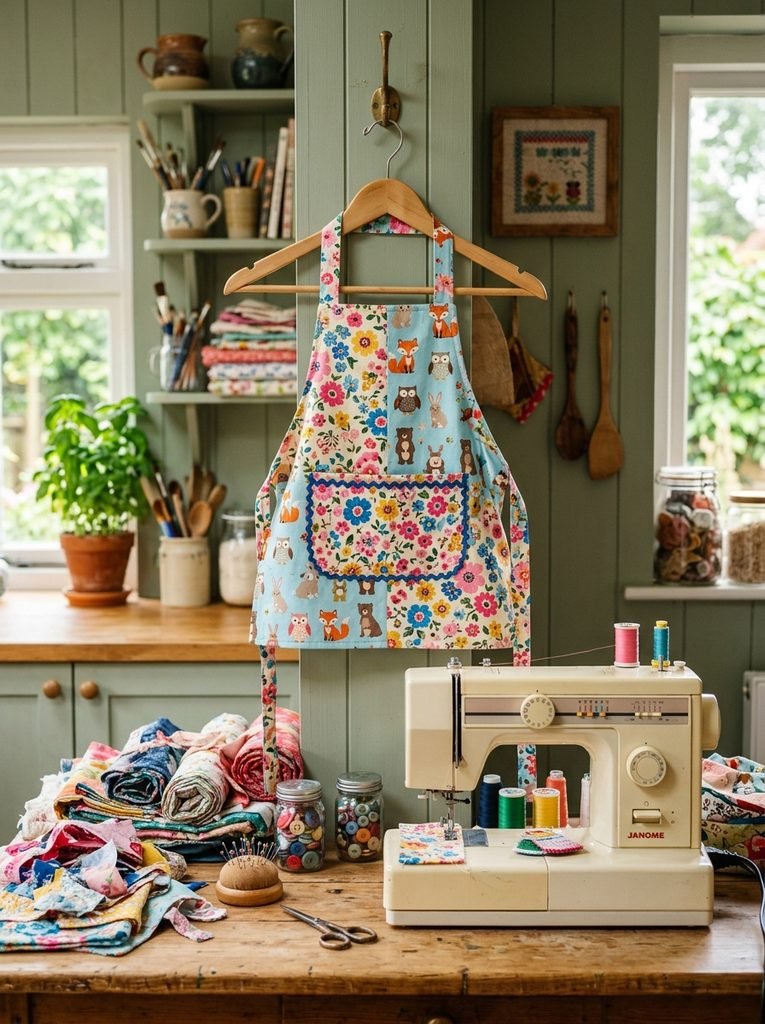
A small apron introduces beginners to larger fabric pieces without the complexity of a full outfit. Use a simple body shape and easy-to-handle straps. Animal prints, colorful florals, and playful patterns work well for children. Add a front pocket for an extra sewing challenge. Keep the construction comfortable and make sure the finished item suits the child’s size and intended activity.
20. Beginner-Friendly Ruffled Top
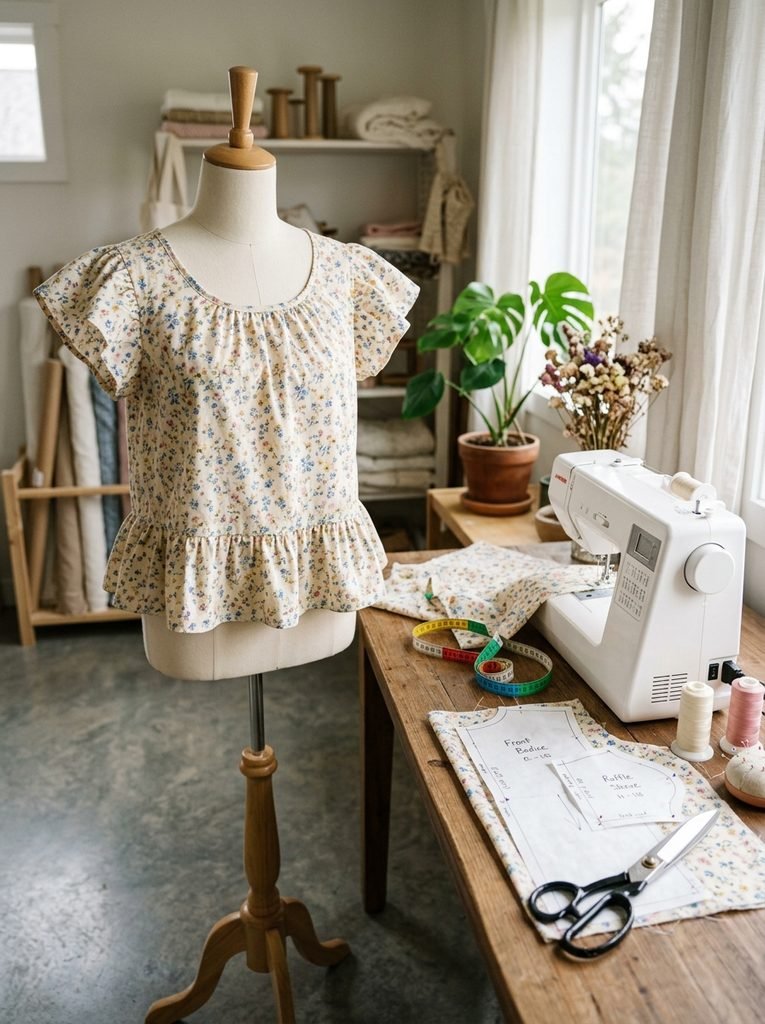
When you are ready to try clothing, a simple ruffled top can be a fun next step. Choose a beginner-friendly clothes pattern with straightforward construction rather than a heavily fitted design. A loose shape gives you room to focus on accurate cutting, seams, hems, and neckline finishing. Once you understand the pattern, you can experiment with different fabrics and small details.
Final Thoughts
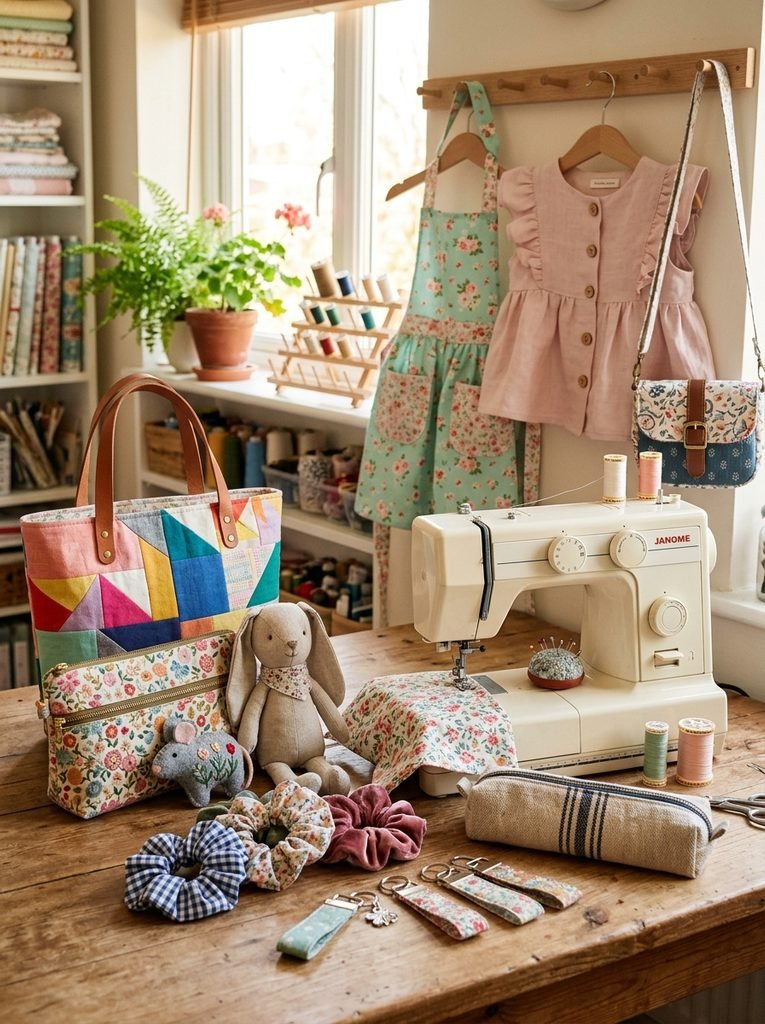
The best cute sewing projects are not necessarily the most complicated ones. Sometimes a tiny felt animal or floral pouch can teach you more than a difficult pattern because you can focus on one skill at a time. Start with something that makes you excited to sit at the sewing machine. Learn the basic technique. Make another version. Change the fabric. Add one new detail. Then move to the next challenge. Soon, a small collection of fabric scraps can become bags, gifts, accessories, plushies, and clothing. More importantly, every project leaves you with a new skill you can use on the next one.