

This post may contain affiliate links. Please read my disclosure policy.
In This Article Show
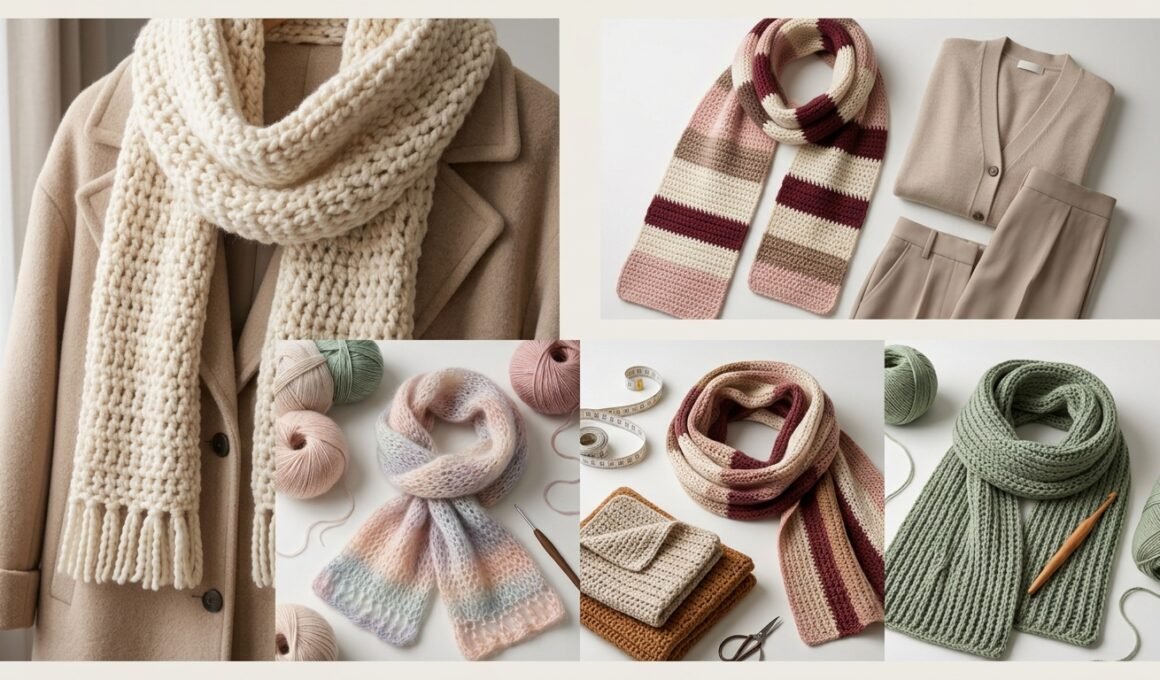
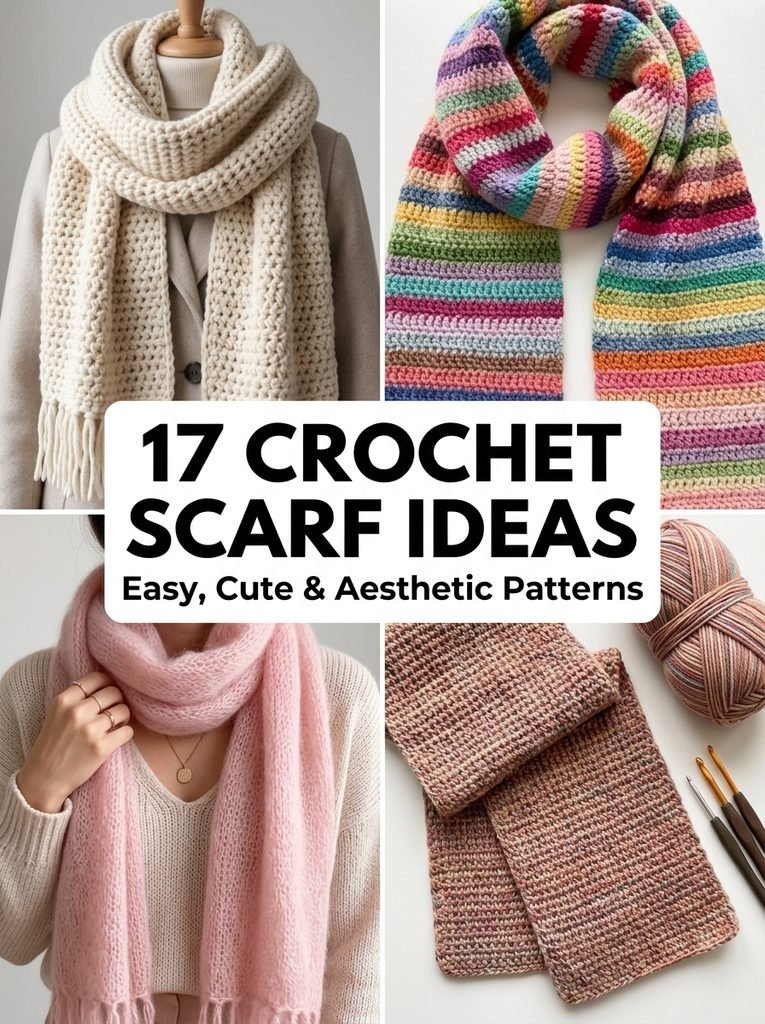
A handmade scarf can change the feel of an entire outfit. One day it can look soft and casual. The next, it can become the statement piece that brings a winter coat together. That simple idea makes a crochet scarf such a rewarding project. You do not need a huge supply of yarn or a complicated technique to begin. A hook, comfortable yarn, and a simple stitch can take you surprisingly far. As your confidence grows, you can experiment with chunky textures, Tunisian crochet, stripes, tapestry designs, or delicate mohair. This guide brings together 17 practical ideas for different styles and skill levels. Some are quick enough for beginners. Others give experienced crocheters space to experiment with color, texture, and shape.
Why Crochet Scarf Projects Work So Well for Beginners
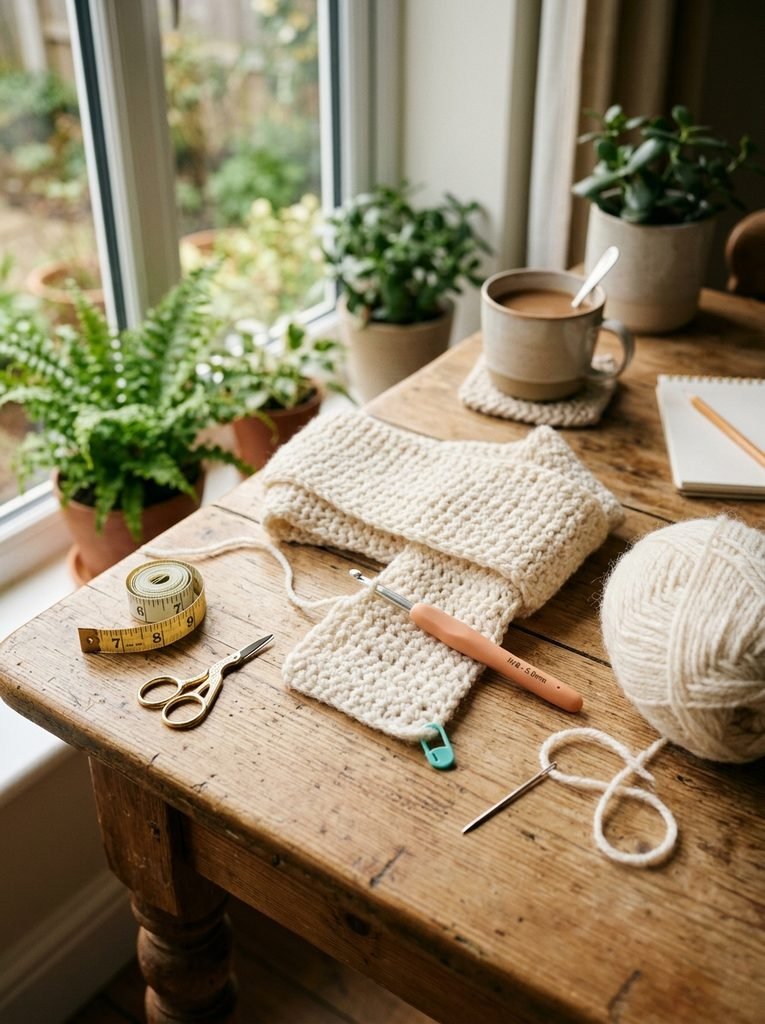
Scarves give new crocheters plenty of space to practice. You do not need to shape sleeves or worry about fitting several body parts together. Most of the work happens in rows, so you can watch your progress grow. The Crochet Guild of America teaches foundational skills such as slip knots, chain stitches, single crochet, double crochet, half-double crochet, and other basic techniques. These stitches can create many different textures when you change the yarn, hook, or stitch pattern. Start with a simple stitch. Keep your tension comfortable. Count your stitches when the pattern requires it. After a few rows, your hands usually begin to find their own rhythm.
Choosing Yarn for Your Project
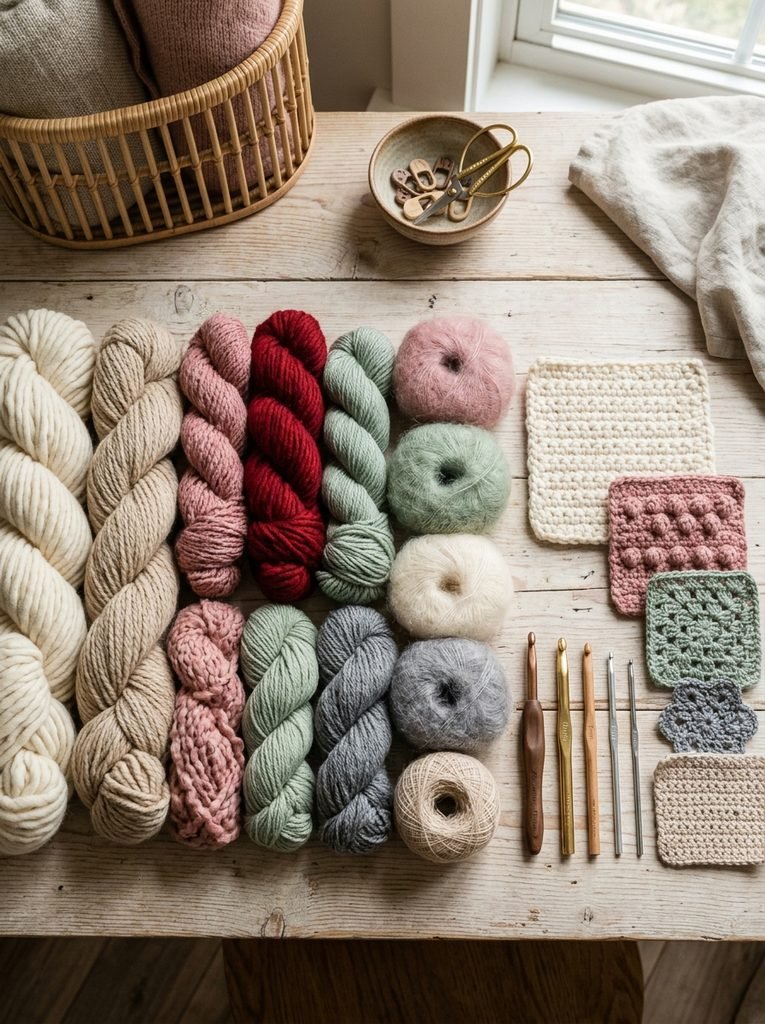
Yarn weight changes both the appearance and feel of a scarf. Fine yarn creates a lighter fabric, while bulky and super bulky yarn create thicker textures. The Craft Yarn Council organizes yarn into standard weight categories and provides general hook-size guidelines. Bulky yarn, for example, generally uses a larger hook than medium-weight yarn. These numbers act as guidelines, so the yarn label and project instructions should always guide your final choice. For a warm winter project, chunky yarn creates bold stitches. For something soft and airy, mohair can produce a delicate effect. Medium-weight yarn sits somewhere in between and gives you plenty of stitch options.
Pattern or Pattern Free?
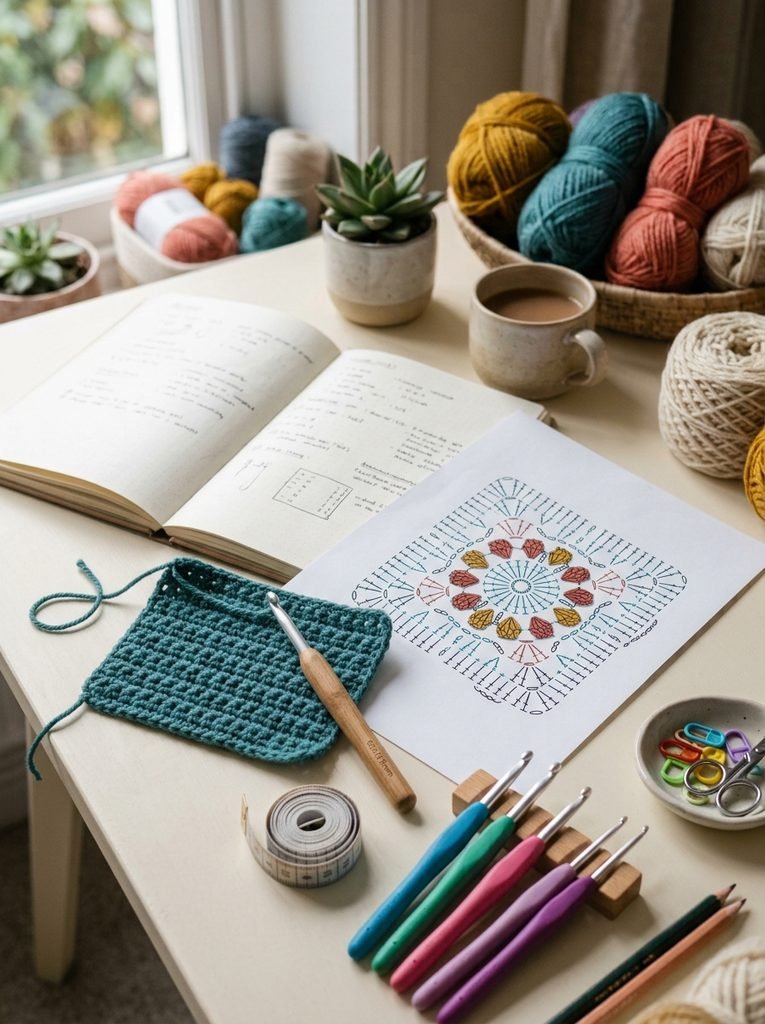
You can follow a detailed pattern, use a visual diagram, or create your own design without a written pattern. A pattern free easy project works especially well when you want to practice one stitch repeatedly. Choose your width, make a foundation chain, and continue until you reach your preferred length. A written pattern becomes more useful when you want a particular texture, color sequence, or finished measurement. Learning common crochet symbols and abbreviations can also make diagrams easier to understand.
1. Easy One-Skein Scarf
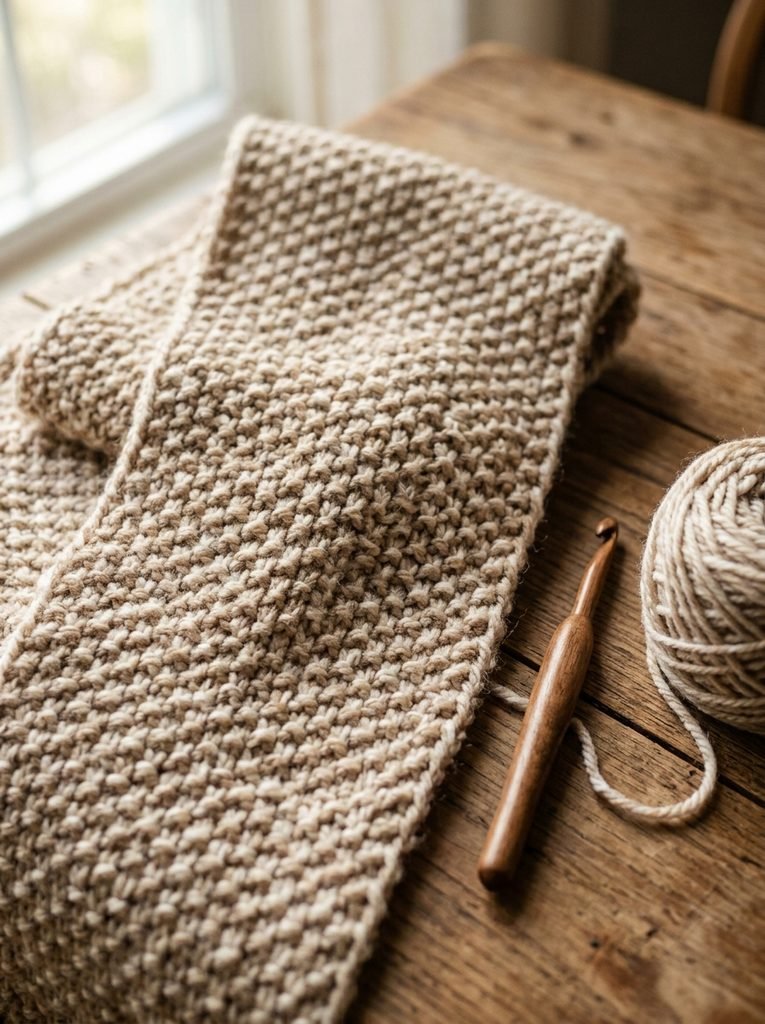
A one-skein project is ideal when you want something quick and affordable. Choose a yarn with enough yardage for your desired size and use a straightforward stitch such as half-double crochet or moss stitch. This style also makes a practical weekend project. You can keep the design simple and let the yarn color provide most of the visual interest.
2. Chunky Winter Scarf
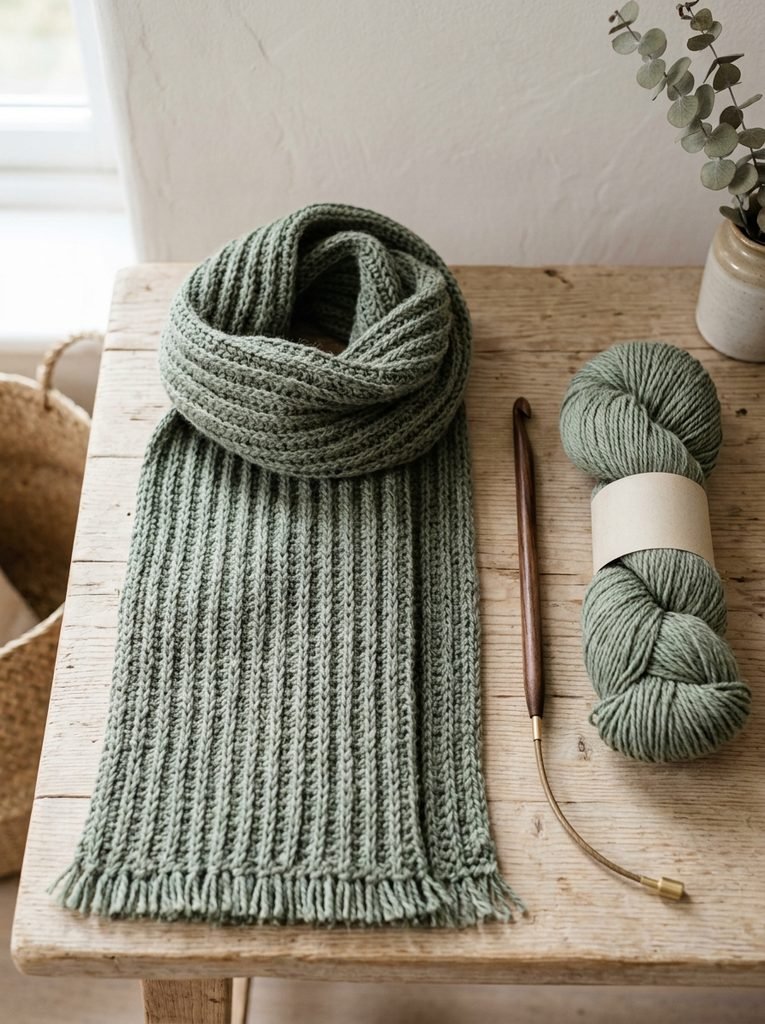
If you love bold texture, reach for bulky yarn. Large stitches create a thick fabric that looks cozy without requiring complicated techniques. Try cream, charcoal, camel, forest green, or deep burgundy. Keep the stitch simple so the chunky yarn remains the star of the design.
3. Moss Stitch Scarf
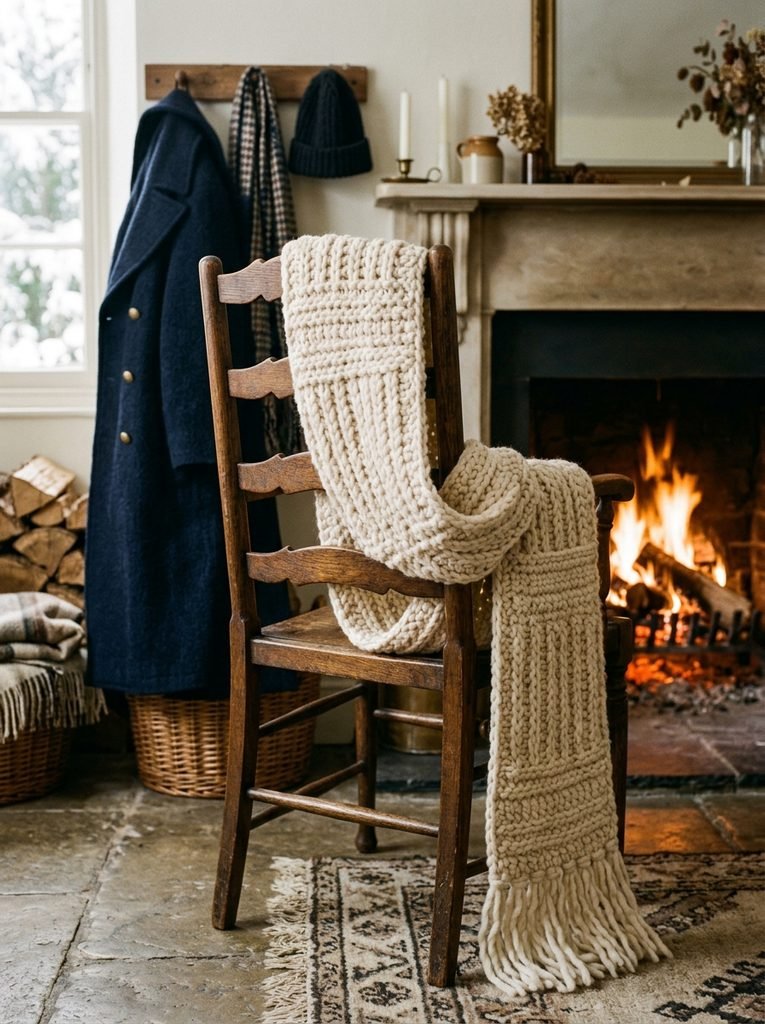
Moss stitch creates a small woven texture that looks more detailed than it actually is. It works especially well when you want a modern handmade finish. Choose one neutral color for a minimalist look or alternate two shades every few rows for a subtle striped effect.
4. Tunisian Crochet Scarf
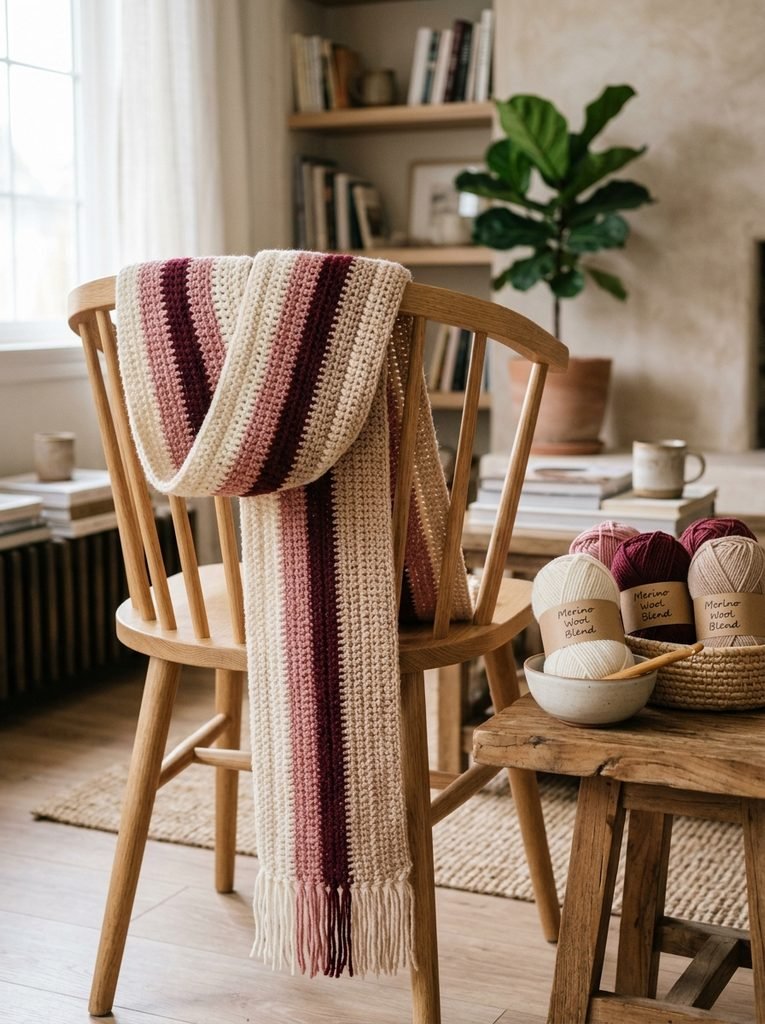
Tunisian crochet creates a distinctive fabric that sits somewhere between traditional crochet and knitted texture. It can produce beautiful vertical lines and a smooth, structured appearance. Choose a medium-weight yarn and start with a basic Tunisian stitch. Once comfortable, explore color changes or more decorative stitch combinations.
5. Striped Scarf
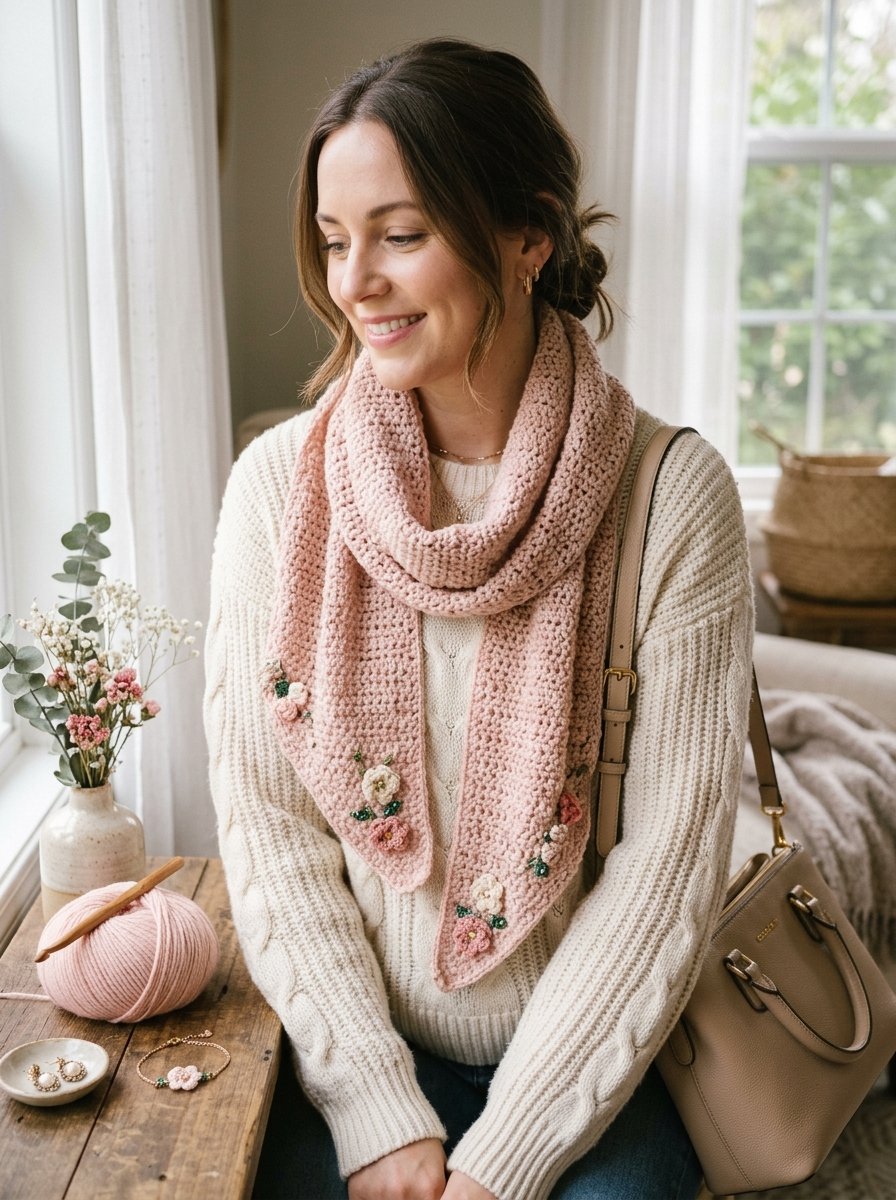
Stripes give a simple project instant personality. Use two contrasting colors for a bold design or several closely related shades for a softer effect. Pink and cream feel gentle. Red and black look dramatic. Blue and white create a clean everyday combination.
6. Pink Aesthetic Scarf
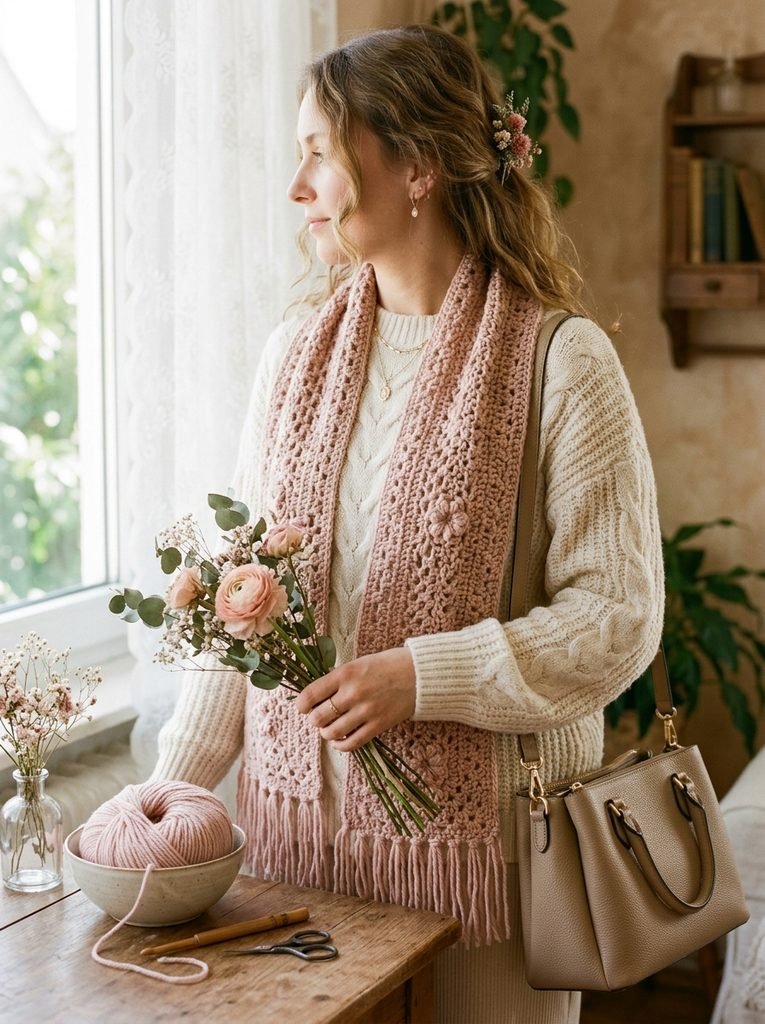
A pink scarf can range from playful to elegant depending on the shade. Soft blush works beautifully with neutral outfits, while deeper rose creates more contrast. Try a simple stitch and let the color carry the design. A scalloped edge can add a delicate finishing touch.
7. Red Statement Scarf
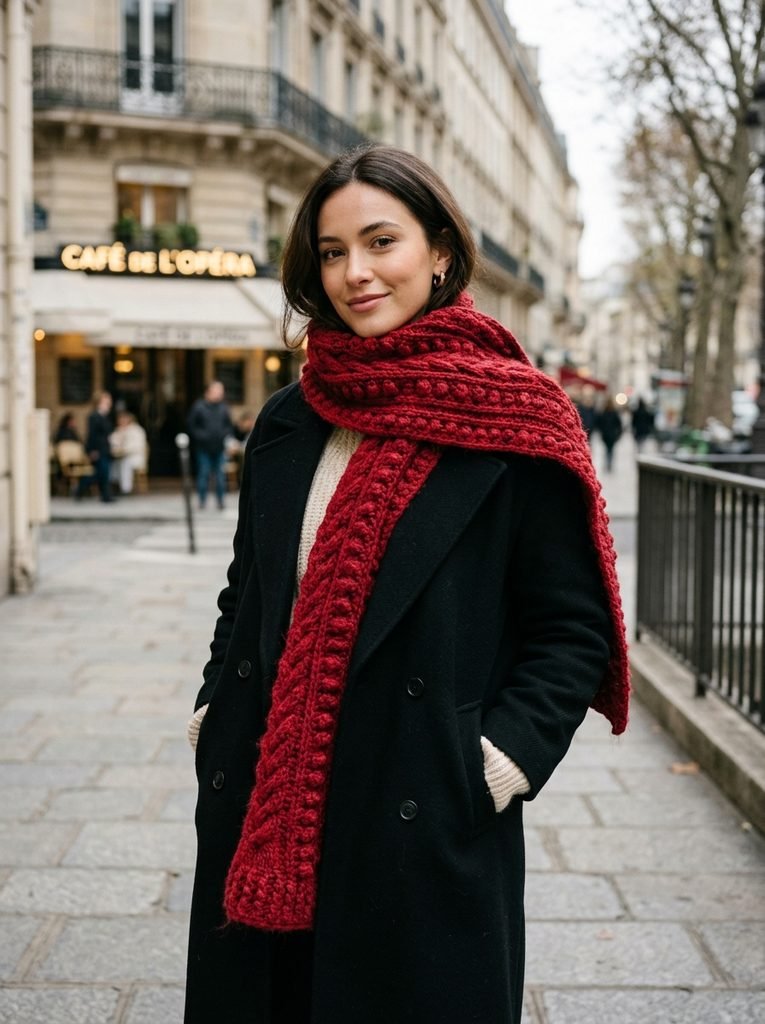
Red makes a scarf stand out immediately. Choose a deep wine shade for a sophisticated winter look or a brighter red for a cheerful statement piece. Keep the shape classic so the color remains the main feature. This design works especially well with black, cream, denim, and gray outfits.
8. Mohair-Style Lightweight Scarf
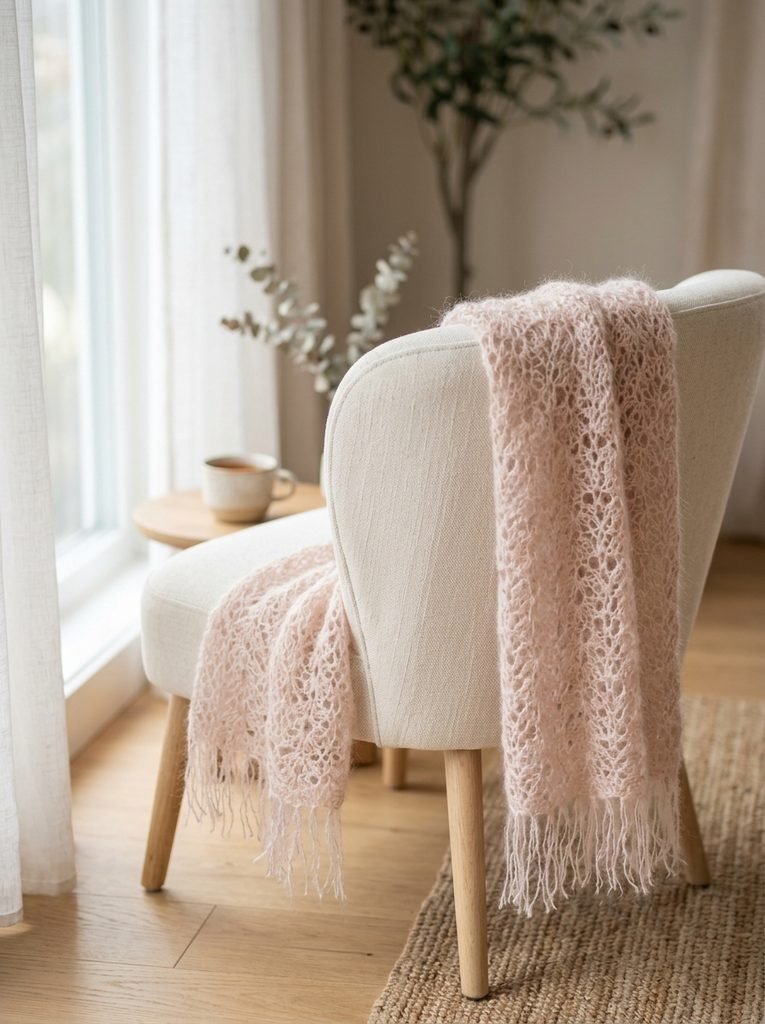
A lightweight mohair-style yarn can create an airy scarf with a soft halo around the stitches. It suits transitional weather when you want warmth without a heavy accessory. Use a simple open stitch pattern. Avoid overcrowding the design because the delicate yarn already provides plenty of visual texture.
9. Scarf for Men
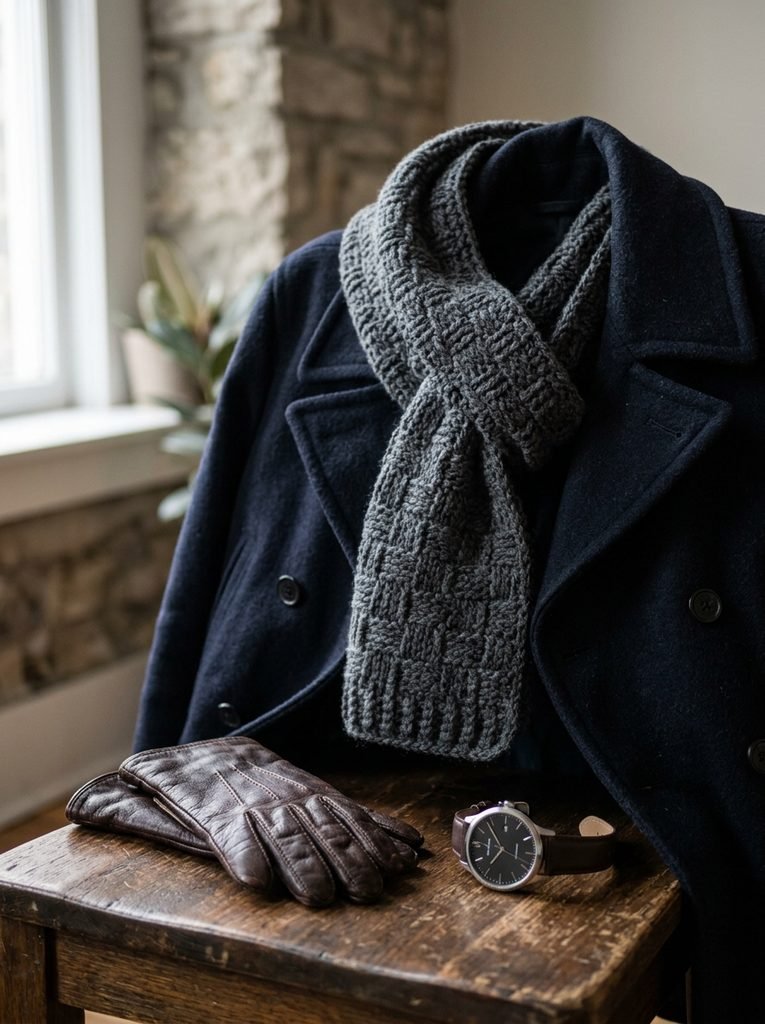
A men’s scarf usually benefits from a clean shape and practical colors. Try charcoal, navy, olive, brown, black, or dark gray. Moss stitch, ribbed textures, and simple rows can create a polished look without feeling overly decorative. The final width should also feel comfortable rather than bulky around the neck.
10. Boyfriend Gift Scarf
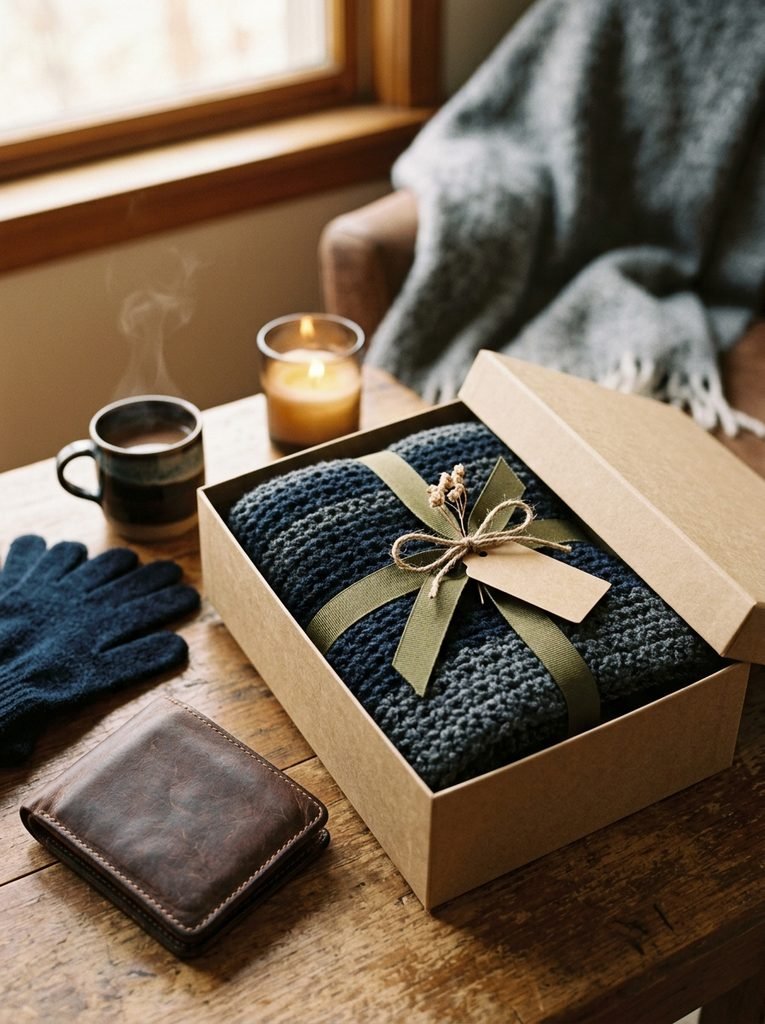
A handmade scarf can become a meaningful boyfriend gift when you choose colors based on his personal style. Think about his favorite jacket, shoes, or everyday colors. Navy and gray create a classic combination. Forest green and cream feel relaxed. Black and burgundy add stronger contrast.
11. Hooded Scarf
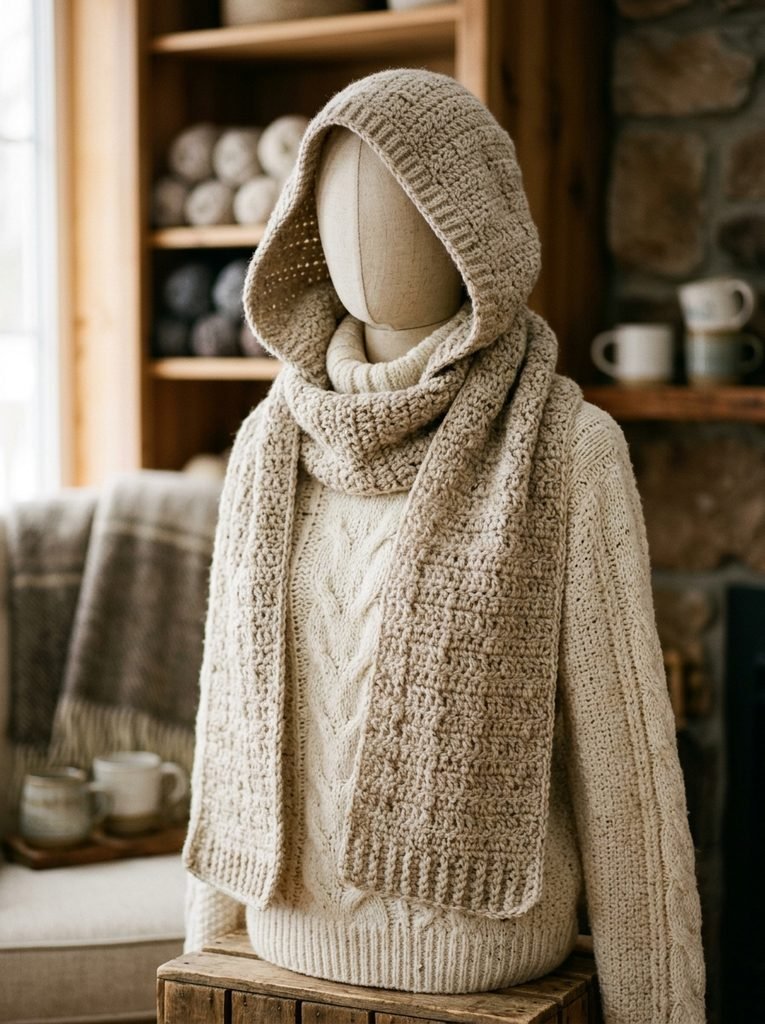
A hooded scarf combines two useful accessories into one. The long scarf sections keep the neck warm while the hood adds extra coverage. Keep the hood shape simple if you are making one for the first time. Use matching yarn throughout so the whole piece looks intentional and balanced.
12. Tapestry Crochet Scarf
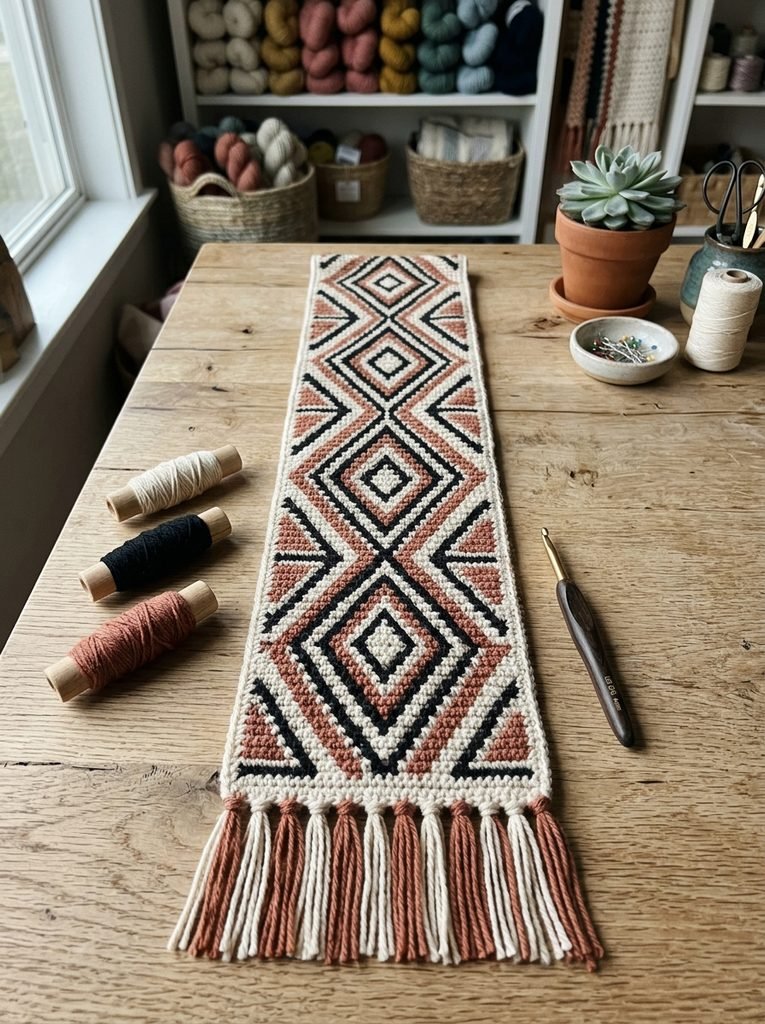
Tapestry crochet lets you introduce simple pictures, geometric shapes, initials, or repeating motifs into your scarf. Start with an easy two-color design. A diamond pattern or small geometric border is easier to manage than a large detailed picture. Keep your color changes neat so the back and front both remain manageable.
13. Filet Crochet Scarf
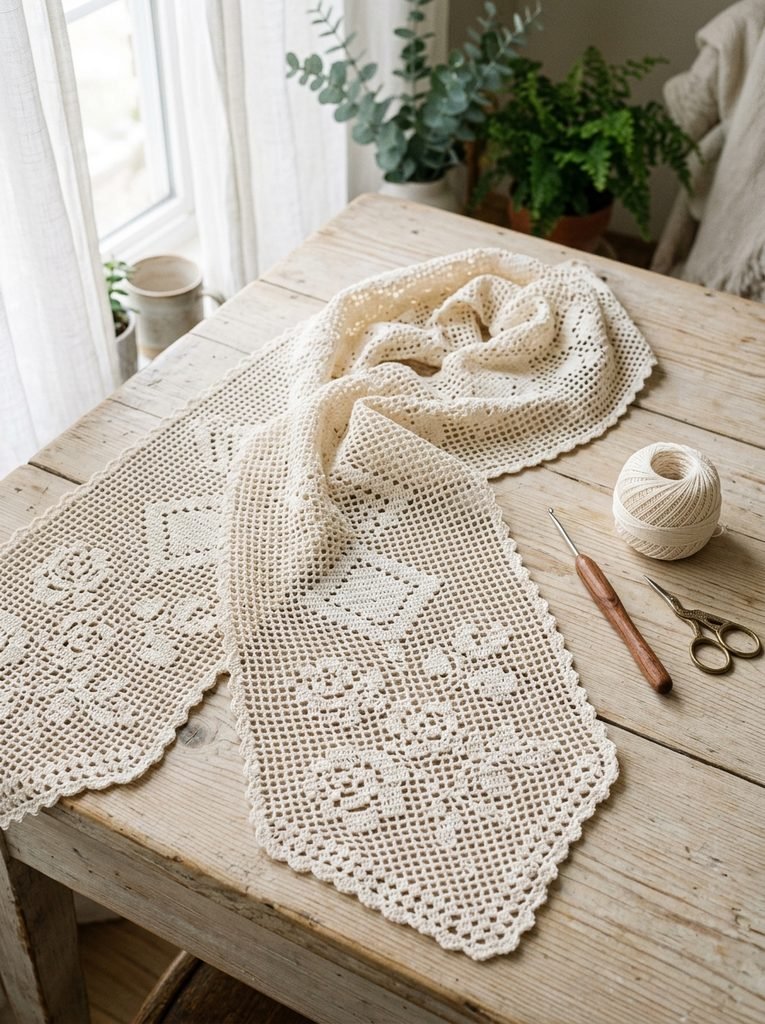
Filet crochet uses open spaces and solid sections to create decorative designs. It can produce a lighter, more delicate scarf that feels elegant rather than heavy. Choose a fine or light yarn and keep the motif simple. Floral shapes, diamonds, and repeating borders can work beautifully.
14. Pattern-Free Easy Scarf
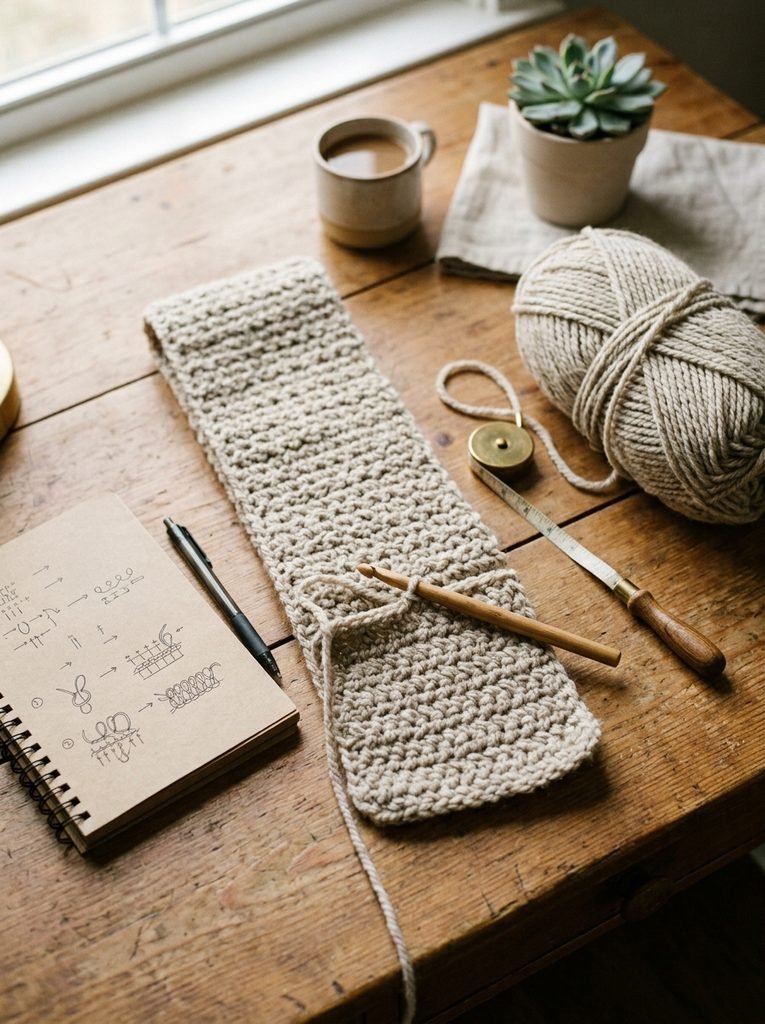
Sometimes the best project is the one where you make the rules. Choose a stitch you already know, decide on the width, and continue until the scarf reaches the length you want. Write down your starting chain and row count as you work. That simple habit lets you recreate the same design later or make a matching gift.
15. Cute Aesthetic Scarf
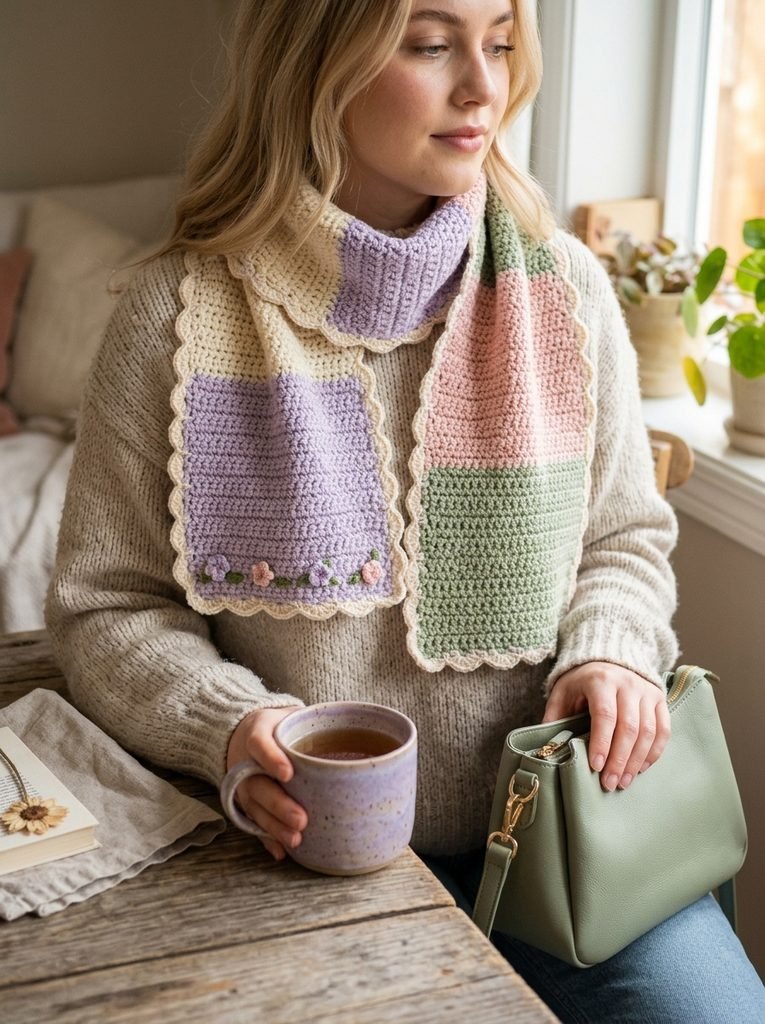
For a softer aesthetic, use pastel yarn and a delicate border. Cream, lavender, dusty pink, sage, and pale blue can work together without looking too busy. A small flower or scalloped edge can add character. Keep the main body simple so the decorative detail remains easy to notice.
16. Crochet Scarf with Sleeves
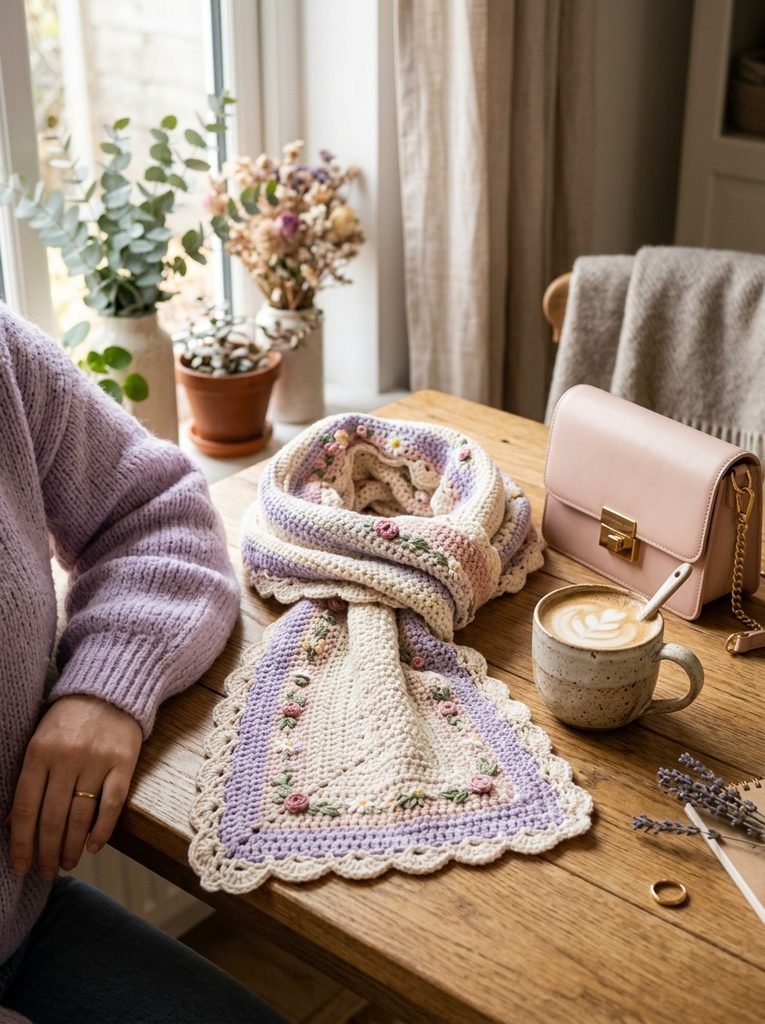
A scarf with sleeve-like sections offers a more unusual silhouette. It can work as a cozy fashion layer over a simple top. Choose a soft medium-weight yarn and keep the shape comfortable. Measure carefully before joining sections so the sleeves sit naturally on the arms. This design takes more planning than a basic scarf, but it gives you a chance to create something that feels closer to a wearable garment.
17. Simple Stitch Beginner Scarf
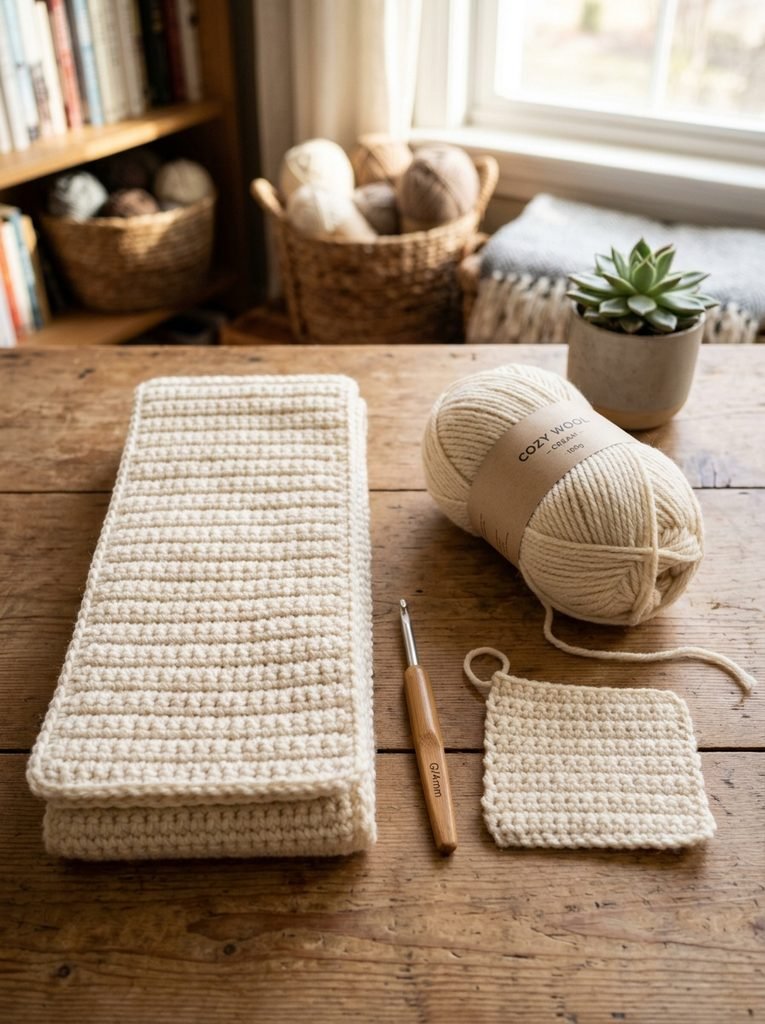
When in doubt, return to the basics. A scarf made with one simple stitch can look beautiful when the yarn color and finishing are well chosen. Single crochet, half-double crochet, or double crochet can all create useful starting points. The Crochet Guild of America lists these stitches among the core skills taught to beginners. Once you finish your first piece, you can use what you learned to experiment with texture, stripes, borders, and more advanced patterns.
How to Get Better Results From Your Scarf Pattern
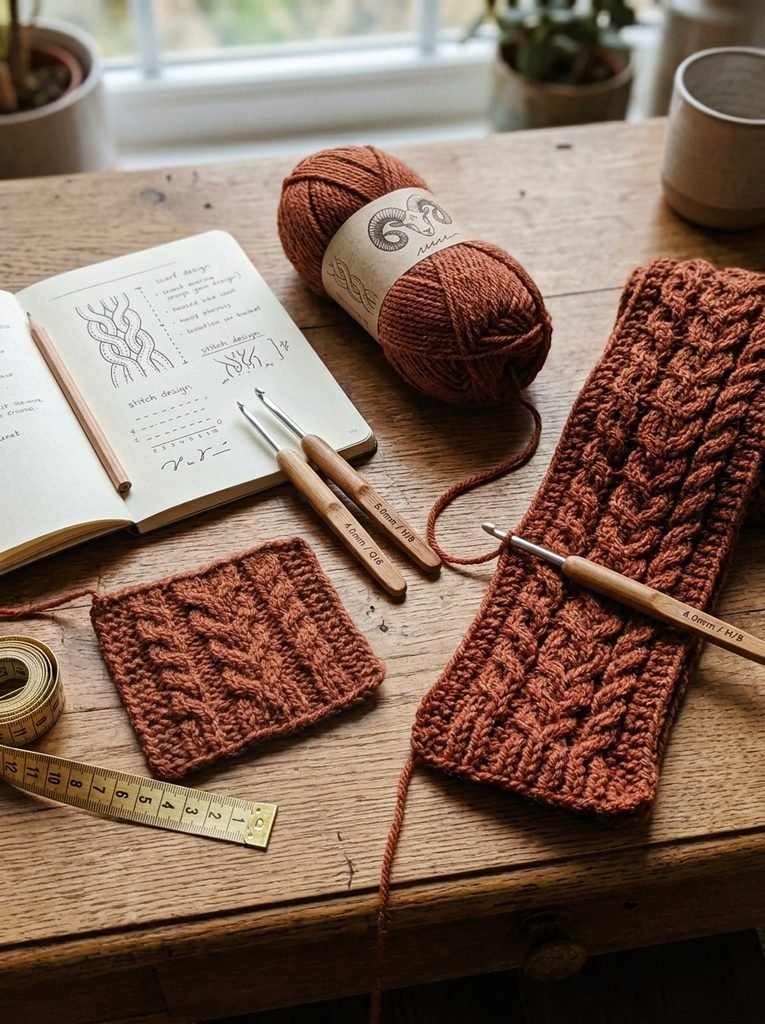
Before beginning a detailed project, read the complete instructions and check the recommended yarn and hook. The Craft Yarn Council notes that hook letter and number systems can vary, so the millimeter measurement gives a more reliable size reference. Gauge also matters when the finished size needs to match a pattern. If your swatch comes out larger or smaller than the stated gauge, changing the hook size can help bring your stitches closer to the target. Do not pull every stitch tightly just to make the fabric look neat. Comfortable tension usually gives you better control and a softer drape.
How to Choose the Right Style
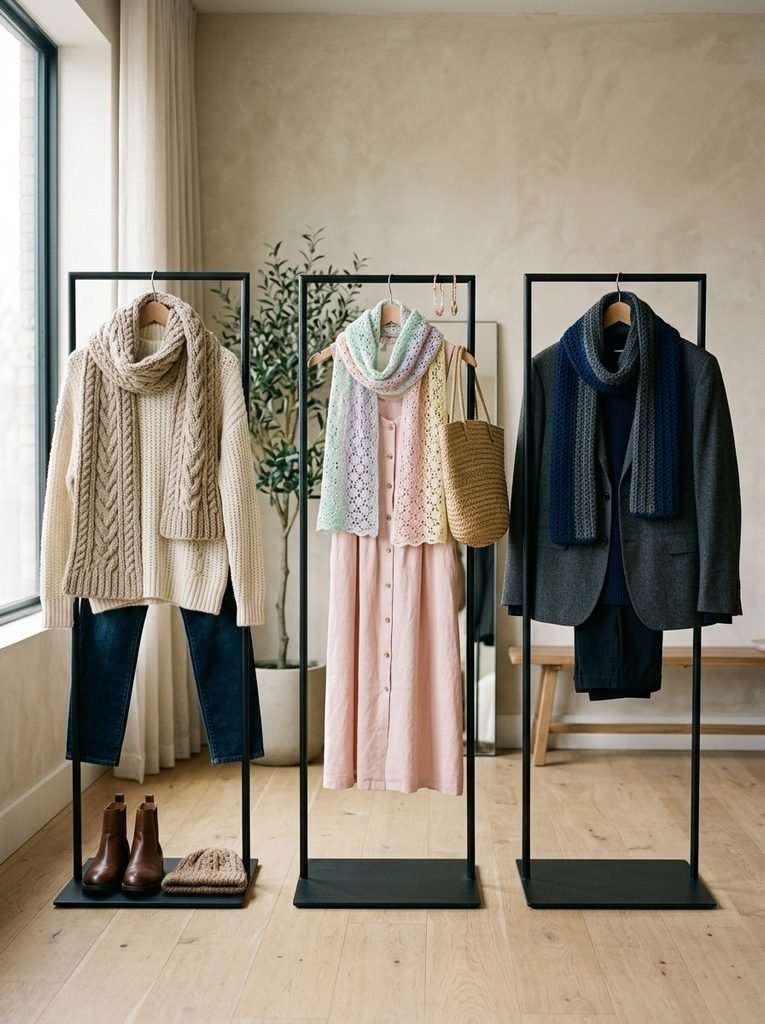
Think about where you will wear the finished piece. A thick winter scarf needs a different texture from a lightweight fashion accessory. For everyday use, choose durable yarn and a comfortable stitch. For a gift, think about the person’s colors and clothing style. For a statement piece, experiment with stripes, tapestry motifs, or unusual shapes. The best design is often the one that matches the person who will actually wear it.
Final Thoughts
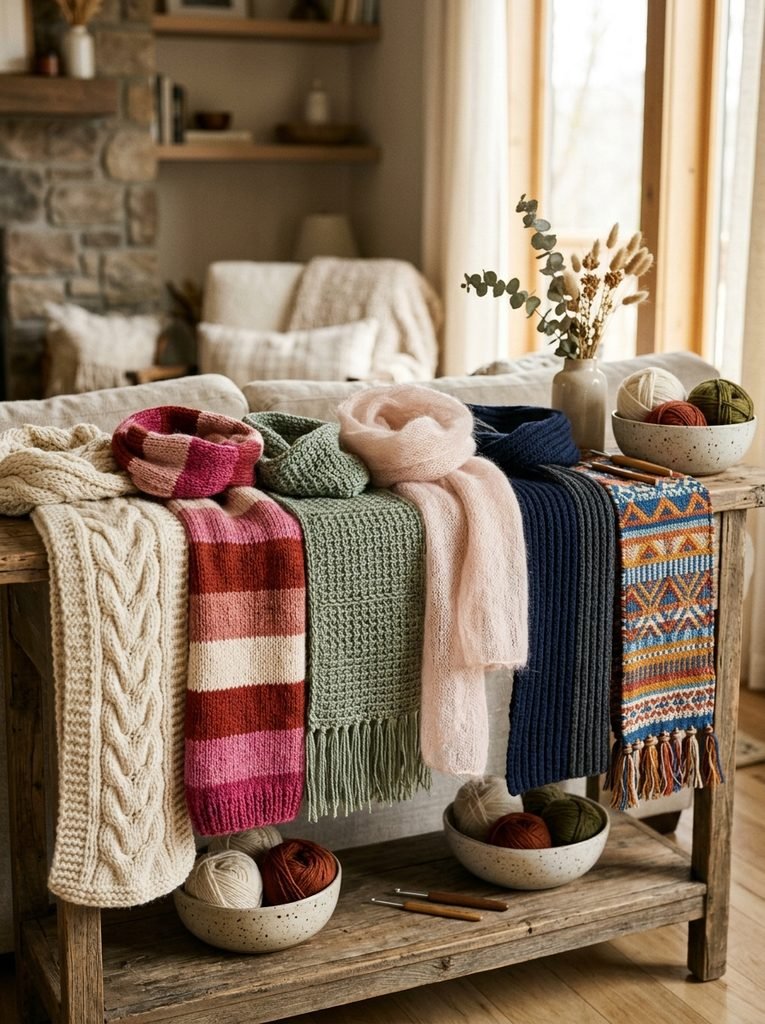
A crochet scarf does not have to start with a complicated pattern. It can begin with one hook, one skein, and a few simple stitches. The most important step is choosing a project that matches your current skill level. If you are new, begin with a simple stitch. If you already crochet comfortably, try Tunisian texture, tapestry colorwork, filet details, or a hooded design. And remember that handmade does not mean every stitch must look identical. Small differences are part of the process. They show that a real person made the piece. Start simple. Experiment as you learn. Then let your next scarf become a little more personal than the last.
