





This post may contain affiliate links. Please read my disclosure policy.
In This Article Show
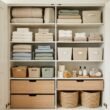
A baby closet can become crowded surprisingly quickly. Newborn clothes are tiny, but there are usually a lot of them onesies, sleepers, blankets, burp cloths, shoes, bibs, towels, diapers, and seasonal outfits. Add a few gifts and clothes in larger sizes, and even a good-sized closet can start feeling difficult to manage. Thoughtful baby closet organization makes those everyday moments much easier because you can see what you have and reach what you need without searching through piles The best baby closet is not necessarily the biggest one. A small closet can work beautifully when clothing is grouped by size, frequently used items are kept within reach, and storage is planned around the baby’s daily routine. Whether you are preparing a newborn nursery, organizing a shared room, or creating a walk-in closet, these ideas focus on realistic storage solutions that look beautiful while remaining genuinely useful.

1. Organize Clothes by Size First

Baby clothes are much easier to manage when they are separated by size. Keep newborn and currently fitting clothes in the easiest-to-reach area, then place larger sizes in clearly separated sections. This prevents you from accidentally overlooking clothes your baby can wear now while also keeping future outfits ready for later. As your baby grows, you can simply move the next size into the everyday section.
2. Create a Newborn Essentials Zone

During the newborn stage, you will reach for certain pieces constantly. Keep bodysuits, sleepers, soft blankets, burp cloths, and everyday outfits close together rather than spreading them throughout the closet. A small drawer or easy-access shelf near the changing area can save time during busy moments. The goal is to keep everyday essentials visible while less-used items remain out of the way.
3. Use Drawers for Small Baby Items

Drawers are excellent for items that are difficult to stack neatly. Socks, bibs, mittens, hats, small towels, and other tiny accessories can quickly disappear on open shelves. Shallow drawer organizers keep these pieces separated so you can see everything at a glance. If your closet already has drawers, dedicate each one to a broad category instead of mixing several types of small items together.
4. Make the Changing Table Part of the System

The closet and changing table should work together rather than feeling like two separate storage areas. Keep diapers, wipes, changing clothes, burp cloths, and frequently used baby-care items close to the changing table. Clothing that is used during changes should be easy to grab without opening several drawers. This simple connection between storage and routine can make the nursery much more efficient.
5. Use Matching Hangers for a Cleaner Look

Small baby clothes can look surprisingly messy when different hanger styles are mixed together. Matching slim hangers create a clean visual line and make it easier to see every outfit. Keep dresses, shirts, jackets, and special outfits on the hanging rail while everyday basics can remain folded. Leave a little space between groups so clothing can be removed without disturbing everything around it.
6. Add Simple Labels

Labels become especially useful when the closet contains several sizes and categories. Instead of labeling every individual item, create broad sections such as newborn, current size, next size, blankets, shoes, and accessories. Simple labels on drawers or storage bins help parents quickly find things and make it easier to put items away correctly after laundry.
7. Use Shelves for Folded Everyday Clothes

Shelves are particularly useful for baby clothing because many pieces are easier to see when folded rather than hung. Create separate stacks for bodysuits, pajamas, pants, and sweaters, keeping the most frequently worn categories around eye level. This approach is a practical part of baby closet organization because it lets you quickly see what is available without opening multiple drawers.
8. Store Shoes in One Dedicated Area

Baby shoes are small enough to disappear easily, especially when they are mixed with socks and accessories. Give them one shelf, drawer, or small basket so pairs stay together. Keep currently fitting shoes toward the front and special or future-size shoes farther back. A dedicated shoe section also prevents tiny footwear from taking over valuable clothing storage.
9. Make a Small Closet Work Vertically

A small nursery closet can become much more useful when you take advantage of height. Keep everyday clothing around eye level, use lower shelves for shoes and heavier items, and reserve upper shelves for future sizes, seasonal clothing, or spare bedding. Slim bins can fill narrow gaps without making the closet feel overloaded. This approach is especially helpful in apartments and compact nurseries.
10. Use Sliding Doors in a Small Room

Sliding doors can be useful when the nursery has limited floor space because they do not swing outward into the room. They also create a clean visual surface when the closet is closed. Inside, use the available vertical space efficiently with hanging rails, shelves, and drawers. A small sliding door closet can therefore work well even when the room layout leaves very little space around the wardrobe.
11. Create a Shared Closet System

When two children share one closet, give each child a clearly defined section rather than mixing all clothing together. One side can hold each child’s hanging clothes while shared shelves contain bedding or accessories. If the children are different ages, organize by size as well as by person. This makes daily dressing easier and helps prevent clothing from being misplaced.
12. Create a Dedicated Future-Size Section

Babies grow quickly, so storing larger clothes in the same area as current clothing can create unnecessary confusion. Give future sizes their own shelf, bin, or drawer. Keep those pieces clean and neatly folded, but slightly separated from everyday clothing. Good baby closet organization should make the current wardrobe easy to use while keeping future clothes ready when they are needed.
13. Add Wire Shelving for Flexibility

Wire shelving can be useful when the closet needs adjustable storage. You can change shelf heights as your child’s clothing and storage needs change. Smaller gaps can hold folded outfits while taller sections can accommodate baskets, bedding, or larger storage containers. If you choose wire shelving, use suitable liners or containers for very small items so they do not fall through the openings.
14. Use a Bookshelf as Extra Storage

A small bookshelf can become a useful extension of a baby closet when built-in storage is limited. Use lower shelves for baskets containing clothing or blankets and upper shelves for books, toys, or decorative nursery pieces. This is particularly helpful when the closet itself is tiny and you need to separate clothing storage from the baby’s other belongings.
15. Use the Top Shelf for Seasonal Items

The highest shelf is a good place for things you do not need every day. Store winter coats, seasonal blankets, special outfits, larger-size clothing, or spare bedding in clearly separated containers. Keeping these items away from the everyday section gives you more room for the clothing your baby is currently wearing.
16. Keep Twin or Multiple-Child Storage Separate

For twins or multiple children, organization becomes much easier when each child has a defined area. Even if the clothes are similar, separate drawers, shelves, or labeled bins can prevent mix-ups. You can organize each section by size and clothing type while keeping shared items such as blankets in a central zone.
17. Make a Walk-In Baby Closet Functional

A walk-in baby closet gives you plenty of room, but it still benefits from a simple layout. Use one wall for hanging clothes, another for shelves and drawers, and a lower area for shoes or baskets. Keep the center walkway open so you can move around comfortably while carrying the baby or sorting laundry.
18. Leave Room to Grow

Baby storage needs change constantly. Clothes become larger, toys appear, shoes multiply, and the amount of everyday laundry can change as your child grows. Instead of filling every shelf, leave some flexible space for future needs. This makes baby closet organization much easier to adapt as your newborn becomes a toddler and eventually needs a completely different wardrobe.
How to Organize a Baby Closet in Small Spaces

A small nursery does not mean you have to sacrifice useful storage. Start by deciding what needs to stay in the closet and what can live somewhere else. Current clothing, everyday blankets, shoes, and frequently used accessories deserve the easiest access, while future sizes and seasonal items can move higher. For effective baby closet organization, use the height of the closet instead of filling the floor with extra furniture. Shelves, drawers, narrow bins, and hanging rails can work together without taking up additional floor space. If the room is particularly tight, sliding closet doors can also help because they do not require the same swing area as traditional doors.
DIY Baby Closet Ideas for a Budget

You do not need a custom nursery wardrobe to create an organized space. Simple DIY improvements can include adding shelf dividers, installing hooks, using fabric bins, creating drawer sections, or adding an extra hanging rail when appropriate. For ideas diy small spaces, start with the storage you already have. Before buying containers, sort the baby’s clothing into categories and decide how much space each category actually needs. This prevents the common problem of buying too many organizers that eventually become another source of clutter. Budget-friendly storage can also be mixed with existing furniture. A simple bookshelf, small drawer unit, or modular storage system can extend the closet without requiring a complete renovation.
Shared, Twin, and Toddler Closet Storage

A closet that works for a newborn may not work the same way once your child becomes a toddler. Hanging clothes may increase, shoes become larger, and toys or accessories may start competing for storage space. Leave some flexible room so the closet can change with your child. For a shared nursery or twin setup, give each child a clearly defined section. Shared categories such as blankets can stay in the middle, while clothing and personal accessories remain separate.
Creating an Aesthetic Baby Closet

A practical closet can still look beautiful. Matching hangers, coordinated bins, soft neutral colors, simple labels, and neatly folded clothing can create a calm nursery appearance without sacrificing functionality. The most attractive closets usually have some visual breathing room. You do not need every shelf filled with decorative pieces. Let the clothing, storage containers, and natural materials create the visual interest.
Simple Ways to Keep the Closet Organized

The easiest system to maintain is the one that requires the least effort. Return clothes to the same size section after laundry, move outgrown items promptly, and place future sizes in their designated area. Check the shoe and accessory sections occasionally because small items can accumulate quickly. Good baby closet organization should change as your child changes. A newborn wardrobe may need more drawer space for tiny essentials, while a toddler wardrobe may benefit from more hanging room and easier access to shoes.
Final Thoughts
A baby’s closet should make life easier, not create another daily task. Organize current clothing by size, keep newborn essentials within reach, give shoes and accessories dedicated spaces, and use shelves and drawers according to the items they hold best. Whether you are working with a tiny nursery closet, a shared room, a walk-in wardrobe, or a simple single-door cupboard, thoughtful baby closet organization can help you use the available space much more effectively. Start small, keep the categories simple, and leave room for your child’s storage needs to grow.