

This post may contain affiliate links. Please read my disclosure policy.
In This Article Show
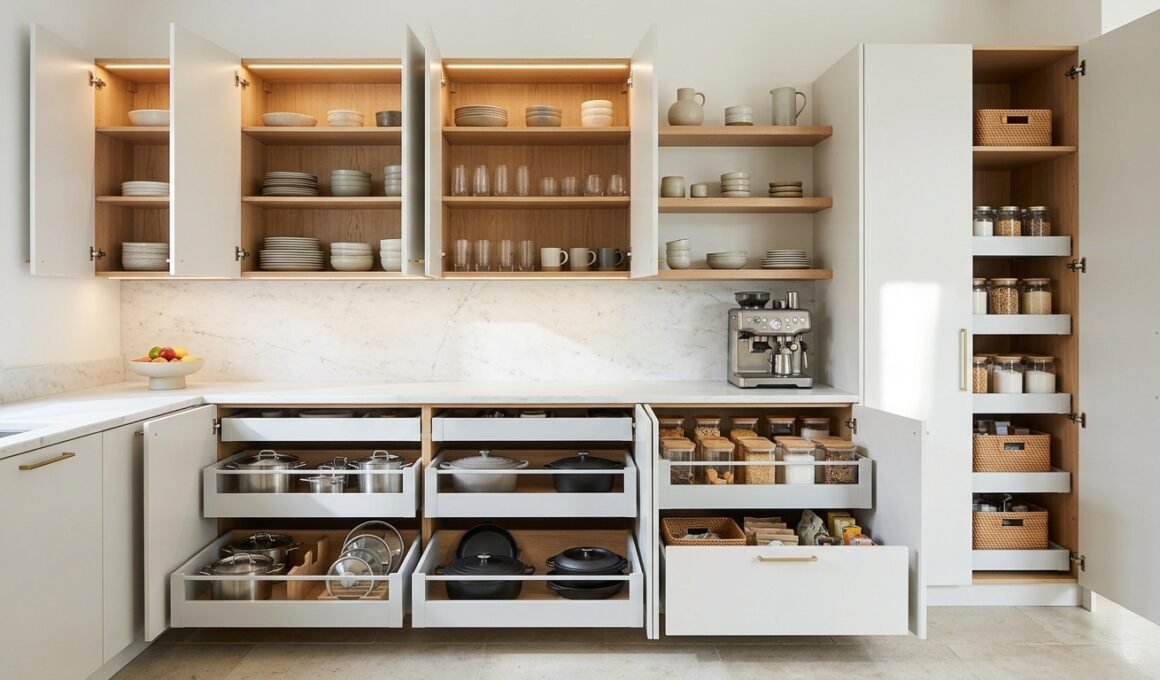
A kitchen can have plenty of cabinets and still feel completely disorganized. Pots end up stacked inside one another, plates become difficult to reach, food gets pushed toward the back, and small items disappear into crowded drawers. The problem is often not a lack of storage but a lack of a clear system. Good kitchen cabinet organization starts by giving each cabinet a purpose. Instead of putting things wherever there happens to be room, think about what you use most, where you use it, and how easily you can reach it. Pots and pans belong close to the cooking area, plates should be easy to access near the dishwasher or sink, and pantry foods should be grouped so you can quickly see what you have. Whether you have a large kitchen, a narrow apartment kitchen, an RV, or a compact space with awkward corners, these ideas can help you create a cabinet layout that feels practical, clean, and easy to maintain.
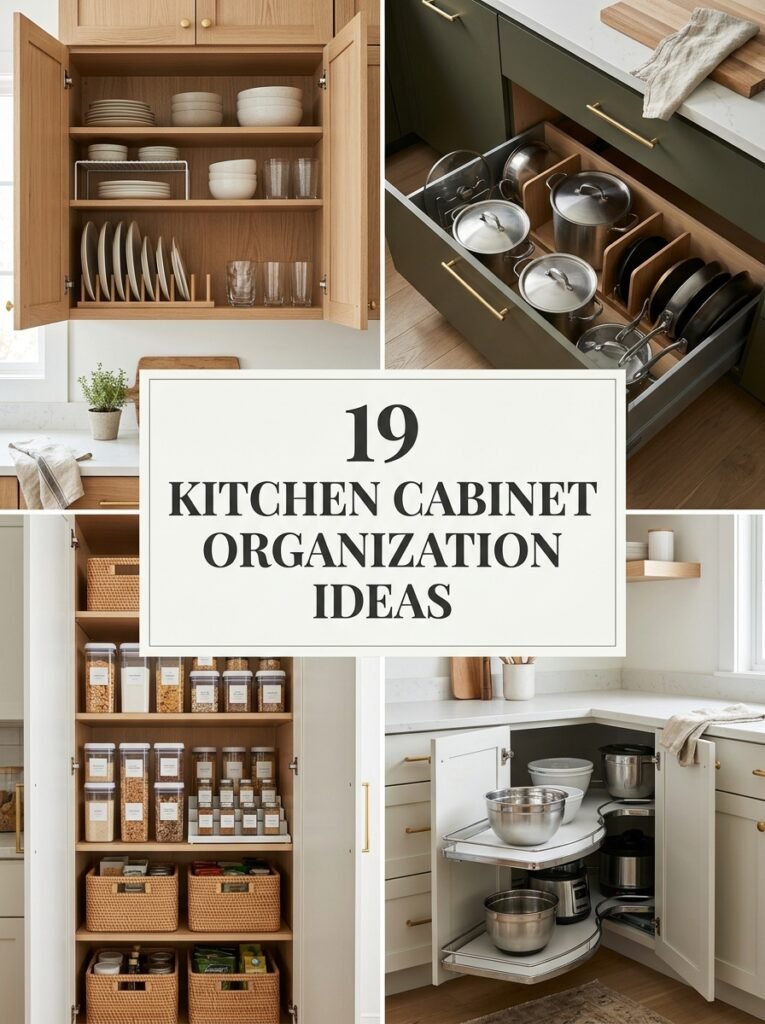
1. Give Every Cabinet a Specific Purpose
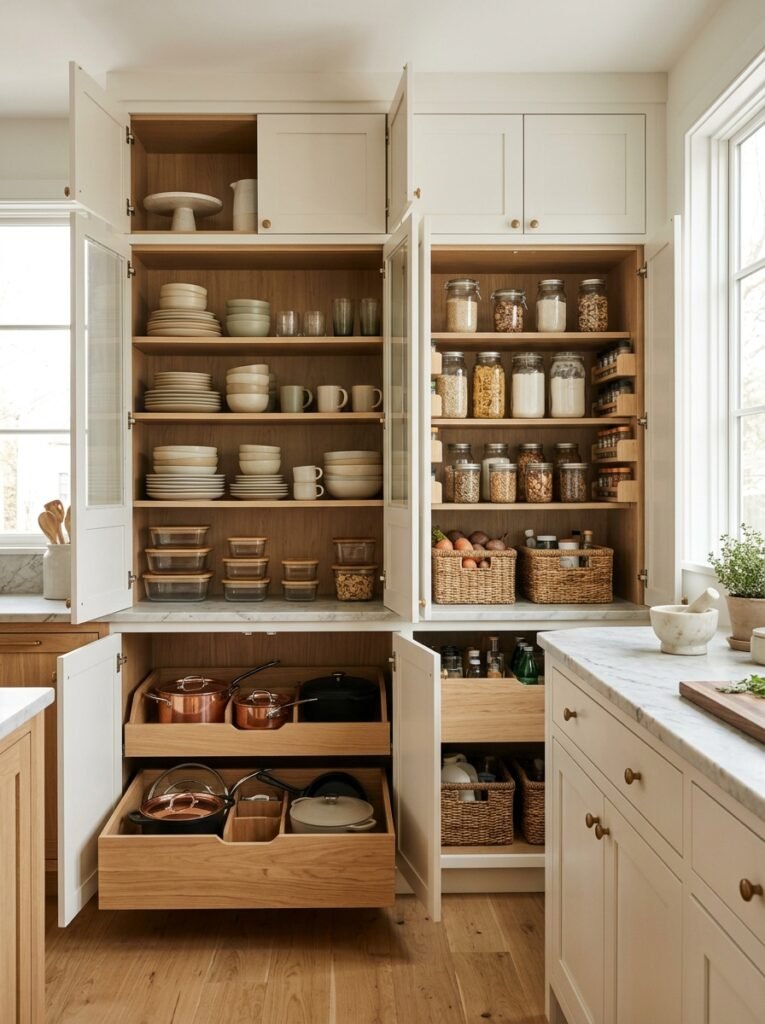
One of the simplest ways to improve cabinet organization is to stop mixing unrelated categories. Give each cabinet a job based on what you actually store. One might hold plates and bowls, another cookware, another food containers, and another pantry ingredients. This approach makes putting things away much easier because every item already has a destination. It also helps you notice when a cabinet is becoming overloaded. If one category no longer fits comfortably, you can adjust the storage instead of randomly moving items into several other cabinets.
2. Store Pots and Pans in Lower Cabinets
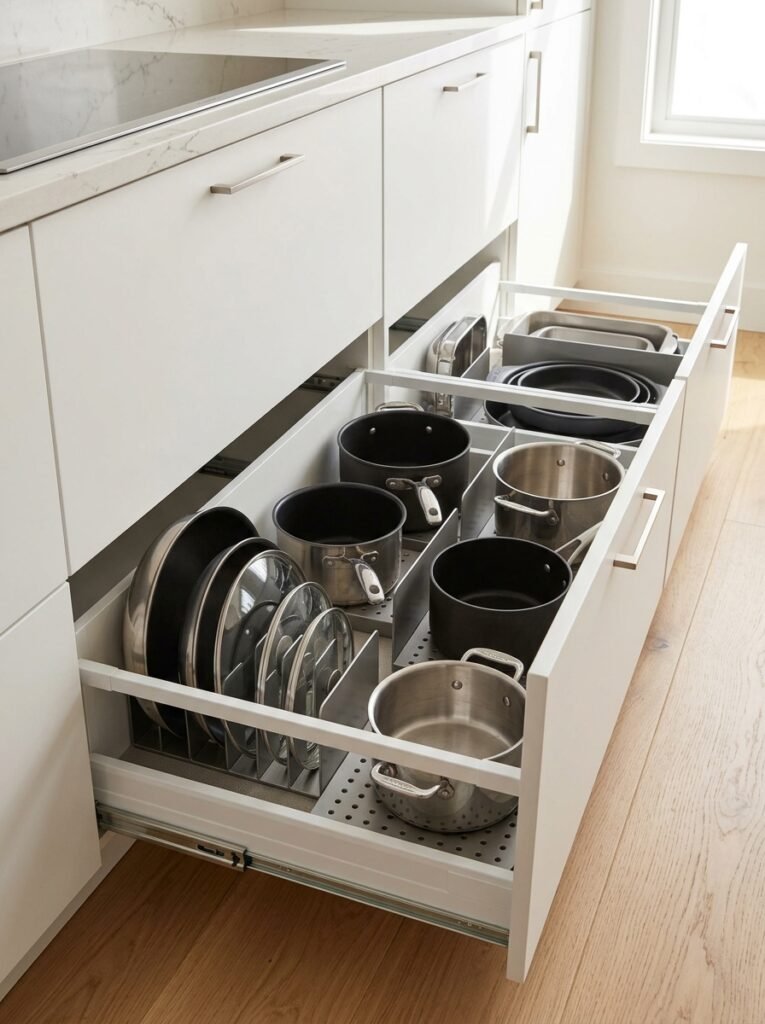
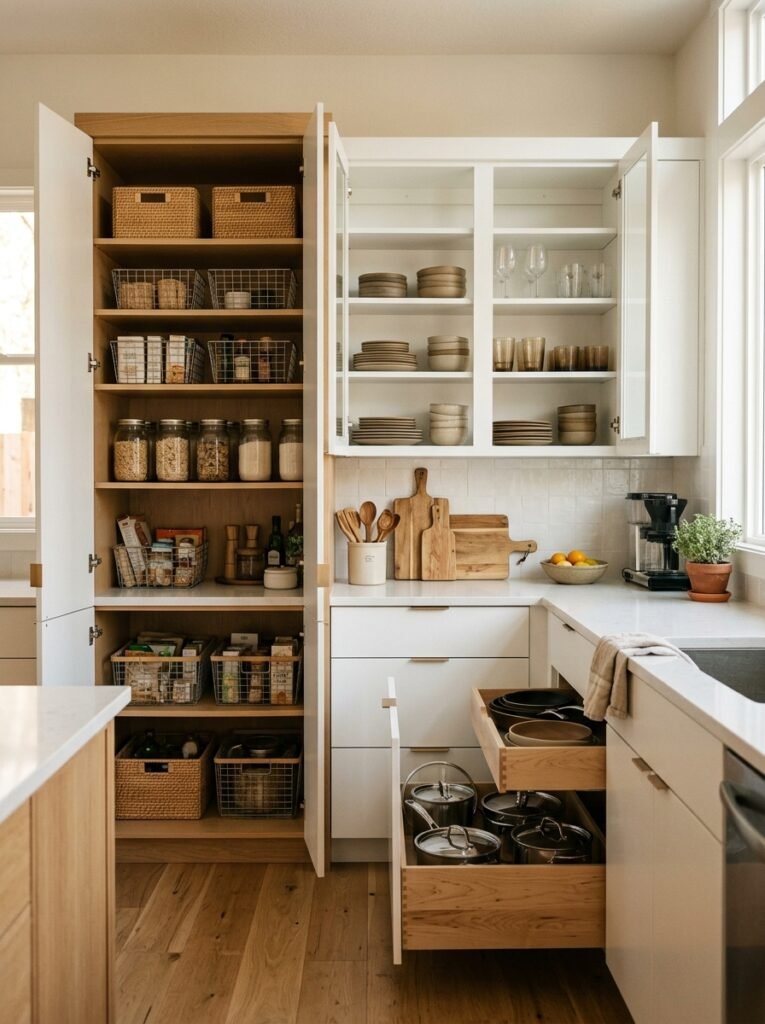
Heavy pots and pans are usually easier and safer to store in lower cabinets or deep drawers. Instead of creating a tall unstable stack, use dividers, vertical racks, or separate sections to keep cookware accessible. Think about the order in which you cook. Keep your most-used pan and saucepan toward the front, while larger or occasional cookware can go farther back. This prevents you from having to remove half the cabinet just to reach one pan.
3. Use Upper Cabinets for Everyday Plates and Dishes
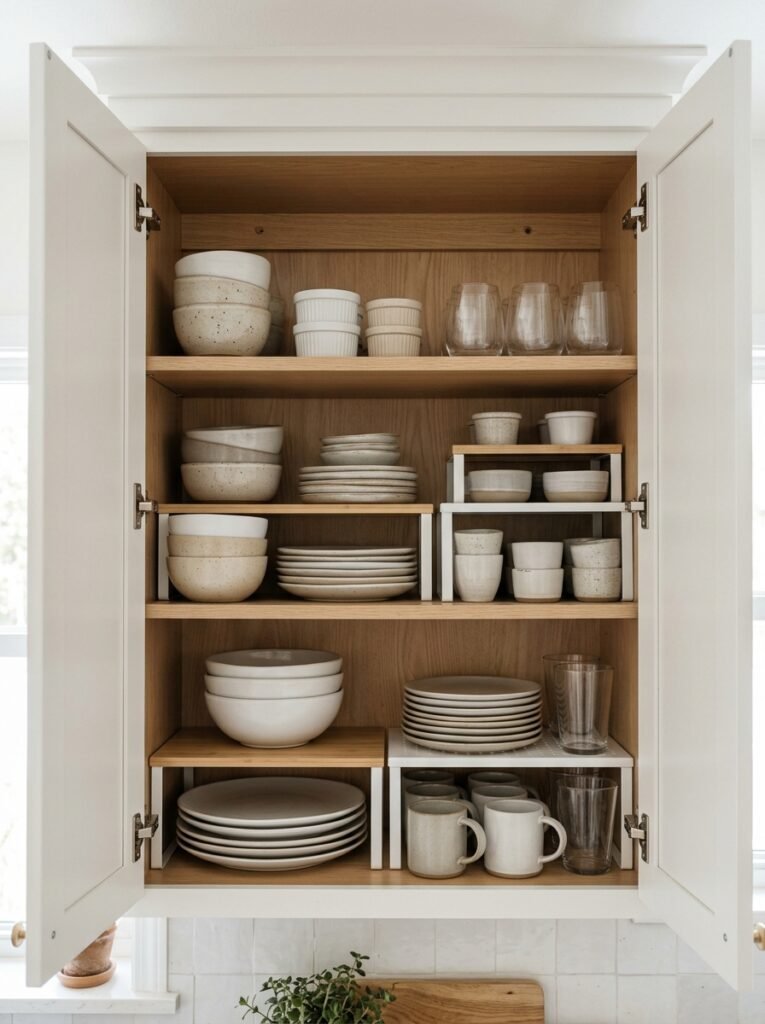
Upper cabinets are ideal for lighter items you reach for regularly. Plates, bowls, cups, and everyday dishes can be arranged so the most frequently used pieces are toward the front and middle shelves. Avoid stacking too many plates in a tall pile because it can make individual pieces difficult to remove. Shelf risers can create an additional level inside taller cabinets, allowing you to separate plates and bowls while making better use of vertical space.
4. Organize Food by Category
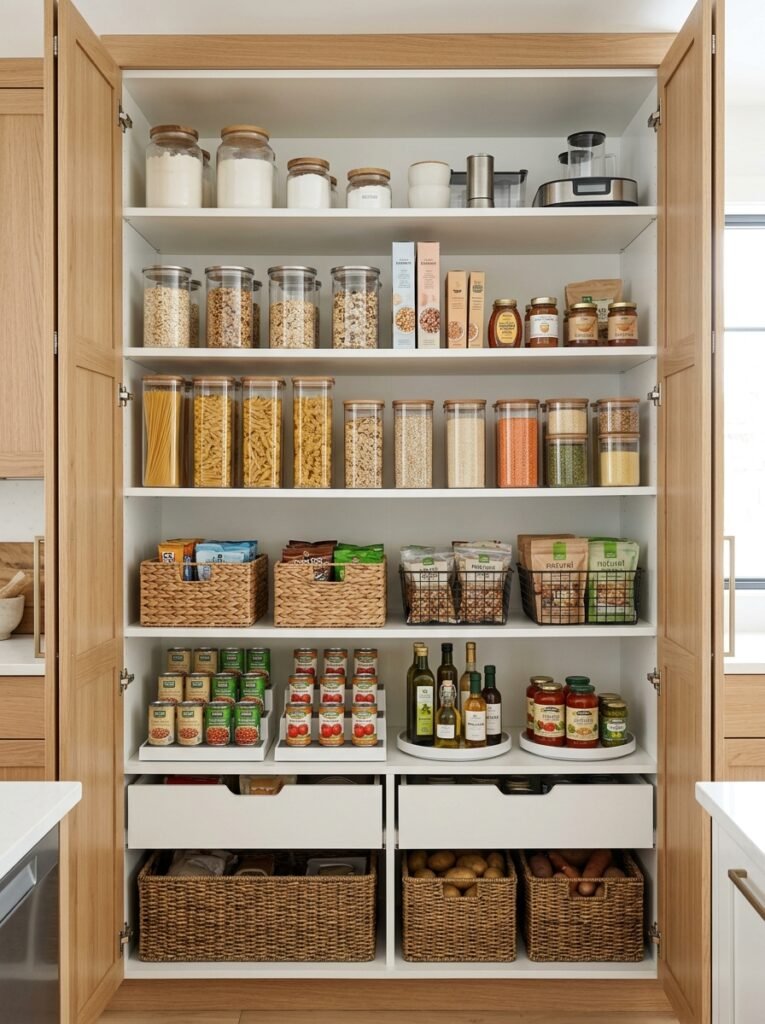
Food storage becomes much easier when similar products stay together. Create simple groups such as breakfast foods, snacks, pasta, canned goods, baking supplies, grains, sauces, and cooking ingredients. Use baskets for small packets and clear containers for dry goods when they genuinely improve visibility. Avoid transferring every food item into containers simply for appearance. The best food storage system is one that makes it easy to see what you have, use products before they expire, and restock without buying duplicates.
5. Use Deep Storage Drawers for Heavy Items
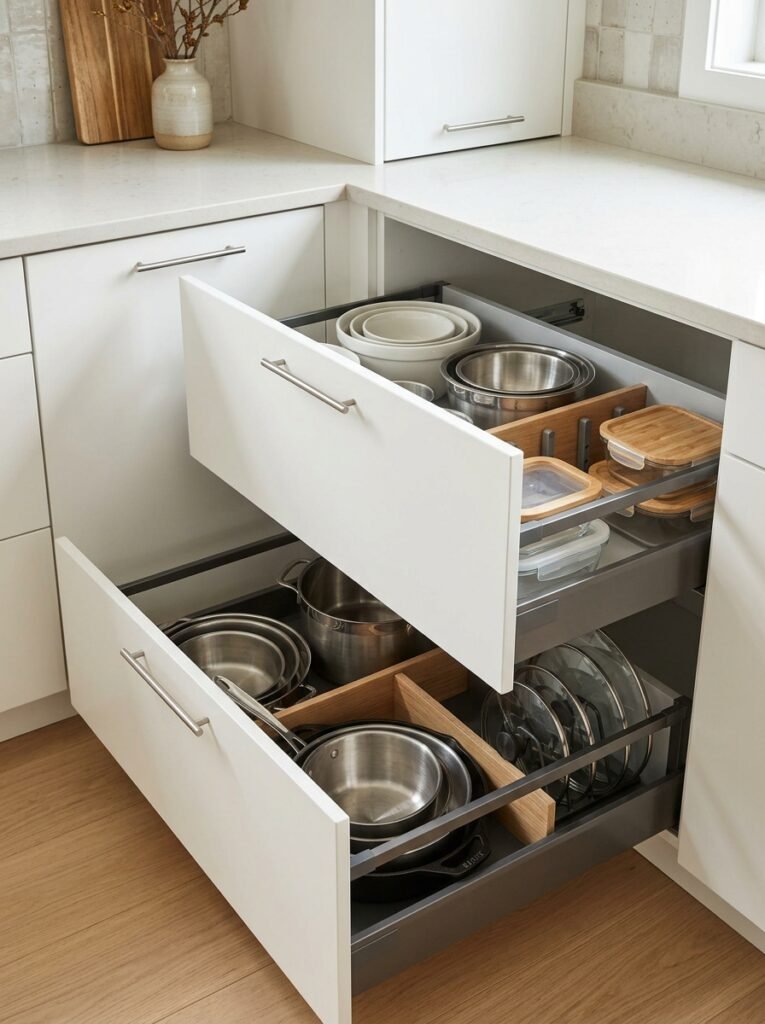
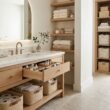
Deep drawers can be more practical than traditional lower cupboards because you can pull everything toward you instead of reaching into a dark cabinet. They work especially well for pots, pans, mixing bowls, appliances, food containers, and larger kitchen supplies. Organize each drawer into broad categories rather than filling it randomly. For example, one drawer can hold cookware while another stores food containers. Keep heavier items in lower drawers and make sure the drawer remains easy to open when fully loaded.
6. Create a Dedicated Pantry Cabinet
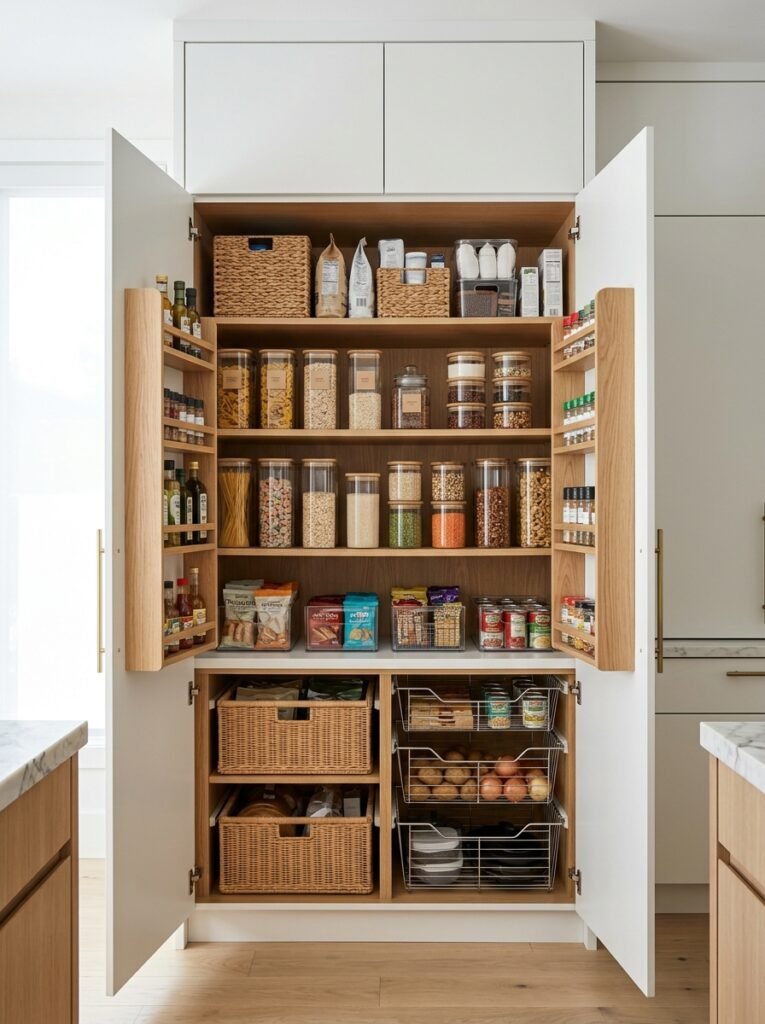
If you do not have a separate pantry, one tall cabinet can serve as a compact pantry. Use adjustable shelves so the cabinet can accommodate everything from cereal boxes to jars and food containers. Keep everyday food around eye level and reserve the highest shelves for backup supplies. Lower shelves can hold heavier food items. Using baskets for categories with many small packages can also prevent loose products from spreading across the shelves.
7. Make Better Use of Upper Corners
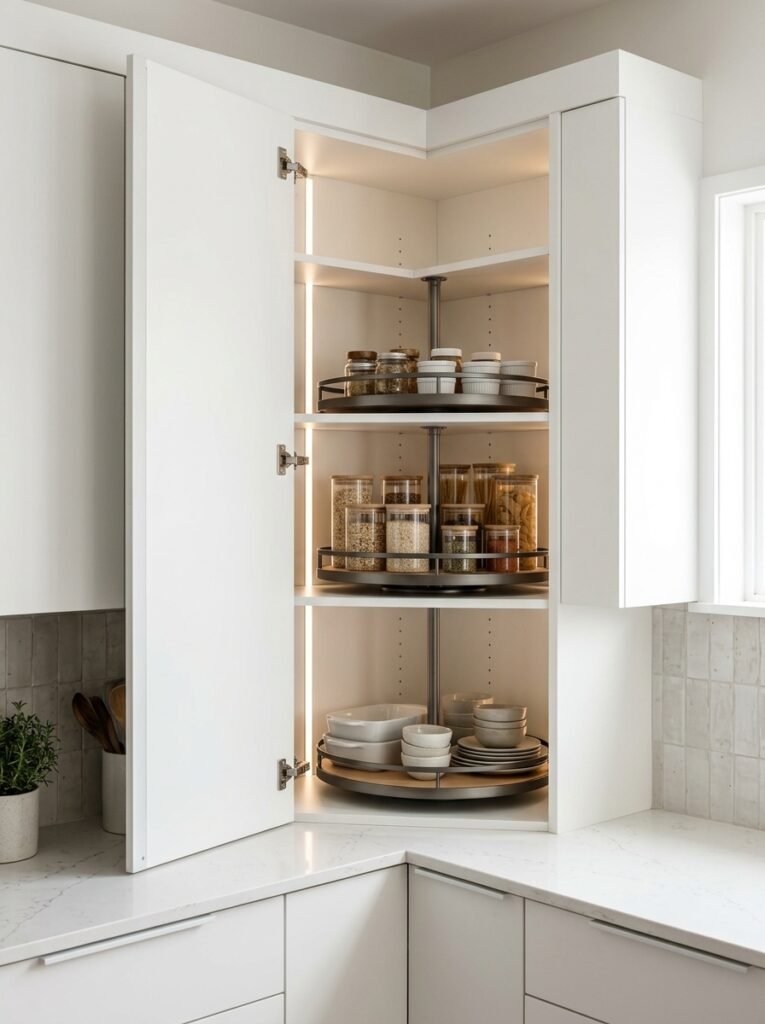
Upper corner cabinets can be some of the hardest spaces to organize because items toward the back may become difficult to reach. Use these areas for less frequently used dishes, serving pieces, specialty cookware, or backup supplies. If the cabinet design allows, rotating organizers or adjustable shelves can improve access. The goal is to make the entire cabinet usable rather than allowing the back corner to become a place where forgotten items accumulate.
8. Use Lower Corners for Large Kitchen Items
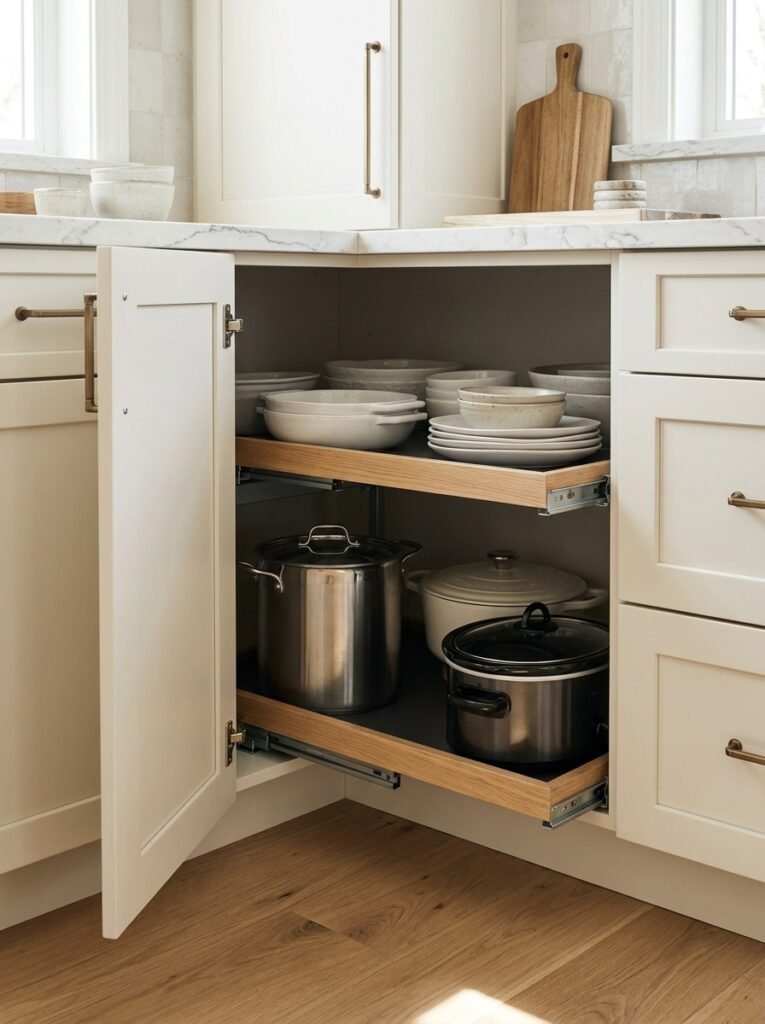
Lower corner cabinets often have generous capacity but poor accessibility. They can be useful for large pots, slow cookers, serving dishes, or appliances that are too bulky for regular cabinets. Avoid filling the entire corner with a random stack. Use a rotating shelf, pull-out mechanism, or clearly defined zones if possible. Even a simple arrangement where the largest items stay toward the back and frequently used ones remain near the opening can make the space much easier to manage.
9. Use Narrow Cabinets for Spices and Small Supplies
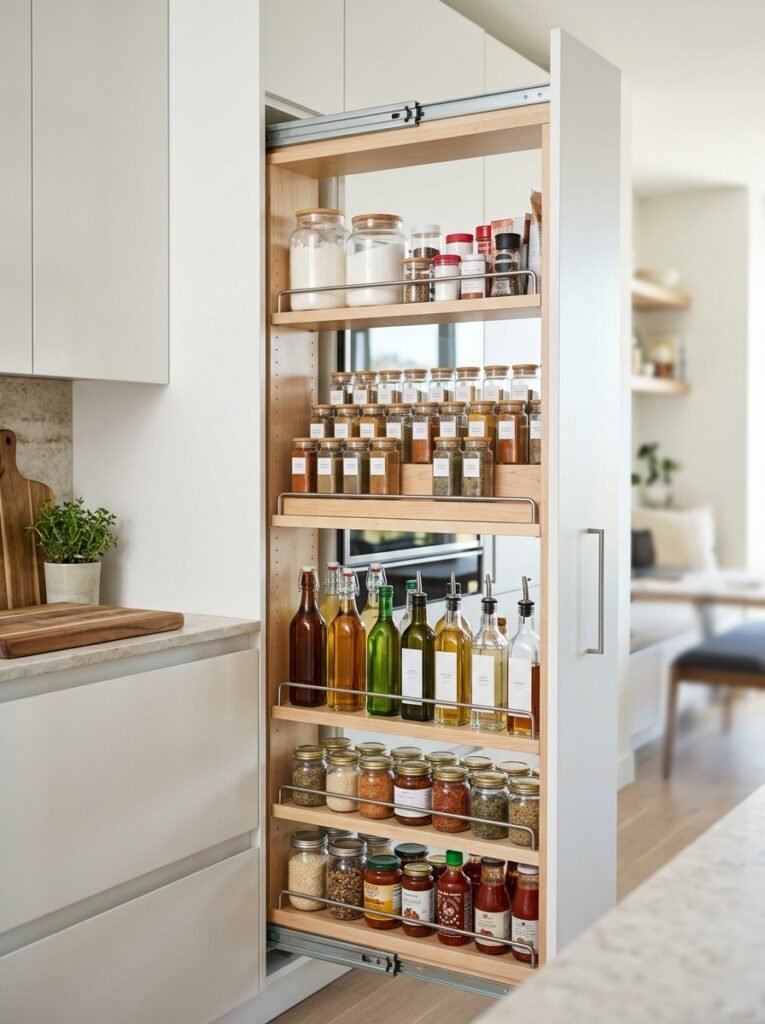
Narrow cabinets are perfect for items that do not need much width. Use them for spices, oils, sauces, wraps, baking decorations, or small cooking accessories. Instead of stacking everything randomly, use tiered shelves or slim bins so the products at the back remain visible. This turns an awkward narrow cabinet into a useful storage zone rather than leaving it underused.
10. Add Open Shelving for Frequently Used Items
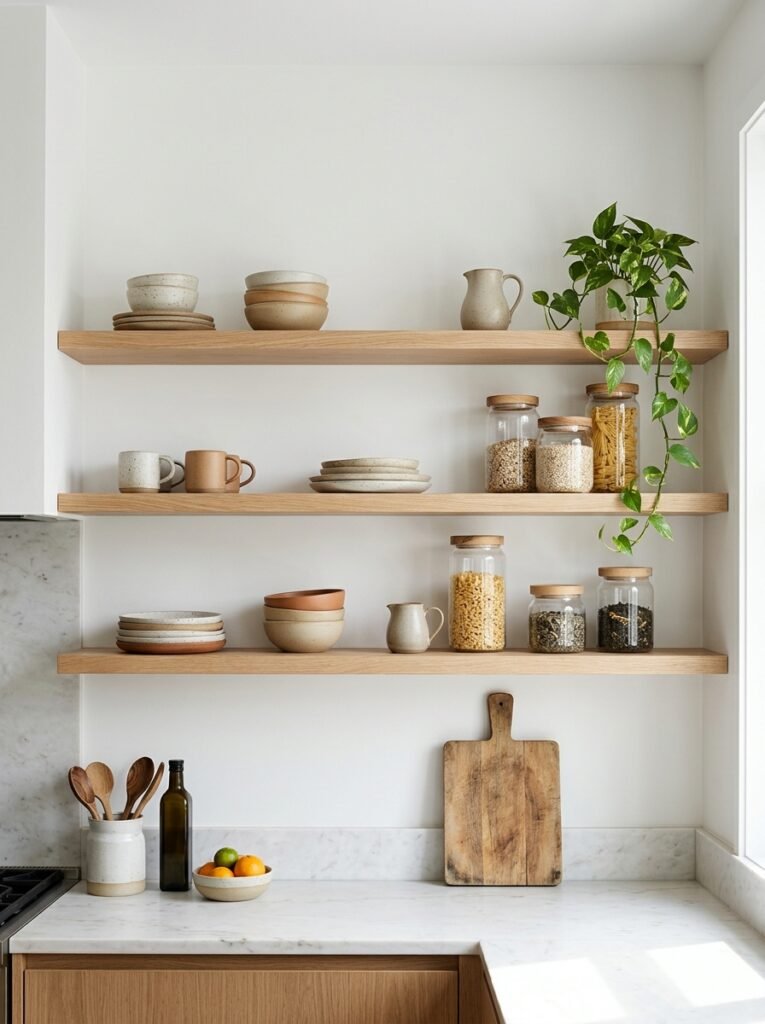
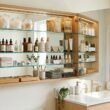
Open shelving can be useful when you want everyday dishes and ingredients to remain within easy reach. It can also make a small kitchen feel visually lighter because the wall is not completely covered by closed cabinets. The key is restraint. Keep only attractive and frequently used items on open shelves, and avoid allowing them to become a dumping ground. Group dishes by type and leave some empty space between categories so the shelves feel intentional rather than crowded.
11. Use IKEA-Style Cabinet Organizers
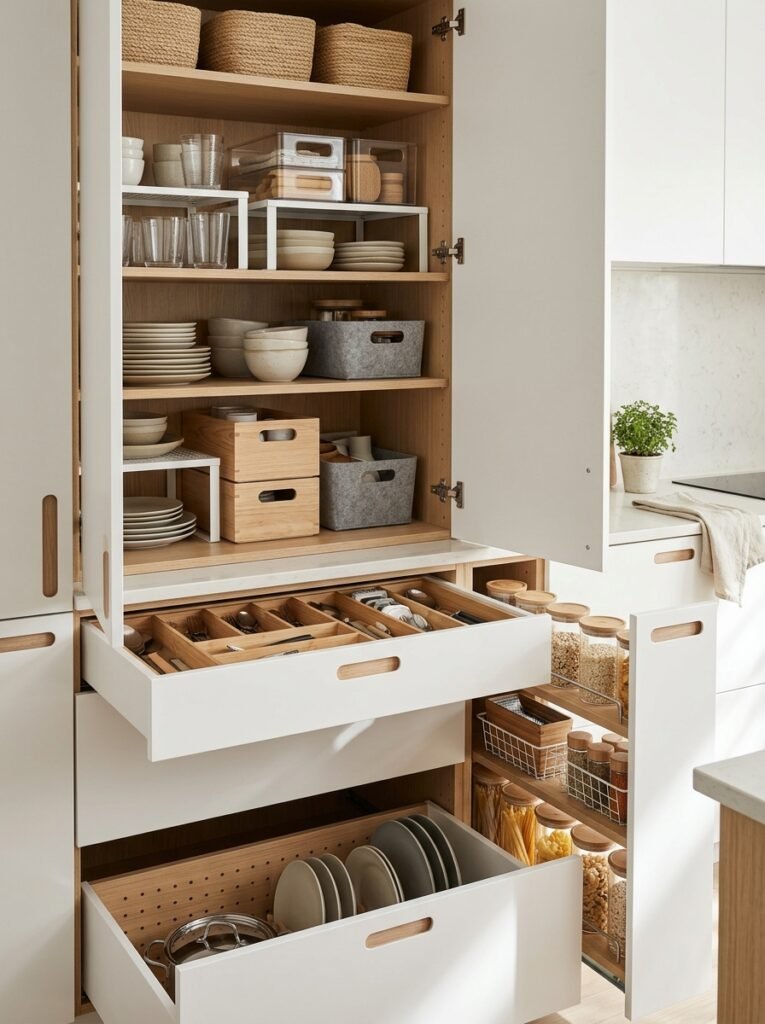
Modular organizers can help divide large cabinets into smaller functional sections. Shelf inserts, drawer dividers, stackable bins, and pull-out organizers can make a cabinet much easier to use without requiring a full renovation. The important thing is to measure the cabinet first. An organizer that is too wide or too tall can make the space less useful. Choose pieces based on the problem you are solving rather than buying storage products simply because they look attractive.
12. Store Food Containers With Their Lids Together
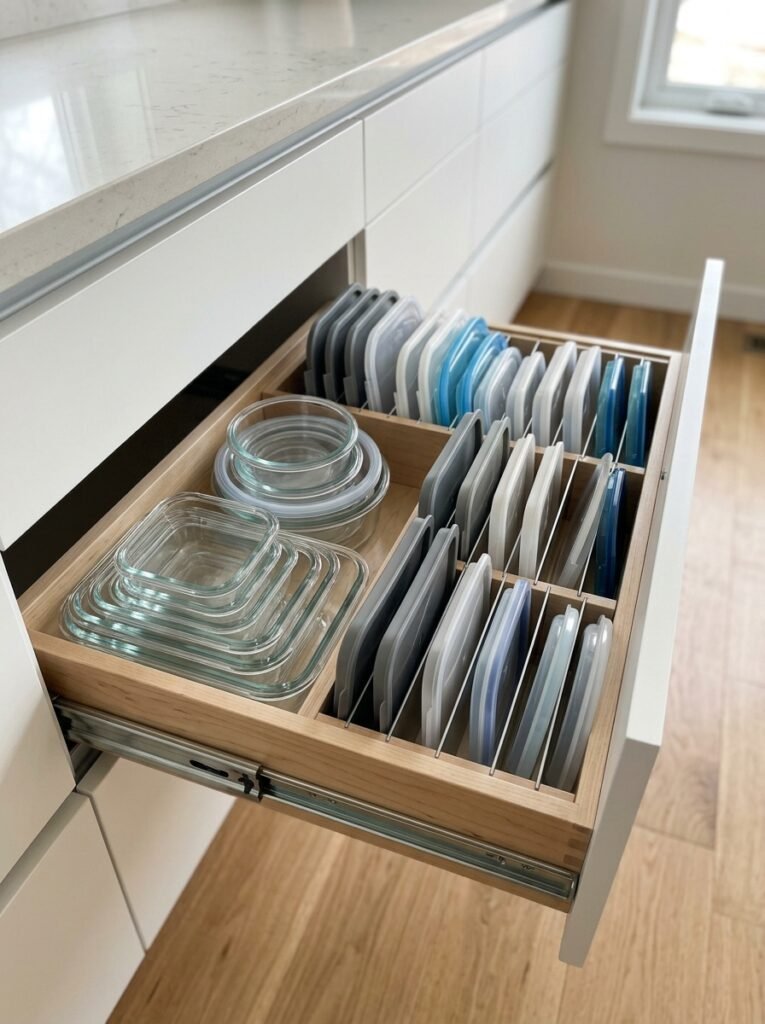
Food containers can easily take over a cabinet because different shapes and loose lids do not stack efficiently. Choose a manageable set of containers that nest together and keep their lids in one dedicated section. A shallow drawer or vertical lid organizer can work particularly well. Store the containers by size so you can quickly find the right one instead of opening several cabinets and creating an even bigger mess.
13. Create a Baking and Cooking Ingredient Zone
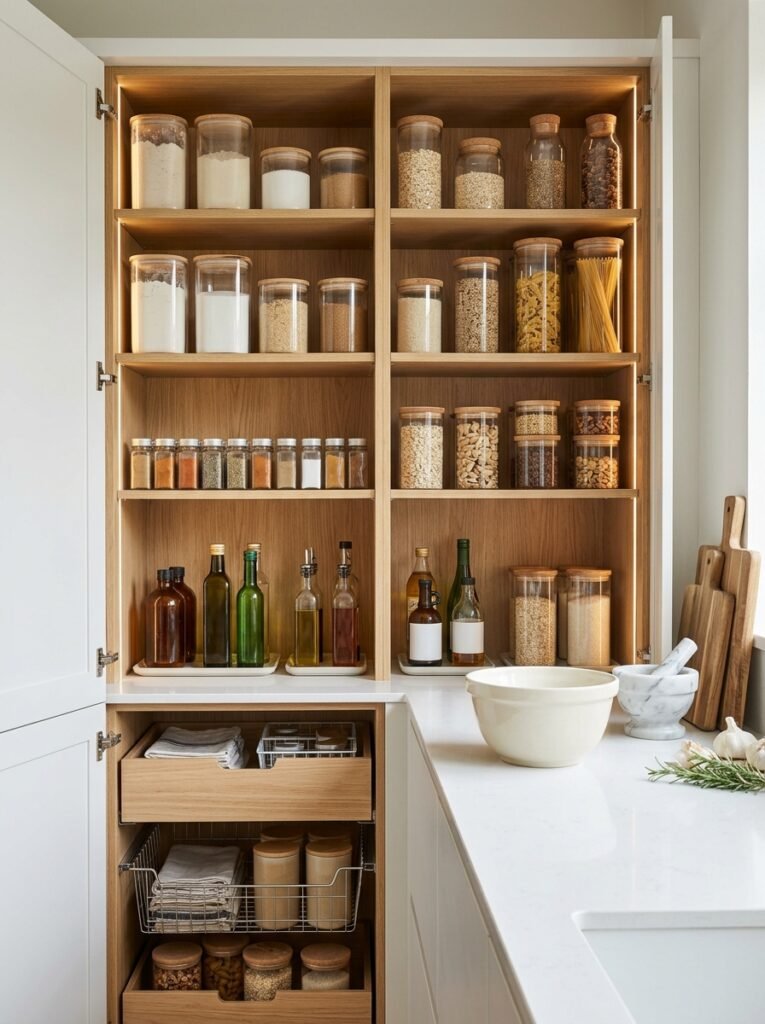
If you bake or cook regularly, keep the ingredients you use together instead of spreading them across different cabinets. Flour, sugar, grains, spices, oils, and frequently used cooking ingredients can have dedicated sections. This arrangement saves time because you can collect everything you need from one area before starting. It also makes inventory easier because you can quickly see which ingredients are almost empty.
14. Organize a Small Kitchen With Fewer, Better Items
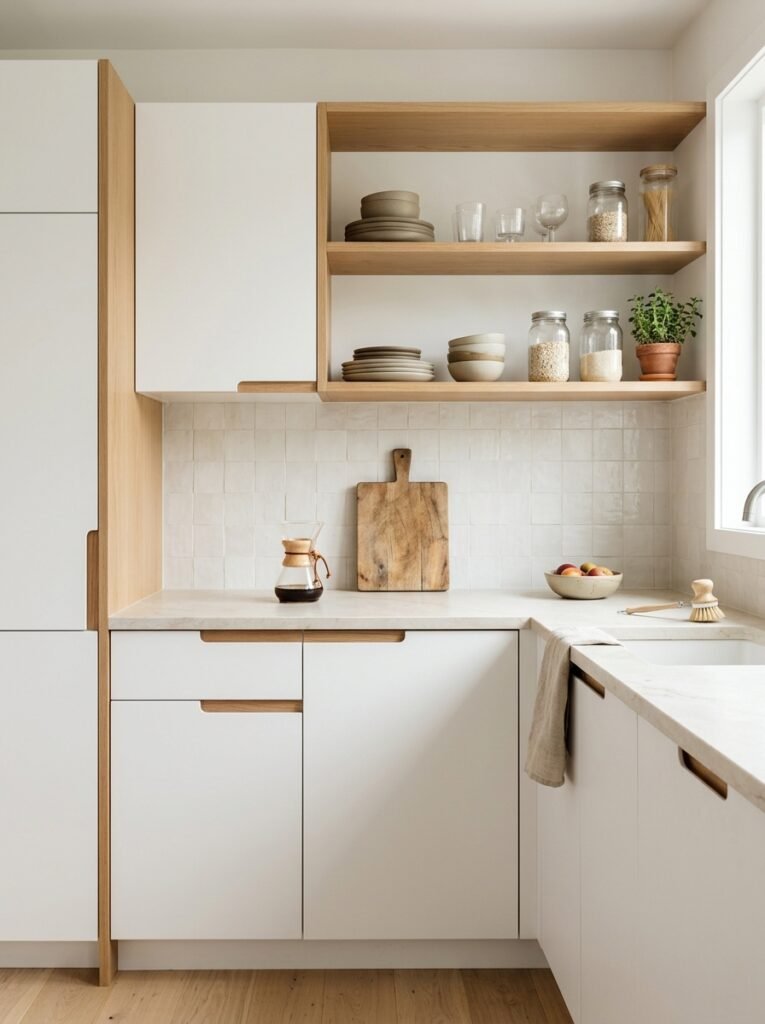
In a small space, reducing unnecessary items can be more effective than adding more storage. If you have several versions of the same utensil, duplicate dishes, or appliances you rarely use, consider whether they deserve valuable cabinet space. Keeping only the items that genuinely serve your household creates room for the things you use regularly. It also makes cleaning and maintaining the cabinets easier because there are fewer objects competing for limited space.
15. Use Vertical Dividers for Plates, Trays, and Boards
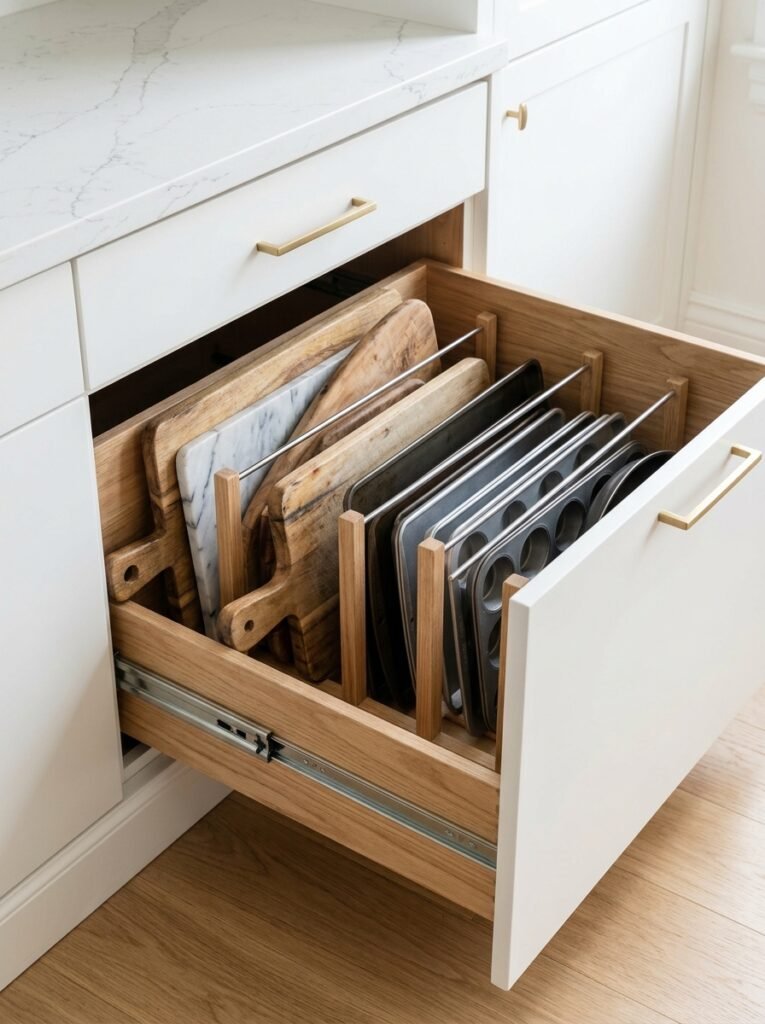
Flat kitchen items can become awkward when stacked horizontally. Vertical dividers allow baking trays, cutting boards, serving boards, and flat plates to stand upright. This makes individual items much easier to remove without disturbing everything around them. It also makes use of vertical cabinet space that might otherwise remain empty above a short stack of dishes.
16. Organize an RV Kitchen Cabinet by Weight and Frequency
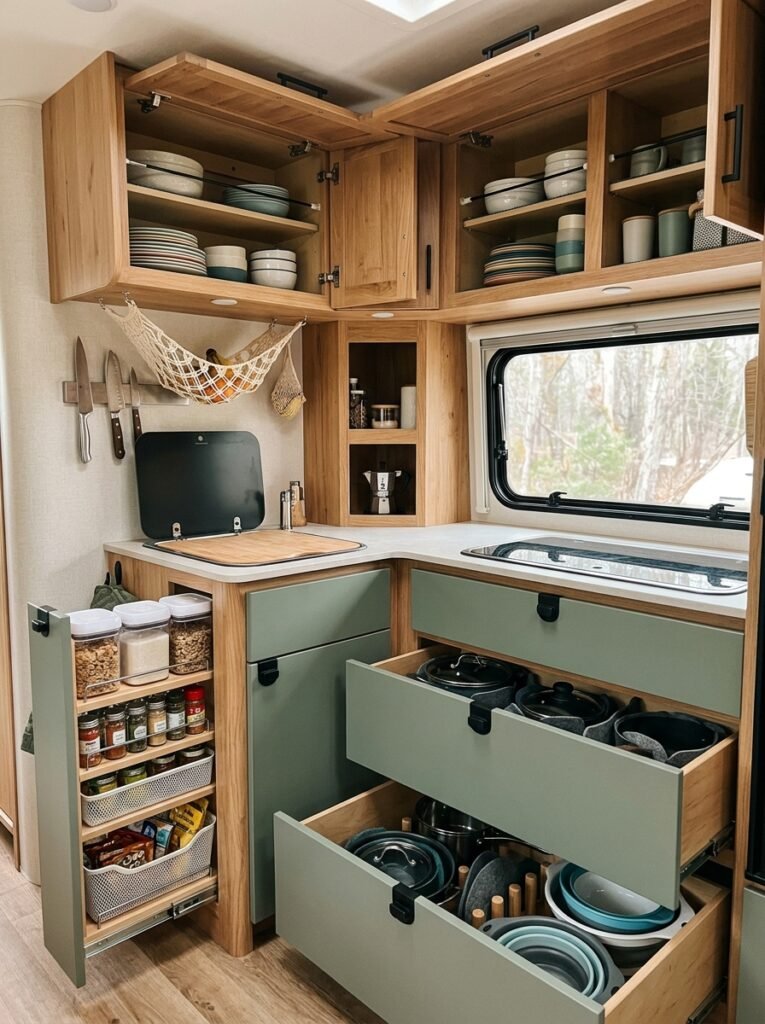
RV cabinets need an especially practical layout because storage is limited and items need to remain secure during travel. Keep heavier cookware in lower cabinets and lighter dishes in upper storage. Frequently used items should be easy to reach without unpacking several other things. Use containers that fit securely and avoid leaving loose objects that can shift around. A simple category-based system can make a small RV kitchen feel much more manageable while traveling.
17. Try Budget-Friendly Dollar Tree Storage Solutions
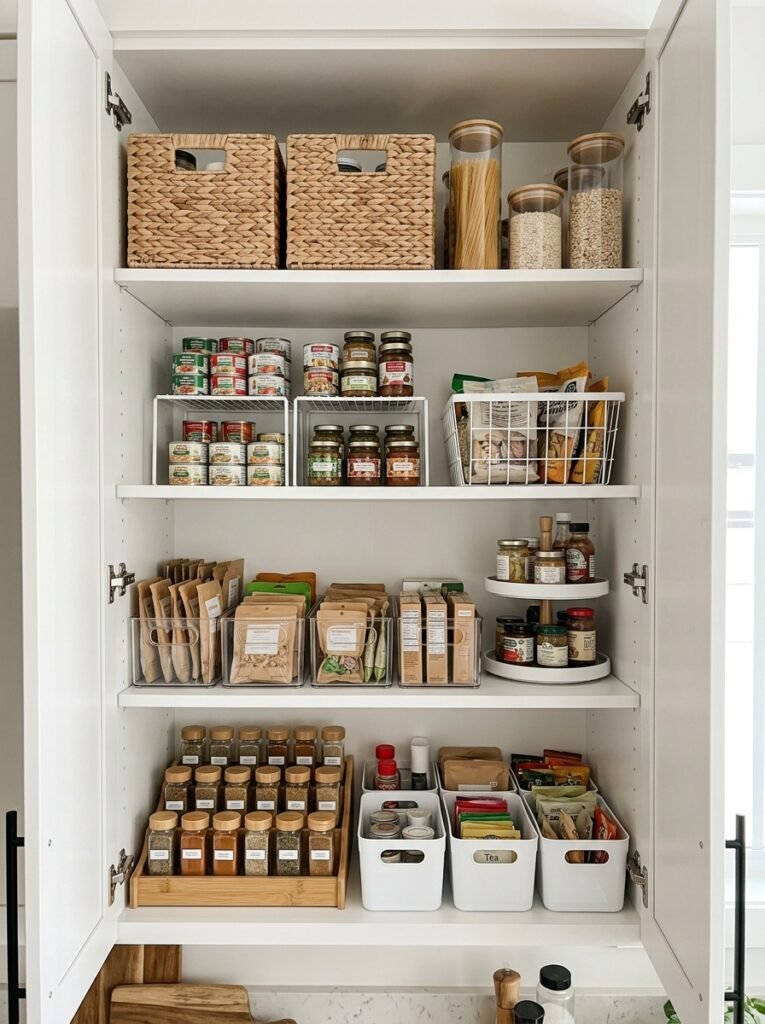
You do not need expensive custom organizers to improve your cabinets. Simple baskets, bins, shelf risers, and small containers can create useful categories at a low cost. Start by identifying a specific problem. If packets fall over, use a basket. If shelves have wasted height, add a riser. If small items disappear at the back, use a shallow bin that can be pulled forward. This approach keeps your storage practical instead of filling cabinets with organizers you do not actually need.
18. Arrange Cabinets Around Your Cooking Workflow
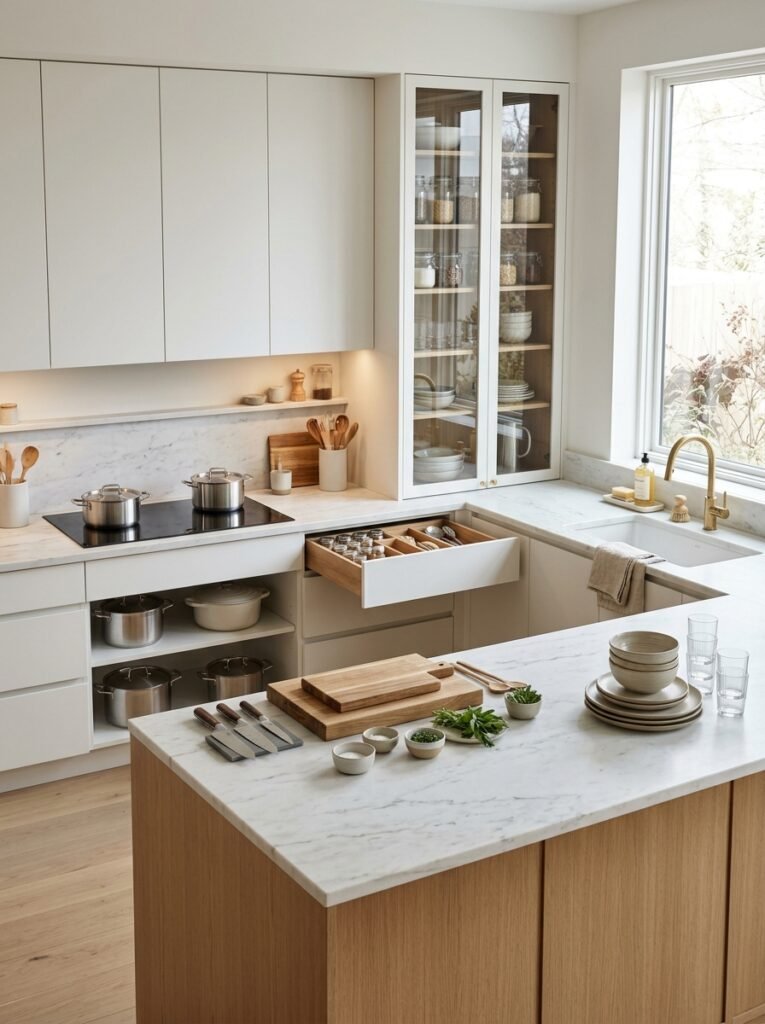
The most efficient cabinet layout follows the way you move through the kitchen. Store preparation tools near your main counter, cookware near the stove, plates near the serving area, and cleaning supplies near the sink. This may require moving items away from where they have traditionally been stored. That is perfectly fine if the new location saves time and makes the kitchen easier to use. Your cabinet layout should serve your routine, not the other way around.
19. Keep a Simple Cabinet Reset Routine
Even a well-designed system can become messy if items are not returned to their proper places. A short weekly reset can keep the cabinets under control. Check one or two problem areas, straighten food containers, return dishes to their categories, and remove items that no longer belong. Do not wait until the entire kitchen needs a major reorganization. Small resets are much easier to maintain and can reveal problems early. If one cabinet constantly becomes messy, that usually means the storage system needs to be adjusted rather than that you simply need to tidy it more often.
Final Thoughts
The best kitchen cabinet organization system is one that makes everyday life easier. You should be able to reach your favorite pan without moving six other pots, find a plate without creating a dish avalanche, and locate pantry ingredients without digging through an overcrowded cupboard. Start by giving every cabinet a purpose, then organize each space according to weight, frequency, and function. Use lower storage for heavier cookware, upper cabinets for lighter everyday dishes, drawers for items you want to see easily, and awkward corners for less frequently used products or specialized storage solutions. For a small kitchen, focus on vertical storage, narrow organizers, cabinet-door storage, and fewer unnecessary items. For larger kitchens, use zones to prevent storage from becoming scattered. And for an RV or compact space, prioritize secure, lightweight, and accessible storage. A beautiful cabinet is helpful, but a cabinet that works beautifully is even better.