


This post may contain affiliate links. Please read my disclosure policy.
In This Article Show
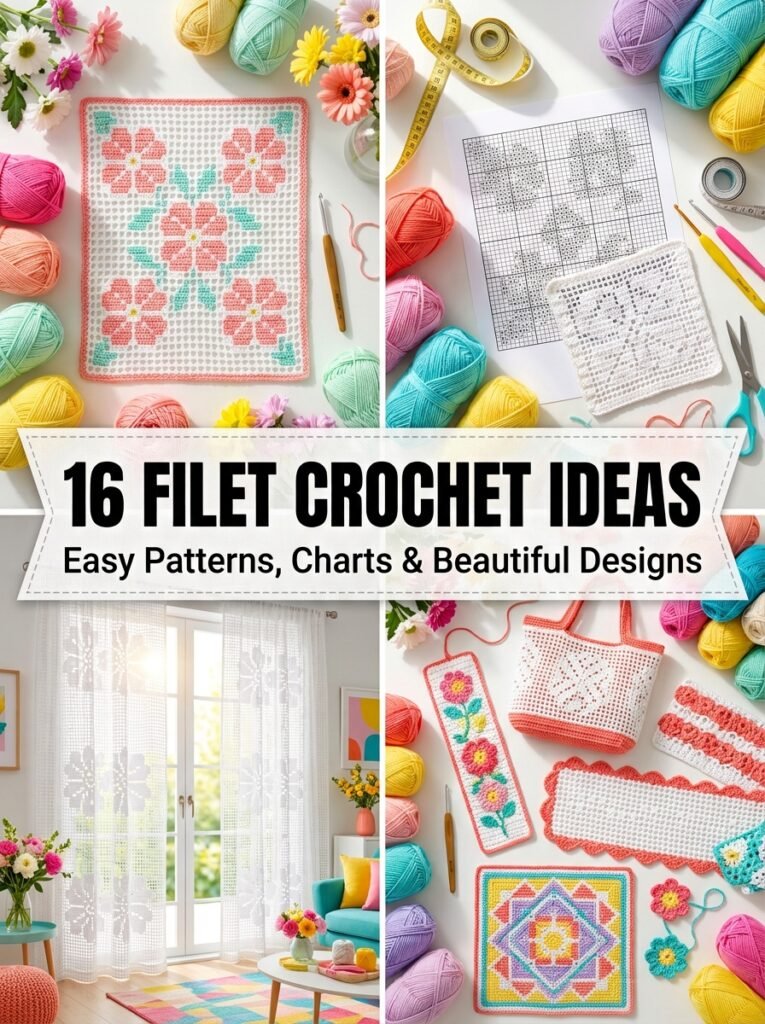
There is something almost magical about watching a simple crochet grid become a flower, heart, letter, or geometric picture. That is the charm of filet crochet. The technique looks detailed, yet its basic structure remains easy to understand once you learn how open and filled blocks work together. It also offers plenty of room for creativity. You can make a tiny bookmark, a decorative border, a stylish bag, a curtain, or even a personalized name panel. The same basic chart idea can create completely different projects depending on your yarn, hook, size, and design. If you enjoy crochet but want to explore something more artistic, these ideas are a great place to start.
What Is Filet Crochet?
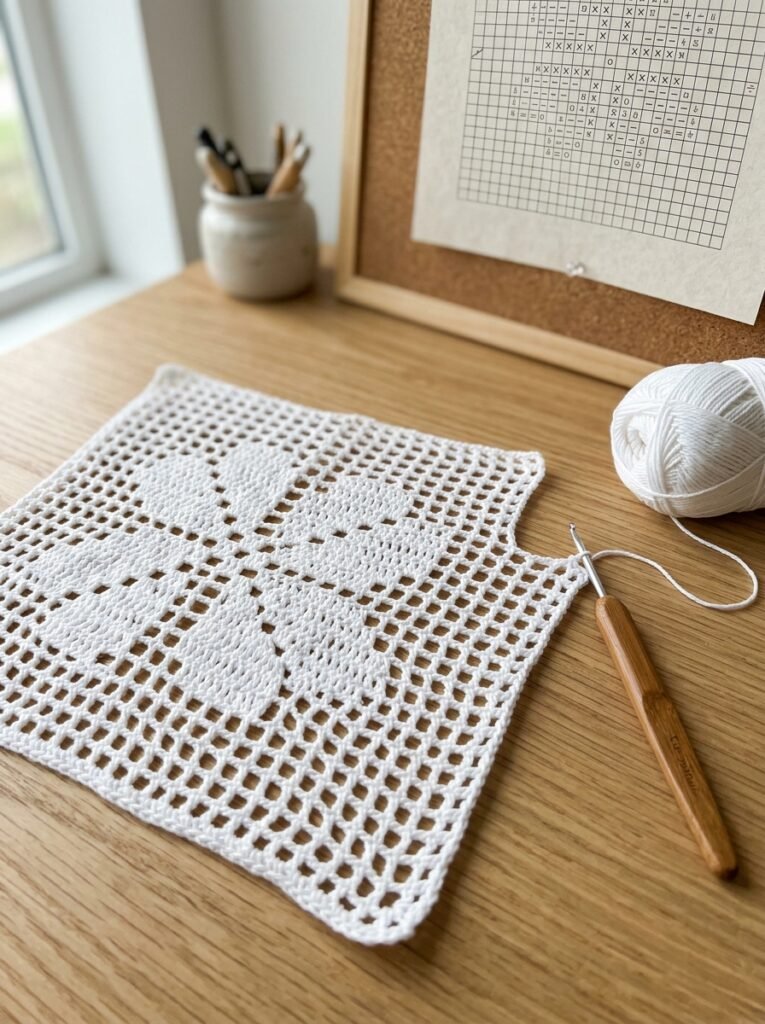
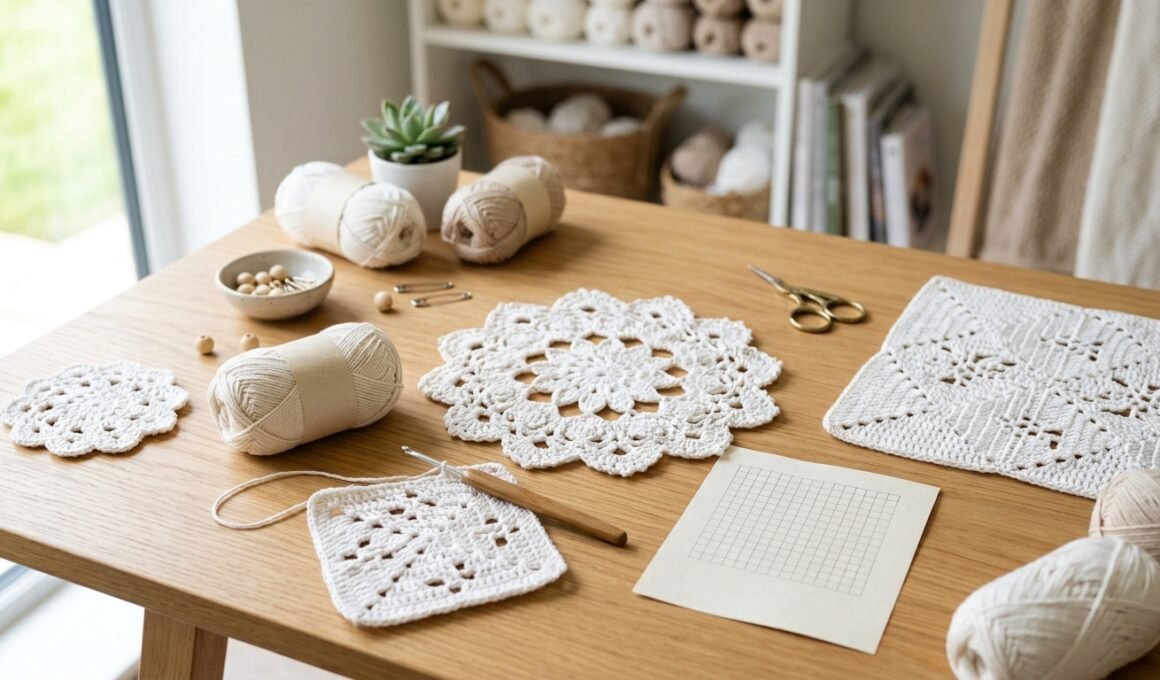
Filet crochet uses a simple grid made from chain stitches and double crochet stitches. Some spaces stay open while others become filled blocks. Together, these spaces create an image or decorative pattern. Think of it like drawing on graph paper. The empty squares create the background, while the filled squares form the picture. Flowers, hearts, letters, leaves, birds, diamonds, and geometric shapes can all work beautifully with this method. The Craft Yarn Council explains that traditional filet designs commonly use motifs such as monograms, flowers, and geometric shapes. Its crochet education materials also show how charted designs use open and filled spaces to build the final image. These 16 ideas cover beginner-friendly designs, decorative projects, accessories, and larger pieces for your home.
1. Simple Filet Crochet Flower
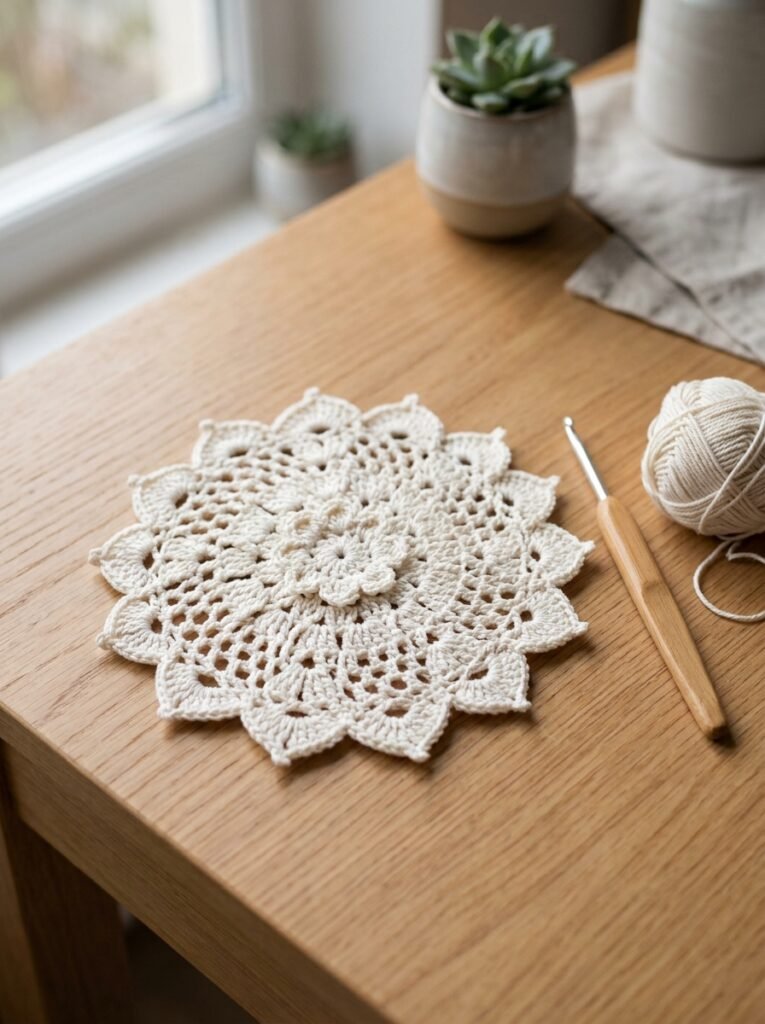
A flower makes a wonderful first project because the shape is easy to recognize. Begin with a small chart and practice creating open spaces around filled blocks. White or cream cotton gives the flower a classic lace appearance, while pastel yarn creates a softer modern look. You can turn a small flower into a coaster, applique, bookmark, or decorative square.
2. Letter and Monogram Design
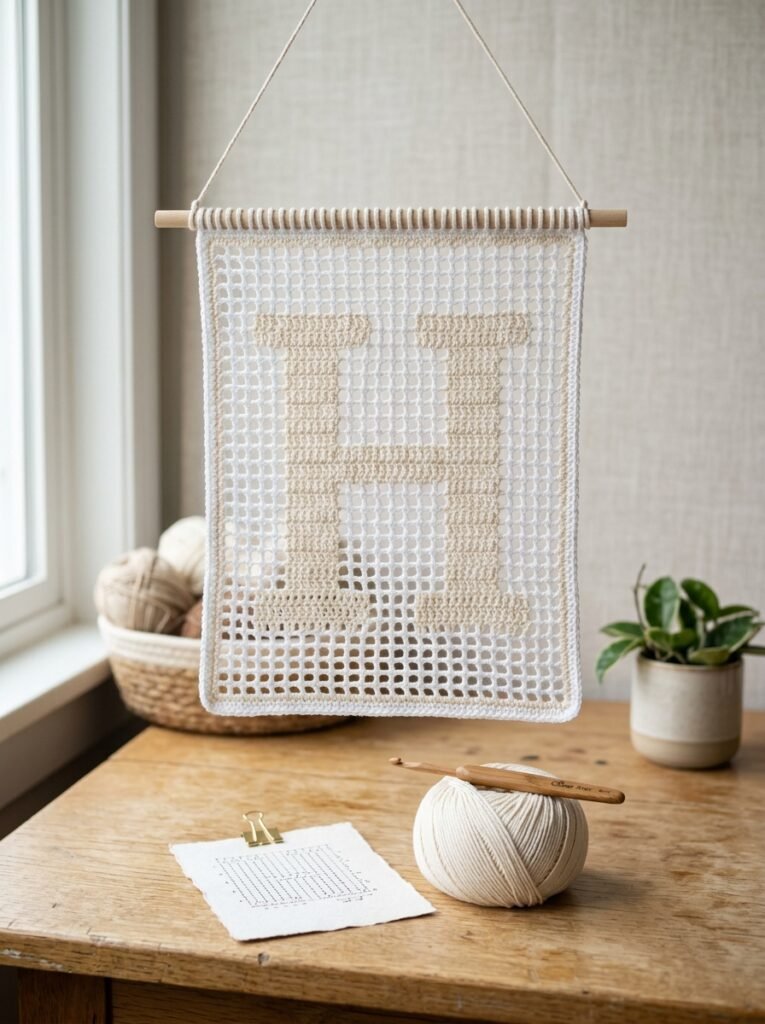
Personalized crochet feels extra special. A simple initial can turn an ordinary handmade item into a thoughtful gift. Draw your chosen letter on graph paper first. Mark the squares that should become filled blocks, then transfer the design into your crochet chart. You can use the finished motif on a bookmark, towel edge, pouch, pillow, or wall panel.
3. Decorative Crochet Border
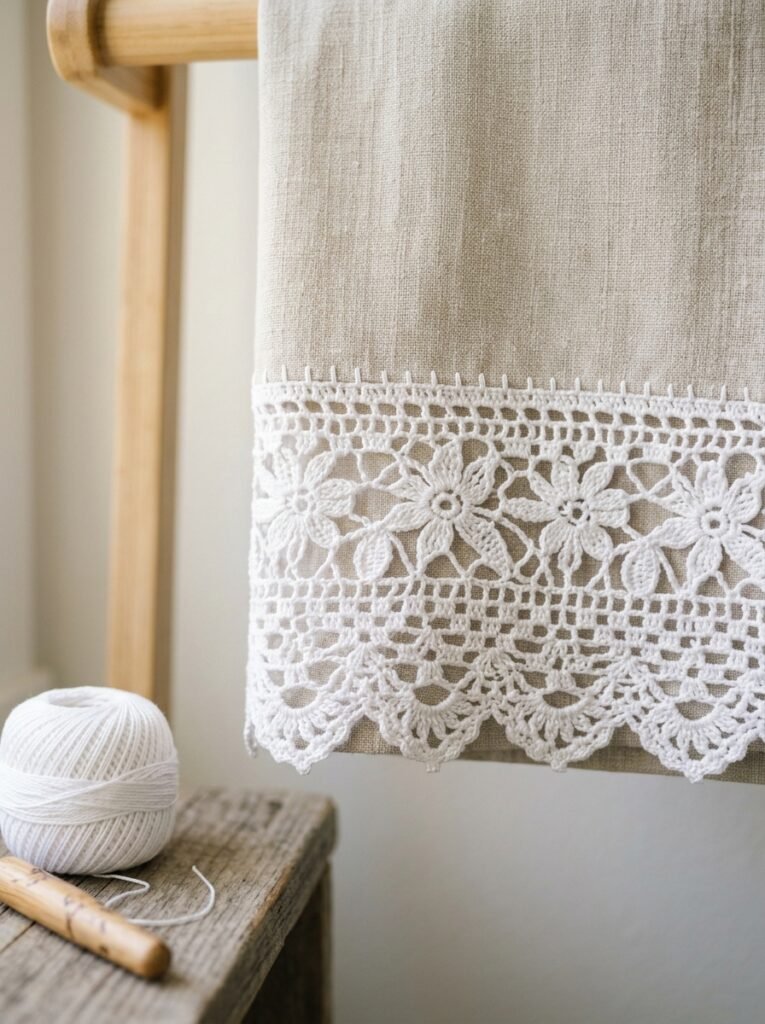
A narrow border can completely change the appearance of a plain textile. Try flowers, leaves, hearts, diamonds, or repeating geometric shapes. This idea works well around towels, table runners, pillowcases, curtains, and fabric panels. Keep the motif simple if your border is narrow. A small repeating design often looks cleaner than a complicated picture squeezed into a tiny space.
4. Crochet Curtain
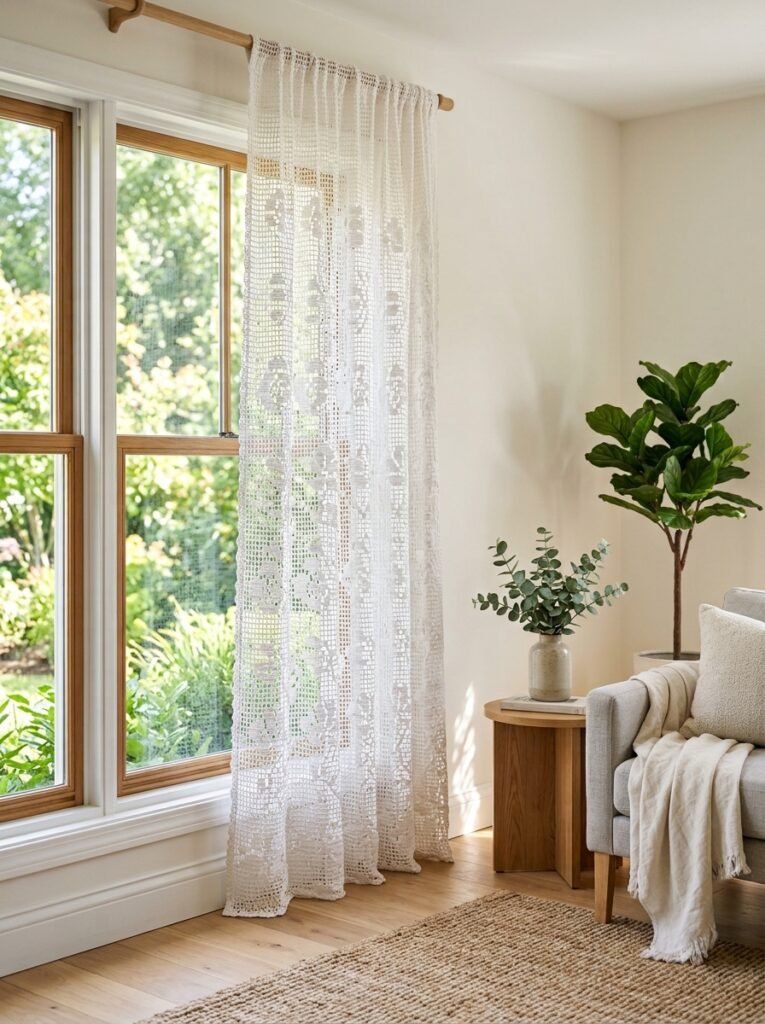
Large curtains give this technique plenty of space to shine. A floral, leaf, bird, or geometric pattern can turn a simple window into a beautiful focal point. Measure the window before choosing your chart. Make a small swatch first so you can check the finished width, height, and drape. Your yarn, hook size, and tension can all affect the final measurements.
5. Easy Crochet Bookmark
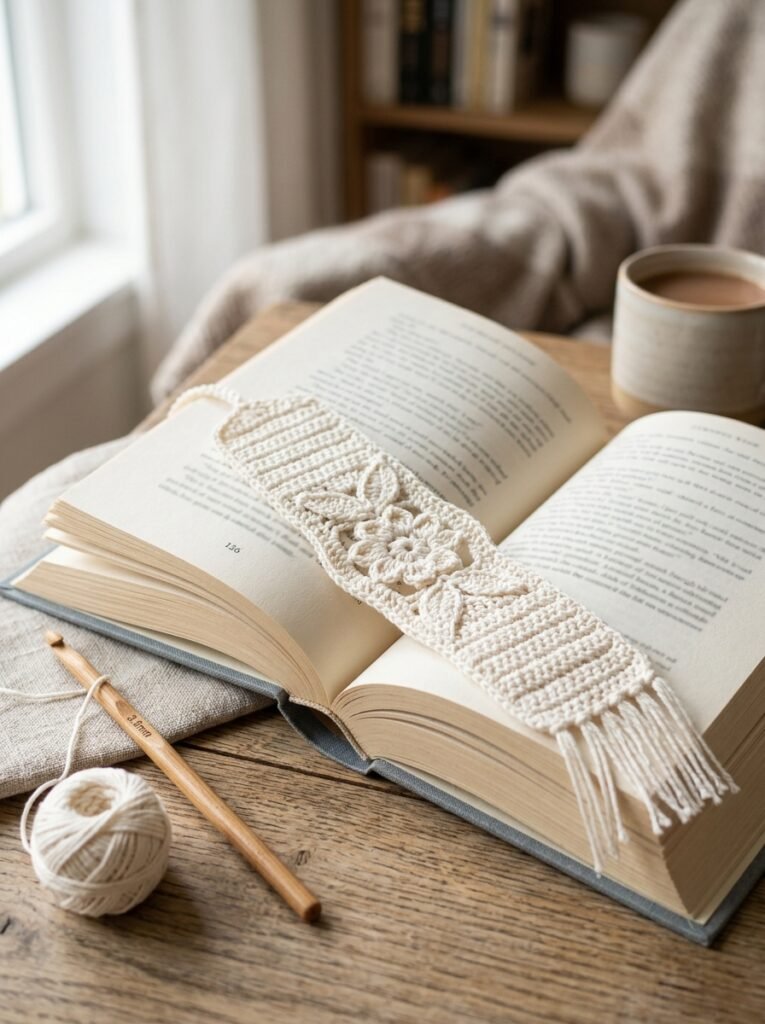
A bookmark needs very little yarn, which makes it a smart beginner project. Choose a small flower, heart, star, leaf, or geometric chart. Cotton yarn works particularly well because it creates a neat, crisp fabric. Finish the edges carefully and weave in the yarn tails securely. Once you finish one, you may find yourself making several as quick handmade gifts.
6. Floral Crochet Panel
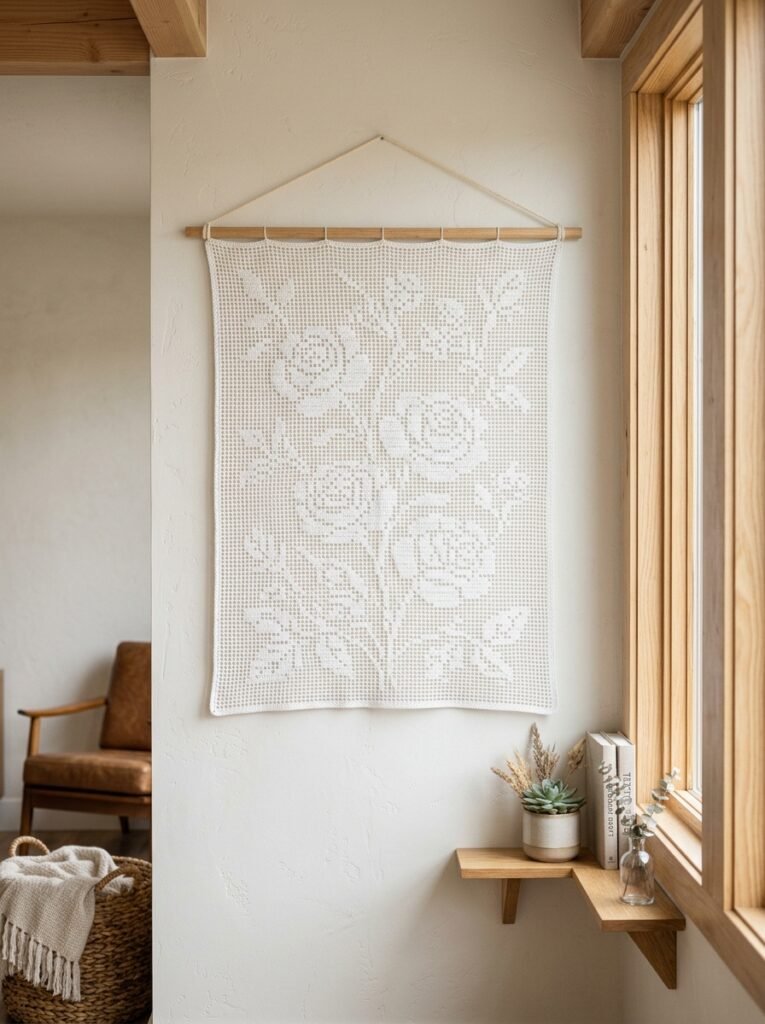
A larger floral panel can become beautiful wall decor. Combine flowers, leaves, and open mesh to create a design with plenty of breathing room. The contrast between filled blocks and empty spaces matters here. Too many filled areas can make the piece look heavy. A balanced chart allows the floral picture to remain clear.
7. Crochet Bag
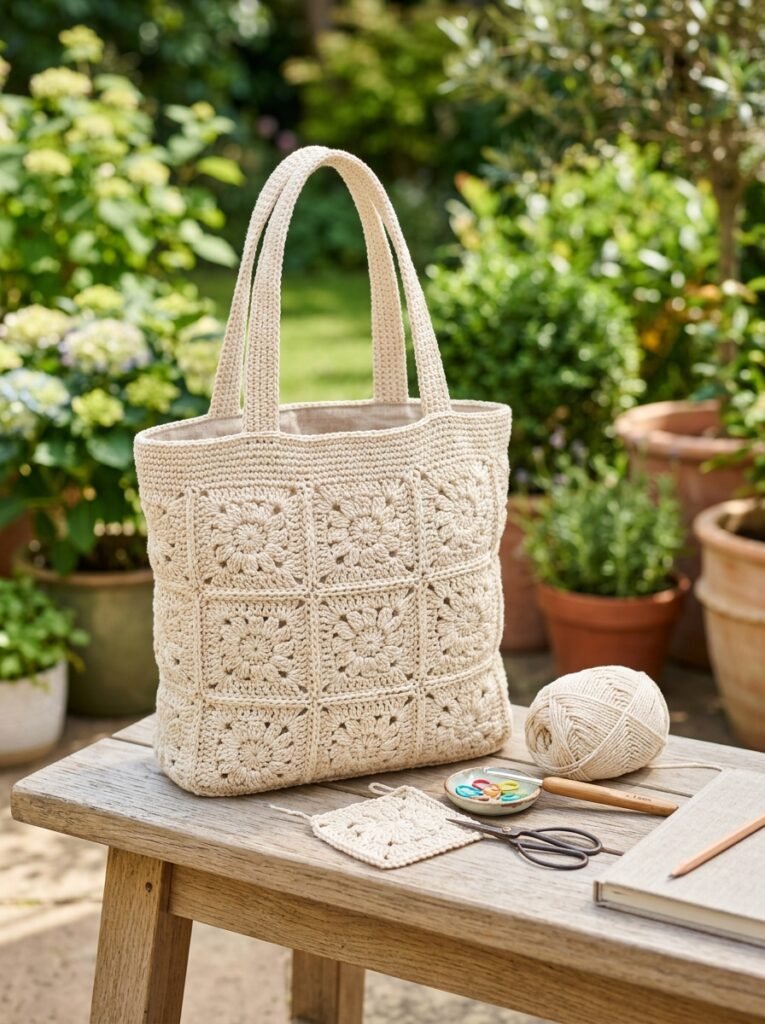
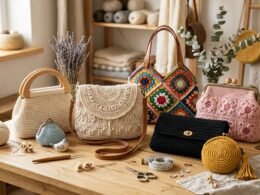
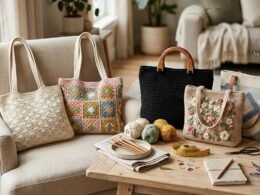
A crochet bag can combine useful function with decorative detail. Create the front panel using a floral, heart, or geometric chart while keeping the remaining sections simple. Remember that open mesh creates more space between stitches. If you want to carry small objects, add a fabric lining inside the bag. A lining also gives the bag more structure.
8. Tapestry-Inspired Grid Design
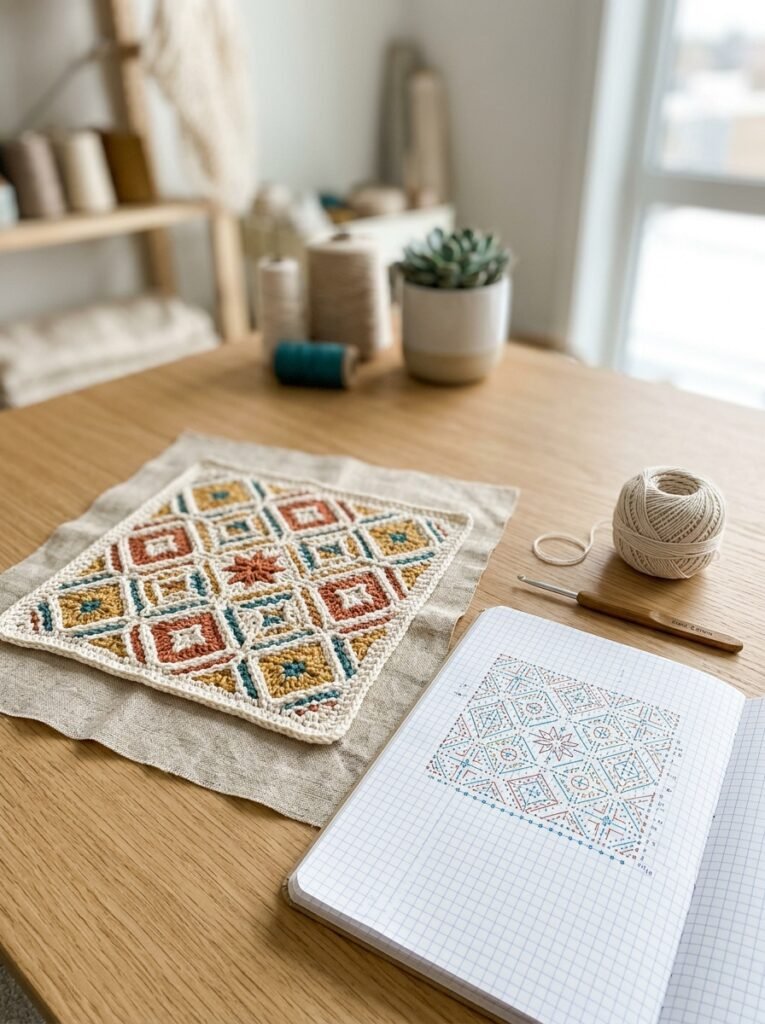
Tapestry crochet uses a different construction method, but its bold visual style can inspire your chart designs. Think about diamonds, stars, stripes, arrows, and repeating geometric shapes. Before starting, draw the idea on graph paper. This simple step lets you see whether the proportions look right before you spend time crocheting.
9. Crochet Bandana
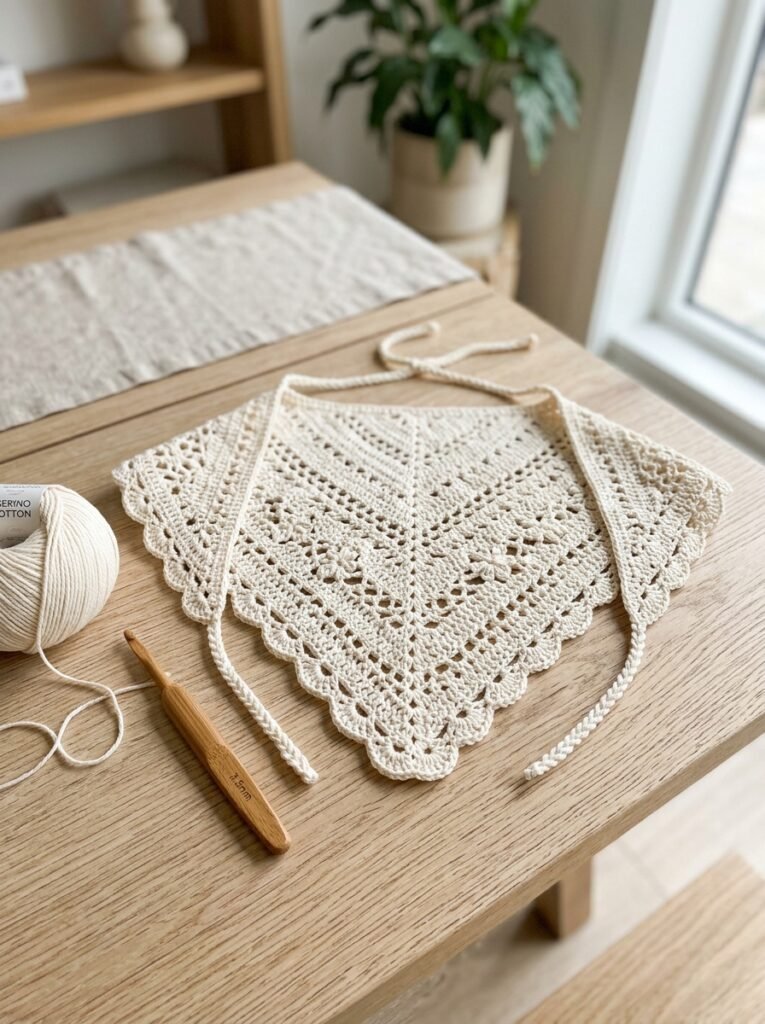
A triangular bandana gives the technique a modern fashion twist. Use a floral design in the center or a repeating geometric border around the edges. Choose lightweight yarn so the finished accessory remains comfortable. A neat border will also help the bandana hold its shape and give it a finished appearance.
10. Crochet Dress Detail
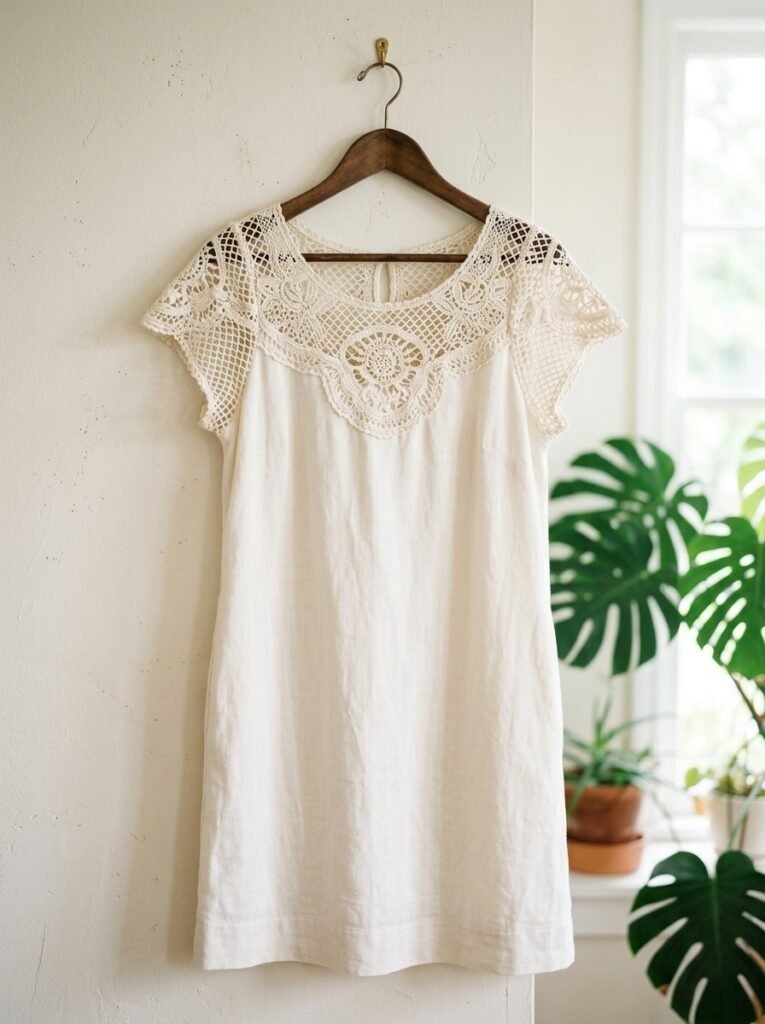
You do not need to make an entire dress with this technique. A decorative panel can add interest to a simple summer dress, cardigan, or top. Use an openwork section around the neckline, sleeves, back, or hem. Before attaching the panel, check its size and drape against the garment fabric. Open mesh can change how much coverage the finished clothing provides.
11. Easy Heart Pattern
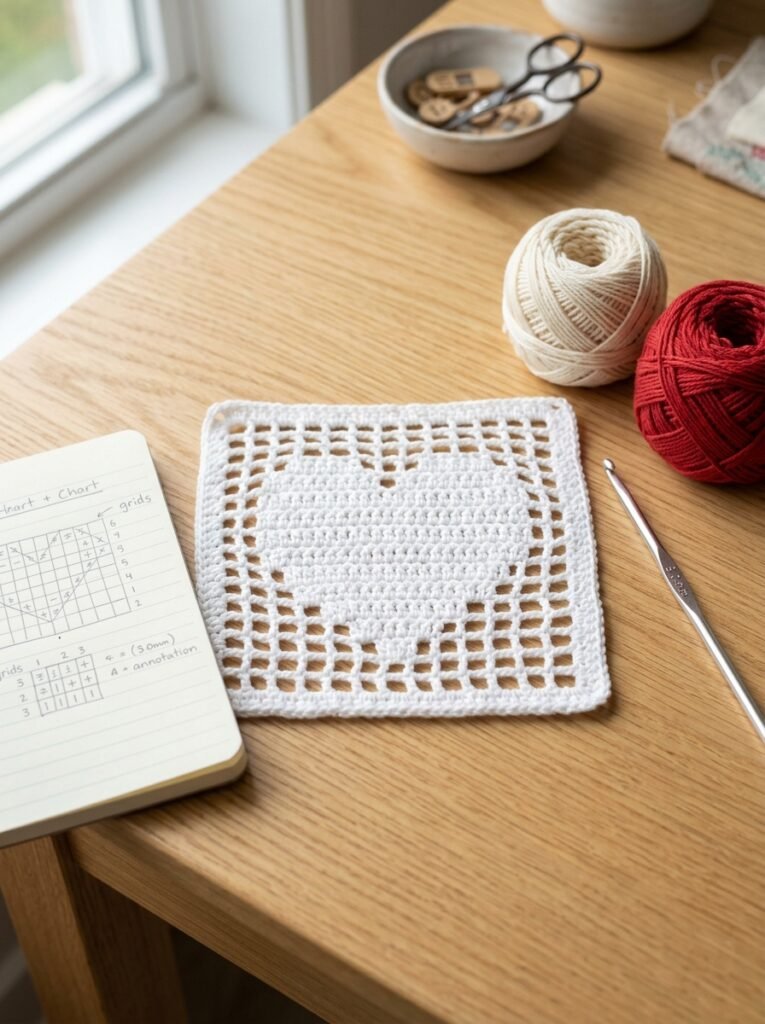
Hearts work beautifully because their shape remains recognizable even with a simple grid. Start with a small chart and focus on keeping the edges even. Once you understand the basic heart, repeat the motif across a table runner, curtain, scarf, or decorative panel. One small heart can also add a personal touch to a handmade gift.
12. Crochet Table Runner
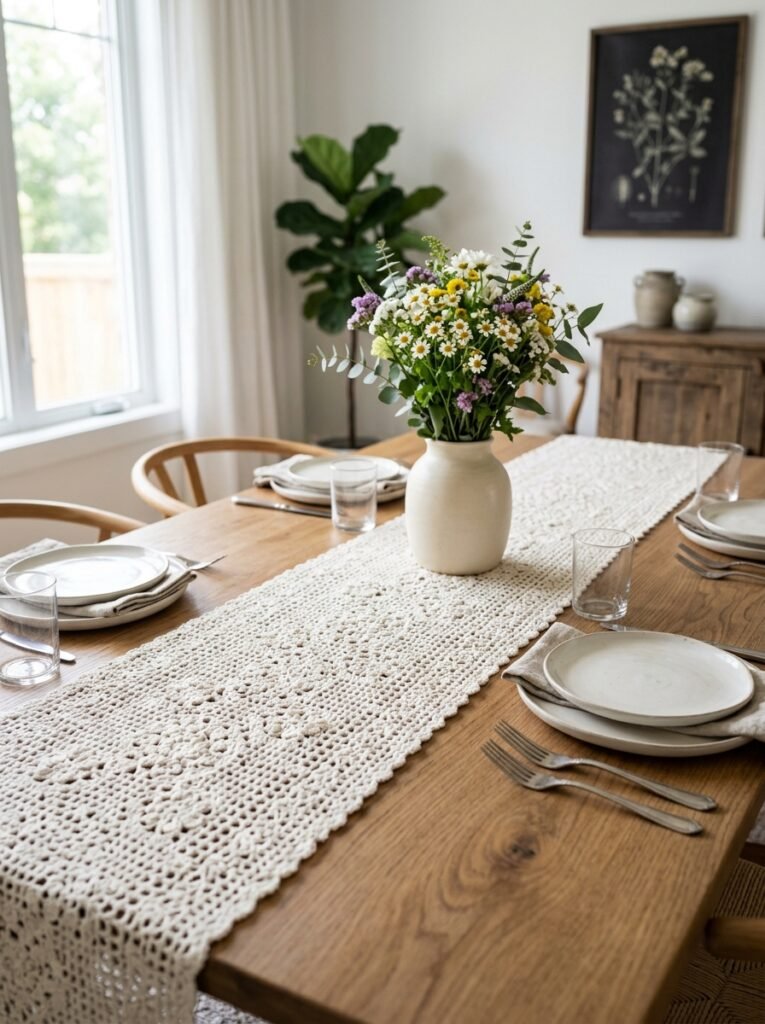
A table runner provides a long canvas for repeating motifs. Flowers, leaves, diamonds, hearts, and geometric borders all work well. Measure the table first. Then decide how much of the runner should hang over each end. Make a small section before starting the full project so you can check the scale of the design.
13. Free Chart Practice Piece
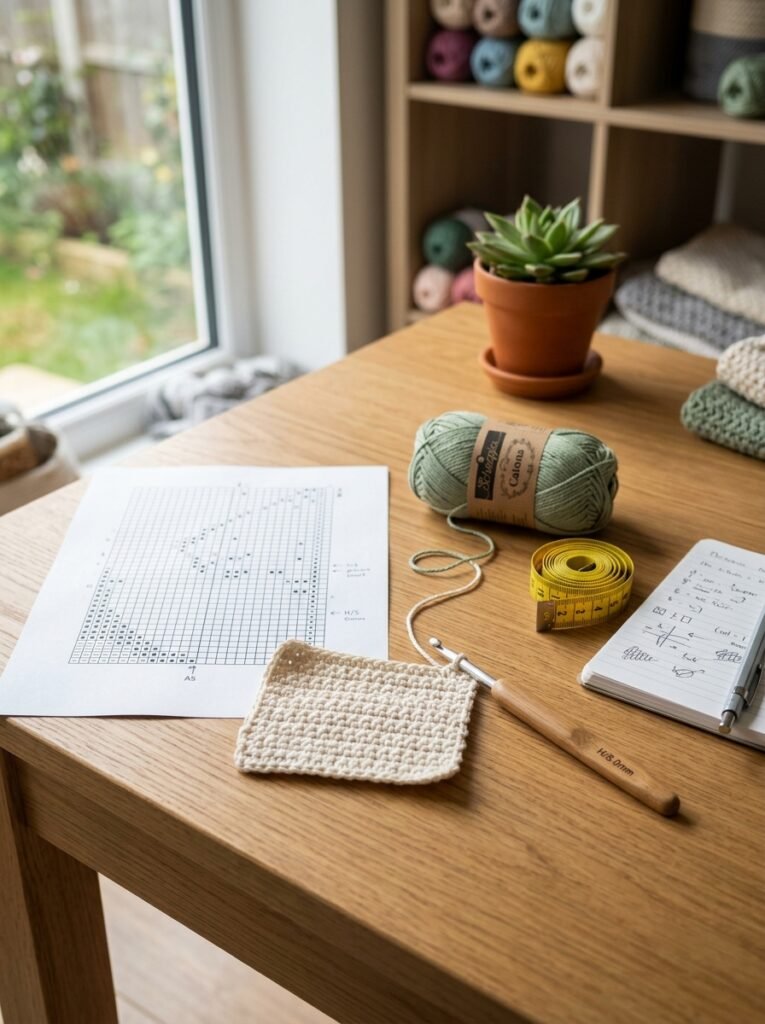
Free charts can give beginners an easy way to experiment. Start with a small motif rather than choosing a large curtain or complicated wall panel. Read the chart key before you begin. Find the starting point, row direction, repeated sections, and turning instructions. The Crochet Guild of America also highlights pattern reading, charts, and gauge as important crochet skills in its educational resources.
14. Floral Curtain Pattern
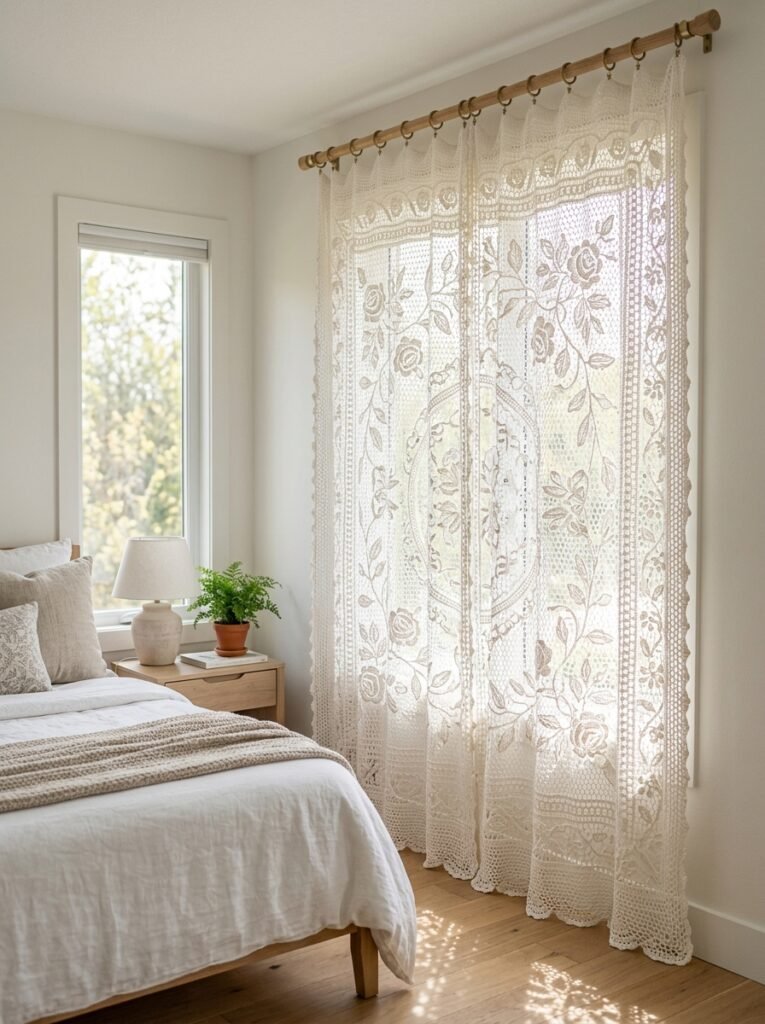
For a larger home project, combine repeated flowers into a curtain design. Keep enough open mesh around the flowers so the motifs remain easy to see. Make a small test section before beginning the complete curtain. It will help you judge the design scale, yarn weight, tension, and overall drape.
15. Personalized Name Panel
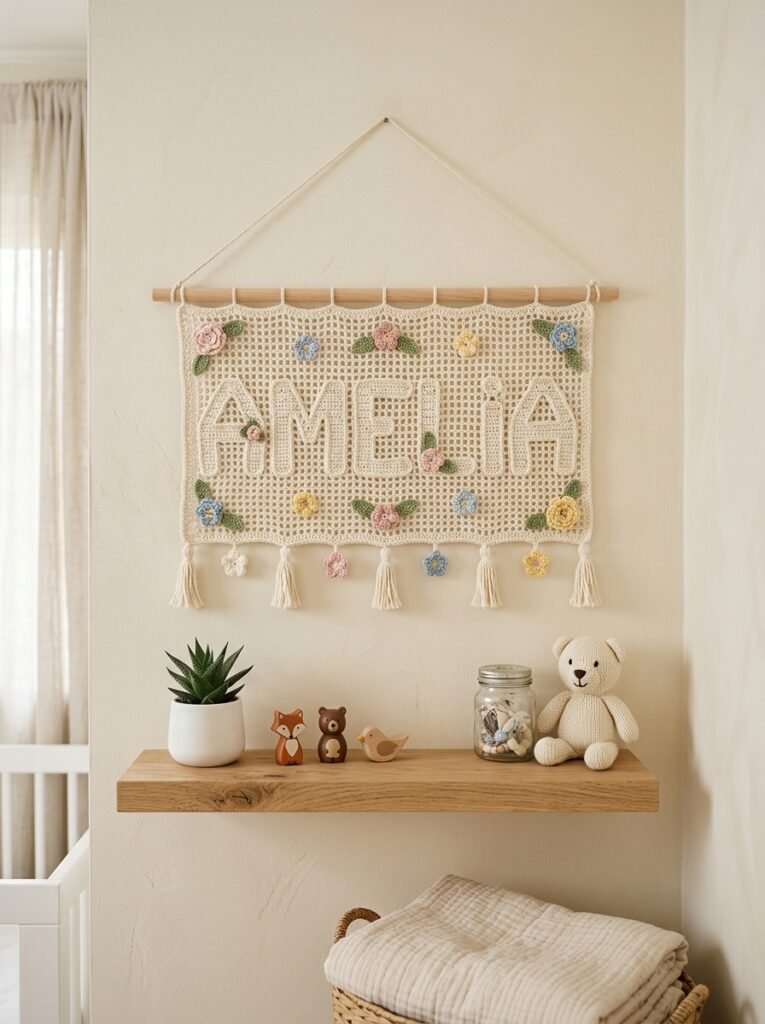
A personalized name panel makes a thoughtful nursery, bedroom, or handmade gift. Convert each letter into a simple grid and connect the letters with small flowers, hearts, or geometric motifs. Keep the letters bold enough to remain readable. If you add too many tiny details, the name can become difficult to recognize.
16. Modern Geometric Design
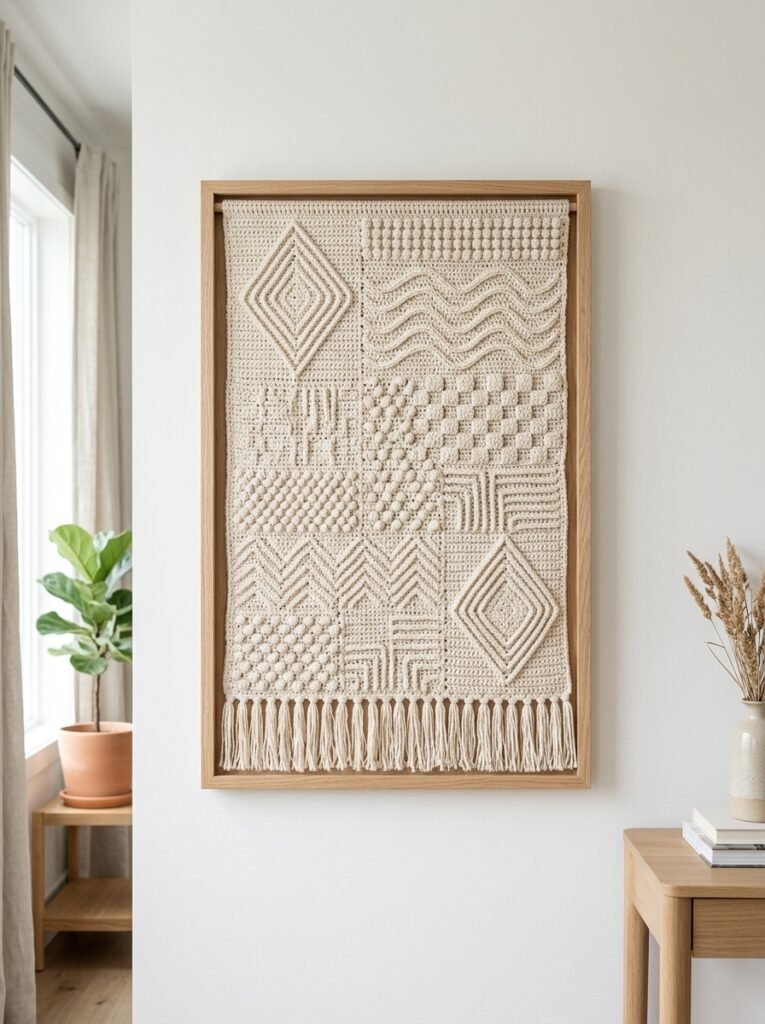
Traditional lace motifs are beautiful, but modern designs can give the technique a completely different personality. Try diamonds, waves, checkerboard patterns, arrows, or abstract shapes. Cream, black, gray, or one strong accent color can create a clean contemporary look.
How to Read Filet Crochet Charts
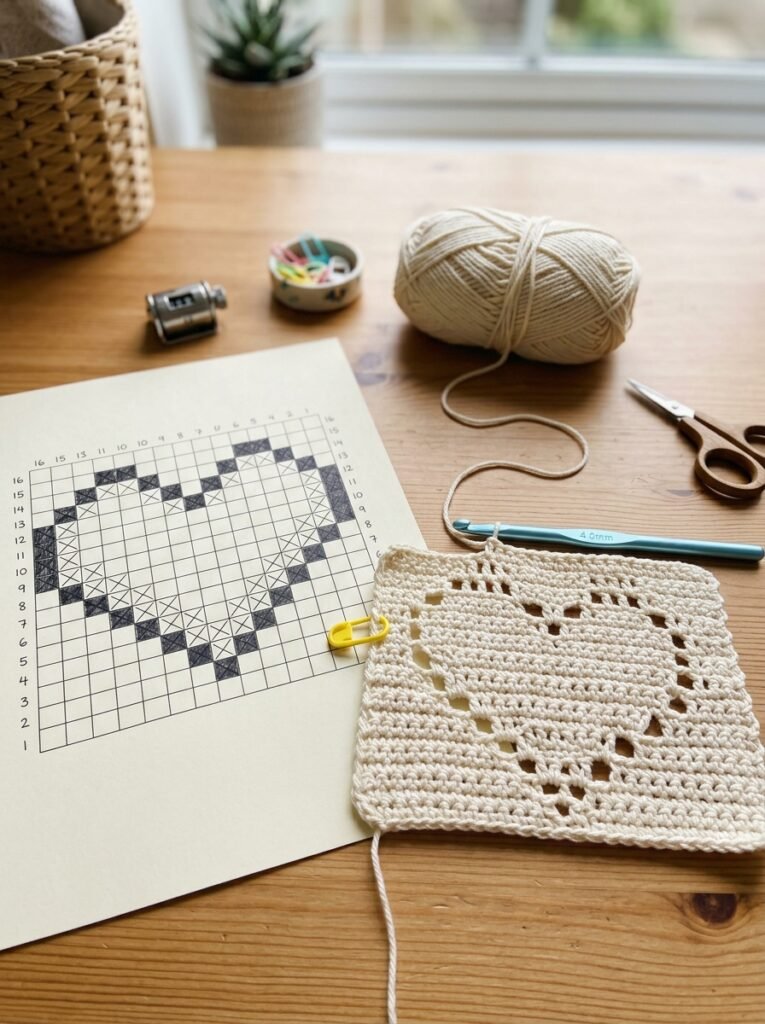
A chart may look complicated when you first see it. Once you understand the grid, however, it becomes much easier. Blank squares usually represent open mesh, while filled squares show solid blocks. Follow the rows carefully and check the pattern key before beginning. Some designs use symbols rather than simple squares, so the designer’s chart legend always matters. The Craft Yarn Council provides standardized crochet chart symbols for common stitches and explains how crochet charts can represent stitch construction visually. One useful habit is to mark every completed row. A small sticky note or pencil mark can prevent you from losing your place in a large chart. This becomes especially helpful when the design contains repeated motifs.
Choosing Yarn and Hook
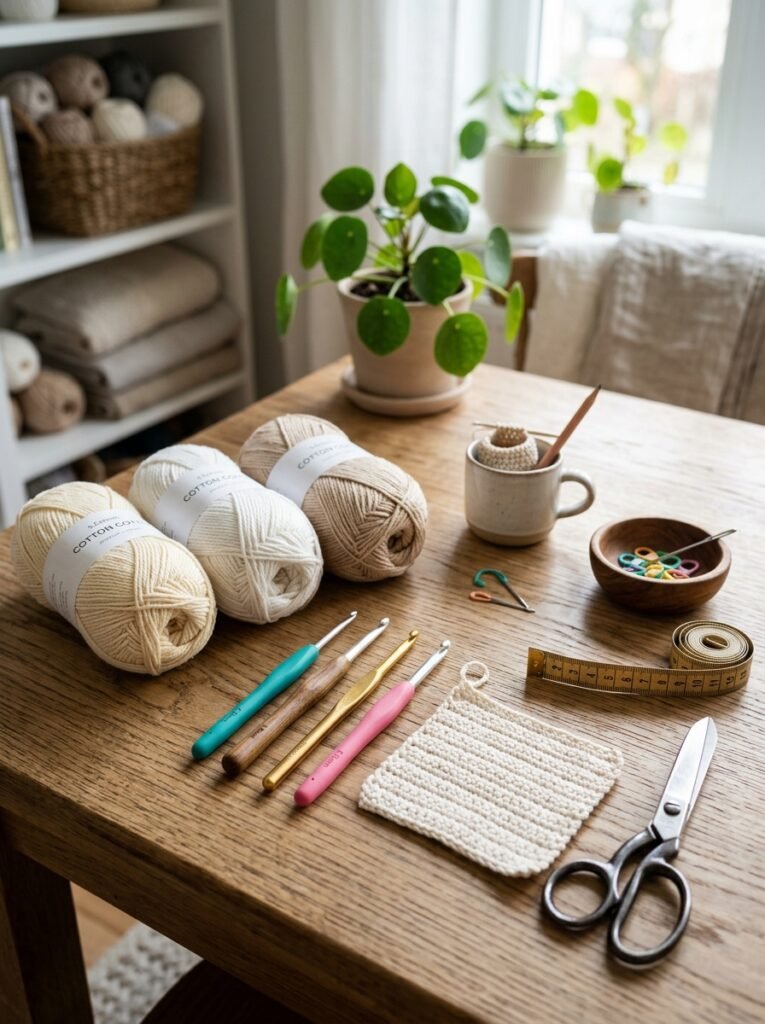
Smooth cotton yarn works especially well for detailed grid patterns because it keeps the stitches crisp and easy to see. Fuzzy or heavily textured yarn can hide small spaces and make counting harder. Choose your hook according to the yarn and the fabric you want. Always make a small swatch first. Check whether the mesh looks even and whether the finished fabric feels too loose or too stiff. The Crochet Guild of America recommends learning how yarn and hook choices affect crochet work and stresses the importance of consistent gauge.
Free or Paid Patterns?
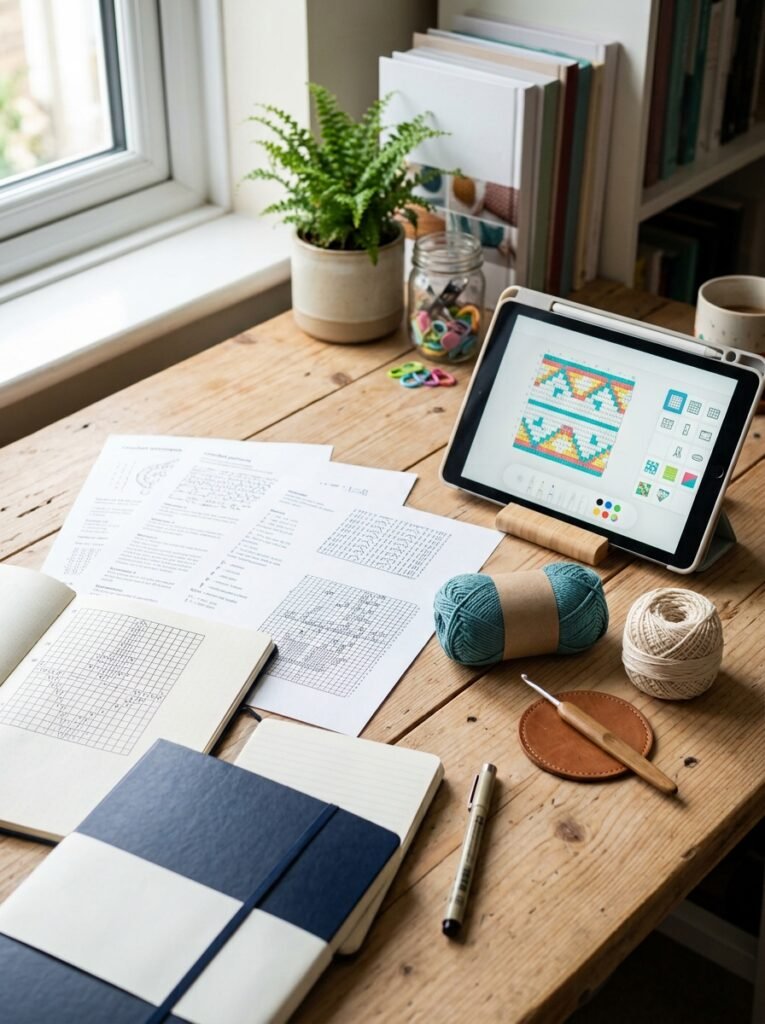
Free patterns are useful when you want to practice without making a large commitment. Look for charts that include a clear key, finished measurements, yarn information, hook size, and row instructions. Paid patterns can offer larger charts, multiple sizes, detailed tutorials, and more design support. Either way, read the complete instructions before you start. You will save time when you understand the construction first. The Crochet Guild of America currently offers educational classes focused on reading patterns, understanding charts, and creating original designs, showing how important these skills are when working with chart-based crochet.
Tips for Getting Cleaner Results
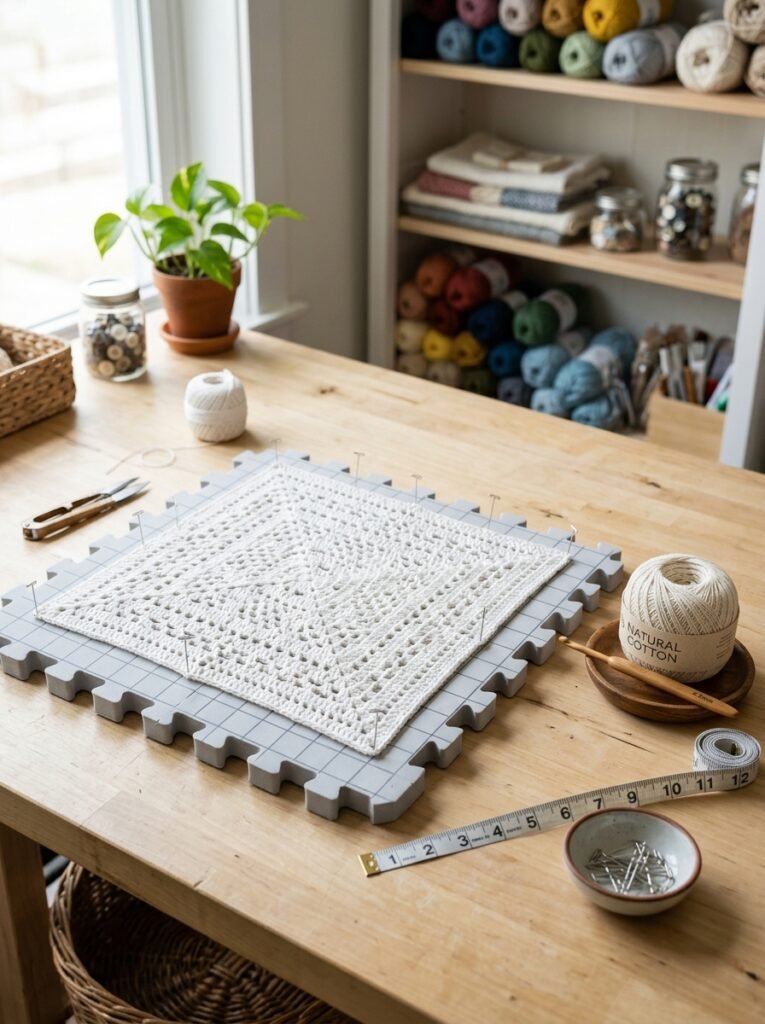
Count your stitches often. One missed chain can shift an entire picture and make later rows difficult to correct. Keep your tension steady, especially when switching between open and filled sections. If your work begins to look uneven, stop and check the previous few rows rather than continuing and hoping the problem disappears. Blocking can also improve the final appearance of many lace-style crochet projects. It can help straighten edges and open up the design so the pattern becomes easier to see.
Final Thoughts on Filet Crochet
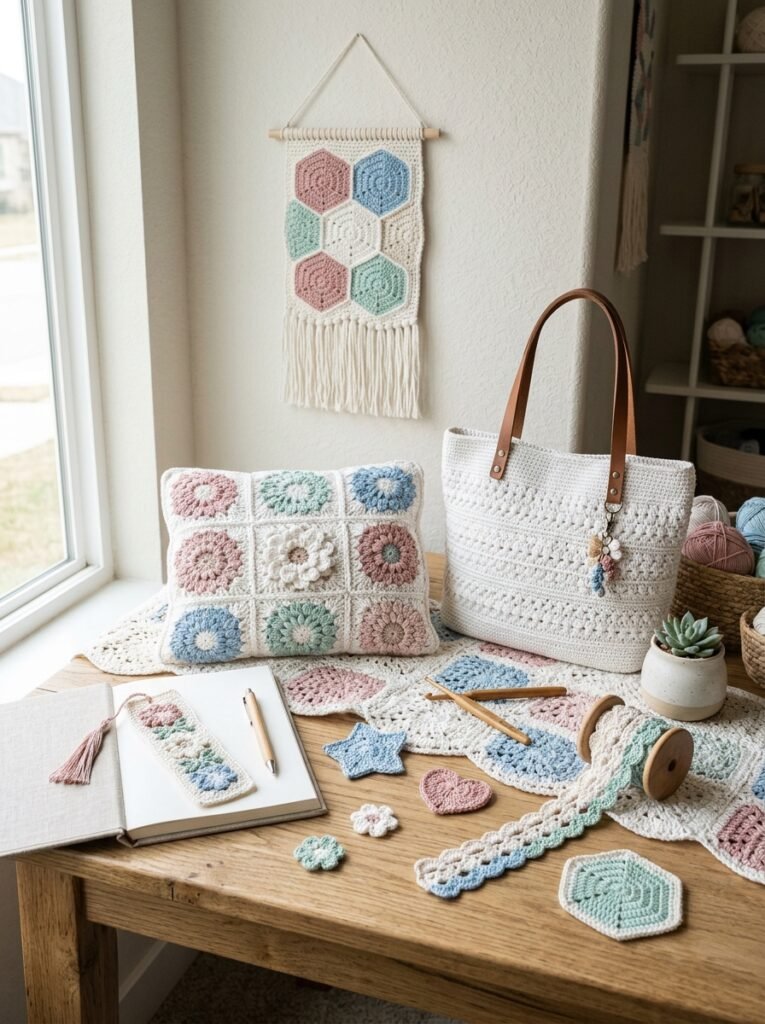
The charm of filet crochet comes from its simple visual language. A few basic stitches, open spaces, and filled blocks can create designs that look detailed and artistic. Start with a bookmark or small flower. Then move toward borders, bags, table runners, and personalized panels. When you feel comfortable reading charts, try a curtain or your own original design. The most important skill is patience. Count carefully, follow the chart, check your tension, and give yourself time to learn. With practice, filet crochet can become much more than a crochet technique. It can become a way to turn your own ideas into handmade art.