




This post may contain affiliate links. Please read my disclosure policy.
In This Article Show
Have you ever faced the frustrating situation of a toilet clogged with a tampon? It’s a common but tricky problem that can quickly turn your day upside down.
You might feel unsure about the best way to fix it without making a bigger mess or damaging your pipes. The good news is, you don’t have to panic or call a plumber right away. In this guide, you’ll discover simple, step-by-step methods to unclog your toilet safely and effectively.
Whether you have a plunger or a plumber’s snake handy, these tips will help you get your bathroom back in working order fast. Keep reading—you’ll be glad you did when your toilet is flowing smoothly again!
Causes Of Tampon Toilet Clogs
Understanding the causes of tampon toilet clogs helps prevent plumbing problems. Tampons do not break down like toilet paper. They absorb water and expand, causing blockages in pipes. These clogs can lead to slow drainage or toilet overflow. Knowing why tampons cause blockages and common mistakes can save time and money.
Why Tampons Cause Blockages
Tampons are designed to absorb liquid and swell. When flushed, they can get stuck in narrow pipes. Unlike toilet paper, tampons do not dissolve quickly. This makes them hard to break down in sewage systems. They can catch on bends or rough spots inside pipes. Over time, tampons collect other debris and form large clogs. This blocks water flow and causes toilets to clog.
Common Mistakes Leading To Clogs
Many people flush tampons thinking they will disappear. Flushing multiple tampons at once increases clog risks. Using heavy or super-absorbent tampons also adds to blockages. Some forget to check the toilet’s flush strength before flushing tampons. Another mistake is flushing tampons along with other non-flushable items. These errors cause stubborn clogs and expensive repairs.
Initial Steps To Clear The Clog
Starting the process to clear a tampon clog requires careful preparation. Taking simple safety and practical steps can make the task easier and cleaner. Begin by preparing yourself and the area around the toilet. Then check the water level in the bowl. These actions set the stage for effective unclogging.
Wearing Gloves And Preparing The Area
Put on rubber gloves to protect your hands from germs. Gloves also keep your hands clean from splashes. Lay down old towels or newspapers around the toilet base. This helps catch any water spills and keeps the floor dry. Remove any items near the toilet to avoid damage. Make sure the bathroom is well-ventilated for comfort. Preparing the area keeps the process tidy and safer.
Checking Water Level In The Bowl
Look at the water level in the toilet bowl. The plunger needs to be fully submerged to work well. If the water is too low, add some from a bucket or jug. Avoid flushing more to prevent overflow. The right water level helps create a strong seal with the plunger. This improves the chances of clearing the clog quickly.
Using A Plunger Effectively
Using a plunger effectively is the first step to clear a toilet clogged with tampons. A plunger creates pressure and suction to loosen the blockage. Proper technique improves your chances of removing the tampon quickly. Follow these key steps to use a plunger correctly and avoid making the problem worse.
Choosing The Right Plunger
Select a flange plunger for toilets. It has an extended rubber flap that fits well into the toilet drain. Avoid cup plungers, which work better on flat surfaces like sinks. A good plunger should be sturdy and flexible. Check that the rubber is not cracked or hardened. A strong plunger creates better suction to dislodge the tampon.
Creating A Tight Seal
Place the plunger directly over the toilet drain hole. Make sure the rubber flange fits snugly inside the hole. Press down slowly to remove air and create a tight seal. The seal is key to building suction and pressure. Add water to the bowl if needed. The plunger head must be submerged for effective plunging.
Plunging Techniques For Tampon Removal
Push the plunger down firmly and then pull up sharply. Use rapid, forceful thrusts to build pressure. Avoid breaking the seal during plunging. Repeat the push and pull motion about 15 to 20 times. Check if the water starts to drain. Stop plunging if water drains slowly and flush carefully. Repeat the process if the clog remains.

Credit: www.youtube.com
Employing A Plumber’s Snake
Employing a plumber’s snake is an effective way to clear a toilet clogged with tampons. This tool reaches deep into the drain to break up or pull out blockages. Using it carefully can save time and avoid damage to your plumbing. Follow simple steps to use the snake correctly and safely.
How To Insert The Snake
Wear rubber gloves to protect your hands. Hold the snake’s handle firmly. Insert the snake’s tip slowly into the toilet drain. Push it gently but steadily. Keep going until you feel resistance. This means the snake has reached the clog.
Working The Clog Free
Turn the snake’s handle clockwise. This helps the snake’s tip to grab the blockage. Move the snake back and forth gently. Avoid forcing it too hard. This action breaks up or loosens the tampon clog. Continue until you feel less resistance.
Removing The Tampon Safely
Slowly pull the snake out of the drain. The tampon may come out attached to the snake. Dispose of the tampon properly. Avoid flushing it again. Flush the toilet to check if water drains smoothly. Repeat the process if the clog remains.
Alternative Diy Methods
When a tampon clogs your toilet, standard plunging may not always clear it. Alternative DIY methods can help break down or dislodge the blockage effectively. These simple tricks use common household items to tackle the clog. They are easy to try before calling a plumber.
Hot Water And Dish Soap Trick
Start by pouring a generous amount of dish soap into the toilet bowl. The soap helps lubricate the tampon and pipes. Next, heat a gallon of water until it is very hot but not boiling. Carefully pour the hot water into the bowl from waist height. The force and heat soften the tampon and push it through the pipes. Let the mixture sit for 15 to 20 minutes. Then, try flushing. Repeat if needed. This method is gentle on pipes and safe for septic systems.
Why Drain Cleaners Don’t Work
Most chemical drain cleaners fail to clear tampon clogs. Tampons are made of cotton and synthetic fibers that resist dissolving. Chemicals designed for hair or grease cannot break down tampon material. These cleaners may also damage your pipes or harm septic tanks. Using harsh chemicals can lead to costly repairs. Physical removal or manual methods work better for tampon blockages. Avoid drain cleaners for this type of clog to prevent further issues.

Credit: www.wikihow.com
When To Call A Professional
Knowing when to call a professional plumber is important for clogged toilets caused by tampons. Some blockages are too tough or deep to fix safely with home tools. Early action can prevent bigger damage and costly repairs.
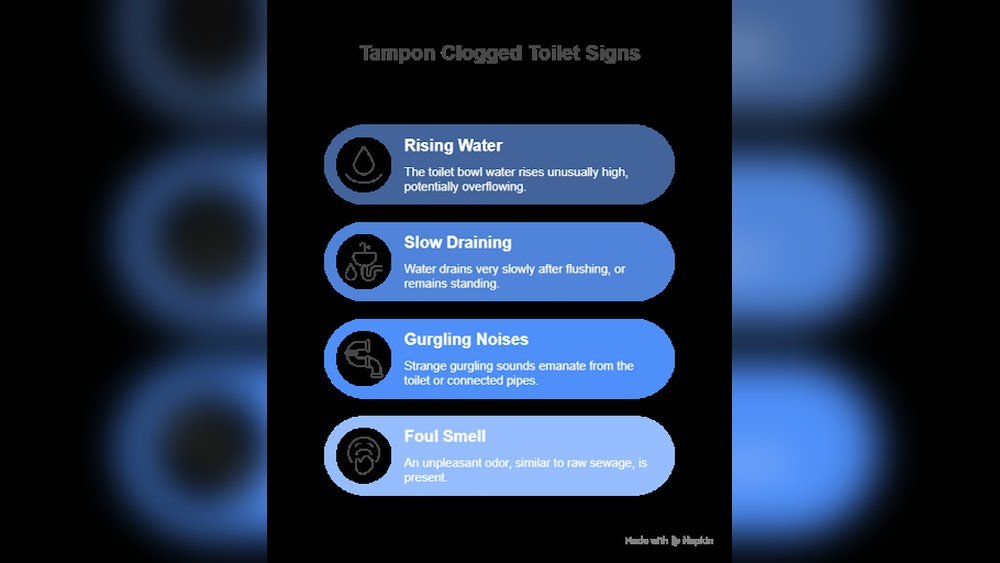
Signs Of A Deep Pipe Blockage
- Water drains very slowly or not at all after plunging.
- Multiple drains in your home back up at the same time.
- Unusual gurgling sounds come from the toilet or drains.
- Water rises close to the top of the bowl and stays there.
- Foul odors persist even after flushing or cleaning.
These signs usually mean the blockage is far down the pipes. It needs special tools and skills to clear safely.
Risks Of Diy Attempts Gone Wrong
- Using too much force can crack the toilet or pipes.
- Inserting objects improperly can push the tampon deeper.
- Harsh chemicals may damage plumbing or harm the environment.
- Incorrect tools might not remove the clog and cause leaks.
- Prolonged DIY can worsen the blockage and lead to flooding.
Calling a plumber reduces risk and ensures the problem is fixed correctly.
Preventing Future Tampon Clogs
Preventing future tampon clogs is essential to keep your toilet functioning well. Taking simple steps can stop these blockages from happening again. Proper disposal and clear communication help protect your plumbing.
Proper Tampon Disposal Tips
Never flush tampons down the toilet. Tampons absorb water and expand, causing blockages. Wrap used tampons in toilet paper. Dispose of them in a trash bin instead. Use a small, covered bin in the bathroom for hygiene. This practice reduces plumbing problems and keeps pipes clear.
Educating Household Members
Talk openly with everyone in your home about tampon disposal. Explain why flushing tampons causes clogs and costly repairs. Share proper disposal steps clearly and kindly. Place reminder signs near the toilet if needed. Teaching everyone helps maintain a clog-free bathroom for all.
Credit: www.hunker.com
Frequently Asked Questions
What To Do If Tampon Clogged Toilet?
Wear gloves and use a plunger with water to create suction. If needed, try a plumber’s snake to remove the tampon. Call a professional plumber if these methods fail or feel uncomfortable. Avoid flushing tampons to prevent future clogs.
Will Drain Cleaner Dissolve Tampons?
No, drain cleaners do not dissolve tampons. Tampons absorb liquids and resist breaking down, causing persistent clogs.
What Happens If You Flush A Used Tampon Down The Toilet?
Flushing a used tampon can clog pipes and damage plumbing. Tampons absorb water and don’t break down easily. This causes blockages. Avoid flushing tampons to prevent costly repairs. Use trash bins for disposal instead.
How To Unblock A Toilet Blocked By Sanitary Pad?
Wear gloves and ensure the plunger is submerged. Plunge firmly several times to loosen the pad. Use a plumber’s snake if needed. Call a professional plumber if the clog persists or feels deep. Avoid flushing pads to prevent future blockages.
Conclusion
Clearing a tampon clog takes patience and the right tools. Start with a plunger, making sure to create a strong seal. If that fails, try a plumber’s snake to reach deeper blockages. Avoid flushing tampons to prevent future clogs. When in doubt, call a professional plumber to protect your pipes.
Taking quick action helps avoid costly repairs and keeps your toilet flowing smoothly. Remember, simple steps can save a lot of trouble later.