




This post may contain affiliate links. Please read my disclosure policy.
In This Article Show
Is your shower faucet wobbling or pulling away from the wall? A loose shower faucet isn’t just annoying—it can lead to leaks, water damage, and costly repairs if left unchecked.
But don’t worry, fixing it yourself is easier than you think. In this guide, you’ll learn simple, step-by-step methods to tighten and secure your shower faucet so it feels solid and safe again. Whether it’s a small gap or a shaky handle, you’ll discover practical tips to restore your faucet’s stability without calling a plumber.
Keep reading, and by the end, you’ll have the confidence to fix that loose faucet and enjoy a hassle-free shower once more.

Identify The Cause
Before fixing a shower faucet loose from the wall, it is important to identify the cause. Understanding what makes the faucet loose helps in choosing the right solution. This step saves time and effort. It also prevents damage to plumbing or walls. Start by checking the faucet handle, then inspect the mounting hardware, and finally examine the pipe connection.
Check Faucet Handle
Begin with the faucet handle. Look for any wobbling or play in the handle. A loose handle might mean a stripped screw or worn part inside. Remove the handle carefully to check the screws. Tighten any loose screws or replace damaged parts. This simple check often solves the problem.
Inspect Mounting Hardware
Next, inspect the mounting hardware holding the faucet to the wall. These include screws or bolts that secure the faucet plate or flange. Over time, they can become loose or corroded. Use a screwdriver to tighten all visible screws. If screws spin without tightening, the anchors inside the wall might be damaged. Replace broken anchors to restore a strong hold.
Examine Pipe Connection
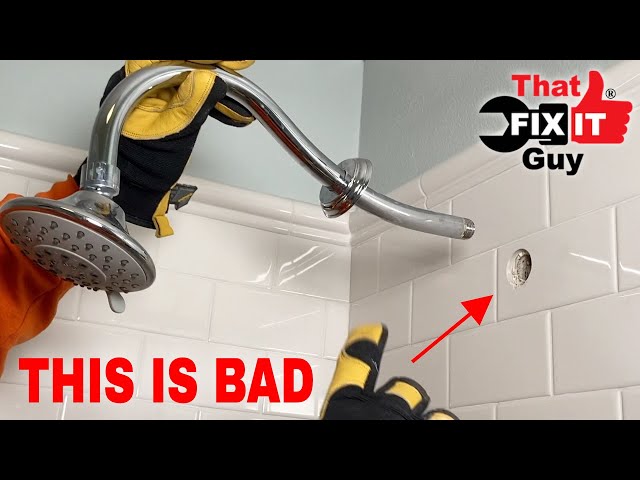
Finally, examine the pipe connection behind the faucet. The faucet attaches to plumbing pipes inside the wall. Loose or damaged fittings can cause the faucet to move. Carefully remove the faucet to check the pipe connection. Tighten any loose fittings with a wrench. Look for leaks or corrosion. Repair or replace damaged pipes to ensure a secure fit.
Gather Tools And Materials
Before starting to fix a shower faucet loose from the wall, gather all necessary tools and materials. Having everything ready makes the repair faster and easier. It also helps avoid interruptions and frustration during the work. This section lists essential tools and recommended materials you will need for a smooth repair process.
Essential Tools
- Phillips screwdriver – to remove and tighten screws
- Flathead screwdriver – for prying and adjusting
- Adjustable wrench – to hold or turn nuts and bolts
- Allen wrench (hex key) – for set screws on some faucet handles
- Utility knife – to cut old caulk or sealant
- Flashlight – to see inside tight or dark spaces
- Needle-nose pliers – to grip small parts or wires
Recommended Materials
- Silicone caulk – waterproof sealant made for bathrooms
- Pipe thread tape (Teflon tape) – to seal threaded connections
- Replacement screws – in case old ones are damaged or rusty
- Plumber’s putty – to seal and hold parts in place
- Cleaning cloths – to wipe surfaces clean before fixing
- Rubbing alcohol – to remove dirt and oils before sealing
Remove Faucet Handle
Removing the faucet handle is the first step to fixing a loose shower faucet. This step lets you access the inner parts that need tightening. Handle removal is simple with the right tools and careful steps. Follow the instructions below to safely remove the handle without damage.
Turn Off Water Supply
Start by shutting off the water supply to the shower. This prevents water from leaking or spraying during repair. Locate the main water valve and turn it clockwise to close. Double-check that no water flows from the shower before proceeding.
Unscrew Handle
Find the screw that holds the faucet handle in place. Usually, it is under a decorative cap or at the base. Use a flathead screwdriver or a small knife to gently pry off the cap. Then use a Phillips screwdriver to unscrew the handle.
Once the screw is removed, carefully pull the handle straight off the faucet stem. Avoid using too much force to prevent breaking the handle. With the handle off, you can access the mounting hardware and fix the loose faucet securely.
Tighten Loose Parts
Tightening loose parts is the first step to fix a shower faucet loose from the wall. Small adjustments can stop the faucet from wobbling. It also prevents water leaks behind the wall. This process saves money and avoids bigger repairs later.
Start by checking screws and fittings. Tightening these parts often restores stability. Use simple tools like a screwdriver or wrench. Work carefully to avoid damaging the faucet or wall.
Secure Mounting Screws
Locate the screws holding the faucet to the wall. These are usually hidden under the faucet handle or trim plate. Remove the handle carefully to expose the screws.
Use a screwdriver to tighten each screw firmly. Do not overtighten as this may strip the screw holes. If screws are missing or damaged, replace them with new ones of the same size.
Check if the faucet feels secure after tightening. If it still moves, proceed to adjust other parts. Ensuring screws are tight is key to a stable faucet.
Adjust Pipe Nipple
The pipe nipple connects the faucet to the plumbing inside the wall. Sometimes it loosens over time causing the faucet to wiggle. To fix this, remove the faucet body gently.
Use a pipe wrench to turn the nipple clockwise. Tighten it until it feels snug but avoid forcing it. If the nipple is damaged or corroded, replace it to ensure a good fit.
After adjusting, reattach the faucet and test for stability. Properly tightening the pipe nipple prevents faucet movement and leaks.
Replace Pipe Nipple
Replacing the pipe nipple is a key step in fixing a loose shower faucet from the wall. The pipe nipple connects the faucet to the plumbing inside the wall. Over time, it may become damaged, corroded, or the wrong size, causing the faucet to wobble or loosen. Swapping out the old pipe nipple for a new one can secure the faucet tightly and prevent leaks.
Choose Correct Length
Measure the old pipe nipple carefully before buying a new one. The length must fit exactly between the wall plumbing and the faucet. A pipe nipple that is too short will not reach the faucet. A pipe nipple that is too long will push the faucet away from the wall. Both cause instability. Choose a pipe nipple made of durable material like brass or stainless steel. This ensures long-lasting strength and resistance to corrosion.
Install New Nipple
Turn off the water supply before starting the installation. Remove the old pipe nipple by unscrewing it from the plumbing and faucet. Clean the threads inside the plumbing and faucet to remove debris. Wrap plumber’s tape around the threads of the new pipe nipple. This helps create a tight, leak-free seal.
Screw the new pipe nipple into the plumbing by hand at first. Tighten it firmly with a pipe wrench, but do not overtighten. Attach the faucet to the new pipe nipple and tighten the connection. Check that the faucet fits snugly against the wall. Turn on the water supply and test for leaks. The faucet should now be stable and secure.

Use A Trim Plate
Using a trim plate is an effective way to fix a shower faucet that feels loose from the wall. This simple part covers gaps and stabilizes the faucet. It also improves the look by hiding rough edges around the fixture.
The trim plate fits snugly around the faucet base. It helps hold the faucet steady by providing extra support. Installing one can stop the faucet from wobbling or moving when you use it.
Select Proper Size
Choose a trim plate that matches your faucet size. Measure the diameter of the faucet base first. The plate should cover the hole around the pipe completely. It must not be too big or too small.
Most trim plates come in standard sizes. Check the product details before buying. A good fit ensures the plate sits flush against the wall. This prevents water from seeping behind the faucet.
Install Around Faucet
Turn off the water supply before starting. Remove any old caulk or debris from the wall. Slide the trim plate over the faucet pipe carefully. Make sure it fits flat against the wall surface.
Secure the plate using screws or adhesive, depending on its design. Use silicone caulk around the edges for a tight seal. Smooth the caulk to keep water out and prevent mold.
Once installed, check if the faucet feels stable. The trim plate should hold it firmly in place. This simple fix keeps your shower faucet secure and neat.
Seal Gaps With Caulk
Sealing gaps around a loose shower faucet is important to stop water leaks. Caulk creates a tight barrier that keeps water from seeping behind the wall. This protects the wall and plumbing from damage. Use silicone caulk made for bathrooms to ensure it resists moisture well. Follow simple steps to apply caulk properly and keep your faucet secure and dry.
Clean And Dry Area
Start by wiping the area around the faucet. Remove dirt, soap scum, and old caulk. Use a cloth or sponge with mild cleaner. Make sure the surface is completely dry before caulking. Moisture can stop the caulk from sticking well.
Apply Silicone Caulk
Choose a silicone caulk made for tubs and showers. Cut the tip of the tube to fit the gap size. Slowly squeeze the caulk into the gap. Fill the space completely to block water from entering.
Smooth Caulk Line
Wet your finger with water and gently run it over the caulk. This smooths the line and pushes caulk into small cracks. Wipe off extra caulk with a damp cloth. A neat line looks better and seals better.
Leave Bottom Open For Drainage
Do not seal the bottom part of the gap. Leaving it open allows water to drain out. This prevents water from getting trapped behind the faucet. Proper drainage stops mold and wall damage.
Test Stability And Function
Testing the stability and function of a shower faucet is a crucial step in the repair process. It ensures the faucet is secure and works properly after tightening or fixing. This step helps catch any issues before finishing the job.
Check Faucet Movement
Gently move the faucet by hand. Wiggle it side to side and up and down. The faucet should feel firm and not shift easily. Small movement means the faucet still needs tightening or support. If it moves freely, check the mounting hardware again.
Turn On Water And Inspect
Turn on the water slowly. Watch for leaks around the faucet base and handle. Make sure the water flow is steady and can be adjusted smoothly. Any drips or shaky handles show the faucet is not fully fixed. Repeat tightening steps if needed.
Prevent Future Looseness
Preventing your shower faucet from becoming loose again saves time and effort. Simple habits and careful handling help keep it secure. These steps reduce wear and stop damage to wall fittings. Focus on regular checks and proper tightening to avoid future problems.
Regular Maintenance
Check your shower faucet every few months. Look for signs of wobbling or looseness. Tighten any screws gently to keep parts in place. Clean around the faucet to remove soap buildup. This prevents corrosion that can weaken connections. Early fixes stop small issues from growing bigger.
Avoid Over-tightening
Tighten screws and nuts just enough to hold the faucet firm. Too much force can strip threads or crack the wall. Use a screwdriver or wrench with care. Stop as soon as the faucet feels solid. Over-tightening causes damage, leading to more looseness later.
Frequently Asked Questions
How To Tighten A Loose Shower Faucet?
Turn off water supply. Remove the faucet handle with a screwdriver. Tighten the mounting screws or replace the pipe nipple if needed. Reattach the handle securely. Seal gaps with silicone caulk, leaving the bottom open for drainage. Check for stability before use.
How To Fill A Gap Between A Shower Faucet And A Wall?
Clean and dry the gap area thoroughly. Install a trim plate or flange to cover large gaps. Apply silicone caulk around edges, leaving the bottom open for drainage. For loose spouts, tighten or replace the pipe nipple for a secure fit before sealing.
How To Fix A Loose Shower Head From A Wall?
Tighten the shower head by gripping and turning it clockwise onto the pipe arm. Use plumber’s tape for a secure seal. If loose persists, remove and check the pipe nipple or replace it with a shorter one. Apply silicone caulk around the flange to seal gaps without blocking drainage.
What To Do If Your Shower Is Leaking Behind The Wall?
Shut off water supply immediately. Remove wall access panel to inspect leak source. Tighten or replace damaged pipes or fittings. Use waterproof sealant around fixtures. Call a professional plumber if unsure or damage is extensive.
Conclusion
Fixing a loose shower faucet from the wall is simple and quick. Tighten screws carefully to avoid damage. Use a trim plate to cover gaps neatly. Apply silicone caulk to seal and protect from water. Keep the area clean and dry before starting repairs.
These small steps help keep your shower safe and stable. Regular checks prevent future loosening and leaks. A steady faucet improves your shower experience and saves money. Try these tips for a secure, long-lasting fix today.