




This post may contain affiliate links. Please read my disclosure policy.
In This Article Show
Are you facing a stubborn clog and wondering, “Will a drain snake go through a trap?†You’re not alone. Many homeowners hesitate when it comes to snaking drains because the P-trap—the curved pipe under your sink—looks like a tricky barrier.
The good news is, yes, a drain snake can usually get through a trap, but there are smart ways to do it that save you time and avoid frustration. You’ll discover practical tips on how to snake your drain effectively, whether you decide to remove the trap first or work around it.
Keep reading to learn the step-by-step tricks that will help you clear that clog like a pro and get your water flowing smoothly again.
Using A Drain Snake With A P-trap
Using a drain snake with a P-trap requires some care. The P-trap is a curved pipe under sinks. It holds water to block sewer gases. This shape can make snaking tricky. The snake may not pass easily through the bends. Understanding how to work with or around the P-trap helps clear clogs faster.
Removing The P-trap First
Removing the P-trap is often the easiest way to use a drain snake. First, place a bucket under the trap to catch water. Then, loosen the slip nuts that hold the trap in place. You might need a wrench or can sometimes do it by hand. Take the trap off and check for clogs inside it. Clean any debris by hand. Next, insert the snake directly into the drainpipe going into the wall. Push the snake cable in until you feel resistance. Lock the collar and rotate the snake to break up the clog. This method avoids the trap’s curves and makes snaking smoother.
Snaking Without Removing The P-trap
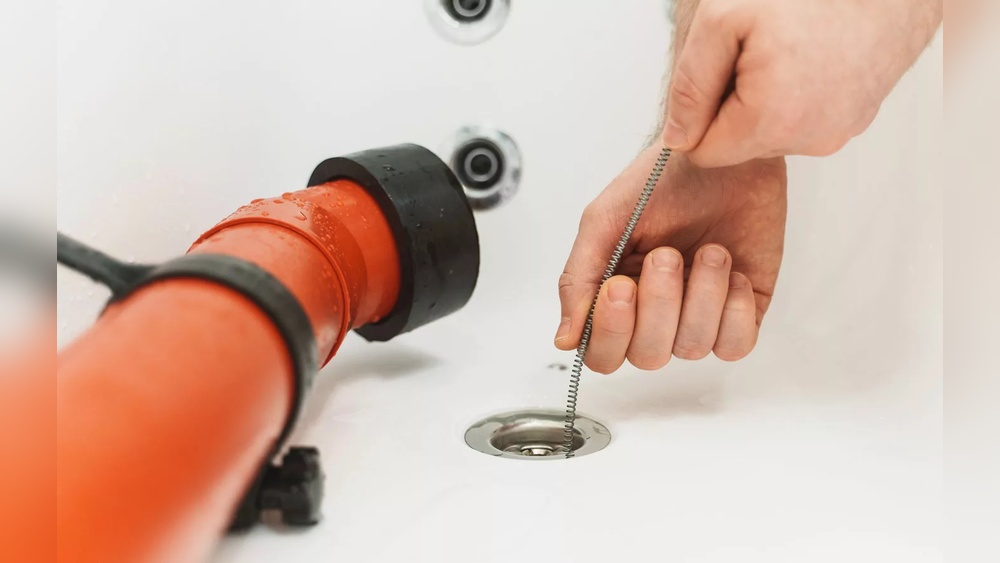
Snaking without removing the P-trap takes more effort. Loosen the screw on the drum auger to let the cable move freely. Feed the snake into the drain and try to push it past the trap’s bend. When you hit resistance, turn the auger handle slowly to help the cable move through. Apply steady pressure but do not force it. If the snake cannot pass, try using a more flexible cable. Keep pushing and turning gently until the snake goes beyond the trap. This method saves time but requires patience and care to avoid damage.

Credit: www.wikihow.com
Removing The P-trap
Removing the P-trap is a common step in clearing stubborn drain clogs. The P-trap is the curved pipe under your sink that holds water to block sewer gases. Sometimes, clogs form inside this trap or just beyond it. Taking it off lets you access the pipe directly. This method often makes snaking easier and more successful.
Follow these simple steps to safely remove the P-trap and clear your drain.
Prepare With A Bucket
Place a bucket under the P-trap to catch water and debris. This prevents spills and keeps your area clean. Make sure the bucket is large enough to hold any trapped water.
Unscrew And Remove The Trap
Loosen the slip nuts on each end of the P-trap. You may do this by hand or use a wrench for tight nuts. Carefully remove the trap and set it aside.
Check And Clear Clogs By Hand
Inspect the trap for visible clogs or buildup. Remove any debris by hand or with a brush. Cleaning the trap can restore flow without needing a snake.
Insert Snake Into Drainpipe
Insert the drain snake into the pipe leading away from the trap. Push the snake slowly while turning the handle. This helps the snake move through bends and curves.
Break Up The Clog
When the snake hits resistance, continue turning to break the clog apart. Push and rotate until the blockage clears. Pull the snake out carefully, removing any loosened debris.
Snaking Through The P-trap
Snaking through the P-trap can be tricky but is often necessary to clear clogs. The P-trap’s curved shape can block the snake’s path. With the right steps, you can guide the snake through it. This section explains how to do it safely and effectively.
Loosen Drum Auger Screw
Start by loosening the screw on the drum auger. This allows the cable to move freely inside the drum. Without this step, the snake may not extend properly. Make sure the screw is loose but not removed completely to avoid losing parts.
Feed Snake Into Drain
Slowly feed the snake into the drain opening. Push gently at first to avoid damage. If the snake meets resistance, do not force it. Keep feeding the cable until you reach the P-trap’s curve. Patience is key during this step.
Turn Auger To Navigate Curves
When the snake hits the curve, begin turning the auger’s handle. This helps the snake bend and follow the pipe’s shape. Rotate slowly to avoid kinking the cable. Applying steady pressure while turning helps move past blockages.
Use Flexible Snake If Needed
If the standard snake does not pass through, switch to a flexible snake. Flexible snakes bend easily and handle tight curves better. They reduce the chance of getting stuck or damaging the pipe. Use this tool for tougher or more complex traps.

Credit: www.reddit.com
Tips For Effective Snaking
Using a drain snake effectively takes some care and patience. Knowing the right techniques helps clear clogs faster. These tips ensure the snake moves smoothly through pipes and traps. Follow these steps for better snaking results and less frustration.
Keep The Snake Moving
Always keep the snake cable moving as you push it into the drain. Twist the handle gently while feeding the cable forward. This action helps the snake break through blockages. Stopping too long can cause the snake to get stuck. Keep a steady pace to avoid tangles and kinks.
Be Patient With Bends
P-traps and pipe bends slow the snake down. Push slowly and turn the handle carefully at curves. Avoid forcing the snake hard, which can damage the cable or pipes. Patience helps the snake navigate bends without getting stuck. Give the cable time to adjust to the pipe shape.
Watch For Cable Twisting
Twisting can happen if the snake coils inside the pipe. If you feel resistance or twisting, reverse the direction slowly. Untwist the cable by backing it out a little and straightening it. Twisting weakens the snake and may cause it to snap. Handle the cable gently to keep it strong.
Flush With Hot Water
After snaking, pour hot water down the drain for several minutes. Hot water helps clear loosened debris and grease. It also cleans the pipe walls, preventing future clogs. Use boiling water carefully to avoid damaging plastic pipes. This simple step improves drainage and keeps pipes clear longer.
Navigating Bends With A Drain Snake
Navigating bends with a drain snake can be tricky. Pipes often curve sharply, especially around traps. A snake must flex and turn to pass these bends. Using the right technique helps the snake move smoothly. This reduces the risk of damage and makes clearing clogs easier.
Rotate Handle Clockwise
Turn the snake’s handle clockwise while pushing it forward. This action helps the cable wind through pipe bends. The rotation also breaks up clogs blocking the way. Keep the motion steady and controlled. Avoid forcing the snake, which might cause it to kink.
Alternate Push And Pull Movements
Push the snake gently, then pull it back slightly. This back-and-forth motion eases the snake through tight curves. It helps the tip find the path without getting stuck. Use small, steady movements to keep control. This technique also loosens stubborn blockages.
Use Reverse On Powered Snakes
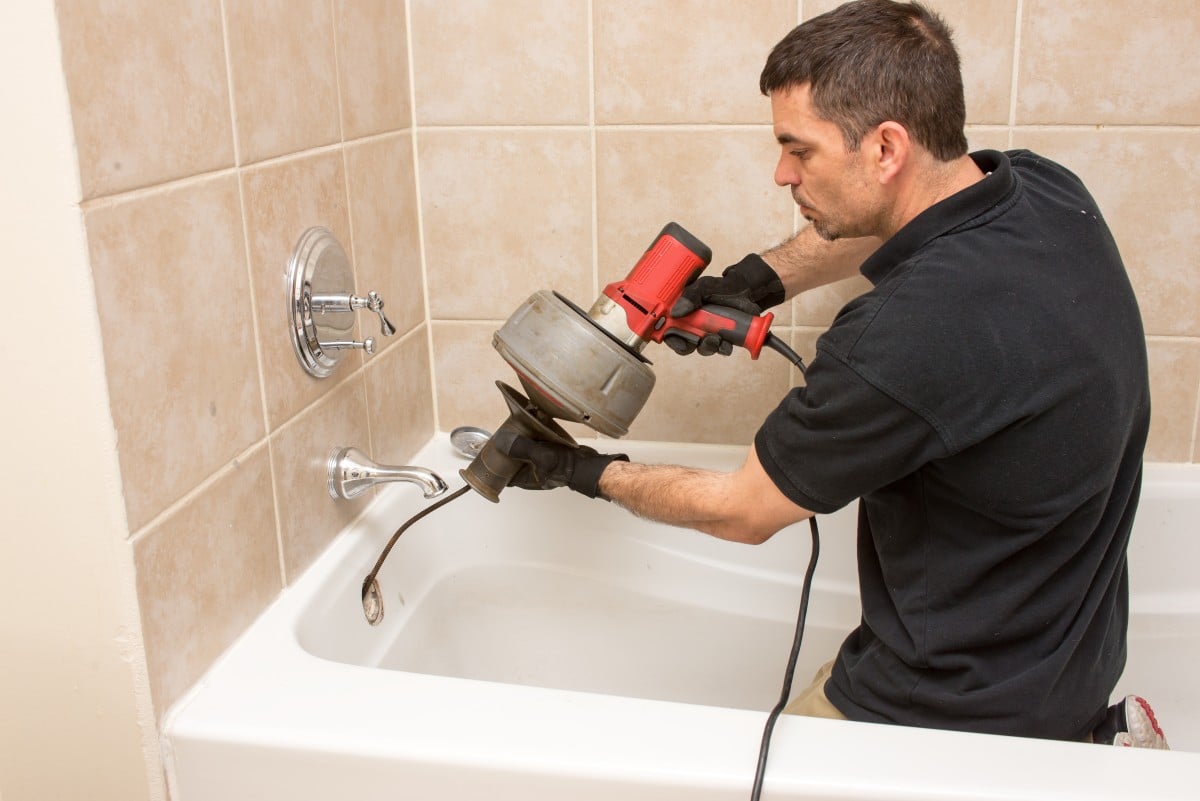
For powered drain snakes, switch to reverse if the snake jams. Reversing frees the cable and untwists any knots. Use short bursts of reverse, then resume forward motion. This prevents cable damage and keeps the snake flexible. Always follow the machine’s instructions carefully.
Wiggle And Angle The Snake Tip
Move the snake tip side to side while pushing. Change its angle to find openings in bends. This helps the snake slide past traps or tight spots. Small wiggles reduce friction and snagging. Be gentle to avoid bending the cable sharply.
Credit: www.expresssewer.com
Frequently Asked Questions
Can A Drain Snake Go Through A P-trap?
Yes, a drain snake can go through a P-trap. Use a flexible snake and push carefully to navigate the bend. Removing the P-trap first often makes snaking easier and more effective.
How To Get A Drain Snake Past A Bend?
Loosen the snake’s drum screw to free the cable. Push and rotate the snake gently to navigate the bend. Use a flexible snake if needed. Apply steady pressure and keep the cable moving to avoid kinks. Remove the P-trap for easier access when possible.
Why Won’t My Drain Snake Fit Down The Drain?
Your drain snake may not fit due to pipe bends, narrow traps, or debris buildup. Use a flexible snake and try removing the P-trap for easier access. Rotate and push gently to navigate curves without damaging the snake or pipes.
How To Unclog A Sink Drain Past The Trap?
Place a bucket under the trap and remove the P-trap by loosening slip nuts. Clean it manually. Insert a drain snake into the pipe beyond the trap, rotate to break clogs, and push through gently. If removal isn’t possible, use a flexible snake and carefully push it past the trap’s curve.
Conclusion
A drain snake can often pass through a P-trap, but it takes care. Removing the trap first usually makes snaking easier and more effective. If you cannot remove it, use a flexible snake and push gently while turning. Stay patient and keep the snake moving slowly to avoid damage.
After clearing the clog, flush the drain with hot water for best results. With the right tools and technique, you can clear most blockages without hassle.