

This post may contain affiliate links. Please read my disclosure policy.
In This Article Show
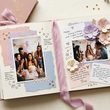
A collection of favorite recipes becomes even more meaningful when you turn it into a personal keepsake. A recipe scrapbook lets you save family recipes, record baking experiments, collect handwritten notes, and decorate each page with photographs and creative details. Unlike an ordinary cookbook, it can hold the stories and memories behind every dish. Whether you want a cute homemade cookbook, a family recipe binder, a digital design, or a beautiful baking journal, these ideas will help you create pages that are both attractive and useful. You can use paper, stickers, printed photos, and free printable templates to make a design that suits your style and cooking habits.
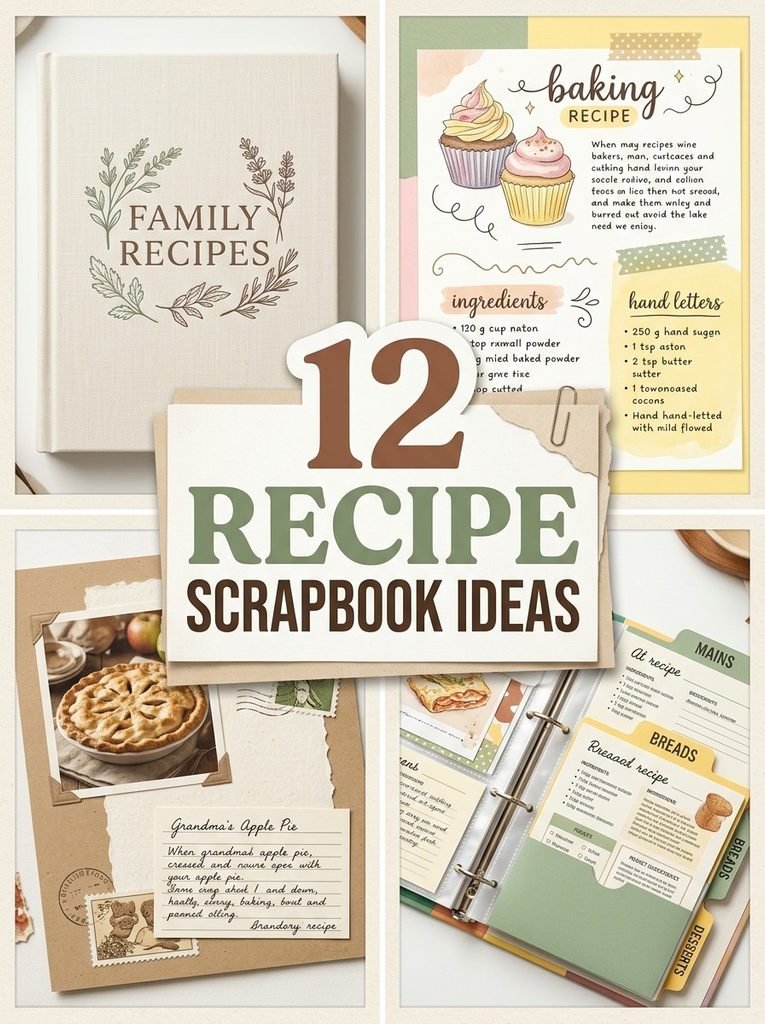
1. Minimalist Homemade Cookbook Cover
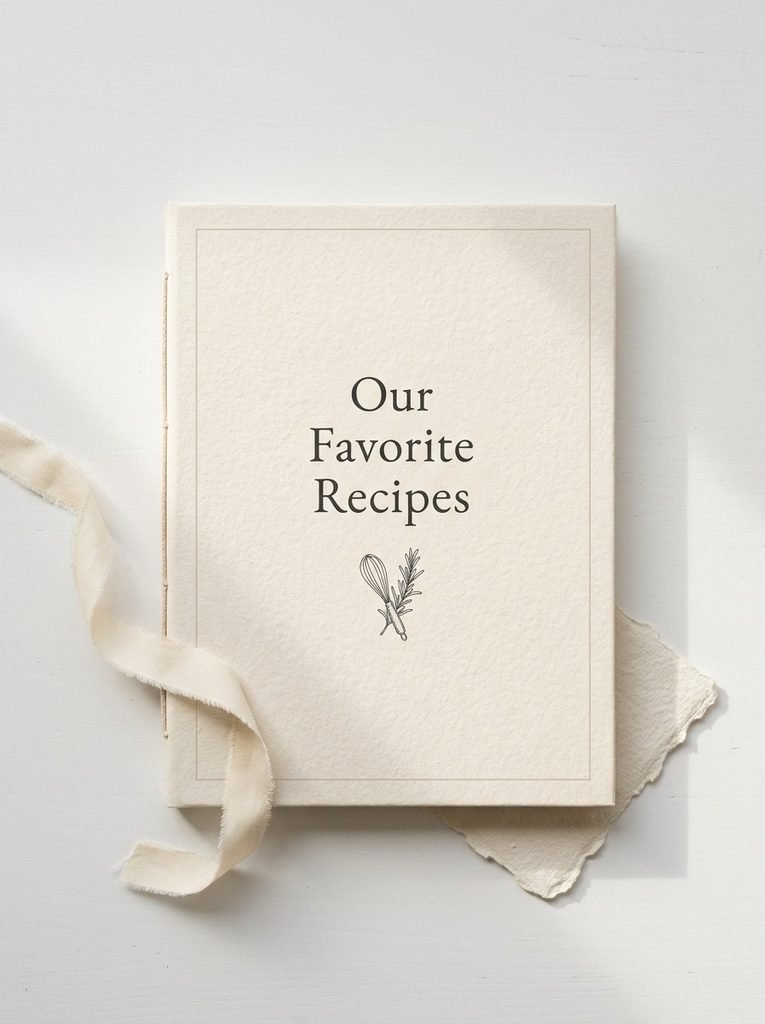
A simple cover gives your cookbook a clean, timeless appearance. Choose a cream, white, or soft beige background with a small illustration of a mixing bowl, whisk, or herbs. Add your family name or a short title in an elegant font, leaving plenty of empty space around it. For a handmade version, use thick cardstock and a clear protective cover. This design works especially well for anyone who prefers an organized, modern look over lots of decorations.
2. Family Recipe Memory Pages
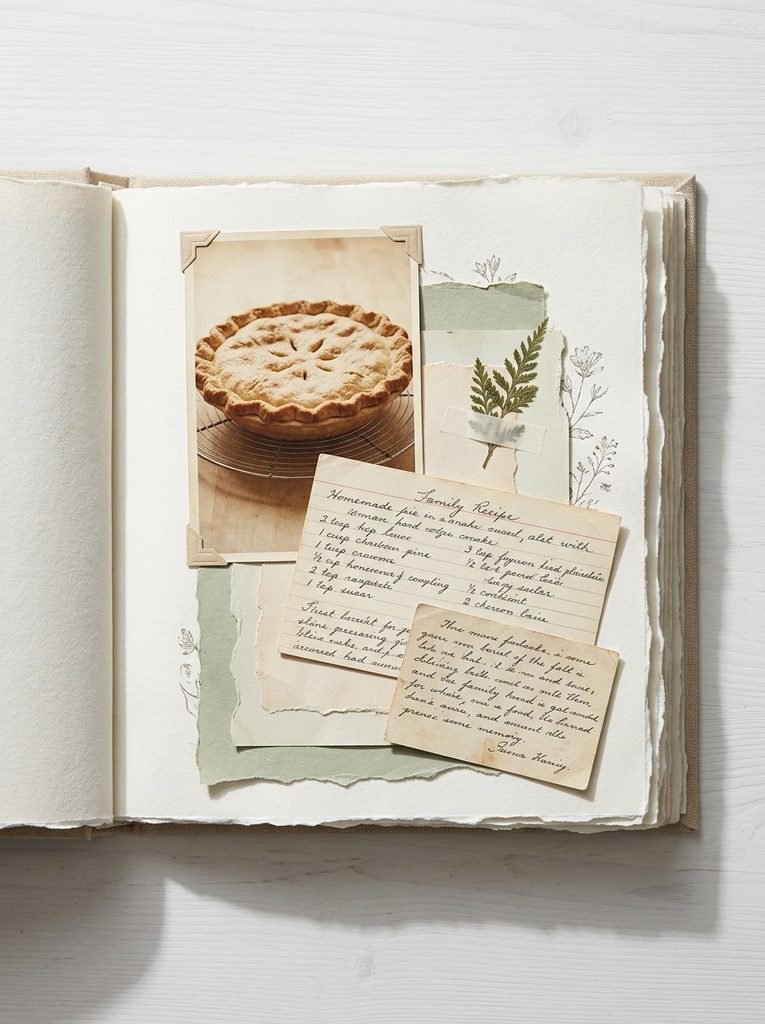
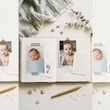
Turn family favorites into pages that preserve more than ingredients. Include a recipe title, a photograph of the finished dish, the name of the person who shared it, and a short memory about when your family usually makes it. Small handwritten notes can make the page feel personal without making it difficult to read. Use coordinated paper colors and a consistent layout so the pages feel like one collection. This is a meaningful option for family cookbook ideas and recipes passed down through generations.
3. Cute Baking Recipe Layout
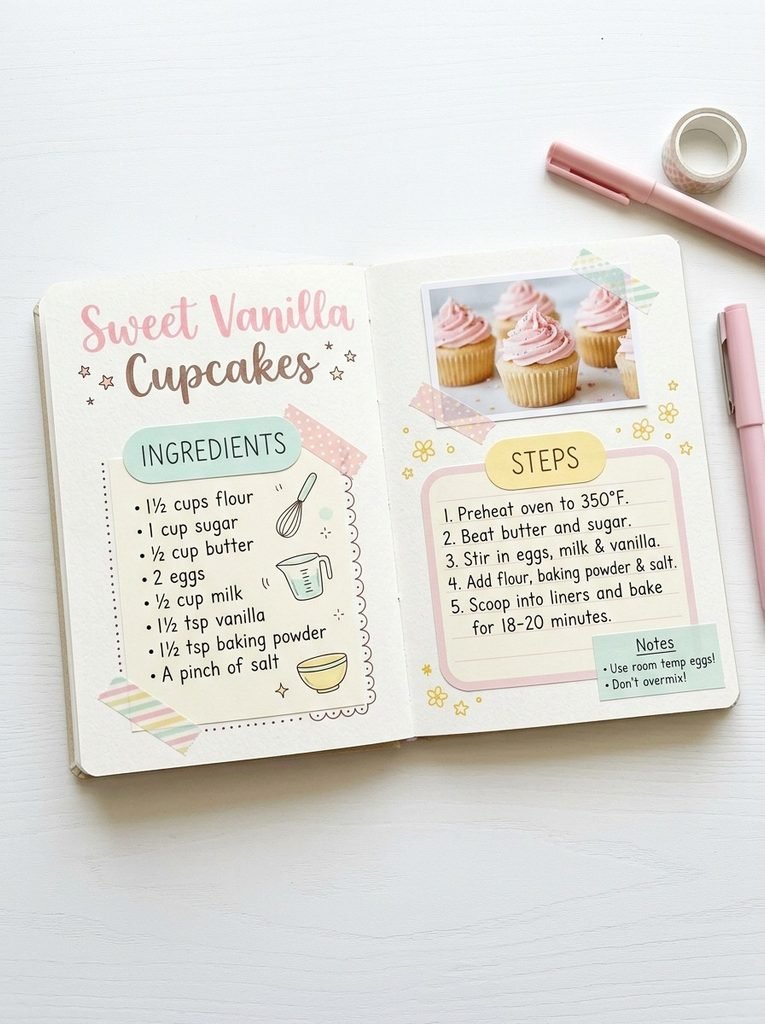
Create a cheerful section dedicated to cakes, muffins, brownies, and other baked treats. Use pastel pink, butter yellow, pale blue, or mint green paper with small illustrations of measuring cups, rolling pins, and mixing bowls. Place the ingredients in a clear list on one side and the method on the other. A small photo of the finished bake adds visual interest and helps you remember how it should look. This layout is ideal for a cute homemade cookbook that still works in a real kitchen.
4. Banana Bread Recipe Page
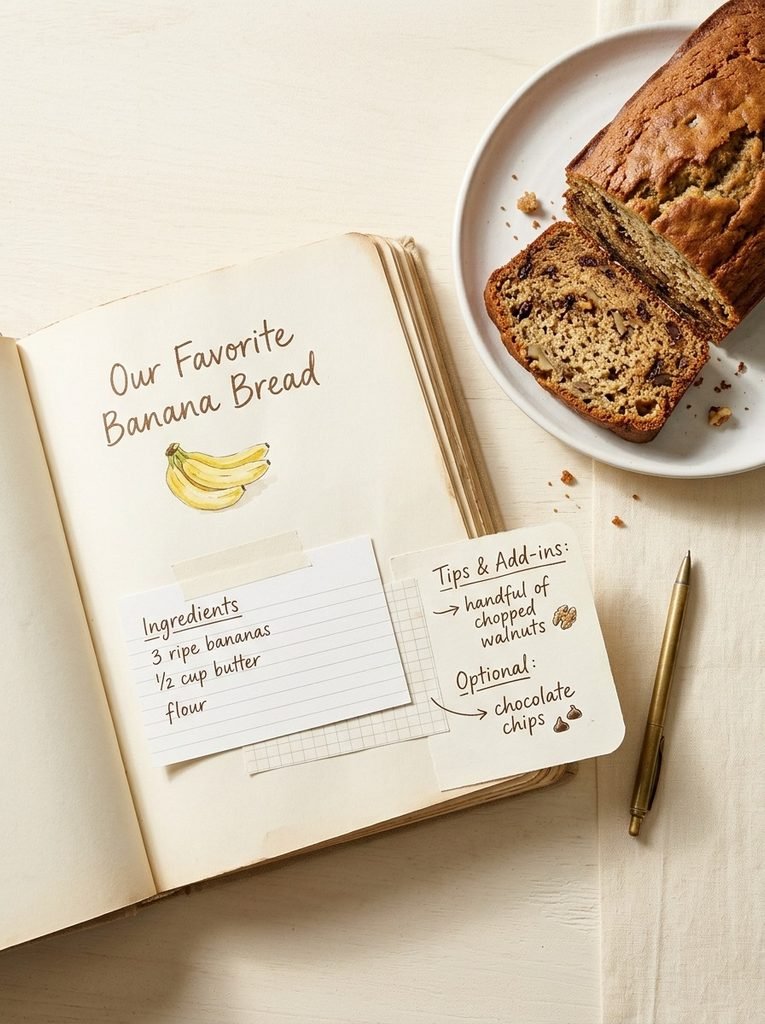
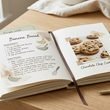
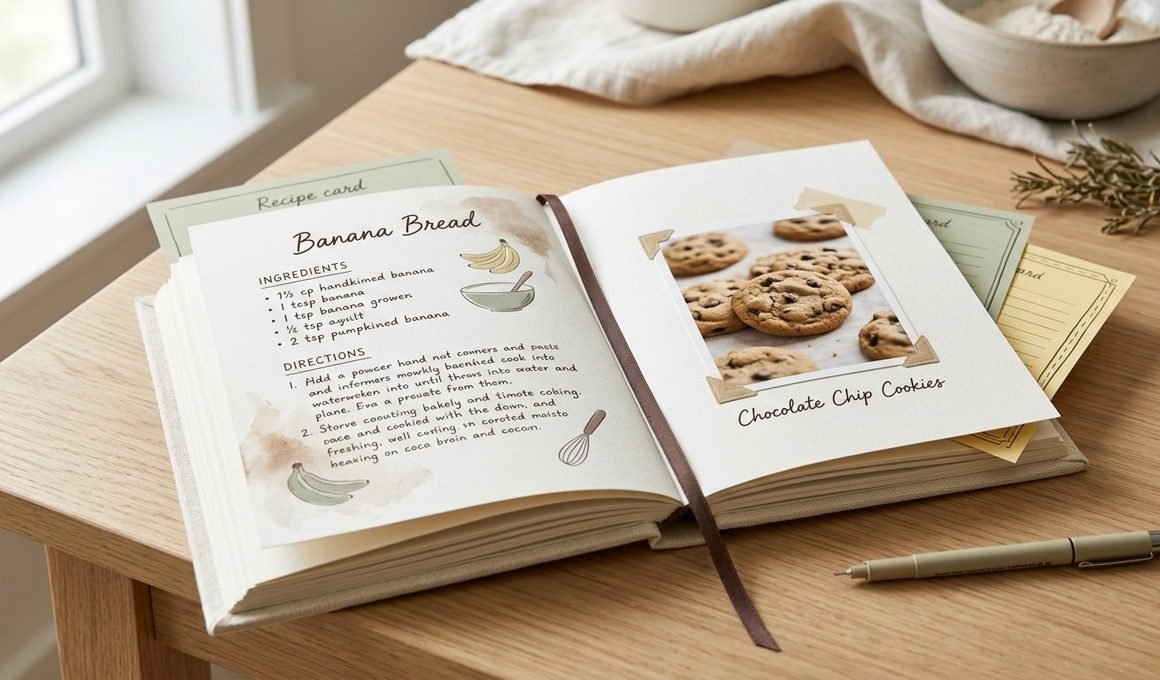
Give a favorite banana bread recipe its own page with a photograph of the loaf, a short ingredient list, and a few useful baking notes. Soft brown, cream, and pale yellow tones complement the warm color of the bread. You can add a small box for substitutions, such as walnuts or chocolate chips, and a note about how ripe the bananas should be. This makes the page practical for repeated use, especially if banana bread is one of your household’s regular bakes.
5. Chocolate Chip Cookie Recipe Spread
Chocolate chip cookies deserve a page that makes the recipe easy to follow and tempting to bake. Place a large cookie photograph near the top, then organize ingredients and baking instructions into separate sections. Use chocolate brown, warm cream, and a small amount of soft blue or tan for contrast. Add a notes area for baking time, cookie softness, or your preferred amount of chocolate chips. A consistent format also makes it easier to compare different cookie recipes later.
6. Organized Recipe Binder
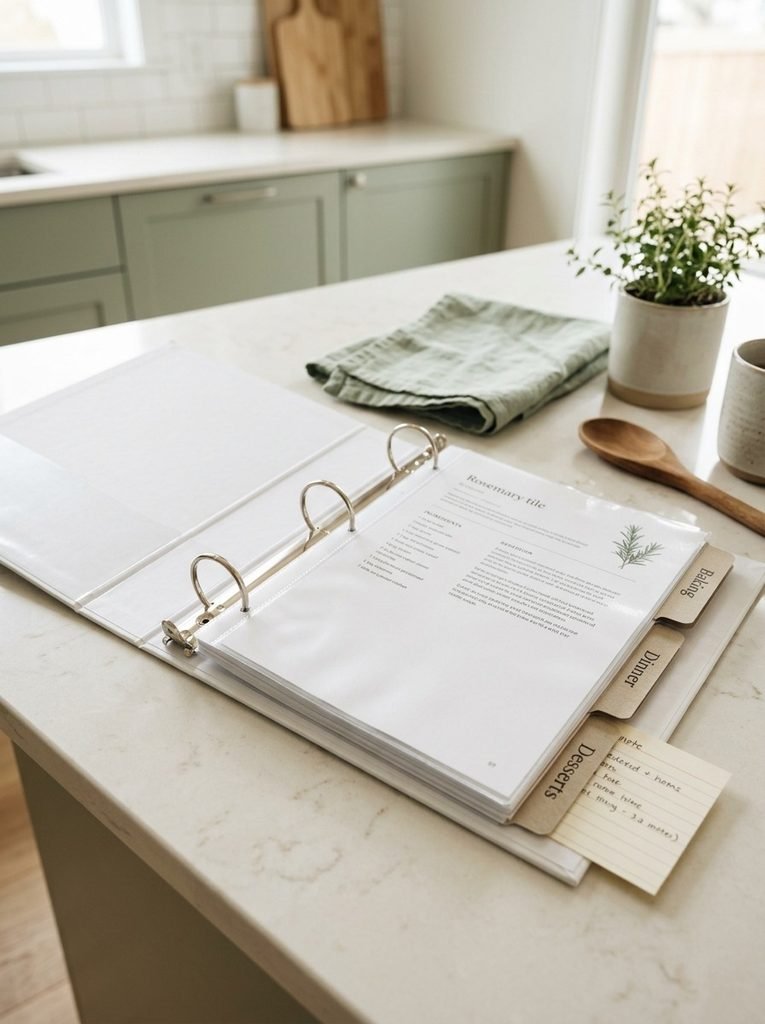
A binder is an excellent choice if you want to add, remove, or rearrange recipes over time. Use a sturdy binder with tabbed sections such as breakfast, dinner, baking, desserts, and holiday meals. Protect frequently used pages with clear sleeves, and print recipes on paper that is easy to read. Decorate the front with a simple label and matching colors. A binder-based recipe scrapbook combines the flexibility of a practical cookbook with the charm of a personalized collection.
7. Decorative Recipe Stickers
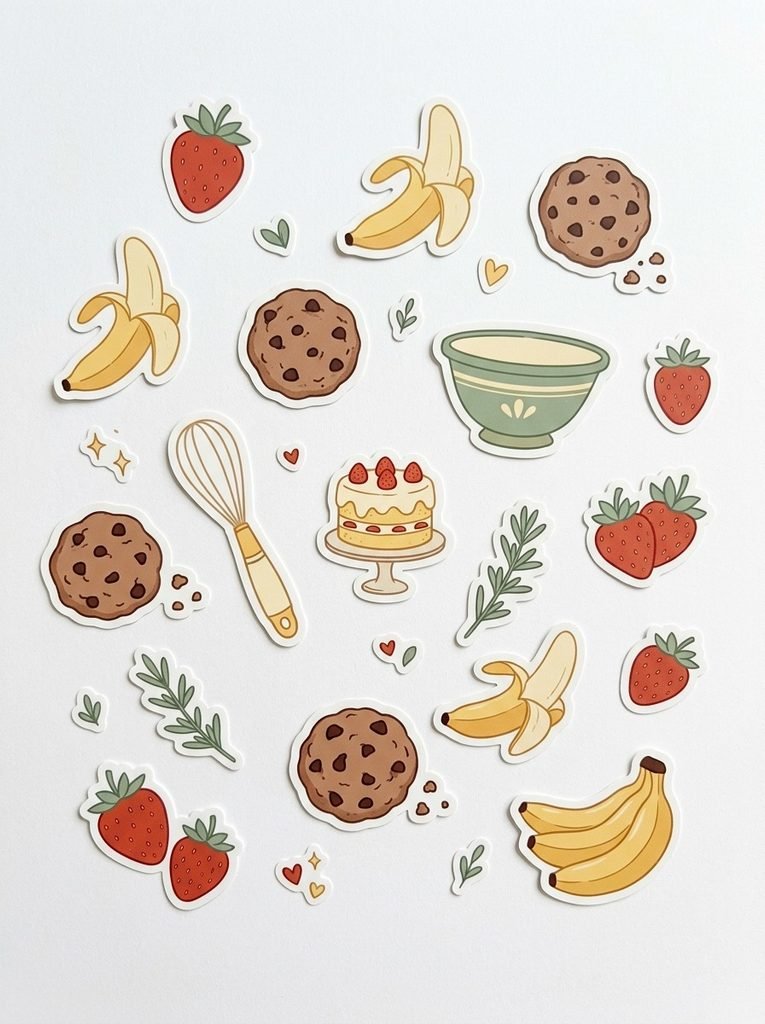
Stickers help bring personality to pages without requiring complicated drawing skills. Choose small designs of fruit, herbs, cakes, cooking tools, or ingredient jars. Keep the stickers near the page edges or use them to mark categories rather than placing them over important instructions. Coordinating colors make the pages feel intentional instead of crowded. You can use store-bought stickers or create your own designs for printing at home. This is an easy DIY option for refreshing plain recipe cards.
.
8. Free Printable Cookbook Pages
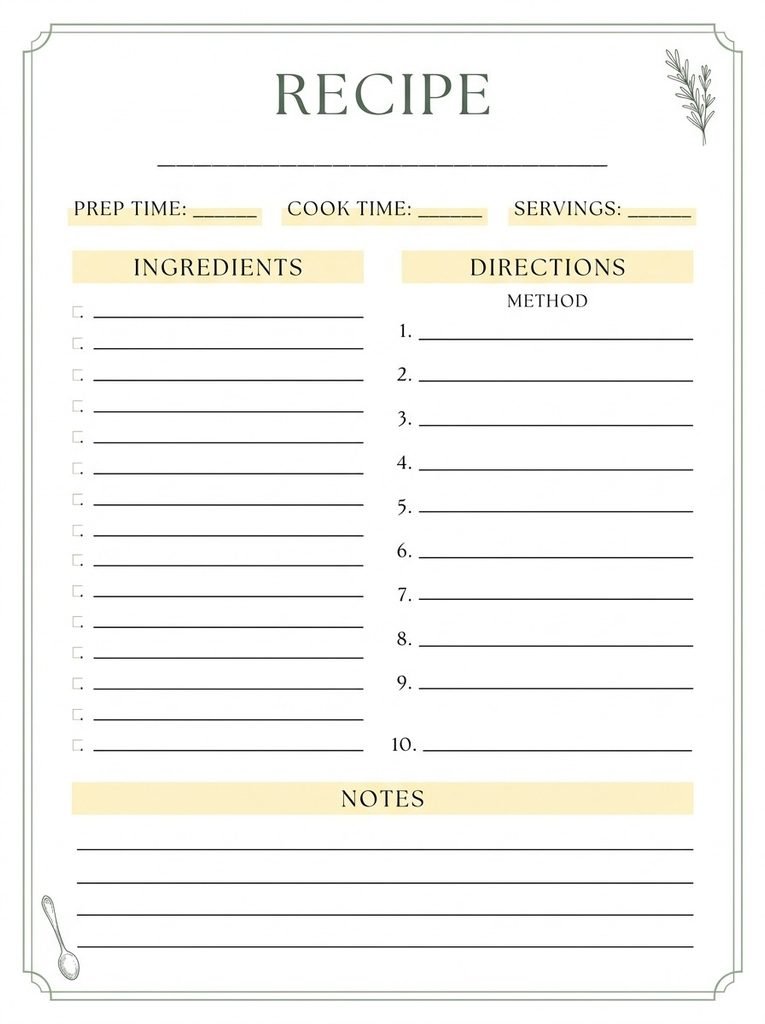
Printable pages are useful when you want a coordinated look without designing every sheet yourself. Choose templates with clearly marked spaces for ingredients, instructions, preparation time, servings, and notes. Print several copies so you can test recipes before adding the final version to your collection. You can also make matching divider pages and an index sheet. For a neat homemade cookbook, select a small set of complementary templates instead of mixing too many different styles.
9. Christmas Baking Recipe Pages
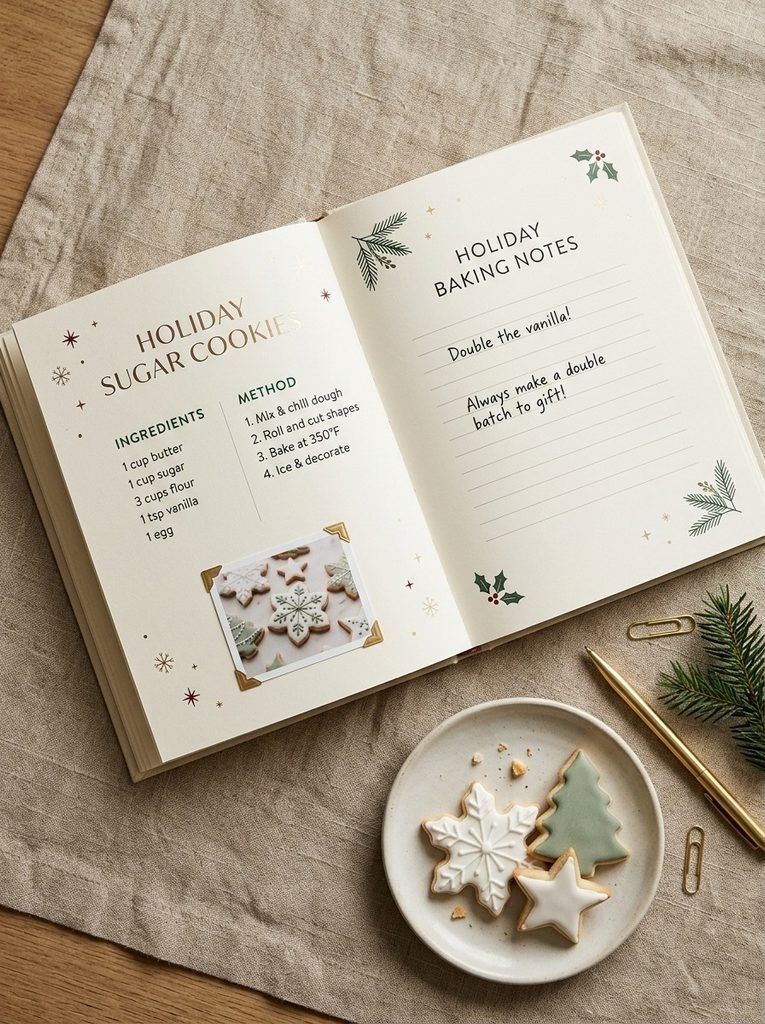
Create a seasonal section for gingerbread, sugar cookies, festive cakes, and other holiday favorites. Deep red, evergreen, cream, and soft gold can give the pages a Christmas feel without overwhelming the recipes. Add small star, snowflake, or cookie illustrations around the edges, and include a notes box for decorating ideas or gift packaging. Keep the instructions easy to read so the page remains useful during a busy baking day. You can add a date to record when each family tradition began.
.
10. Handwritten Recipe Card Collection
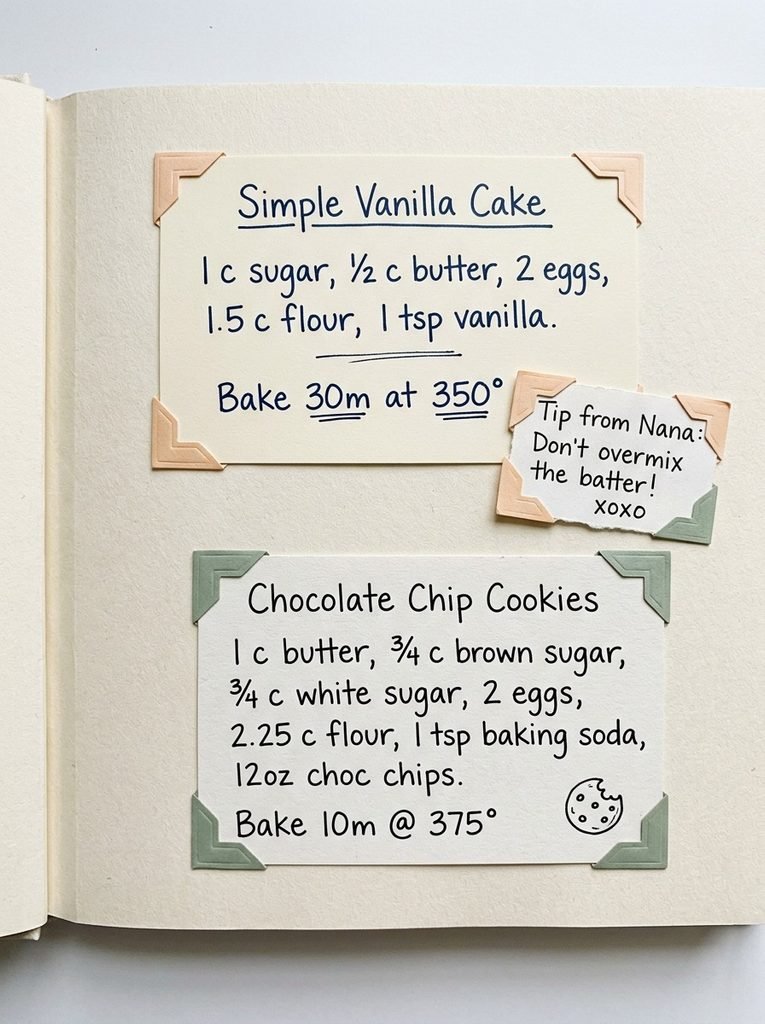
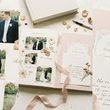
Handwritten cards add a personal touch, particularly when you have recipes from relatives or friends. Place each card on a scrapbook page with photo corners, a small label, and a short note about its source. If a card is old or fragile, scan or photograph it and attach a copy instead of damaging the original. Use clear headings around the card so the ingredients remain easy to find. This layout works beautifully for family collections where the handwriting is part of the memory.
.
11. Digital Cookbook Design
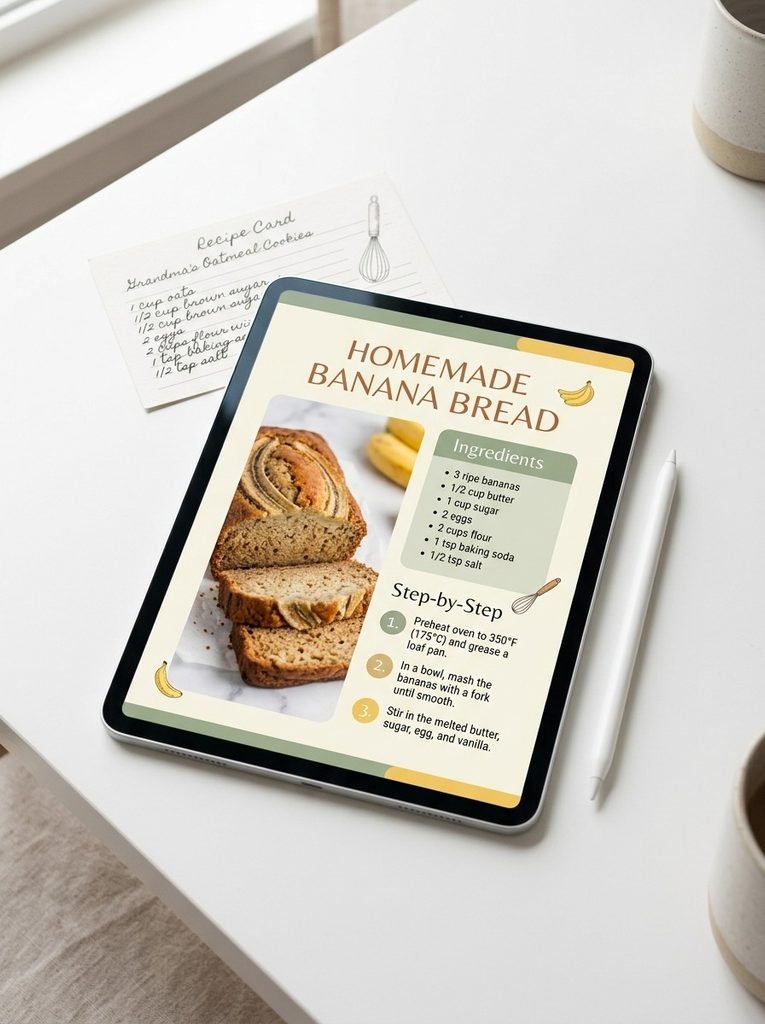
A digital cookbook is convenient if you prefer working on a phone, tablet, or computer. Use a design tool such as Canva to create matching pages, add food photographs, and choose fonts that remain readable on small screens. Organize recipes by category and save the finished collection as a PDF for easy viewing or printing. Keep a copy of the original editable file so you can update ingredients and instructions when you improve a recipe. A digital recipe scrapbook is also easy to share with family members.
12. Recipe Pages with Photos and Cooking Notes
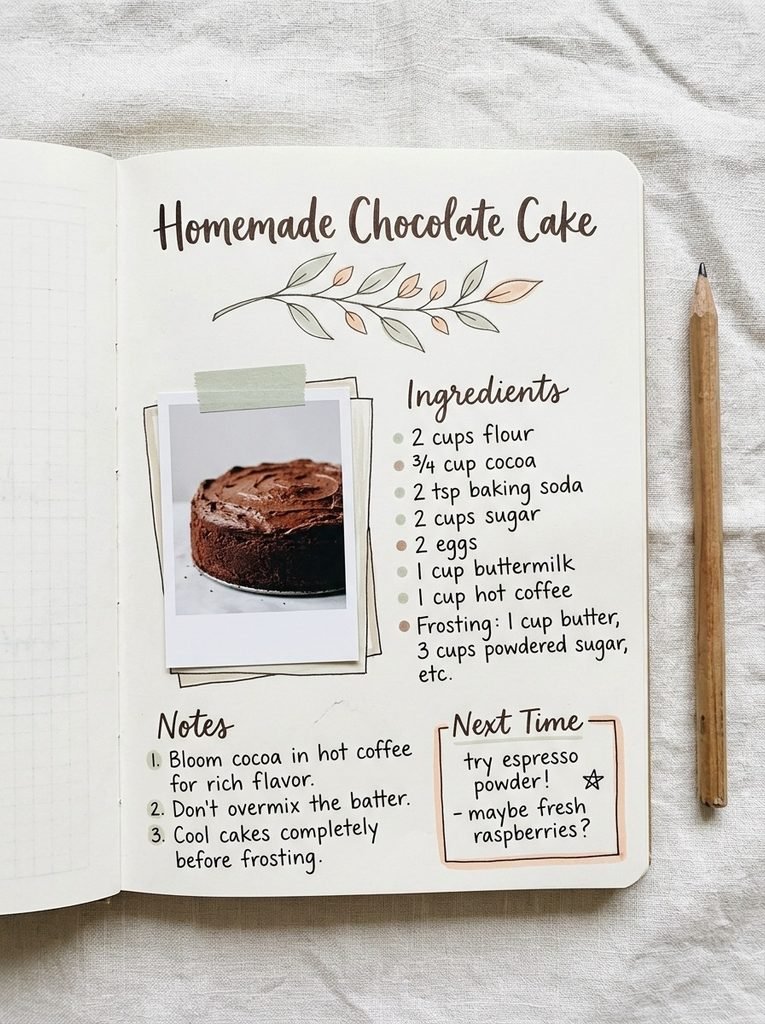
Combine a finished-dish photo with notes about what worked well and what you would change next time. For example, you might record a shorter baking time, a favorite topping, or a successful ingredient substitution. Use a clear layout with the photograph at the top, the recipe in the center, and a notes box along the bottom. This style turns your scrapbook into a record of your cooking progress, helping you repeat successful dishes instead of relying on memory.
Practical Tips for Making Your Cookbook
- Choose a consistent layout. Use the same fonts, heading styles, and colors across most pages. This makes the collection feel organized.
- Keep recipes readable. Use a clear font, good contrast, and enough space between ingredients and instructions.
- Protect pages from spills. Use protective sleeves for printed recipes you handle often, or keep the binder away from wet cooking areas.
- Record recipe changes. Write down substitutions, cooking times, and adjustments after testing a recipe.
- Save digital copies. Photograph handwritten cards and back up your editable files so important recipes are not lost.
- Make decoration useful. Use stickers and colored tabs to identify categories, but avoid covering instructions or making the page crowded.
- Start with your favorites. Add recipes you already cook regularly before trying to fill every page. You can expand the collection as you discover new dishes.
Conclusion
A recipe scrapbook can be simple, decorative, or highly personal. You might prefer a clean binder, cute baking pages, printable templates, or a digital cookbook filled with food photographs. The best approach is one that makes your recipes easy to find and enjoyable to revisit. Start with a few favorite dishes, add helpful notes, and include the memories that make each recipe special. Over time, your collection can become a useful homemade cookbook and a keepsake you can share with family and friends.