 Luis Nixon
Plumbing problems can pop up when you least expect them, and they often feel overwhelming—especially if you’re new to fixing things around the house. But what if you could handle some common plumbing issues yourself, quickly and easily, without calling a professional?
This guide is made just for you. You’ll discover simple, step-by-step solutions that anyone can follow, even with little or no experience. Plus, you’ll get helpful tips that save you time, money, and stress. Ready to take control of your home’s plumbing?
Keep reading and unlock the confidence to fix leaks, clear clogs, and tackle other everyday problems like a pro.

Credit: www.amazon.com
Basic Tools For Plumbing
Basic tools form the foundation for simple plumbing repairs. With the right set, beginners can fix leaks, clogs, and other common issues. These tools help save money and avoid calling a plumber for minor problems. Learning to use them properly makes plumbing tasks easier and faster.
Essential Hand Tools
Every beginner needs a few hand tools for plumbing. A pipe wrench helps grip and turn pipes tightly. Adjustable pliers fit various sizes and are great for tightening. A basin wrench reaches nuts under sinks. Screwdrivers with flat and Phillips heads loosen or tighten screws. A tape measure ensures accurate pipe cuts. Keep these tools handy for most plumbing fixes.
Using A Plunger Effectively
A plunger clears many clogged drains quickly. Choose a cup plunger for sinks and a flange plunger for toilets. Place the plunger over the drain to create a seal. Push down gently at first to remove air, then pump strongly several times. Pull the plunger off quickly to release pressure. Repeat if needed until the water drains freely.
When To Use A Plumbing Snake
A plumbing snake breaks up tough blockages deep in pipes. Use it if the plunger does not work. Insert the flexible coil into the drain and turn the handle clockwise. The snake moves through bends and catches debris. Pull it out carefully, bringing the clog with it. Clean the snake after use. This tool helps clear stubborn clogs without chemicals.

Credit: vacufloedm.com
Fixing Leaky Faucets
Fixing leaky faucets is one of the simplest plumbing repairs for beginners. A dripping faucet wastes water and raises your bill. Learning to fix these leaks saves money and prevents damage. Most leaks come from worn parts that you can replace easily. Basic tools and some patience are all you need to start.
Identifying The Leak Source
Start by turning off the water supply to the faucet. Dry the faucet and watch where the water drips. Leaks often happen at the spout, handle, or base. Check if the leak is constant or only when the faucet is on. Pinpointing the exact spot helps you know which parts to fix.
Replacing Washers And O-rings
Remove the faucet handle carefully using a screwdriver. Inside, you will find washers and O-rings that can wear out. These small rubber parts stop water from leaking. Replace old washers and O-rings with new ones of the same size. Tighten everything back and test the faucet for leaks.
Rebuilding Faucet Handles
Sometimes faucet handles get loose or hard to turn. Take off the handle and clean any dirt or corrosion. Replace damaged parts like stems or cartridges if needed. Reassemble the handle and ensure it moves smoothly. Fixing the handle often stops leaks and improves faucet function.
Clearing Clogged Drains
Clogged drains disrupt daily routines and cause frustration. Clearing them quickly helps avoid costly repairs and water damage. Simple tools and safe methods work well for beginners. Understanding how to clear drains boosts confidence and keeps plumbing flowing smoothly.
Manual Blockage Removal
Start by removing the drain cover carefully. Use gloves to protect your hands. Try pulling out visible debris like hair or food scraps. A wire hanger or drain snake works great for deeper clogs. Insert it gently and twist to catch blockages. Pull out the clog slowly to avoid pushing it further. Flush the drain with hot water to clear small residues.
Using Chemical Drain Cleaners Safely
Choose chemical cleaners made for your drain type. Read instructions and warnings before use. Pour the cleaner slowly to prevent splashes. Avoid mixing different chemicals as it can cause dangerous reactions. Keep children and pets away during and after treatment. Use these cleaners only when manual removal fails. Proper ventilation helps reduce harmful fumes.
Preventing Future Clogs
Install drain strainers to catch debris before it enters pipes. Avoid pouring grease or oil down the drain. Regularly flush drains with hot water to dissolve buildup. Dispose of food scraps in the trash, not the sink. Clean hair from bathroom drains often. These habits reduce clog chances and keep water flowing freely.
Credit: hwpmmd.com
Repairing Toilet Issues
Toilet problems cause discomfort and waste water. Simple repairs save money and time. Basic tools and clear steps help beginners fix common toilet issues easily. Understanding these fixes makes home maintenance less stressful.
Fixing Running Toilets
A running toilet wastes water and raises bills. First, remove the tank lid and check the flapper. Sometimes, dirt or wear stops it from sealing well. Clean the flapper and the seat. Adjust the chain so it is not too tight or loose. If the problem stays, replace the flapper with a new one from the store. Make sure the float ball or cup moves freely. Adjusting the float height controls the water level and stops overflow.
Unclogging Toilets Quickly
Clogs block water flow and cause backups. Start with a plunger to break the clog. Use a firm, but gentle push-pull motion for 15 seconds. If that does not clear the clog, try a toilet auger. Insert the auger into the drain and twist to break or pull out the blockage. Avoid using harsh chemicals as they can damage pipes. Flush the toilet after clearing to check if water flows freely.
Replacing Toilet Flappers
The flapper controls water release from the tank to the bowl. A worn flapper causes leaks and running toilets. Turn off the water supply valve near the base. Flush the toilet to empty the tank. Remove the old flapper by unhooking it from the flush valve. Attach the new flapper in the same way. Connect the chain to the flush handle arm, leaving some slack. Turn on the water and test the flush to ensure a good seal.
Replacing Shut-off Valves
Replacing shut-off valves is a vital skill for any beginner in plumbing. These valves control water flow to sinks, toilets, and appliances. Old or faulty valves can cause leaks or stop water flow completely. Learning how to replace them saves money and prevents water damage. This guide breaks down the process into simple steps. Follow these tips to handle valve replacement with confidence and safety.
Locating Valves
Start by finding the shut-off valve you want to replace. Look under sinks or behind toilets. Valves are usually near the water pipes leading to fixtures. Some homes have a main shut-off valve near the water meter or where the pipe enters the house. Knowing the valve location helps avoid confusion and water spills during replacement.
Tools Needed For Replacement
Gather these tools before starting the job. You need an adjustable wrench to loosen nuts. A pair of pliers helps grip pipes and fittings. Use plumber’s tape to seal new valve threads. Have a bucket or towel ready to catch water drips. These basic tools keep the process smooth and mess-free.
Step-by-step Valve Swap
Turn off the main water supply first. Open nearby faucets to drain remaining water. Place a bucket under the valve to catch drips. Use the wrench to loosen the valve’s nuts carefully. Remove the old valve and clean the pipe threads. Wrap plumber’s tape around new valve threads. Screw the new valve in place and tighten nuts securely. Turn the main water back on slowly. Check for leaks by observing the new valve. Tighten connections if you see drips. Your new shut-off valve is now ready to use.
Sealing Plumbing Joints
Sealing plumbing joints is a key skill for any beginner plumber. It prevents leaks and keeps water flowing smoothly. Proper sealing protects pipes and fittings from damage. It also helps maintain water pressure in the system.
Understanding how to seal joints correctly saves time and money. It ensures your plumbing lasts longer. You can do many fixes yourself with the right tips and materials. This section explains common pipe joints and sealing methods.
Types Of Pipe Joints
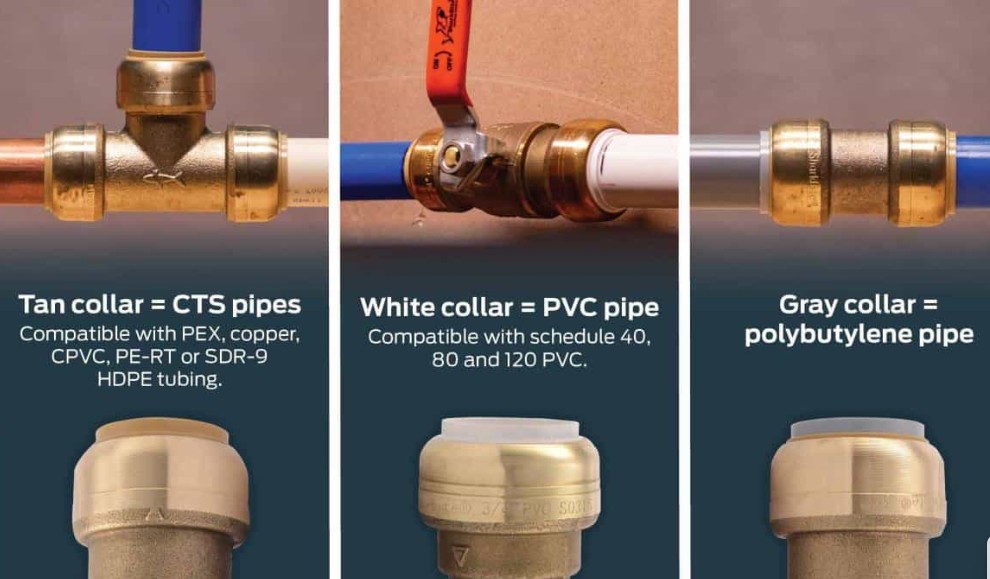
Pipe joints connect two or more pipes. There are several types of joints used in plumbing. Threaded joints twist together and use threads to seal. Compression joints use a ring to compress and seal the connection. Solvent weld joints use glue to bond pipes made of plastic.
Each joint type needs a specific sealing method. Knowing your pipe joint type helps choose the right sealant. This choice prevents leaks and ensures strong connections.
Using Thread Seal Tape
Thread seal tape, also called Teflon tape, is a thin white tape. Wrap it around the male threads of a pipe. Wrap in the direction of the threads for a tight seal. Use 2-3 layers for best results. The tape fills gaps and stops leaks in threaded joints.
Thread seal tape is easy to use and cheap. It works well for metal pipes and fittings. Avoid using too much tape, which can cause cross-threading.
Applying Pipe Dope
Pipe dope is a paste used to seal threaded joints. Apply a thin, even layer on male threads before connecting. It creates a waterproof seal and lubricates the threads. Pipe dope works on metal and plastic pipes.
This sealant is ideal for pipes exposed to high pressure. Unlike tape, it fills irregular threads better. Always check product instructions for safe application. Use pipe dope for long-lasting, leak-free joints.
Maintaining Kitchen Plumbing
Maintaining kitchen plumbing keeps your pipes and fixtures working well. It prevents leaks, clogs, and costly repairs. Simple care helps your kitchen stay clean and efficient.
Small problems can turn big if ignored. Learning easy fixes saves money and stress. Basic skills make you confident to handle common kitchen plumbing issues.
Fixing Dripping Kitchen Taps
Dripping taps waste water and increase bills. First, turn off the water supply under the sink. Use a wrench to remove the tap handle carefully.
Check the washer inside the tap. Replace it if worn or cracked. Reassemble the tap and turn the water back on. Test the tap to see if the drip stops.
Removing Sweat Valves
Sweat valves stop water flow for repairs or maintenance. To remove one, close the main water valve first. Use a wrench to loosen the sweat valve carefully.
Be gentle to avoid damaging pipes. Once removed, clean the valve and replace any worn parts. Reinstall the valve and open the water supply slowly.
Preventive Maintenance Tips
Check kitchen pipes regularly for leaks or rust. Clean drains monthly with baking soda and vinegar. Avoid pouring grease or food scraps down the sink.
Use strainers to catch debris and keep pipes clear. Tighten loose taps or fittings early. These small steps prevent major plumbing issues later.
Safety Tips For Diy Plumbing
Safety is the top priority in any DIY plumbing project. Simple mistakes can cause water damage or personal injury. Understanding basic safety steps helps prevent accidents. Follow these tips to work safely and confidently on plumbing tasks.
Shutting Off Water Supply
Always turn off the main water supply before starting any repair. This step stops water flow and prevents flooding. Locate the shut-off valve near your water meter or under sinks. Test by opening a faucet to ensure water is off.
Handling Chemicals Safely
Plumbing chemicals can be harmful if handled carelessly. Read all instructions and warnings on product labels. Wear gloves and eye protection when using drain cleaners or solvents. Avoid mixing chemicals, as this can cause dangerous reactions.
When To Call A Professional
Some plumbing problems need expert help. If you see major leaks, broken pipes, or no water after shutting off the supply, call a plumber. Complex tasks like gas line repairs or water heater issues require professional skills. Don’t risk injury or damage by tackling these alone.
Frequently Asked Questions
What Is The 135 Rule For Plumbing?
The 135 rule in plumbing means a pipe bend must have a minimum 135-degree angle to ensure proper flow and prevent clogs.
Can I Fix Minor Plumbing Issues Myself?
Yes, you can fix minor plumbing issues like clogs or leaks using basic tools and simple techniques safely at home.
What’s The Best Way To Learn Plumbing?
Start by enrolling in a vocational course or community college plumbing program. Practice basic repairs at home using online tutorials and essential tools. Gain hands-on experience through apprenticeships or mentorships with professional plumbers. Consistent learning and practice build strong plumbing skills efficiently.
How To Do The First Fix Plumbing?
Start first fix plumbing by fitting underground pipes for waste and water supply. Install bathroom, kitchen pipework, and radiator heating flow. Secure all joints tightly and test for leaks before covering walls.
Conclusion
Plumbing fixes can be simple and quick for beginners. Basic tools and clear steps make repairs easy. Small problems like leaks or clogs need not cause stress. Taking time to learn saves money and frustration later. Practice safety and know when to call a professional.
With patience, anyone can handle common plumbing tasks. Keep this guide handy for your next home fix. Plumbing doesn’t have to be hard or scary. Try these tips and gain confidence in your skills.