




This post may contain affiliate links. Please read my disclosure policy.
In This Article Show
Plumbing problems can catch you off guard and feel overwhelming, especially if you’re new to fixing things around the house. But what if you could solve common plumbing issues quickly, without waiting for a plumber or spending a fortune?
This guide is made just for you. You’ll discover simple, easy-to-follow fixes that anyone can do—even if you’ve never picked up a wrench before. Imagine stopping that dripping faucet or clearing a clogged drain in minutes. Keep reading, and you’ll gain the confidence to handle your plumbing troubles fast and stress-free.
Your home—and your wallet—will thank you.
Basic Plumbing Tools
Basic plumbing tools form the foundation for quick and easy plumbing fixes. Beginners need a simple set of tools to handle common plumbing tasks. These tools help fix leaks, unclog drains, and tighten fittings without hassle. Having the right tools saves time and prevents damage. This section covers essential tools and safety gear for beginner plumbers.
Essential Tools For Beginners
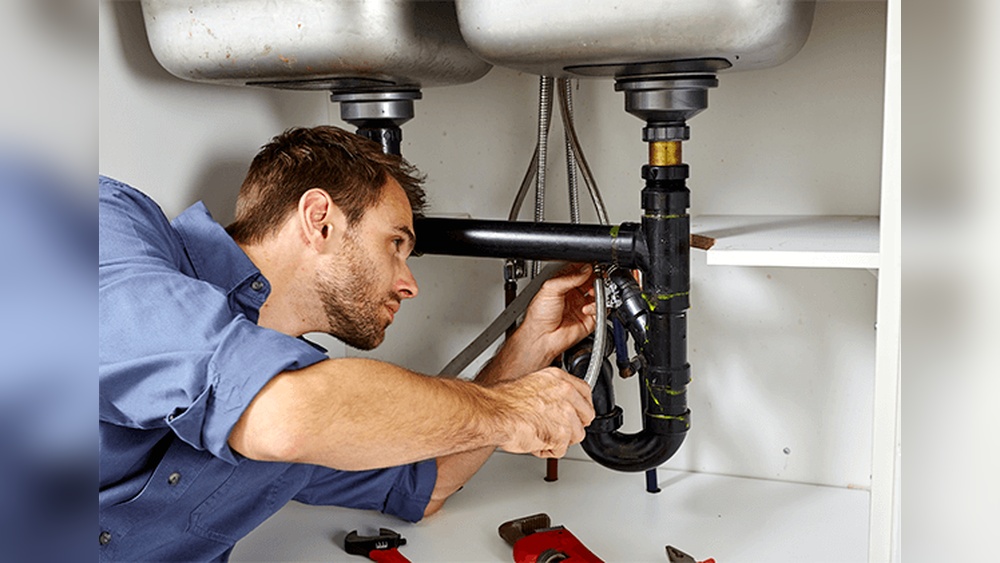
A good wrench set is a must-have. Adjustable wrenches fit various bolt sizes. Pipe wrenches provide strong grip on round pipes. A pair of pliers helps with gripping and twisting small parts. A plumber’s tape, also called Teflon tape, seals pipe threads. A basic pipe cutter makes clean cuts on plastic or copper pipes. A plunger helps clear simple drain clogs fast. A small hand auger or drain snake clears tougher blockages. A flashlight helps see in dark spaces under sinks. Finally, a bucket catches water from leaks or pipe work.
Safety Gear And Precautions
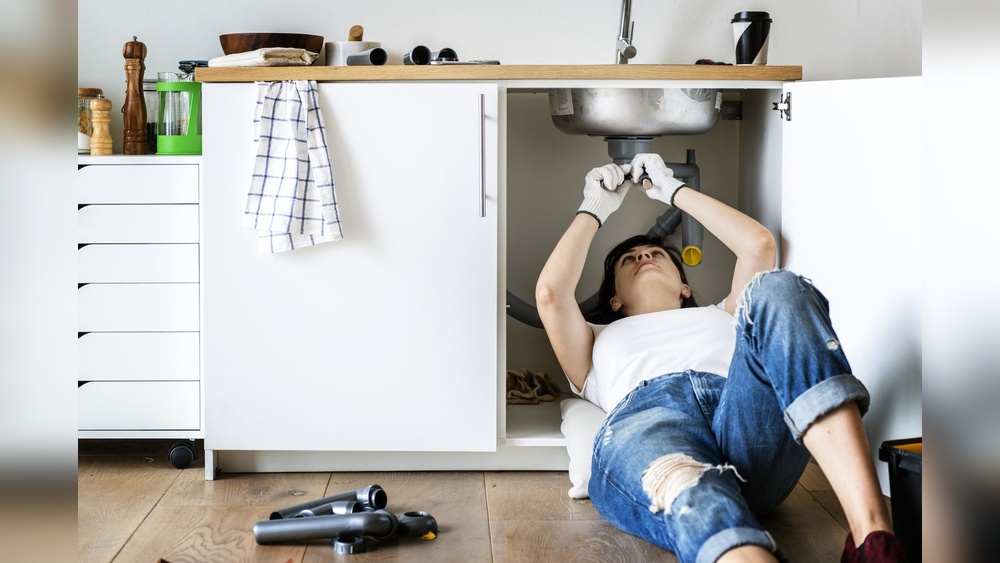
Safety comes first in any plumbing task. Wear gloves to protect hands from sharp edges and dirty water. Safety goggles keep splashes out of eyes. Closed-toe shoes prevent injuries from dropped tools or heavy objects. Turn off water supply before starting any repair. Always test pipes and fixtures for leaks after fixing. Keep the work area dry and clean to avoid slips. Use tools only for their intended purpose to prevent accidents. Follow product instructions carefully to work safely and efficiently.

Credit: www.amazon.com
Stopping Water Flow
Stopping water flow is the first step in many plumbing fixes. It prevents water damage and makes repairs safer. Knowing how to stop water helps you avoid emergencies. This section explains basic ways to control water flow in your home.
Shutting Off Main Water Supply
The main water supply controls all water entering your home. Find the main valve near your water meter or where the pipe enters your house. Turn the valve clockwise to close it. This stops water flow completely.
Shutting off the main supply is essential during major leaks or repairs. It protects your home from flooding. Make sure everyone in your house knows where the main valve is located.
Isolating Specific Fixtures
Some fixtures have their own shut-off valves. These valves control water to sinks, toilets, or appliances. Look under sinks or behind toilets for small valves. Turn them clockwise to stop water flow to that fixture only.
Isolating fixtures lets you fix one problem without shutting off the entire house water. It saves time and reduces inconvenience. Always test the valve by turning on the fixture to check if water stops.
Fixing Leaky Faucets
Fixing leaky faucets saves water and cuts down on bills. A dripping faucet can annoy and waste gallons daily. Learning simple fixes helps keep your home dry and quiet. These repairs need basic tools and little time. Let’s explore easy steps to stop leaks fast.
Identifying Leak Sources
First, find where the leak starts. Check if water drips from the spout or the base. Look for moisture around the handle. Leaks often come from worn parts inside the faucet. Turn off the water supply before you take it apart. Use a cloth to dry the faucet and watch for new drips. This helps pinpoint the exact leak spot.
Replacing Washers And O-rings
Most leaks come from old washers or O-rings. These small parts wear out and cause drips. Remove the faucet handle carefully using a screwdriver. Take out the stem to reach the washer and O-ring. Replace them with new parts from a hardware store. Put everything back and turn on the water. The leak should stop, saving water and noise.
Clearing Clogged Drains
Clogged drains cause water to back up and slow down daily tasks. Clearing these blockages quickly keeps sinks, tubs, and showers flowing well. Simple tools and methods work best for beginners and save time and money. Follow these easy steps to fix clogged drains without stress.
Using A Plunger Effectively
A plunger creates pressure to loosen clogs blocking your drain. Choose a plunger with a flange for sinks or tubs. Place it over the drain and push down gently to create a seal. Pump the plunger up and down rapidly for about 15 seconds. Remove the plunger and check if water flows freely. Repeat if needed, but avoid harsh force to prevent damage.
Applying Chemical Drain Cleaners
Chemical drain cleaners dissolve grease, hair, and soap scum causing clogs. Use products made for your type of drain and follow package instructions closely. Pour the cleaner slowly down the drain and let it sit for the recommended time. Flush the drain with hot water to clear residue. Use chemicals sparingly to protect your pipes and the environment.
Employing A Plumbing Snake
A plumbing snake reaches deep into pipes to break up tough clogs. Insert the snake’s end into the drain and turn the handle clockwise. Push forward carefully until you feel resistance. Rotate the snake to break or hook the clog. Pull out the snake slowly, removing debris. Run water to check if the drain clears completely. Snakes work well for hair and solid blockages.
Repairing Running Toilets
A running toilet wastes water and increases your bill. Fixing it saves money and helps the environment. Most running toilets have simple causes. You can repair them without calling a plumber.
Two common parts cause running toilets: the flapper and the fill valve. Both are easy to adjust or fix. Understanding these parts makes the repair quick and simple.
Adjusting The Flapper
The flapper controls water flow from the tank to the bowl. If it is worn or misaligned, water leaks continuously. First, turn off the water supply to the toilet. Then, flush to empty the tank.
Lift the tank lid and check the flapper at the bottom. If it looks damaged, replace it. If it is loose, adjust the chain length so the flapper closes fully. Too tight or too loose can cause leaks.
After adjusting, turn the water back on. Flush the toilet and watch if water stops running. Repeat adjustment if needed until the flapper seals well.
Fixing The Fill Valve
The fill valve controls water refill after each flush. If it is faulty, water keeps flowing into the tank. Check the valve float inside the tank. It should move freely up and down.
If the float is stuck or set too high, water overflows into the overflow tube. Adjust the float by bending the arm down or up. This stops water once the tank fills properly.
If adjusting the float does not work, replace the fill valve. Turn off the water, remove the old valve, and install a new one. Follow the instructions on the package carefully.
Test the toilet by flushing and watching the water level. Proper fill valve function stops water waste and running sounds.
Replacing Showerheads
Replacing a showerhead is a simple way to improve your bathroom’s water flow and style. It can save water and make showers more enjoyable. This task is beginner-friendly and requires only a few tools.
Choosing The Right Showerhead
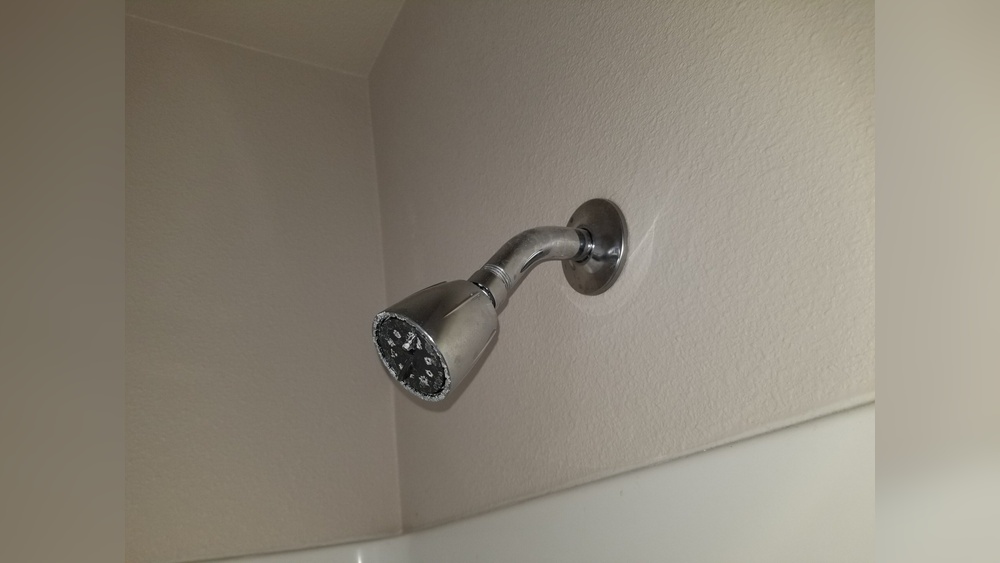
Pick a showerhead that fits your shower arm size. Most are standard, but check before buying. Consider water-saving models to reduce your water bill. Look at spray patterns to find what suits you best. Materials like chrome and stainless steel last longer and resist rust.
Installation Steps
Start by turning off the water supply to the shower. Use a cloth to protect the shower arm and unscrew the old showerhead. Clean the threads on the shower arm to remove old tape and dirt. Wrap new plumber’s tape clockwise around the threads. Screw the new showerhead on by hand until tight. Use a wrench for a final snug fit, but don’t over-tighten. Turn the water back on and test for leaks. Adjust the showerhead angle for comfort.
Sealing Bathtubs And Showers
Sealing bathtubs and showers is an important plumbing fix for beginners. It stops water from leaking into walls and floors. Proper sealing protects your bathroom from damage. It also keeps your space clean and dry.
Applying Caulk Properly
Start by cleaning the area around the tub or shower. Remove old caulk and dry the surface well. Cut the tip of the caulk tube at a 45-degree angle. Apply a smooth, even bead of caulk along the seam. Use a caulk smoothing tool or your finger to press it in. Wipe away any extra caulk with a damp cloth before it dries.
Preventing Mold And Mildew
Choose a mold-resistant caulk for sealing your tub or shower. Keep the area dry by using a fan or opening windows. Clean the sealed edges regularly with mild soap and water. Check the caulk for cracks and replace it if needed. This stops mold and mildew from growing and keeps your bathroom fresh.
Fixing Minor Pipe Leaks
Minor pipe leaks can cause water damage and increase utility bills. Fixing them quickly helps avoid bigger problems. Beginners can handle simple repairs with basic tools and materials. Understanding effective methods makes the process easier and safer. Two common solutions include using pipe tape and sealants or applying temporary patches.
Using Pipe Tape And Sealants
Pipe tape, also called Teflon tape, wraps around threaded pipe joints. It seals small gaps and stops leaks. Clean the pipe threads before applying tape. Wrap the tape tightly in the direction of the threads. Use multiple layers for better sealing. After wrapping, screw the parts back together carefully.
Sealants like pipe dope or silicone paste coat the threads for a watertight fit. Apply a thin, even layer on clean threads. Join the pipes and tighten them securely. These sealants work well with metal or plastic pipes. They prevent leaks in joints and fittings without replacing parts.
Temporary Patch Solutions
Temporary patches stop leaks until permanent fixes are possible. Rubber and clamps form quick, effective patches. Cut a piece of rubber or use a rubber patch. Place it over the leaking area. Secure the patch tightly with a hose clamp or metal clamp.
Another option is waterproof tape designed for plumbing repairs. Wrap it firmly around the leak, overlapping layers for strength. This tape seals leaks on smooth surfaces quickly. Remember, these patches are short-term fixes. Replace or repair the pipe properly as soon as possible.
Maintaining Plumbing Fixtures
Maintaining plumbing fixtures helps them last longer and work better. Simple care prevents leaks and costly repairs. Beginners can easily keep fixtures clean and functional. This section shares easy tips for regular cleaning and ways to prevent damage. Follow these steps to keep your home plumbing in good shape.
Regular Cleaning Tips
Clean fixtures often to stop dirt and grime buildup. Use mild soap and warm water for daily cleaning. Avoid harsh chemicals that can damage surfaces. A soft cloth or sponge works best to wipe taps and sinks. Clean aerators by unscrewing and soaking them in vinegar. This removes mineral deposits and improves water flow.
Clear drains regularly to avoid clogs. Pour baking soda followed by vinegar down drains. Let it sit for 15 minutes, then flush with hot water. Use a drain strainer to catch hair and debris. Wipe showerheads gently with a brush to remove buildup. These small tasks keep water flowing smoothly and fixtures looking new.
Preventive Measures
Fix leaks quickly to stop water waste and damage. Check pipes and faucets regularly for drips. Tighten loose parts with a wrench but do not overtighten. Replace worn washers or seals to stop dripping taps. Insulate pipes during cold months to avoid freezing and bursts. Avoid pouring grease or heavy debris down drains.
Use water pressure regulators if water flows too fast. High pressure can harm fixtures and pipes. Teach family members not to use excessive force on taps. Turn off faucets gently to prevent wear and tear. Simple habits like these save money and keep plumbing healthy.

Credit: www.amazon.com

Credit: www.youtube.com
Frequently Asked Questions
What Is The 135 Rule For Plumbing?
The 135 rule for plumbing guides pipe bends: use 45°, 90°, or 135° angles to maintain flow and prevent clogs.
Can I Fix Minor Plumbing Issues Myself?
Yes, you can fix minor plumbing issues like clogs or leaks using basic tools and proper instructions safely at home.
What Is The Easiest Plumbing Job?
The easiest plumbing jobs include fixing leaky faucets, unclogging drains, and replacing showerheads. These tasks require basic tools and skills.
What’s The First Fix For Plumbing?
First fix plumbing involves installing and routing pipes within walls and floors before fixtures and appliances are added. It creates a strong plumbing foundation.
Conclusion
Simple plumbing fixes can save time and money at home. Start with small tasks like stopping leaks or unclogging drains. Use basic tools and follow clear instructions carefully. Practice helps build your confidence and skills over time. Always turn off water before any repair to avoid accidents.
Remember, small efforts keep your plumbing working well. Keep learning and stay patient with each fix. Soon, these tasks will feel easier and less stressful. Take control of your home’s plumbing with these easy steps.