





This post may contain affiliate links. Please read my disclosure policy.
In This Article Show
Understanding your hot water heater plumbing diagram is key to keeping your home’s water flowing smoothly and efficiently. Whether you’re dealing with a leak, planning an upgrade, or just curious about how your system works, knowing the layout can save you time and money.
You’ll discover how the cold water enters your heater, how it gets warmed up, and how the hot water travels to your taps. By the end, you’ll feel confident reading your own water heater diagram and spotting any issues before they become costly repairs.
Ready to unlock the secrets behind your hot water system? Let’s dive in!

Credit: www.ecoparkcampogrande.com.br
Water Heater Basics
Understanding the basics of a water heater is important for anyone managing home plumbing. A water heater warms your water for daily needs like bathing and cleaning. Knowing how it connects and works helps in maintaining or troubleshooting it. This section breaks down the key parts of a water heater system.
Main Water Line Connection
The main water line brings cold water into the heater. This pipe connects directly to the water source. A shut-off valve usually controls the flow here. It allows you to stop water supply during repairs. Proper connection ensures steady water flow to the heater.
Cold And Hot Water Paths
Cold water enters the tank through a dip tube. It reaches the bottom to be heated. Hot water rises and exits through the top pipe. This hot water pipe leads to faucets and appliances. Clear paths keep water at the right temperature and pressure.
Types Of Water Heaters
Several types of water heaters fit different needs. Tank water heaters store and heat large volumes. Tankless heaters heat water instantly on demand. Heat pump heaters use electricity to move heat efficiently. Choosing the right type depends on your space and usage.

Credit: acquetech.com
Essential Components
The essential components of a hot water heater ensure the system works safely and efficiently. Each part plays a vital role in delivering hot water to your home. Understanding these components helps in maintenance and troubleshooting.
Below are the key parts found in most hot water heater plumbing systems.
Cold Water Inlet
The cold water inlet allows fresh water to enter the tank. It is usually connected to the main water supply line. This pipe directs cold water into the heater to be warmed.
Hot Water Outlet
The hot water outlet carries heated water from the tank to your taps. It delivers hot water to showers, sinks, and appliances. This pipe is insulated to keep water warm during flow.
Pressure Relief Valve
The pressure relief valve protects the tank from excess pressure. It opens automatically if pressure or temperature gets too high. This safety feature prevents tank damage or explosions.
Expansion Tank
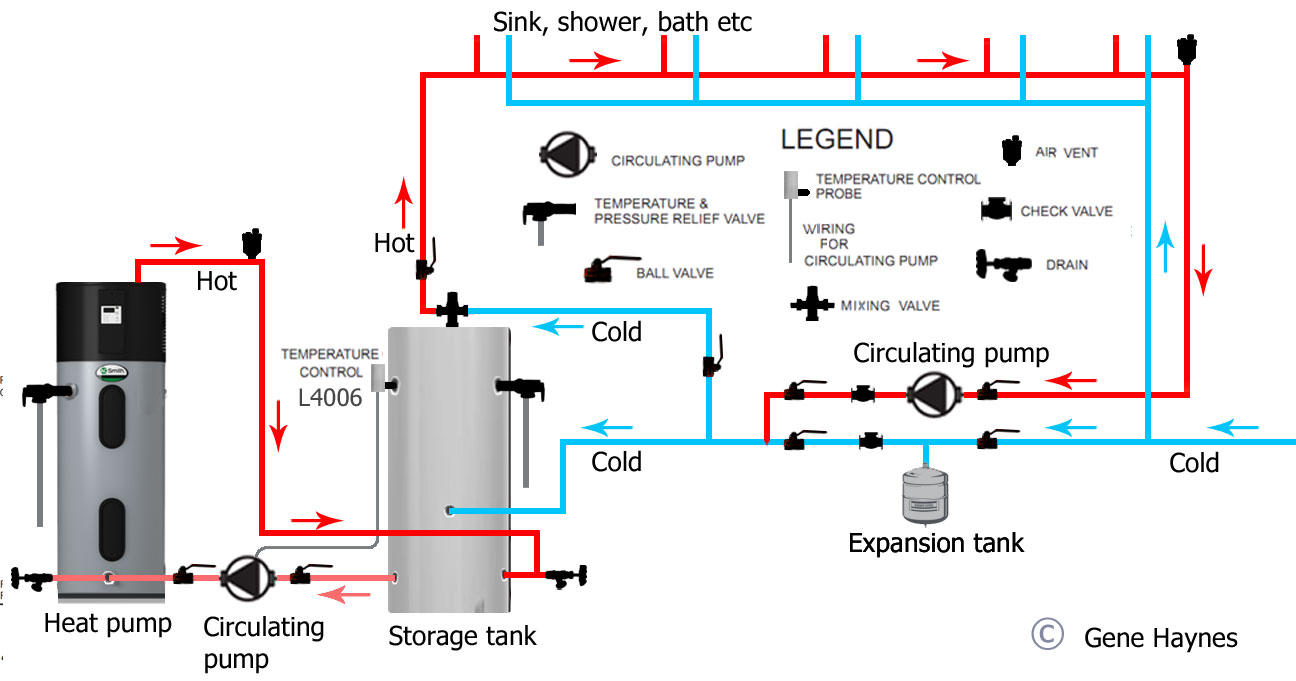
The expansion tank absorbs extra water pressure caused by heating. It prevents stress on pipes and valves by giving space for water to expand. This tank extends the lifespan of your water heater system.
Reading Plumbing Diagrams
Understanding a hot water heater plumbing diagram is essential for proper installation and maintenance. These diagrams show how pipes connect and how water flows through the system. Learning to read them makes troubleshooting easier and helps avoid costly mistakes. This section explains key parts of reading plumbing diagrams clearly.
Symbols And Labels
Plumbing diagrams use symbols to represent pipes, valves, and fixtures. Each symbol has a specific meaning, making the diagram easier to follow. Labels often accompany symbols to show pipe size, material, or temperature. Knowing these helps identify parts quickly. For example, a circle may show a valve, while a line with arrows indicates a pipe.
Pipe Layouts
Pipe layouts show how water travels from the heater to taps and appliances. Diagrams display pipes running horizontally and vertically, often with bends and joints. The layout helps see where pipes connect and how they fit in walls or floors. Clear layouts make it easier to plan repairs or upgrades and avoid plumbing errors.
Flow Direction
Arrows on diagrams show the flow direction of hot and cold water. This tells which way water moves through the system. Flow direction is important for understanding how the heater heats water and delivers it. Correct flow ensures efficient heating and prevents damage. Diagrams usually mark flow clearly with simple arrows.
Installation Preparation
Preparing for hot water heater installation requires careful planning. Proper preparation saves time and prevents mistakes during setup. Focus on gathering the right tools, understanding safety needs, and checking the installation site. These steps create a smooth and safe installation process.
Tools And Materials
Gather all tools before starting. Essential tools include pipe wrenches, pipe cutters, a screwdriver set, and Teflon tape. You will also need flexible water connectors and a pipe fitting kit. Having these materials ready avoids delays and ensures a proper fit. Check for any special parts required by your heater model.
Safety Precautions
Turn off the main water supply and power source first. This prevents accidents and water damage. Wear gloves and safety goggles to protect against sharp edges and debris. Use a sturdy ladder if working at height. Always follow local building codes and manufacturer instructions to stay safe.
Site Assessment
Choose a location with easy access to water and power lines. Ensure the area is dry and well-ventilated. Measure the space to confirm your heater fits comfortably. Check nearby walls and floors for stability. Clear the area of clutter to allow free movement during installation.
Step-by-step Installation
Installing a hot water heater requires careful attention to each step. Following a clear plumbing diagram helps ensure safety and efficiency. This guide breaks down the process into simple steps anyone can follow.
Shutting Off Water And Power
Start by turning off the main water supply to your home. This prevents leaks during installation. Next, switch off the power source to the heater. For electric heaters, turn off the breaker. For gas heaters, close the gas valve. Safety first.
Connecting Cold Water Supply
Locate the cold water inlet on the heater. Attach a pipe from the main water line to this inlet. Use plumber’s tape on threaded connections to stop leaks. Secure the connection with a wrench. Make sure the pipe is tight but not over-tightened.
Attaching Hot Water Outlet
Find the hot water outlet on the heater. Connect a pipe to carry hot water to your home’s taps. Use the right pipe size for proper flow. Again, apply plumber’s tape on threads. Tighten the connection carefully. Check for alignment with the existing plumbing.
Installing Expansion Tank
An expansion tank prevents pressure build-up inside the system. Attach it near the cold water inlet pipe. Use a tee fitting to connect the tank. Secure all fittings tightly. The tank absorbs extra water volume from heating. This protects pipes and the heater.
Pressure Relief Valve Setup
Install the pressure relief valve on the designated valve port. Attach a discharge pipe to direct water safely outside or to a drain. The pipe should slope downward for proper drainage. This valve prevents dangerous pressure levels inside the tank.
Final Checks And Testing
Turn the water supply back on slowly. Check all connections for leaks. Restore power or gas supply to the heater. Allow the water to heat and test hot water flow. Monitor the pressure relief valve to ensure it functions. Fix any issues before regular use.
Credit: www.vitarent.it
Common Installation Issues
Installing a hot water heater can be tricky without the right knowledge. Common installation issues often cause poor performance and damage. Understanding these problems helps prevent costly repairs and keeps your system running smoothly.
Leaks And Drips
Leaks and drips are frequent problems in hot water heater plumbing. They usually occur at pipe joints or valve connections. Even small leaks waste water and energy. Over time, they can cause water damage to walls or floors. Checking for leaks during installation is crucial to avoid future issues.
Incorrect Pipe Connections
Connecting pipes incorrectly can stop your water heater from working properly. Mixing up the hot and cold water lines is a common mistake. This can cause water to flow the wrong way or reduce heating efficiency. Follow the plumbing diagram carefully to ensure each pipe connects to the right place.
Pressure Problems
Pressure issues often result from improper installation or missing parts. High water pressure can damage the heater or pipes. Low pressure may reduce hot water flow. Installing a pressure relief valve and expansion tank helps control pressure. Proper pressure keeps your system safe and efficient.
Maintenance Tips
Proper maintenance extends the life of your hot water heater. It keeps the system running safely and efficiently. Neglect can cause leaks, poor heating, or costly repairs. Simple routine checks help spot issues early. Follow these key maintenance tips to protect your investment and ensure steady hot water supply.
Regular Inspections
Inspect your hot water heater every few months. Look for leaks around the tank and pipes. Check the area for moisture or corrosion. Listen for unusual noises from the heater. These signs may indicate a problem. Early detection prevents bigger damage and saves money.
Flushing The Tank
Flush the tank once a year to remove sediment buildup. Sediment lowers heater efficiency and may cause damage. Turn off the power or gas supply first. Attach a hose to the drain valve and let water flow out. Run the water until clear, then close the valve. Flushing keeps your heater working well and lasting longer.
Checking Valves
Test the temperature and pressure relief valve regularly. Lift the valve lever slightly and let it snap back. You should hear a rush of water into the drain pipe. If not, the valve may be faulty and needs replacement. This valve prevents excessive pressure and overheating, protecting your home.
When To Call A Professional
Call a plumber if you notice leaks, strange noises, or no hot water. Complex repairs and replacements require expert skills. Professionals ensure safe handling of gas and electrical parts. Regular professional checkups can spot hidden issues early and keep your heater efficient.
Advanced Configurations
Advanced configurations in hot water heater plumbing diagrams improve efficiency and comfort. These setups handle larger homes or complex water needs. They help reduce wait times for hot water and save energy. Understanding these options helps you choose the right system for your space.
Installing Multiple Water Heaters
Using more than one water heater shares the load evenly. This setup suits large homes or commercial buildings well. Each heater serves different zones or floors separately. It ensures consistent hot water supply without overworking one unit. Proper piping and valves are key for smooth operation. This layout also allows maintenance on one unit without shutting down all hot water.
Integrating Tankless Systems
Tankless water heaters provide hot water on demand. They save space and reduce energy waste. Integrating them with traditional tanks combines benefits of both systems. The tank stores hot water, while tankless units heat water quickly as needed. This hybrid setup cuts down energy costs and improves water flow. It suits homes with varying water use patterns well.
Hot Water Circulation Loops
Circulation loops keep hot water moving through pipes continuously. This means hot water is ready at taps faster. It prevents water waste from waiting for hot water to arrive. The loop system uses a pump to keep water flowing. Installing check valves avoids backflow and maintains pressure. This setup is ideal for large homes with distant bathrooms or kitchens.
Frequently Asked Questions
Why Can’t You Connect Pex Directly To Water Heater?
PEX tubing cannot connect directly to water heaters due to heat damage risk. Use a metal or CPVC connector instead.
Is The Main Water Line Connected To The Water Heater?
Yes, the main water line connects to the water heater’s cold water inlet. It supplies cold water for heating. Hot water then flows out through a separate pipe to your home’s plumbing system.
Can I Use Sharkbite On A Hot Water Heater?
Yes, you can use SharkBite fittings on a hot water heater. Ensure they are rated for hot water use and installed correctly.
What Is The Most Common Water Heater Problem?
The most common water heater problem is a lack of hot water. This often results from a faulty heating element or thermostat. Sediment buildup in the tank can also reduce efficiency. Regular maintenance helps prevent these issues and extends your water heater’s lifespan.
Conclusion
Understanding a hot water heater plumbing diagram helps with proper installation and repair. It shows how pipes connect to deliver hot water safely. Knowing key parts like the tank, valves, and pipes makes troubleshooting easier. Use this knowledge to keep your system running smoothly.
Clear diagrams can save time and avoid costly mistakes. Keep this guide handy for any plumbing tasks involving your water heater. Simple steps lead to better home comfort and efficient water heating.