




This post may contain affiliate links. Please read my disclosure policy.
In This Article Show
Plumbing problems can strike at the most inconvenient times. A dripping faucet, a running toilet, or a clogged drain might seem like a hassle, but what if you could fix these issues yourself without waiting for a plumber?
You don’t need to be an expert or own fancy tools to tackle many common plumbing fixes. You’ll discover easy, step-by-step solutions that anyone can do to save time and money. Ready to take control of your home’s plumbing? Let’s dive into simple repairs you can handle today.
Common Plumbing Issues
Common plumbing issues can disrupt daily life and cause costly damage if ignored. Many problems start small but grow quickly. Knowing the basics helps you handle these issues early. Simple fixes often save money and stress. Below are some frequent plumbing problems anyone can fix with little effort.
Leaky Faucets
Leaky faucets waste water and raise bills. The drip sound can be annoying. Most leaks come from worn washers or seals. Fixing a leaky faucet usually involves replacing these parts. It takes just a few tools and little time.
Running Toilets
A running toilet keeps water flowing continuously. This problem wastes gallons of water daily. Common causes include a faulty flapper or float. Checking and adjusting these parts can stop the running water. Fixing it quickly lowers your water bill.
Clogged Drains
Clogged drains slow water flow and cause backups. Hair, soap, and food particles often block pipes. Using a plunger or drain snake clears most clogs. Avoid harsh chemicals that can damage pipes. Regular cleaning prevents future blockages.
Dripping Pipes
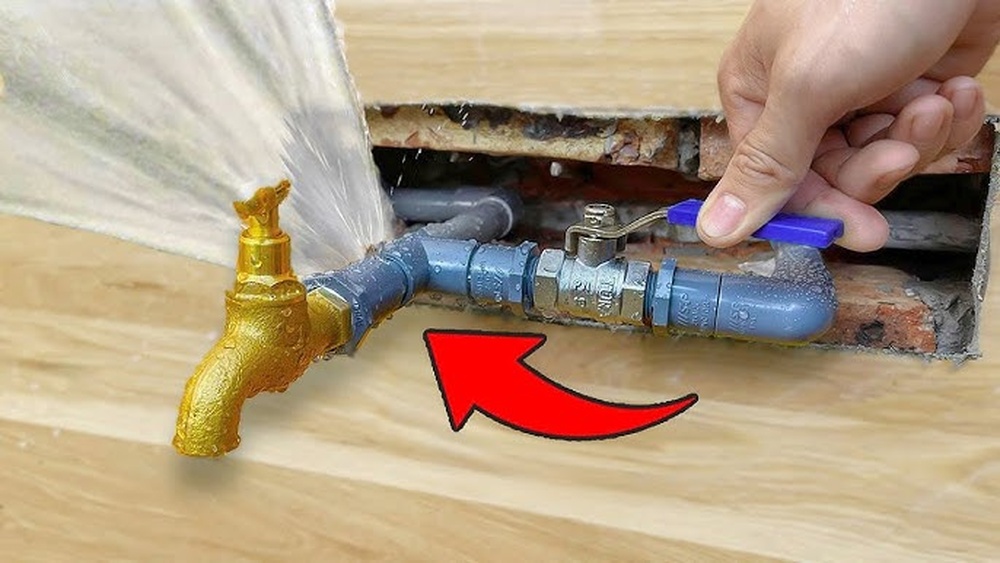
Dripping pipes can cause water damage and mold. Drips often happen at joints or from corrosion. Tightening connections or replacing worn parts stops leaks. Inspect pipes regularly to catch drips early. Quick action protects your home from damage.

Credit: www.youtube.com
Basic Tools Needed
Basic plumbing repairs often require only a few essential tools. Having the right tools makes the job easier and safer. You can fix leaks, unclog drains, and tighten fittings with simple equipment. Most tools are affordable and easy to find in local stores or online.
Here are some basic tools everyone should have for plumbing fixes.
Wrenches And Pliers
Wrenches and pliers are must-have tools for plumbing. An adjustable wrench fits many sizes of nuts and bolts. Slip-joint pliers help grip and turn pipes or fittings. These tools allow you to loosen or tighten connections without damaging them. They are perfect for fixing leaks or replacing parts.
Plungers And Drain Snakes
Plungers clear simple clogs in sinks, toilets, and tubs. They create pressure to push blockages away. Drain snakes reach deeper clogs that plungers cannot fix. A drain snake is a long, flexible tool that breaks up or pulls out debris. Both tools help keep drains flowing smoothly.
Pipe Sealants And Tape
Pipe sealants and tape prevent leaks around joints and fittings. Teflon tape wraps around threads to create a tight seal. Pipe sealant paste fills gaps and stops water from escaping. These products are easy to apply and save you from costly water damage. Always use them on threaded connections.
Pvc Primer And Cement
PVC primer and cement join plastic pipes securely. The primer cleans and prepares the pipe surface. The cement bonds the pipe and fitting together permanently. Using both ensures strong, leak-proof joints in plastic plumbing. These tools are essential for installing or repairing PVC pipes.
Fixing Leaks Quickly
Fixing leaks quickly saves water and prevents damage. Small leaks can turn into big problems fast. Acting fast keeps your home safe and dry. Learn simple steps to stop leaks in faucets, pipes, and joints. These fixes do not need special skills or tools.
Repairing Faucet Leaks
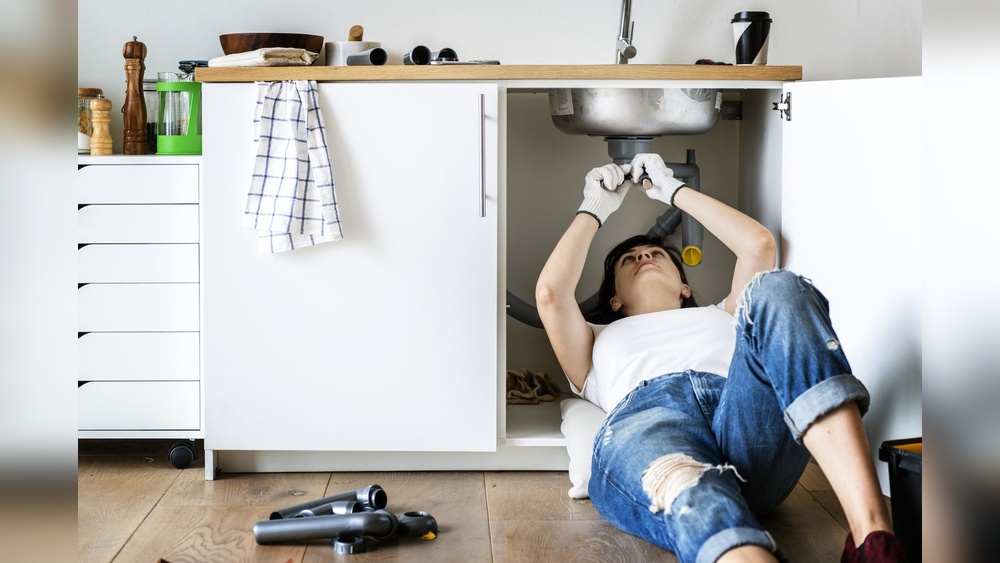
Faucet leaks often come from worn-out washers or seals. First, turn off the water supply under the sink. Remove the faucet handle using a screwdriver. Check the washer and O-ring for damage or wear. Replace any faulty parts with new ones from a hardware store. Reassemble the faucet and turn water back on. Test the faucet to make sure the leak stops.
Stopping Pipe Drips
Pipe drips often occur at joints or cracks. Locate the leaking spot and dry the pipe completely. Wrap plumber’s tape around threaded pipe ends to seal small leaks. For cracks, use epoxy putty or pipe repair tape as a temporary fix. Allow the repair material to cure before turning the water back on. Monitor the pipe to ensure the drip has stopped.
Sealing Joint Leaks
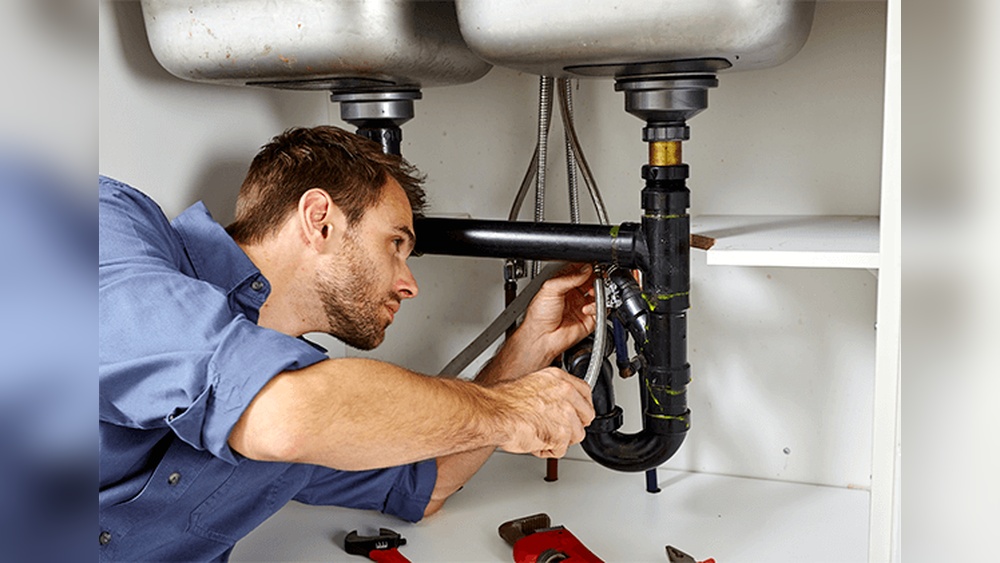
Leaks at pipe joints need tight sealing to stop water flow. Turn off the water supply before working on the joint. Unscrew the joint carefully and clean both surfaces. Apply plumber’s tape or joint compound around the threads. Reconnect the joint and tighten it securely but not too tight. Turn on the water slowly and check for leaks. Repeat if necessary to ensure a strong seal.
Clearing Blockages
Blocked drains cause slow water flow and unpleasant odors. Clearing blockages quickly keeps your plumbing working well. Some blockages need simple tools and a little effort. These fixes save time and money.
Using A Plunger Effectively
Choose a plunger that fits the drain opening tightly. Fill the sink or tub with enough water to cover the plunger cup. Place the plunger over the drain and push down firmly. Pull up sharply without breaking the seal. Repeat this motion several times. The pressure helps loosen the blockage. Remove the plunger to see if water drains. Clean the plunger after use to keep it sanitary.
Removing Hair And Debris
Hair and debris often block bathroom drains. Use a plastic drain cover to catch hair before it enters the pipes. To remove clogs, try a wire hanger straightened with a small hook at one end. Insert the hook into the drain and pull out trapped hair. Avoid pushing debris further down the pipe. Wearing gloves helps keep hands clean. Dispose of removed material in the trash, not the drain.
Using A Drain Snake
A drain snake reaches deep blockages that plungers cannot clear. Insert the snake slowly into the drain. Turn the handle clockwise to break up or catch the clog. Pull the snake out gently to remove debris. Clean the snake after use to prevent rust. Drain snakes come in manual or powered types. Start with a manual snake for most home blockages. Avoid forcing the snake to prevent pipe damage.
Toilet Troubleshooting
Toilets often face simple problems that anyone can fix. Understanding basic troubleshooting saves time and money. This guide covers common toilet issues and easy repairs. Clear instructions help you keep your toilet working well.
Stopping A Running Toilet
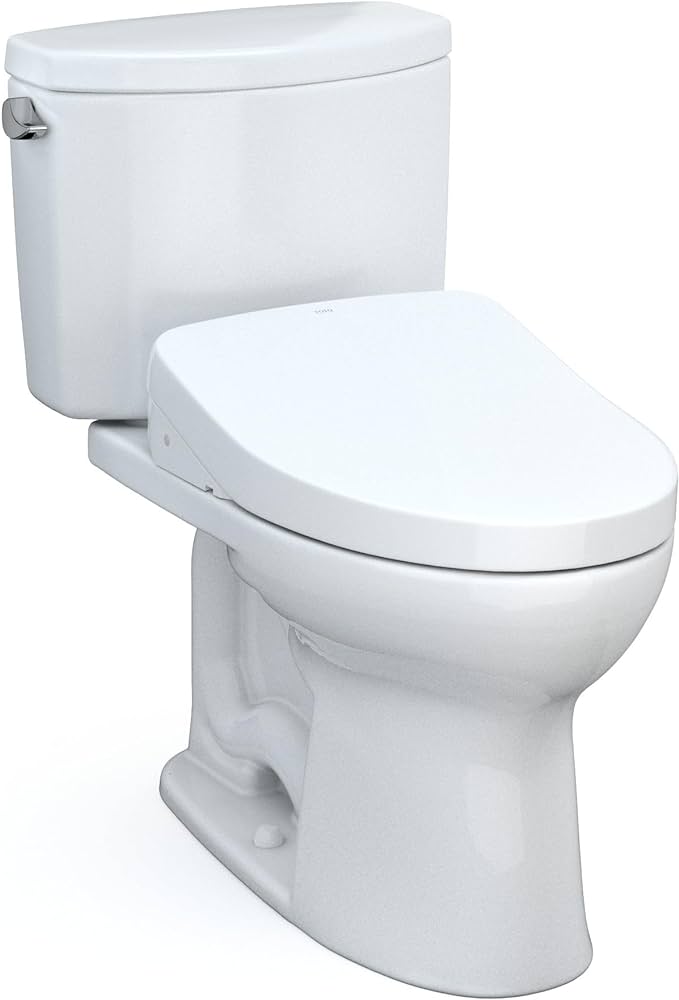
A running toilet wastes water and raises bills. First, check the flapper at the tank bottom. Sometimes, it does not seal properly. Lift the tank lid and push down on the flapper. If it stops running, the flapper may need cleaning or replacement. Also, check the chain connected to the flapper. It should have some slack but not be too loose. Adjust the chain length to fix the problem. Finally, inspect the fill valve for leaks or wear. Replace the fill valve if it causes continuous water flow.
Replacing The Flapper
The flapper controls water flow from the tank to the bowl. A worn flapper causes leaks and running water. Turn off the water supply to the toilet. Flush to empty the tank. Remove the old flapper by unhooking it from the overflow tube. Attach the new flapper to the same place. Connect the chain to the flush lever with slight slack. Turn the water supply back on. Test the flush to ensure the new flapper works well and stops running.
Fixing Overflow Issues
Overflow happens when the water level is too high in the tank. Locate the float ball or float cup inside the tank. Adjust the float by bending the rod or sliding the clip down. Lowering the float reduces water level, preventing overflow. Check the overflow tube for cracks or damage. Replace the tube if it leaks. Make sure the fill valve shuts off when water reaches the right level. If not, replace the fill valve to stop overflow problems.

Credit: cornwellplumbing.com
Upgrading Fixtures
Upgrading your plumbing fixtures is a simple way to refresh your home. New fixtures not only look better but can save water and energy. Many fixture upgrades need only a few tools and little time. You can improve your kitchen or bathroom with easy steps anyone can follow.
Installing New Faucets
Removing old faucets and installing new ones is straightforward. First, turn off the water supply. Then, disconnect the supply lines and remove the old faucet. Place the new faucet and tighten the mounting nuts. Reconnect the water lines and check for leaks. New faucets can improve water flow and style.
Replacing Showerheads
Showerheads are easy to swap out. Unscrew the old showerhead by hand or with a wrench. Clean the pipe threads and wrap them with plumber’s tape. Screw on the new showerhead tightly. Test the water pressure and adjust if needed. New showerheads can offer better spray options and save water.
Installing Sink Sprayers
Sink sprayers add convenience to kitchen tasks. To install one, start by turning off the water. Drill a hole if your sink lacks one. Connect the sprayer hose to the faucet and secure it. Attach the sprayer head at the end of the hose. Turn the water back on and test the sprayer for leaks and function.
Preventative Maintenance
Preventative maintenance helps keep plumbing systems working well. Small checks and simple actions stop big problems. Regular care saves money and stress. Anyone can do these easy tasks. They protect your pipes and fixtures from damage. Follow these tips to maintain your home’s plumbing.
Regular Cleaning Tips
Clean drains often to avoid clogs. Use a mild cleaner or baking soda and vinegar. Flush with hot water afterward. Remove debris from faucet aerators to keep water flow steady. Wipe pipes under sinks to spot moisture or dirt. Keep vents clear from dust and spider webs.
Checking For Hidden Leaks
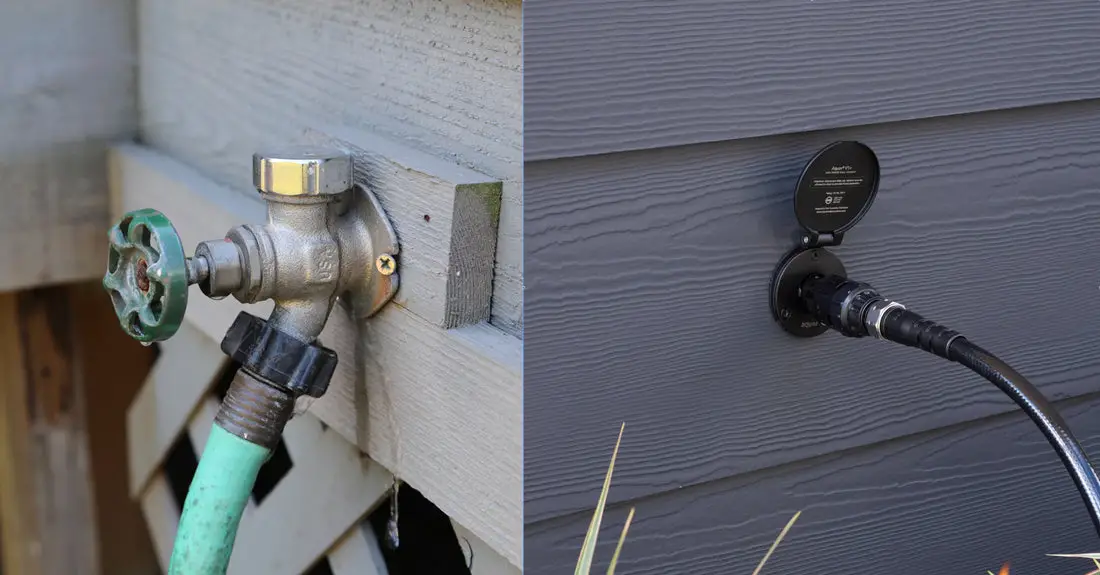
Look for wet spots under sinks and around toilets. Check your water meter before and after a few hours without water use. A change means a leak may exist. Inspect exposed pipes for corrosion or drips. Don’t forget to check outdoor hoses and irrigation systems. Early leak detection saves water and prevents damage.
Avoiding Over-tightening
Hand-tighten plumbing connections first. Use tools gently to avoid cracking pipes or fittings. Over-tightening can cause leaks or break parts. If unsure, tighten just enough to stop leaks. Always follow manufacturer instructions for fixtures. Proper tightening extends the life of your plumbing.

Credit: shopping.yahoo.com
When To Call A Pro
Knowing when to call a professional plumber saves time and prevents costly damage. Some plumbing tasks look easy but hide serious problems. Recognizing limits helps keep your home safe and your repairs effective.
Handling Complex Repairs
Complex plumbing repairs require special tools and skills. Issues like pipe bursts, sewer backups, or water heater failures need expert attention. Mistakes in these repairs can cause flooding or health hazards. A pro can diagnose hidden problems and fix them correctly.
Avoiding Safety Risks
Plumbing work can involve electricity, gas, or contaminated water. Handling these risks without training is dangerous. Professionals follow safety standards and use protective gear. Calling a pro reduces the chance of injury or further damage to your home.
Knowing Your Limits
Simple fixes like unclogging drains or fixing leaks are good for beginners. But some tasks need experience and confidence. If a repair feels overwhelming, it is wise to stop and call a plumber. Recognizing limits helps avoid wasted effort and bigger problems later.
Frequently Asked Questions
What Is The Easiest Plumbing Job?
The easiest plumbing jobs include fixing a leaky faucet, unclogging drains, replacing showerheads, and stopping a running toilet. These tasks require basic tools and minimal experience.
What Is The 135 Rule For Plumbing?
The 135 rule in plumbing limits pipe bends to a maximum of 135 degrees per section. This reduces flow resistance and prevents leaks. It ensures efficient water flow and system longevity by avoiding sharp angles that can cause pressure drops or blockages.
Can I Fix My Own Plumbing?
You can fix minor plumbing issues like leaks or clogs with basic tools and knowledge. For complex problems, hire a professional to ensure safety and proper repair.
What Is The Most Common Plumbing Repair?
The most common plumbing repair is fixing leaky faucets. These leaks waste water and increase bills. Simple tools often fix them quickly.
Conclusion
Simple plumbing fixes save time and money around the house. Basic tools and clear steps make these jobs easy. Small leaks and clogs don’t need a plumber right away. Taking action quickly prevents bigger problems later on. Confidence grows with every repair you complete yourself.
Always check your work to ensure the problem is fixed. When unsure, calling a professional keeps your home safe. Start with easy tasks and build your skills slowly. Plumbing can be manageable with patience and practice.