 Luis Nixon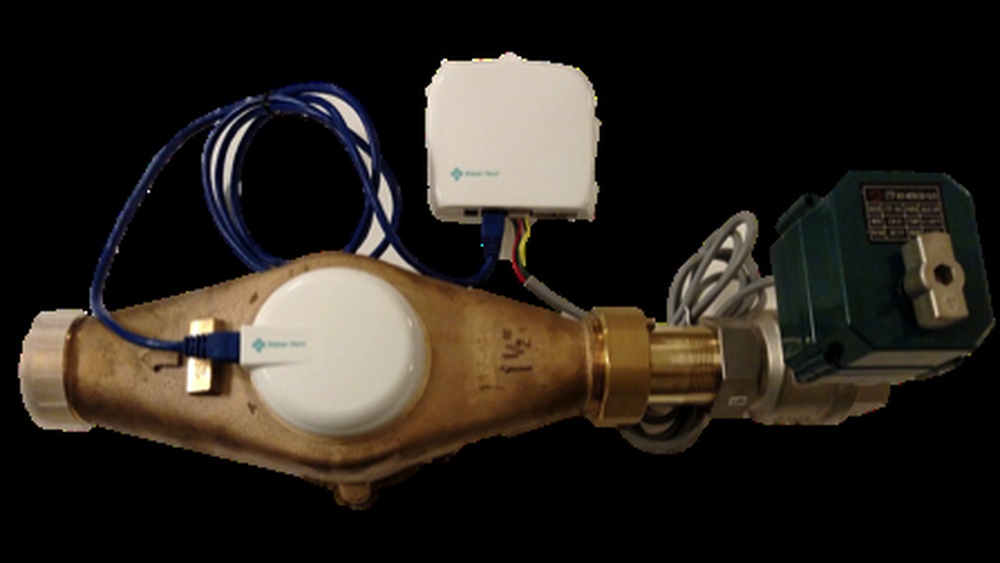
Have you ever wondered if your water company can just shut off your water remotely, without anyone knocking on your door? It’s a question that might cross your mind when you hear about new smart meters and digital technology transforming utility services.
Imagine coming home to find no water flowing because your supply was cut off from afar. Sounds unsettling, right? You’ll discover how water companies really handle shutoffs, what remote shutoff technology means for you, and what you can do to stay in control of your water service.
Keep reading to clear up the confusion and protect your water access.
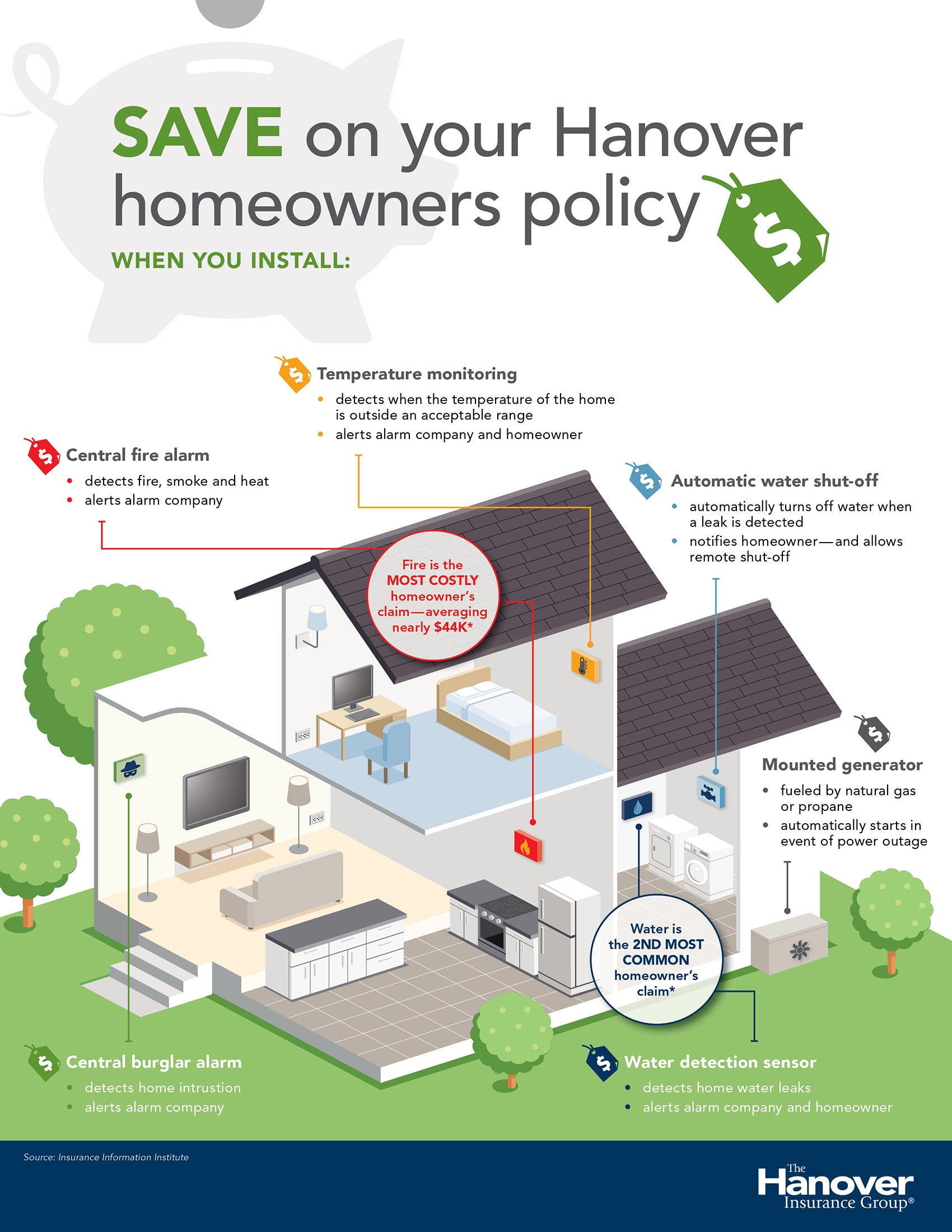
Credit: www.hanover.com
Remote Water Shutoff Technology
Remote water shutoff technology allows water companies to control water flow without physical presence. This system uses smart devices connected to water meters or valves. It helps utilities manage water supply efficiently and respond quickly to issues. The technology supports better service and reduces the need for on-site visits.
How Remote Shutoff Works
Remote shutoff uses smart meters or valves linked to a central system. The water company sends a signal to close the valve. This stops water flow immediately. The system also allows water to be turned back on remotely. Communication happens via cellular, radio, or Wi-Fi networks. The technology ensures fast and safe control over water supply.
Key Uses In Utilities
Utilities use remote shutoff to stop water for non-payment. It helps avoid physical visits, saving time and money. The technology is also used during emergencies like leaks or floods. It protects property and reduces water waste. Remote shutoff supports better customer service and system management.
Technology Providers
Several companies offer remote water shutoff solutions. Mueller Systems and Badger Meter are popular providers. They supply smart meters and valves with remote control features. These products integrate easily with utility management systems. The providers offer support for installation and maintenance too.
Water Company Policies On Remote Shutoff
Water companies have different policies about remote shutoff technology. This technology allows them to control water flow without visiting the property. Many utilities use it for safety, efficiency, and quick response. Understanding these policies helps customers know their rights and what to expect. The rules depend on legal limits, company practices, and payment status.
Legal Restrictions
Many states limit remote water shutoffs by law. These laws protect customers from sudden service loss. Utilities must follow strict rules before cutting water. Often, companies cannot shut off water during extreme weather or health emergencies. They must notify customers in advance. Some places require a court order for shutoff. These laws aim to ensure fairness and safety.
Common Utility Practices
Utilities use remote shutoff mainly for safety and maintenance. It helps avoid sending crews for every issue. Remote shutoff allows quick response to leaks or hazards. Companies often combine it with smart meters. This technology improves water management and reduces waste. Still, not all water companies have remote shutoff. Many rely on manual valves and field visits.
Non-payment And Shutoff Procedures
Non-payment is a common reason for water shutoff. Utilities usually send warnings before cutting service. Bills must be overdue by a set time, often 30 days. Remote shutoff may be used to enforce payment. Customers often have options to avoid shutoff, like payment plans. Some companies restore water remotely after payment. Rules vary by location and utility company.
Homeowner Control Over Water Supply
Homeowners have important control over their water supply inside their property. Knowing how to manage water flow helps avoid damage and save water. This control starts with understanding the location of shutoff valves and how to maintain them. Also, knowing the manual steps to turn off water is essential during emergencies. Taking charge of your water supply gives you peace of mind and protects your home.
Location Of Shutoff Valves
The main shutoff valve is usually near the water meter outside your home. It can also be inside, in places like the garage or basement. Find this valve quickly in case of leaks or repairs. Some homes have additional shutoff valves for specific areas like the kitchen or bathroom. Mark their locations to avoid confusion during an emergency.
Valve Maintenance Responsibilities
Homeowners must keep shutoff valves in good condition. Check them regularly for rust or leaks. Turn the valve on and off a few times each year to prevent it from sticking. If a valve is broken or hard to turn, replace it quickly. Well-maintained valves ensure you can stop water flow without problems.
Manual Shutoff Steps
To shut off water manually, first locate the main shutoff valve. Turn the valve handle clockwise until it stops. This action stops water flow into your home. Open a faucet to drain any water left in pipes. After repairs or emergencies, turn the valve counterclockwise to restore water. Practice these steps so you can act fast when needed.
Smart Water Monitors And Automatic Shutoff
Smart water monitors and automatic shutoff systems offer new ways to protect homes from water damage. These devices detect leaks and can stop water flow instantly. This technology helps save water and reduce costly repairs.
Many smart water monitors connect to your smartphone. They send alerts if a problem appears. Some systems can even turn off water automatically. This adds a layer of safety for your home and peace of mind.
Leak Detection Systems
Leak detection systems use sensors to find water leaks early. They monitor pipes and appliances continuously. When a leak starts, the system alerts homeowners quickly. Early detection helps avoid big water damage and high bills.
These systems work 24/7. They detect slow leaks and sudden bursts alike. Some models also track water usage patterns to spot unusual activity. This smart monitoring keeps your home safer.
App-controlled Shutoff Features
Many smart water monitors include app-controlled shutoff features. Homeowners can turn water on or off from anywhere. This control is handy during travel or emergencies. If a leak is detected, the system can shut water automatically.
The app sends alerts and status updates. Users can check water usage and system health anytime. This remote control reduces the risk of water damage significantly.
Popular Smart Devices
Popular smart water monitors include brands like Flo by Moen, Phyn, and LeakSmart. These devices offer leak detection, automatic shutoff, and app control. They fit most homes and connect easily to Wi-Fi networks.
Installation is simple, often done without a plumber. Many models provide detailed water reports. These insights help homeowners manage water use better and detect problems fast.
Safety And Operational Benefits
Remote water shutoff technology offers many safety and operational benefits. It improves the way water companies manage supply and handle emergencies. This technology helps protect workers, lowers risks of water damage, and enables quick action during urgent situations.
Protecting Utility Workers
Remote shutoff reduces the need for workers to visit customer sites. This lowers exposure to dangerous conditions like traffic or hazardous environments. Workers can operate valves from a safe control center. It also cuts down physical strain and risk of accidents.
Reducing Water Damage Risks
Water leaks can cause serious damage to homes and buildings. Remote shutoff allows quick response to leaks or pipe bursts. It stops water flow fast, minimizing flooding and costly repairs. Early shutoff helps prevent long-term damage and mold growth.
Emergency Shutoff Scenarios
In emergencies like natural disasters, fast water control is crucial. Remote shutoff lets companies act immediately without delay. It ensures water stops flowing to affected areas quickly. This protects communities and supports emergency response efforts effectively.
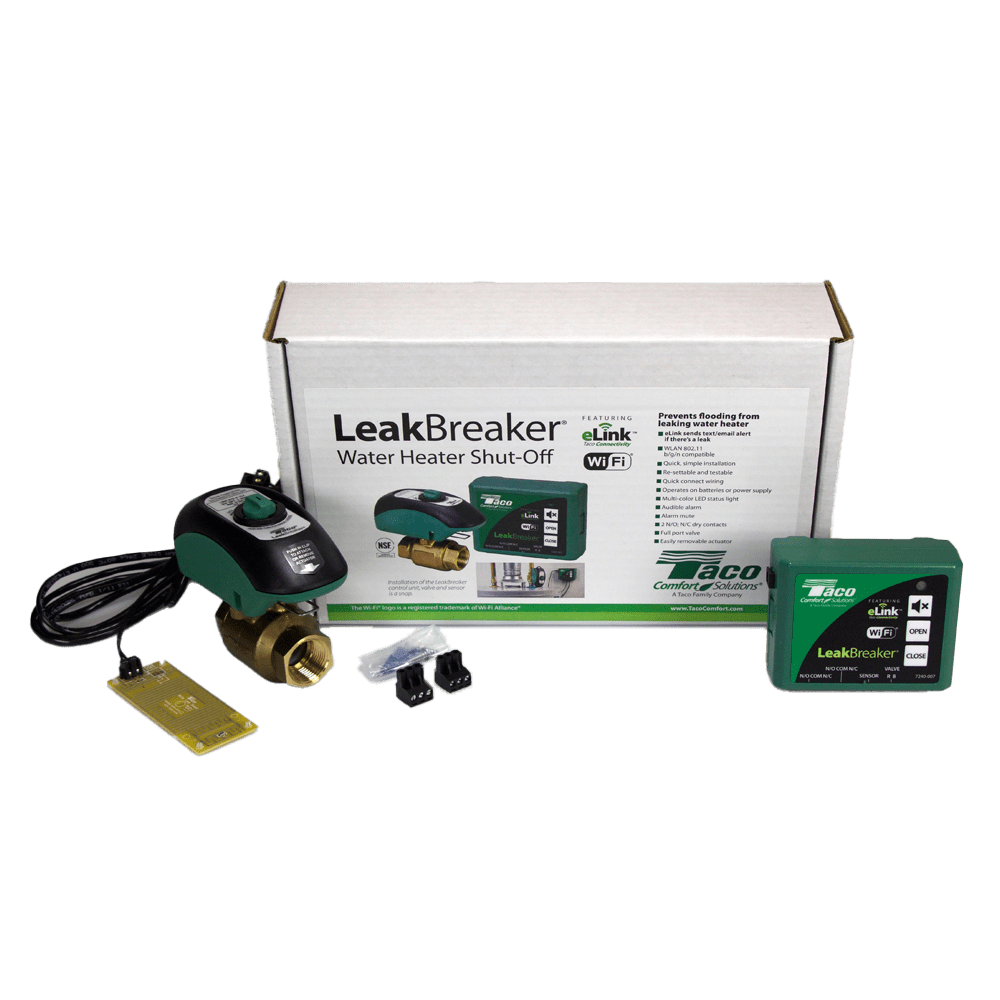
Credit: jacksonsystems.com
Limitations Of Remote Shutoff By Utilities
Remote water shutoff by utilities offers convenience but faces several limits. These limits affect how and when water companies can control water supply from afar. Understanding these limits helps customers know what to expect and how water utilities operate.
Physical Access Requirements
Many water shutoff systems need physical access to valves or meters. Remote technology often depends on smart meters connected to the water main. In areas without this tech, utility workers must visit homes to turn water off manually. Physical barriers or lack of equipment can stop remote shutoff.
Regional Differences In Technology Use
Not all regions use the same remote shutoff technology. Some cities have advanced smart meters, while others rely on traditional systems. Budget, infrastructure, and policy shape technology use. This means remote shutoff ability varies widely from place to place.
Customer Rights And Notifications
Water companies must respect customer rights before shutting off water. Laws often require warnings and notices before service stops. Customers usually get time to pay bills or resolve issues. Utilities cannot shut off water remotely without proper notification.
Future Trends In Water Service Management
The future of water service management is shifting towards smarter and more efficient systems. Technology is making it easier for water companies to monitor usage and manage supplies. Remote control and automation play a key role in this transformation. These trends aim to improve service reliability and customer experience.
Water providers are adopting tools that allow them to track water flow in real-time. This helps detect leaks and reduce waste quickly. The ability to shut off water remotely is becoming more common in certain situations. These changes also raise questions about regulations and privacy. Understanding these trends helps consumers stay informed about their water services.
Advances In Remote Metering
Remote metering technology is improving rapidly. Smart meters can send usage data directly to water companies. This allows for instant billing and better demand management. Problems like leaks or high usage get spotted faster. Some meters can even communicate water quality information. These advances reduce the need for manual meter reading visits.
Integration With Smart Home Systems
Smart home devices are starting to connect with water systems. Homeowners can monitor water use through phone apps. Some devices detect leaks and automatically shut off water to prevent damage. Integration with voice assistants offers easy control for users. This creates a more interactive and responsive water service experience. Such systems promote water conservation and safety.
Regulatory Changes Impacting Shutoff
New laws are shaping how water shutoffs are handled. Regulators focus on fairness and protecting vulnerable customers. Rules may limit when and how companies can disconnect water remotely. Transparency and notification requirements are increasing. These changes aim to balance utility needs with consumer rights. Water companies must adapt to these evolving legal standards.
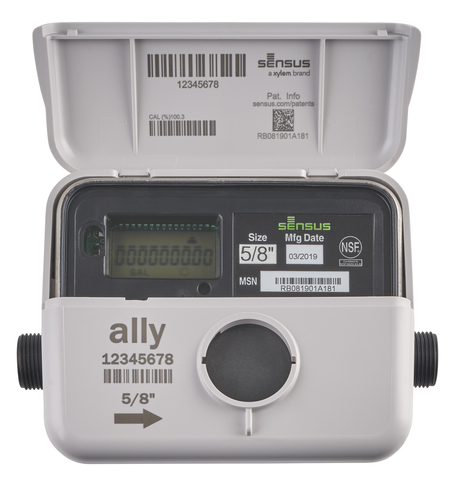
Credit: www.xylem.com
Frequently Asked Questions
Can The Water Company Shut Off Your Water Remotely?
Yes, some water companies use remote technology to shut off water for non-payment or emergencies. Customers cannot control this remotely.
Who Is Responsible For The Water Shut Off Valve?
The homeowner is responsible for maintaining and operating the water shut off valve. Utility companies control the main supply valve.
Can Water Be Turned Off From The Outside?
Yes, water can be turned off from outside via the master shutoff valve, usually located near the property’s exterior. Water companies may also shut off service remotely for non-payment or emergencies using advanced technology. Homeowners control the valve for maintenance and emergencies.
How Long Can A Water Supply Be Turned Off?
A water supply can typically be turned off from a few hours to several days, depending on the reason. Utilities usually notify customers about planned outages. Emergency shutoffs may last longer until repairs or payments are made. Always check with your local water provider for specific timeframes.
Conclusion
Water companies use technology to control water flow remotely. This helps manage non-payment shutoffs quickly and safely. Some areas still require manual shutoff by technicians. Homeowners should know their water shutoff valve location for emergencies. Smart devices also offer automatic water shutoff to prevent leaks.
Understanding these options keeps water service smooth and reliable. Stay informed about your local water company’s policies and tools. This knowledge helps avoid surprises and manage water use better.