




This post may contain affiliate links. Please read my disclosure policy.
In This Article Show
If your American Standard toilet isn’t flushing properly or keeps running, you’re not alone—and fixing it might be simpler than you think. Many common toilet problems, like constant running water, weak flushes, or leaks, often point to issues with the flush valve.
Understanding how to troubleshoot your American Standard flush valve can save you time, money, and frustration. In this guide, you’ll learn step-by-step how to identify the problem, what causes it, and how to fix it quickly. Keep reading to get your toilet working like new again without the hassle of calling a plumber.

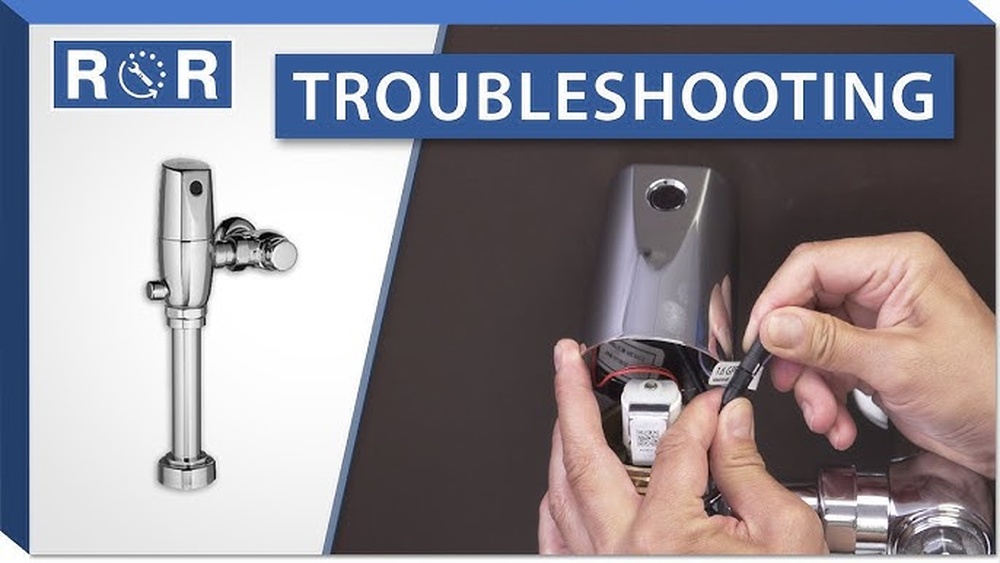
Credit: www.youtube.com
Common Flush Valve Issues
Common flush valve issues affect the performance of American Standard toilets. These problems cause inconvenience and water waste. Understanding the symptoms helps in quick fixes. Below are the most frequent problems users face.
Running Water
Running water happens when the flush valve or flapper does not seal properly. Water keeps flowing from the tank to the bowl. This wastes water and raises utility bills. A worn-out flapper or debris can cause this issue. Sometimes, the fill valve fails to stop water flow.
Weak Flushes
Weak flushes mean the toilet does not clear waste effectively. Low water level in the tank often causes this. A partially closed flush valve can reduce water flow. Blockages in the rim jets or trapway also weaken the flush. This problem leads to repeated flushing and frustration.
Leaks
Leaks occur around the flush valve or between the tank and bowl. A damaged flush valve gasket often causes leaks. Cracks in the porcelain may also lead to water leakage. Early detection prevents water damage to the floor and walls. Regular inspection helps catch leaks early.
Double Flushing
Double flushing happens when the toilet flushes twice in a row. The flush valve may close too quickly, causing partial flushes. This triggers an automatic second flush. The issue wastes water and annoys users. Adjusting or replacing the flush valve can solve this problem.
Clogging
Clogging blocks water and waste from flowing properly. Overuse of toilet paper or flushing non-flushable items causes clogs. Slow draining or overflow may signal a clog. Regular maintenance and mindful flushing habits reduce clog risks. A plunger or auger can clear most clogs.
Loose Handle
A loose handle makes flushing difficult or impossible. The flush lever may not lift the flapper fully. This leads to weak or no flushes. Tightening the handle or replacing worn parts restores proper function. Ensure the handle moves smoothly without resistance.
Causes Behind Problems
Troubles with American Standard flush valves often stem from specific causes. Identifying these helps fix issues quickly. Problems usually arise from parts wearing out, blockages, or design flaws. Understanding these causes makes troubleshooting easier.
Faulty Flush Valve Components
Flush valves have many parts that can fail. Worn-out gaskets cause leaks and running water. A damaged diaphragm or seal stops the valve from closing properly. Springs can lose tension, affecting the valve’s operation. Replacing faulty parts often resolves the issue.
Blockages And Debris
Blockages inside the valve or pipes reduce water flow. Mineral buildup from hard water clogs the valve. Dirt and debris can get stuck in the flush valve seat. These blockages cause weak flushing or incomplete valve closure. Cleaning the valve and pipes clears these problems.
Design-related Issues
Some American Standard models have design flaws that cause recurring problems. Poor valve alignment causes leaks or double flushing. Valve sizes that don’t match the toilet reduce flushing power. Older designs may wear out faster. Knowing these helps choose the right replacement parts.
Identifying Your Toilet Model
Identifying your American Standard toilet model is the first step in troubleshooting flush valve issues. Each model has unique parts and designs. Knowing your model helps find the right replacement parts and repair methods. It saves time and avoids frustration during repairs.
Most American Standard toilets have a model number printed on them. This number is usually on the inside of the tank or under the tank lid. Sometimes, it can be found on the back of the toilet bowl near the floor.
Locating The Model Number
Open the toilet tank lid carefully. Look on the inside wall of the tank. The model number is often stamped or printed there. If not, check under the tank lid. Some models have a sticker with the number. Also, inspect the back of the toilet bowl near the floor. The model number might be there.
Understanding Model Number Formats
American Standard model numbers vary in format. They usually contain letters and numbers. For example, “A112.19” or “Madera 2037.216”. Some include the series name. Knowing the format helps when searching for parts. Write down the exact model number for reference.
Using The Model Number For Parts And Repairs
Once you find the model number, use it to find parts online or in stores. Flush valves, flappers, and fill valves are model-specific. Using the correct parts ensures the toilet works properly. It also prevents leaks and weak flushes.
Quick Fixes For Flush Valve Problems
Flush valve problems can disrupt your toilet’s performance. Quick fixes often restore smooth operation without needing a plumber. These simple steps save time and money.
Cleaning Fill Valve
Mineral deposits can block the fill valve. Turn off the water supply first. Remove the valve cap and soak it in vinegar. Use a soft brush to clean debris. Reassemble and turn water back on. This improves water flow and stops running toilets.
Replacing Flapper
A worn flapper causes leaks and running water. Lift the tank lid and drain some water. Unhook the old flapper from the flush valve. Attach a new flapper in the same position. Test the flush to ensure a tight seal. This fix stops water waste instantly.
Clearing Trapway Blockages
Blockages in the trapway reduce flush power. Use a plunger to push clogs through the drain. For stubborn blockages, try a toilet auger. Insert the auger carefully to avoid damage. Clear the trapway to restore strong flushing.
Adjusting Flush Valve Timing
Flush valve timing affects water flow length. Lift the flush lever and check chain slack. Adjust the chain length to prevent early valve closure. Longer flush times improve waste removal. Fine-tuning timing enhances toilet efficiency.
Tools And Parts Needed
Troubleshooting an American Standard flush valve requires specific tools and parts. Having the right items ensures a smoother repair process and better results. This guide covers essential tools and replacement parts needed for most flush valve fixes.
Replacement Flush Valve Parts
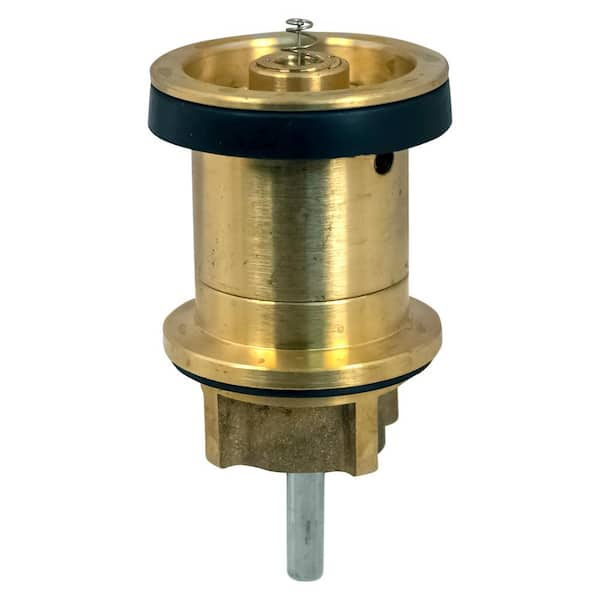
Flush valves wear out over time and need replacement parts. Common parts include the flapper, gasket, and valve seat. Choose genuine American Standard parts for compatibility and durability. Keep extra seals and washers handy to avoid leaks. Always check the model number before buying parts.
Closet Auger And Cleaning Tools
A closet auger helps clear clogs in the toilet trap. It is a flexible tool designed for deep cleaning. Use it carefully to avoid damaging the flush valve or bowl. Cleaning brushes and mild cleaners remove buildup around the valve. Regular cleaning prevents future flush valve problems.
Wrenches And Screwdrivers
Basic hand tools like wrenches and screwdrivers are necessary for flush valve repairs. An adjustable wrench fits various nuts and bolts on the valve assembly. Flathead and Phillips screwdrivers remove screws holding the valve in place. Use tools that fit well to avoid stripping screws or nuts.

Credit: fluidmaster.com
Warranty And Replacement Tips
Understanding the warranty and replacement options for your American Standard flush valve can save time and money. Knowing the coverage details helps you decide whether to repair or replace parts. Using genuine parts ensures your toilet works properly and lasts longer.
These tips will guide you through checking your warranty and finding the right replacement parts. You can avoid common mistakes and keep your toilet functioning smoothly.
Checking Warranty Coverage
Start by locating your purchase receipt or product manual. These documents often contain warranty information. American Standard usually offers limited warranties on flush valves. The coverage period varies by model and purchase date.
Contact American Standard customer service with your model number. They can confirm if your flush valve is still under warranty. Warranty may cover defects but not damage from misuse. Keep records of any repairs or replacements you request.
Sourcing Genuine Parts
Use only genuine American Standard parts for replacements. These parts fit perfectly and maintain product quality. Avoid generic or third-party components that may cause leaks or malfunctions.
Check the official American Standard website or authorized dealers for parts. Verify the part numbers match your flush valve model. Genuine parts help extend your toilet’s lifespan and ensure smooth operation.
Preventive Maintenance Steps
Preventive maintenance helps keep your American Standard flush valve working well. Small efforts stop big problems. Regular care saves money and time. Follow simple steps to avoid common flush valve issues.
Regular Cleaning
Clean the flush valve every few months. Use a soft cloth and mild cleaner. Avoid harsh chemicals that can damage parts. Remove mineral buildup around the valve and flush handle. Clean parts improve water flow and prevent leaks.
Routine Inspections
Check the flush valve for wear and tear often. Look for cracks, loose parts, or corrosion. Test the flush to see if it works smoothly. Early spotting of problems avoids costly repairs. Replace worn parts before they fail.
Avoiding Common Mistakes
Do not force the flush handle or valve. Avoid flushing items like paper towels or wipes. These cause clogs and damage the valve. Do not ignore small leaks or running water. Fix problems early to keep your toilet working well.
Credit: www.homedepot.com
Frequently Asked Questions
What Are The Common Problems With American Standard Toilets?
Common problems with American Standard toilets include running water, weak flushes, leaks, clogs, and loose handles. Faulty flush valves, flappers, and fill valves often cause these issues. Some models, like the Champion, may have flush valve gasket failures leading to leaks or double flushing.
How To Fix An American Standard Toilet That Won’t Flush?
Check the flapper and flush valve for damage or debris. Clear any clogs in the trapway or rim jets. Ensure the water level is adequate. Replace faulty parts like the flapper or flush valve if needed. Test the handle and chain for proper operation.
What Is The Symptom Of A Faulty Flush Valve?
A faulty flush valve causes continuous running water, weak or incomplete flushes, and leaks around the toilet base or tank.
What Is The Lawsuit Against American Standard Toilets?
The lawsuit against American Standard toilets alleges defective flush valves causing leaks and premature failures. Plaintiffs claim these defects lead to water waste and costly repairs. American Standard faces accusations of ignoring design flaws in certain models, like the Champion series, resulting in persistent flushing problems and leaks.
Conclusion
Troubleshooting an American Standard flush valve saves time and money. Check parts like the flapper and fill valve regularly. Clear any blockages to ensure smooth flushing. Fix leaks early to avoid bigger problems. Simple steps keep your toilet working well.
Stay patient and follow the guide carefully. Reliable toilet performance is within your reach.