 Luis Nixon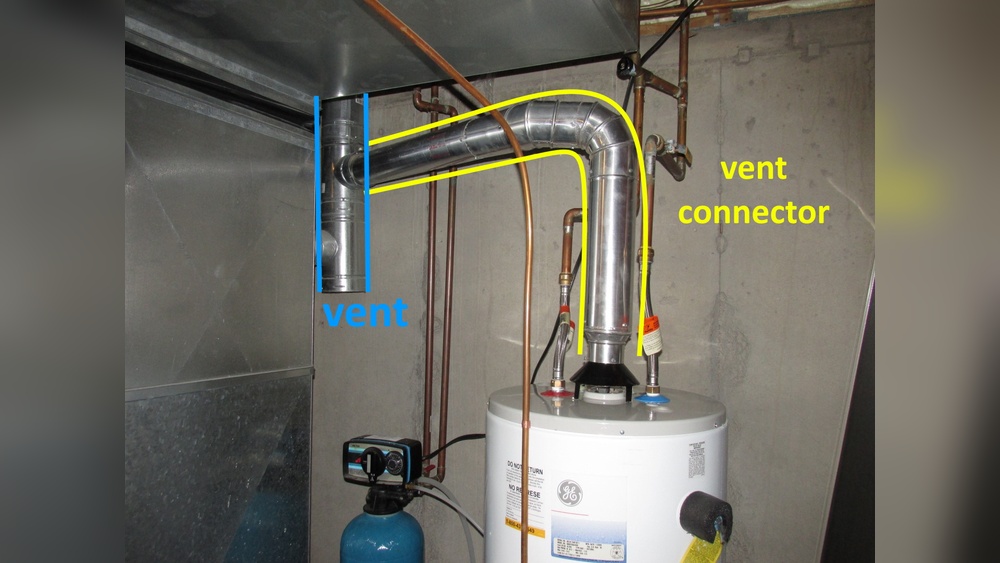
When it comes to your water heater, one detail you might overlook—but shouldn’t—is the size of the exhaust pipe. Choosing the right water heater exhaust pipe size is crucial for your safety, efficiency, and the longevity of your system.
If the pipe is too small, harmful gases might not vent properly; if it’s too large, you could face drafts or poor performance. You want to get this just right, but how do you know what size fits your water heater?
You’ll discover the key factors that determine the correct exhaust pipe size, important safety tips, and why following manufacturer instructions and local codes matters more than you think. Keep reading to ensure your water heater works safely and efficiently in your Austin home.
Credit: www.avilproperu.com
Choosing The Right Pipe Size
Choosing the right exhaust pipe size for your water heater is essential for safe and efficient operation. The correct pipe size ensures that combustion gases are vented properly. This prevents dangerous buildup of gases like carbon monoxide. It also helps the water heater work at its best.
Btu Output And Pipe Diameter
The size of the exhaust pipe depends largely on the BTU output of the water heater. Higher BTU units need larger pipes to vent gases safely. Check the BTU rating on your water heater’s label. Use this number to match the pipe diameter recommended for that BTU level. Using a pipe that is too small can cause poor venting and safety risks.
Manufacturer Specifications
Each water heater model comes with manufacturer specifications for vent pipe size. These guidelines are based on testing and safety standards. Always follow the manufacturer’s instructions exactly. Ignoring these can void your warranty and cause unsafe operation. The manual will also give details about pipe materials and installation methods.
Local Building Codes
Local building codes set rules for vent pipe size and installation. These codes ensure safety and compliance with local laws. Codes may vary by city or state. Contact your local building department to learn the rules in your area. Following codes prevents fines and ensures your home is safe from venting hazards.

Credit: watercomfortdepot.com
Vent Pipe Types
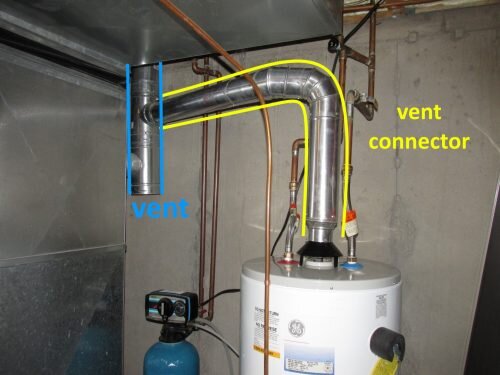
Choosing the right vent pipe type is key for safe water heater operation. Vent pipes carry exhaust gases from the heater to outside. They must match the water heater’s size and type. Different vent pipes suit different setups. Understanding vent pipe types helps you pick the best one for your home.
Common Vent Vs Individual Vent
Common vents serve multiple appliances with one pipe. They save space and reduce materials. Each appliance must be compatible with common venting. Individual vents connect directly to one heater. They offer better control of exhaust flow. Individual vents reduce risk of gas mixing. Choose based on your water heater system and local codes.
Material Options
Vent pipes come in various materials. Galvanized steel is popular for its strength and cost. Stainless steel resists heat and corrosion better. Aluminum pipes are lightweight and easy to install. Some systems use PVC for cooler exhaust gases. Material choice depends on heater type and vent temperature. Always use materials approved by manufacturers and codes.
Corrosion Resistance
Corrosion can damage vent pipes and cause leaks. Stainless steel offers the best corrosion resistance. Galvanized steel may rust over time without proper coating. PVC pipes resist corrosion but suit only low-temperature vents. Proper vent design reduces moisture buildup inside pipes. Inspect vents regularly to catch corrosion early. Durable materials ensure long-lasting, safe venting.
Installation Factors
Proper installation of a water heater exhaust pipe is essential for safety and efficiency. Several factors affect the choice of pipe size and placement. Understanding these factors helps prevent dangerous gas buildup and ensures good airflow.
Vent Length And Pitch
The length of the vent pipe impacts how well exhaust gases move out. Longer vents need a larger diameter to maintain proper flow. The pipe must have a slight upward pitch. This pitch allows condensation to drain back into the heater. Incorrect pitch can cause blockages or leaks.
Clearance Requirements
Clearance is the space between the vent pipe and combustible materials. Adequate clearance prevents fire risks. Local building codes specify minimum clearance distances. Follow these rules strictly to avoid hazards. Use approved insulation or shields if clearance is tight.
Sealing And Joints
All joints in the exhaust pipe must be sealed properly. Tight seals prevent dangerous gas leaks. Use high-temperature sealants designed for vent pipes. Secure joints with appropriate clamps or screws. Regularly inspect seals for wear or damage over time.
Safety Measures
Water heater exhaust pipe size plays a vital role in safety. Proper venting prevents harmful gases from entering your home. Taking safety measures protects your family and property. Understanding key safety steps helps maintain your water heater’s efficiency and reliability.
Draft Testing
Draft testing checks if exhaust gases flow properly outside. It ensures no harmful fumes enter living spaces. Use a smoke pencil or similar tool for testing. A good draft pulls gases upward and out. Poor draft means possible leaks or blockages.
Backdraft Prevention
Backdraft happens when exhaust gases flow back inside. It can cause carbon monoxide buildup and health risks. Installing a proper vent pipe size stops backdraft. Use vent caps and flue dampers to control airflow. Keep vents clear of debris and obstructions at all times.
Professional Inspection
Hire a licensed technician for regular inspections. Professionals verify correct pipe size and installation. They spot issues like corrosion, cracks, or loose connections. An expert’s check ensures your water heater runs safely. Schedule inspections annually or after any changes.
Multiple Water Heater Venting
Venting multiple water heaters requires careful planning to ensure safety and efficiency. A shared exhaust pipe must handle the combined output of all units. Proper sizing prevents backdrafting and dangerous gas buildup.
Each water heater adds to the total heat and exhaust volume. The vent system must accommodate this increase without restricting airflow. Understanding vent sizing rules for multiple units is essential for a safe setup.
Sizing For Two Or More Units
Calculate the total BTU input of all water heaters combined. Use this total to determine the correct vent pipe diameter. Manufacturers often provide charts or tables for sizing based on combined BTUs.
The vent pipe must be large enough to carry exhaust gases from all units. A pipe too small will cause poor venting and possible carbon monoxide risks. Using a larger diameter pipe can improve airflow and safety.
Common Vent Sizing Challenges
One challenge is finding a vent size that fits existing spaces. Large diameter pipes may be hard to install in tight areas. Another issue is balancing vent length and pitch to maintain good draft.
Improper vent connections can cause leaks or blockages. Mixing different pipe materials or sizes may create issues. Following local building codes and manufacturer instructions helps avoid these problems.
Troubleshooting Vent Issues
Troubleshooting vent issues is crucial for water heater safety and efficiency. A properly sized exhaust pipe ensures harmful gases leave your home safely. Vent problems can cause serious health risks and reduce heater performance. Identifying and fixing vent issues early protects your family and equipment.
Signs Of Improper Venting
Look for unusual smells near the water heater. A rotten egg odor may indicate gas leaks or poor venting. Yellow or flickering flames on gas heaters signal vent problems. Water buildup or moisture around the vent pipe is another warning sign. Strange noises, like whistling or rattling, can mean air flow is blocked or restricted. Watch for these signs to catch vent issues fast.
Soot And Corrosion Indicators
Black soot around the vent pipe or water heater shows incomplete combustion. Soot buildup can damage your system and pose health risks. Rust or corrosion on the vent pipe also indicates moisture problems. Corroded pipes may develop leaks that let dangerous gases into your home. Regularly check the vent pipe’s condition to prevent these issues.
Addressing Vent Blockages
Blockages reduce air flow and cause exhaust gases to back up. Common blockages include bird nests, debris, or dirt inside the pipe. Use a flashlight to inspect the vent pipe for obstructions. Clear blockages carefully to restore proper venting. If unsure, call a professional to clean and inspect the vent system. Keeping vents clear ensures safe and efficient water heater operation.
Efficiency Tips
Improving the efficiency of your water heater exhaust pipe can save energy and extend the system’s life. Small changes in pipe size and layout help the heater work better. Regular checks keep the vent clear and safe. These simple steps make a big difference in performance and safety.
Reducing Pipe Size Where Appropriate
Use the right pipe size for your water heater model. A pipe that is too large can slow exhaust flow. This lowers efficiency and wastes fuel. Cutting the pipe size to the recommended diameter helps gases move faster. It also reduces heat loss through the pipe walls. Follow the manufacturer’s sizing guide and local codes for best results.
Optimizing Vent Layout
Keep the vent path as short and straight as possible. Fewer bends mean less resistance for exhaust gases. Avoid sharp turns or long horizontal runs. A smooth, direct vent helps the heater vent properly. Proper slope in the vent pipe prevents condensation buildup. This keeps the system clean and working well.
Regular Maintenance
Check the exhaust pipe regularly for blockages or damage. Remove any debris or nests that may block airflow. Inspect joints and connections for leaks or rust. Clean the vent pipe to avoid soot buildup. Regular maintenance keeps the exhaust system safe and efficient. Schedule yearly inspections with a professional for peace of mind.
Credit: structuretech.com
Frequently Asked Questions
What Size Is The Exhaust On A Hot Water Heater?
The typical exhaust size for a hot water heater ranges from 3 to 6 inches in diameter. Always check the manufacturer’s manual and local codes for exact sizing. Proper vent size ensures safe exhaust flow and efficient operation. Professional installation is highly recommended.
Do You Need A 3 Inch Or 4 Inch Vent For A Water Heater?
Choose a 3-inch or 4-inch vent based on your water heater’s BTU rating and manufacturer instructions. Always follow local codes.
What Size Vent For A 50 Gallon Water Heater?
A 50-gallon water heater typically requires a 3-inch diameter vent pipe. Always follow the manufacturer’s instructions and local codes for exact sizing. Proper vent size ensures safe exhaust and efficient operation. Consult a professional for installation and inspection to prevent backdraft and maintain safety.
What Gauge Pipe For Water Heater Vent?
Use 24-gauge galvanized steel pipe for water heater vents. Always follow the water heater manual and local building codes for exact sizing and safety.
Conclusion
Choosing the right water heater exhaust pipe size ensures safety and efficiency. Always follow the manufacturer’s guidelines and local building codes. Proper sizing helps prevent harmful gases from entering your home. It also improves the water heater’s performance and lifespan.
Remember to check vent length, pitch, and BTU output carefully. Testing for proper draft after installation is crucial. Hiring a professional for installation or inspection is highly recommended. A well-sized exhaust pipe keeps your home safe and your water heater working well.