




This post may contain affiliate links. Please read my disclosure policy.
In This Article Show
If you’re planning to plumb a bathroom, choosing the right materials can make the whole process easier and more efficient. PEX piping is quickly becoming the go-to choice for bathroom plumbing because it’s flexible, durable, and simple to install.
But how do you get started with PEX? How do you ensure your bathroom plumbing is done right the first time? This guide will walk you through the essential steps to plumb your bathroom with PEX, helping you save time, avoid costly mistakes, and feel confident in your DIY skills.
Ready to take control of your bathroom project? Let’s dive in and make your plumbing task straightforward and stress-free.
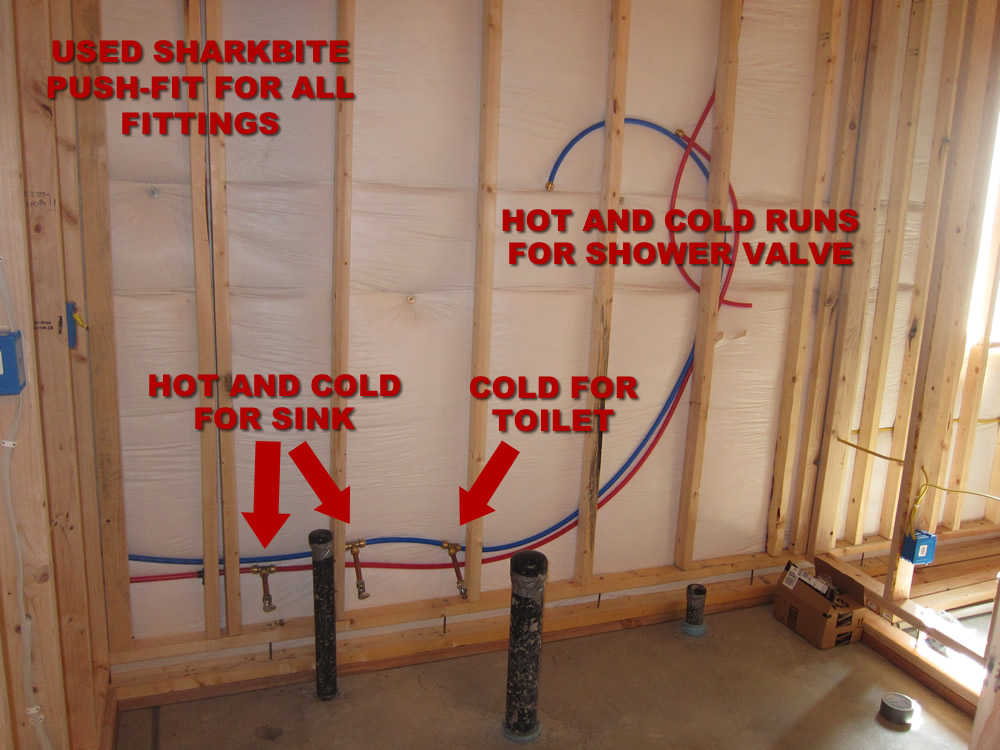
Credit: www.howtofinishmybasement.com
Choosing Pex Pipe
Choosing the right PEX pipe is key to a successful bathroom plumbing project. PEX pipes come in different types and sizes. Each type suits specific plumbing needs. Understanding these options helps you pick the best one for your bathroom.
PEX pipes offer many benefits over traditional materials. They are easy to work with and cost-effective. Knowing the advantages helps you make a smart choice.
Correct pipe sizing ensures good water flow and pressure. Too small or too large pipes cause problems. Learn how to size your pipes for the best results.
Types Of Pex
There are three main types of PEX pipes: PEX-A, PEX-B, and PEX-C. PEX-A is very flexible and easy to bend. It resists kinking and has good memory. PEX-B is stiffer but more resistant to chlorine and chemicals. PEX-C is less common and is rigid compared to the others. Choose the type based on your plumbing needs and local codes.
Advantages Over Copper
PEX pipes cost less than copper pipes. They are lighter and easier to carry. PEX does not corrode or develop pinholes. It handles freezing temperatures better without bursting. Installation is quicker with fewer fittings needed. These features save time and money during your bathroom project.
Sizing Your Pipes
Proper pipe size keeps water flowing smoothly. For bathroom sinks, use ½ inch PEX pipe. Toilets usually need ¾ inch pipes. Showers require ½ or ¾ inch depending on the flow rate. Larger pipes reduce pressure loss but cost more. Follow local plumbing codes for accurate sizing.
Tools And Materials
Plumbing a bathroom with PEX requires specific tools and materials. Each item plays a key role in ensuring a secure and leak-free system. Understanding these essentials helps you work efficiently and safely. Below are the main tools and materials you will need to start your PEX plumbing project.
Pex Pipes And Fittings
PEX pipes are flexible and resistant to corrosion. They come in various sizes to fit different plumbing needs. Choose the right diameter for your bathroom fixtures. PEX fittings connect the pipes to valves and fixtures. Use durable fittings designed for PEX systems. Common fittings include elbows, tees, and couplings.
Crimping Tools
Crimping tools secure fittings to PEX pipes tightly. These tools create a reliable seal that prevents leaks. Select a crimping tool compatible with your PEX rings or clamps. Most tools are easy to use with a ratcheting mechanism. Make sure to check each connection after crimping for safety.
Additional Supplies
Besides pipes and tools, you need other supplies for a smooth job. PEX rings or clamps hold the fittings in place. A pipe cutter ensures clean and straight cuts on the pipes. Use a deburring tool to smooth pipe edges. Teflon tape helps seal threaded connections. Keep a measuring tape and marker handy for accuracy.
Planning Your Layout
Planning your bathroom plumbing layout is the first step to a smooth PEX installation. A clear plan helps avoid mistakes and saves time. It ensures water flows efficiently to every fixture. This section guides you through mapping water supply lines, positioning fixtures, and considering venting and drainage.
Mapping Water Supply Lines
Start by drawing a simple map of your bathroom space. Mark the main water supply entry point. Plan routes for hot and cold water lines from this point to each fixture. Keep lines as short and direct as possible. Avoid sharp bends that can reduce water flow. Use PEX tubing’s flexibility to your advantage for easier routing. Label each line clearly on your map for reference.
Positioning Fixtures
Decide where each fixture will go before installing pipes. Position toilets, sinks, showers, and tubs for easy access and use. Keep water lines close to these fixtures to minimize pipe length. Ensure enough space for future repairs or upgrades. Consider the height and alignment of faucets and valves. Accurate fixture placement prevents costly adjustments later.
Considering Venting And Drainage
Proper venting is vital for bathroom plumbing to work well. Plan vent pipes to allow air flow and prevent traps from drying out. Position vents near drains for effective operation. Check local plumbing codes for venting rules. Design drainage pipes with a slight slope to guide water downhill. Avoid low spots where water can collect. Good drainage design stops clogs and foul odors.
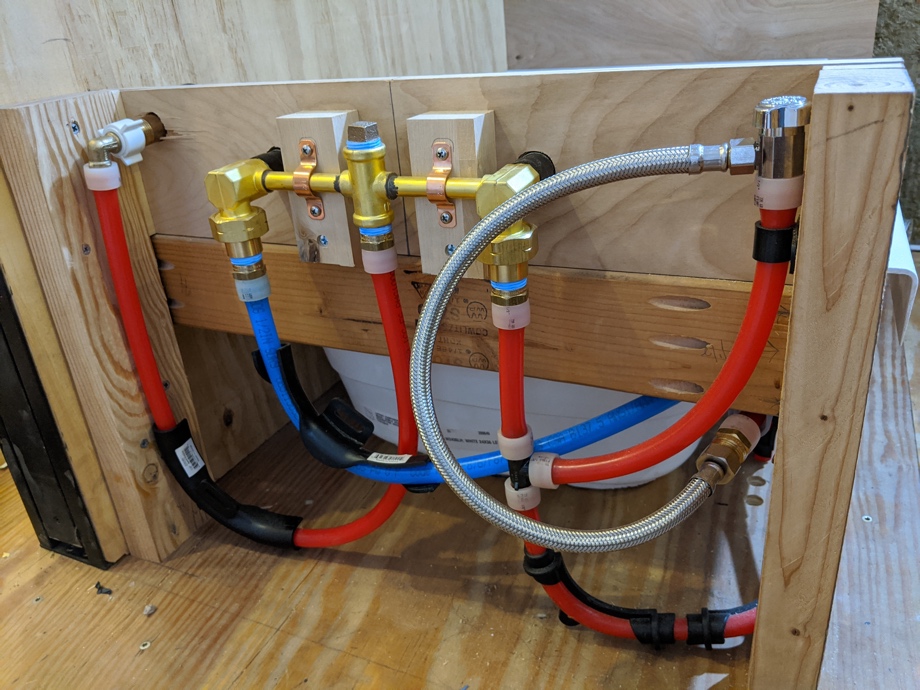
Credit: www.beginningfromthismorning.com
Installing Supply Lines
Installing supply lines with PEX pipe is a straightforward process that saves time and effort. PEX is flexible, durable, and resistant to corrosion. It works well for bathroom plumbing, providing a reliable water supply to fixtures. Proper installation ensures leak-free and long-lasting connections. Follow these steps to handle the key parts of installing supply lines.
Cutting And Measuring Pex
Measure the distance between fixtures carefully. Always allow a little extra length for bends and fittings. Use a PEX tubing cutter to get clean, straight cuts. Avoid using regular scissors or saws, as they can damage the pipe. A clean cut helps create a strong seal with fittings. Double-check measurements before cutting to reduce waste.
Making Crimp Connections
Place a crimp ring over the end of the PEX pipe. Insert the fitting fully into the pipe. Slide the crimp ring close to the fitting’s edge. Use a crimping tool to compress the ring evenly. Check the connection with a go/no-go gauge to ensure a proper fit. This method creates a secure and watertight joint.
Using Sharkbite Fittings
SharkBite fittings are push-to-connect and require no special tools. Simply push the PEX pipe into the fitting until it stops. Pull lightly to test if the connection is tight. These fittings are great for quick repairs or tight spaces. They provide a reliable seal and are reusable. Use them for easy and fast bathroom supply line installations.
Connecting To Fixtures
Connecting PEX piping to bathroom fixtures requires careful steps. Each fixture needs a secure and leak-free connection. Using the right tools and fittings ensures durability. This section covers how to connect PEX to toilets, sinks, showers, bathtubs, and water heaters.
Toilets And Sinks
Use a PEX to copper adapter or a PEX to threaded fitting for toilets. Attach the fitting to the water supply valve first. Then, connect the PEX tubing to this fitting using a crimp ring or clamp. For sinks, connect PEX tubing to the faucet’s water inlets. Use flexible PEX tubing to allow easy movement during installation. Tighten all connections firmly but avoid over-tightening.
Showers And Bathtubs
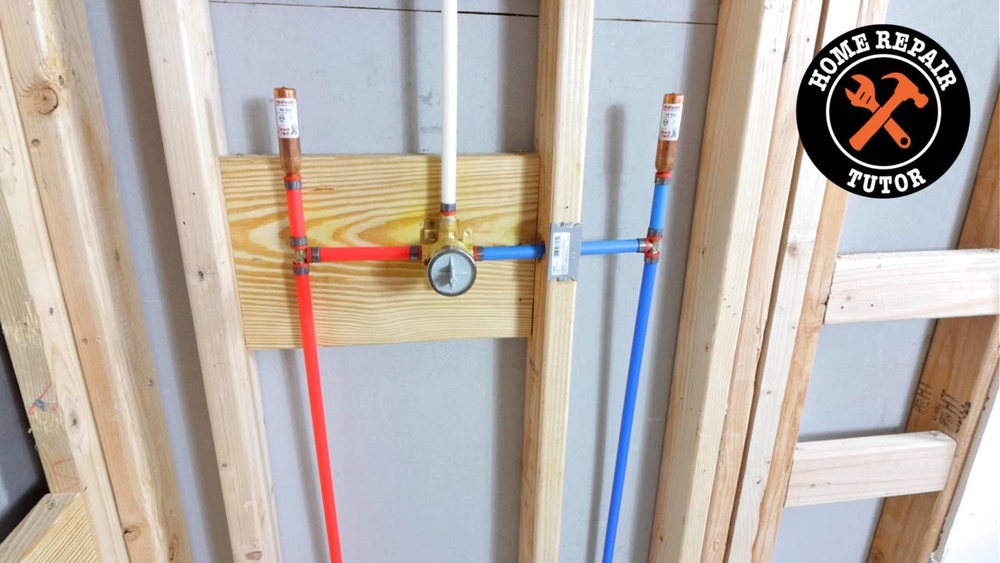
Install PEX tubing to the shower valve using a PEX adapter or brass fitting. Secure the connection with a crimp ring or clamp. For bathtubs, run PEX lines to the tub spout and faucet valves. Keep the tubing straight and avoid sharp bends near fittings. Test all connections for leaks before closing walls or finishing surfaces.
Water Heater Connections
Connect PEX lines to the water heater using a PEX to threaded adapter. Attach the adapter to the heater’s inlet and outlet pipes. Use a crimp ring or clamp to secure the PEX tubing onto the adapter. Ensure the hot and cold lines are connected correctly to prevent cross-flow. Check all fittings carefully for leaks before turning on the heater.
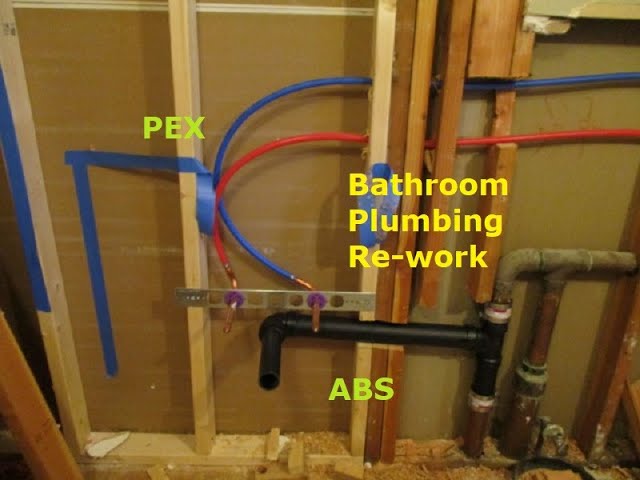
Credit: www.youtube.com
Securing And Supporting Pipes
Securing and supporting PEX pipes is essential for a durable bathroom plumbing system. Proper support prevents damage and keeps pipes in place. It reduces stress on fittings and avoids leaks. Strong support also helps maintain water flow efficiency. Following the right steps ensures your bathroom plumbing lasts longer and works better.
Using Pipe Clamps
Pipe clamps hold PEX pipes firmly against walls or joists. They stop pipes from moving or sagging. Use clamps every 32 inches for horizontal runs. For vertical runs, space clamps every 6 feet. Choose clamps made for PEX to avoid pipe damage. Tighten clamps enough to hold pipes but not squeeze them.
Avoiding Kinks
Kinks weaken PEX pipes and cause leaks. Handle pipes gently during installation. Avoid sharp bends or tight turns. Use elbow fittings for direction changes. Keep bends wider than the pipe’s bend radius. If a kink occurs, replace that pipe section immediately. Smooth pipe paths improve water flow and pipe life.
Allowing For Expansion
PEX pipes expand and contract with temperature changes. Leave small gaps between pipes and clamps. This space lets pipes move slightly without damage. Avoid rigid mounting that stops pipe movement. Use expansion loops or bends in long pipe runs. Proper expansion allowance prevents stress and cracks.
Testing And Troubleshooting
Testing and troubleshooting are vital steps after installing PEX plumbing in your bathroom. These steps ensure your system works safely and prevents water damage. Skipping testing can lead to leaks, costly repairs, and wasted time. Follow simple methods to check your work and fix issues early.
Pressure Testing
Pressure testing checks if the PEX pipes hold water without leaks. Use an air or water pressure gauge for this test. Close all valves and connect the gauge to the system. Slowly increase pressure to the recommended level, usually 50 psi. Watch the gauge for 30 minutes. If pressure drops, a leak might exist. This test confirms pipe strength and fitting tightness.
Identifying Leaks
Leaks often show as damp spots or water dripping from joints. Look carefully around fittings, connections, and bends. Use a flashlight to spot wet areas in dark spaces. You can also apply soapy water on joints; bubbles will form at leak points. Listen for hissing sounds that air leaks make during pressure testing. Early leak detection stops bigger problems later.
Fixing Common Issues
Tighten loose fittings with a PEX crimp or clamp tool. Replace damaged or kinked pipes immediately. Cut out faulty sections and add new PEX tubing with proper fittings. Use a pipe cutter for clean edges. Ensure all connections have secure crimps or clamps. Check manufacturer instructions for fitting requirements. Fixing problems quickly saves money and keeps your bathroom dry.
Code Compliance Tips
Following plumbing codes is key to a safe and legal bathroom installation. PEX plumbing must meet local rules to avoid costly fixes later. Knowing these rules helps keep your project smooth and your bathroom working well for years.
Local Plumbing Codes
Every city or county has its own plumbing codes. These rules cover pipe size, materials, and installation methods. Check your local building department or website for the exact codes. Using the right PEX tubing and fittings is part of meeting these codes.
Codes also set standards for water pressure and temperature limits. Follow these limits to avoid pipe damage or leaks. Inspectors will look for code compliance during their visit.
Inspection Preparation
Prepare your PEX plumbing for inspection by organizing your work area. Label pipes clearly to show water flow direction. Keep your installation neat and accessible for the inspector.
Make sure all connections are tight and supported. Fix any leaks or loose fittings before the inspection day. Have your tools and plans ready to answer any questions.
Permits And Documentation
Obtain the necessary permits before starting your PEX plumbing project. Permits show you follow legal procedures and local laws. Keep copies of all paperwork and receipts for materials.
Document each step of your installation with photos or notes. This proof helps during inspections and future repairs. Proper documentation saves time and prevents misunderstandings with officials.
Frequently Asked Questions
What Is Pex Plumbing In Bathroom Installation?
PEX plumbing uses flexible plastic tubing for water supply lines. It is durable, easy to install, and resists corrosion and freezing.
How Do You Connect Pex Pipes In A Bathroom?
Connect PEX pipes with crimp rings or clamp rings using a specialized tool. Ensure tight fittings to prevent leaks.
Can Pex Piping Handle Hot Water In Bathrooms?
Yes, PEX pipes are designed to handle both hot and cold water safely. They maintain flexibility even at high temperatures.
Is Pex Plumbing Suitable For Diy Bathroom Projects?
PEX plumbing is beginner-friendly due to flexible pipes and simple fittings. However, follow local codes and use proper tools for best results.
Conclusion
Plumbing a bathroom with PEX can save time and reduce leaks. PEX pipes are flexible and easy to install in tight spaces. Use the right tools and fittings for secure connections. Measure carefully to avoid waste and ensure proper flow.
Test the system before closing walls to catch any leaks. With patience and attention, your bathroom plumbing will work well for years. Simple steps lead to strong results. Give your bathroom reliable water lines with PEX plumbing.